The market for optics-ready concealed carry weapon (CCW) pistols has exploded over the last decade. Today, consumers expect their everyday carry firearms to support specialized optics that enhance accuracy, target acquisition, and situational awareness. For brands looking to enter or dominate this lucrative space, launching a high-quality optic is no longer an option—it is a necessity.
However, developing a reliable optic for a reciprocating pistol slide is one of the most challenging feats in modern mechanical and optical engineering. A micro optic must survive violent kinetic forces, maintain absolute zero, and provide predictable uptime across real-world carry conditions—all while remaining compact enough to conceal comfortably.
To succeed in this highly competitive market, brands must carefully navigate the complex world of OEM/ODM Optics. Whether you are an established firearms manufacturer or a disruptive accessory brand, understanding the core engineering constraints of micro-optics is the key to launching a profitable, duty-grade product.
Here is a comprehensive guide to the five primary engineering constraints brands face when developing a Custom Red Dot Sight for CCW applications, and how to partner with the right manufacturers to overcome them.

Constraint 1: Surviving the Physics of the Pistol Slide
When a red dot scope is mounted to a traditional rifle receiver, it experiences recoil, but the optic itself remains stationary relative to the gun’s frame. A pistol-mounted reflex sight, however, rides directly on the slide. Every time a round is fired, the slide aggressively snaps backward and violently slams forward.
This creates a brutal environment for fragile glass and delicate electronics.
The 1200G Benchmark
To be considered duty-worthy, a CCW optic must achieve a Recoil Durability 1200G rating—meaning it can withstand gravitational forces 1,200 times the force of earth’s gravity, repeatedly, without losing its zero or suffering electronic failure. Achieving this requires meticulous internal potting, where electronic components are encased in shock-absorbing epoxy, preventing the battery contacts and emitter from shifting during recoil.
Material Selection: Housing Integrity (7075 Temper Is Not a Detail)
To protect the internal components from drops, impacts, and rack-manipulations, the housing material must be incredibly robust. Standard 6061 aluminum is often insufficient for top-tier duty use. Brands commonly mandate 7075 Aluminum CNC machining, but “7075” alone is not a complete material callout.
Engineering drawings should explicitly distinguish between 7075-T2 and 7075-T6. 7075-T2 relies on natural aging and, in practical duty-cycle terms, offers significantly lower fatigue resistance than 7075-T6 (artificial aging). For a slide-mounted optic that is subjected to repeated high-G acceleration events over tens of thousands of cycles, 7075-T6 is the non-negotiable baseline for long-term structural integrity and dimensional stability.
7075-T6 aluminum also provides tensile strength nearly double that of 6061, putting it on par with many steel alloys while weighing a fraction of the amount. By utilizing advanced 5-axis CNC machining, manufacturers can create protective “hoods” around the glass lens that transfer impact energy away from the fragile optical window and into the robust metal frame—provided the temper specification is controlled and verified.


Constraint 2: Balancing Window Size with Concealability
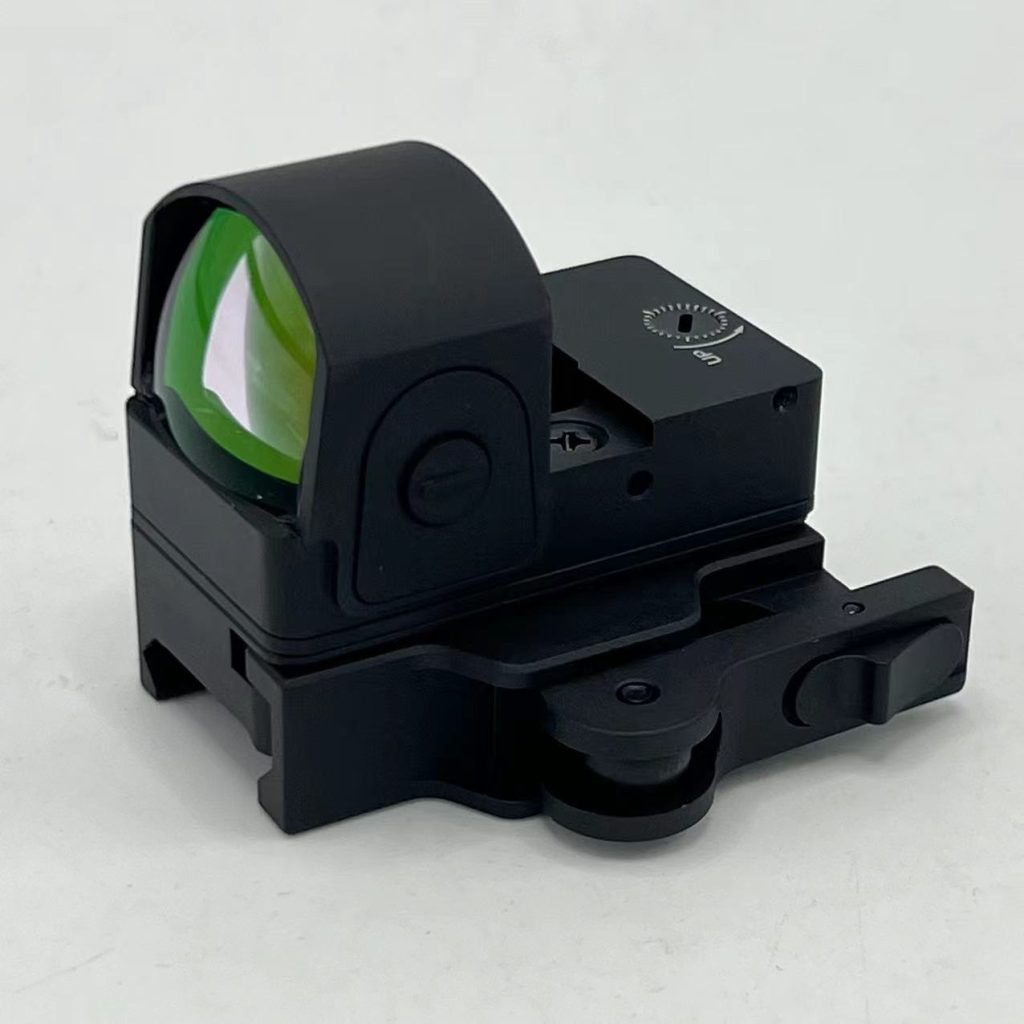
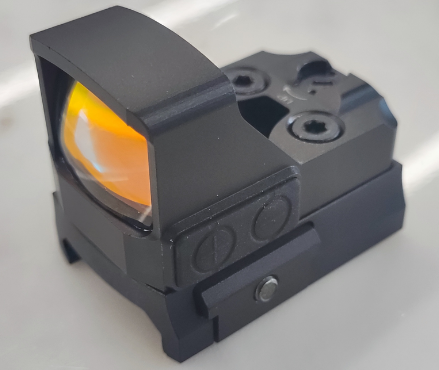
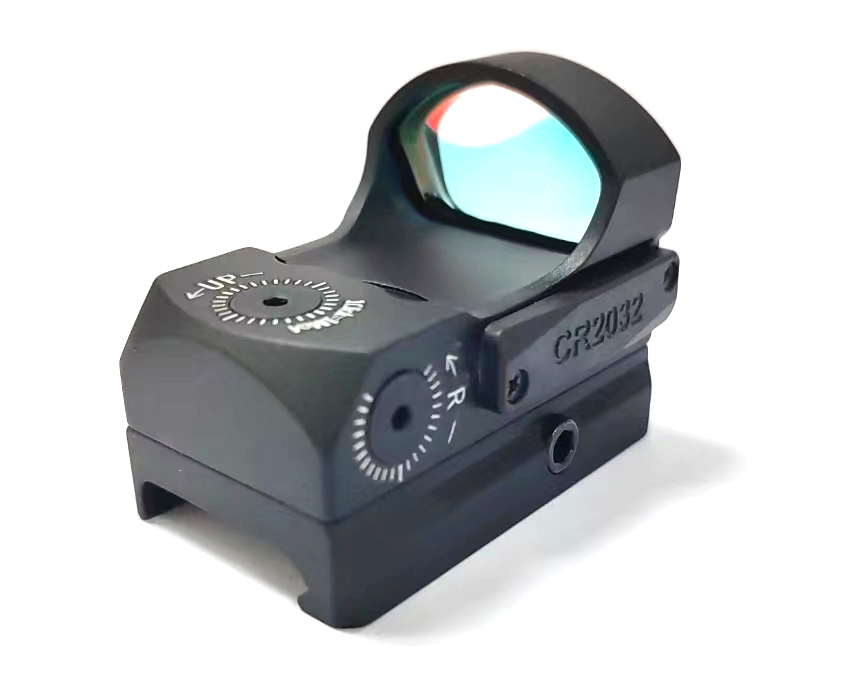
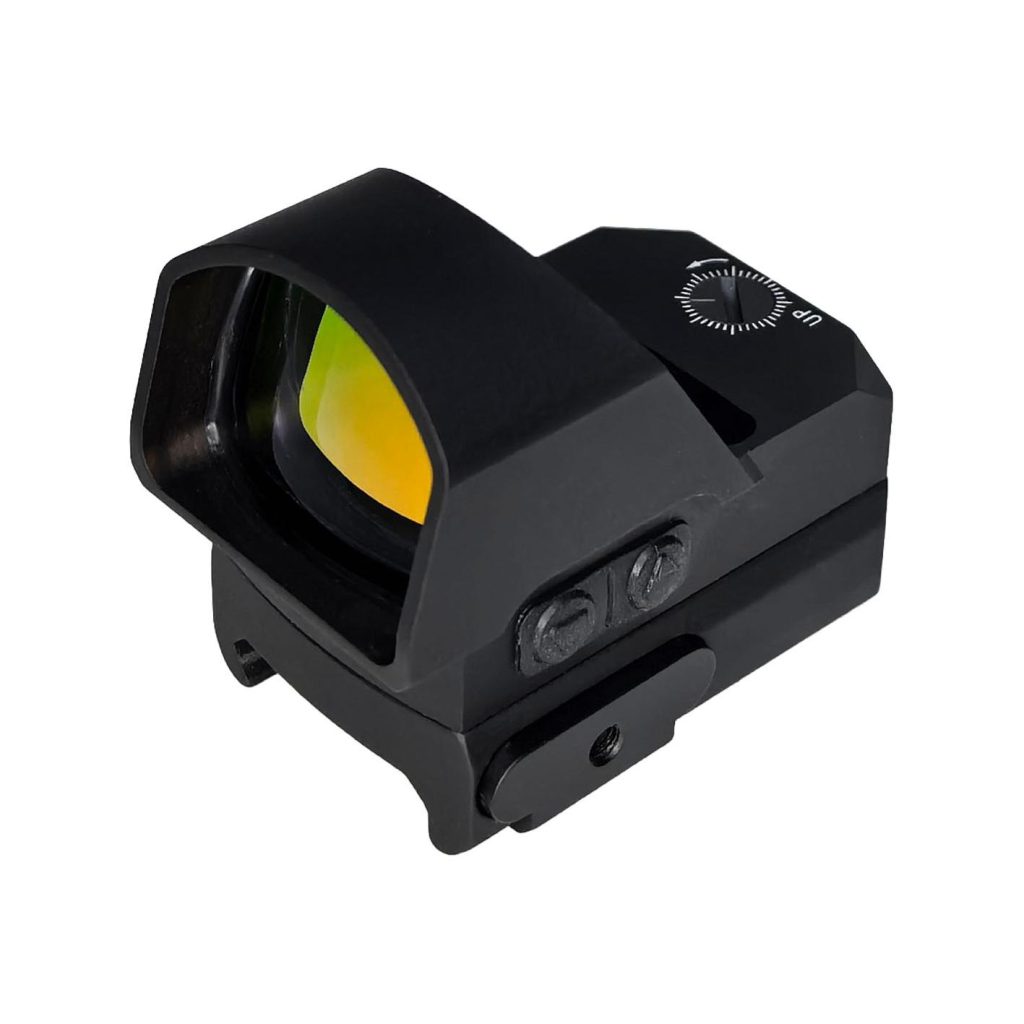
In Micro Red Dot Engineering, real estate is your most strictly rationed resource. Shooters want the largest possible viewing window to track the dot during recoil, but the optic must remain small enough to prevent printing under a t-shirt and light enough not to induce weapon malfunctions.
Sourcing the Right Glass
This balancing act brings brands to a critical crossroads: choosing custom vs off-the-shelf optical components. Off-the-shelf lenses are affordable and quick to source, but they often dictate the size and shape of your housing. To truly innovate, brands often require bespoke glass lens fabrication processes.
Custom glass allows engineers to push the lens closer to the edges of the housing, maximizing the field of view without increasing the optic’s overall footprint.
Advancements in Lens Geometry
Minimizing edge distortion and parallax requires precise optical curvatures. By leveraging aspheric lens manufacturing capabilities, optical engineers can create lenses with complex surface profiles that reduce spherical aberration. This results in a flat, clear sight picture, ensuring the red dot remains crisp regardless of where the shooter’s eye is positioned behind the glass.
For brands worried about scale, partnering with advanced optical fabricators unlocks access to cost-effective micro-optics fabrication methods, such as precision glass molding or wafer-level optics, which can lower the per-unit cost of custom aspheric lenses at high volumes.

Constraint 3: Motion Awake Is a Reliability Problem First
A CCW red dot sight is only valuable if it is on when the gun is presented. For Motion Awake implementations, the first priority is 100% reliable wake-up during the transition from holster to firing position. If the dot fails to wake on a clean draw stroke, no amount of theoretical battery optimization matters.
False Triggering: A Secondary Concern in Modern Designs
“False triggering” (accidental wake-up from minor bumps) is a common concern, but in modern engineering it is typically secondary. With current low-power chipsets and high-efficiency LED processes, the standby/operating current can be driven down to a few micro-amps (μA). In practical terms, the power drain from occasional accidental wake-ups is negligible relative to the service life of common, readily accessible batteries such as CR1620 / CR2032.
Motion Logic: Threshold Tuning Under Real Carry Conditions
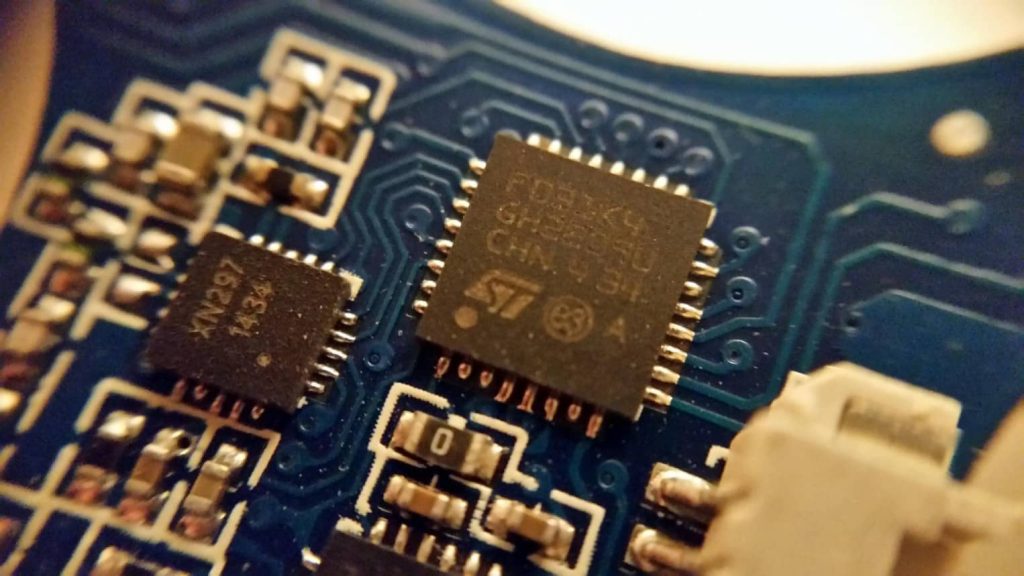
The engineering focus is fine-tuning the accelerometer’s wake criteria—specifically the effective G-force vibration threshold and filtering logic. It must be sensitive enough to detect the draw stroke and rapid presentation, yet robust enough to ignore minor environmental static (desk vibrations, vehicle movement, incidental contact) without compromising the instant-on, mission-critical requirement.
In practice, brands should treat Motion Awake as a balanced trade-off: reliability-first wake performance with power management as an outcome of disciplined component selection and firmware tuning—not as a marketing gimmick.
Constraint 4: Mastering Light Transmission and Reflection
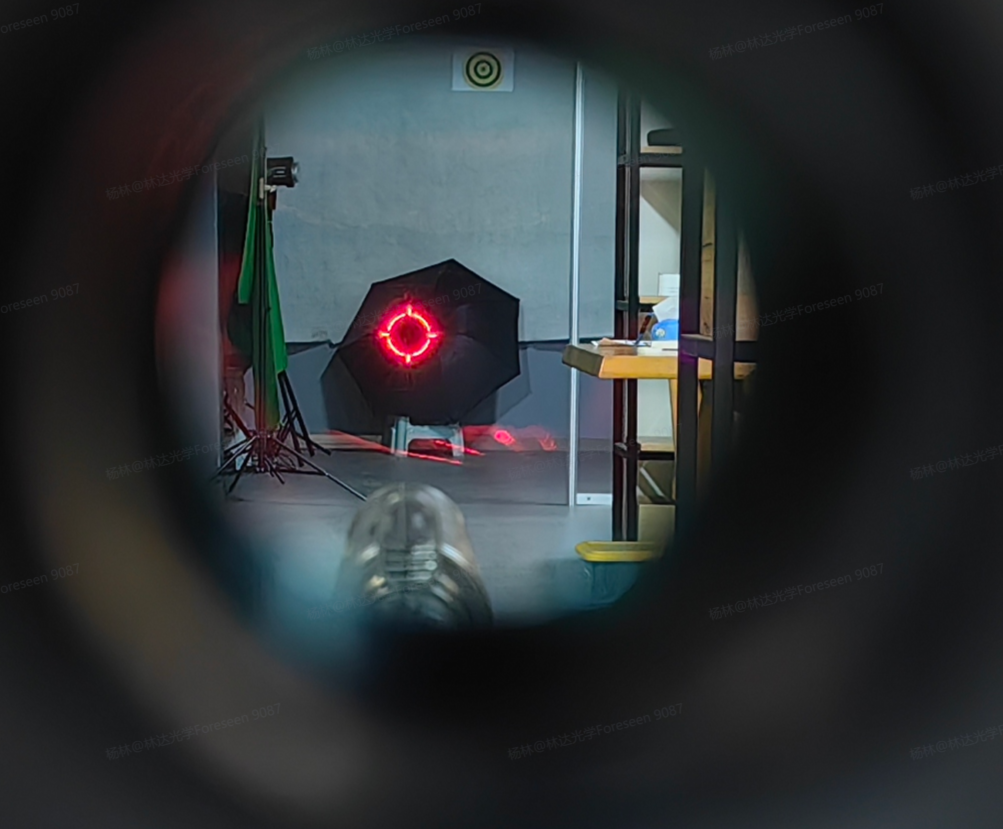
A reflex optic works by reflecting light from an LED emitter off the interior surface of a curved lens and back into the shooter’s eye. However, the shooter also needs to see through that same lens to view the target.
Advanced Coatings
Achieving this optical function requires highly specialized thin-film coating technologies and applications. A bare glass lens would simply let the LED light pass through it. Instead, manufacturers apply a precise dichroic “notch filter” coating to the glass.
This microscopic film is engineered to reflect only a very specific wavelength of light (typically 650nm for red dots or 540nm for green dots) while allowing all other visible light spectrums to pass through.
- Actionable Tip: When designing your optic, specify broadband anti-reflective (AR) coatings for the objective side of the lens. This prevents the target from looking unnecessarily tinted (the dreaded “blue hue” common in cheap optics) and maximizes light transmission in low-light environments.
The Art of Assembly
Applying coatings is only half the battle. Custom lens assembly manufacturing requires cleanroom environments where the glass, emitter, and housing are permanently married. If the angle of the lens is misaligned by even a fraction of a degree relative to the LED, the dot will warp, blur, or suffer from severe parallax shift.
Constraint 5: Navigating the Supply Chain and Manufacturing Model
Designing a groundbreaking optic on a CAD screen is one thing; producing 50,000 flawless units is another. The transition from optical prototyping to mass production scale is where many aspiring brands fail. To mitigate failure, you must understand the manufacturing ecosystem.
OEM vs. ODM Strategies
When venturing into overseas or domestic manufacturing, brands must start by comparing contract manufacturing vs original design services.
- OEM (Original Equipment Manufacturer): You provide the complete blueprints, 3D CAD models, PCB schematics, and material specifications. The factory simply builds your exact Custom Red Dot Sight to spec. This offers maximum IP protection and product uniqueness but requires massive internal engineering capital.
- ODM (Original Design Manufacturer): The manufacturer has existing, pre-engineered optic platforms. You select a base model and customize the external housing, reticle style, and brand logos. This is a much faster, more cost-effective route to market, but offers less proprietary exclusivity.
The Product Development Lifecycle
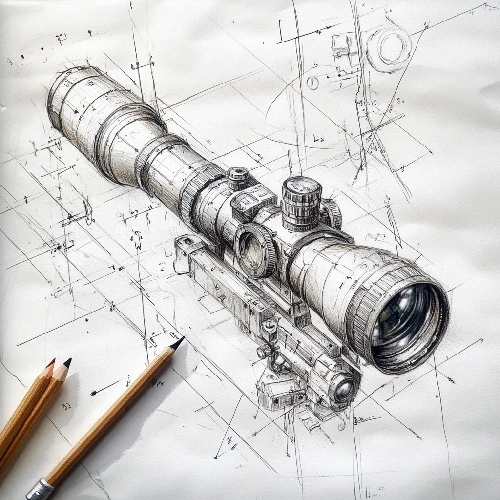
Understanding the steps in the optical product development lifecycle is critical for keeping your launch on schedule. A typical cycle includes:
- Requirement Gathering: Defining footprint (e.g., RMR, RMSc), battery life, and durability standards.
- Optical & Mechanical Design: Utilizing integrated optical system design services to ensure the glass geometry and aluminum housing work in harmony.
- Prototyping: 3D printing housings and CNC cutting small-batch lenses for testing.
- EVT/DVT (Engineering & Design Verification Testing): Subjecting prototypes to live-fire testing, drop testing, and extreme temperature cycling.
- Mass Production: Scaling up assembly lines, finalizing packaging, and implementing quality control protocols.
Mitigating Risks
The photonics and semiconductor industries are notoriously volatile. Managing supply chain risks in photonics requires careful planning. You must ensure your manufacturing partner has diversified sources for glass substrates, microcontrollers, and LED emitters so a shortage in one sector doesn’t halt your entire production line.
Choosing the Right Precision Photonics Partner
Overcoming these five constraints requires more than just capital; it requires a world-class manufacturing ally. Selecting a precision photonics partner is the most important business decision your brand will make.
The defense and firearms sectors are demanding, but they are not the only industries that require zero-defect manufacturing. When vetting potential OEM/ODM Optics factories, look at their broader portfolio.
Cross-Industry Quality Indicators
A factory that exclusively makes cheap airsoft toys will not be able to deliver a 1200G-rated duty optic. Instead, seek out manufacturers who also handle contract manufacturing for camera systems or aerospace components.
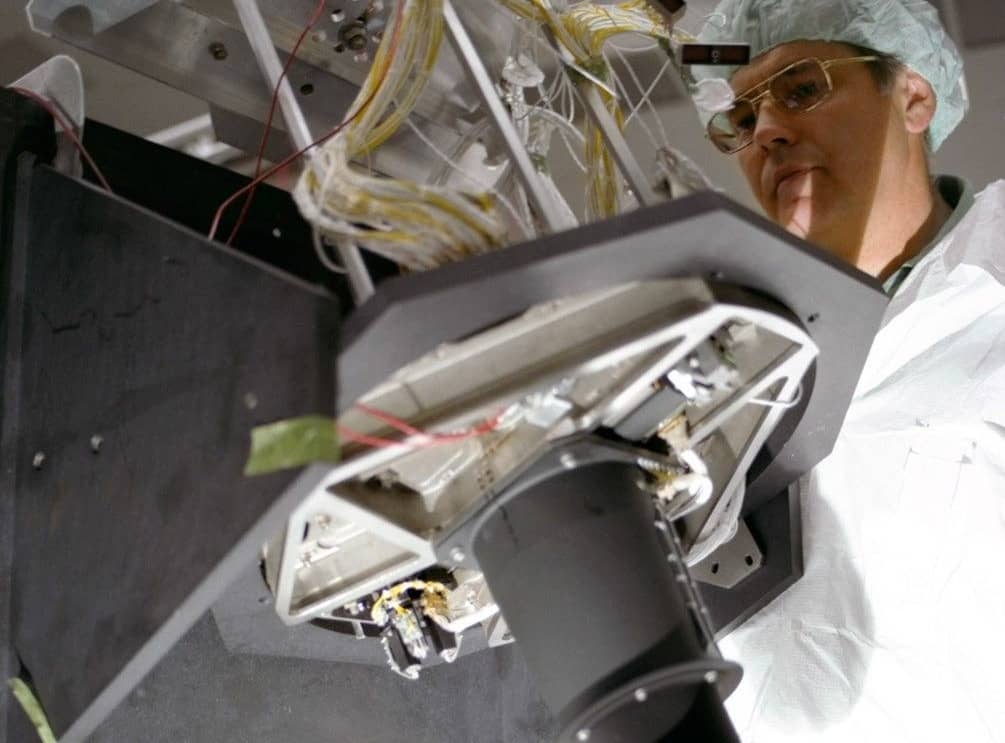
Even more tellingly, ask if the facility adheres to quality assurance standards for medical imaging. The medical device industry (such as endoscopes and surgical optics) demands absolute precision, strict ISO 13485 certifications, and zero-contamination cleanrooms. An optical manufacturer trusted to build life-saving medical lenses has the procedural discipline necessary to build a life-saving self-defense optic.
Vetting Certifications
Do not just take a sales rep’s word for it. Knowing how to verify optical supplier certifications is crucial.
- Ask for their ISO 9001 (Quality Management) certificates and verify them with the issuing body.
- Request compliance documentation for IPX7 waterproof ratings.
- Demand live video tours of their cleanrooms and CNC floors if you cannot visit in person.
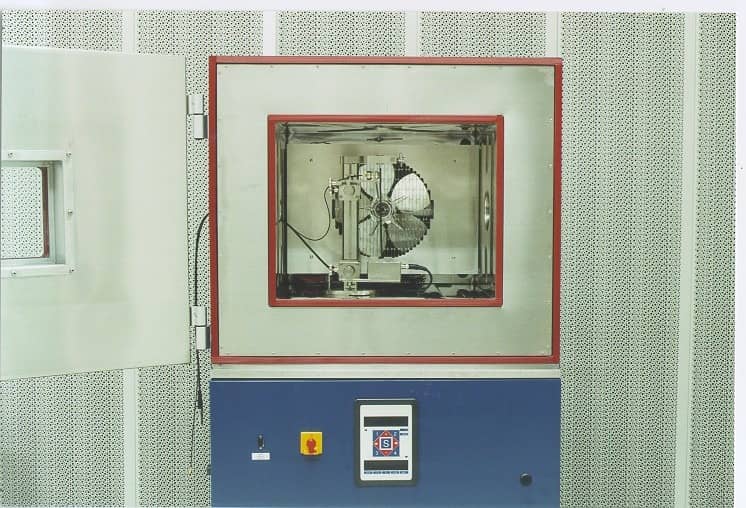
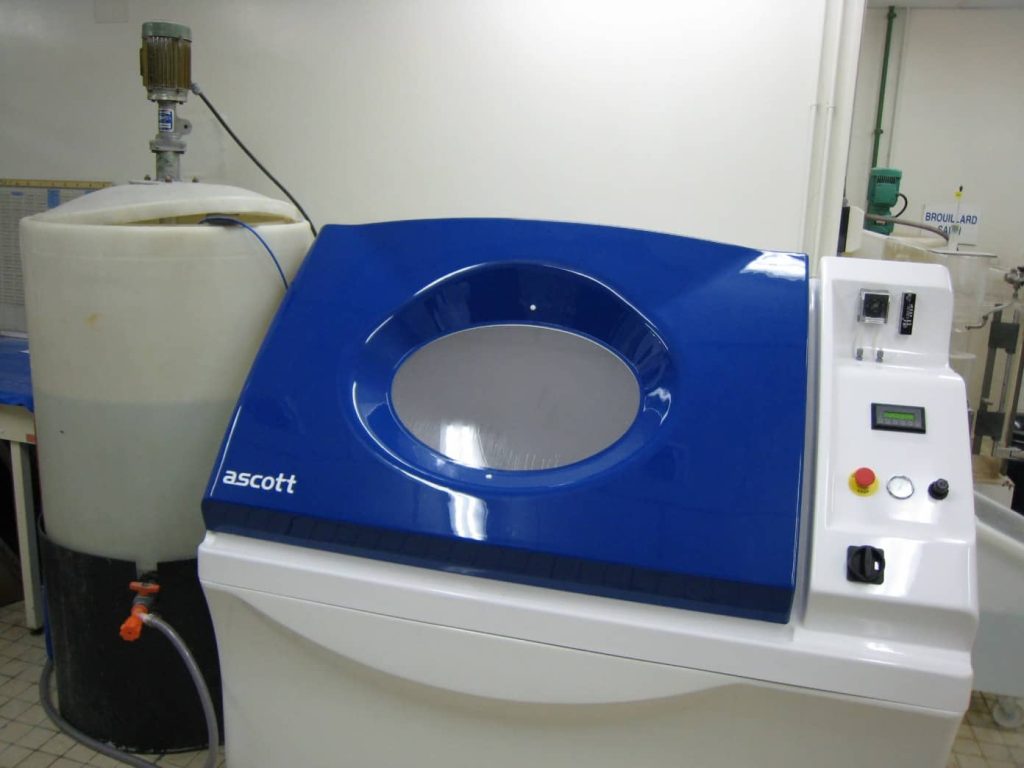
- Request case studies on how they perform internal stress testing (shock, vibration, salt fog).
By ensuring your partner operates at the highest echelons of optical manufacturing, you drastically reduce your defect rate and protect your brand’s reputation.
Conclusion
Developing a custom CCW red dot sight is a heavy lift that bridges the gap between rugged mechanical engineering and delicate photonics. Consumers expect a sight that delivers a clear sight picture, dependable uptime via motion-sensing electronics, and a housing capable of being racked off a barricade without losing zero.
By understanding the constraints of miniaturization, recoil physics, and modern coating technologies, brands can ask the right questions and demand the right tolerances. Furthermore, by strategically leveraging the expertise of an elite OEM/ODM optical partner—one proven in high-stakes industries—you can transition from a sketch to mass production with controlled risk.
Engineer for durability, specify materials precisely, validate your motion logic under real carry conditions, and vet your supply chain with the same rigor you apply to your CAD stack. In concealed carry optics, reliability is not a feature—it is the product.