Over the past year, through trade shows, conversations with channel partners, and feedback from end users, one thing has become increasingly clear to me: the binocular market is shifting from being spec-driven to use-case driven.
What really defines the experience today isn’t just magnification or objective size on their own—it’s whether those specs actually fit the way you use your binoculars most of the time.

What Buyers Really Want Isn’t Better Specs—It’s a Better Fit for Their Lifestyle
Over the past year, while discussing new product directions with clients, I’ve repeatedly encountered two completely different sets of questions.
One group of questions is along the lines of, “Can it be lighter?” “Will it fit in my everyday bag?” “Can a first-timer use it easily?” These users care most about portability, ease of use, and whether they’ll actually carry it with them in daily life.
The other group asks, “Can I still see clearly at dusk?” “Will wearing glasses cause black edges?” “Will it fog up at the beach, on rainy days, or with temperature changes?” These users aren’t worried about whether they’ll bring it along—they’re concerned with whether they can get a stable, long-lasting, and accurate view.
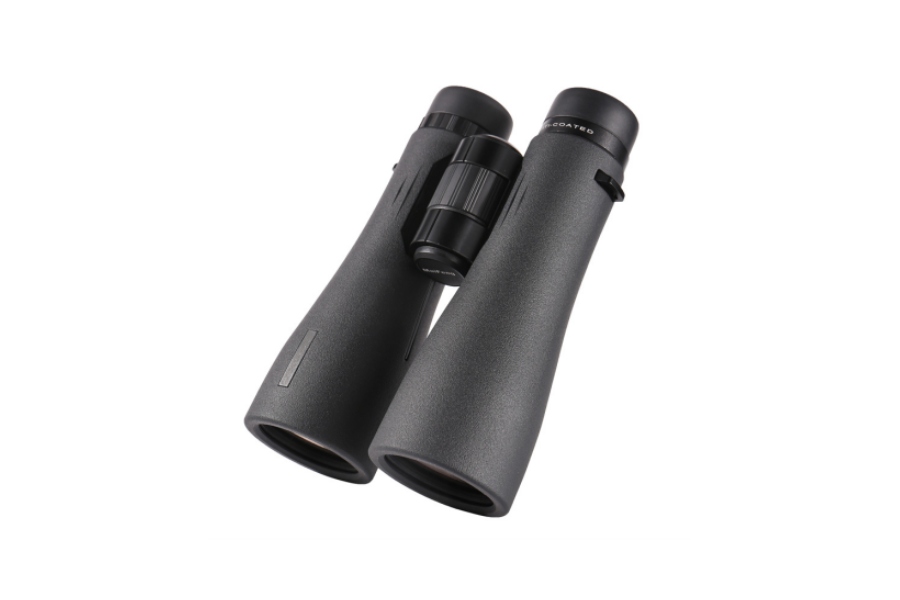
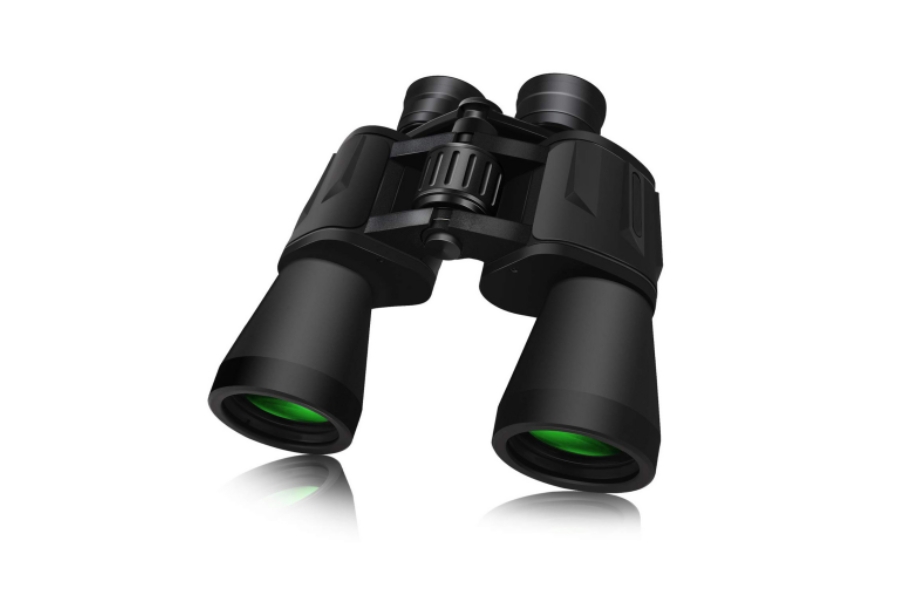
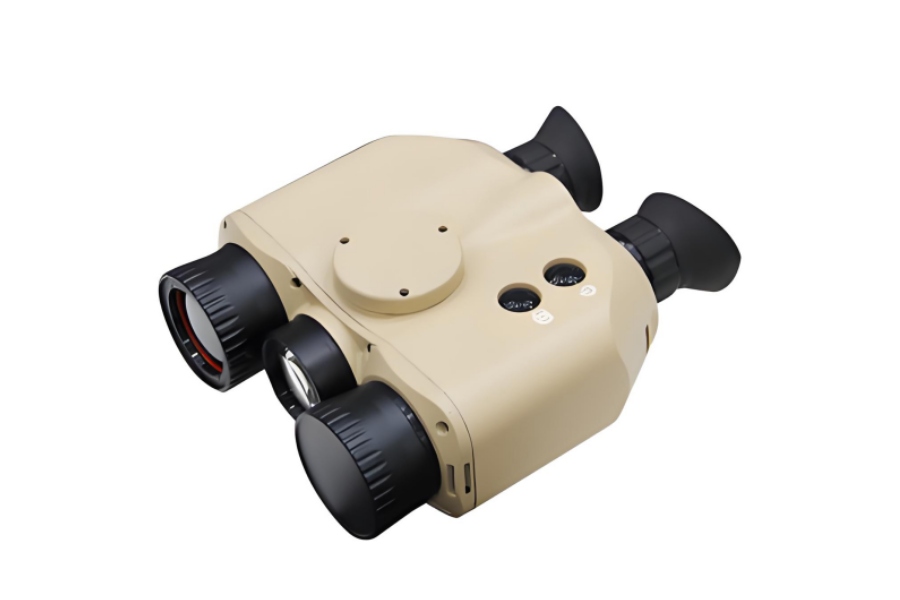
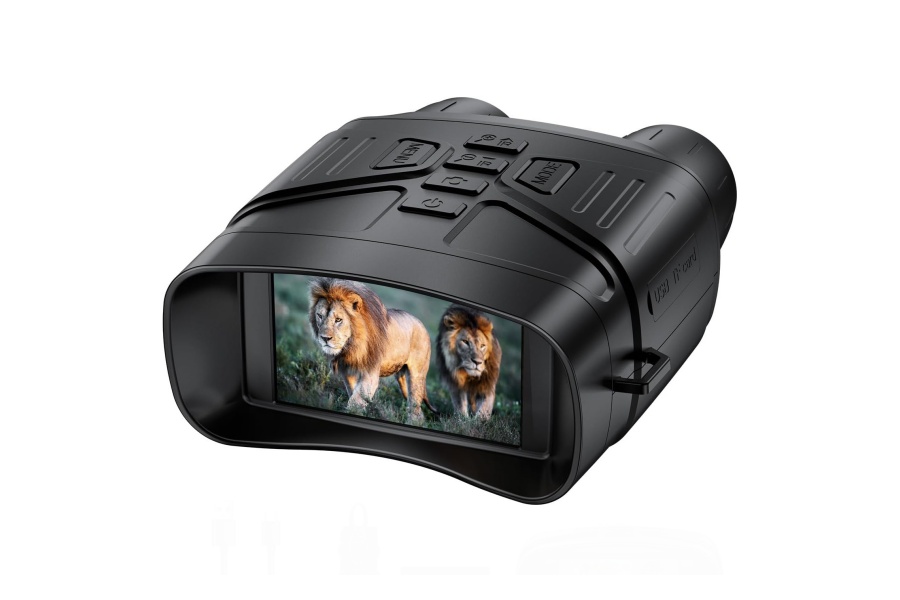
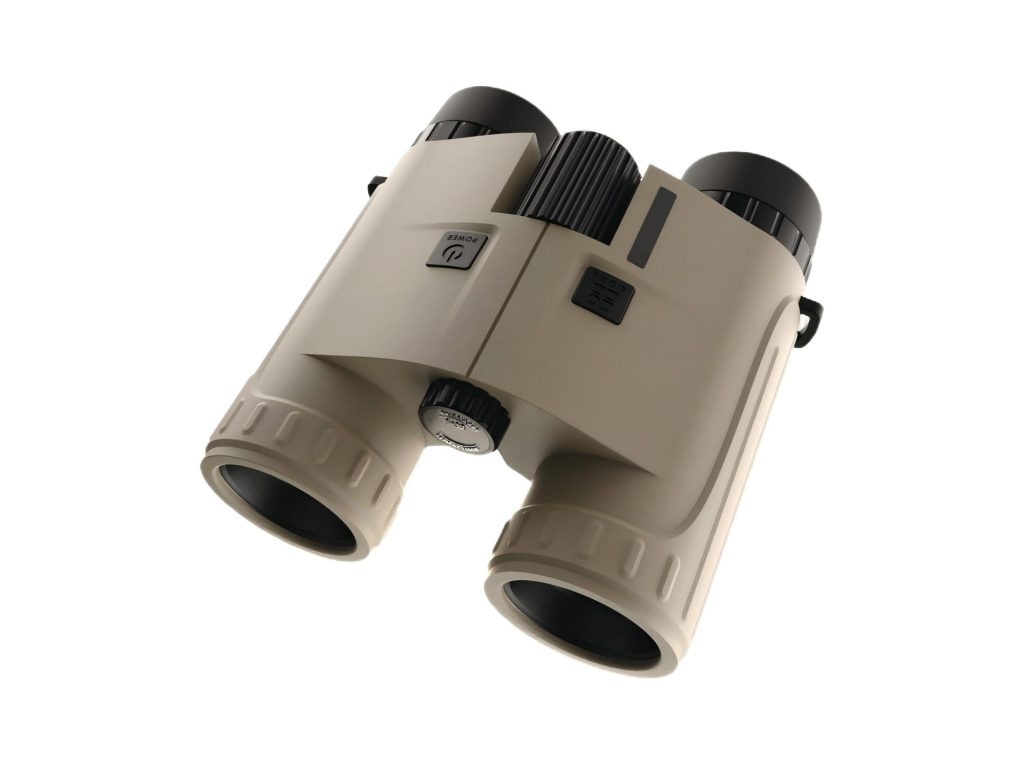
It’s through this constant comparison that I’ve become increasingly certain: modern binoculars are becoming more and more different, not just because brands want to stand out, but because the market has clearly split into two distinct sets of needs. Consumers may appear to be comparing magnification and objective size, but what they’re really choosing is how they’ll use the binoculars.
| Consumers think they’re choosing based on specs, but what they’re really deciding is: Will this binocular be something they grab frequently? Will it perform reliably in real-world conditions? And, when the moment comes, will it give them a clear view right when they need it most? |
In travel and family scenarios, the conversation often starts with, “Is it light enough?”
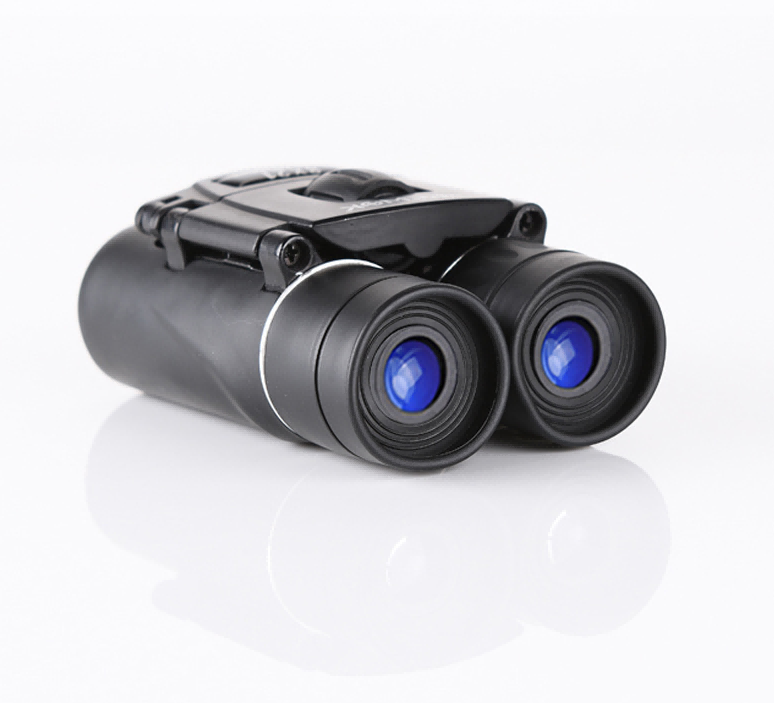
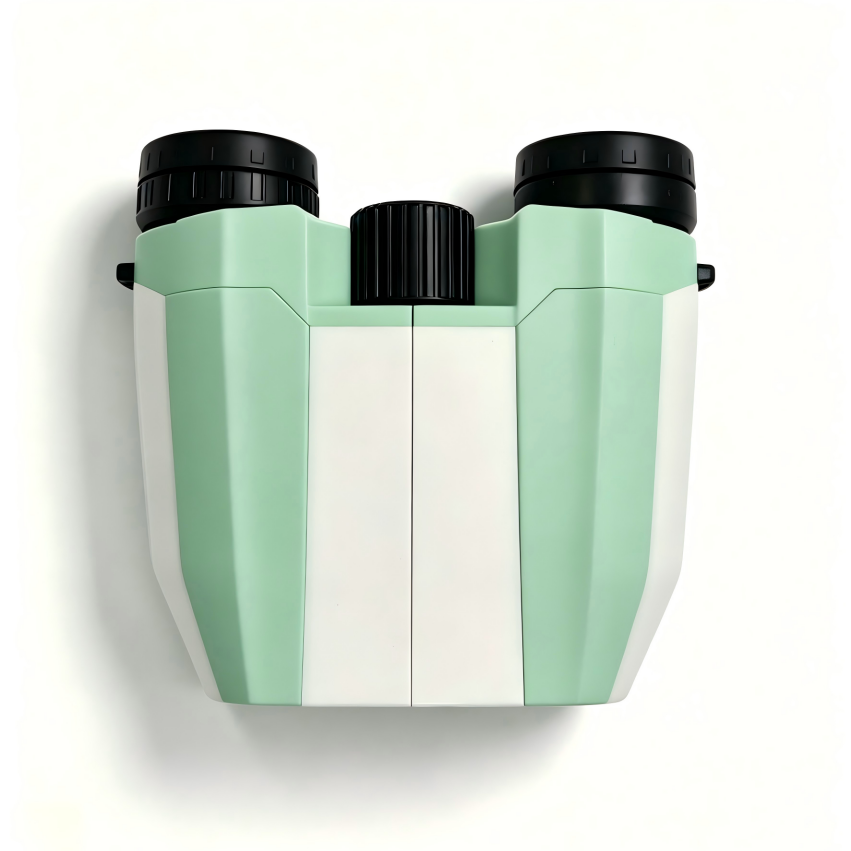
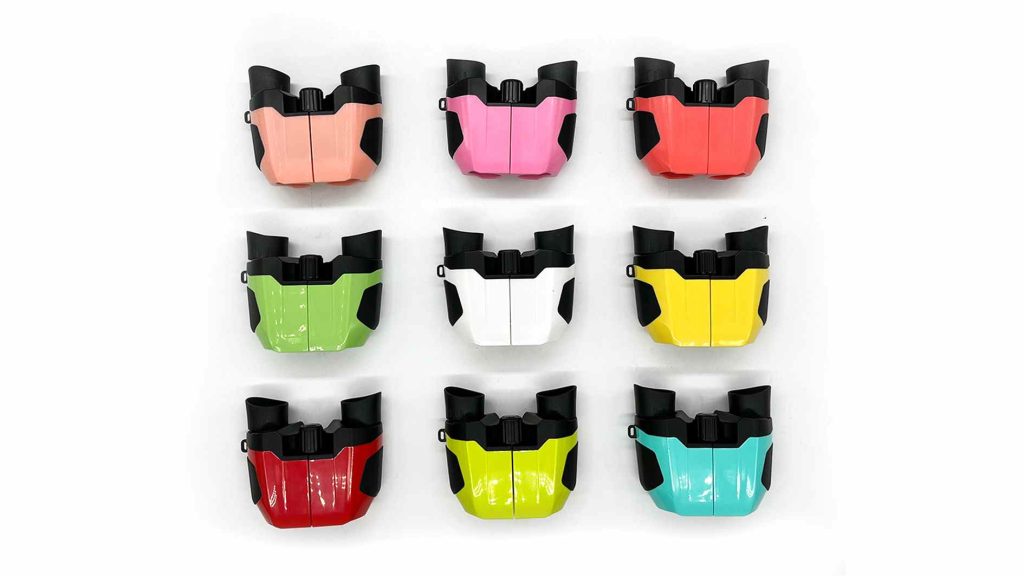
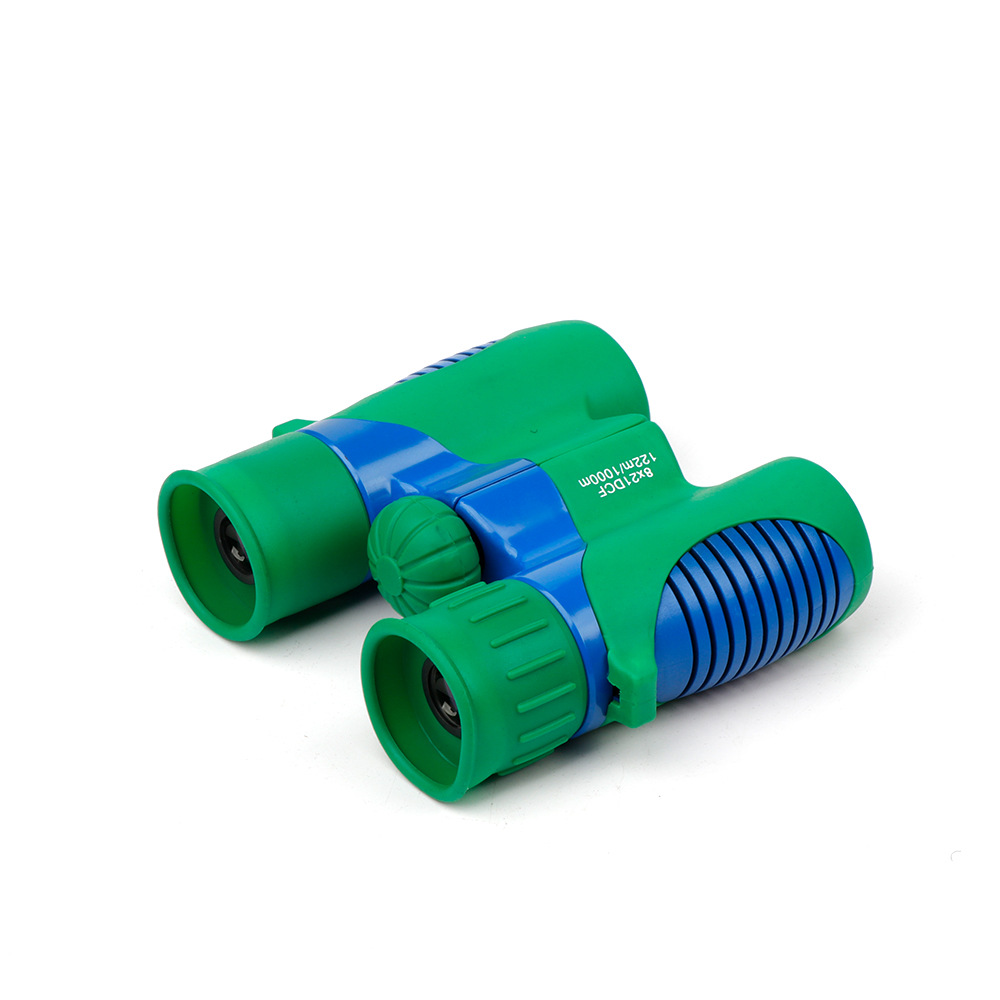
For travelers, city sightseers, families engaged in nature education, and light outdoor enthusiasts, the first thing that gets discussed is usually not the maximum image quality, but weight, size, and ease of use. Many users aren’t lacking in budget; they just don’t want to pay for a product that may technically be “better” but ends up staying at home most of the time.
The key feature of these scenarios is that the binoculars will be used often, but the duration of each use may not be long. There might be multiple users, including beginners, children, or those new to binoculars. For them, whether a binocular is worth buying often comes down to whether it will become a burden.
So, in this context, compact size, lighter weight, a wider field of view, and better usability are often more attractive than higher magnification. The parameters haven’t disappeared—they’ve just been reordered.

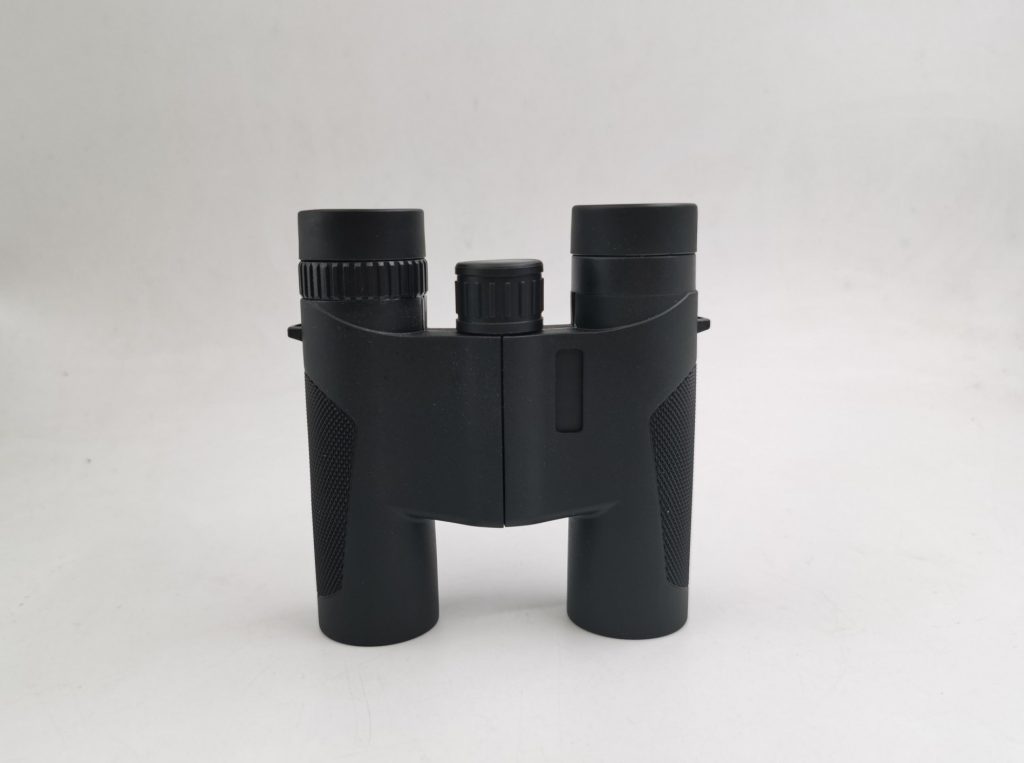
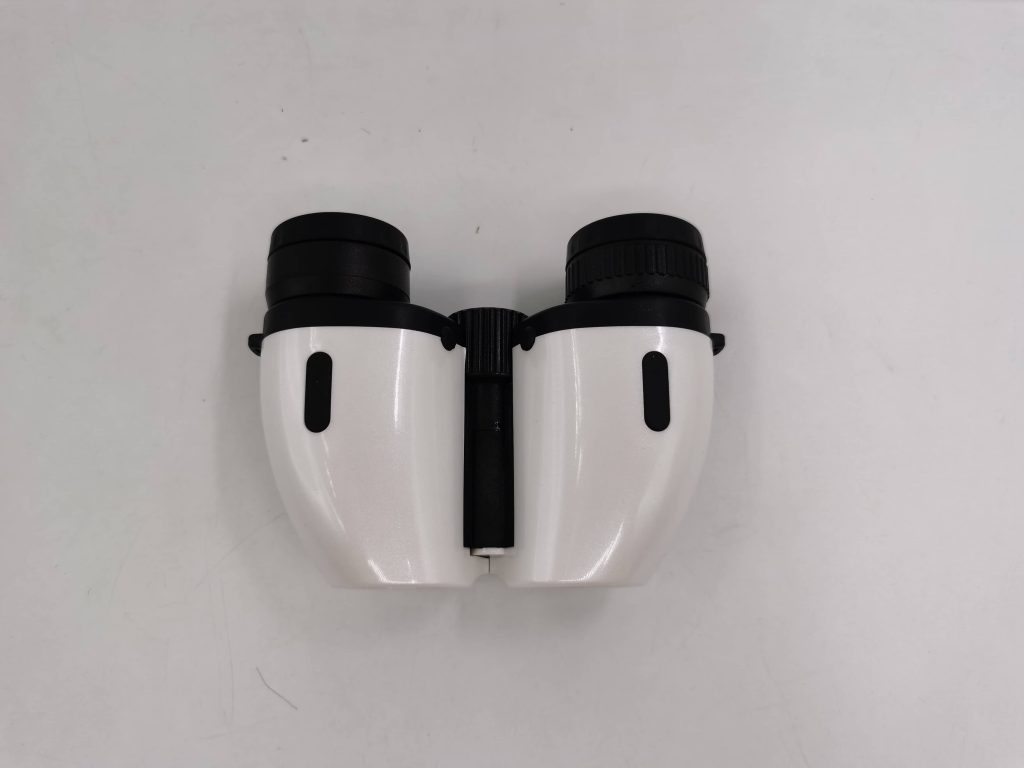
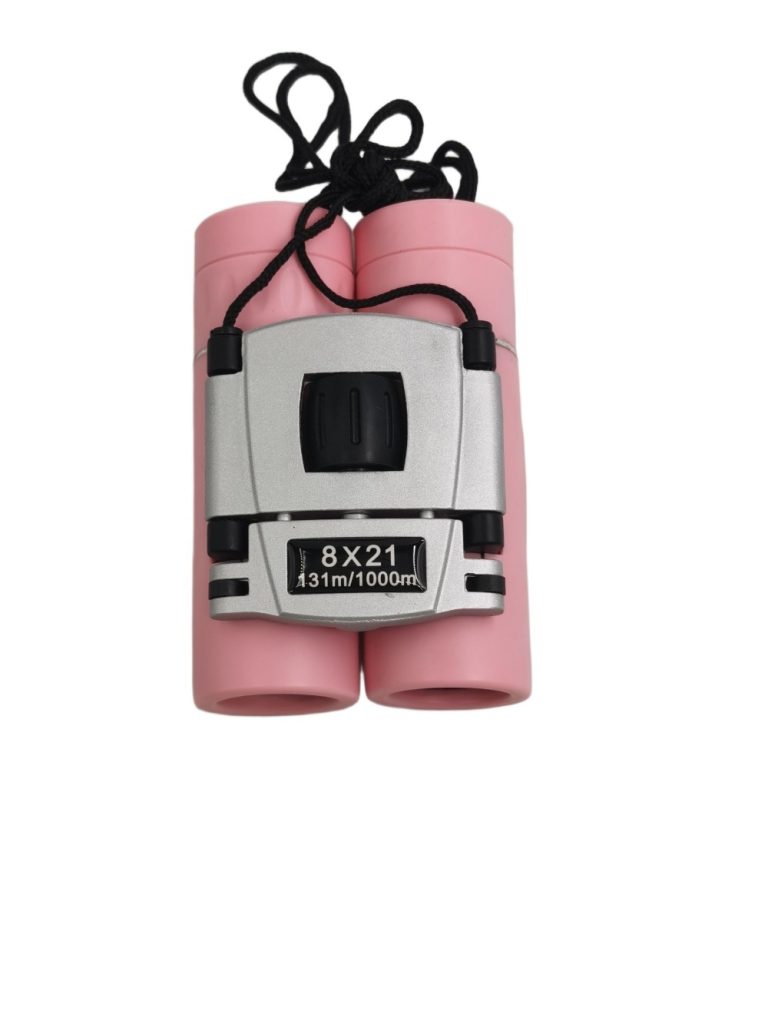
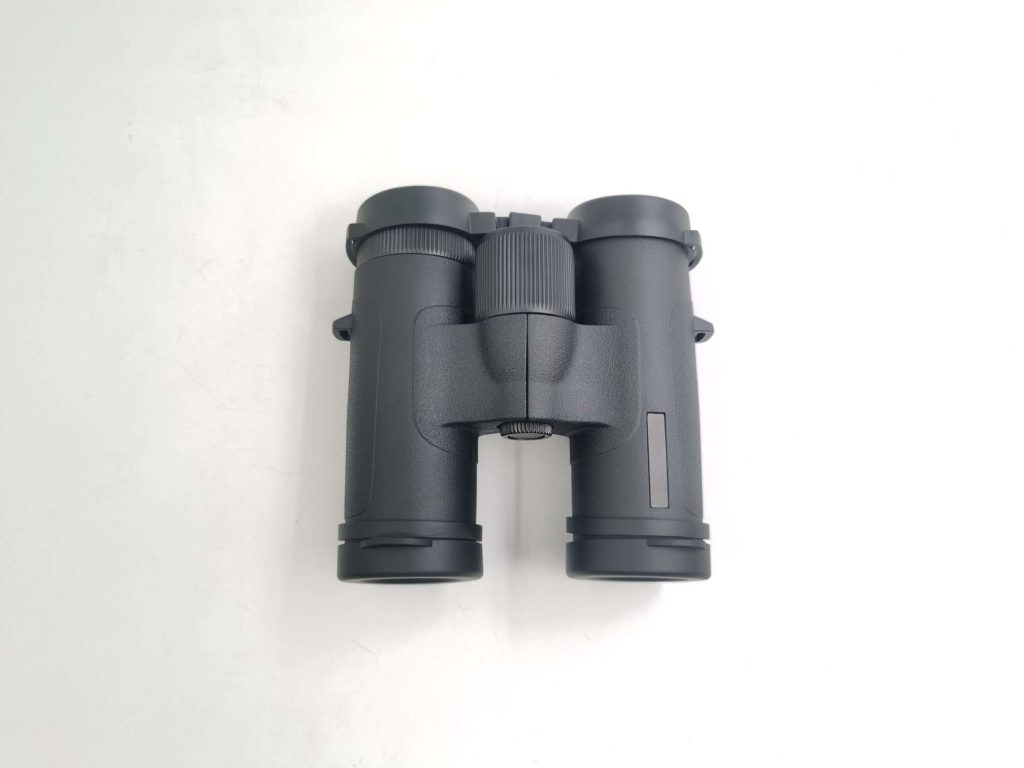
The Question Most Buyers Get Wrong
When it comes to birdwatching or extended periods of observation, the discussion always revolves around, “Is it stable? Can I use it for long periods?”
For high-frequency birdwatchers, nature observers, marine surveyors, or those who are used to holding binoculars for extended times, the conversation shifts dramatically. It’s no longer about “Can I take it with me?” but “Can I observe for long periods without fatigue, can I see accurately, and will it stay stable?”
What these users care about most is certainty: Can they still discern details in low light? Do the edges become blurry? Can they see the full field of view while wearing glasses? Will the image become difficult to control due to high magnification when hand-held?
In these scenarios, binoculars are no longer just an occasional travel accessory; they’re a serious tool for observation. As a result, specifications that might seem less “flashy”—such as aperture, exit pupil, eye relief, focusing damping, and weather resistance—become crucial factors that define the overall experience.

Why Has This Split Happened? — Two Usage Models I’ve Identified from Customer Feedback
Two Very Different Ways People Use Binoculars
After reviewing channel feedback and prototype discussions repeatedly, I’m increasingly inclined to categorize the current demand into two distinct usage models.
| Usage Model | Typical Scenarios | What Users Really Care About | Best-Fit Parameter Direction |
| Model A High-frequency carrying + low-barrier use | Travel, family nature education, live events and sports, city sightseeing, light outdoor use | Light, compact, easy to carry, and ready to use the moment it is raised; less likely to cause mistakes when shared among family members | Lightweight combinations such as 8×25 / 8×32, with a wide field of view, good eye relief, and a low learning curve |
| Model B Long-duration observation + complex environments | Birdwatching, marine observation, dusk and low-light use, long-distance detail recognition | Brightness, comfort, stability, weather resistance, glasses compatibility, and reduced fatigue during long handheld observation | Combinations such as 8×42 / 10×42 / 7×50, which place more emphasis on aperture, exit pupil, and structural stability |
The Real Trade-Offs I See Across Six Technical Dimensions
1. Magnification: More Power Isn’t Always Better
Magnification is often seen as the most obvious sign of an “upgrade.” But higher magnification also makes hand shake more noticeable and reduces overall tolerance during use.
For travel, family use, and light outdoor activities, 8x often delivers a steadier and more relaxed handheld experience than 10x. For users who need to identify more detail at distance, higher magnification only becomes truly valuable when their grip stability, focusing habits, and overall usage skills can keep up.
My view is this: magnification is not about going as high as possible. It should be considered together with your hand stability, observation distance, and how long you plan to use the binoculars.
2. Objective Size: Brightness Beyond Low-Light Performance
Many consumers understand objective size simply as “brighter image.” But in real use, what matters is not only brightness itself, but also how relaxed and forgiving the viewing experience feels.
Larger objective lenses often provide a more comfortable viewing experience in complex lighting conditions, such as dusk, backlight, forest shadows, or reflections on water. At the same time, a larger objective usually means more size and weight, which can reduce the willingness to carry the binoculars frequently.
So the real question behind objective size is not whether bigger is always better. It is: are you willing to accept extra weight in exchange for better low-light performance and viewing comfort?
3. Field of View, Exit Pupil, and Eye Relief: The Comfort Factors
For beginners, the most common problem is not always “the image is unclear.” More often, it is “I can’t line it up properly.”
When the field of view is too narrow, the exit pupil is too unforgiving, or the eye relief is not friendly enough, users may frequently experience black edges, difficulty finding the target, or an incomplete view when wearing glasses. These issues become even more obvious when the binoculars are shared among different users, used for quick scanning, or used while walking.
This is why two products can look very similar on paper, but feel very different in real use. Their usable viewing experience may not be the same at all.
4. Weight and Structure: Carrying Matters More Than You Think
Many purchasing mistakes are not caused by poor image quality, but by the fact that the binoculars are simply too inconvenient to carry.
A lightweight body, well-balanced center of gravity, and comfortable grip shape can directly determine how often a binocular is actually taken outside. For travel and light outdoor users, even a difference of a few dozen grams can become the deciding factor between “I’ll wear it around my neck all day” and “I’ll leave it in the bag.”
In this dimension, the real competition is not about who can push the specs higher. It is about who can achieve a more mature balance between image quality, structural rigidity, and carrying comfort.
5. Waterproofing, Fogproofing, and Housing: Choosing for the Environment
Once the use case moves into beaches, wetlands, rain and snow, or environments with sharp temperature changes between outdoor heat and air-conditioned rooms, waterproofing, fogproofing, and protective housing are no longer just marketing terms. They become practical capabilities.
For occasional users, these features may look like something that is “nice to have.” But for frequent observers, they can determine whether the binoculars remain usable when they are needed most.
My view is this: weather resistance does not need to be maximized for everyone. It should depend on how costly failure would be in the user’s actual environment.
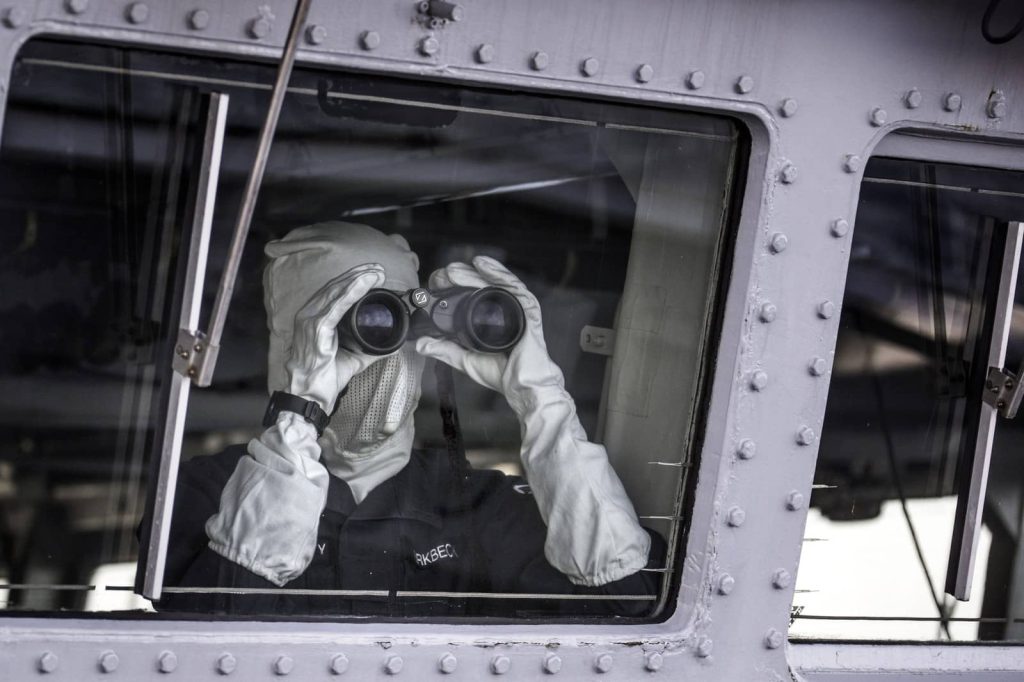
6. Focusing Speed and Adjustment Tolerance: Speed Matters in the Real World
A good binocular is not only defined by its static image quality. It is also defined by how smoothly it handles real use: switching from near to far, readjusting comfortably when shared by different users, and tracking moving subjects continuously.
The feel of the focus wheel, the damping, and the focusing travel all shape the user’s instinctive judgment of whether a binocular is truly easy to use.
Frequent observers may be willing to accept a bit more weight, but they will not tolerate constantly having to “fight” with the product. Light users, on the other hand, often need even greater operational forgiveness.
My Overall Take: Specs Haven’t Lost Their Value — They’re Starting to Serve the Use Case
In the past, the market often treated “higher magnification” and “larger objective size” as simple upgrades. But today, a more mature way of choosing binoculars is no longer to start with the specs and then force them into a use case. It is to start with the use case first, and then decide how the specs should be combined.
For travelers, families, and light outdoor users, a binocular that is lighter, easier to use, wider in field of view, and quicker to pick up often delivers more real value than a product with stronger paper specs but more weight and a steeper learning curve.
For birdwatchers, marine observers, low-light users, and those who observe for long periods, the real differences come from a larger objective size, better compatibility with glasses, more reliable fogproof and waterproof performance, and greater handheld stability.
This is not about one type replacing the other. It means the industry is finally moving away from trying to answer every need with one set of specs.
A truly mature market will inevitably move from a single best-seller mindset toward a scenario-based product matrix.
Three Directions FORESEEN OPTICS Will Be Watching Over the Next 12–24 Months
1. Scenario-based product lines will continue to replace the story of “single-spec upgrades”
Future product planning will not only emphasize magnification or objective size. Instead, it will more clearly separate different product lines for different use cases, such as lightweight travel, all-around general use, birdwatching and nature observation, marine use, and low-light observation.
2. “Usable field of view” and glasses compatibility will matter more than isolated paper specs
Consumers will increasingly care about practical questions: Can I see the target as soon as I raise the binoculars? Can I see the full image while wearing glasses? Will the edges of the view affect the experience?
In other words, experience-driven indicators will gradually become more important than isolated specifications.
3. Lightweight design and weather resistance will improve together, instead of being treated as a trade-off
In the past, many products had to choose between lighter weight and stronger reliability. But the next generation of truly competitive binoculars will aim to deliver a higher level of lightness, stability, and environmental durability at the same time.
So when consumers ask me what magnification or objective size they should choose, I now find myself giving fewer direct numbers at the beginning. More often, I ask one question first:
Where will you use them most often?
Because what truly separates one binocular experience from another is never the specs alone. It is whether those specs are built around the scenario where the binoculars will actually be used.