When many new brands discuss turkey hunting scopes, their first reaction is often:
“Should the magnification be higher?”
But in real Turkey Hunting scenarios, the problem is usually not whether the hunter can see farther, but whether:
The hunter can quickly spot the target, lock onto it, and complete a stable shot within a very short time window.
This is also why the development logic for the next generation of turkey hunting scopes cannot simply copy the thinking behind traditional general-purpose hunting scopes.
For turkey hunting, high magnification is not necessarily the core advantage.
The more critical variables are often:
- Fast target acquisition
- Large field of view
- Forgiving eyebox
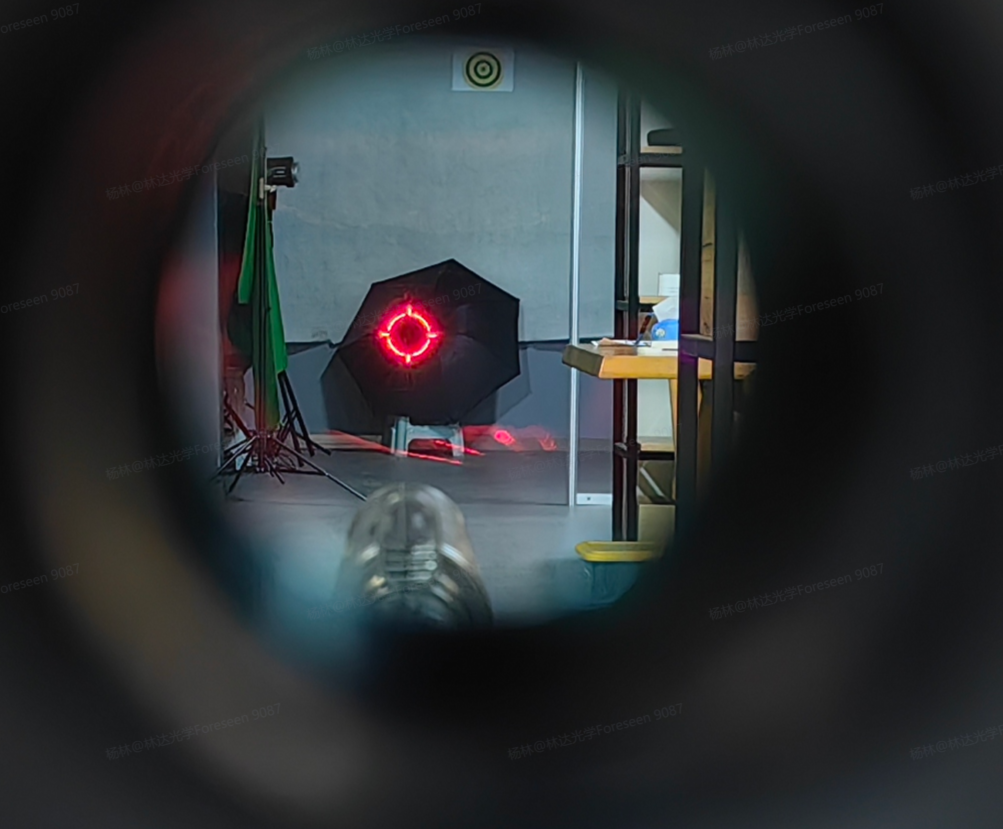
- Clear and intuitive illuminated reticle
- Lightweight and compact structure
- Recoil resistance suitable for shotgun platforms
In other words, a turkey hunting scope is not a product defined by “who has higher magnification.”
It is more like a scenario-specific optical tool developed around close-range use, short reaction times, and complex background environments.
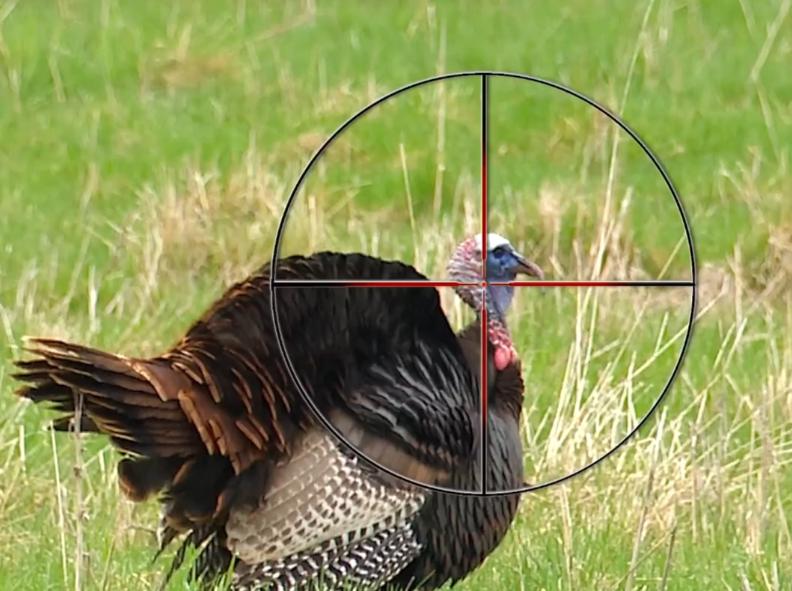
Why is turkey hunting different from regular rifle hunting?
Turkey hunting is different from traditional rifle hunting not just because the game is different, but because the entire use scenario is different.
Regular rifle hunting often focuses on mid- to long-range observation, magnification, ballistic compensation, and precise long-distance aiming.
Turkey hunting, however, usually has the following characteristics:
- Shorter shooting distances
- Game appears suddenly
- Short shooting windows
- Backgrounds are often complex, such as woods, brush, and shadows
- The vital target area is relatively small
- Many users use shotgun platforms
This means that the core task of a turkey hunting optic is not to help users see farther, but to help users complete the process of “spotting to locking onto the target” faster.
In this scenario, if a scope has high magnification but a narrow field of view, an unforgiving eyebox, and makes it difficult to quickly obtain a full sight picture after shouldering the gun, then it may look good on paper, but may not be very practical in actual hunting.
A truly suitable optical product for Turkey Hunting should start from the user’s actual movements:
Can the hunter quickly see the target the moment they shoulder the gun?
Is the reticle intuitive enough?
In low light and complex backgrounds, is the central aiming point easy to identify?
Are the overall firearm weight and balance suitable for long carry and quick reaction? These questions are often more important than high magnification alone.
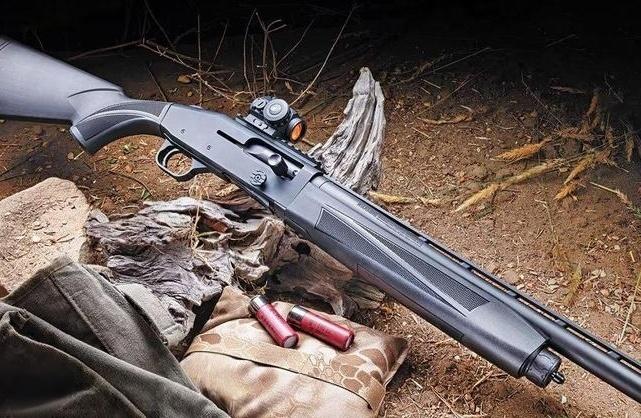
Why isn’t high magnification always better for turkey hunting scopes?
In an optical system, higher magnification always comes with trade-offs.
As magnification increases, several issues usually appear:
- Narrower field of view
- Less forgiving exit pupil and eyebox
- Slower target acquisition
- Longer scope body
- Added weight
- Less natural image presentation at close range
For long-range hunting or precision shooting, these compromises may be acceptable.
But in turkey hunting, they can directly reduce practical efficiency.
Turkey hunting is not about spending a long time behind the scope observing distant targets. It is about quickly identifying the head and neck area at a relatively close distance and completing the shot within a short window.
In this scenario, what hunters worry about most is not “not enough magnification,” but:
- Shouldering the gun and not finding the target.
- Seeing the target, but failing to aim quickly enough.
- The reticle becoming hard to see against branches, shadows, or other complex backgrounds.
- A slight shift in eye position causing an incomplete sight picture.
Therefore, the development logic for a turkey hunting scope should be:
Magnification only needs to be enough for the scenario. More design focus should be placed on field of view, eyebox forgiveness, reticle visibility, lightweight structure, and reliable recoil resistance.
That is why low-magnification ranges such as 1-4×, 1.5-5×, and 2-7× are often better starting points for a dedicated Turkey Scope than 3-9×, 4-12×, or even higher magnification ranges.
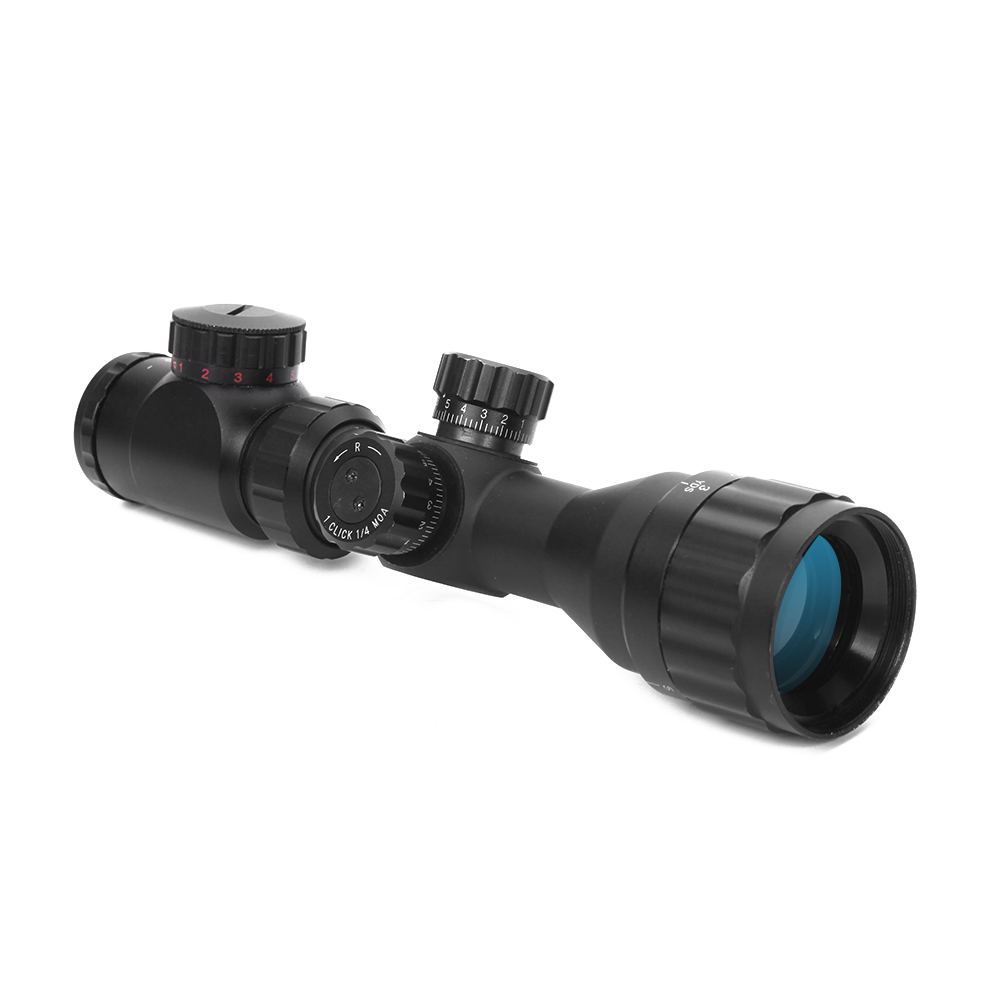
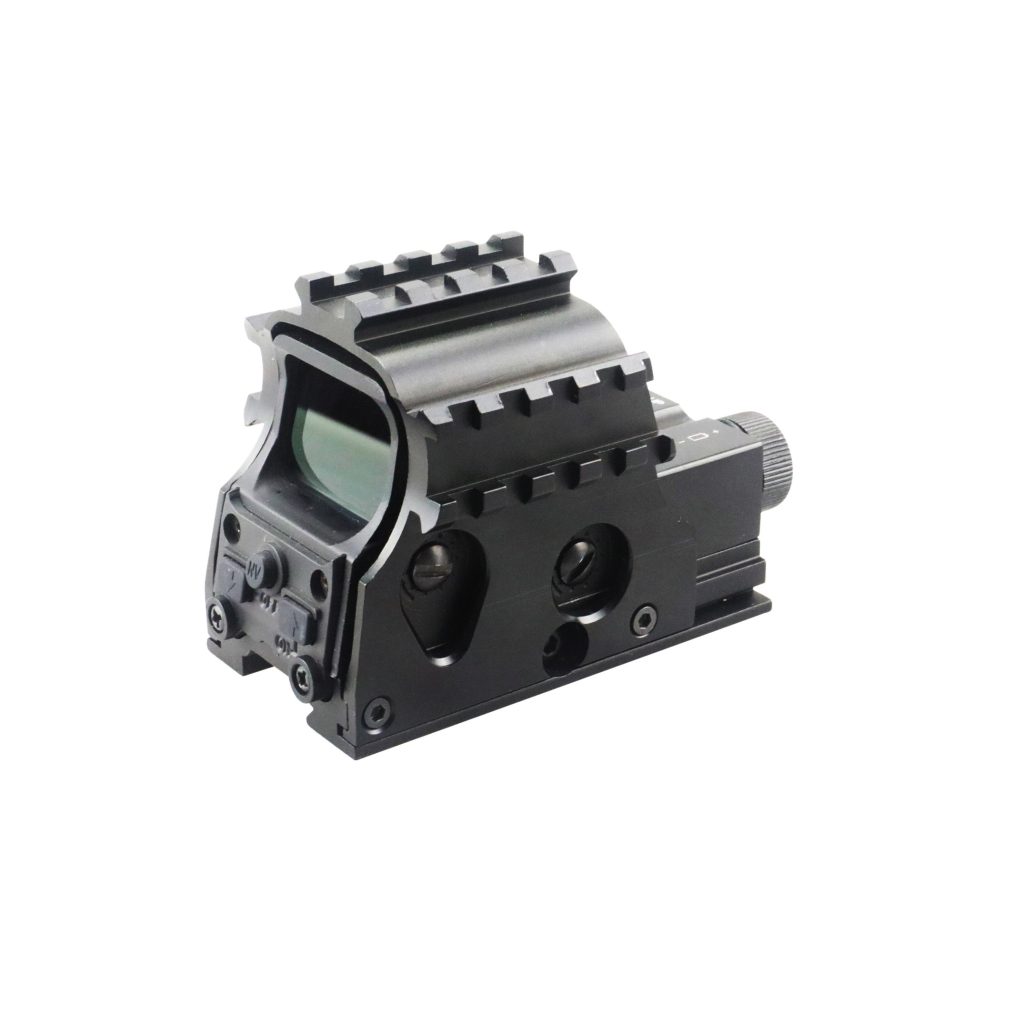
What key features should a practical turkey hunting scope have?
Low magnification: faster initial target acquisition
A turkey hunting scope does not need to blindly pursue high magnification.
In many real-world scenarios, low magnification can provide a more natural aiming experience:
- Easier to quickly enter the field of view
- Easier to maintain awareness of the surrounding environment
- More suitable for close-range use
- Closer to the fast aiming experience of a red dot sight
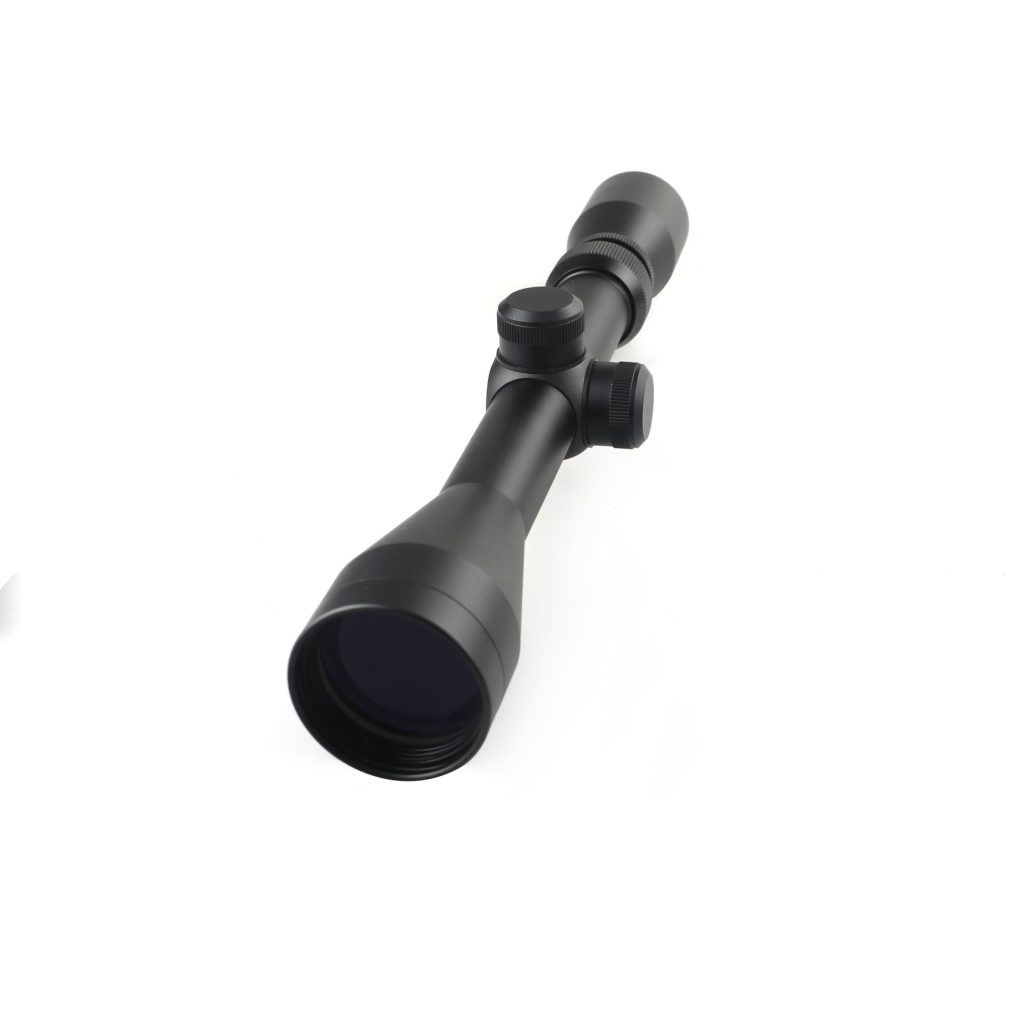
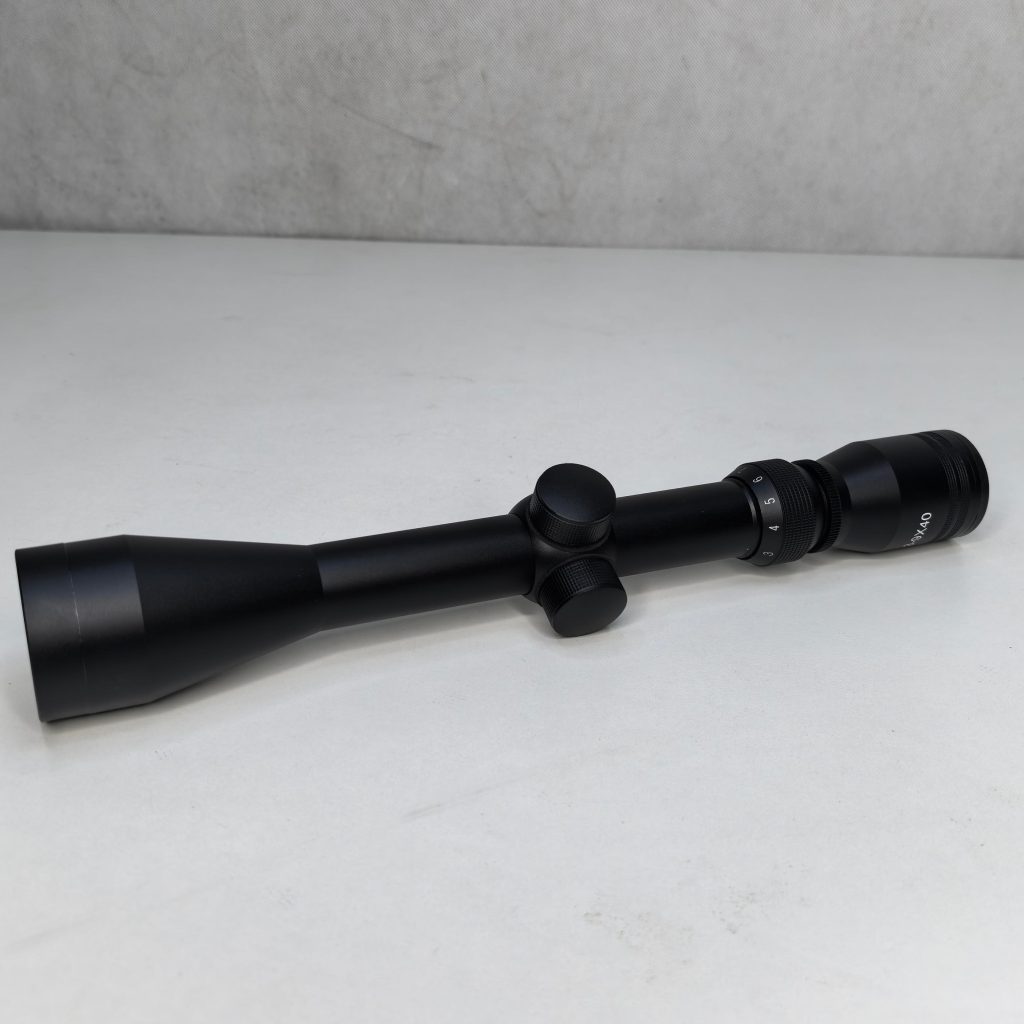
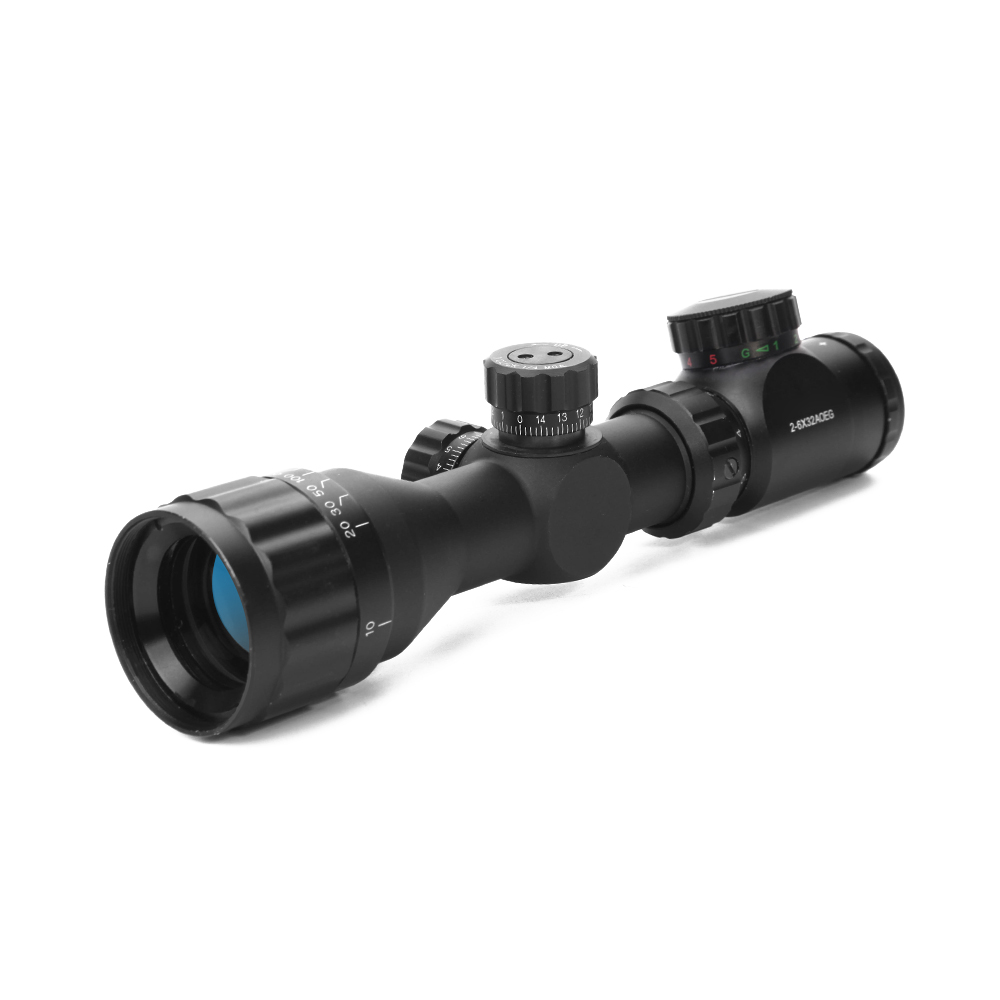
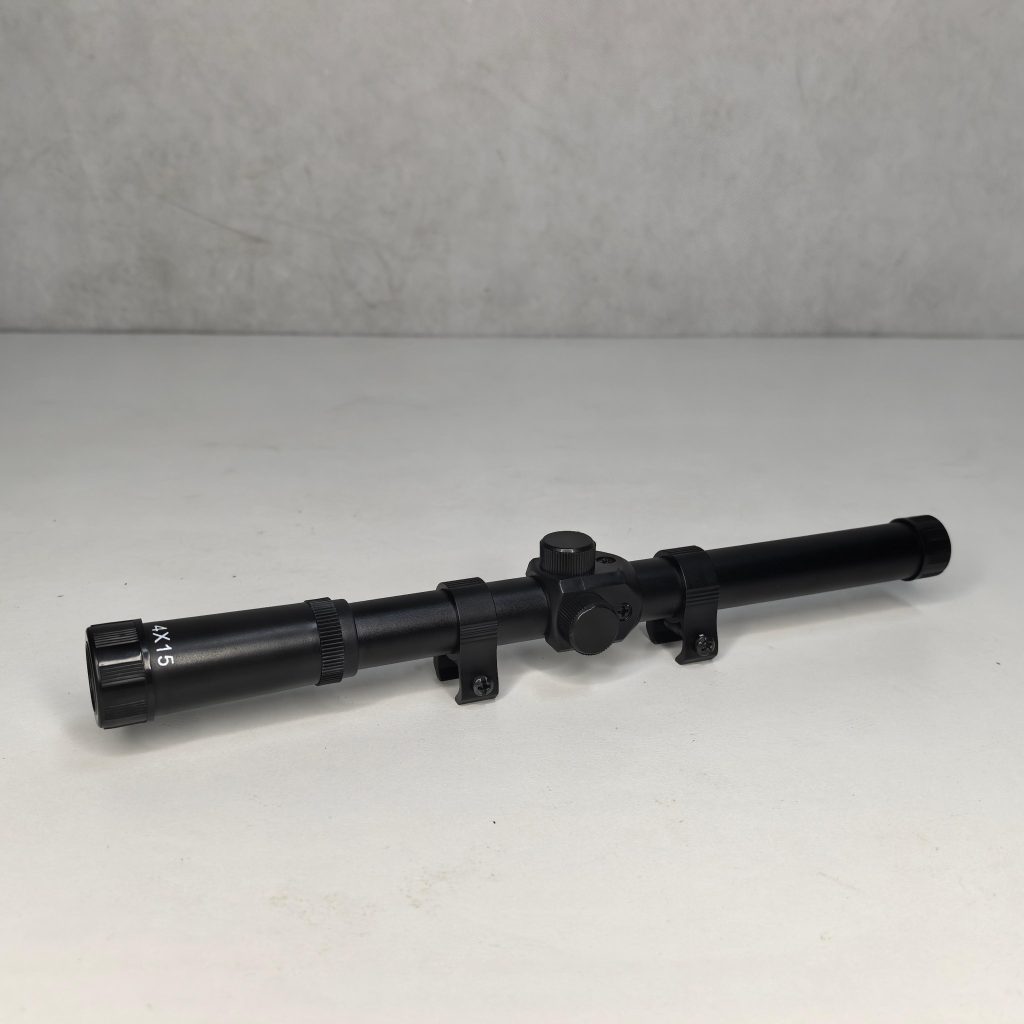
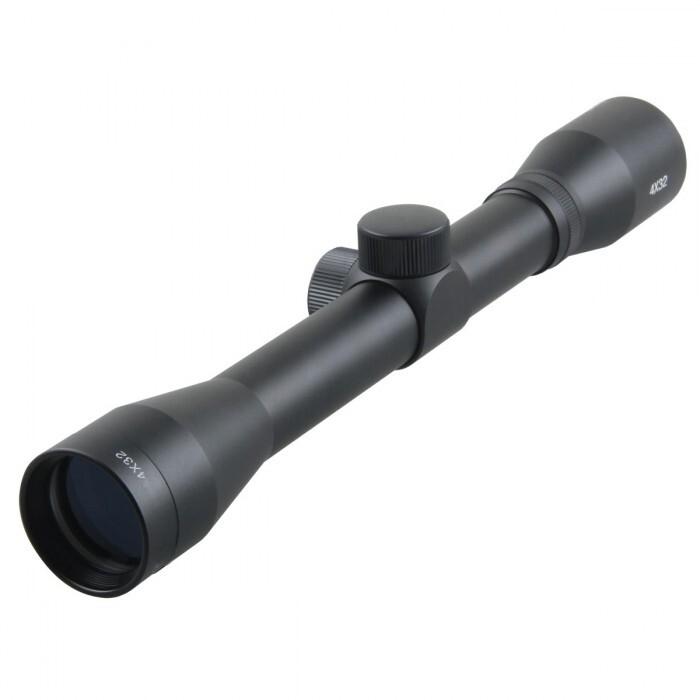
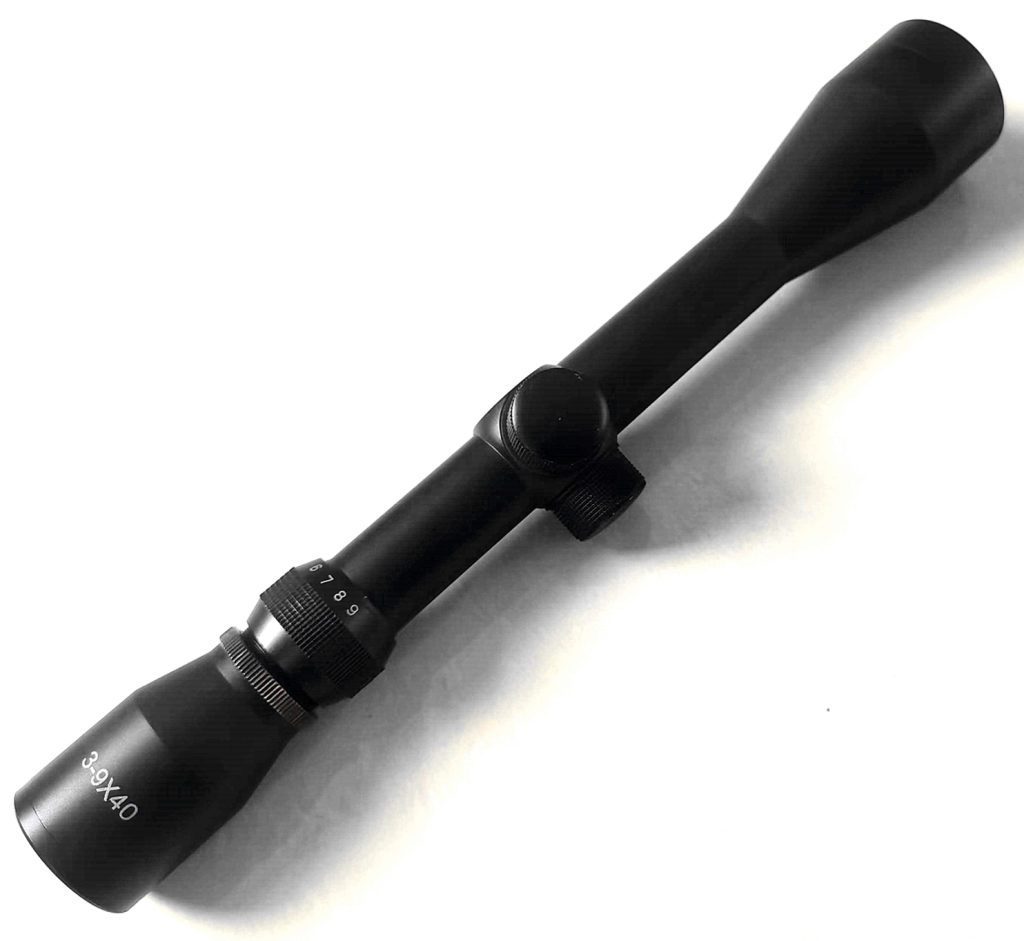
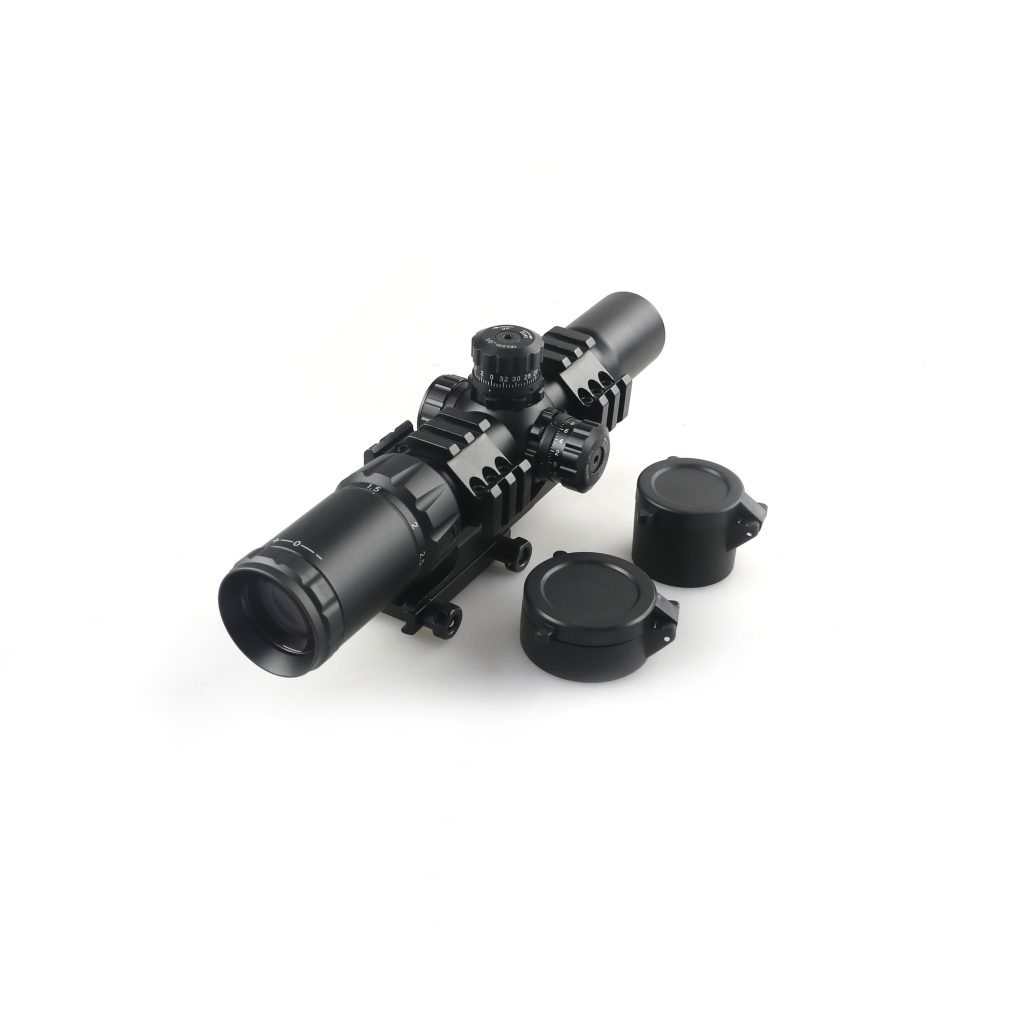
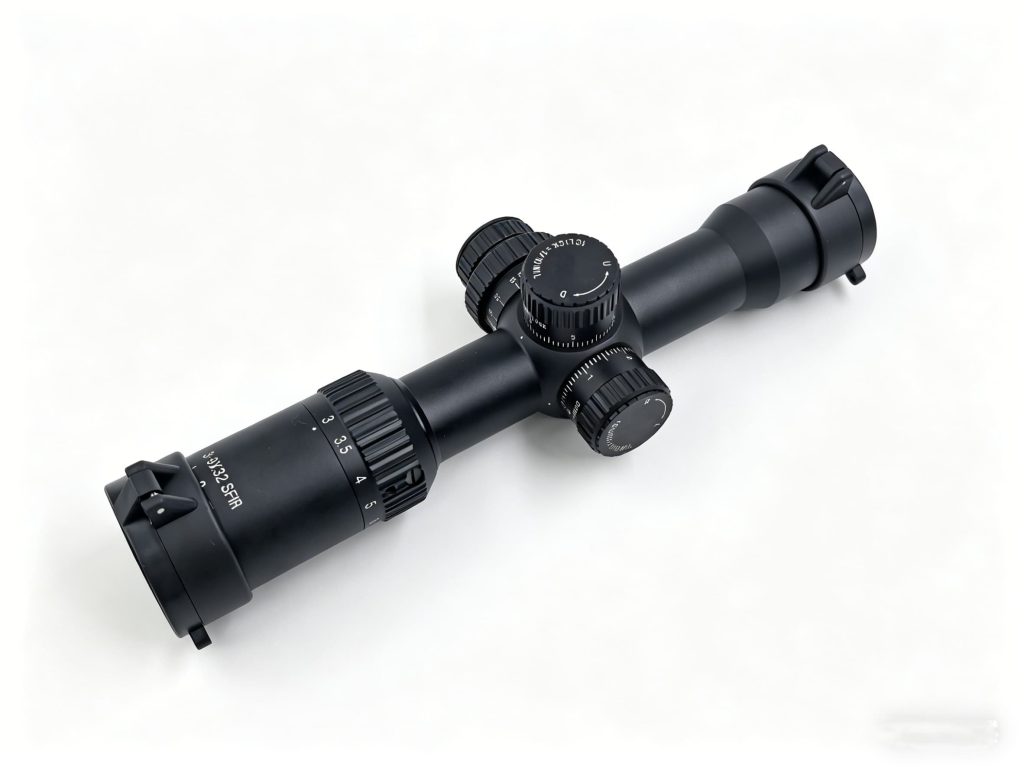
If a brand wants to develop a dedicated turkey hunting scope, reasonable magnification directions include:
- 1-4×24
- 1.5-5×20 / 1.5-5×24
- 2-7×32
Among them, 1-4× leans more toward the direction of “red dot speed + optical scope precision.”
1.5-5× is more suitable for products that aim to balance speed with a certain level of precise aiming.
2-7× is easier for traditional users to accept, but the speed at the low end will be slightly weaker than products starting at 1× or 1.5×.
Large field of view: reduce the time spent “searching for the target through the scope”
For turkey hunting, a large field of view is not an additional parameter, but a core performance factor.
A large field of view can help users:
- Find the target faster
- Track movement more naturally
- Maintain a sense of direction in complex backgrounds
- Reduce the time spent searching for the target after shouldering the gun
The real problem many users encounter in close-range hunting is not that they cannot see the target clearly, but that the field of view is too narrow after shouldering the gun, forcing them to relocate the target.
That is why low magnification and a large field of view are often closely connected.
If a turkey hunting scope sacrifices field of view in order to pursue higher magnification, it may lose its most important scenario advantage.
For a Turkey Scope, field of view should be placed among the top priorities in product definition, rather than treated as an ordinary specification on the spec sheet.
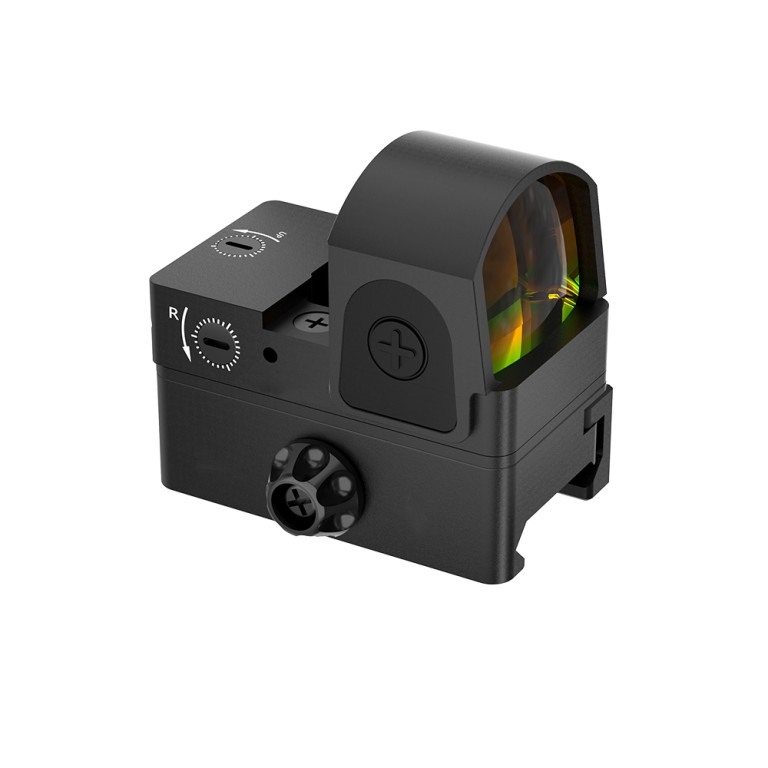
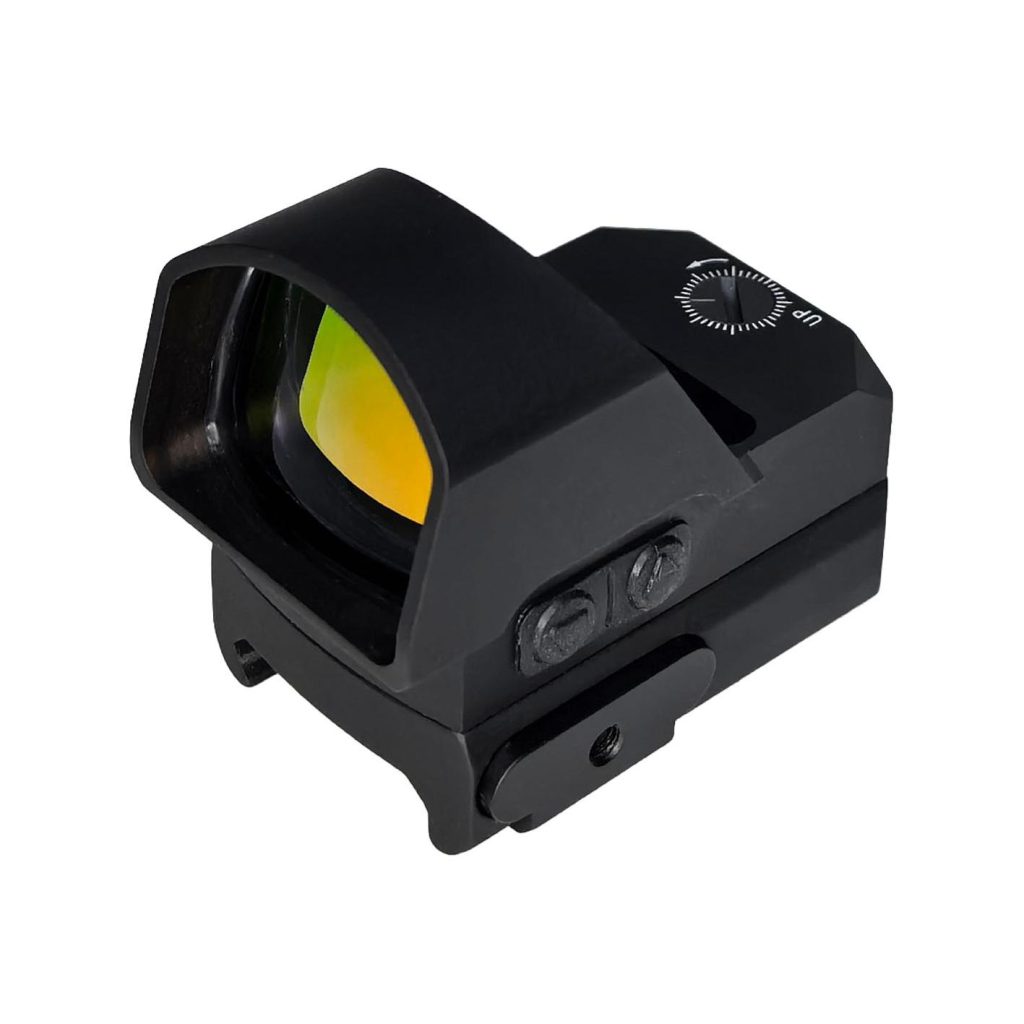

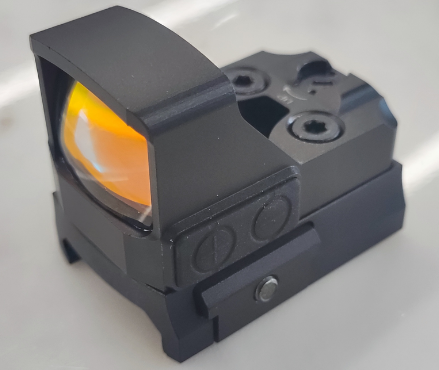
Forgiving eyebox and sufficient eye relief: determine whether the scope is easy to use the moment the gun is shouldered
Many scopes look good in static testing, but once they enter real hunting scenarios, problems start to appear.
One reason is that the eyebox is not forgiving enough.
In turkey hunting, hunters are often in a seated, half-crouched, or not fully stable position. The shouldering motion may also be very fast.
If the eyebox is too demanding, the user has to spend time adjusting head position before seeing a complete sight picture.
In real scenarios, this can be a serious problem.
An excellent turkey hunting scope should offer:
- Easy full sight picture after shouldering the gun
- Usability even when eye position is slightly off
- Sufficiently safe eye relief for shotgun platforms
- Good viewing tolerance even when shooting angles change
For OEM/ODM development, this is not simply a matter of stacking specifications. It is the combined result of the eyepiece system, exit pupil design, scope body length, mounting height, and platform recoil.
This is also an area that Foreseen Optics needs to focus on optimizing in the development of low-magnification hunting scopes.
Illuminated reticle: not for showing off technology, but for faster recognition
In Turkey Hunting scenarios, the value of an illuminated reticle is not only that it remains visible in low-light environments.
More importantly, it helps users find the aiming reference faster against complex backgrounds.
Common turkey hunting environments include:
- Woodland shadows
- Brush backgrounds
- Low light in the early morning or evening
- Mixed black, brown, and green backgrounds
If the reticle is too thin, too complex, or the center is not easy to recognize quickly, users may lose the most valuable reaction time.
A good turkey hunting scope reticle should have several key features:
- Clear center point
- Fast centering
- No excessive long-range information
- Adjustable brightness
- Hard to lose against complex backgrounds
- Does not block the key target area
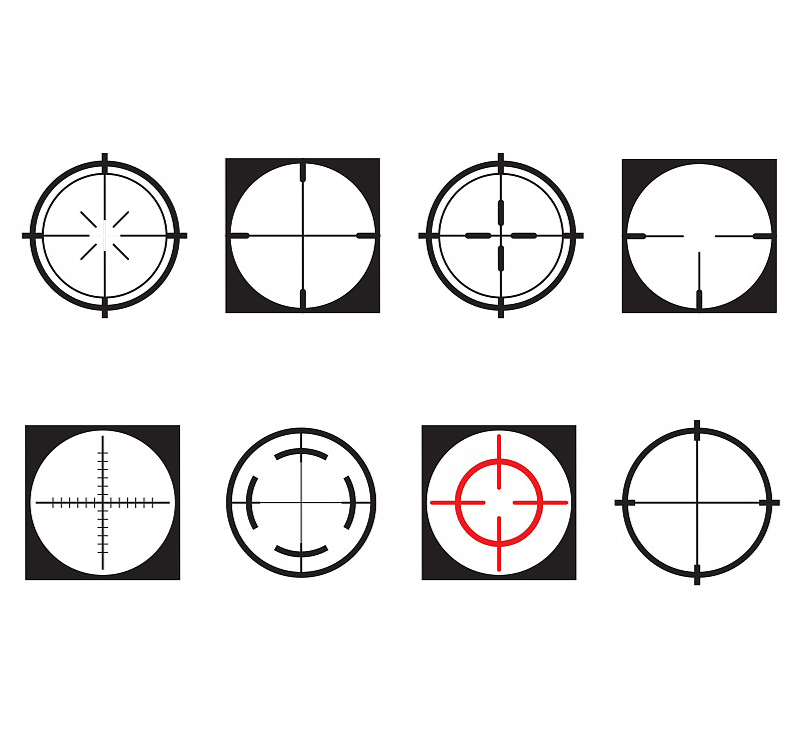
For brands, a Turkey Scope does not necessarily need a complex tactical reticle.
What may be more valuable is a simple, eye-catching, dedicated reticle design suitable for fast close-range aiming.
Lightweight and compact structure: affecting the real hunting experience
Turkey hunting is not fixed bench shooting.
Many hunters need to carry their gear for long periods, change positions, adjust their posture, and be ready to shoot at any time.
Therefore, lightweight design is not just a marketing point, but a matter of real-world performance.
A lighter, shorter, and lower-profile scope can provide:
- Better overall firearm balance
- Faster shouldering speed
- Less carrying fatigue
- Lower risk of snagging
- Better suitability for Run and Gun style hunting
For brand development, this means the product should not simply pursue “large objective lens + high magnification + multiple functions.”
For a highly scenario-specific product like a turkey hunting scope, the better strategy is often:
Sacrifice some non-core specifications in exchange for better speed, handling, and real-world comfort.
This is also a trade-off that small and mid-sized hunting brands in Europe and North America should pay close attention to when developing differentiated products.
Shotgun recoil resistance: should not be validated only by ordinary hunting scope logic
Many turkey hunters use shotguns.
This means a turkey hunting scope cannot be validated only according to ordinary low-recoil platforms.
During the product development stage, several factors need to be carefully considered:
- Zero-holding capability
- Stability of the erector tube structure
- Reliability of lens fixation
- Impact resistance of the adjustment system
- Stability of the mounting interface
- Performance consistency after long-term recoil impact
If a scope performs normally on a small-caliber rifle, that does not mean it is suitable for a high-recoil shotgun platform.
This is why the development of a true Turkey Scope cannot focus only on appearance and magnification. It must also establish a validation process based on the actual platform of use.
Red dot or low-magnification scope: which is more suitable for turkey hunting?
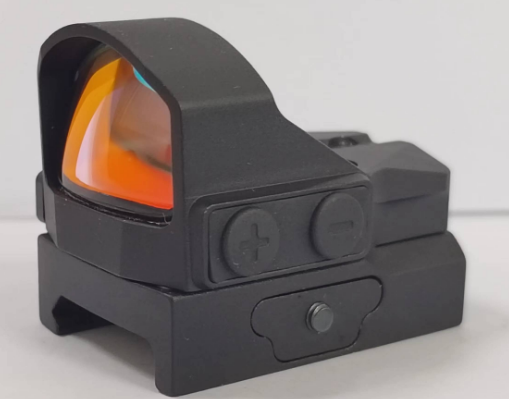
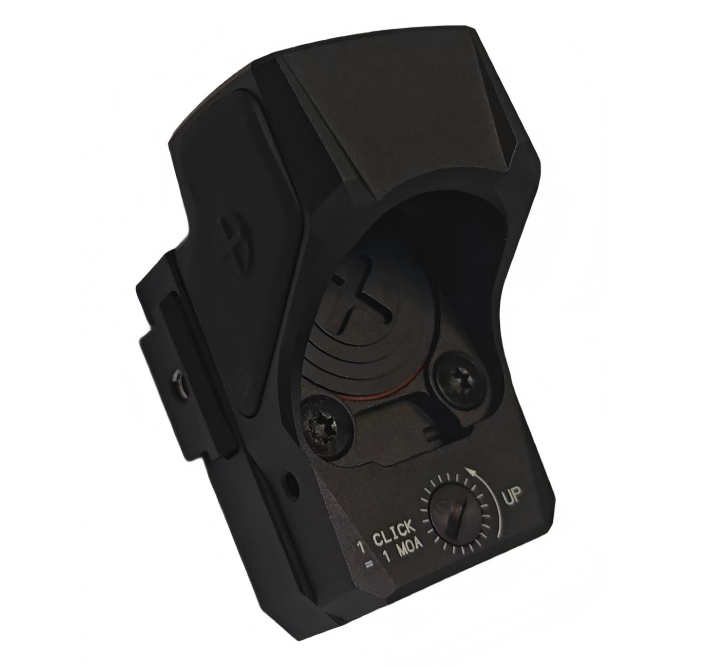
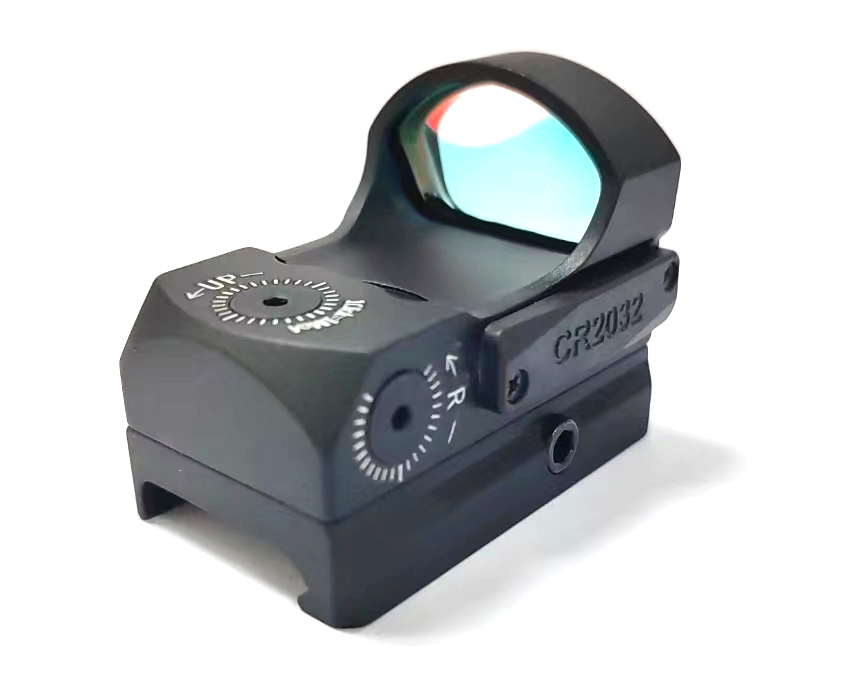
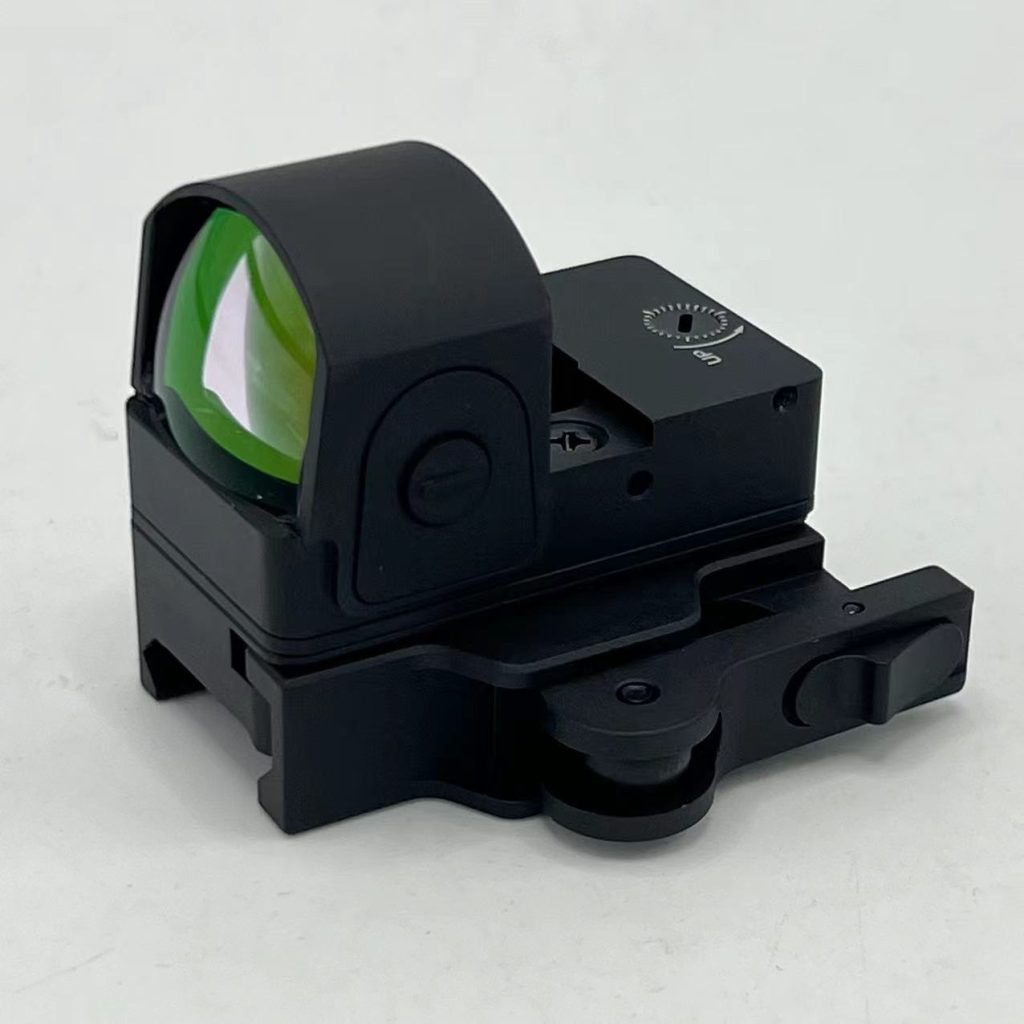
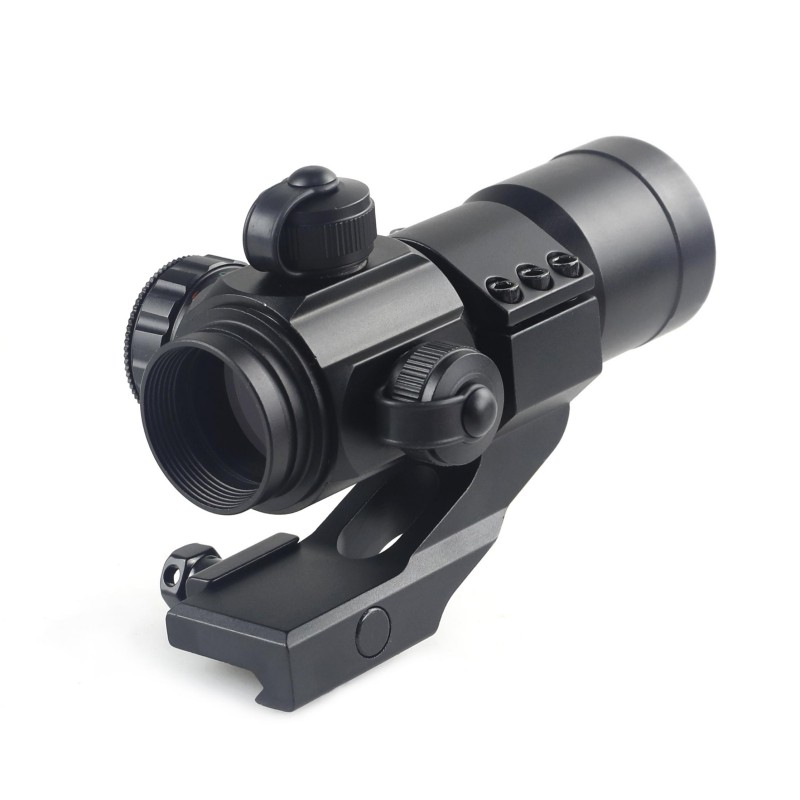
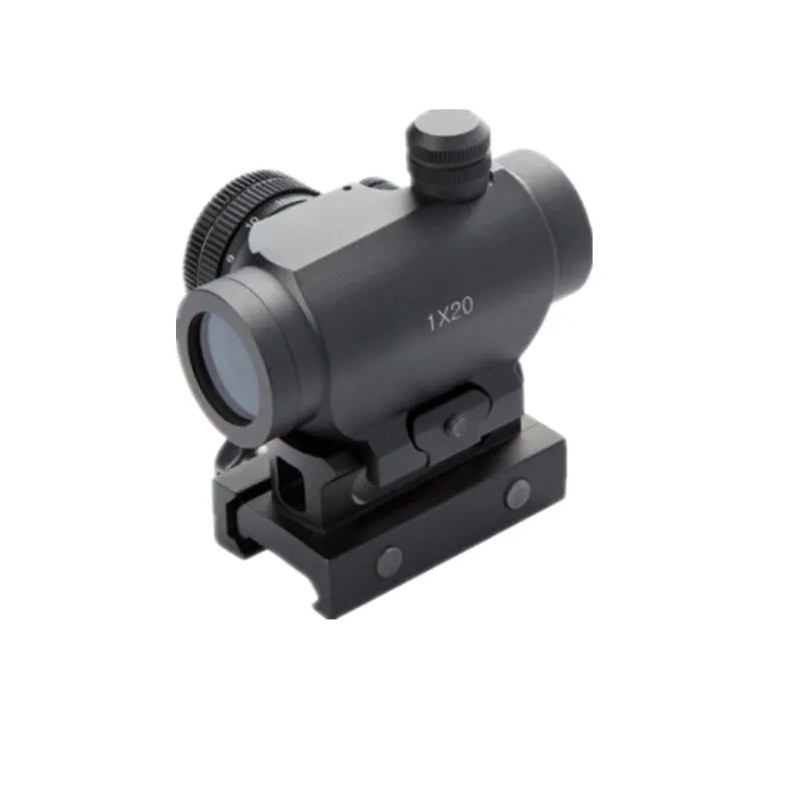
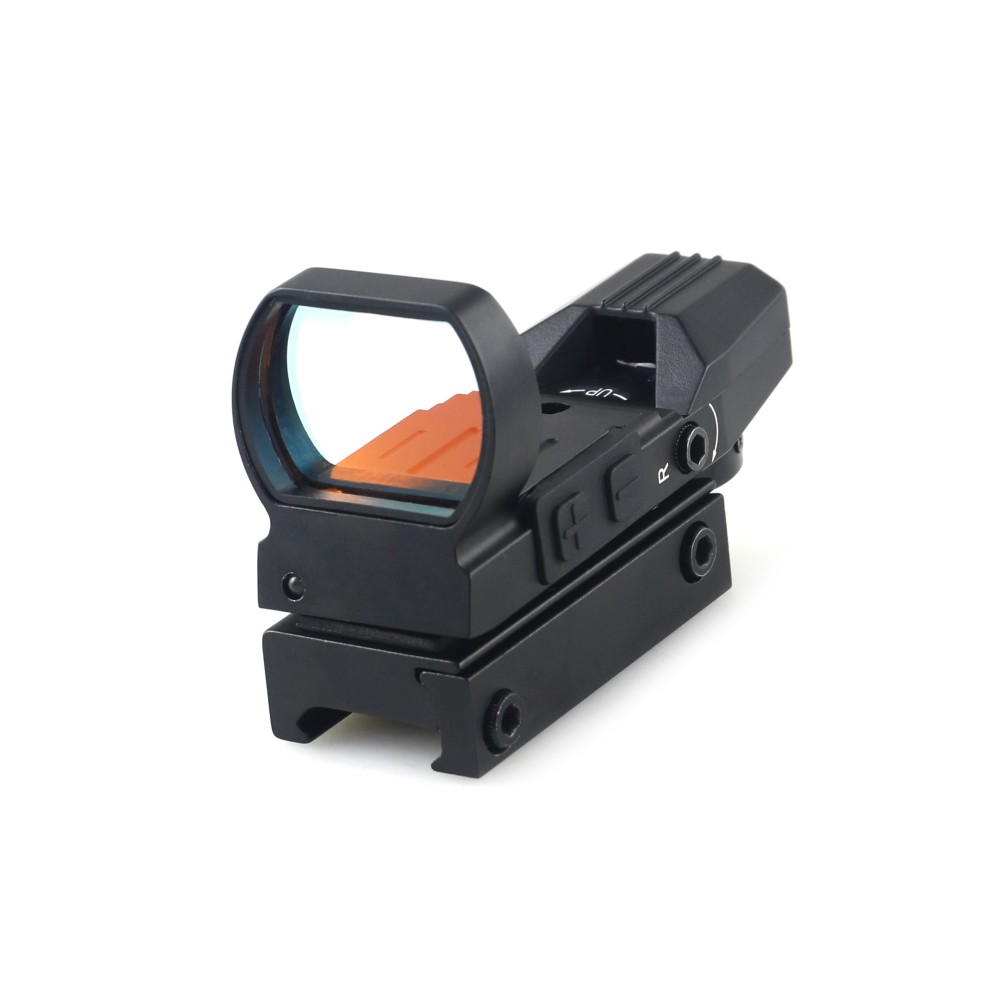
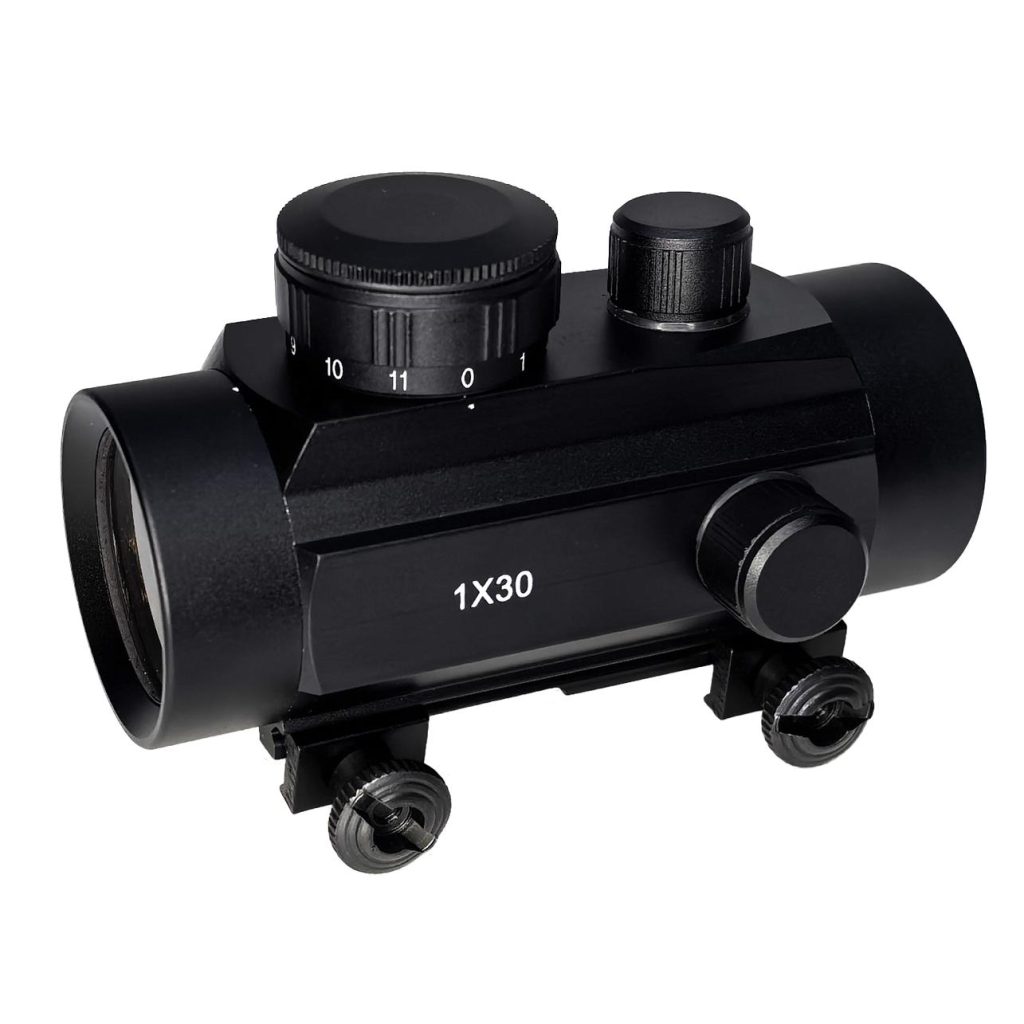
In turkey hunting, red dot sights have become increasingly popular in recent years.
The reason is simple:
Red dots are fast.
Their advantages include:
- More natural use with both eyes open
- Forgiving eye relief
- Fast target acquisition
- Lightweight structure
- Intuitive close-range aiming
- Easier use in complex shooting positions
For many Turkey Shotgun users, a red dot is a very reasonable choice.
But this does not mean low-magnification scopes have lost their value.
The advantages of low-magnification scopes include:
- They can provide a certain level of magnification
- They make it easier to use a dedicated reticle
- They provide a clearer aiming reference for small target areas
- They are suitable for broader close-to-mid range use
- They are more suitable as a multi-scenario platform within a brand’s product line
Therefore, red dots and low-magnification scopes are not in a relationship where one absolutely replaces the other.
A more accurate judgment is:
Red dots are suitable for extremely fast and highly intuitive close-range turkey hunting.
Low-magnification scopes are suitable for brands that want to balance speed, precision, reticle information, and product line expansion.
The opportunity for the next generation of Turkey Scope may lie in combining the strengths of both:
Red dot speed. Riflescope precision.
That means being as fast as a red dot, while providing more optical precision and reticle reference than a red dot.
What can turkey hunting scope development learn from crossbow scope design?
Crossbow scopes and turkey hunting scopes are not the same product.
A crossbow scope cannot simply be renamed as a turkey scope.
However, the usage logic behind the two has many similarities.
Crossbow scopes also usually serve close-range to close-to-mid-range hunting scenarios, where they need to solve:
- Fast target acquisition
- Clear aiming at close range
- Simple and effective reticle information
- Recognition capability in low-light environments
- Compact and lightweight structure
- Reliability in real field environments
These are exactly the areas that turkey hunting scope development can learn from.
Especially low-magnification crossbow scope platforms, which often already have the following product language:
- Practical magnification ranges such as 1.5-5× or 2-7×
- Compact scope body
- Illuminated reticle
- Larger field of view
- Close-range aiming priority
- Cost-controllable platform-based structure
These features do not mean that a crossbow scope is a turkey hunting scope.
What they show is:
Close-range hunting optics are converging in the same direction: faster, lighter, more intuitive, and more scenario-specific.
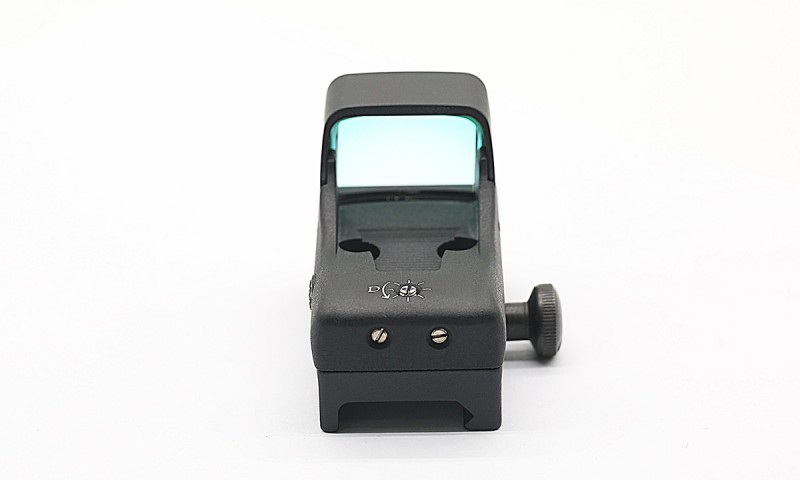
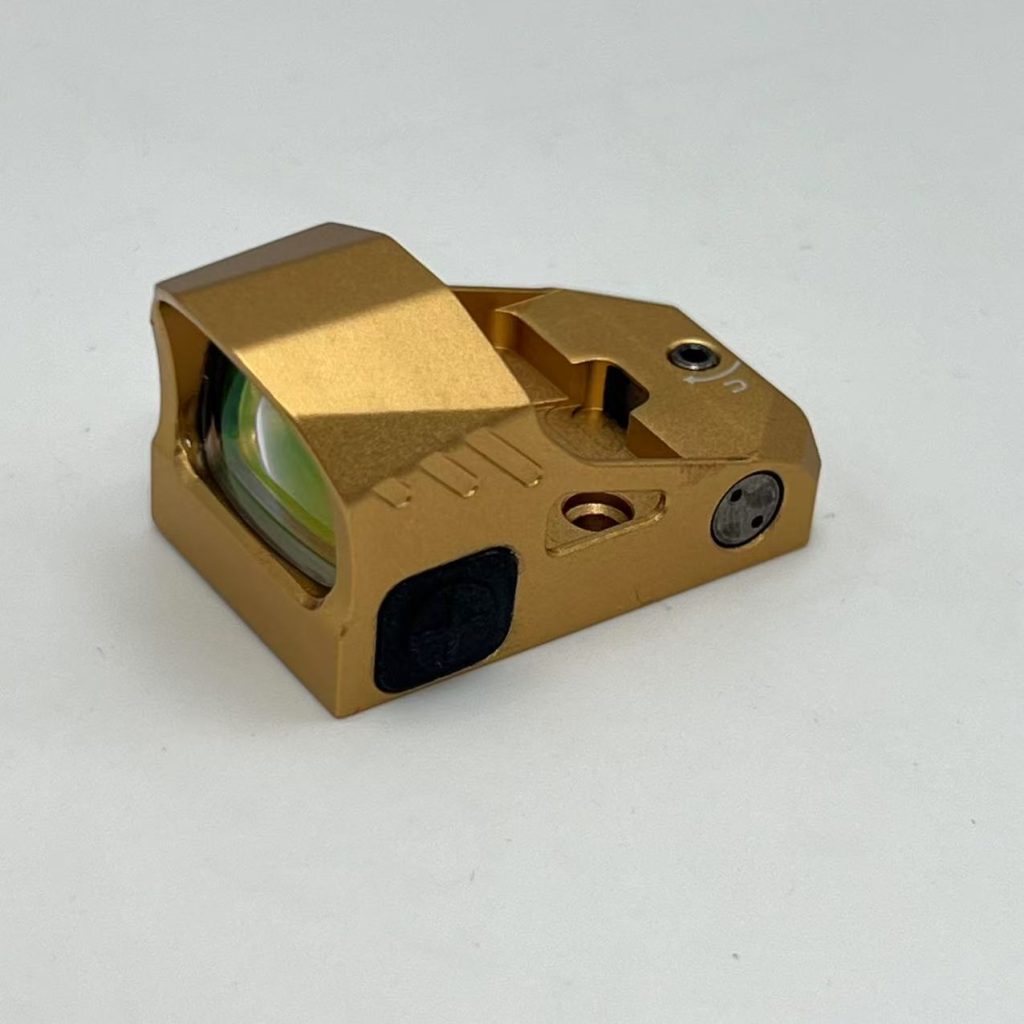
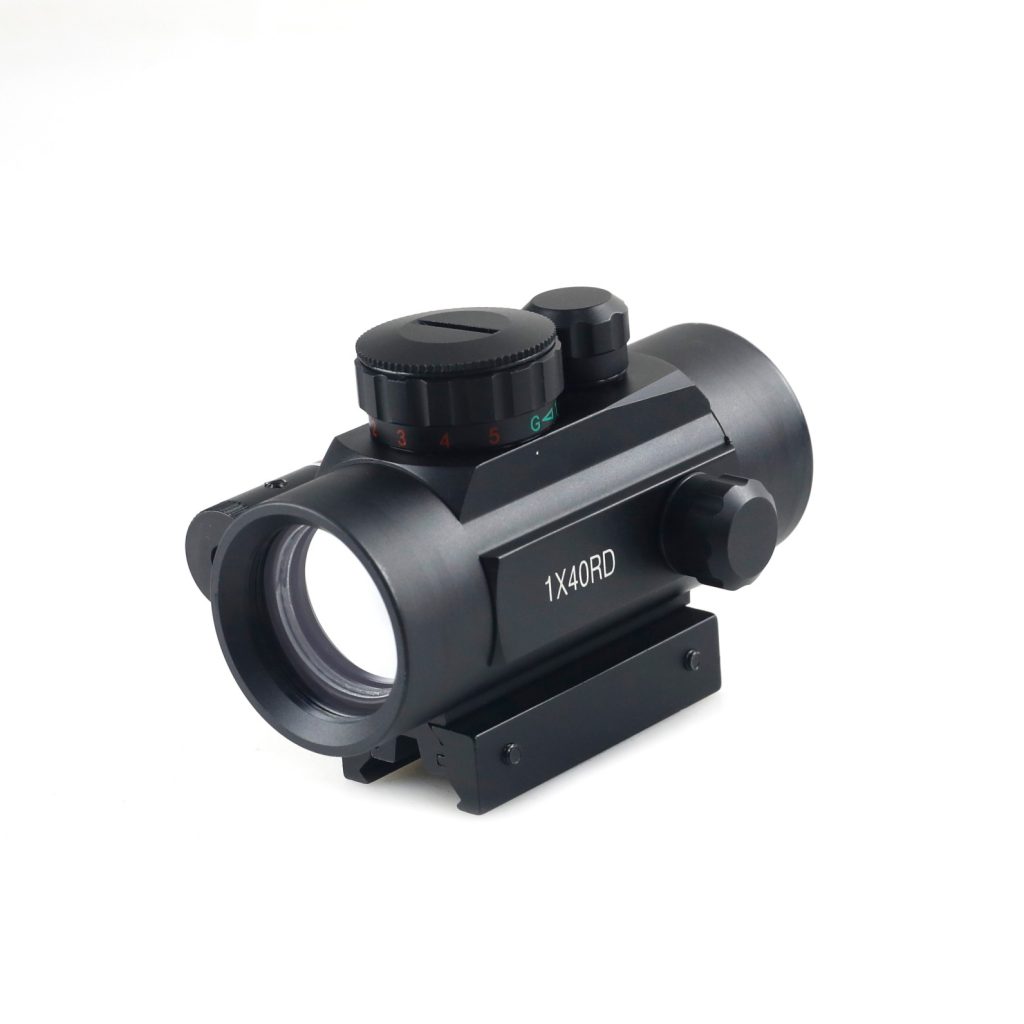
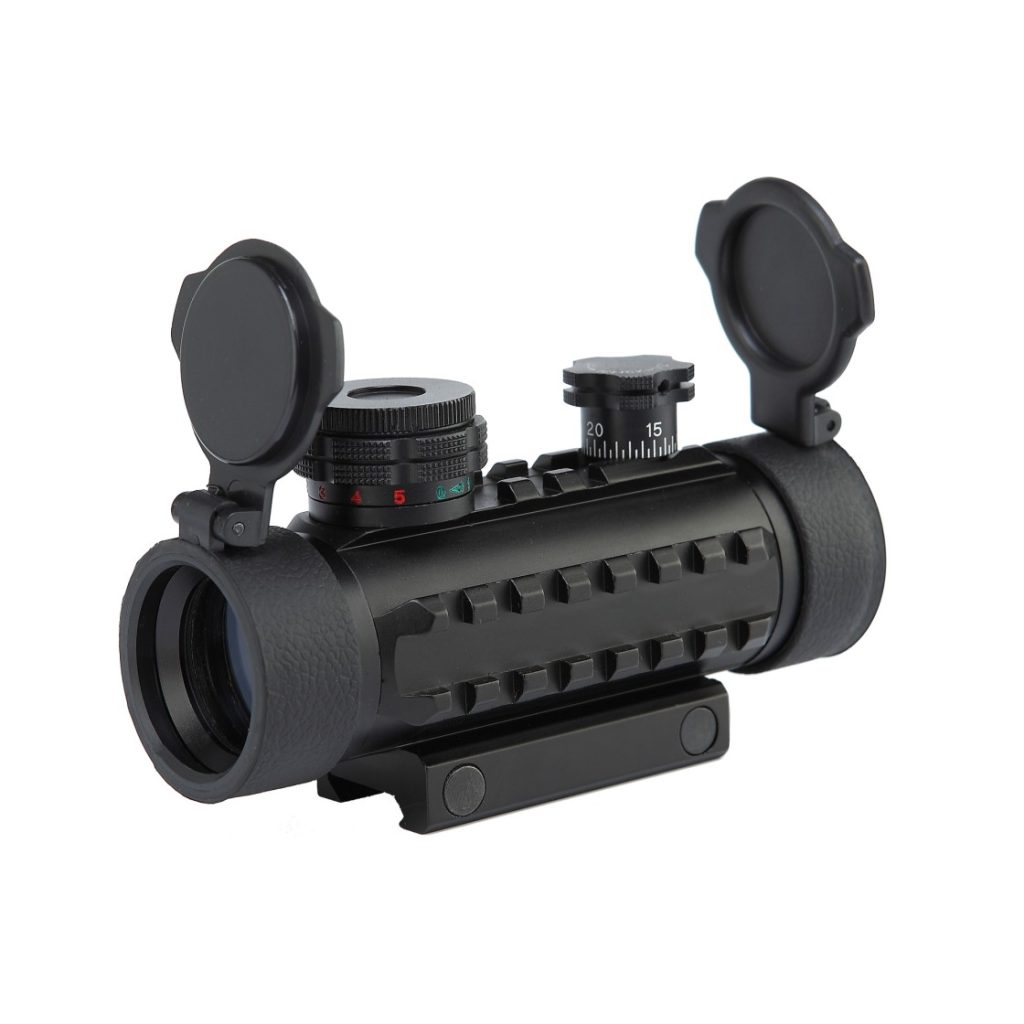
Recommended magnification ranges for turkey hunting scopes
The following recommendations are not a unified industry standard. They are based on turkey hunting use scenarios, the logic of low-magnification optical products, and a combined judgment of existing hunting scope and crossbow scope platforms.
| Magnification range | More suitable product positioning | Notes |
| 1-4×24 | Dedicated Turkey Scope / Shotgun Scope | Closest to red dot speed while retaining a small amount of magnification. Suitable for products that emphasize fast initial target acquisition. |
| 1.5-5×20 / 1.5-5×24 | Close-range dedicated hunting scope / Turkey Scope / Woods hunting scope | Balances speed and precise aiming, and can also share design experience with crossbow scopes and low-magnification platforms. |
| 2-7×32 | Traditional Turkey Gun Optic / entry-to-mid-level general-purpose model | High user familiarity and suitable for traditional hunters, but the low-end speed is not as strong as products starting at 1× or 1.5×. |
| 1-6×24 | Multi-scenario low-magnification platform | Suitable for covering turkey / hog / woods hunting, but not necessarily the most dedicated Turkey Scope. |
| 2-10× / 2-12× | General-purpose hunting scope | Suitable for broader hunting scenarios, but not recommended as the core specification for a dedicated Turkey Scope. |
For brands, the most important thing is not to choose a magnification range that “looks the most versatile.”
Instead, the first step is to define exactly which type of user the product is serving:
- Dedicated turkey hunters
- Shotgun users
- Close-range woods hunters
- Crossbow hunters
- General hunters who want one scope for multiple uses
Different users have completely different requirements for magnification, weight, reticle design, and structural strength.
How should brands define a Turkey Scope product line?
If you are a hunting brand, importer, or OEM/ODM project manager, when defining a turkey hunting scope product line, you should not first ask:
“What magnification should we make?”
Instead, you should first ask:
Q1:What platform does the user mainly use?
- Is it a shotgun?
- Is it a muzzleloader?
- Is it a crossbow?
- Or is it a short-range rifle?
Different platforms determine recoil-resistance requirements, mounting interfaces, eye relief, and structural validation methods.
Q2:Does the user care more about speed or precise aiming?
If the user pursues extreme speed, the product should be closer to the red dot experience.
If the user wants to retain a certain level of magnification and reticle reference, a low-magnification scope is more suitable.
Q3:Is the product a dedicated turkey hunting scope or a multi-scenario low-magnification hunting scope?
A dedicated product can be made more focused and extreme.
A multi-scenario product needs to find a balance among turkey hunting, hog hunting, woods hunting, and other use cases.
Q4:Is a dedicated reticle needed?
The reticle of a Turkey Scope does not necessarily need to be complex, but it must be intuitive.
Brands can consider:
- Circle-dot
- Simple center dot
- Simplified holdover
- Fast close-range centering reference
- Red/green illumination options
Q5:Is the product positioned as entry-level, mid-range, or high-end?
This will affect:
- Lens configuration
- Coating grade
- Mechanical adjustment structure
- Illumination system
- Material selection
- Packaging solution
- Target price range
A truly mature product line is not about adding every possible feature, but about making the right trade-offs between the target users and the target price range.
What should be considered in OEM/ODM development?
For OEM/ODM projects, developing a turkey hunting scope should not stop at simply “providing a sample to the customer.”
What matters more is establishing a complete product definition and validation path.
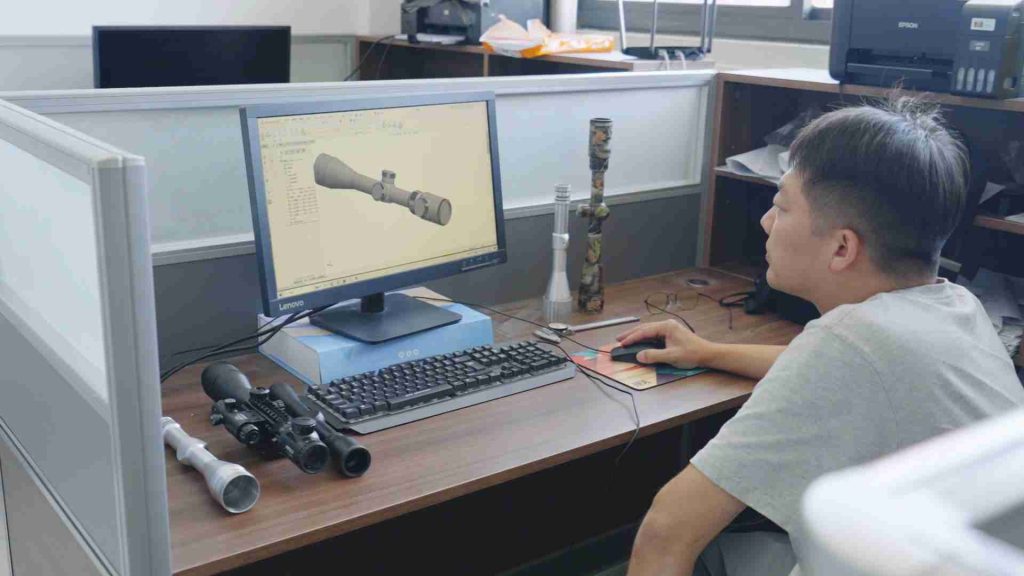
For this type of low-magnification hunting optic development, Foreseen Optics recommends focusing on the following key areas:
- Optical system
The focus should not be only on pursuing high magnification, but on optimizing:
- Low-end field of view
- Exit pupil forgiveness
- Eyepiece system comfort
- Acceptable edge image quality
- Recognition capability in low-light environments
- Reticle and illumination
These should be developed according to the use scenario, rather than simply applying a general-purpose reticle:
- Center recognition speed
- Illumination brightness range
- Adaptability to complex backgrounds
- Whether red/green dual-color illumination is suitable
- Whether a dedicated turkey reticle is needed
- Structure and weight
The design should be optimized around real carrying and usage actions:
- Scope body length
- Overall weight
- Mounting height
- Low-profile turrets
- Anti-snag design
- Impact on overall firearm balance
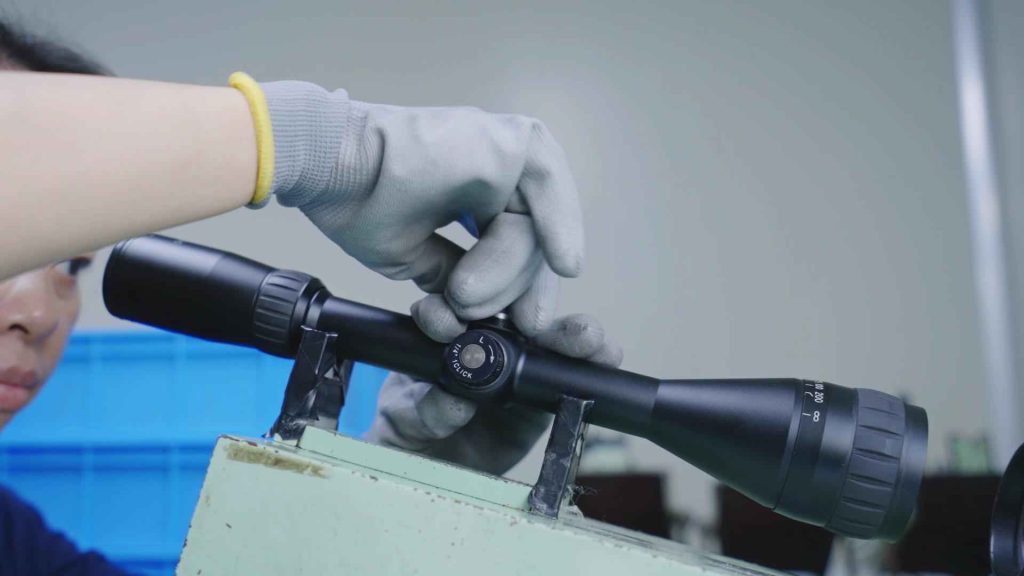
- Recoil resistance and reliability validation
If the product is intended for shotgun platforms, more targeted validation should be conducted:
- Recoil impact testing
- Zero-holding testing
- Adjustment system stability testing
- Lens fixation reliability testing
- Waterproof and fogproof testing
- Performance consistency testing after long-term use
- Branding and cost control
For small and mid-sized brands, the product does not necessarily need to pursue the most expensive configuration.
What matters more is creating scenario-based value that users can actually feel while keeping costs under control.
Foreseen Optics can support:
- Reticle customization
- Illumination system solutions
- Turret solutions
- Surface treatment
- LOGO customization
- Packaging design
- Platform-based product development
- Cost and performance balance recommendations

The best turkey hunting scope is a product developed around the scenario
A turkey hunting scope should not simply be a smaller version of an ordinary hunting scope.
It should not blindly pursue higher magnification either.
A truly practical Turkey Scope should start from real hunting scenarios:
- Close range
- Fast reaction
- Complex backgrounds
- Small target area
- Shotgun platform
- Long-time carrying
- Fast shouldering
In this scenario, what truly matters is often not the highest magnification, but:
Whether the target can be quickly seen the first time the gun is shouldered.
Whether the reticle can be quickly recognized.
Whether the eyebox is forgiving enough.
Whether the overall firearm is light enough and fast enough.
Whether the product can withstand the real recoil of a shotgun platform.
This is also why red dots, LPVOs, and crossbow scopes, although different products, are showing similar development directions in close-range hunting optics:
Faster.
Lighter.
More intuitive.
More scenario-specific.
For hunting brands, the opportunity for the next generation of turkey hunting scopes does not lie in continuing to stack specifications, but in re-understanding the user’s real hunting actions.
For OEM/ODM manufacturers, the real value is not just production, but helping brands define a product that better fits the scenario and is easier for end users to understand and accept.
FAQ: Common Questions About Turkey Hunting Scopes
Q1: What is the best magnification for a turkey hunting scope?
It is generally recommended to prioritize low-magnification ranges such as 1-4×, 1.5-5×, or 2-7×.
The core of turkey hunting is not long-range high magnification, but fast close-range target acquisition and clear aiming.
Q2: Is a red dot or a low-magnification scope better for turkey hunting?
A red dot is faster, lighter, and more intuitive, making it suitable for shotgun users who pursue extremely fast reaction.
A low-magnification scope can provide a certain level of magnification and more complete reticle information, making it suitable for users who want to balance speed and precision.
Q3: Can a crossbow scope be used directly as a turkey hunting scope?
It is not recommended to treat them as the same product.
However, the design logic of crossbow scopes in terms of low magnification, compact structure, illuminated reticles, and fast close-range aiming is very valuable for turkey hunting scope development.
Q4: Why does a turkey hunting scope need a large field of view?
Because turkey hunting usually takes place at close range and in complex backgrounds.
A large field of view helps hunters find the target faster and reduces the time spent searching for the target through the scope after shouldering the gun.
Q5: Does a turkey hunting scope have to use an illuminated reticle?
Not necessarily, but an illuminated reticle is very valuable.
It can help users identify the central aiming point faster in low light, shadows, and complex backgrounds, improving first-shot aiming efficiency.
Q6: Does a turkey hunting scope need to specifically consider shotgun recoil?
Yes.
If the product is mainly mounted on a shotgun, recoil impact, zero retention, erector tube stability, and lens fixation reliability must be considered.
Testing on ordinary low-recoil platforms cannot fully represent the actual shotgun-use environment.
Ready to develop a turkey hunting scope that truly fits the scenario for your brand?
Foreseen Optics provides OEM/ODM development support for hunting brands, covering low-magnification hunting scopes, crossbow scopes, shotgun scopes, and scenario-specific optical products.
We can help you build a product that better meets the needs of your target market, from magnification selection, reticle design, illumination system, structure and weight, recoil-resistance validation, to brand packaging.