In the target observation market, magnification is often the first specification buyers notice when selecting a product. Whether they are comparing spotting scopes, long-range binoculars, or optical equipment designed for shooting practice, higher magnification is easy to understand and even easier to promote on a product page.
However, from the perspective of distributors, brand owners, and manufacturers, higher magnification does not automatically deliver a better viewing experience.
The main purpose of target observation is not simply to make the target look bigger. It is to identify fine details clearly, quickly, and consistently at the intended viewing distance. In practice, customer satisfaction depends on a much broader combination of factors, including optical resolution, image contrast, tripod stability, focusing efficiency, field-of-view comfort, accessory compatibility, and consistency across mass-produced units.
When magnification becomes the only priority, the result may be a product with a soft image, excessive shaking, a narrow field of view, difficult focusing, and greater eye fatigue during extended use.
For brand owners, distributors, and OEM/ODM sourcing teams, the product selection process therefore needs to move beyond the idea that “more magnification is always better.” A more practical approach is to ask whether the product matches the intended application, whether the overall viewing experience is complete, and whether the optical platform can remain stable in long-term production.
This article looks at target observation products from a B2B perspective. It explains what type of optical product is best suited for target viewing and why higher magnification does not necessarily mean a better user experience.
- Why should magnification not be treated as the only major selling point for target observation products?
- What factors create a genuinely practical and comfortable viewing experience?
- How should spotting scopes, target-viewing binoculars, and supported observation systems be positioned differently?
- How can B2B buyers determine whether a product is suitable for their target sales channel?
- How can an OEM/ODM manufacturer help brands build a more mature and market-ready product definition?
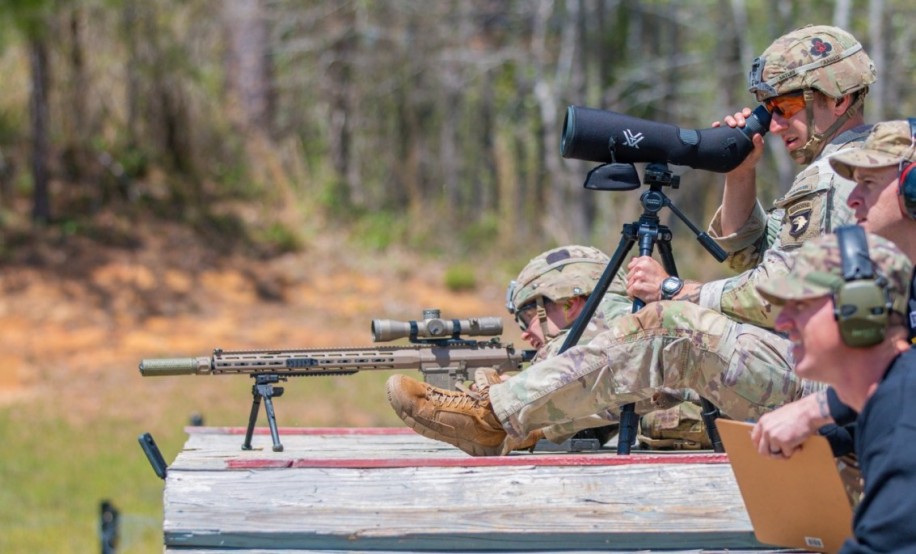
The Real Goal of Target Observation Is Not to See Bigger, but to See More Clearly
From the end user’s perspective, target observation usually takes place during range practice, firearm zeroing, long-distance stationary observation, shooting club instruction, or outdoor distance assessment.
In these situations, users are not simply asking how many times larger the target appears. What they really need to know is whether they can clearly identify bullet holes, scoring rings, target markings, target edges, background details, and the information required to make shooting corrections at the intended distance.
From a B2B perspective, this means the value of a target observation product should not be communicated through magnification alone. It should be built around its effective detail-recognition capability.
That capability is usually determined by several factors working together:
- Center resolution: Determines whether fine target details can actually be distinguished.
- Image contrast: Helps users separate bullet holes, target paper, shadows, and the surrounding background.
- Mounting stability: Keeps the image controlled and usable at higher magnifications.
- Field of view: Affects how easily users can locate the target and keep it within the image.
- Focusing efficiency: Determines how quickly users can achieve a sharp, usable view.
- Long-term viewing comfort: Influences the experience during extended training sessions, competitions, or continuous observation.
For this reason, the B2B selling point of a target observation product should not simply be “high magnification.” A more meaningful value proposition would be:
A more stable and practical solution for identifying fine details at long distances.
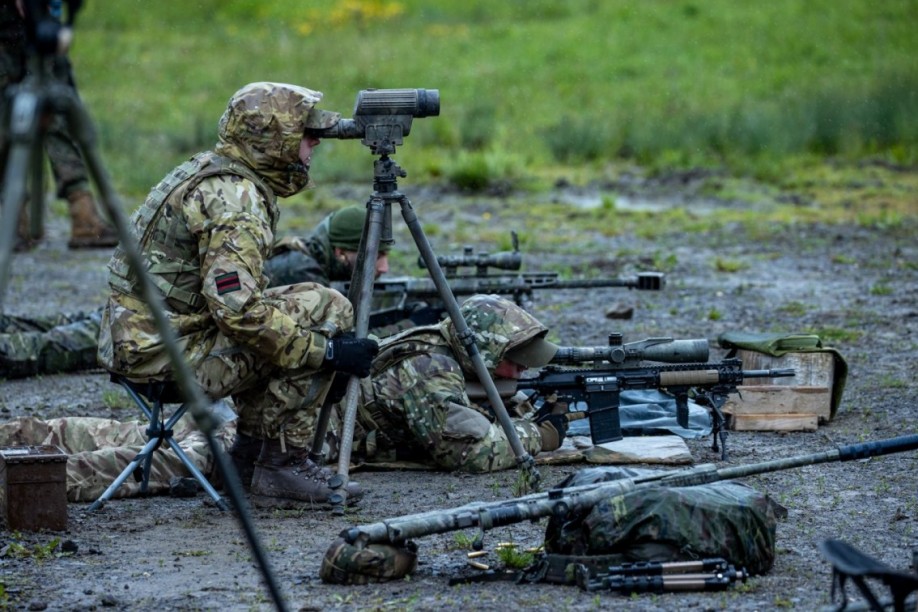
Why Higher Magnification Does Not Always Deliver a Better Viewing Experience
- Higher Magnification Enlarges Both the Target and the Movement
Higher magnification makes the target appear larger, but it also makes every small movement more noticeable. Hand shake, tripod vibration, movement from the ground, and atmospheric disturbance are all magnified at the same time.
If the tripod, scope body, and focusing system are not designed to support higher magnification, the image may become harder—not easier—to observe steadily.
- Higher Magnification Requires Better Optical Resolution
When an optical system lacks sufficient resolution, increasing magnification simply enlarges an already soft image.
For target observation users, the real value lies in being able to distinguish fine details clearly, rather than seeing a larger but blurrier outline of the target.
- Higher Magnification Usually Means a Narrower Field of View
As magnification increases, the field of view usually becomes narrower. This can make it more difficult to locate the target, especially at outdoor shooting ranges, across long-distance terrain, or in environments with multiple targets.
For beginners and shooting club users, an overly narrow field of view can significantly reduce observation efficiency and make the product less user-friendly.
- Higher Magnification Places Greater Demands on the Support System
To deliver real value at higher magnifications, a product needs more than good optics. The complete system must also account for tripod compatibility, tripod head selection, weight distribution, balance, and the structural rigidity of the scope body.
Without a stable and well-matched support system, impressive magnification figures on a specification sheet are unlikely to translate into a practical viewing experience.
- Higher Magnification Can Increase Cost, Weight, and After-Sales Risk
From a supply chain perspective, higher-magnification designs usually place greater demands on lens quality, mechanical structure, optical alignment, assembly precision, and quality-control testing.
When manufacturers try to achieve an impressive magnification range while keeping costs too low, the product may suffer from inconsistent image quality, loose mechanical components, noticeable differences between production batches, and increased after-sales pressure.
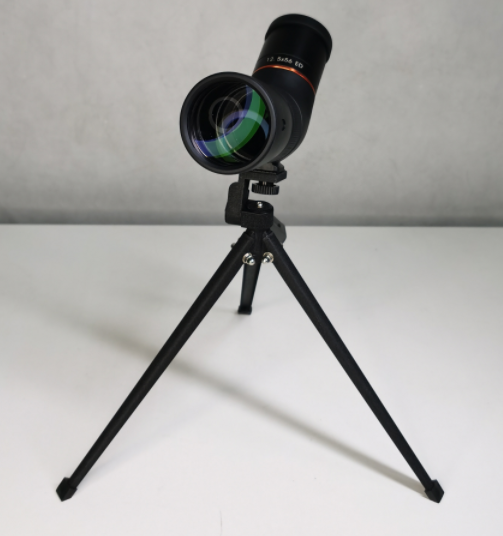
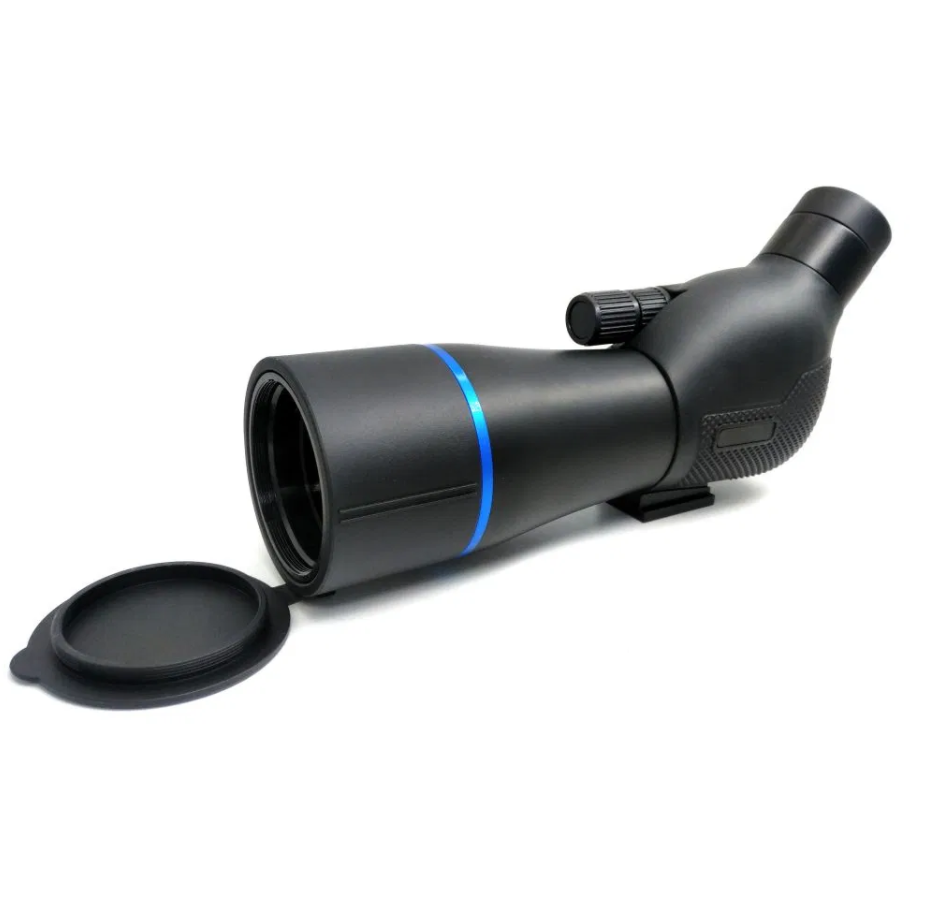
Five Questions B2B Buyers Should Answer Before Selecting a Target Observation Product
- Who is the target user? Are they entry-level range users, shooting club members, professional training users, or long-range observation enthusiasts?
- What is the intended viewing distance? Will the product mainly be used at 100 meters, 300 meters, 600 meters, or in even longer fixed-distance observation scenarios?
- How will the product be used? Will it be handheld, supported on a tabletop, mounted on a tripod, or integrated into a shooting bench or club training system?
- What matters most to the user? Is the priority finding the target quickly, identifying bullet holes clearly, observing comfortably for long periods, or keeping the product lightweight and affordable?
- Does the target price range support the right optical system, mechanical platform, and accessory package?
The answers to these five questions determine how the product should be defined.
A mature B2B sourcing process should not begin by asking, “What is the highest magnification available?” It should begin by identifying the viewing experience that the intended application actually requires.

How Should Different Types of Target Observation Products Be Positioned?
| Product Type | Suitable Applications | Core Advantages | Main Limitations | B2B Positioning Recommendation |
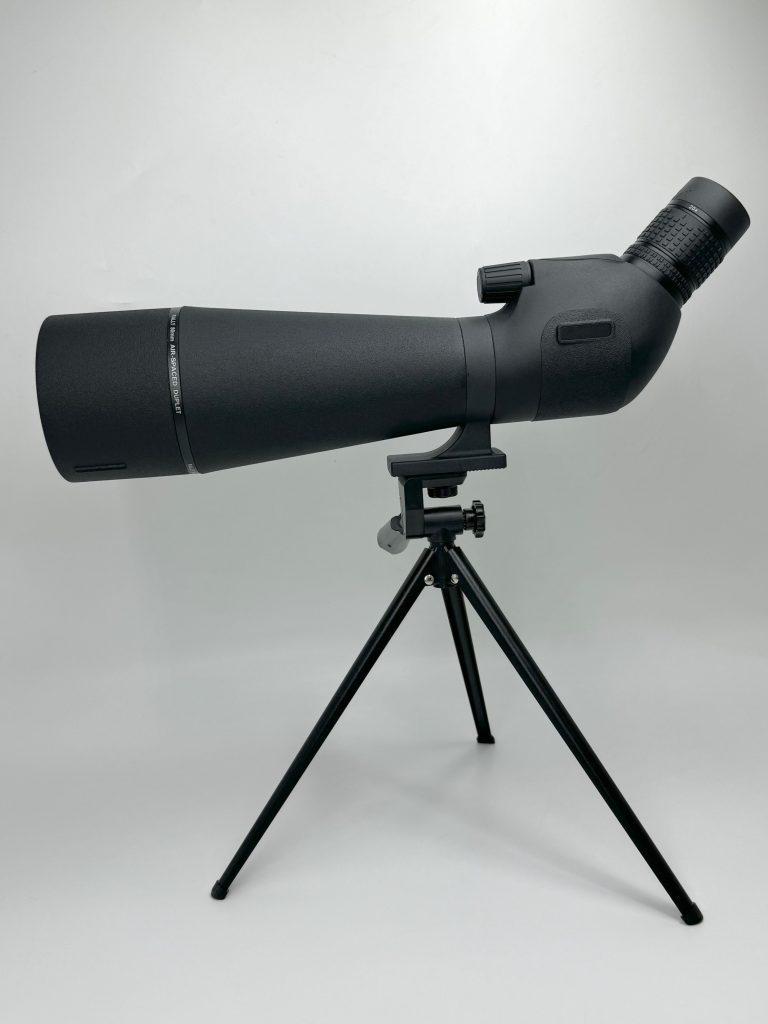
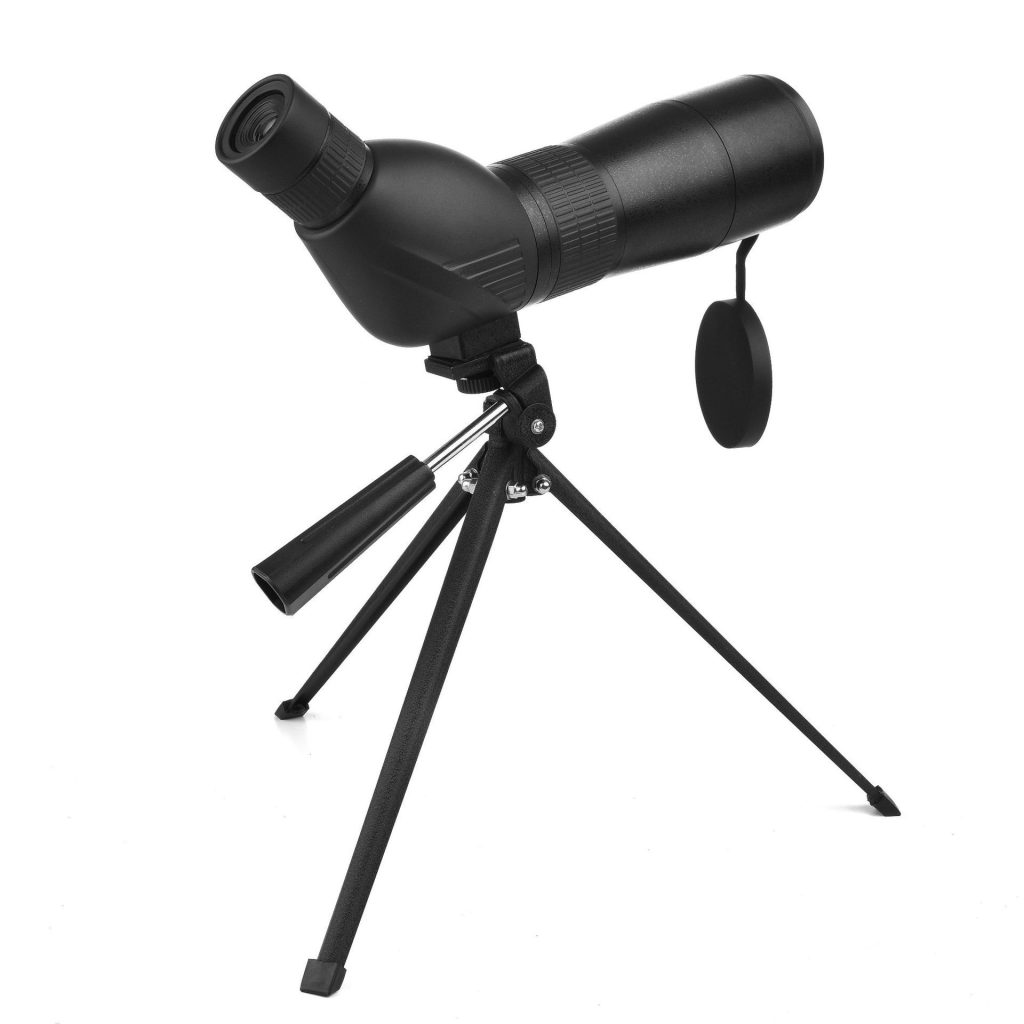
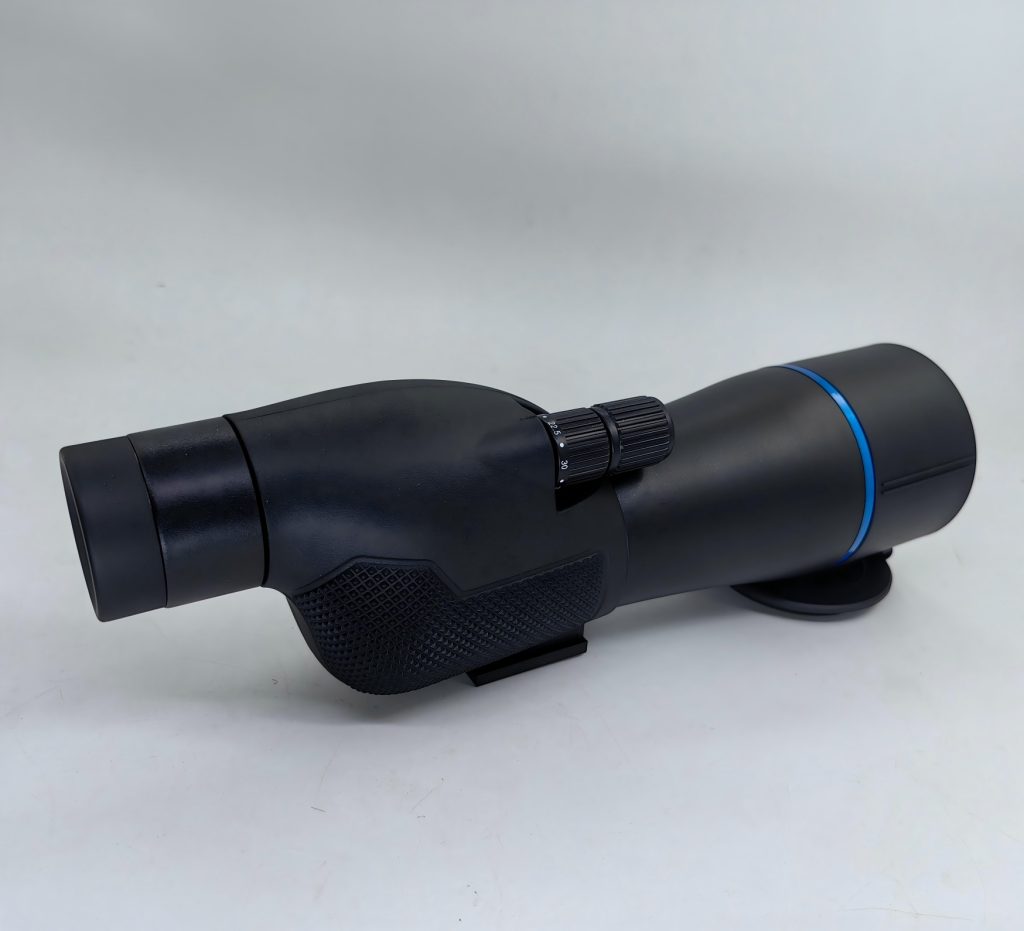
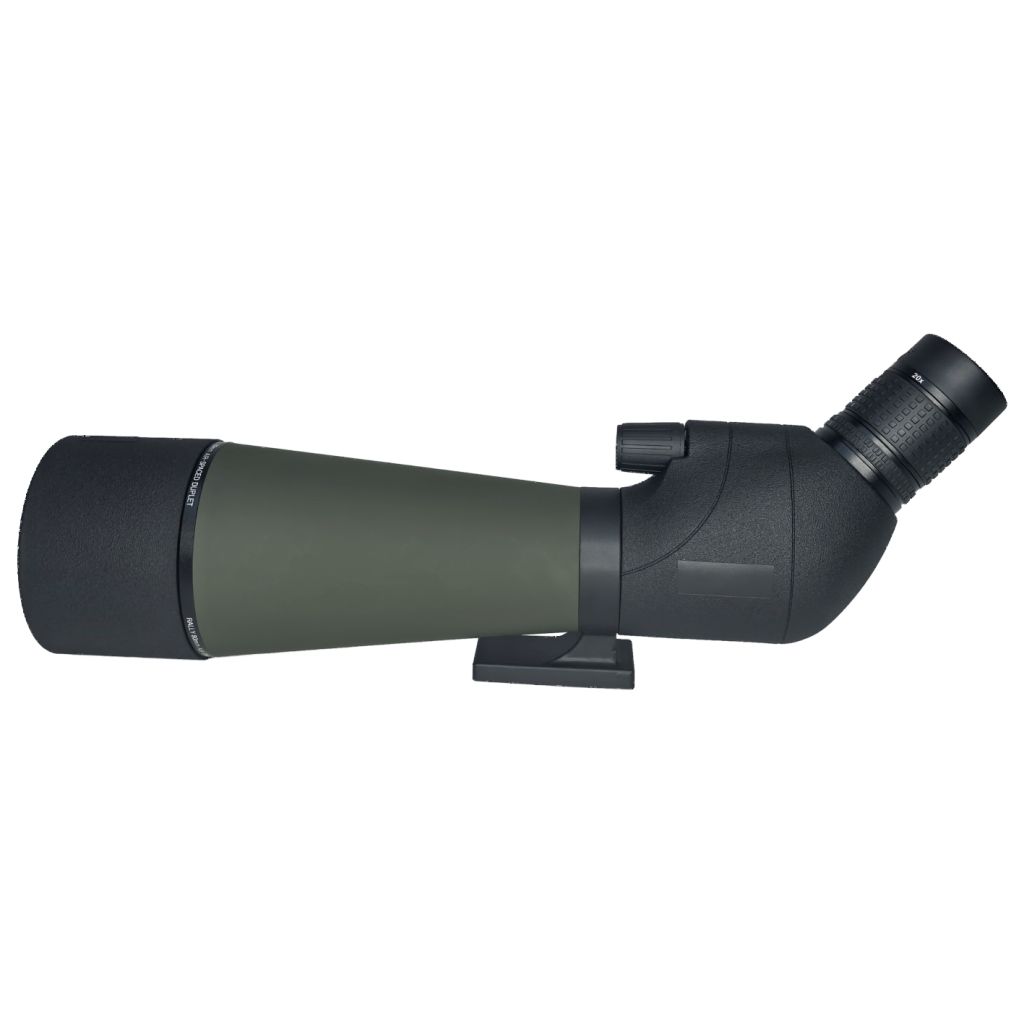
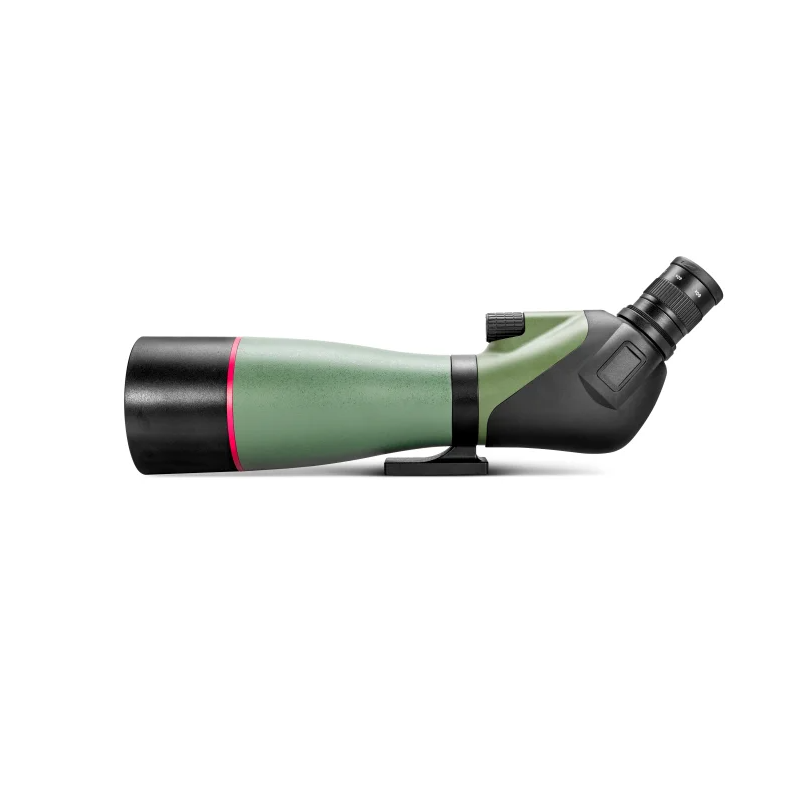
| Spotting Scope | Fixed-position observation, shooting range training, and long-range target identification | Wide magnification range, strong detail recognition, and suitable for tripod-supported use | Relatively large and highly dependent on a stable support system | Position as the core product line for professional target observation, with an emphasis on optical resolution and platform stability |
| Target Observation Binoculars | Medium- to long-range observation and general outdoor use | Comfortable two-eye viewing, natural field of view, and less fatigue during extended observation | Less effective than high-magnification spotting scopes for identifying very fine details at extreme distances | Suitable for long-range observation, shooting club support, and general outdoor sales channels |
| Compact High-Power Monoculars | Lightweight backup use, short observation sessions, and entry-level channel products | Portable and relatively easy to control in terms of cost | Limited stability and viewing comfort | SKUShould not be overpromoted as a professional target observation solution; better positioned as a supplementary SKU |
| Rangefinding Observation Products | Long-distance assessment, outdoor observation, and multi-purpose applications | Provide more complete distance and target information | Higher cost, greater power consumption, and increased structural complexity | Suitable for differentiated mid- to high-end product lines, provided that feature complexity is carefully controlled |
| Target Observation Kits | Shooting clubs, training programs, and complete-package channel purchases | Provide a complete combination of tripod, storage, and supporting accessories | More complex SKU and inventory management | Well suited to B2B projects and solution-based channel sales |
For B2B buyers, these product types should not be viewed as direct substitutes for one another. Each one serves a different sourcing and usage scenario.
The clearer the product-line positioning is, the easier it becomes for distributors to explain the differences—and for end users to choose the product that best matches their actual needs.
Five Factors That Truly Set the Target Observation Experience Apart
- Optical Resolution and Image Contrast
Resolution determines whether fine details can be distinguished, while contrast determines how easily those details can be recognized.
For target observation users, being able to clearly identify bullet holes, scoring rings, target edges, and background layers is far more valuable than simply seeing a larger image.
- Support System Compatibility
Target observation products are commonly used with tripods, tripod heads, tabletop supports, or shooting benches.
The stability of the mounting interface, the balance of the product, and the convenience of the quick-release system can all have a direct impact on the viewing experience.
- Focusing Efficiency
A fast, smooth, and precise focusing system is essential for long-range observation.
If the focusing mechanism has uneven resistance or lacks fine adjustment, users may repeatedly struggle to find the sharpest image—especially at higher magnifications.
- Comfort During Extended Viewing
Target observation rarely ends after a quick glance. Users may need to observe continuously during training sessions, competitions, or shooting adjustments.
Eye relief, eyepiece comfort, image stability, and viewing posture all affect whether the product remains comfortable during extended use.
- Mass-Production Consistency
For brand owners, the biggest concern is often not whether the sample performs well, but whether mass-produced units can deliver the same performance consistently.
Target observation products require careful control of optical alignment, internal cleanliness, assembly precision, and structural consistency. These standards must be maintained throughout mass production, rather than achieved only in the initial samples.

How Should Target Observation Products Be Selected Across Different Price Segments?
| Price Segment | Suitable Product Strategy | Selling Points to Emphasize | Key B2B Sourcing Priorities |
| Entry Level | Basic target observation and training support | Ease of use, stable performance, and controlled cost | Avoid chasing unnecessarily high magnification. Prioritize basic image clarity, reliable operation, and a low after-sales rate |
| Mainstream Mid-Range | Core products for shooting ranges and general distribution channels | Optical resolution, tripod compatibility, and smooth focusing | Well suited to long-term brand sales and as a core platform for ODM development |
| Professional High-End | Long-range detail identification and professional training | High resolution, strong contrast, structural stability, and a complete accessory system | Focus on strengthening the brand’s product-line image while maintaining healthy profit margins |
For brands planning to build long-term distribution, the mainstream mid-range segment is often the most worthwhile area to invest in.
Products in this range can meet more demanding target observation needs without becoming so expensive that distributors struggle to stock, promote, or scale them across their sales channels.
Why Are Target Observation Products Better Suited to Kit-Based and Platform-Based Development?
Target observation products are different from ordinary handheld binoculars. They are often used together with tripods, tripod heads, protective covers, smartphone adapters, carrying cases, cleaning kits, and instructional materials. Therefore, B2B product planning should not focus only on the individual device, but should also consider kit-based and platform-based development.
- Platform-based development: Use the same core optical and mechanical platform to create products with different magnification ranges, configurations, and price levels.
- Kit-based development: Combine the spotting scope, tripod, smartphone adapter, carrying case, and instructional materials to improve sales efficiency across distribution channels.
- Version-based development: Build standard, ED, lightweight, professional, and shooting club kit versions.
- Packaging-based development: Use B2B-oriented packaging, user manuals, warranty cards, and channel sales materials to strengthen the product’s professional image.
- After-sales standardization: Standardize key accessories and frequently replaced or easily lost parts to reduce future maintenance pressure.
This approach is particularly suitable for OEM and ODM projects. Brand customers are not simply purchasing a single model, but a complete product solution that can be sold, restocked, and upgraded over the long term.

What Should Brands and Manufacturers Confirm When Discussing Target Observation Products?
- Confirm that the intended viewing distance and target users are clearly defined, rather than providing only a magnification requirement.
- Confirm whether the highest magnification is genuinely usable in real-world conditions, instead of serving only as a marketing specification.
- Evaluate whether optical resolution, image contrast, and edge performance are appropriate for the target price range.
- Confirm that the tripod interface, tripod head compatibility, and center-of-gravity design provide sufficient stability.
- Check whether the focusing mechanism supports precise adjustment at higher magnifications.
- Determine whether a complete package is required, including a tripod, smartphone adapter, soft carrying case, cleaning tools, and channel-ready packaging.
- Establish how optical alignment, assembly consistency, and after-sales risks will be controlled from sample approval through mass production.
The value of a mature manufacturer is not simply being able to answer, “How much magnification can you produce?” It lies in helping the brand determine whether that magnification is genuinely suitable for the intended application, whether the product can be manufactured consistently at scale, and whether distributors can continue selling it successfully over the long term.
How Should B2B Product Pages Communicate the Selling Points of Target Observation Products?
Many target observation product pages list only magnification, objective lens diameter, and price. This can easily lead buyers and end users to assume that magnification is the only factor that matters.
A more mature B2B product page should present the product as a complete solution for a specific observation scenario.
- Replace “high magnification” with “long-range detail identification capability.”
- Replace “includes a tripod” with “a stable target observation kit.”
- Replace “multiple magnification settings” with “a complete observation range, from quickly locating the target to confirming fine details.”
- Replace “waterproof” with “suitable for outdoor shooting ranges and demanding environments.”
- Break down “OEM customization” into specific options, including logo, packaging, accessories, user manuals, colors, and complete kit configurations.
This way of presenting the product better matches how brand owners, channel buyers, and end users understand its value. It also makes it easier to build clear product differentiation.
Conclusion: The Key to Choosing a Target Observation Product Is Not the Highest Magnification, but the Most Complete Viewing Experience
What type of optical product should you choose for target observation? The answer is not simply the one with the highest magnification. The right solution should be selected according to the target user, viewing distance, support method, price segment, and channel positioning.
From a B2B perspective, high magnification is only one part of a product’s overall capability. A target observation product that can build a long-term sales advantage must also provide clear long-range detail recognition, a stable support structure, smooth focusing, a complete accessory solution, and consistent performance throughout mass production.
In the future, competition in the target observation market will no longer remain limited to specification sheets. It will increasingly focus on product definition, platform-based development, and scenario-based selling.
For both brands and manufacturers, those who can move beyond selling “magnification specifications” and start offering “stable long-range observation solutions” will be better positioned to build a lasting advantage across distribution channels.
Frequently Asked Questions
Q: Is higher magnification always better for target observation products?
A: No. Magnification must be properly matched with optical resolution, support stability, the focusing system, and the intended viewing distance. Otherwise, higher magnification may actually reduce the overall viewing experience.
Q: How should an entry-level target observation product be defined?
A: It should prioritize basic image clarity, simple operation, stable support, and controlled cost. Brands should avoid chasing unnecessarily high magnification purely for marketing purposes.
Q: Which is more suitable for channel sales: spotting scopes or target observation binoculars?
A: They serve different purposes. Spotting scopes are better suited to fixed-position, long-range observation, while binoculars provide greater comfort for extended two-eye viewing and broader outdoor applications.
Q: Why is the support system so important?
A: At higher magnifications, even slight movement can significantly affect image stability. The tripod, tripod head, and mounting interface directly influence the practical target observation experience.
Q: What do manufacturers most often overlook when developing target observation products?
A: The most commonly overlooked issue is the complete experience beyond magnification, including optical resolution, focusing feel, support-system compatibility, accessory completeness, and consistency across mass production.