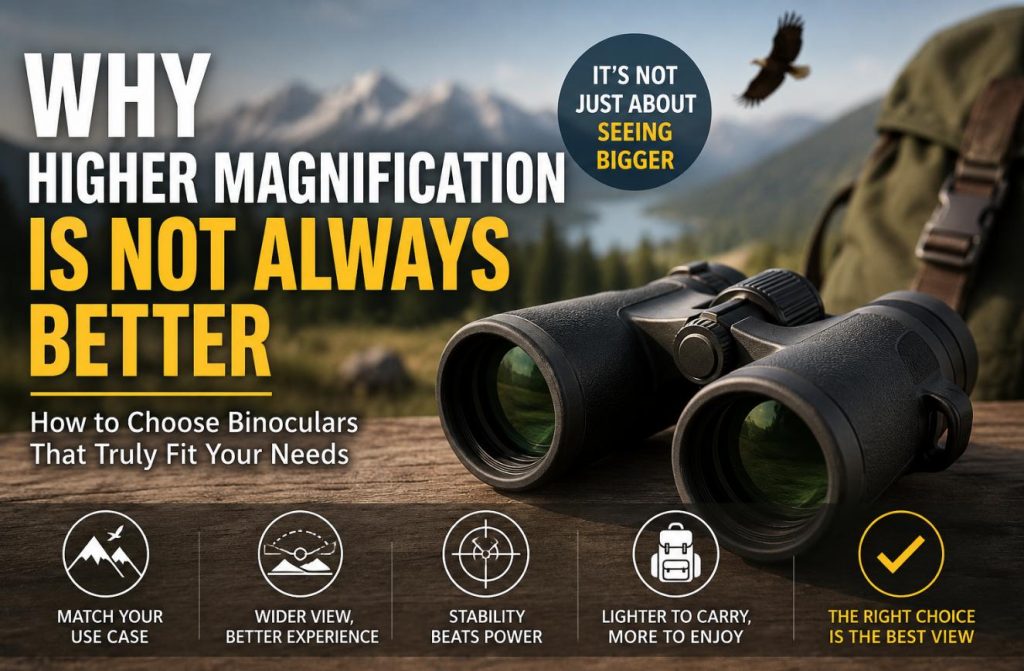
Many first-time binocular buyers make the same assumption: the higher the magnification, the more advanced — and therefore the better — the binoculars must be.
At first, that sounds perfectly reasonable. After all, the main purpose of binoculars is to help you see farther, so choosing the model that makes things look bigger seems like the obvious choice.
But once you look at real user experience, you quickly realize this is actually one of the easiest traps to fall into. Whether a pair of binoculars is truly useful often has less to do with having the highest magnification, and much more to do with whether it fits the way you actually use it.
For birdwatchers, many people eventually find that chasing higher magnification is not always the smartest choice. A wider field of view, faster focusing, and comfortable long-time observation often matter much more.
For target observation or fixed long-distance viewing, users care more about detail recognition and whether the viewing setup is stable enough.
And for hiking or travel, people often realize that excessive magnification usually comes with a larger body, greater sensitivity to hand shake, and a lower chance that they will actually carry and use the binoculars regularly.
That is why more experienced users today no longer simply ask, “Is higher magnification better?” Instead, they first ask, “What am I actually going to use these binoculars for?”
Magnification is important, of course. But for binoculars, it is only one part of the equation — not the whole answer.
Why Is “Higher Magnification Is Always Better” Such a Common Misunderstanding?
Because it looks simple — but real-world use is never decided by one number alone
Magnification is one of the easiest specifications to understand. Even someone who has never used optical products before can quickly build an instinct around it: 8x, 10x, 12x — the bigger the number, the stronger the binoculars seem to be.
That is exactly why many buyers are drawn to high magnification before they have really thought about how they will use the binoculars.
But the problem is that real viewing experience is never determined by magnification alone. As magnification increases, the field of view may become narrower, hand shake becomes more noticeable, and the binoculars usually become more demanding in terms of light conditions and support. The overall size and weight often increase as well.
In other words, higher magnification does not always mean better usability. In many cases, it simply enlarges one capability while also raising the difficulty of actual use.
How Different Use Cases Change What Matters Most
Birdwatching
If you mainly use binoculars for birdwatching: high magnification may not be as valuable as a wide field of view
In birdwatching, the subject is often moving, small, and hidden among branches, leaves, or other complex backgrounds. In this situation, what you really need is usually the ability to find the bird quickly — not simply to make it look larger.
A wide field of view helps you locate the subject faster. Fast focusing and smooth handling determine whether you can keep up with the bird’s movement.
Many birdwatchers eventually realize that if the magnification is too high, it can actually make it easier to “lose” the bird. Once the field of view becomes narrower, finding the subject takes more effort. Add more visible hand shake, and the actual experience may not be better at all.
So for birdwatching, moderate magnification, a wide field of view, and comfortable viewing are often far more important than blindly chasing higher power.
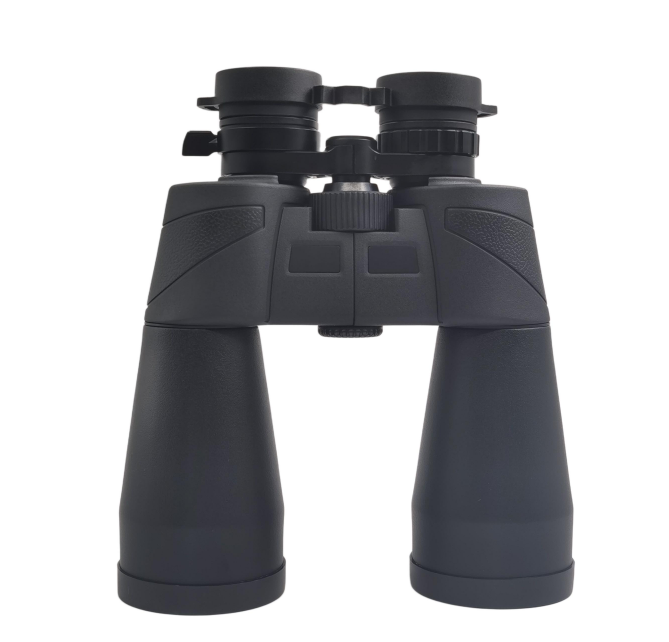
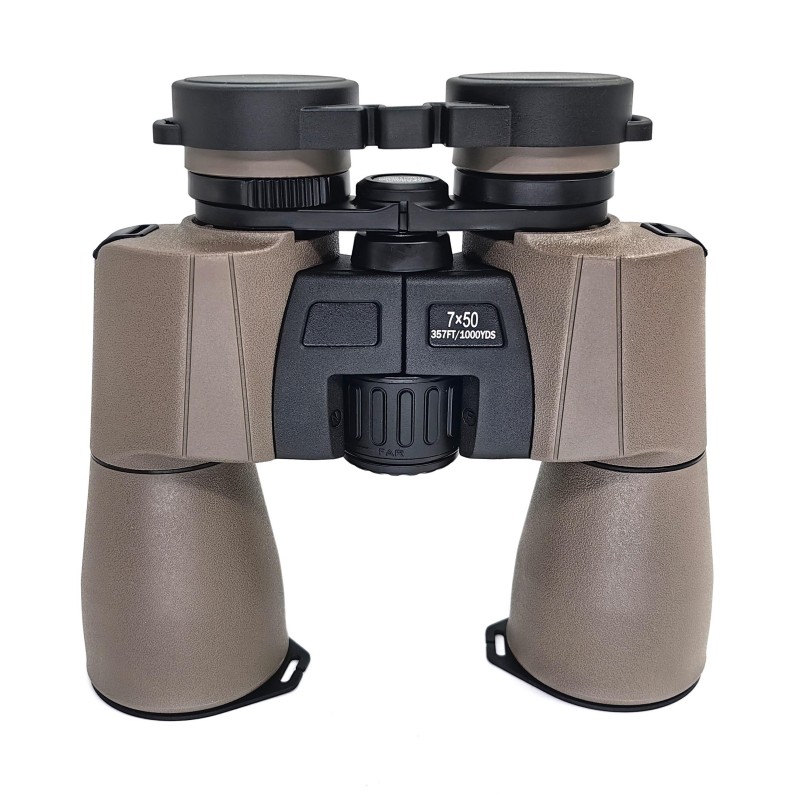
Target Observation / Long-Distance Viewing
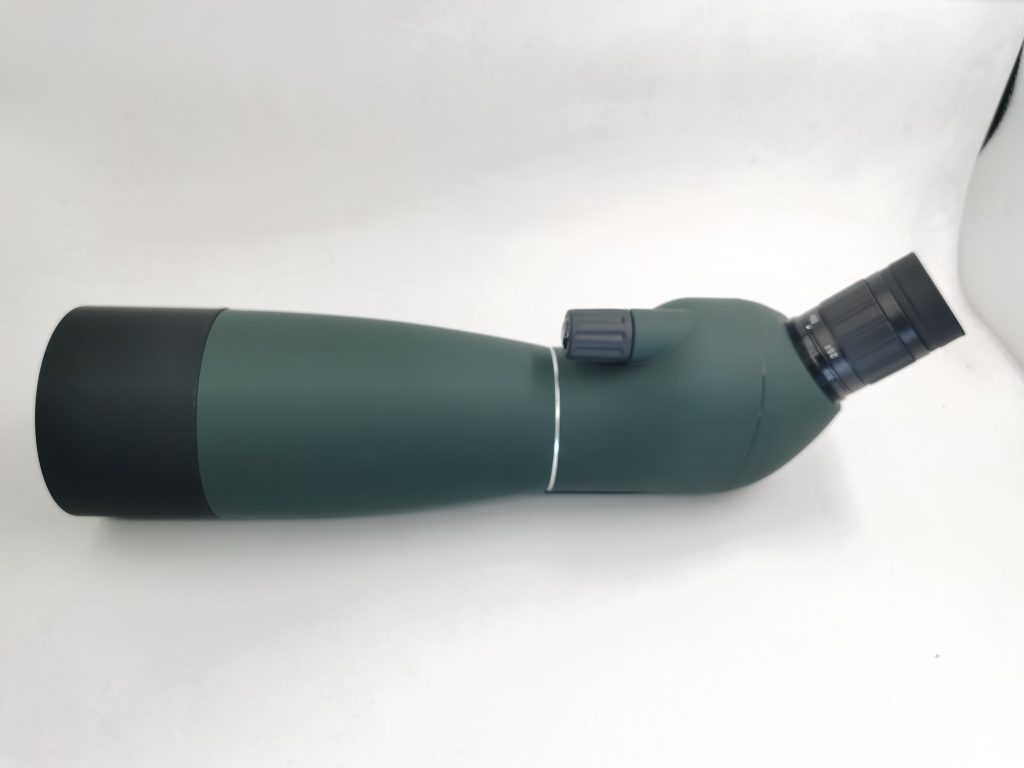
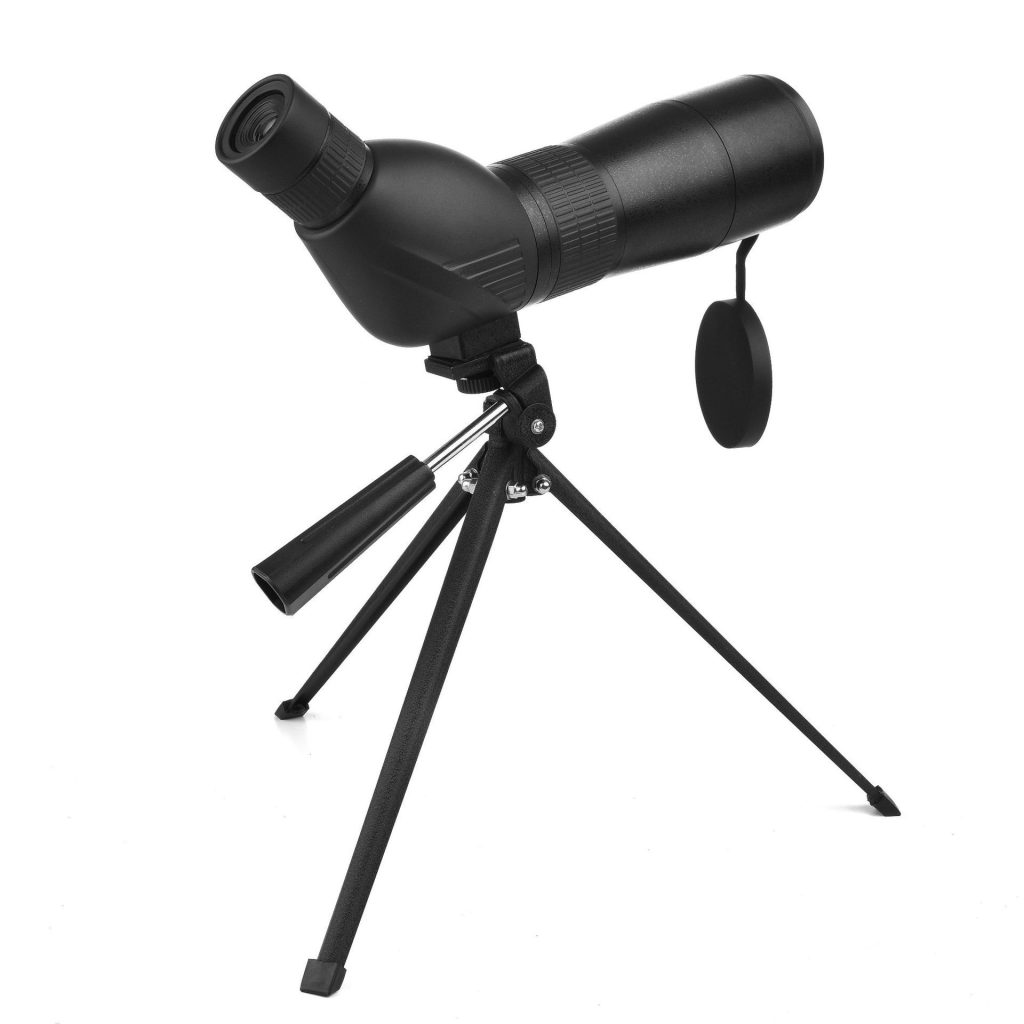
If you mainly use binoculars for target observation or fixed long-distance viewing: magnification matters, but only when stability is there
Target observation, shooting practice, and fixed long-distance viewing are indeed scenarios where stronger magnification can be useful. That is why users in these categories often pay more attention to higher-magnification models. What they really care about is the ability to identify fine details at a distance.
Even so, “high magnification” should not be judged on its own.
Whether it feels good to use depends heavily on whether you have stable viewing conditions. This may include a proper support system, a well-matched optical design, and better image contrast and detail performance.
If the magnification is higher but the image is not stable, or if the details are not clear enough, the overall experience will still fall short.
In other words, for target observation, magnification is important — but it should serve the bigger goal: clear detail recognition and stable viewing.
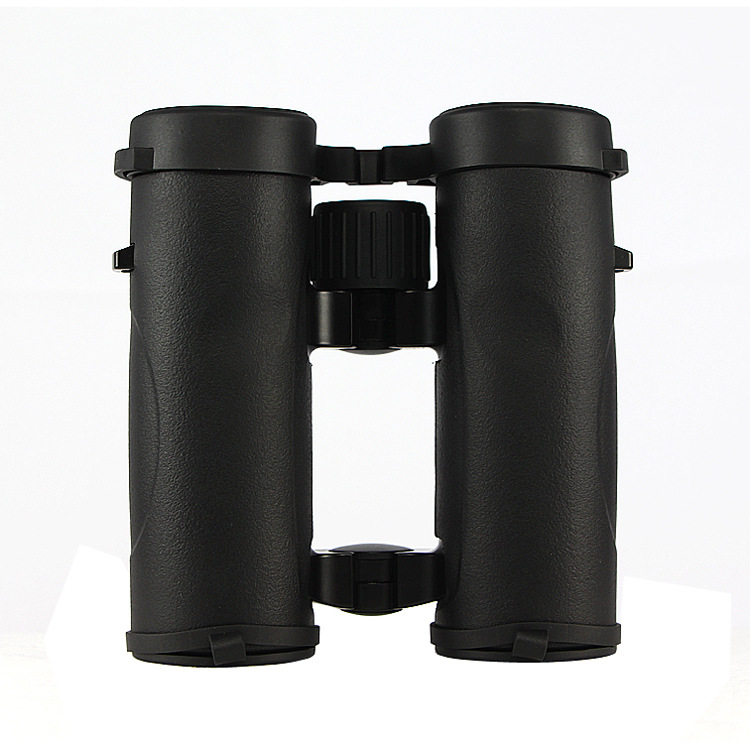
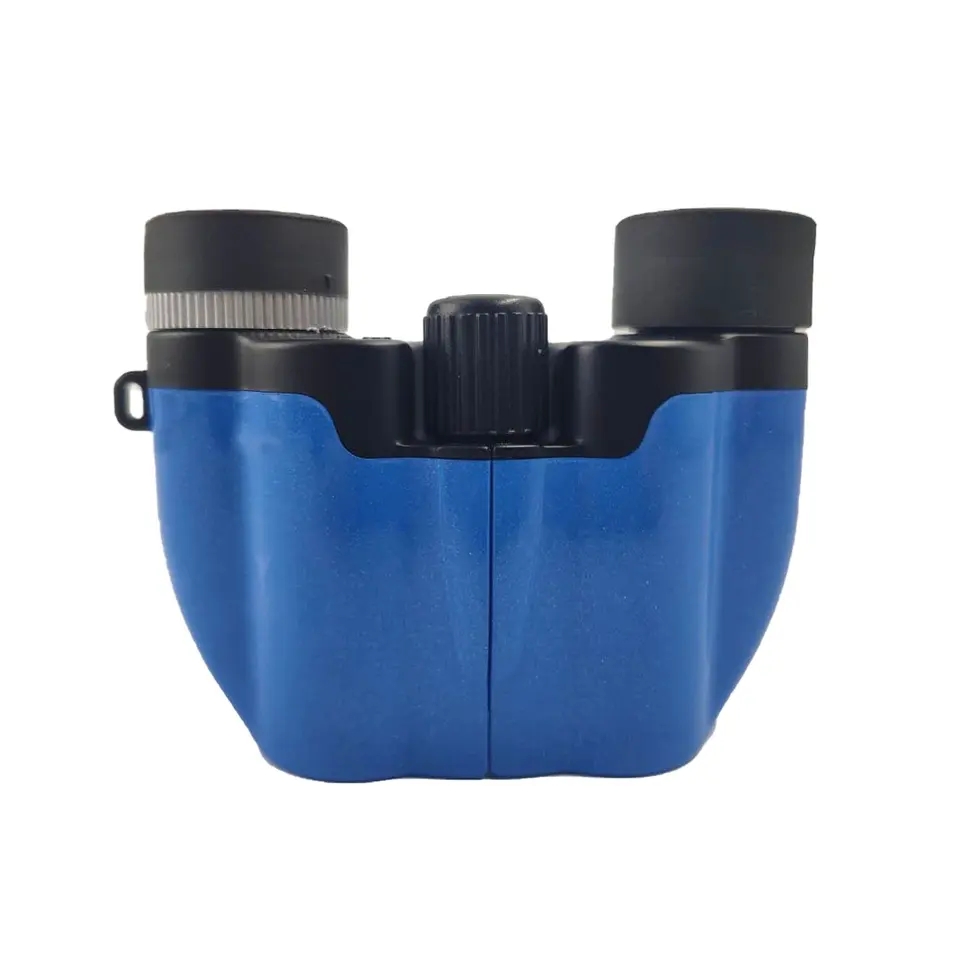
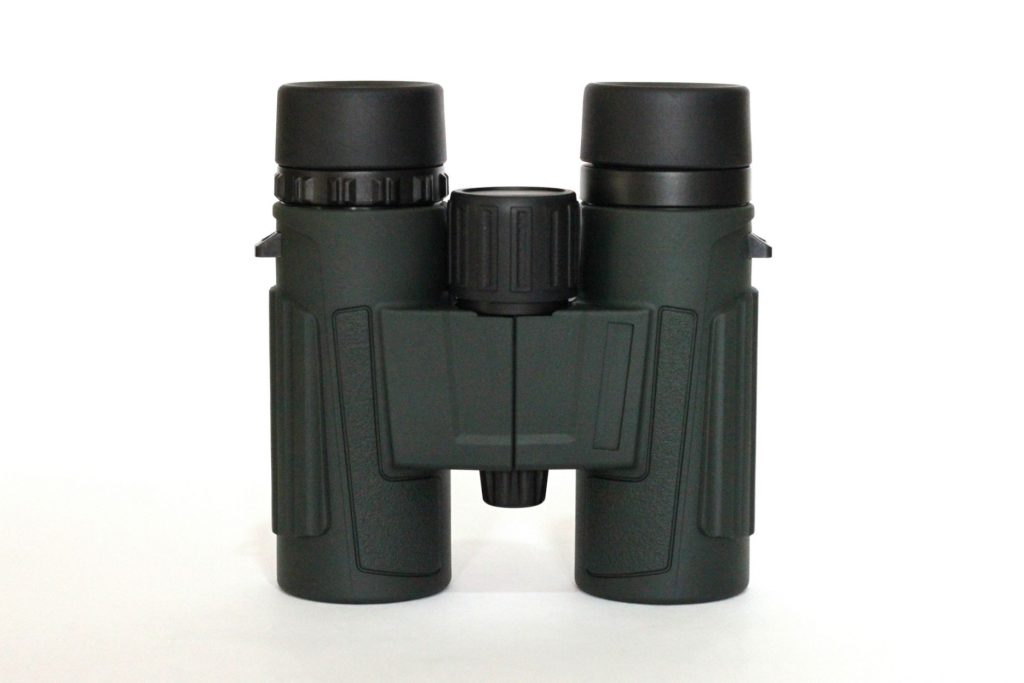
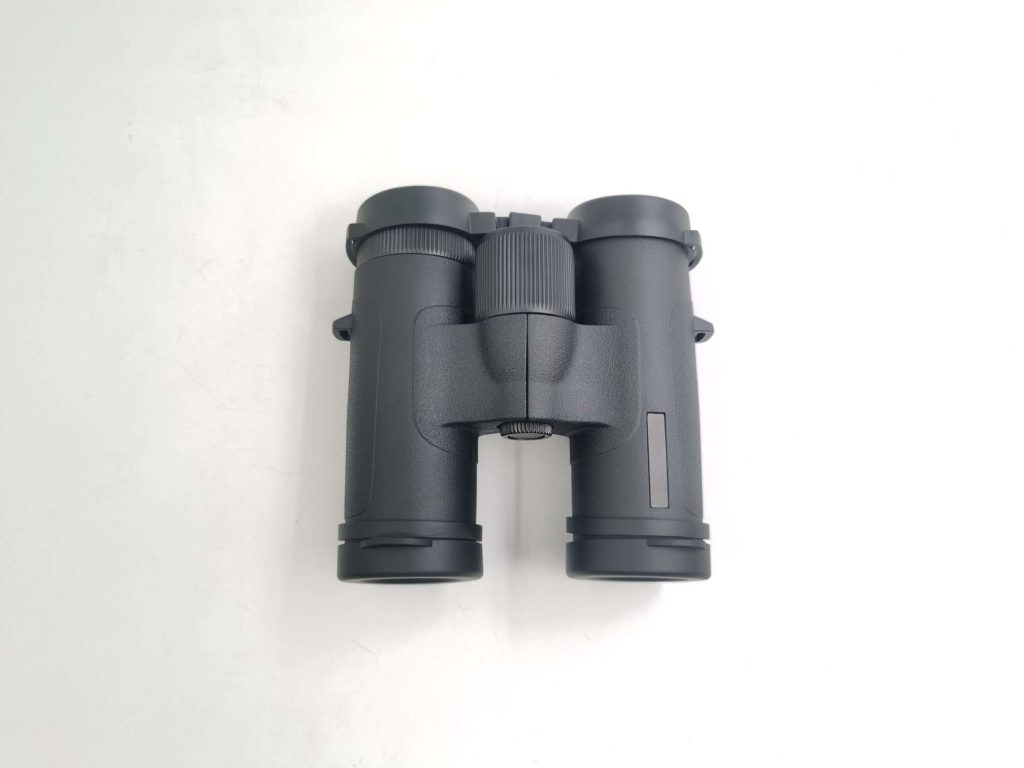
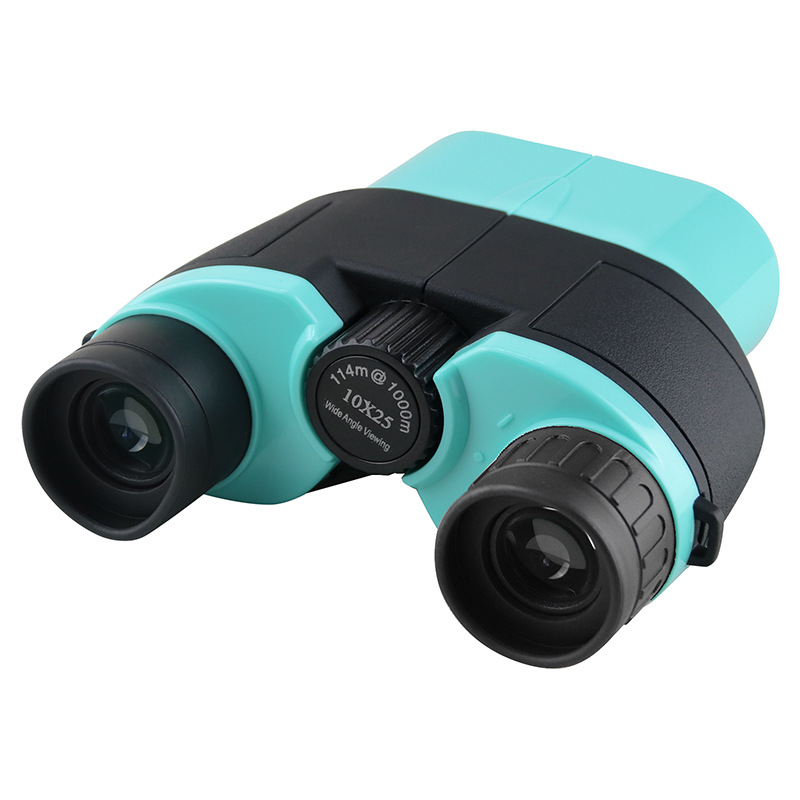
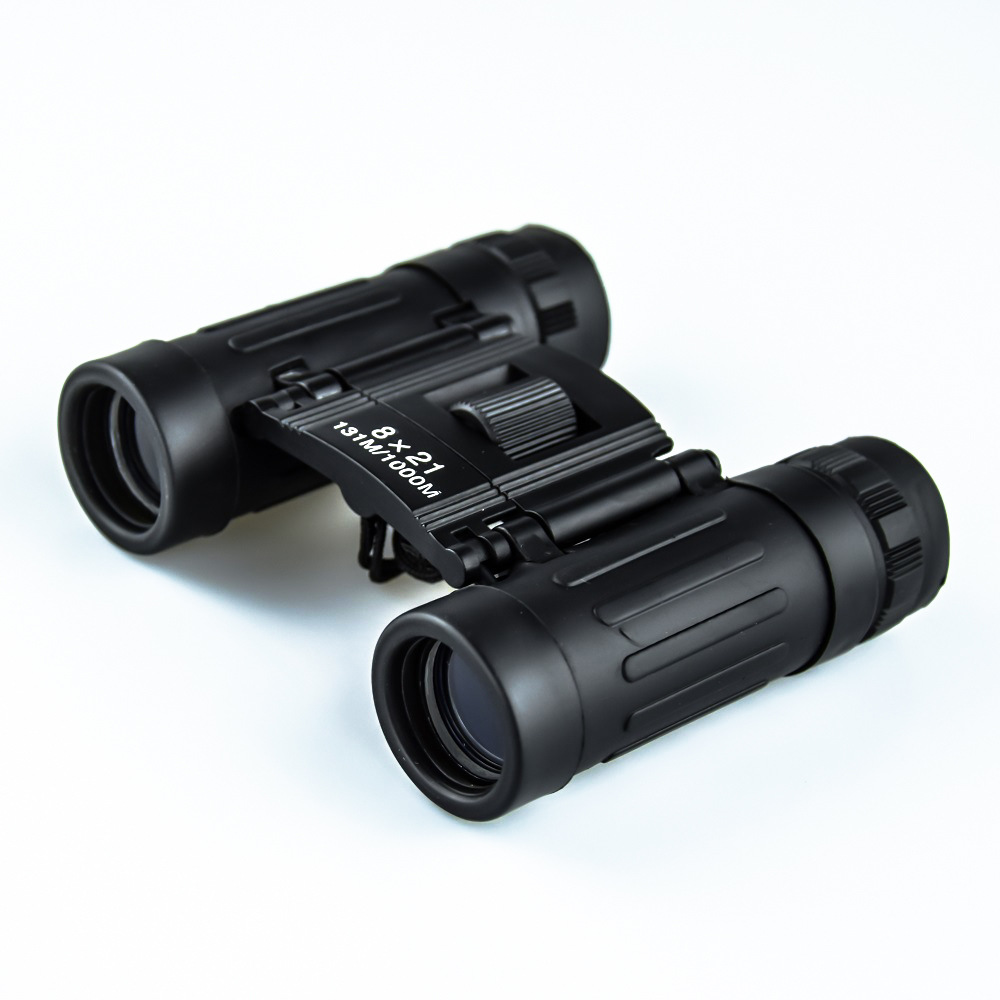
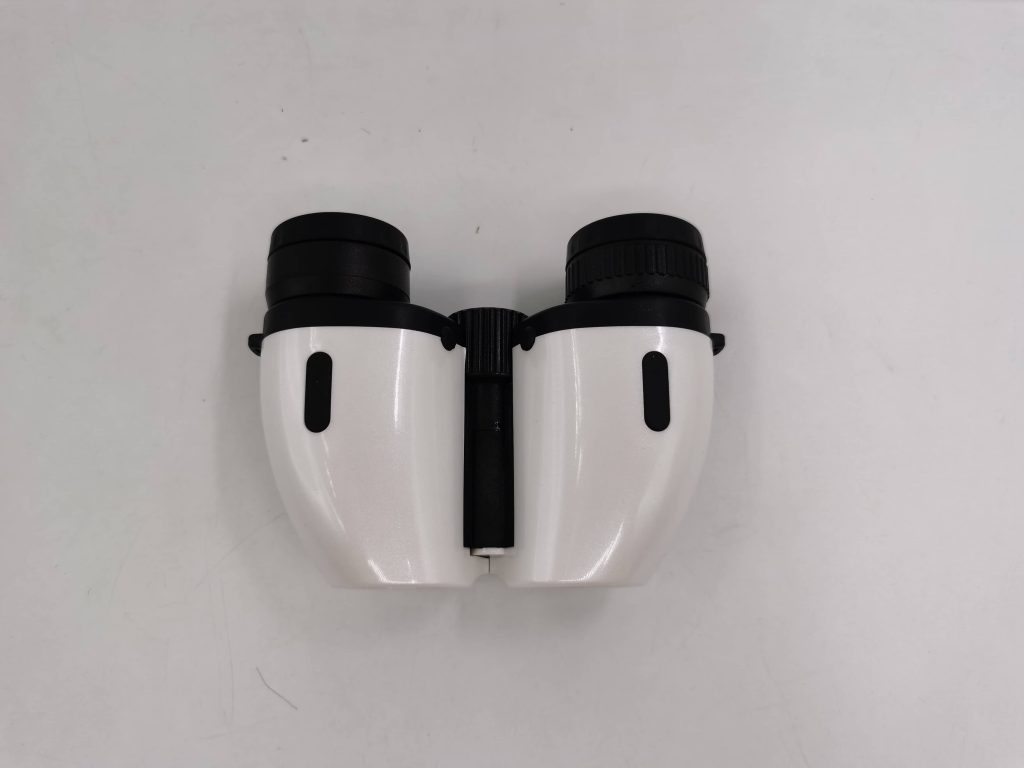
Hiking & Travel
If you mainly use binoculars for hiking, travel, or light outdoor activities: excessive magnification often reduces real-world usage
Hikers and travelers often feel before buying that “more magnification means better value.” But after using the binoculars for a while, what they notice first is often not “I can see farther,” but rather: they are heavier to carry, shakier to hold, and less convenient to use.
That is because high-magnification binoculars often come with a larger body, more weight, and higher requirements for hand-held stability.
For users who need to move for long periods, a pair of binoculars may look powerful on paper, but if you do not want to carry it around all day, it is unlikely to become a tool you actually use often.
So for hiking and travel, portability, lightweight design, and quick, easy handling usually bring more practical value than extreme magnification.
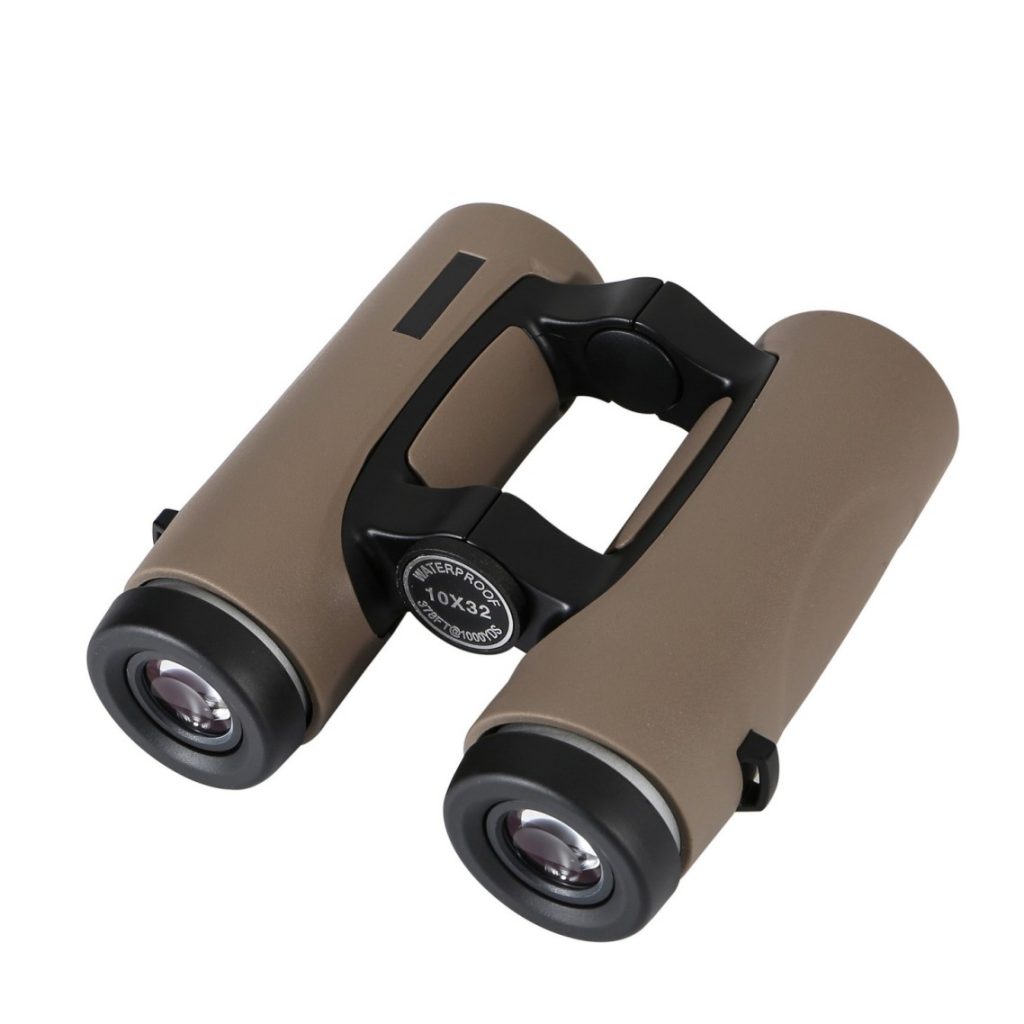
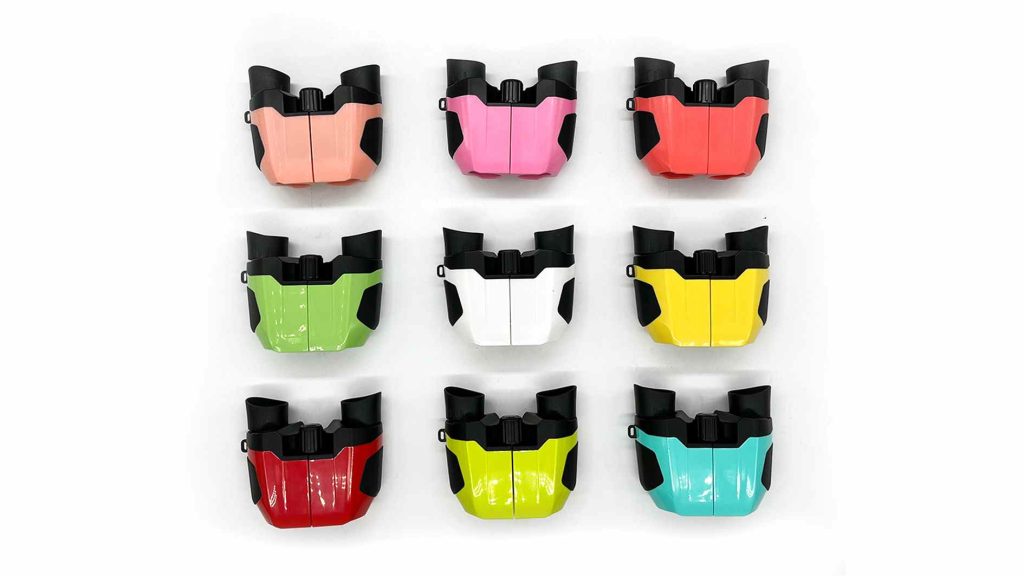
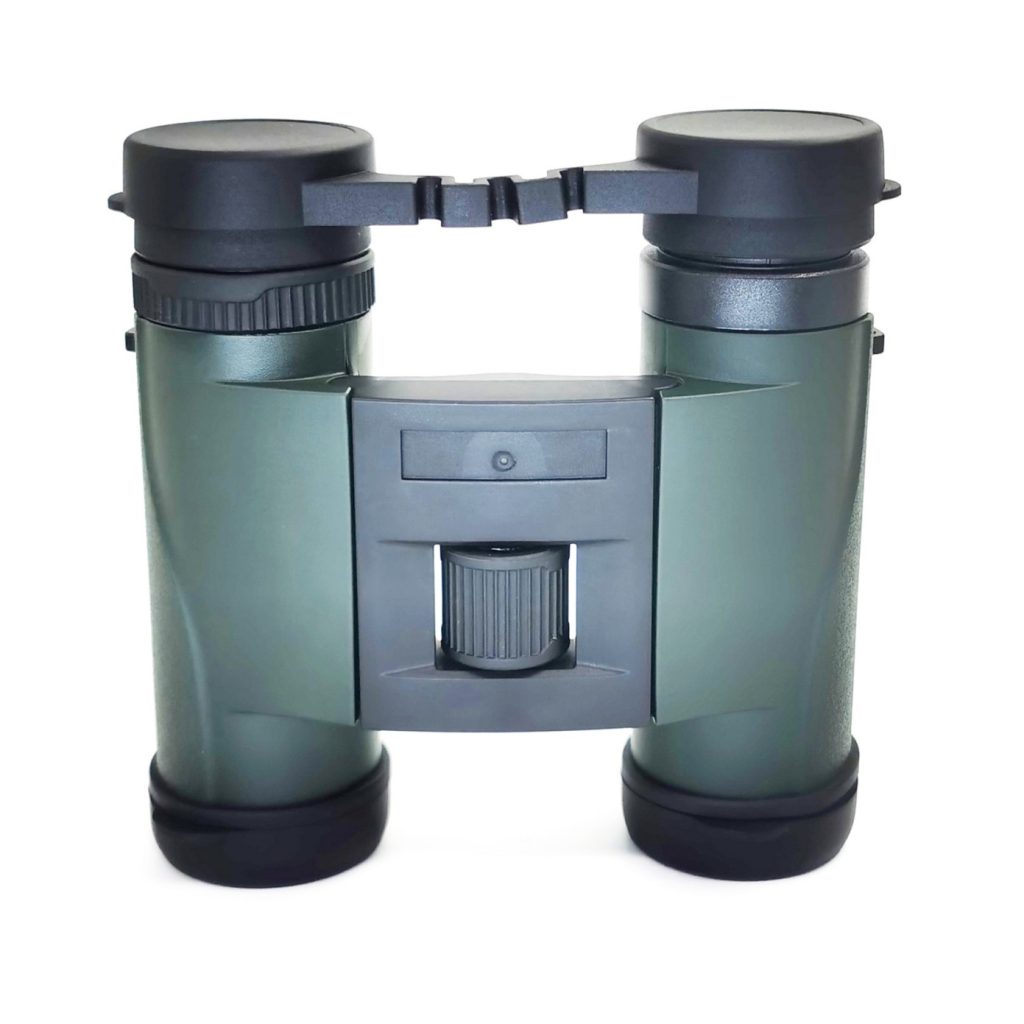
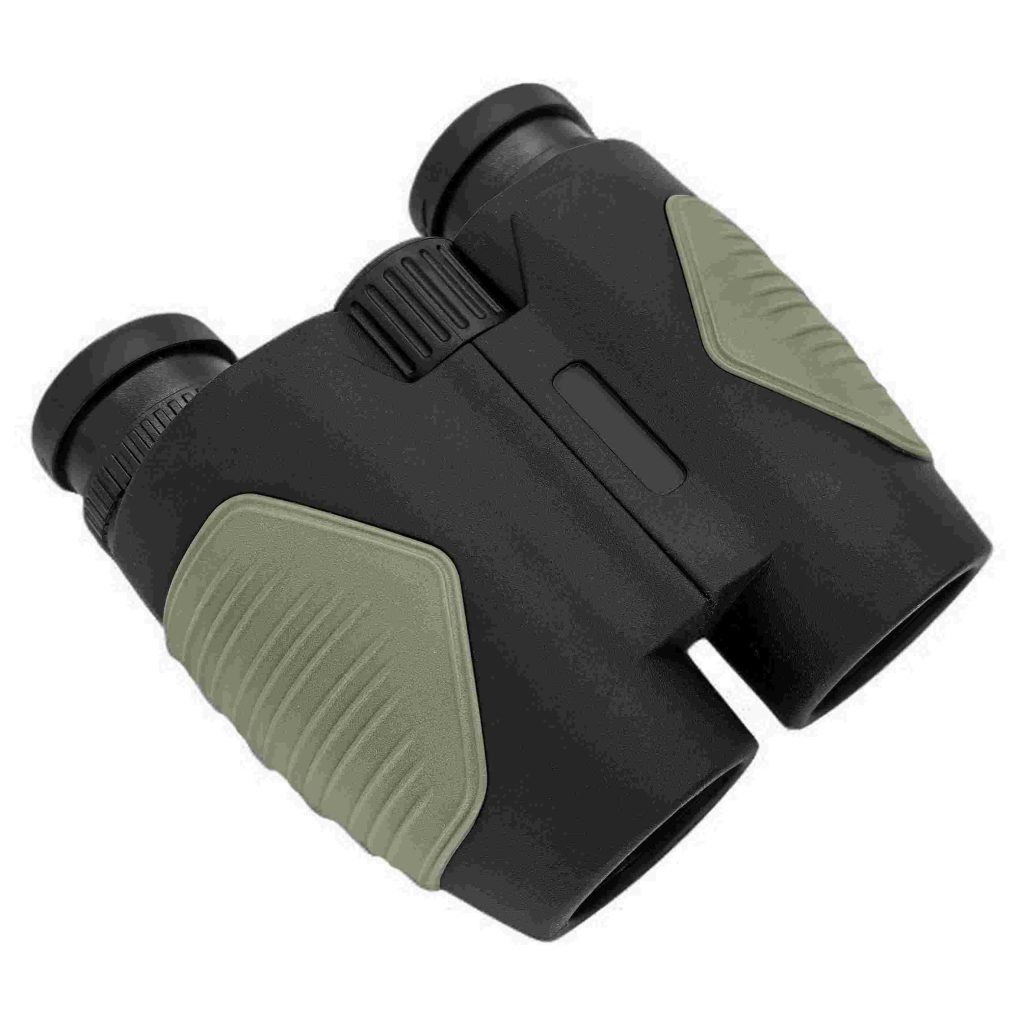
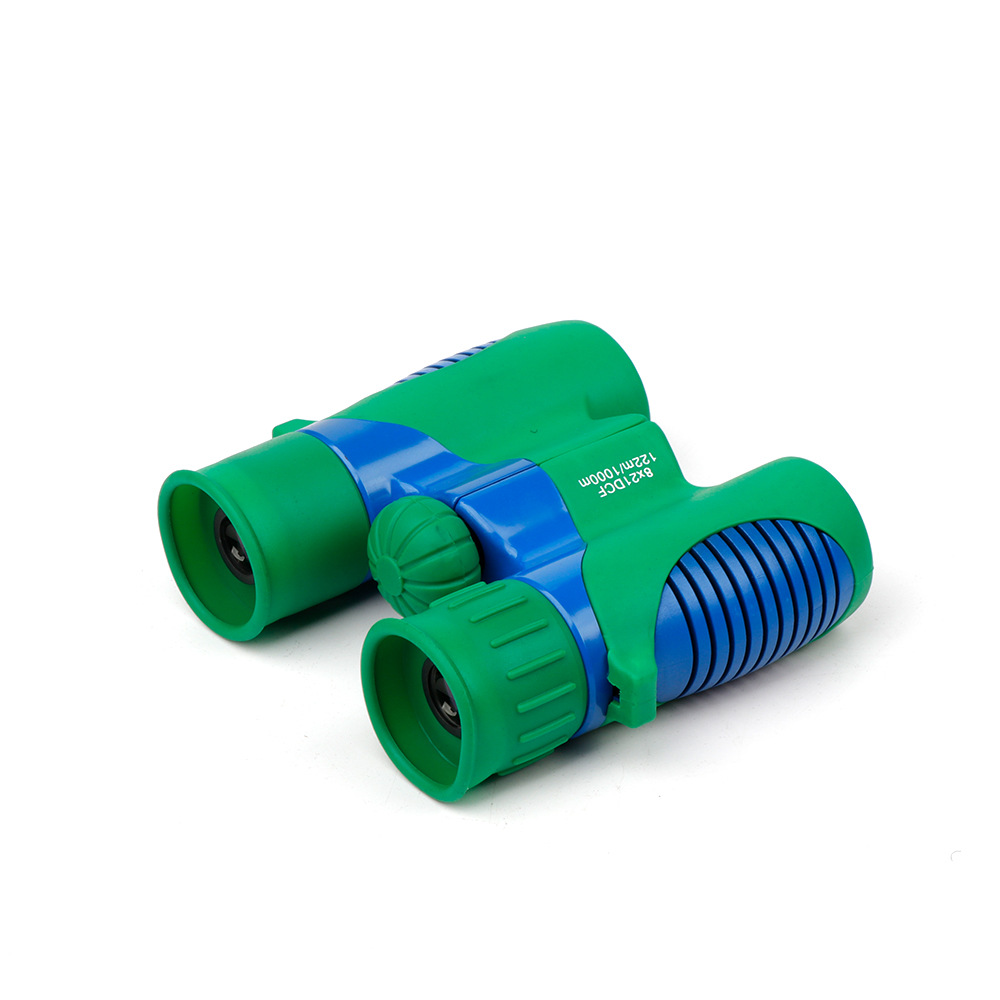
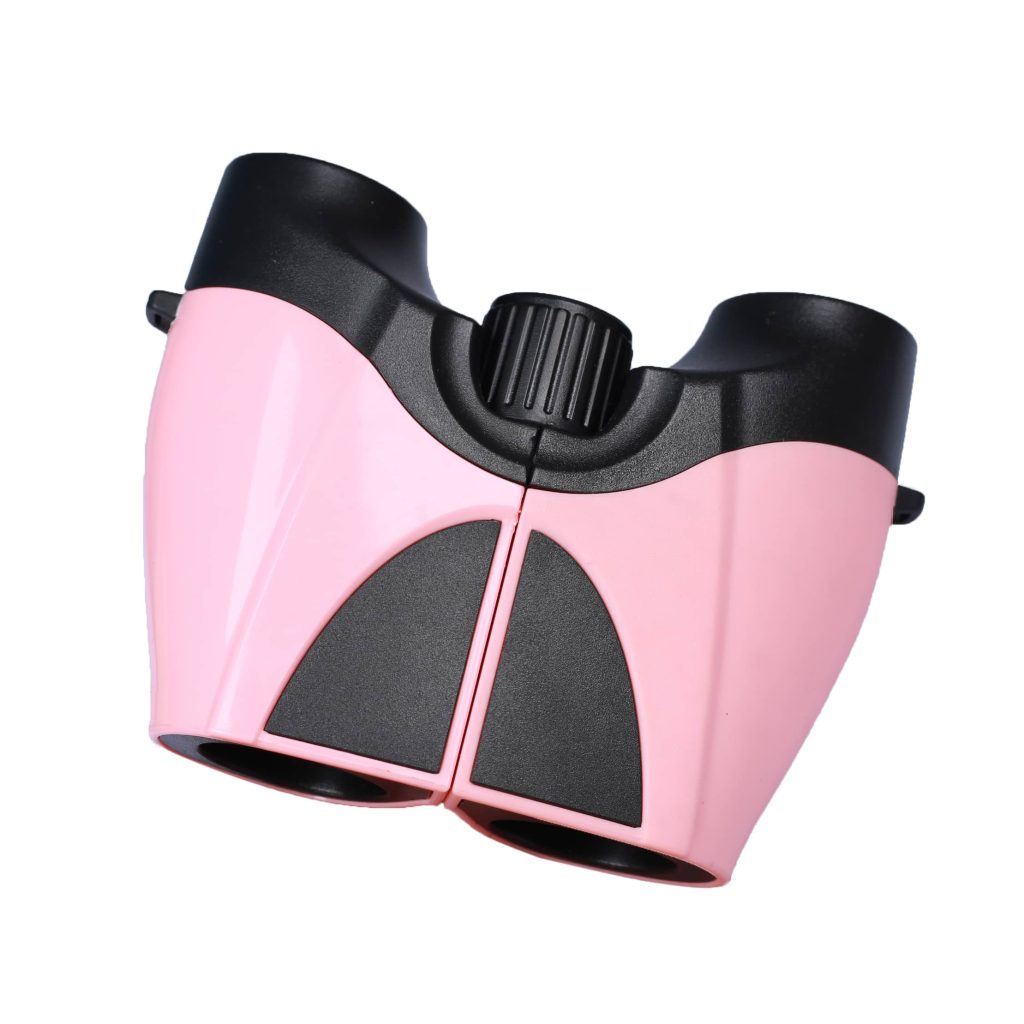
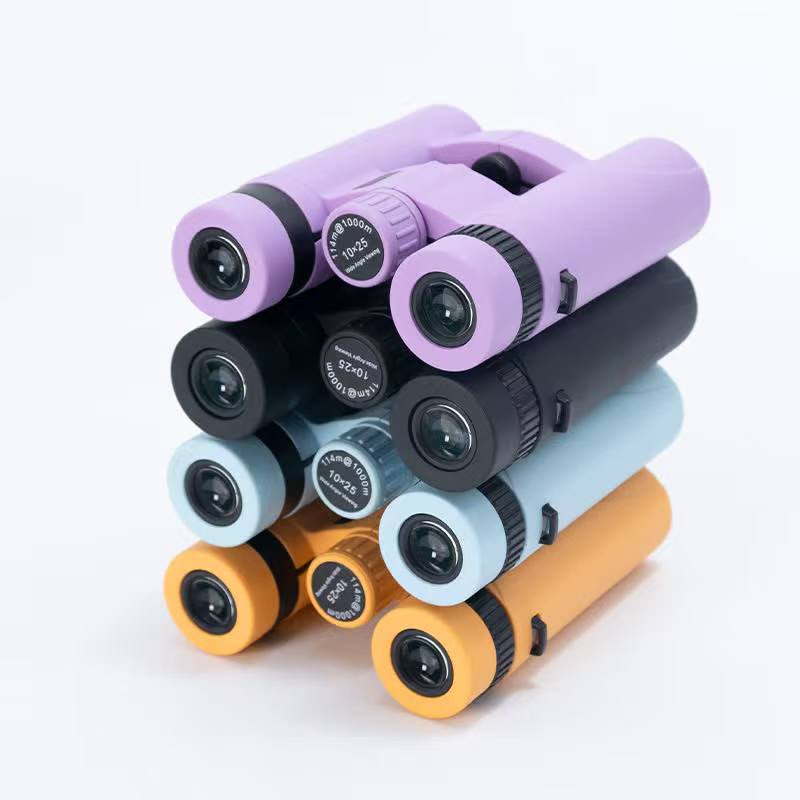
Why Isn’t Higher Magnification Always Better
Because it usually comes with three common trade-offs
First, the field of view often becomes narrower. The higher the magnification, the harder it can be to scan and locate a subject quickly. This is especially noticeable in birdwatching and general outdoor use.
Second, hand shake is magnified at the same time. Once magnification increases, even small movements from your hands become more visible. The result is that the image may look “bigger,” but not necessarily “clearer.”
Third, size, weight, and ease of use often become bigger concerns. Higher magnification usually requires more structural support, more stable viewing conditions, and often comes with a higher carrying burden. For many everyday users, these trade-offs directly affect how often they actually use the binoculars.
So the point is not that high magnification is bad. The real issue is that it should not be chosen without considering the actual use scenario.
Magnification is a useful capability, but not every user — and not every situation — needs that capability pushed to the maximum.
How to Evaluate Binoculars Properly: Six Key Factors
Start with your use case, not magnification
Start with your use case, then look at magnification — this is the most important step
If you mainly use binoculars for birdwatching, you should prioritize field of view, focusing speed, and comfort during long observation sessions.
If you mainly use them for target observation or fixed long-distance viewing, detail recognition and stable viewing should come first.
If your main use is hiking, travel, or light outdoor activities, then weight, size, and ease of use should be higher on your list.
Only when your main use case is clear does magnification become truly meaningful. Otherwise, high magnification can easily become a label that looks attractive on paper but does not actually fit your needs.
Field of View
In many cases, it affects ease of use more than higher magnification
A wider field of view usually means it is easier to find your subject. It also makes scanning and tracking much smoother. For birdwatching and general outdoor observation, this is a very important part of the experience.
Many beginners feel that their binoculars are “hard to use” not because the magnification is too low, but because the field of view is too narrow and it takes too long to locate the target.
And very often, high magnification makes this problem even more obvious.
Stability
Seeing bigger does not always mean seeing clearer
If the image is not stable, higher magnification may simply enlarge blur and shake. This is especially true when using binoculars by hand, where stability almost directly determines how clear the image feels.
So when judging whether a pair of binoculars is right for you, you should always consider whether they are easy to use steadily — not just focus on the magnification number.
Detail Recognition
Target users should look at overall system performance, not magnification alone
For long-distance detail observation, magnification is only one part of the result. Image contrast, center sharpness, optical system matching, and stable support conditions all matter.
For target observation and fixed-position viewing, a reasonable level of high magnification can be valuable — but only when the overall system performance is strong enough to support it.
Weight and size
Higher magnification often means a higher carrying cost
For many everyday users, whether a pair of binoculars gets used often depends on one simple question: are you willing to carry it with you?
A product may perform well, but if it is too large or too heavy, it may still end up sitting unused because the carrying burden is too high.
This is especially important for hiking, travel, and general outdoor users. Portability should not be treated as a small detail.
Product Direction
The better choice is the one that truly fits you
In the end, buying binoculars is not about chasing the highest possible specifications. It is about choosing the product direction that best fits your real use scenario.
A birdwatching-oriented binocular should focus on field of view and observation efficiency. A target-observation binocular should focus on detail and stability. A hiking-oriented binocular should focus on portability and frequent real-world use.
Once you understand this logic, the idea that “higher magnification is always better” becomes much easier to break.
Because what really matters is not simply seeing things bigger — it is seeing them better, faster, and more comfortably for your actual use.

My Overall Advice
Don’t Start with High Magnification — Start with Your Use Case
If you are buying binoculars for the first time, my biggest suggestion is not to compare which model has the highest magnification first. Instead, start by asking yourself what you will mainly use them for.
Once your use case is clear, many specification decisions become much easier. You will know whether you should care more about field of view, detail recognition, or portability.
From this perspective, the biggest mistake when buying binoculars really is thinking that higher magnification is always better.
A more mature way to choose binoculars is not to chase one single number, but to understand your own viewing needs and choose the product direction that fits them best.
If You Are Planning to Upgrade, I Suggest Focusing on These Three Things
First, look at whether the product is clearly optimized for your main use scenario, instead of only paying attention to the “big numbers” in the marketing copy.
Second, pay attention to long-term user experience, including field of view, grip comfort, focusing feel, weight, and whether you are actually willing to carry it. Very often, these small details are what really determine long-term satisfaction.
Third, focus on the overall product direction, not just one single specification.
The binoculars that are truly worth using over time are often the ones with better overall balance across the whole system.
Conclusion
High magnification is not the problem. The problem is treating it as the only standard.
For binoculars, magnification is certainly important, but it is always just one factor among many.
If you want to choose a pair of binoculars that truly fits you, the most important thing is not to blindly chase higher magnification. It is to first understand your own use scenario, then match it with the right product direction.
That is the kind of binocular that has a much better chance of becoming the one you actually enjoy using for a long time.