People with astigmatism, when using the red dot sight, most of them encounter a problem: the originally regular dots look blurry and produce star-like double images, or even several dots overlap. This is also the most frequently joked-about aspect by astigmatism sufferers.
Many people are thus confused about whether to choose the red dot or the green dot sight.
In fact, there is no absolute standard answer. Most people with astigmatism can see the green dots more clearly and distinctly, but everyone’s eye condition is different, and some people may be more suitable for the red dot. Only by understanding how the color of the dots affects the imaging effect can one select a sight that is more suitable for their vision.
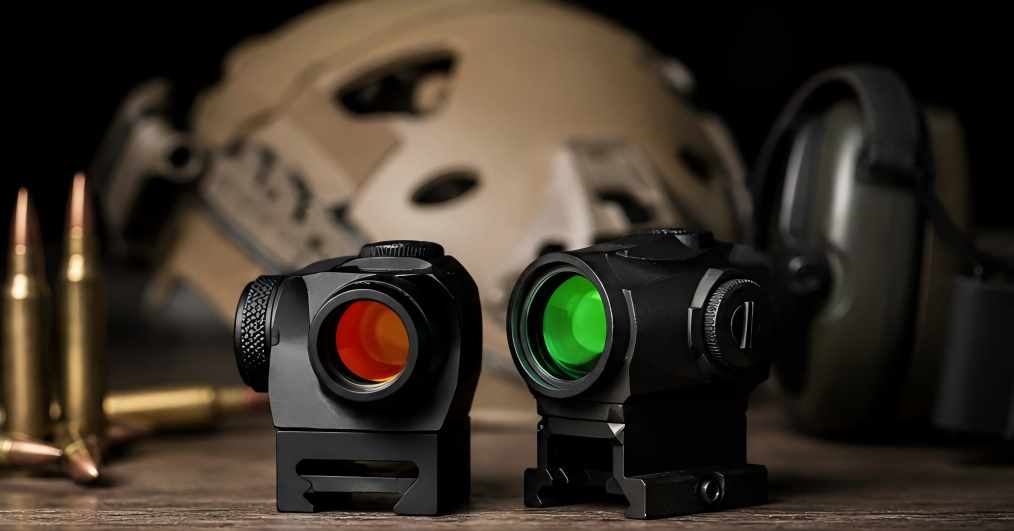
Why Astigmatism Affects Red Dot Sights
The red dot sight will emit a light spot to serve as a reference point for the shooter. If the eyes have astigmatism, with uneven curvature of the eyeball surface, the image of the light spot will be distorted.
At this time, the light spot in your eyes will not be neat and clear. Usually, there will be the following situations:
- It spreads out like a radiating starburst
- The light spot trails a long comet-like shadow
- The whole area becomes blurry and covered with stripes
- Several light spots overlap each other
Here, it should be noted that the problem is not basically with the sight itself. The root cause of the image distortion is that astigmatic eyes cannot accurately converge the light spot onto the retina.
Everyone’s degree of astigmatism and eye conditions are different. Even if using the same sight, the imaging effect seen by two people may be vastly different.
To confirm whether your problem is caused by astigmatism, please refer to this article, which explains the testing methods: Why Does My Red Dot Look Blurry? Common Causes and How to Fix Them
Red Dot vs Green Dot: What’s the Difference?
The primary difference between red and green dot sights is the color of the illuminated reticle.
| Feature | Red Dot | Green Dot |
| Eye Sensitivity | Lower | Higher |
| Perceived Brightness | Moderate | Higher |
| Daylight Visibility | Good | Excellent |
| Battery Efficiency | Better | Typically Lower |
| Popularity | Most Common | Increasingly Popular |
The human eye is generally more sensitive to green wavelengths of light than to red wavelengths. Therefore, under the same brightness setting, the green dots tend to appear brighter and clearer.
However, for all shooters with astigmatism, brighter light does not necessarily mean clearer vision.
Related Articles: Red vs Green Dot Sights: Which Is Better for Your Pistol?
Which Dot Color Is Better for Astigmatism?
For many shooters with astigmatism, the green dot is usually regarded as a better starting point because it appears clearer and is easier to focus on.
Even so, there is no universal answer. Astigmatism affects each person’s eyes differently. Some shooters actually perceive the red dot more clearly than the green dot.
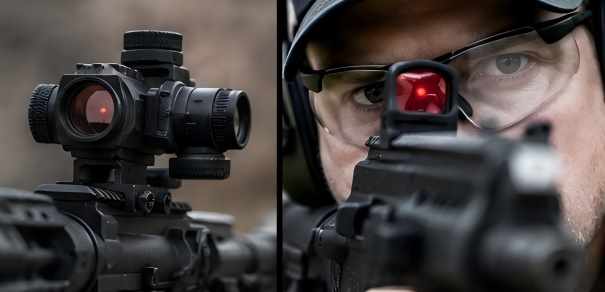
Choose a Green Dot If:
- Your red dot sight is always blurry or distorted.
- You mainly conduct outdoor shooting in bright sunlight.
- You hope to achieve the best visibility in a natural environment.
- You find that the green sight makes it easier to aim quickly.
Many shooters with mild to moderate astigmatism have reported that the green dot sight appears clearer and sharper, especially when shooting in daylight.


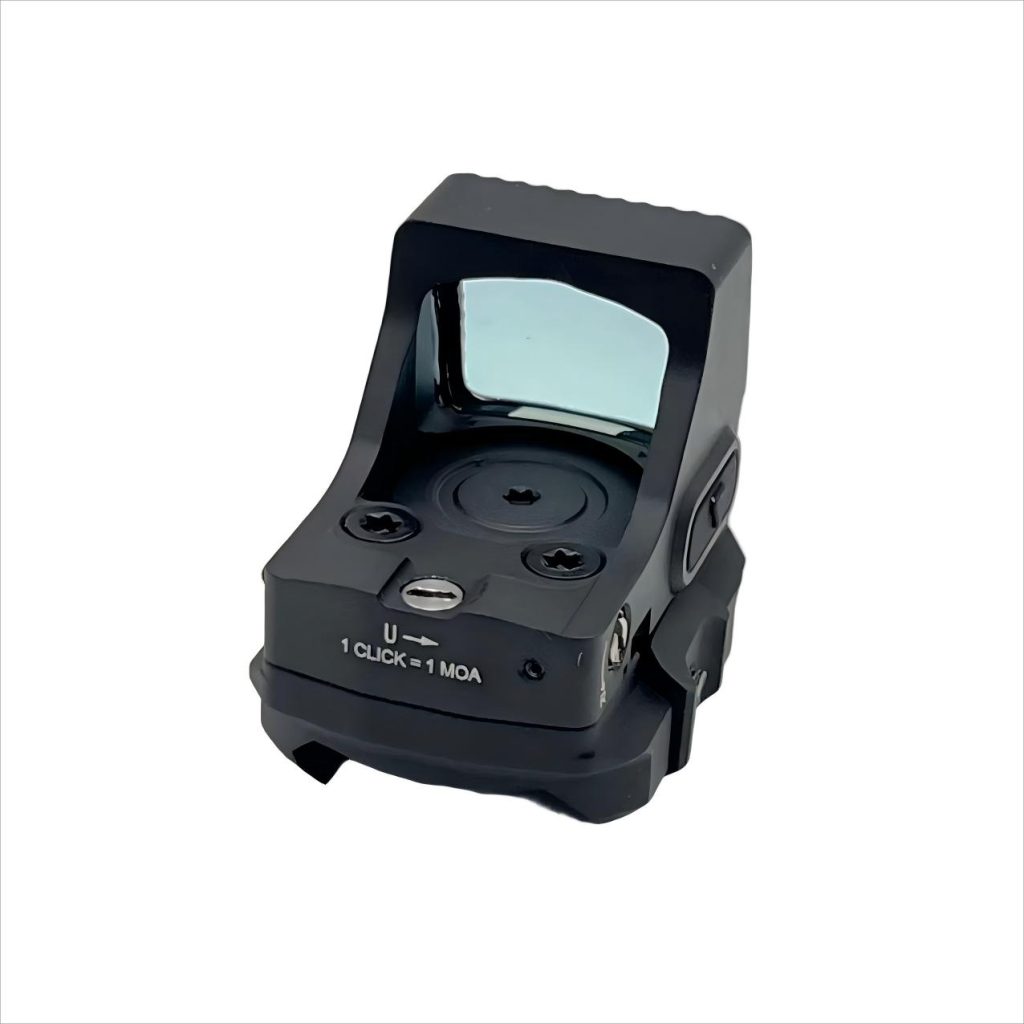
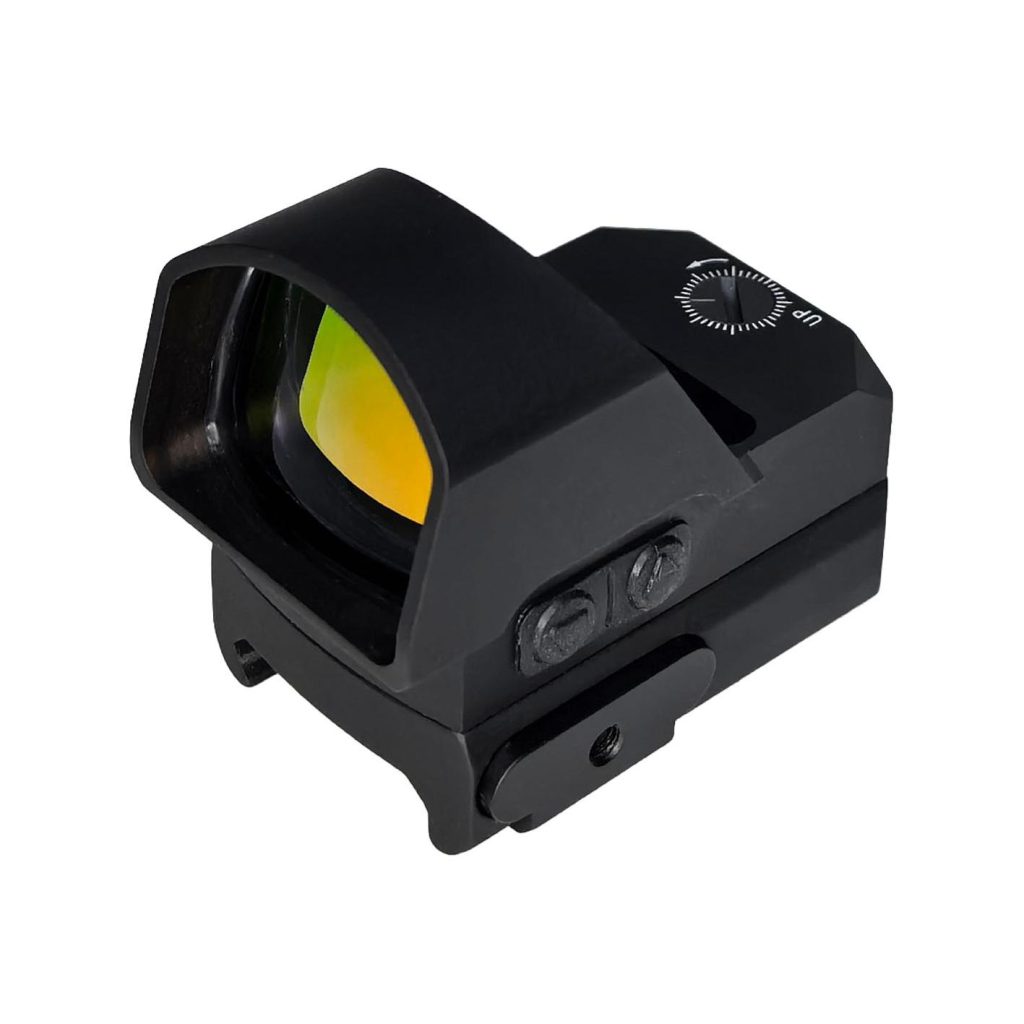
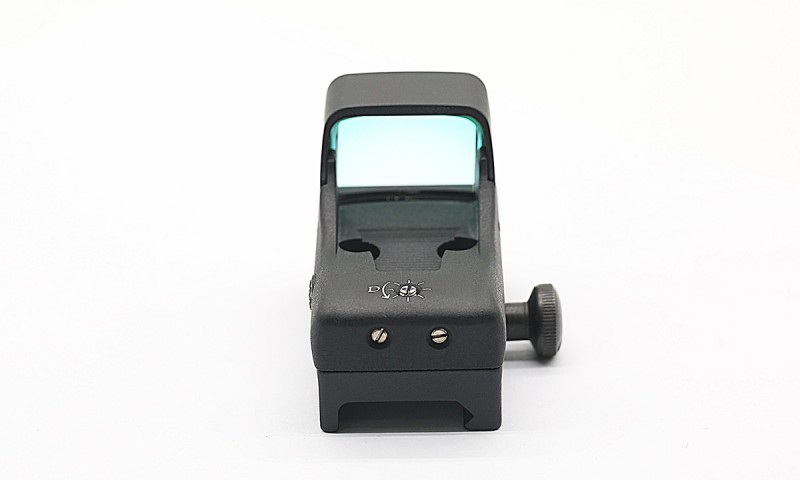
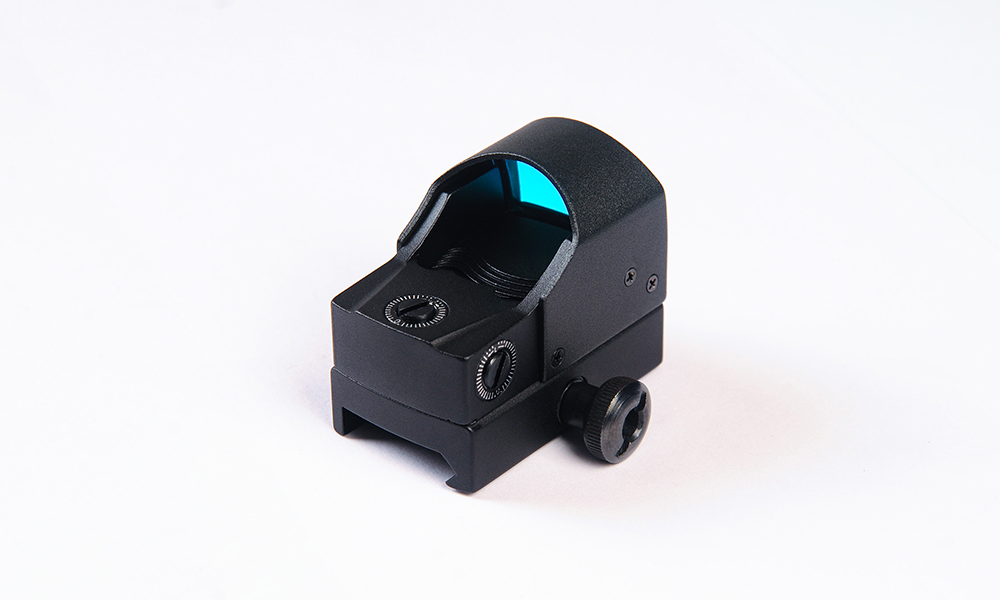

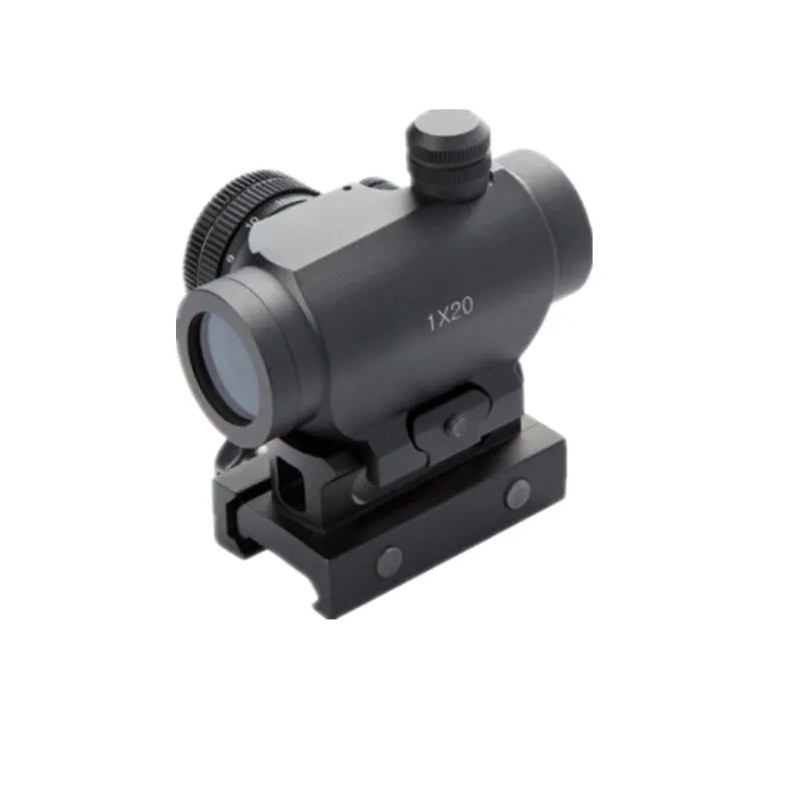
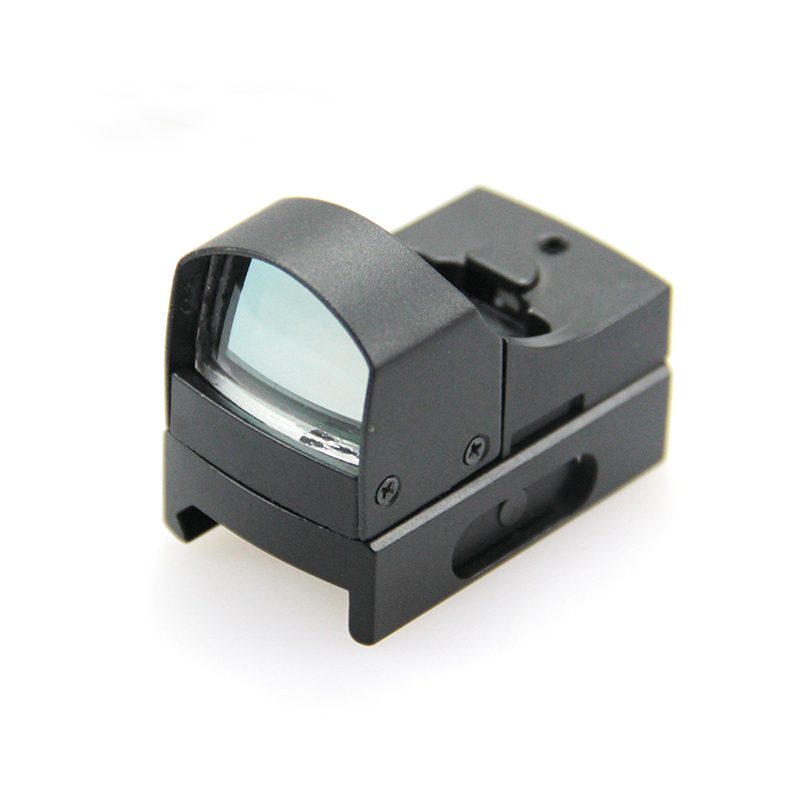
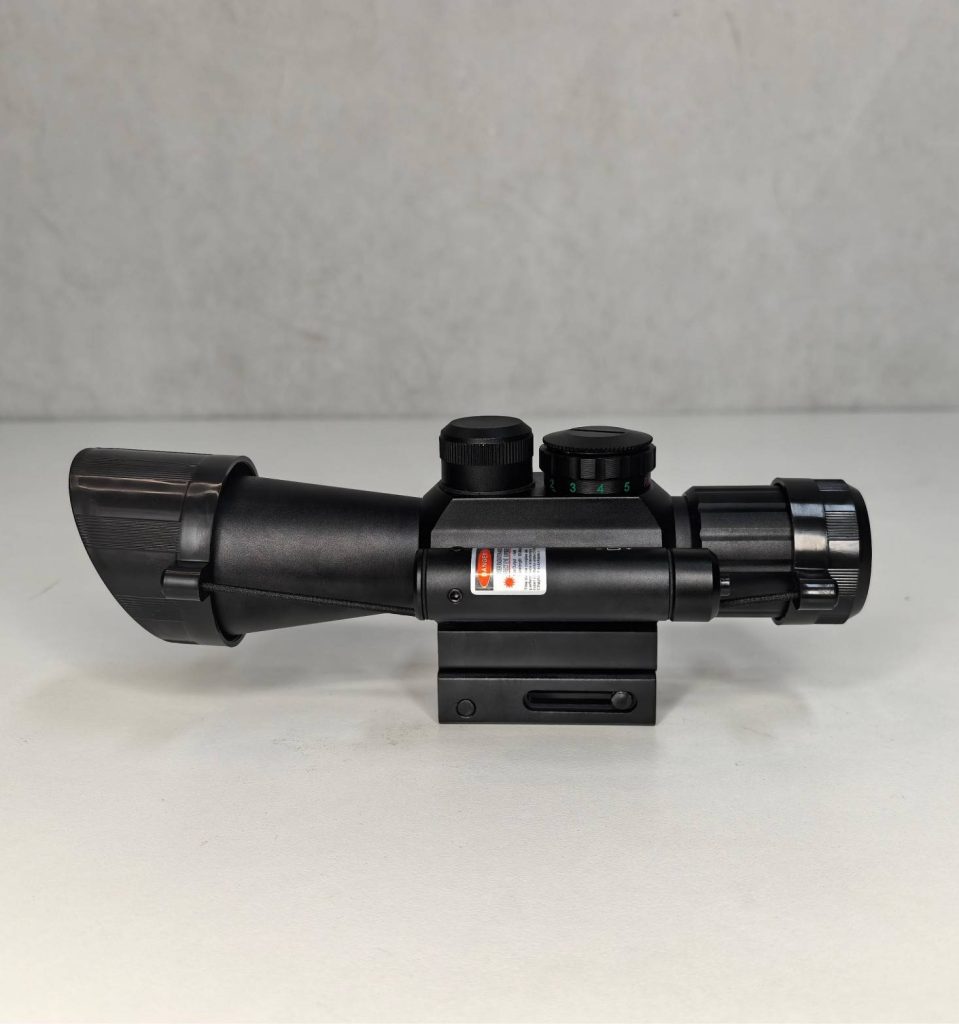
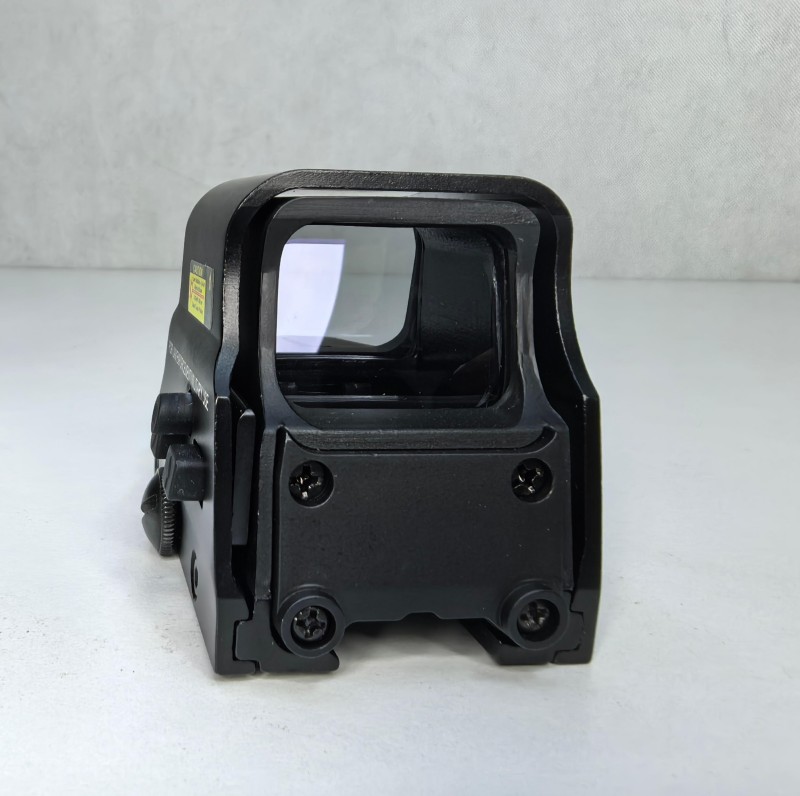
Choose a Red Dot If:
- You already see red dots clearly.
- Battery life is a high priority.
- You mainly shoot indoors or in controlled lighting.
- Green reticles appear overly bright or distracting.
The red dot sight remains the most widely used sight. There is a reason for this. For some shooters, especially those whose astigmatism can be well corrected with glasses or contact lenses, the performance of the red dot sight is as good as that of the green dot sight.
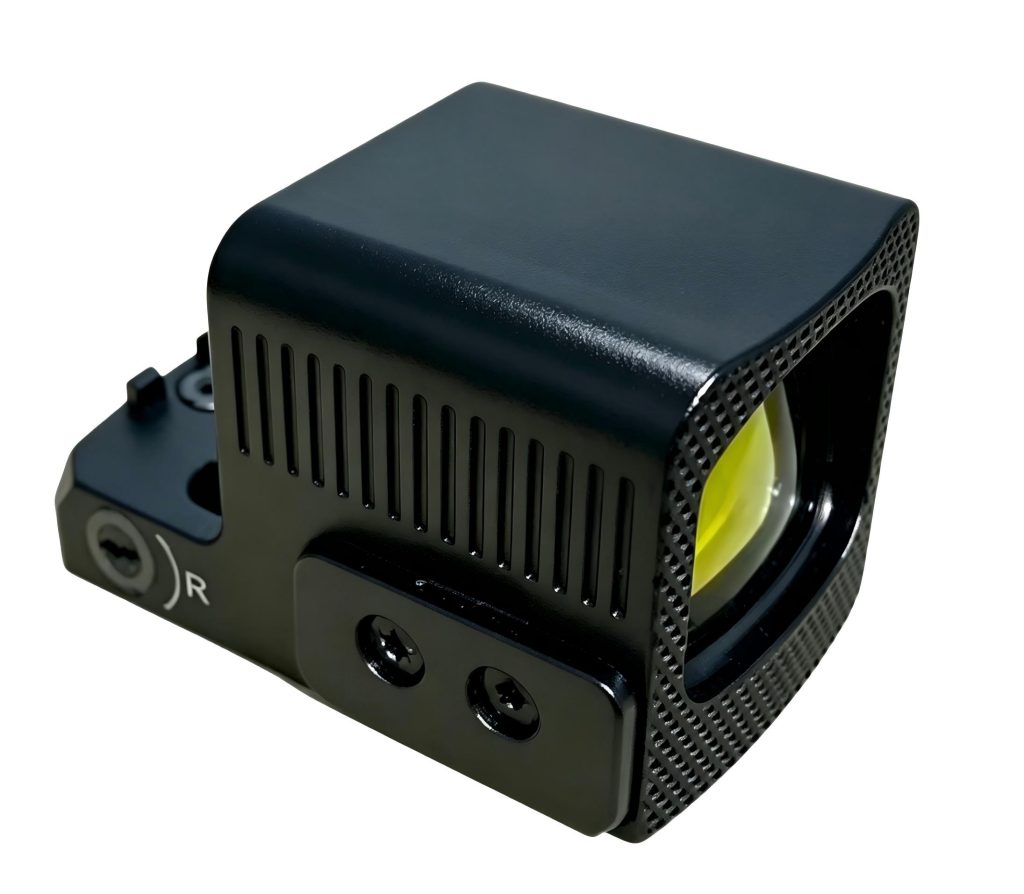
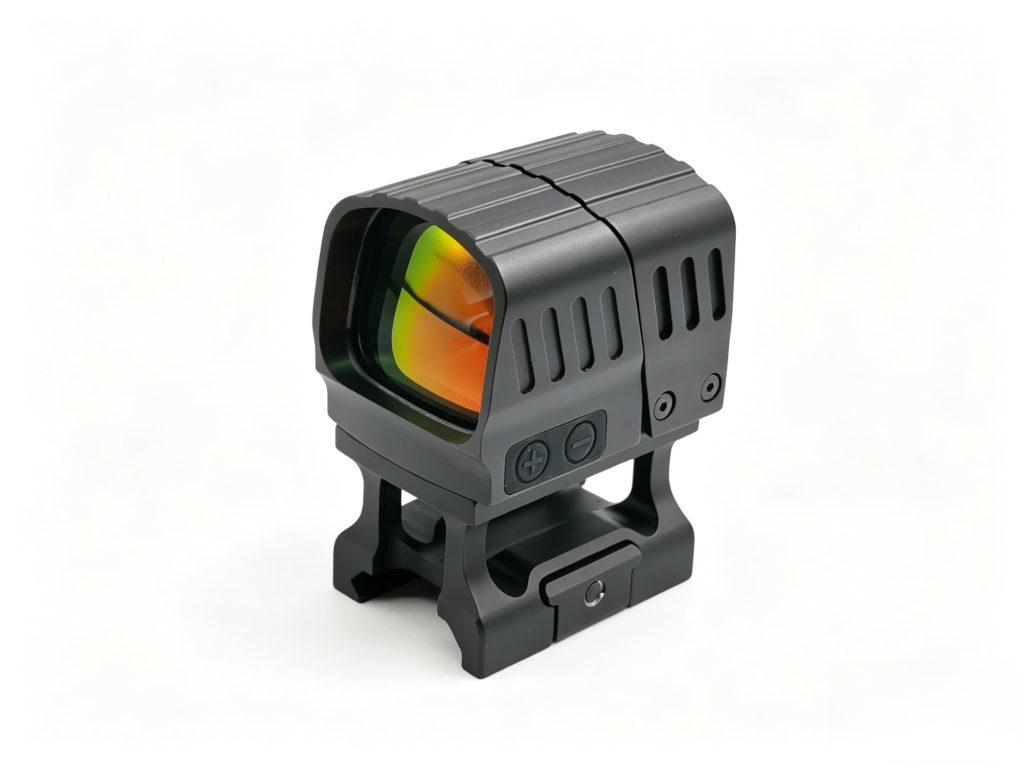
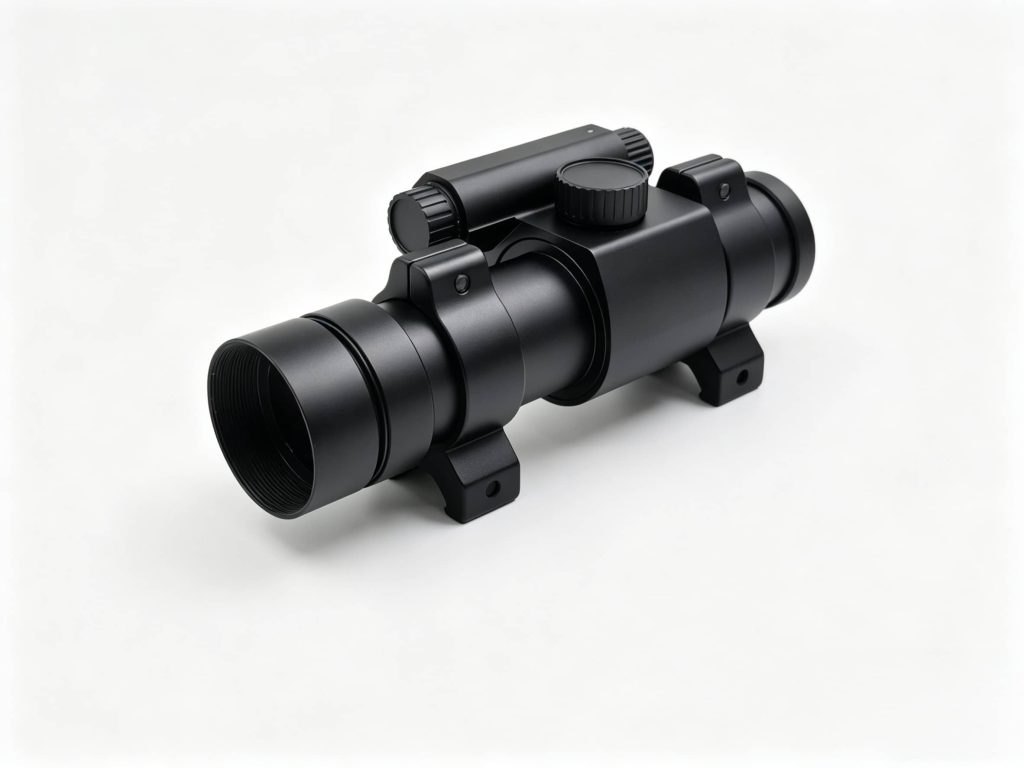
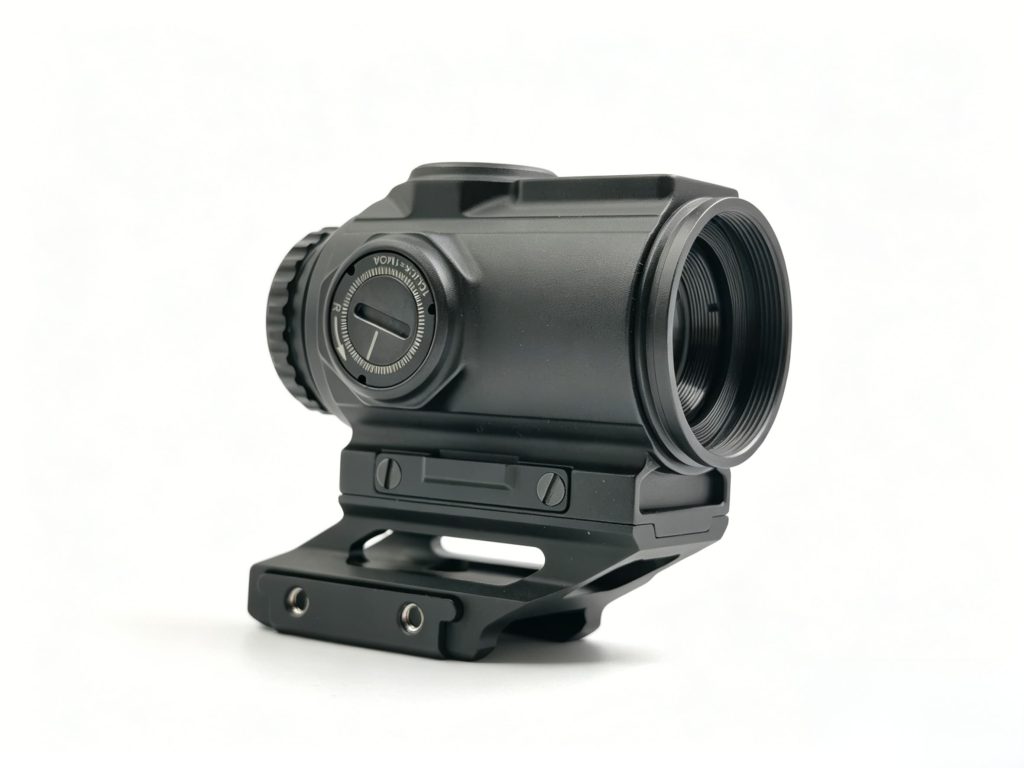
Other Factors That Matter Beyond Dot Color
While color gets most of the attention, several other factors can have an equal or even greater impact on what you actually see through the optic.
Severity of Astigmatism
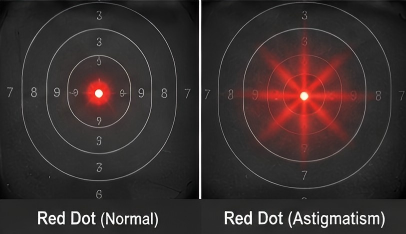
The degree of astigmatism plays a major role in perceived dot quality.
A shooter with mild astigmatism may notice only slight distortion, while someone with severe astigmatism may struggle to obtain a clean sight picture regardless of dot color.
Dot Size and Visibility
Dot size can affect how distortion appears.
Smaller dots, such as 2 MOA, offer greater aiming precision but may make distortions more noticeable. Larger dots are often easier to acquire quickly, though they can appear less precise at longer distances.
Many shooters with astigmatism find that testing different dot sizes is just as important as testing different colors.
Brightness and Dot Distortion
One of the most overlooked factors is brightness.
When the brightness setting is too high, both red and green dots can appear bloated or starburst-shaped, even for shooters with relatively minor astigmatism.
For the clearest image, use the lowest brightness setting that remains visible in your shooting environment.
Reticle Design and Clarity
Not all reticles are simple dots.
Many modern optics offer circle-dot or multi-reticle configurations. Some shooters with astigmatism find these designs easier to distinguish than a single projected dot.
A well-designed reticle can sometimes improve target acquisition more effectively than simply changing dot color.
Corrective Lenses and Eye Relief
Prescription glasses or contact lenses can significantly improve dot clarity for many shooters.
If you normally wear corrective lenses, test optics while wearing them. In some cases, proper vision correction has a greater impact on sight picture quality than switching from red to green.

Final Verdict
If you have astigmatism and are planning to purchase your first red dot sight, the green dot model would be more suitable for you. Many users have reported that the green light dot has a higher recognition rate and a brighter appearance, especially in outdoor strong light conditions, where its advantages are particularly noticeable.
However, the color of the light spot is not the only factor determining the clarity of the image. Your astigmatism degree, the brightness setting of the sight, the size of the light spot, the structure of the scale lines, and whether you are wearing corrective glasses, all these will directly affect the actual image you see through the glasses.
If possible, it would be best to conduct a direct comparison of the actual effects of red and green light dots on-site. Ultimately, there is no unified standard for aiming devices suitable for people with astigmatism. The one that you find the clearest when looking with your own eyes, is compatible with daily shooting scenarios, and performs stably, is the most suitable choice.