The Same Binoculars, but Two Completely Different Buying Logics
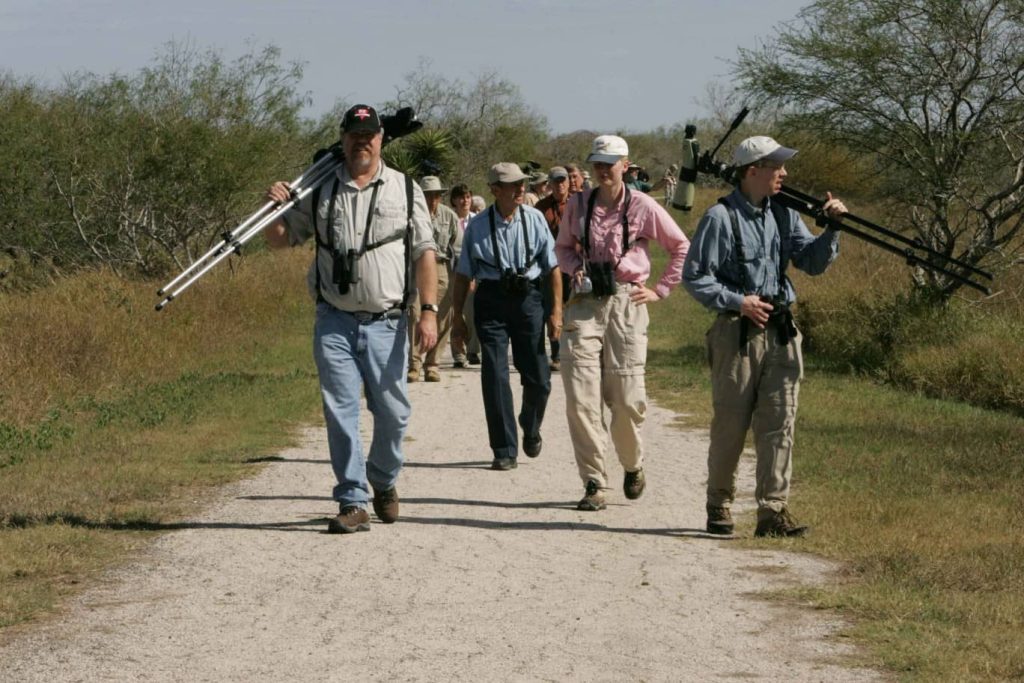
Birdwatchers and hunters both use binoculars to locate distant targets, but the tasks they need to complete are very different.
Birdwatchers need to quickly find moving birds among branches, against the sky, or across wetland landscapes. They also tend to observe for longer periods, paying close attention to feather colors, movement, and behavior. Hunters, on the other hand, place greater importance on identifying targets at dawn and dusk, maintaining visibility in difficult weather, and relying on equipment that can withstand long-term carrying and demanding outdoor use.
For brands, wholesalers, and channel purchasing teams, this means one standard 8×42 model should not simply be used to cover both markets. The same basic specification may work for both, but the optical tuning, structural details, accessory packages, price positioning, and sales messaging should be defined differently.
The clearer the product lines are, the easier it becomes for distributors to recommend the right model. It also helps prevent inventory, pricing, and marketing resources from competing with each other.
The Birdwatching Market: Focus on Finding Birds Quickly and Viewing Them Comfortably
A Wide Field of View and Fast Focusing Matter More Than Higher Magnification
In its binocular guide, Audubon notes that most birdwatchers prefer 7× or 8× binoculars because they are generally brighter, provide a wider field of view, and make it easier to follow birds in flight.
For entry-level and mainstream birdwatching channels, 8×32 and 8×42 remain two of the safest SKU choices. The 8×32 is lighter and easier to raise quickly when a bird suddenly appears, while the 8×42 offers a better balance of field of view, exit pupil, and comfortable viewing in lower-light conditions.
Color, Close Focus, and Eye Relief Shape Long-Term Customer Satisfaction
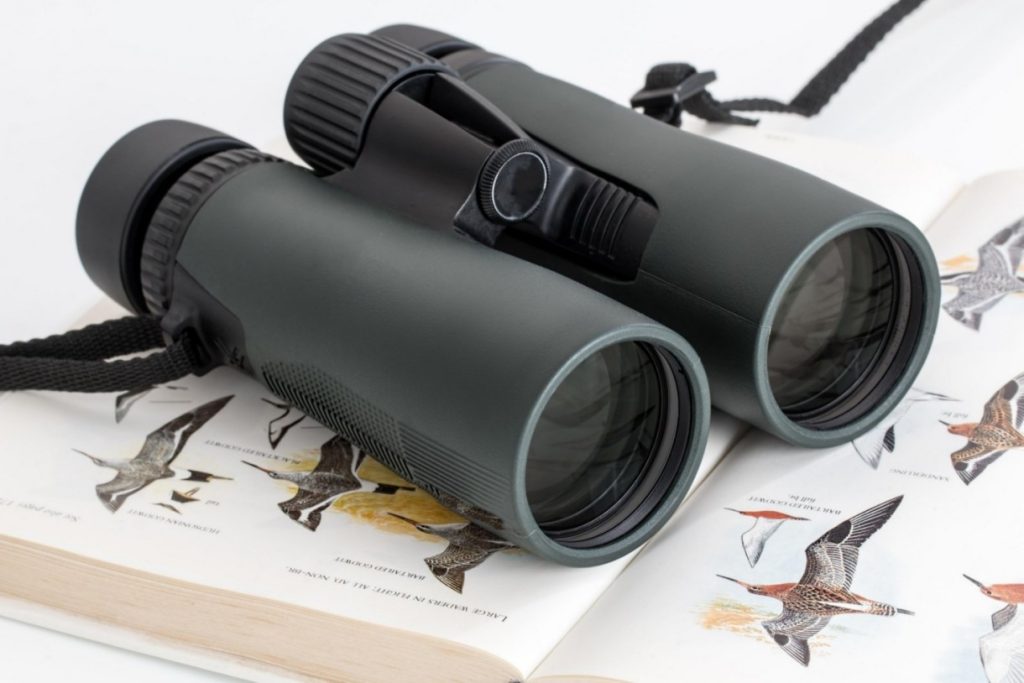
Birdwatchers often compare subtle feather colors, edge details, and performance in backlit conditions. As a result, natural color reproduction, a shorter close-focus distance, comfortable eye relief, and a smooth focusing mechanism are more likely to translate into positive real-world feedback.
For B2B buyers, these experience-based features are often more valuable than simply increasing magnification. They can also help reduce return rates and provide a clearer foundation for building different price tiers around ED glass, phase-correction coatings, dielectric mirror coatings, and long-eye-relief designs.
The Hunting Market: Focus on Low-Light Performance, Long-Range Viewing, and Structural Reliability
8×42 for Searching, 10×42 and 10×50 for Longer Distances and Lower Light
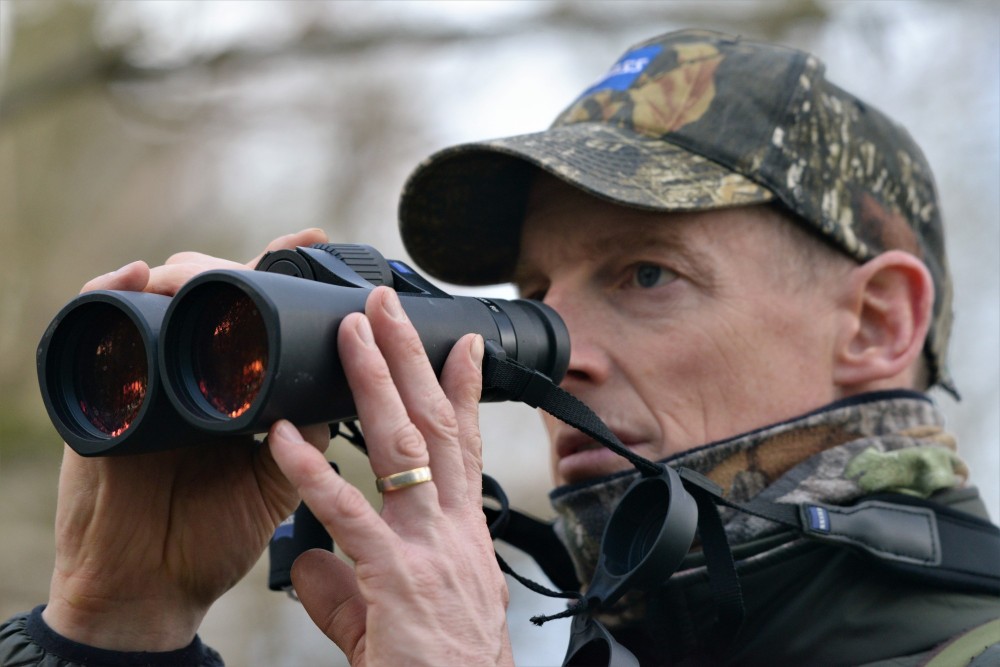
Woodland hunting and mobile hunting generally require a wider field of view and better handheld stability, which makes 8×42 binoculars a natural choice for the core product line.
For open terrain, mountain hunting, and longer-range target identification, 10×42 models are often more suitable. When a product line is aimed at dawn-and-dusk hunting, stationary observation, or users with stronger low-light requirements, 10×50 binoculars can serve as a more specialized option.
ZEISS currently offers hunting binoculars on both 42 mm and 50 mm platforms. This also reflects an important product-development reality: low-light performance and lightweight portability usually need to be addressed through different specifications rather than forced into a single model.
Waterproofing, Fog Resistance, Protective Armor, and Glove-Friendly Controls Are Basic Requirements
Hunting binoculars must perform reliably in rain, low temperatures, dust, mud, tight backpacks, and situations where bumps and impacts are difficult to avoid.
For wholesalers and private-label projects, waterproof and fog-resistant construction, nitrogen filling, rubber armor, secure lens-cap attachment, focus-wheel resistance, and glove-friendly operation can directly affect after-sales costs and overall brand credibility.
Premium versions can also include features such as integrated rangefinding, tripod compatibility, or more wear-resistant exterior finishes.
B2B Product Lines Should Be Built Around Use Cases, Not Just Magnification
| Market Positioning | Core Specifications | Key Selling Points | Channel Role | OEM/ODM Priorities |
| Lightweight Birdwatching Line | 8×32 | Wide field of view, fast focusing, and lightweight design | Travel, parks, and entry-level birdwatching | Weight control, close-focus distance, color options, and soft carrying case |
| Core Birdwatching Line | 8×42 | Comfortable viewing, natural color reproduction, and balanced low-light performance | Specialist retailers and birdwatching communities | ED glass, phase-correction coating, and long eye relief |
| All-Round Hunting Line | 8×42 / 10×42 | Efficient target scanning or longer-range identification | Hunting stores and outdoor brands | Waterproofing, protective armor, and low-temperature testing |
| Low-Light Hunting Line | 10×50 | Better dawn-and-dusk brightness and long-range detail | Specialist hunting channels and stationary observation | High light transmission, tripod compatibility, and accessory packages |
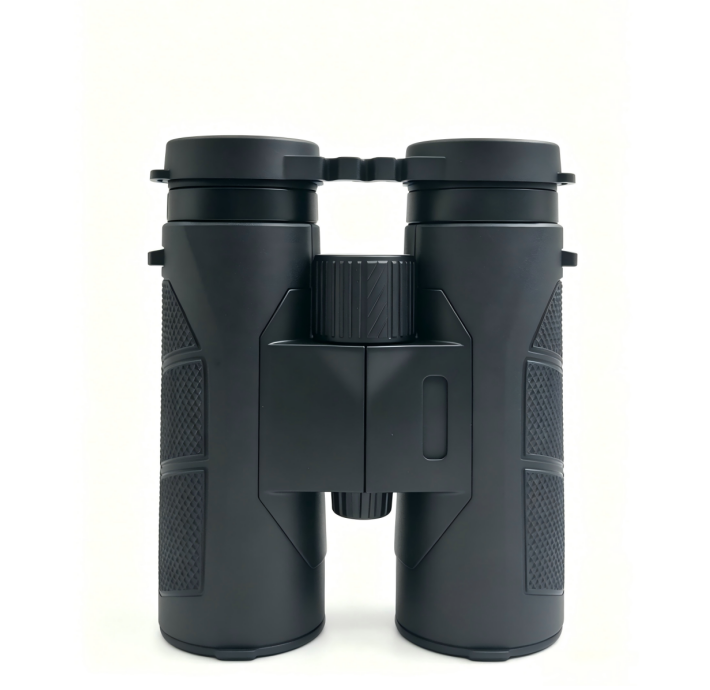
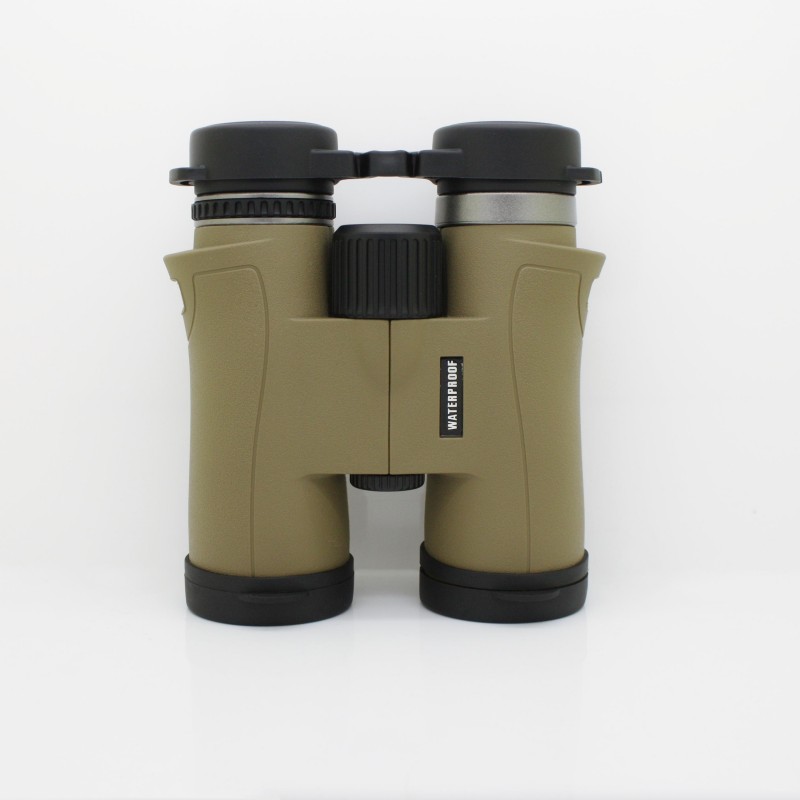
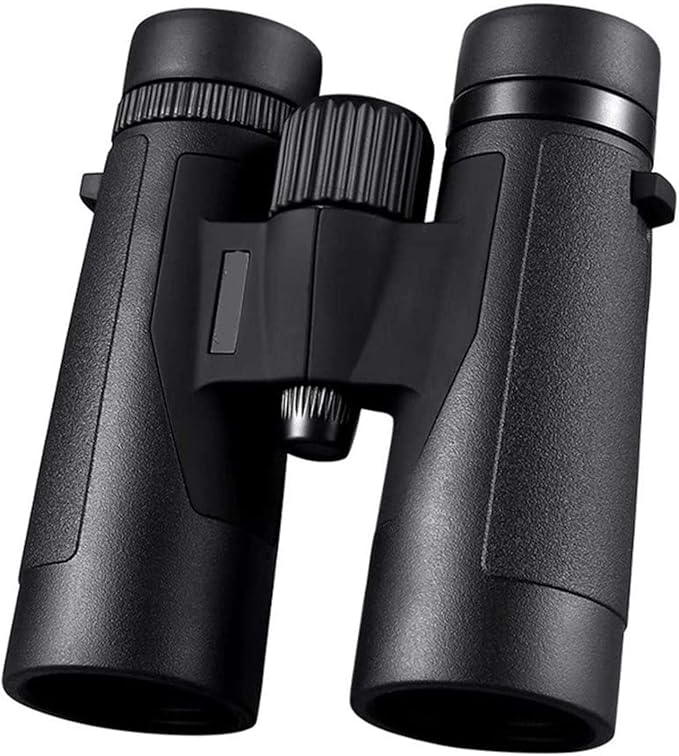
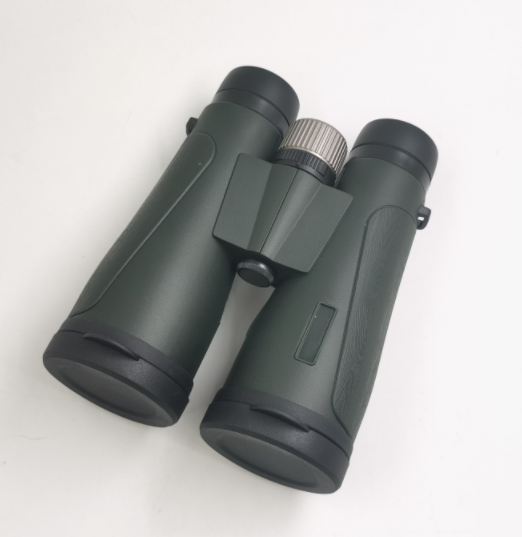
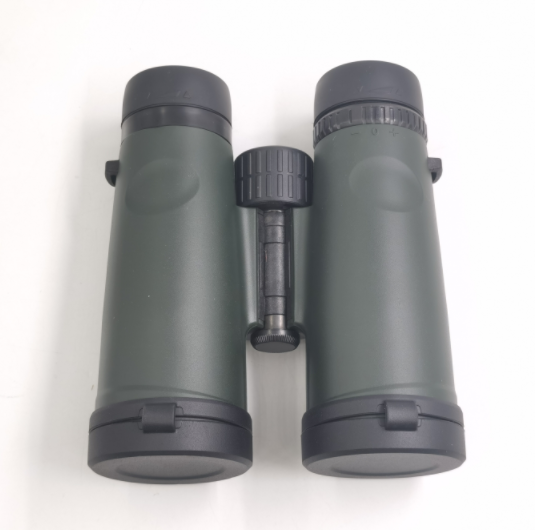
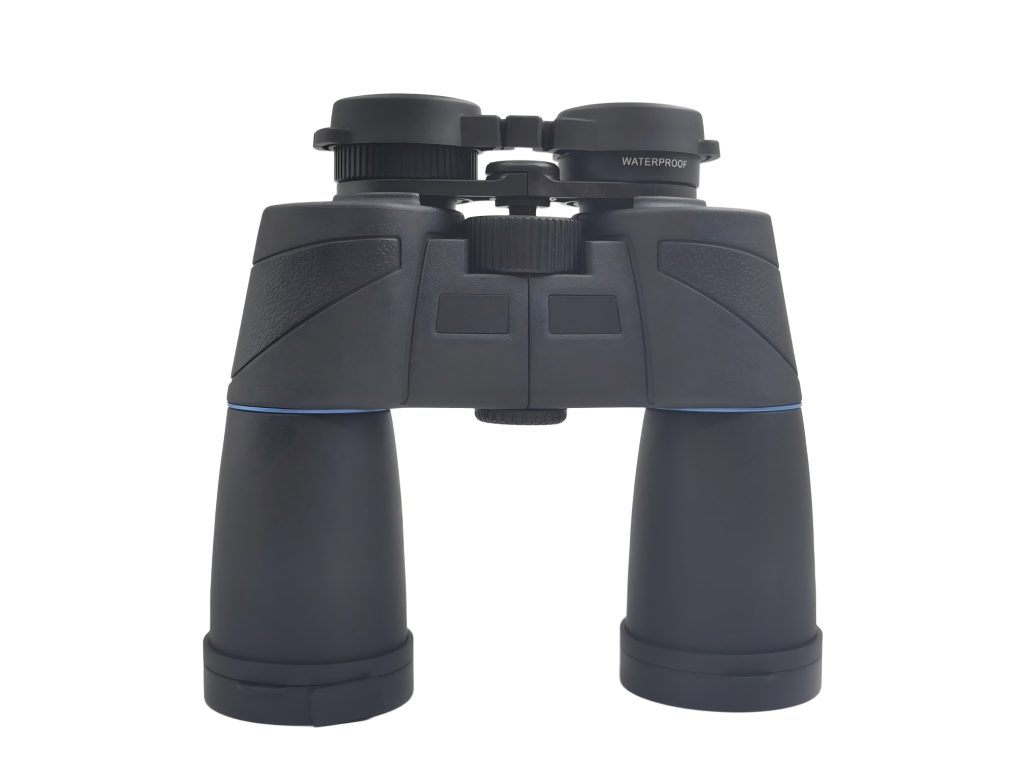
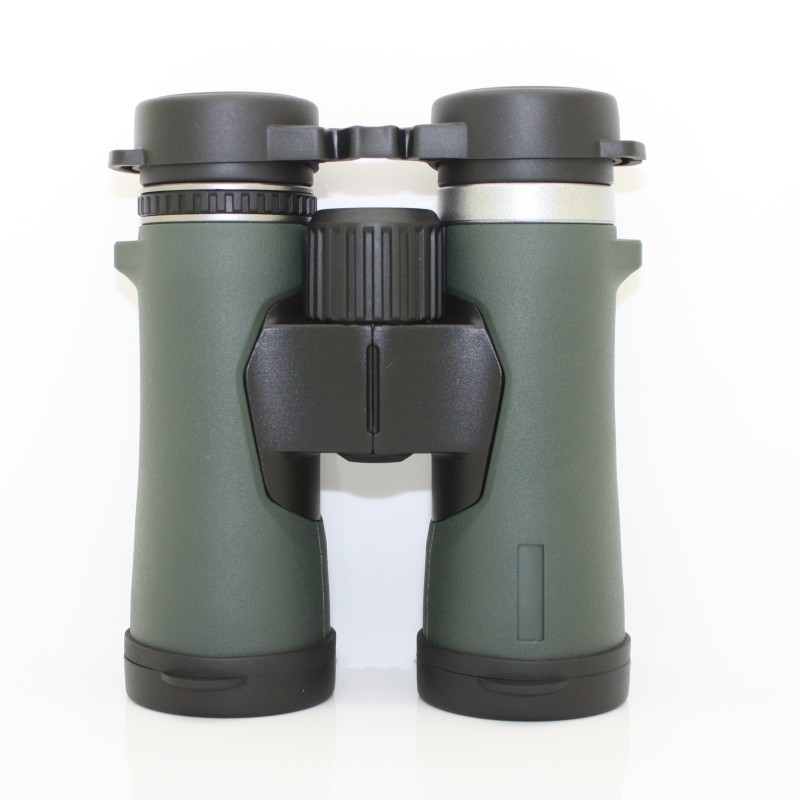
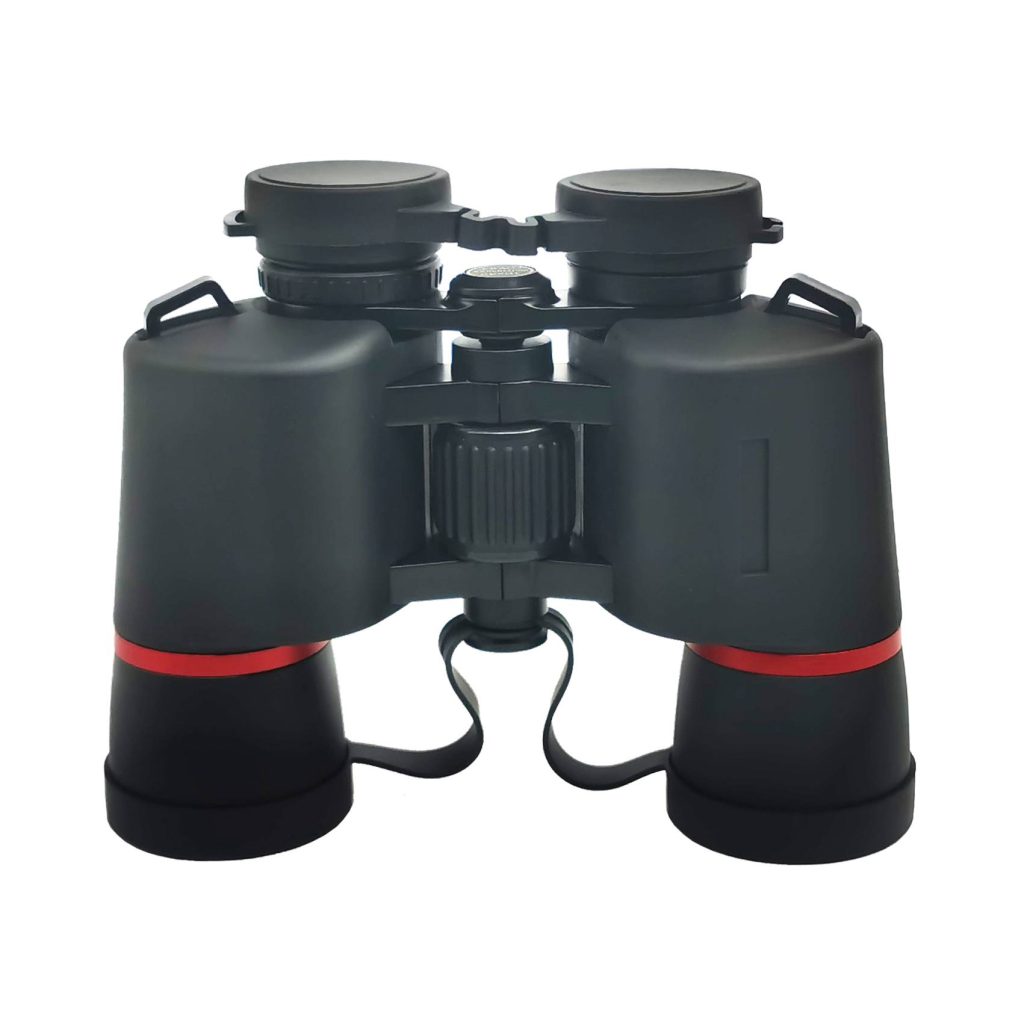
For wholesalers, the 8×42 platform can be shared across both birdwatching and hunting markets, but using exactly the same configuration for both is not recommended.
The birdwatching version should prioritize field of view, close-focus performance, and natural color reproduction. The hunting version should place greater emphasis on environmental protection, low-light contrast, and structural durability.
This approach allows brands to share selected molds, components, and supply-chain resources while still giving each product a clear end-market position. It also reduces the risk of confusing distributors and end users with products that look similar but lack a clearly defined purpose.
How Can Buyers and Manufacturers Reduce Product-Line Risk?
Before developing samples, brands should first define the target sales channel, typical viewing distance, lighting conditions, target retail price, and initial MOQ. Only then should they decide whether upgrades such as ED glass, advanced coatings, a higher waterproof rating, or additional accessories are necessary.
Sample evaluation should also go beyond checking image sharpness indoors. A more complete testing process should include searching for moving targets, comparing performance at dawn and dusk, evaluating comfort for eyeglass wearers, testing in rain or fog, and checking the long-term durability of the focusing mechanism.
FORESEEN OPTICS can provide flexible OEM/ODM solutions based on roof-prism binoculars, Porro-prism designs, 10×50 long-range platforms, and rangefinding binoculars. Customization options include logos, housing colors, optical coatings, packaging, straps, carrying cases, and tailored testing plans.
Product features and sales messaging can also be adjusted according to whether the binoculars are intended for birdwatching or hunting channels, helping brands build a clearer product position while reducing unnecessary development and inventory risk.
Conclusion: Different Markets Prioritize Different Types of Value
In the birdwatching market, buyers are mainly paying for faster target acquisition, natural color reproduction, and comfortable long-term viewing. In the hunting market, the priorities shift toward reliable target identification at dawn and dusk, dependable performance in difficult weather, and structural durability in the field.
For B2B buyers, a mature product line is not one that fills a catalog with more and more similar SKUs. It is one in which every model has a clearly defined role within the sales channel.
When a brand can only begin with one platform, 8×42 remains a relatively low-risk starting point. However, the birdwatching and hunting versions should still be differentiated through optical tuning, structural protection, accessories, and packaging.
Only when real use cases are translated into product differences that customers can see and feel can wholesalers achieve clearer pricing logic, more stable inventory turnover, and lower after-sales risk.