As modern shooters demand faster target acquisition, clearer reticles, and reliable performance under pressure, optics such as red dot sights and holographic sights have rapidly become essential upgrades for rifles.
When setting up an AR rifle—whether it’s an AR-15 for tactical use, an AR-10 for hunting, or a training rifle for range work—the biggest question most shooters face is simple:
Should you choose a holographic sight or a red dot sight?
Both optics help you shoot faster, acquire targets more intuitively, and maintain situational awareness with both eyes open. Yet their performance on rifles, especially AR platforms, differs significantly.
In this guide, Foreseen Optics—an experienced manufacturer of red dot sights and holographic sights for rifles—breaks down the real-world differences so you can choose an optic that truly enhances your AR shooting experience.

What Are Red Dot Sights and Holographic Sights?
Before comparing them, it’s important to understand what each sight actually is and how it works.
Red Dot Sights: What They Are & How They Work
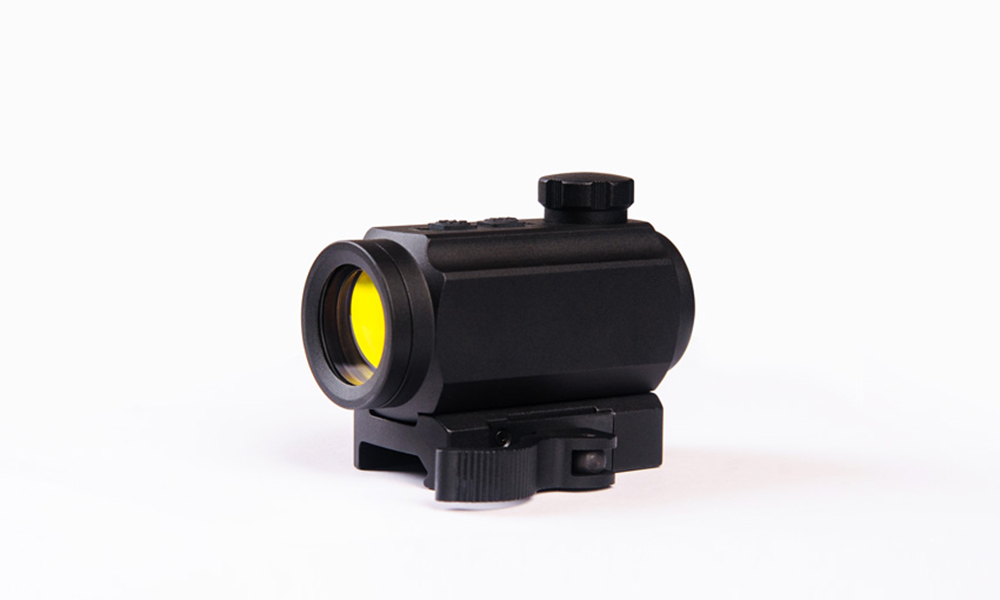
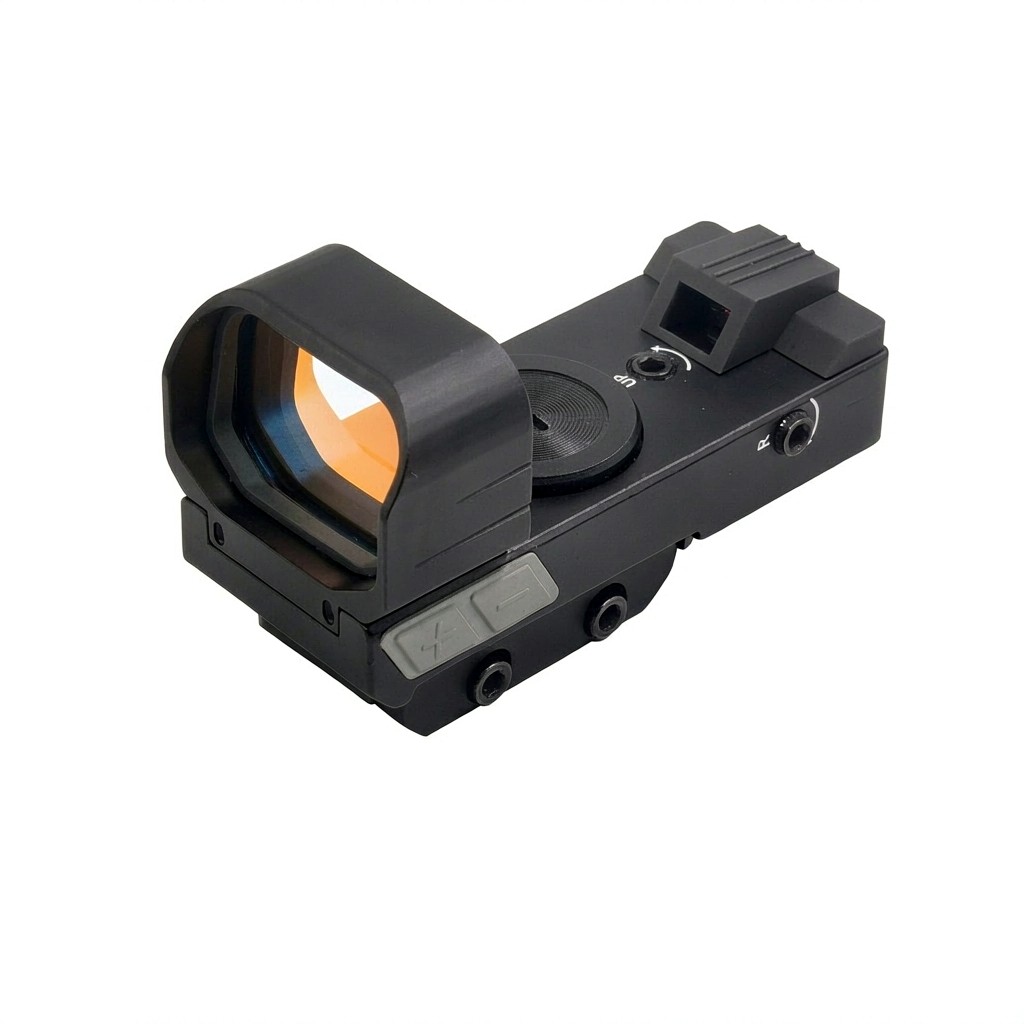
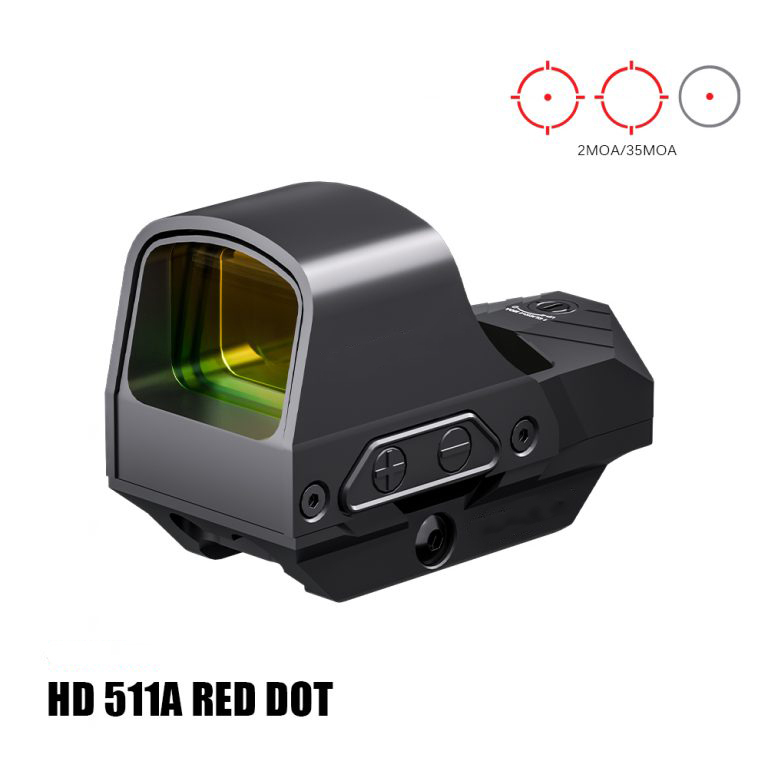
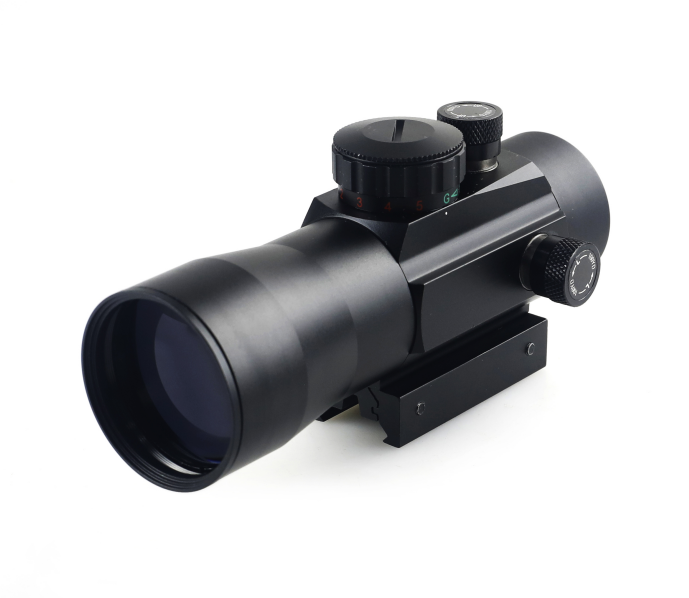
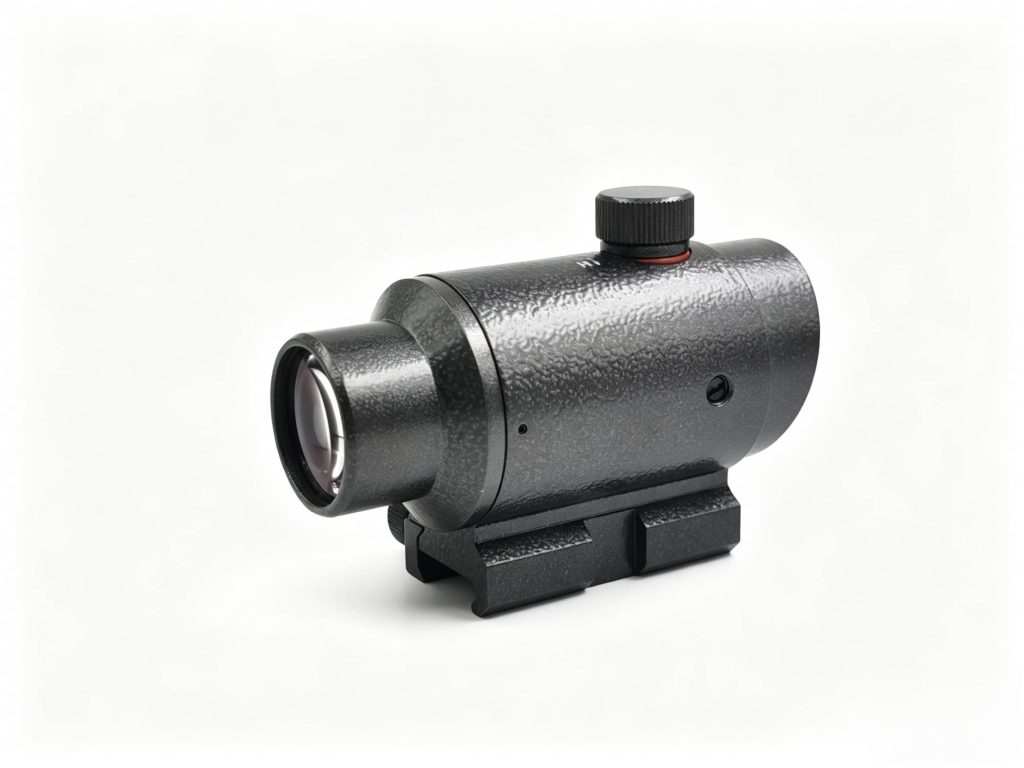
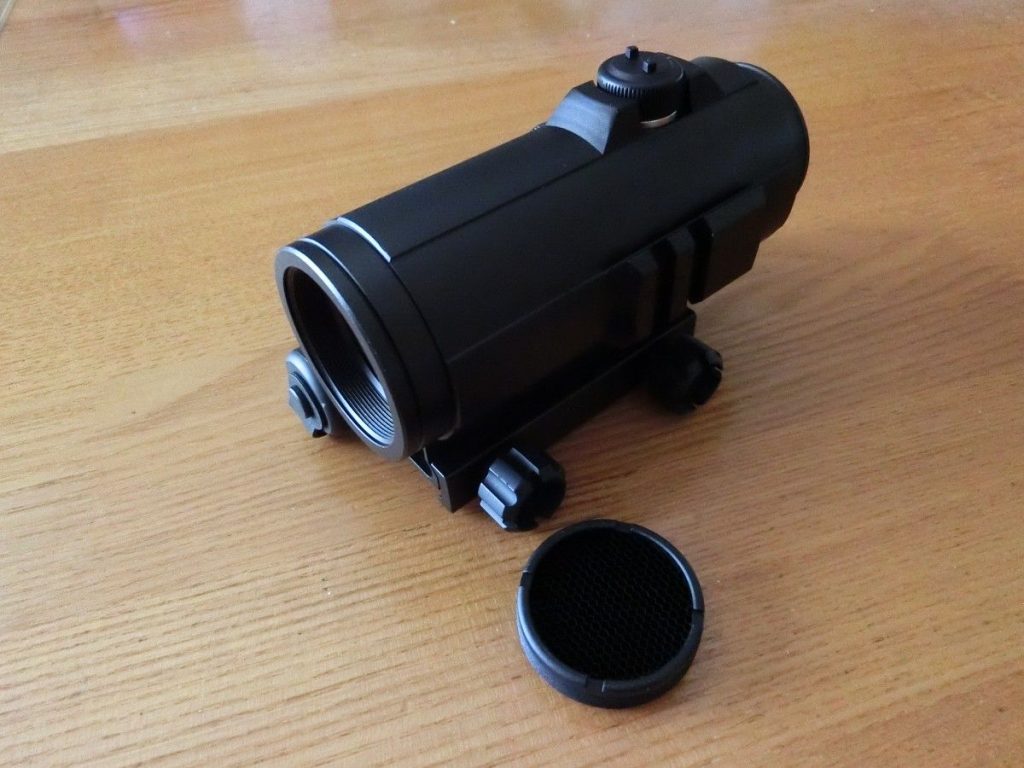
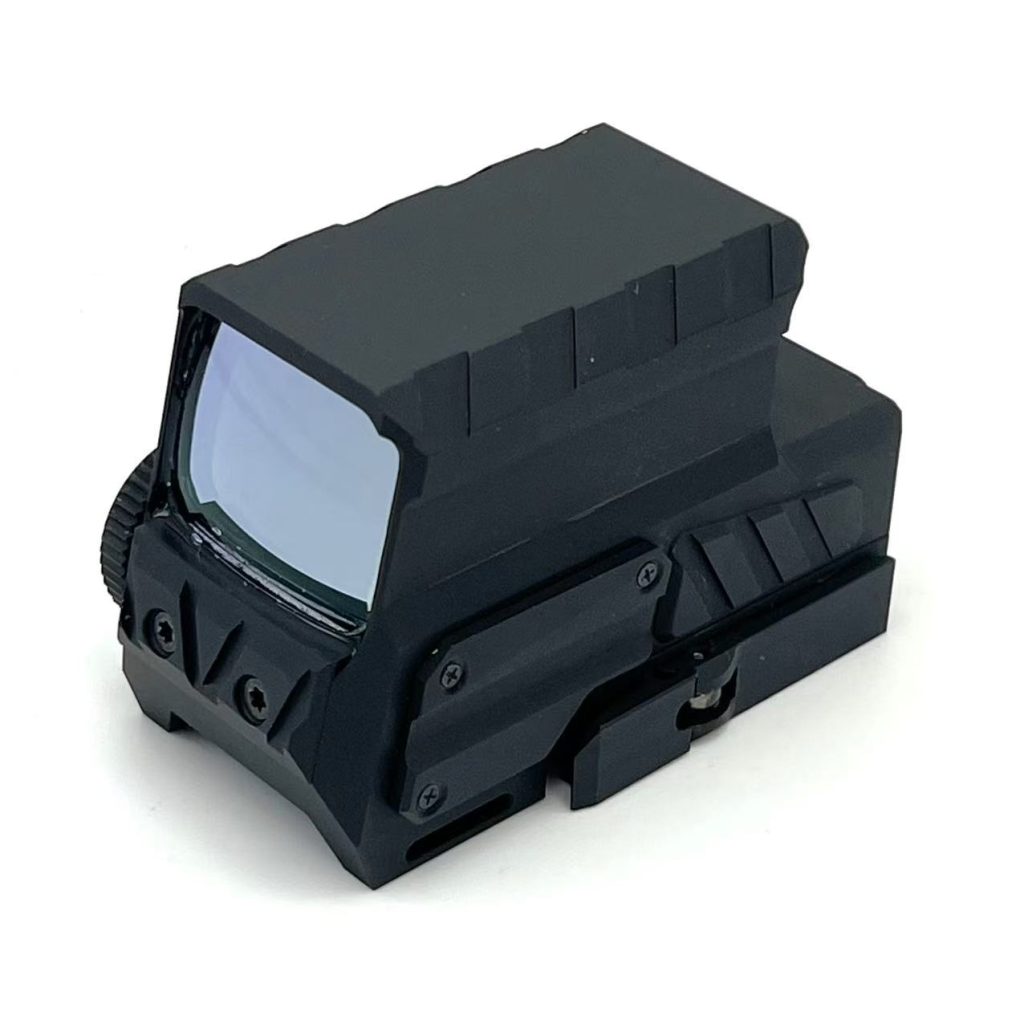
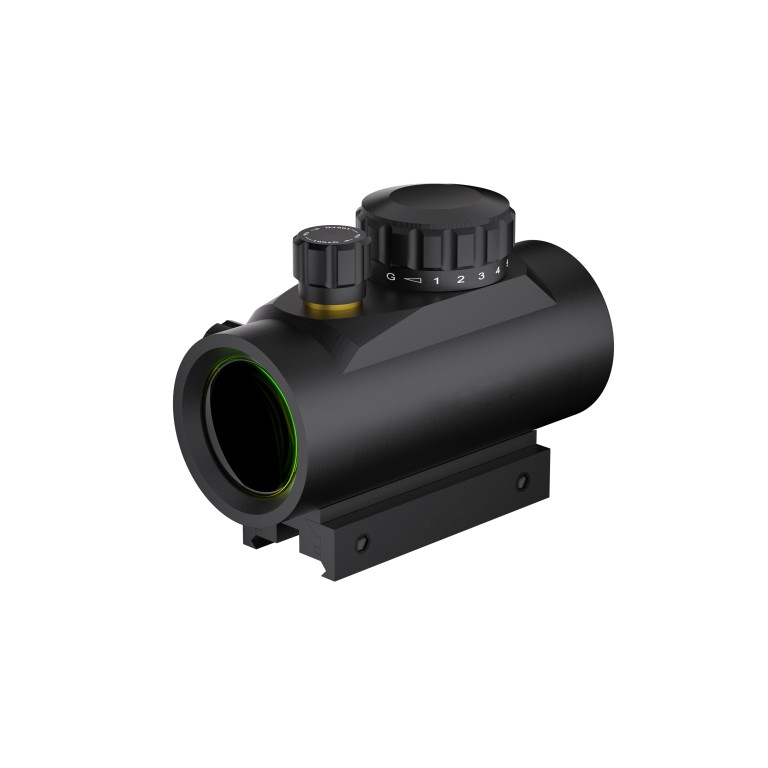
A red dot sight uses a small LED diode that reflects a red (or green) dot onto a coated lens. The dot aligns with the shooter’s point of aim, allowing extremely fast target acquisition.
Common Types of Red Dot Sights
- Open red dots – lightweight, ideal for PCC and rifles needing minimal added weight
- Enclosed red dots – higher durability and better weather resistance
- Micro red dots – compact, designed for lightweight AR builds
Advantages
- Extremely lightweight and compact
- Long battery life (often 20,000–50,000+ hours)
- Budget-friendly
- Ideal for new shooters due to simplicity
Disadvantages
- Smaller window compared to holographic sights
- Reticle distortion for users with astigmatism
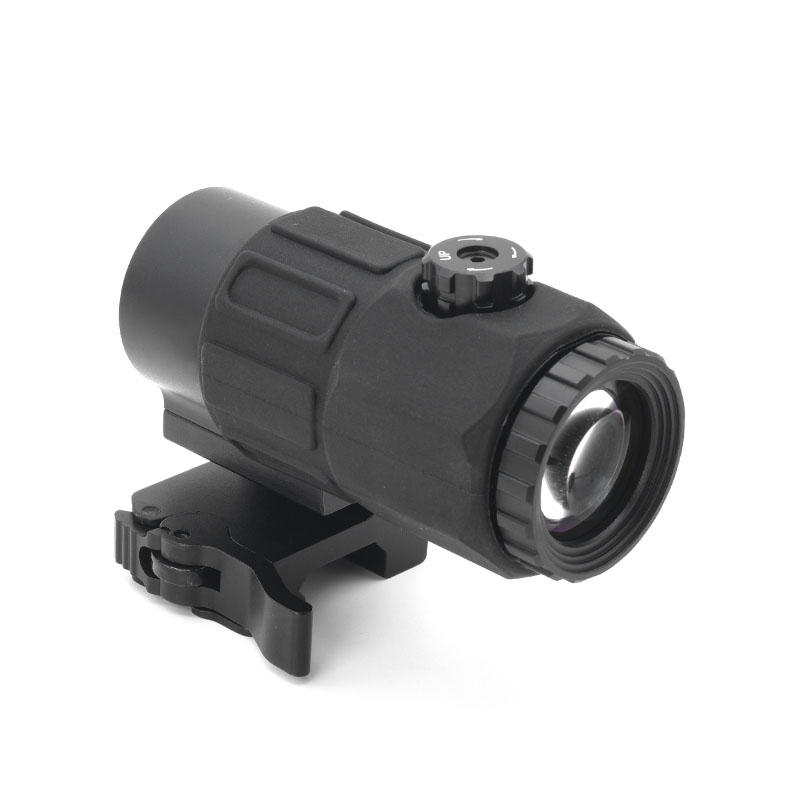
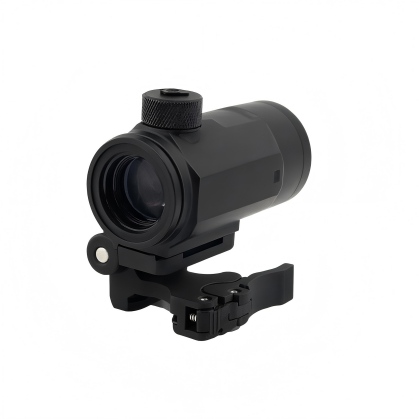
- Less compatible with magnifiers (fisheye effect)
This makes red dots a great match for AR rifles focused on speed, simplicity, and long battery performance.
Holographic Sights: What They Are & How They Work
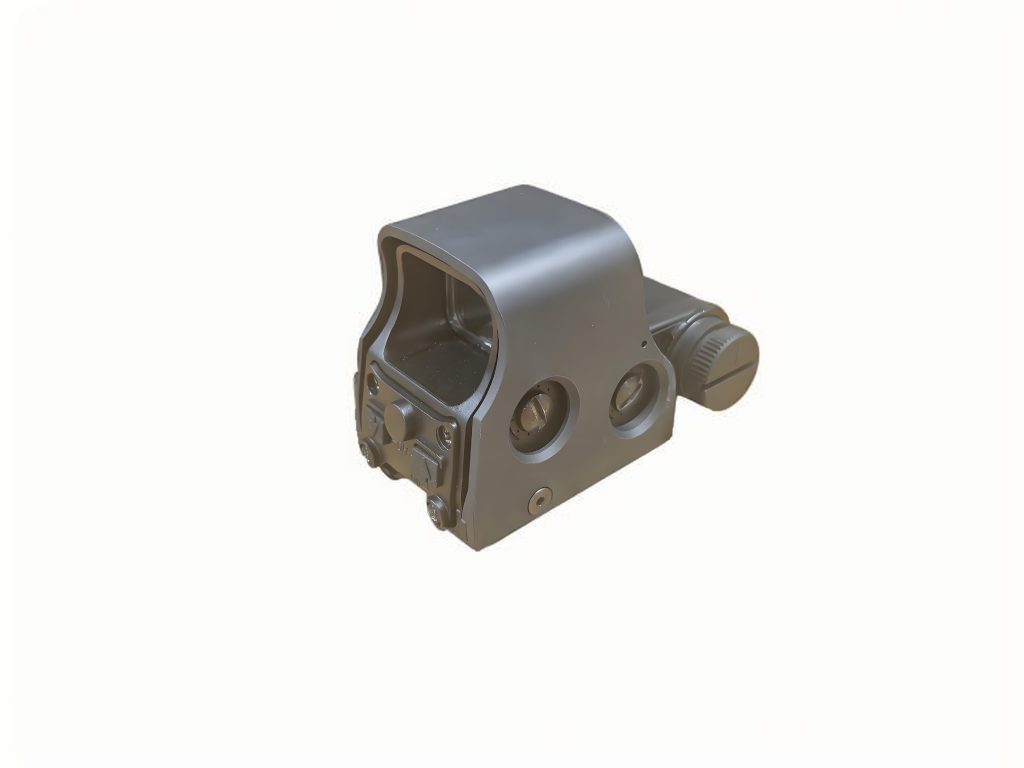
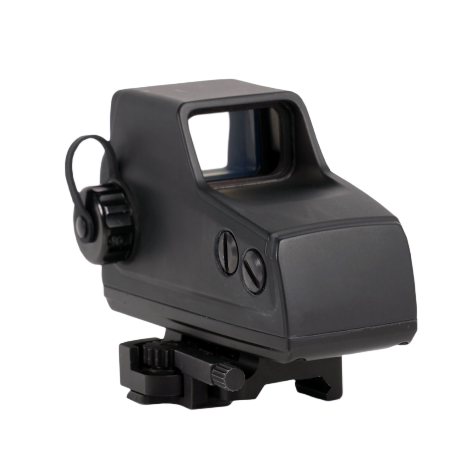
A holographic sight uses a laser to project a hologram of a reticle inside the viewing window—not just a reflected dot. This creates a more natural, floating reticle that remains sharp from multiple angles.
Foreseen Optics’ models such as the ATH001 1x Holographic Sight and BEF1281OR Military-Grade Holographic Sight use advanced holographic laser modules designed specifically for rifle platforms.
Advantages
- Larger viewing window
- Faster target acquisition
- More precise reticle for rifles
- Works better with magnifiers
- Unaffected by astigmatism for many shooters
Disadvantages
- Heavier than red dots
- Shorter battery life
- Higher cost
- Typically used on rifles, not pistols, due to size
This makes holographic sights especially suitable for:
tactical shooters, competitive rifle users, and AR owners who use magnifiers.
Why Foreseen Optics Specializes in Both
Foreseen Optics manufactures professional-grade optical systems designed for real-world rifle use—training, tactical scenarios, home defense, and professional duty. No matter the holographic sights or red dot sights, we can both supply them to you. This allows buyers, especially wholesalers and optic brands, to evaluate both technologies from one source.
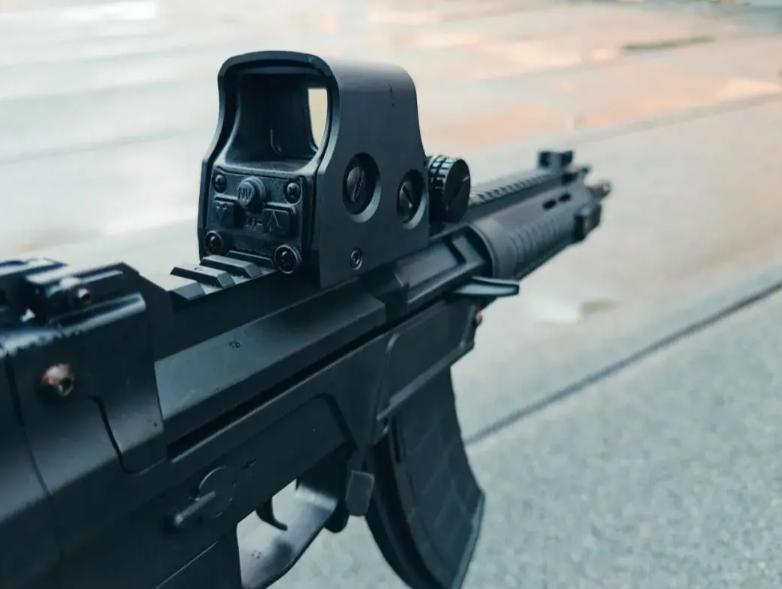
Key Differences: Holographic Sight vs Red Dot For Rifle
Below is where the real distinctions matter—especially for AR shooters.
Technology & Optical Experience
1) Reticle Clarity
- Red Dot: single LED dot; may blur for astigmatic shooters
- Holographic: crisp, multi-shape reticle ideal for rifles
2) Window Size & FOV
Holographic sights for rifle offer significantly larger windows, helping shooters maintain awareness in tactical environments.
3) Magnifier Compatibility
- Holographic: almost perfect
- Red Dot: can introduce distortion or starburst
So, the optical experience can conclude like this:
| Feature | Red Dot Sight | Holographic Sight |
| Window Size | Medium | Large |
| Reticle Type | LED dot | Laser hologram |
| Astigmatism Performance | Poor–Medium | Excellent |
| Magnifier Use | Moderate | Ideal |
| FOV | Narrower | Wider |
Performance & Shooting Behavior
1) Target Acquisition Speed
Both are fast, but holographic reticles accelerate rifle transitions and multi-target shooting.
2) Tracking Moving Targets
Holographic sights excel due to their larger sight picture and minimal reticle distortion.
3) Recoil Management on AR Rifles
The reticle stability of holographic optics makes follow-up shots easier—especially on:
- 5.56
- .300 Blackout
- .308 AR-10 rifles
4) Low-Light & Bright Sun Performance
Both perform well, but holographic sights retain reticle shape & clarity better in harsh lighting.
Practicality, Form Factor & Usability
1) Weight & Size
- Red dots: lighter, ideal for lightweight builds
- Holographic sights: heavier but with more features
2) Battery Life
- Red dots: best in the industry
- Holographic: shorter due to laser use
3) Durability & Environmental Resistance
Foreseen Optics holographic models undergo:
Impact testing, Waterproof testing, Temperature shock testing
ensuring professional reliability.
Market & User Suitability
| Shooter Type | Best Optic Type | Why |
| Tactical AR shooter | Holographic | Faster target transitions, wide window |
| Competition shooter | Holographic | Designed for rapid fire & speed |
| Lightweight AR build | Red Dot | Minimal weight |
| Budget builds | Red Dot | Affordable and practical |
| Magnifier users | Holographic | Perfect optical pairing |
| New AR owners | Red Dot | Easy to use, long battery life |

Final Recommendation: Which Sight Fits Your Needs?
After comparing performance, optical clarity, practical usability, and AR-specific needs, the question becomes clear:
Which sight truly fits your rifle and your shooting style?
Here we draw a comparison of their strengths and weaknesses, you can choose the one from the features you concerned more :
Strengths & Weaknesses
| Category | Red Dot | Holographic |
| Weight | ⭐⭐⭐⭐⭐ | ⭐⭐⭐ |
| Battery Life | ⭐⭐⭐⭐⭐ | ⭐⭐ |
| Reticle Clarity | ⭐⭐⭐ | ⭐⭐⭐⭐⭐ |
| Magnifier Use | ⭐⭐ | ⭐⭐⭐⭐⭐ |
| AR Tactical Use | ⭐⭐⭐ | ⭐⭐⭐⭐⭐ |
| Price | ⭐⭐⭐⭐⭐ | ⭐⭐ |
Recommendations by Shooter Type
- For tactical AR shooters
Choose a holographic sight like the Foreseen Optics BEF1281OR.
Fast target transitions + wide window = major performance boost.
- For lightweight AR builds
Choose a red dot sight for minimal weight and long battery life.
- For users who plan to run magnifiers
A holographic sight offers far better clarity and zero distortion.
- For beginners or budget-focused AR owners
A red dot is simple, durable, and cost-effective.
Both holographic sights and red dots perform well on rifles, but they excel in different ways.
If you want maximum speed, clarity, and magnifier compatibility on your AR rifle, a holographic sight is the superior choice.
If you want lightweight simplicity and long battery life, a red dot sight is ideal.
Foreseen Optics proudly manufactures both categories—offering professional, field-tested rifle optics for every type of AR shooter. Contact us to customize or wholesale holographic sights and red dots.