Two red dot sights can look almost identical from the outside, yet the reticle inside can completely change how quickly you acquire a target, how confidently you place a shot, and how comfortable the optic feels during extended use. That is why choosing the right red dot reticle is no longer just a matter of personal preference—it has become an important part of selecting the right optic for a specific shooting application.
Over the past few years, the market has also seen a clear shift toward Multi-Reticle red dots. Instead of offering only a single aiming point, many modern optics allow users to switch between different reticle patterns to suit changing environments and shooting styles. This added flexibility has made multi-reticle designs increasingly popular among hunters, sport shooters, and tactical users alike.
At the same time, the growing number of red dot reticle types has also created a common question:
Which reticle is actually the right choice?
The answer depends less on which reticle looks better and more on how the optic will be used. In this article, we’ll compare today’s most common reticle designs, explain when a multi-reticle system provides real advantages, and share practical recommendations for both shooters and brands sourcing optics from an OEM red dot manufacturer.
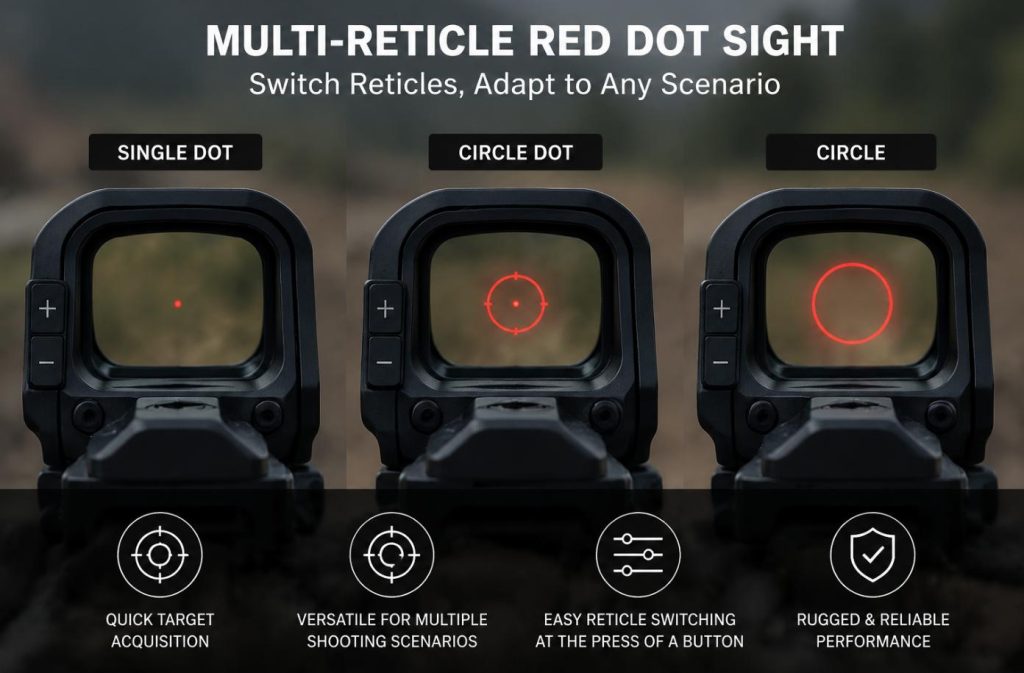
What Is a Red Dot Reticle?
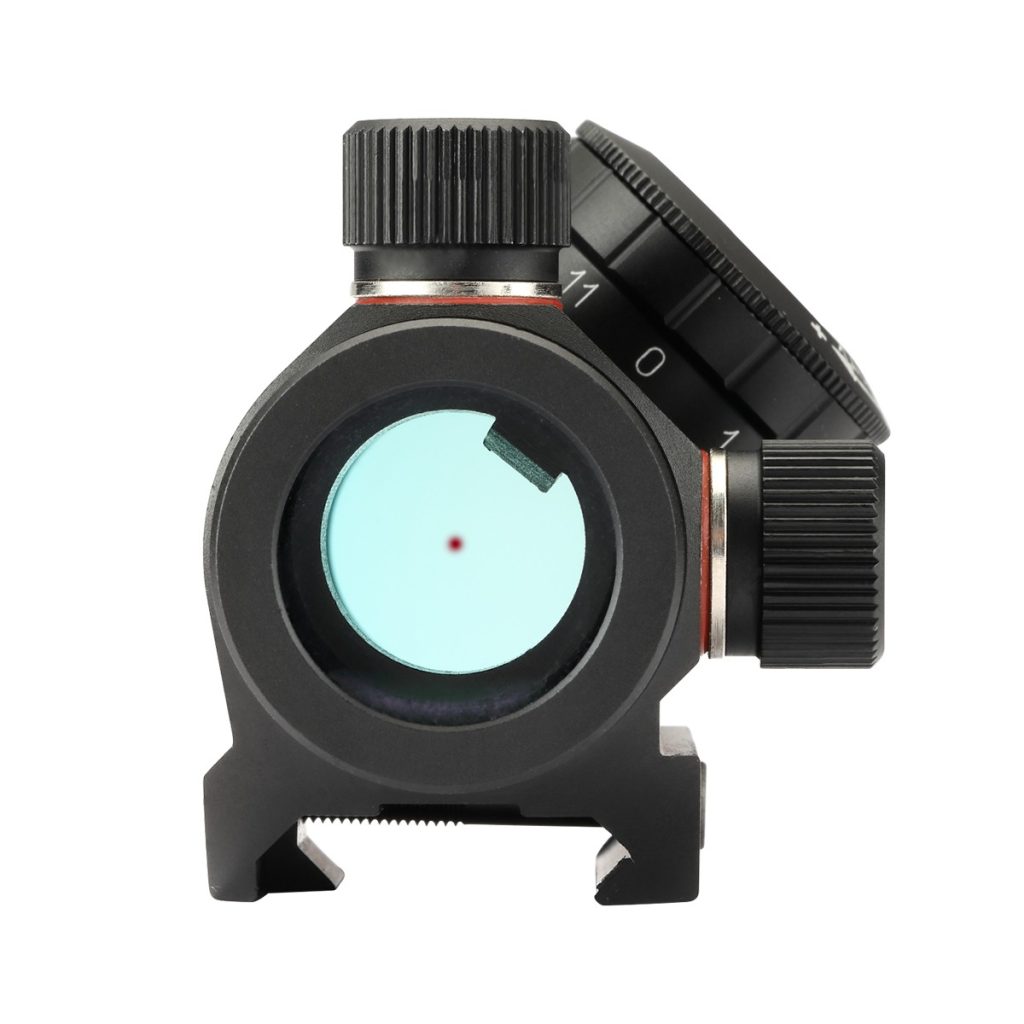
A red dot reticle is the illuminated aiming reference projected onto the lens of a reflex sight. While many people simply call it “the red dot,” the reticle can actually take several different forms, including a single dot, a circle-dot combination, a circle, or other specialized patterns.
Although the optical system, lens quality, and electronics all influence overall performance, the reticle is the element the shooter interacts with every time they aim. Its design affects how quickly the eye locates the aiming point, how much of the target remains visible, and how easily the sight can be used in different lighting conditions.
A common misconception is that choosing a reticle is only about appearance. In reality, each design represents a balance between three key factors:
- Target acquisition speed
- Aiming precision
- Situational awareness
For example, a clean single dot provides an uncluttered sight picture for precise aiming, while a larger circle helps many shooters pick up the reticle faster during close-range or dynamic shooting. Neither design is universally better—the ideal choice depends on the shooting task rather than the reticle itself.
This is one reason why manufacturers continue to develop new reticle options instead of relying on a single universal pattern.
Reticle Pattern vs. Dot Size: Don’t Confuse the Two
One of the most common sources of confusion is the difference between reticle pattern and dot size. Although the terms are often used interchangeably, they describe two completely different aspects of a red dot sight.
| Feature | Reticle Pattern | Dot Size |
| What it describes | The shape of the aiming reference | The size of the central aiming point |
| Common examples | Single Dot, Circle Dot, Circle, Chevron | 2 MOA, 3 MOA, 6 MOA |
| Primary influence | Speed and sight picture | Precision and target coverage |
Think of the reticle pattern as the design, while the dot size defines how much of the target the aiming point covers.
For instance, a Circle Dot reticle may still use a precise 2 MOA center dot. Likewise, two optics can both feature a single dot reticle while offering different dot sizes for different shooting preferences.
Understanding this distinction makes it much easier to compare products and avoid selecting an optic based solely on specifications that describe different characteristics.
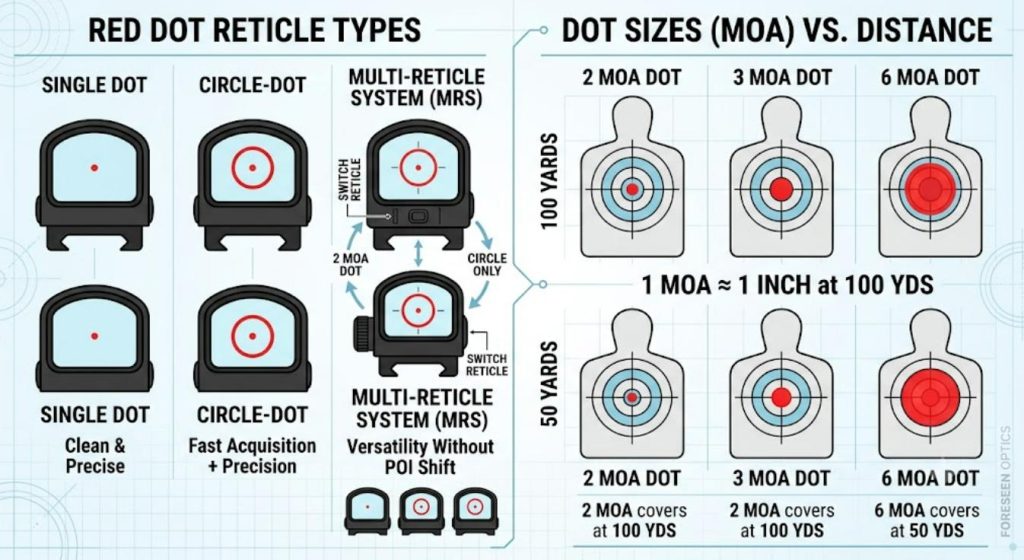
What are the Red Dot Reticle Types?
There are dozens of reticle designs available today, but most commercial red dot sights are built around only a handful of practical patterns. Rather than asking which reticle is “best,” it is more useful to understand where each one performs well.
The table below summarizes the most common red dot reticle types and their typical applications.
| Reticle Type | Best For | Main Advantage | Things to Consider |
| Single Dot | General shooting, hunting, target practice | Clean sight picture and precise aiming | Slightly slower for some users during rapid target transitions |
| Circle Dot | Competition, tactical use, close to medium range | Fast target acquisition while retaining precision | Slightly busier sight picture than a single dot |
| Circle | Close-range shooting and shotguns | Quick centering on large targets | Limited precision at longer distances |
| Crosshair | Precision-oriented applications | Additional aiming reference | Less common on compact reflex sights |
| Chevron / Triangle | Longer-range holdover and precise aiming | Clearly defined aiming tip | Requires user familiarity |
| Other Specialized Reticles | Mission-specific applications | Designed for unique shooting requirements | Availability varies by manufacturer |
Instead of focusing on appearance alone, it helps to think about how the reticle will be used.
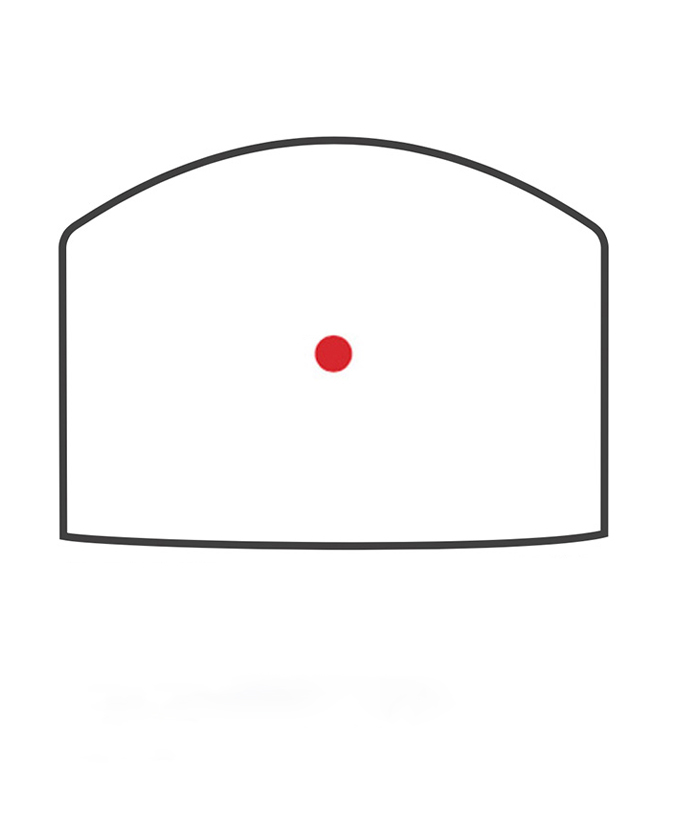
A Single Dot remains the most versatile option for everyday shooting because it keeps the sight picture uncluttered and naturally draws the eye to a single aiming point. This simplicity explains why it continues to be the standard configuration on many hunting and defensive optics.
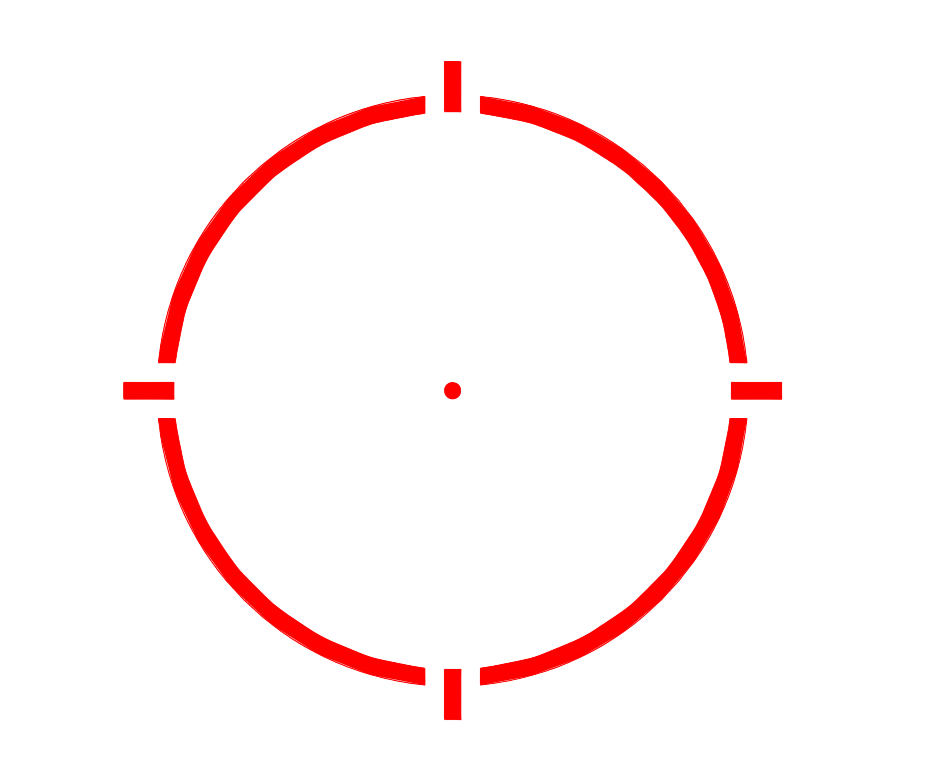
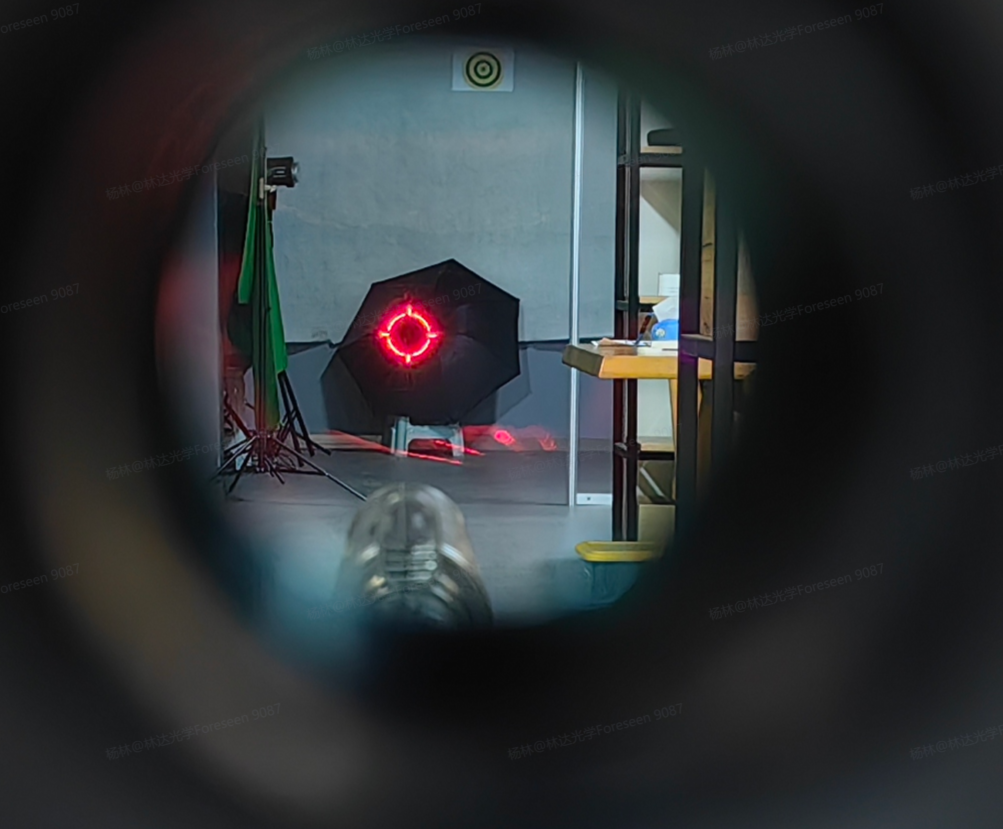
A Circle Dot combines a precise center dot with a larger outer ring. The outer circle naturally guides the eye toward the center, allowing faster target acquisition during dynamic shooting while still preserving accuracy for more deliberate shots. This combination has become one of the most popular configurations in today’s Multi-Reticle red dot systems.
Other reticle patterns—including circles, crosshairs, and chevrons—serve more specialized roles. They can offer advantages in specific applications, but for most users, the decision ultimately comes down to choosing between a clean single dot and a versatile circle-dot configuration.
Rather than trying to find a universally superior reticle, the goal should always be matching the reticle to the intended shooting scenario.
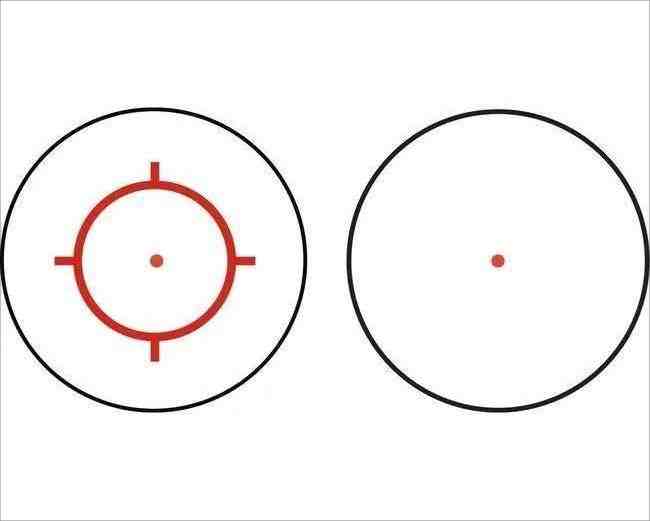
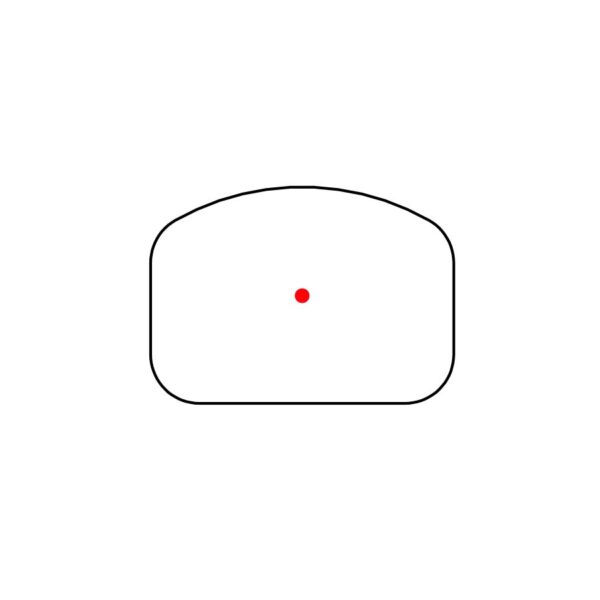


The Rise of the Multi-Reticle Red Dot: Versatility Without Compromise
Not long ago, most red dot sights came with only one reticle option—a single illuminated dot. It was simple, reliable, and effective for a wide range of applications. Today, however, many premium optics offer multiple reticle patterns that can be switched with the press of a button.
This shift isn’t about adding more features for marketing purposes. It’s a response to the fact that no single reticle performs equally well in every shooting scenario.
A hunter moving through dense woodland may want a clean sight picture with minimal visual distractions. A competition shooter engaging multiple steel targets at close range often benefits from a larger reference circle for faster transitions. Someone training at varying distances may even prefer to switch between reticles during different stages of practice.
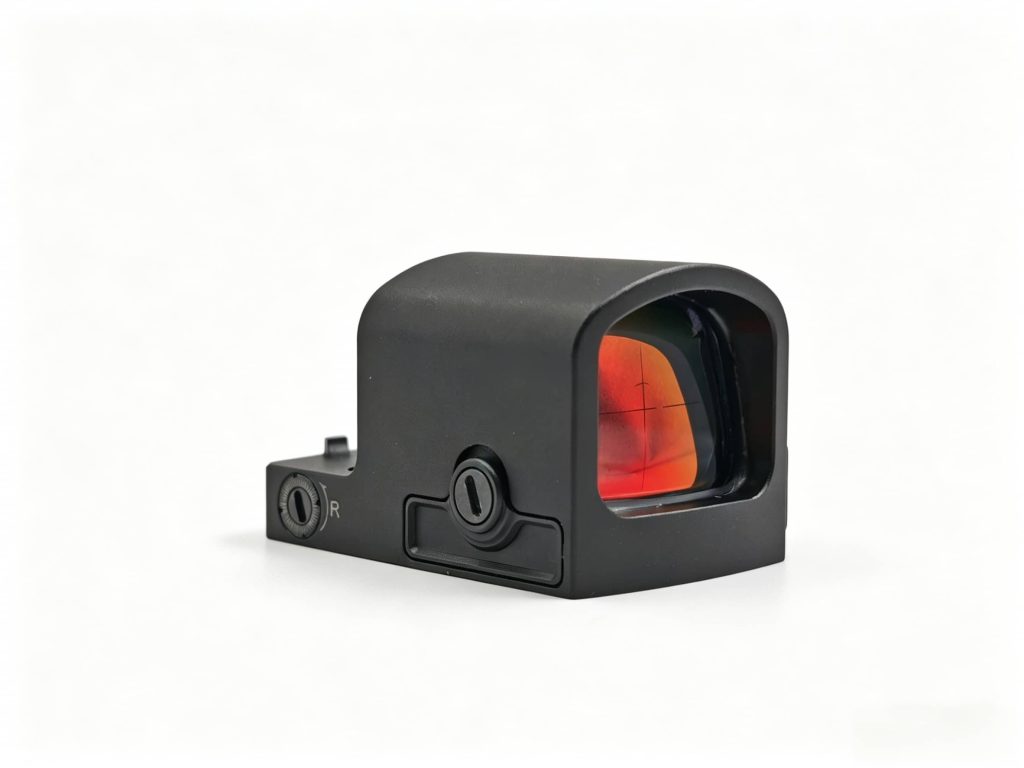
Instead of forcing users to compromise, a Multi-Reticle red dot combines several aiming options within the same optic, allowing one sight to adapt to different tasks.
Why Are Multi-Reticle Systems Becoming More Popular?
The growing popularity of multi-reticle optics is driven by several industry trends rather than a single technological breakthrough.
First, modern shooters often expect one optic to cover multiple applications. A rifle used for recreational shooting today may also be taken hunting or used in a shooting competition tomorrow. Rather than purchasing separate optics for each purpose, many users prefer one sight that offers greater flexibility.
Second, improvements in LED technology and electronic control systems have made reticle switching more reliable than in earlier generations of optics. Changing between different reticle patterns is now fast and intuitive without affecting the optic’s zero, as the reticles share the same optical center.
Finally, the market itself has become more diverse. Brands now develop products for hunters, competitive shooters, tactical professionals, and civilian enthusiasts, each with slightly different preferences. Supporting multiple reticle options allows manufacturers to meet those expectations without redesigning the entire product platform.
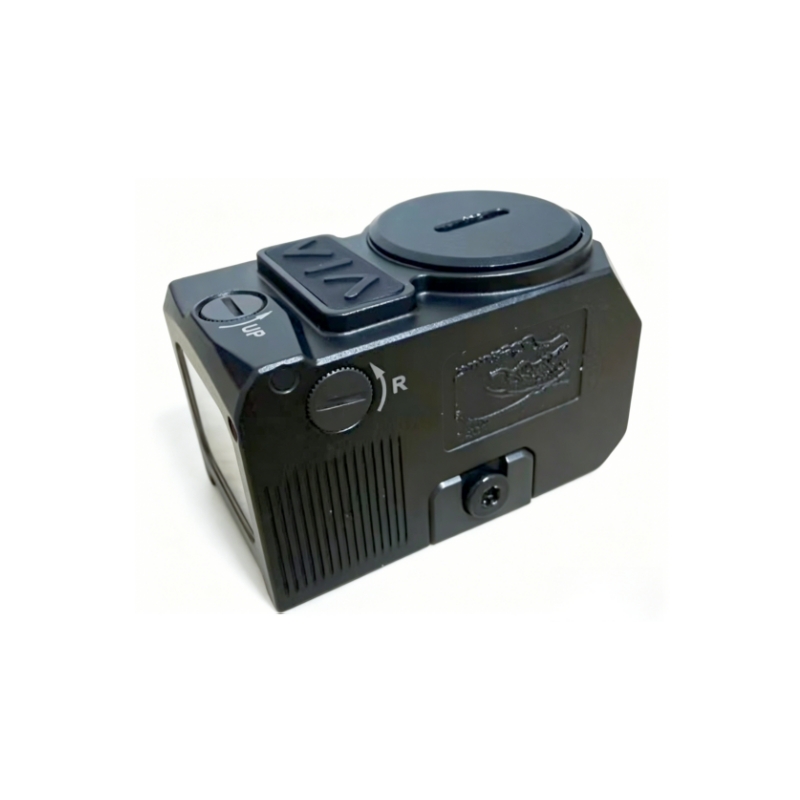

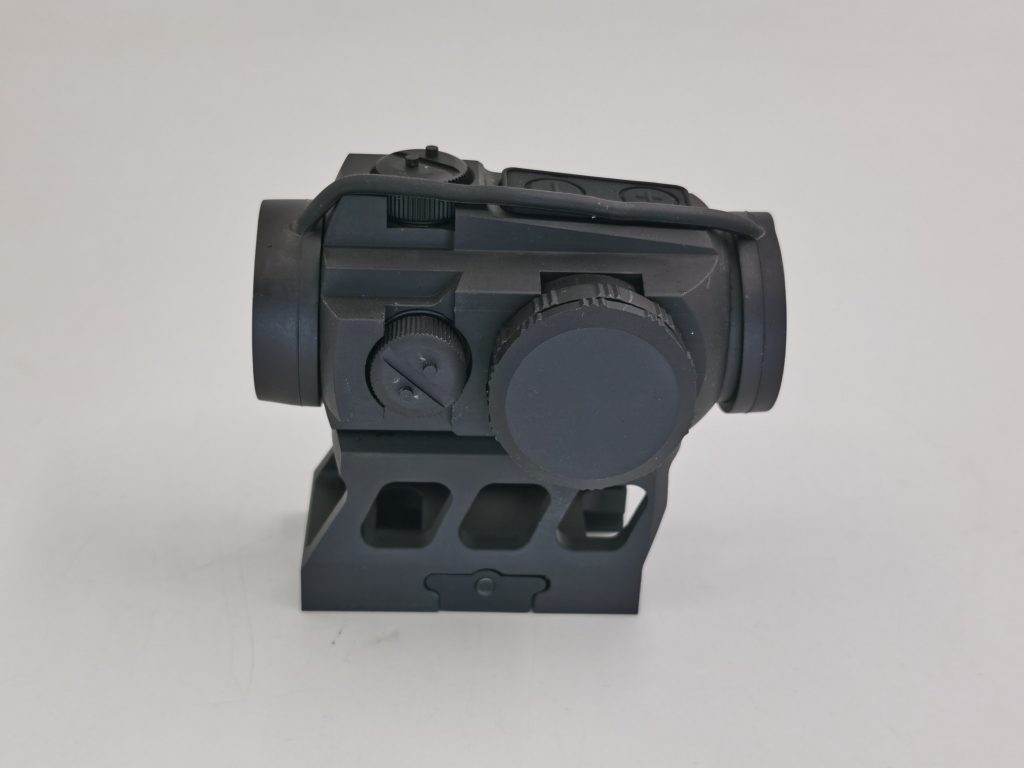
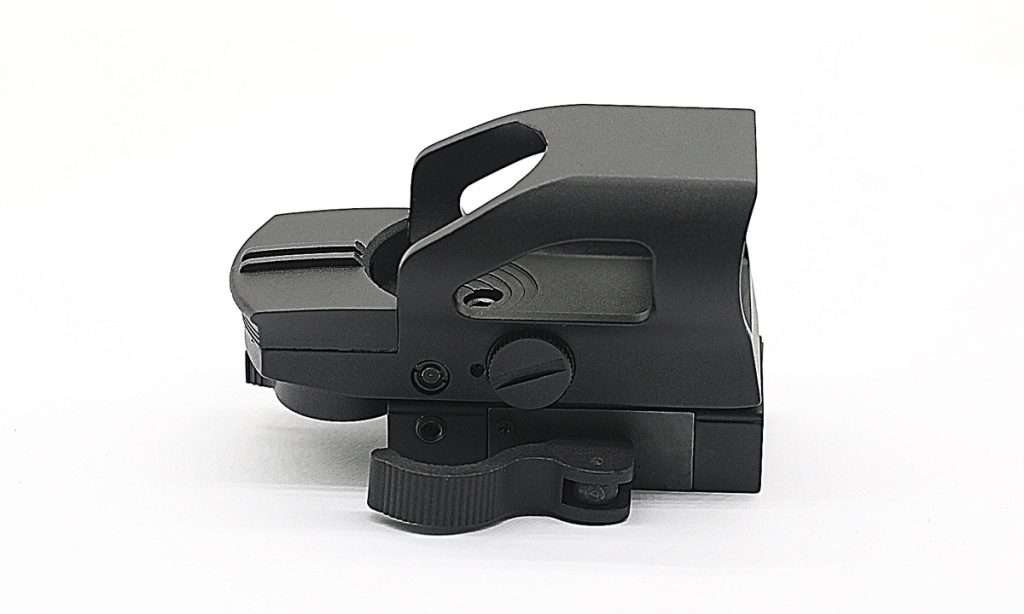
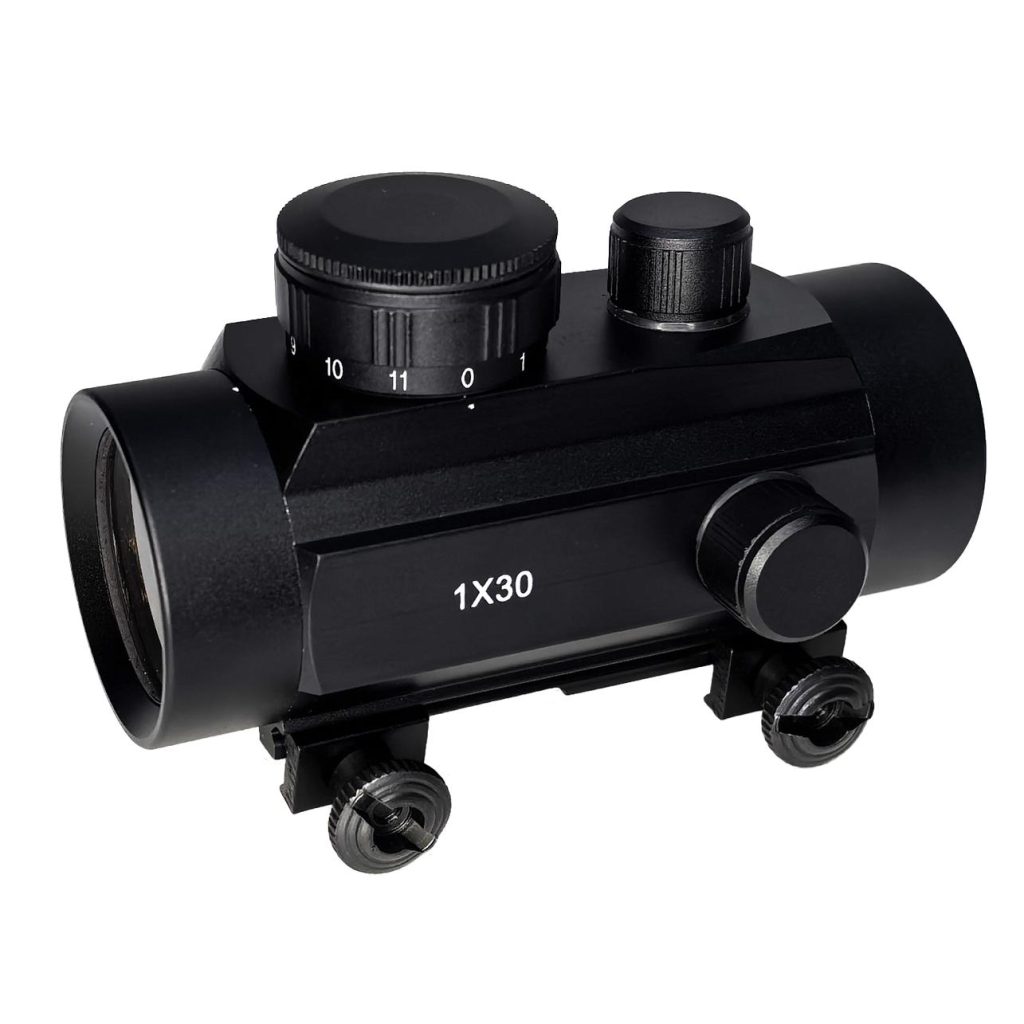
Single Dot vs. Multi-Reticle: Which One Should You Choose?
Neither system is universally better. The right choice depends on how the optic will actually be used.
| Feature | Single Dot | Multi-Reticle Red Dot |
| Simplicity | Excellent | Very Good |
| Learning Curve | Minimal | Slightly higher |
| Flexibility | Limited | Excellent |
| Close-Range Speed | Good | Excellent |
| Precision at Distance | Excellent | Excellent (using center dot) |
| Adaptability | One configuration | Multiple shooting styles |
| Best For | Hunting, general shooting, everyday use | Competition, training, mixed applications |
If your primary goal is precision with minimal distractions, a single dot remains one of the best choices available. Its uncluttered sight picture allows shooters to focus entirely on the target and is often preferred for hunting and general-purpose rifles.
A Multi-Reticle red dot, on the other hand, is ideal for users who regularly switch between shooting environments or simply want the flexibility to customize the aiming experience. The ability to alternate between a single dot for precision and a circle-dot configuration for speed makes one optic suitable for a wider range of tasks.
It’s also worth noting that many experienced shooters spend most of their time using only one reticle, even when multiple options are available. The extra patterns are there when needed, but they don’t have to be used all the time. This flexibility—not complexity—is what makes modern multi-reticle systems appealing.
Which Red Dot Reticle Is Best for Different Shooting Scenarios?
The best red dot reticle is always the one that matches the way the optic will be used. Rather than searching for a universal winner, it’s more practical to consider the shooting environment, target distance, and shooting pace.
The table below provides a quick starting point.
| Shooting Scenario | Recommended Reticle | Why |
| Hunting | Single Dot | Clean sight picture and precise shot placement |
| Competition Shooting | Circle Dot | Faster target acquisition during rapid transitions |
| Home Defense | Circle Dot | Easy to locate under stress at close range |
| Range Training | Multi-Reticle | Allows users to experiment with different reticle patterns |
| AR Platform | Single Dot or Circle Dot | Depends on intended use and shooting distance |
| Shotgun | Circle | Large reference ring helps with moving targets |
| Precision Practice | Small Single Dot | Covers less of the target for finer aiming |
While this table provides general guidance, several scenarios deserve a closer look.
Hunting
Hunting often involves unpredictable lighting, partially obscured targets, and limited shooting opportunities. In these situations, a clean single dot usually offers the best balance between speed and precision. It minimizes distractions and allows the shooter to focus on accurate shot placement, especially when aiming at medium or longer distances.
Competition and Dynamic Shooting
Competitive stages often require engaging multiple targets quickly while moving between shooting positions. Here, a Circle Dot reticle can help the eye locate the aiming point more naturally, reducing the time needed to transition from one target to the next.
The larger outer ring is not intended to improve accuracy directly. Instead, it helps guide the eye toward the center dot, particularly during rapid target acquisition.
Home Defense and Close-Range Applications
At defensive distances, speed generally matters more than extreme precision. Many shooters appreciate the visual reference provided by a circle-dot configuration because it is easy to pick up under pressure and in varying lighting conditions.
Training and Skill Development
One of the biggest advantages of a Multi-Reticle red dot is the ability to compare different aiming patterns during practice.
For example, shooters can perform the same drill using a single dot and then repeat it with a circle-dot reticle. This direct comparison helps them determine which configuration feels faster or more intuitive without changing optics.
For instructors, distributors, and product evaluators, this versatility also makes multi-reticle optics useful demonstration tools.


Tips for Wholesalers and Brands
For distributors, retailers, and private-label brands, choosing a red dot sight involves more than deciding between a single dot or a Multi-Reticle red dot. Long-term product performance depends on the quality of the optical system, electronic design, manufacturing consistency, and the supplier’s ability to support product customization.
As competition in the optics market continues to grow, many brands are looking beyond standard catalog products and partnering with experienced OEM red dot manufacturers to develop products that better fit their target customers.
Choosing a Reliable OEM Red Dot Manufacturer
A red dot reticle may appear simple, but delivering consistent performance requires precise engineering and quality control throughout the manufacturing process.
When evaluating a red dot factory, consider factors that directly affect product reliability rather than focusing only on specifications.
Reticle Clarity and Brightness
A high-quality reticle should remain sharp, evenly illuminated, and easy to distinguish against different backgrounds. Brightness adjustment should provide enough range for both bright daylight and low-light environments without excessive blooming or glare.
Zero Retention
Changing recoil forces, transportation, and repeated use should not cause the point of impact to shift. Reliable zero retention depends on structural design, component quality, and thorough testing during production.
Optical Performance
Reticle quality should always be evaluated together with optical performance. Lens coatings, light transmission, and color fidelity all influence how clearly the reticle appears and how easily shooters can identify their targets in different environments.
Manufacturing Consistency
For wholesalers and brands, consistency is often more important than any single product sample. Every production batch should maintain the same optical quality, reticle alignment, brightness performance, and mechanical tolerances to ensure a consistent user experience.
Rather than asking only, “Can you manufacture this sight?”, a more valuable question is:
“Can you manufacture the same quality consistently at scale?”
That is often what separates an experienced OEM red dot manufacturer from a general supplier.
OEM & ODM Solutions for Growing Brands
As customer preferences continue to evolve, more brands are moving beyond standard off-the-shelf products and developing optics tailored to specific markets. An experienced manufacturing partner should be able to support this process from concept to production.
At Foreseen Optics, OEM and ODM projects can be developed around different market requirements rather than a one-size-fits-all approach. Depending on the project, customization may include:
- Reticle options, including single dot or Multi-Reticle red dot configurations.
- Housing design to match different firearm platforms and market positioning.
- Mounting footprints compatible with popular industry standards.
- Logo engraving, packaging, and branding for private-label products.
- Optical configuration adjustments, such as lens coatings or brightness settings, based on regional customer preferences.
More importantly, product development is approached as a collaborative process. Instead of simply manufacturing an existing design, experienced engineering teams can help evaluate feasibility, optimize production, and recommend practical improvements before mass production begins.
For distributors and emerging brands, this collaborative approach can reduce development time while improving product consistency and long-term market competitiveness.
Final Thoughts
There is no single red dot reticle that outperforms every other design in every situation. The right choice depends on how the optic will actually be used.
A clean Single Dot remains one of the best options for shooters who value simplicity and precision, while a Multi-Reticle red dot offers greater flexibility for users who switch between different shooting environments or want one optic that can adapt to multiple applications.
For brands and distributors, selecting the right reticle is only part of the equation. Working with a reliable OEM red dot manufacturer ensures that reticle performance, optical quality, durability, and manufacturing consistency all meet the expectations of today’s market.
Whether you’re expanding an existing product line or developing a new optics brand, choosing the right manufacturing partner can make the difference between offering another standard product and delivering a solution that truly stands out.
If you’re exploring custom red dot sight development or looking for an experienced red dot factory, Foreseen Optics is ready to support your project—from product design and prototype development to full-scale OEM and ODM production.
Looking for a reliable OEM red dot manufacturer?
Contact Foreseen Optics to discuss your next red dot sight project, explore customization options, or learn how our engineering and manufacturing capabilities can help bring your product ideas to market.
FAQ
- What is the most versatile red dot reticle?
For many users, a Circle Dot or Multi-Reticle red dot offers the greatest versatility because it combines fast target acquisition with a precise center aiming point. However, the best choice still depends on the intended shooting application.
- Is a Multi-Reticle red dot more accurate?
Not necessarily. Accuracy is primarily determined by the center aiming point, the optic’s optical quality, and the shooter’s technique. A multi-reticle system provides more aiming options rather than inherently improving accuracy.
- Does reticle type affect shooting speed?
Yes. Larger reference patterns, such as a circle-dot reticle, can help many shooters locate the aiming point more quickly during close-range or dynamic shooting. A simple single dot may be preferable when precision is the primary objective.
- What’s the difference between a reticle pattern and dot size?
A reticle pattern refers to the shape of the aiming reference, while dot size (such as 2 MOA or 3 MOA) describes the size of the center aiming point. These are two separate specifications and should not be confused.
- Why do brands work with an OEM red dot manufacturer?
OEM manufacturers help brands develop customized products with specific reticle options, optical configurations, branding, and mounting standards while ensuring consistent quality across production batches.