Have you ever finalized a major sourcing order for high-end red dot sights, only to discover the mounting screws don’t align with your pistol slides? Or perhaps you’ve hit a frustrating assembly roadblock because the indexing pins are just a fraction of a millimeter too tall?
If you have experienced this costly delay, you already know the culprit: a mismatch in the red dot footprint.
For industry newcomers, wholesalers, and brand developers, navigating the current landscape of optics mounting standards can feel like drowning in an alphabet soup of acronyms. If you find yourself constantly untangling the technical differences of an rmr vs rmsc footprint, or second-guessing whether an ACRO mount is the right fit for your next tactical product line. Here we will cut through the confusion. We are breaking down the four industry-dominating mounting standards, unpacking their precise technical dimensions, and helping you determine exactly which footprint will drive your business forward.
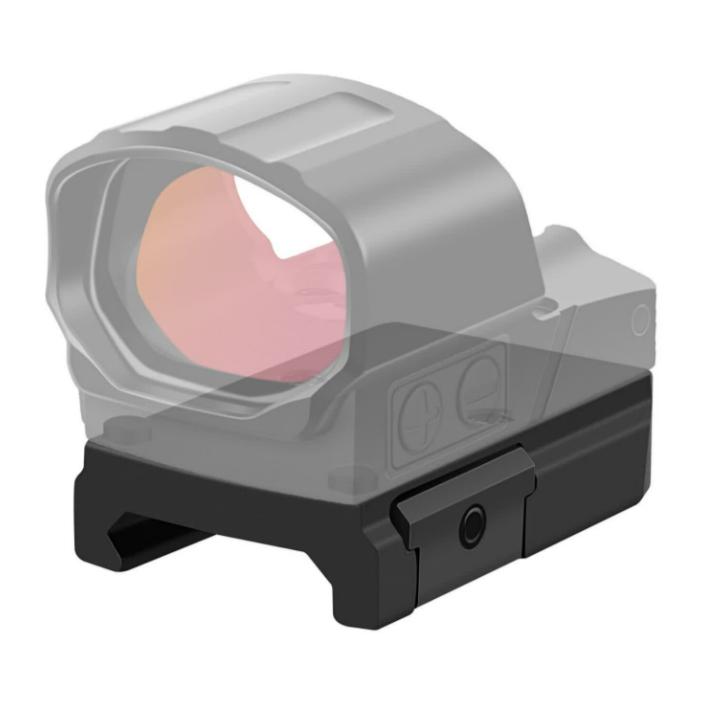
What is a Red Dot “Footprint” and Why Does It Matter?
In the simplest terms, a red dot footprint is the physical blueprint of the bottom of an optic and the top of its corresponding mounting surface. It is the specific combination of screw hole spacing, alignment pin (boss) layouts, and the physical length and width of the housing socket.
Understanding this layout is crucial because the industry lacks a singular, universal standard. Instead, several major manufacturers have established their own proprietary dimensions over the years, which have now become open-market templates.
For an OEM red dot manufacturer or a global distributor, getting the footprint right is everything. A minor variance in socket depth or a shift in thread pitch from a metric M3 to an American #6-32 screw means your product simply won’t seat correctly. Direct-mounting an optic to a matching slide ensures the lowest possible sight line and the most robust connection against harsh recoil. When footprints don’t match, you are forced to rely on adapter plates, which add bulk, height, and potential failure points to the weapon system.
Handgun Footprints – Open vs. Enclosed
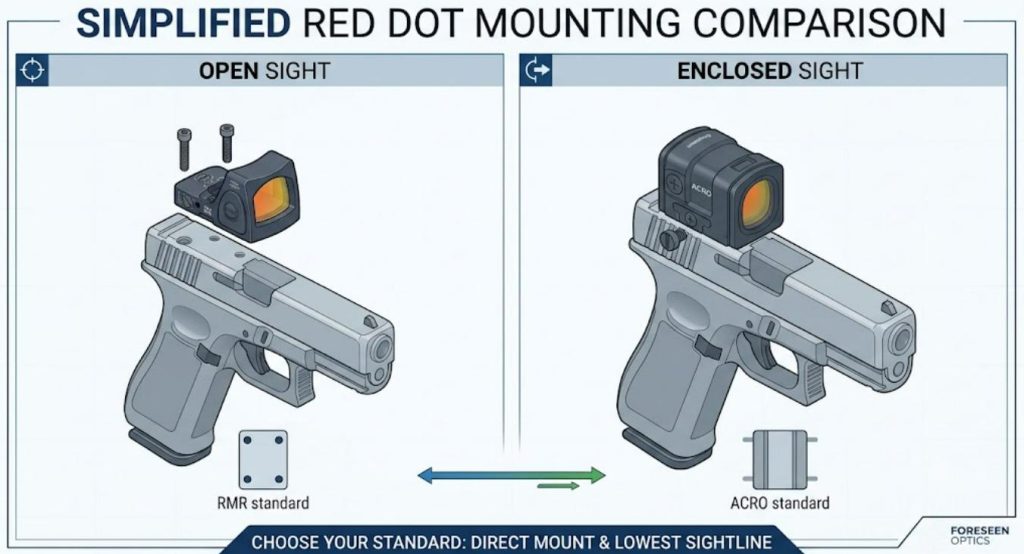
Handgun optics are generally split into two design philosophies: open emitters (where the laser diode is exposed to the elements) and enclosed emitters (where the optics are sealed inside a protective box). This split heavily influences how they are mounted.
Trijicon RMR Footprint: The Undisputed Full-Size Champion
If there is a gold standard in the full-size handgun world, this is it. Developed by Trijicon for the rugged Ruggedized Miniature Reflex (RMR), this footprint features two prominent screw holes and two alignment sockets in the far front corners.
Because of its massive market share, almost every major full-size duty pistol manufacturer offers an factory-cut slide that natively accepts rmr mount red dots. It is highly durable and handles the violent reciprocating motion of heavy tactical slides effortlessly.
- Key Specs: Two front alignment pins, standard American #6-32 threaded screw holes.
- Common Compatible Models: Trijicon RMR/SRO, Holosun 407C/507C/508T, and various duty-grade open reflexes.
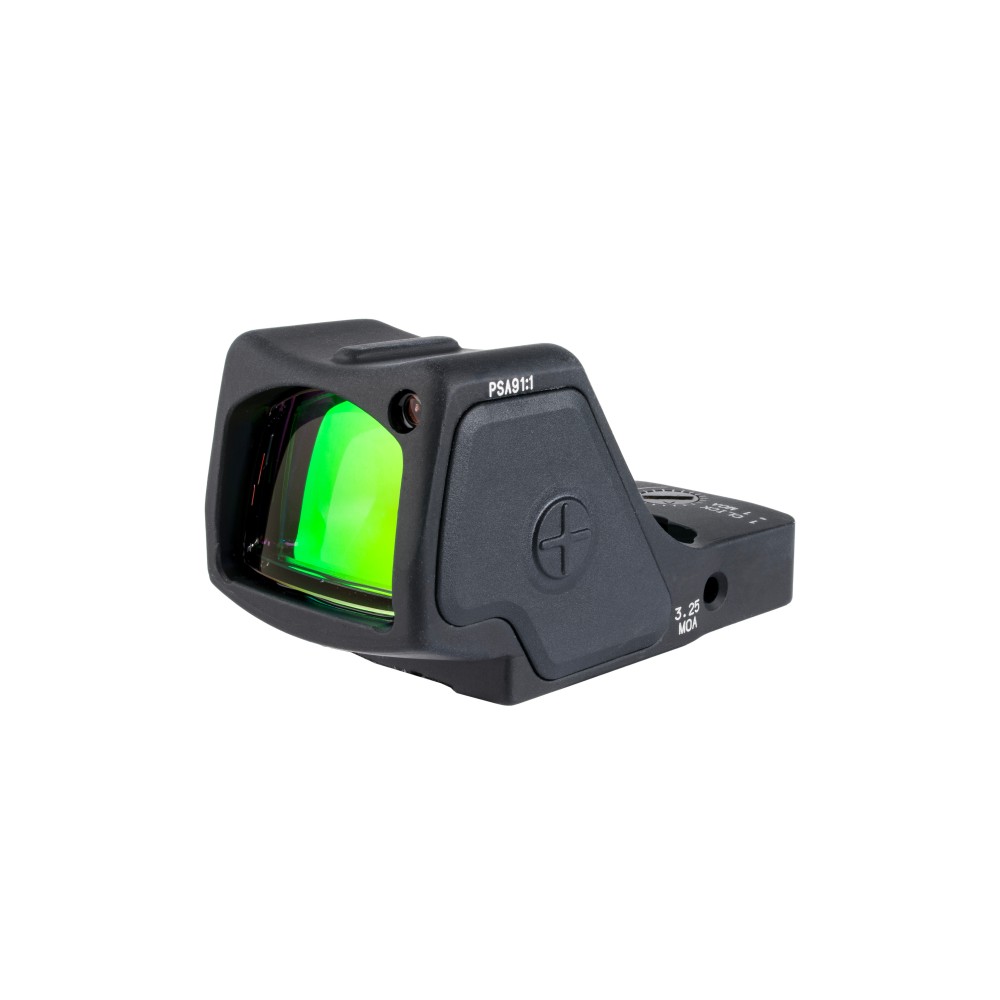
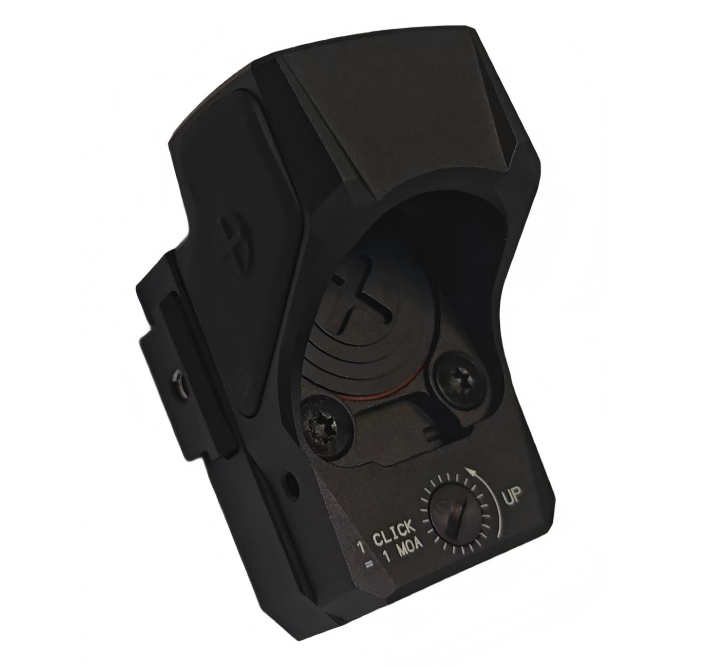
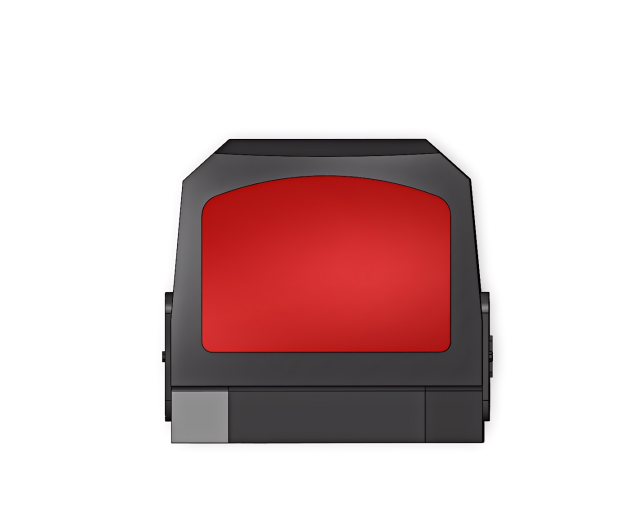
Shield RMSc Footprint: The Master of Subcompact & Slimline CCW
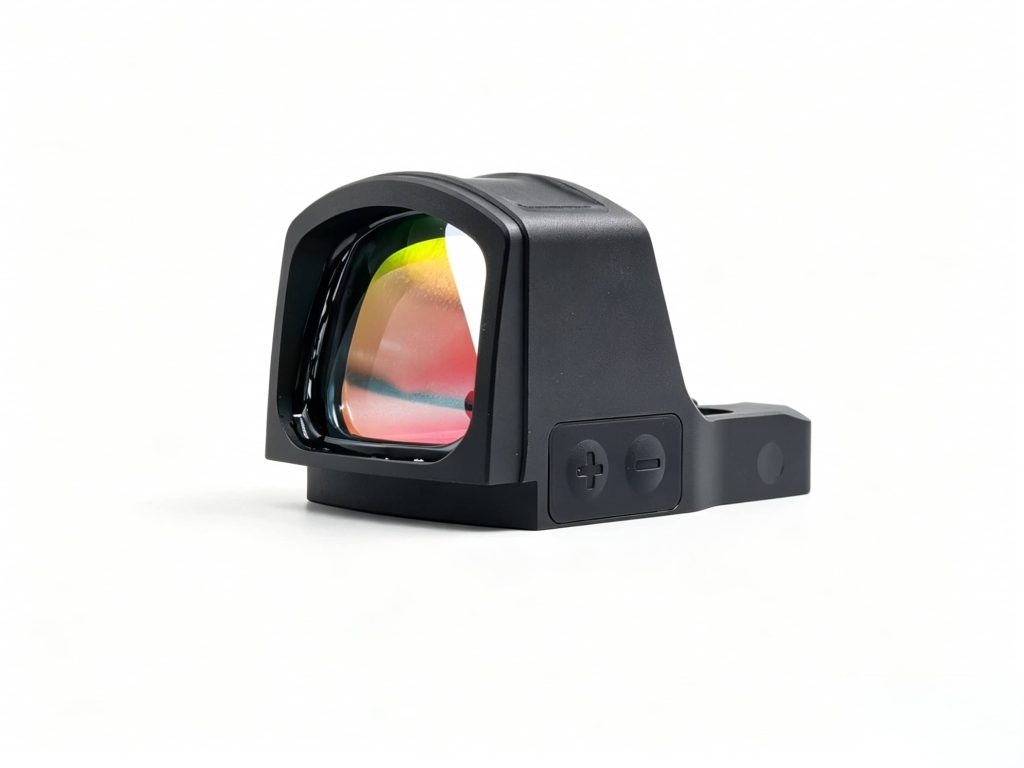
As concealed carry pistols became slimmer and smaller, full-size optics began overhanging the edges of the slides. Enter the Shield RMSc standard. This micro-footprint features four alignment sockets—one in each corner—and a much narrower profile designed to sit completely flush with slimline slides.
However, if you are looking into rmsc mount red dots, you need to watch out for a very common industry variation. Brands like Holosun created a modified version of this footprint for their micro sights (the K-Series). They removed the two rear recoil sockets and shaved down the height of the front two pins. If you try to mount a standard RMSc optic onto a slide modified strictly for the K-series without checking these pin depths, it won’t sit flat.
- Key Specs: Four corner alignment pins, compact housing, typically metric M4 or M3 screws.
- Common Compatible Models: Shield RMS/RMSc/SMS, Sig Sauer Romeo Zero, Holosun 407K/507K (Modified).
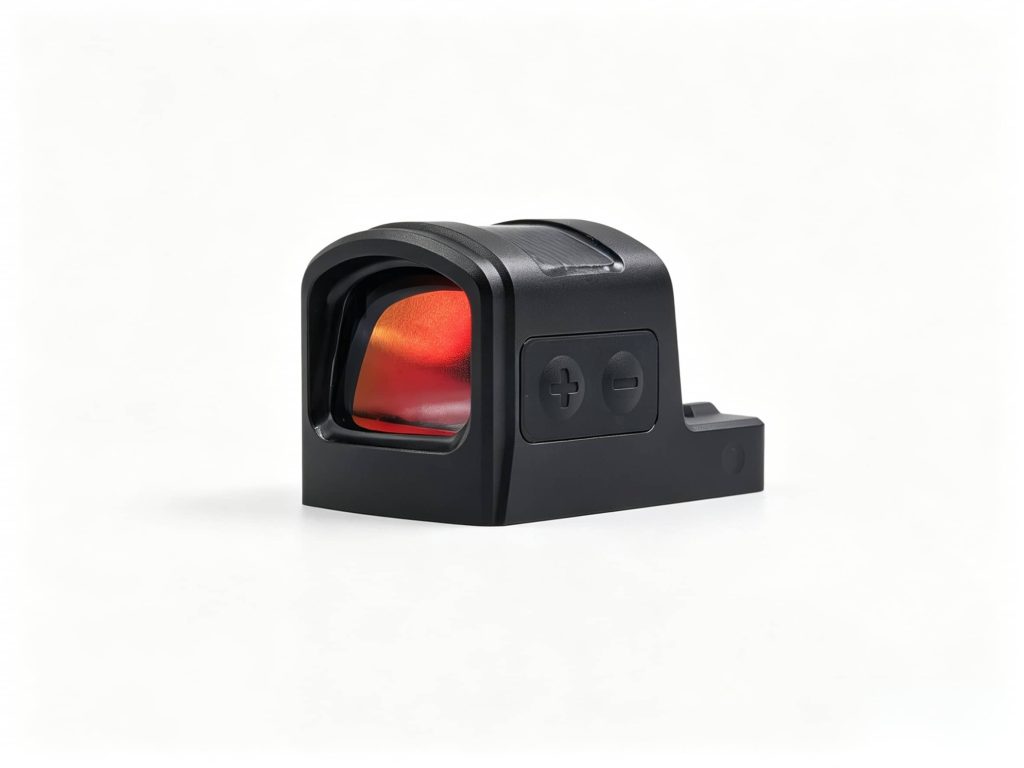
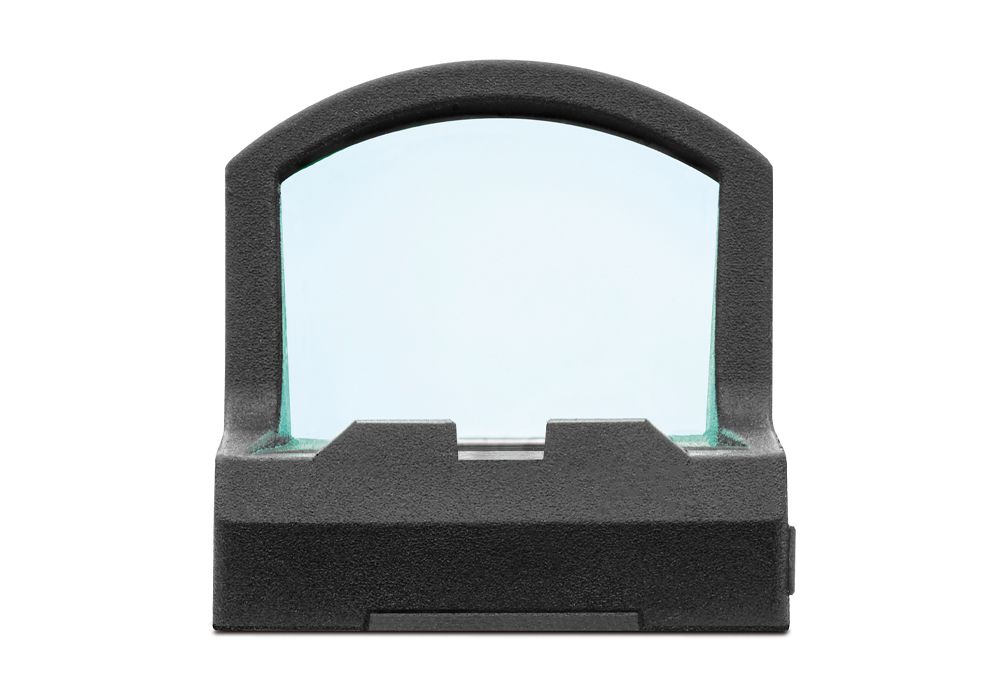
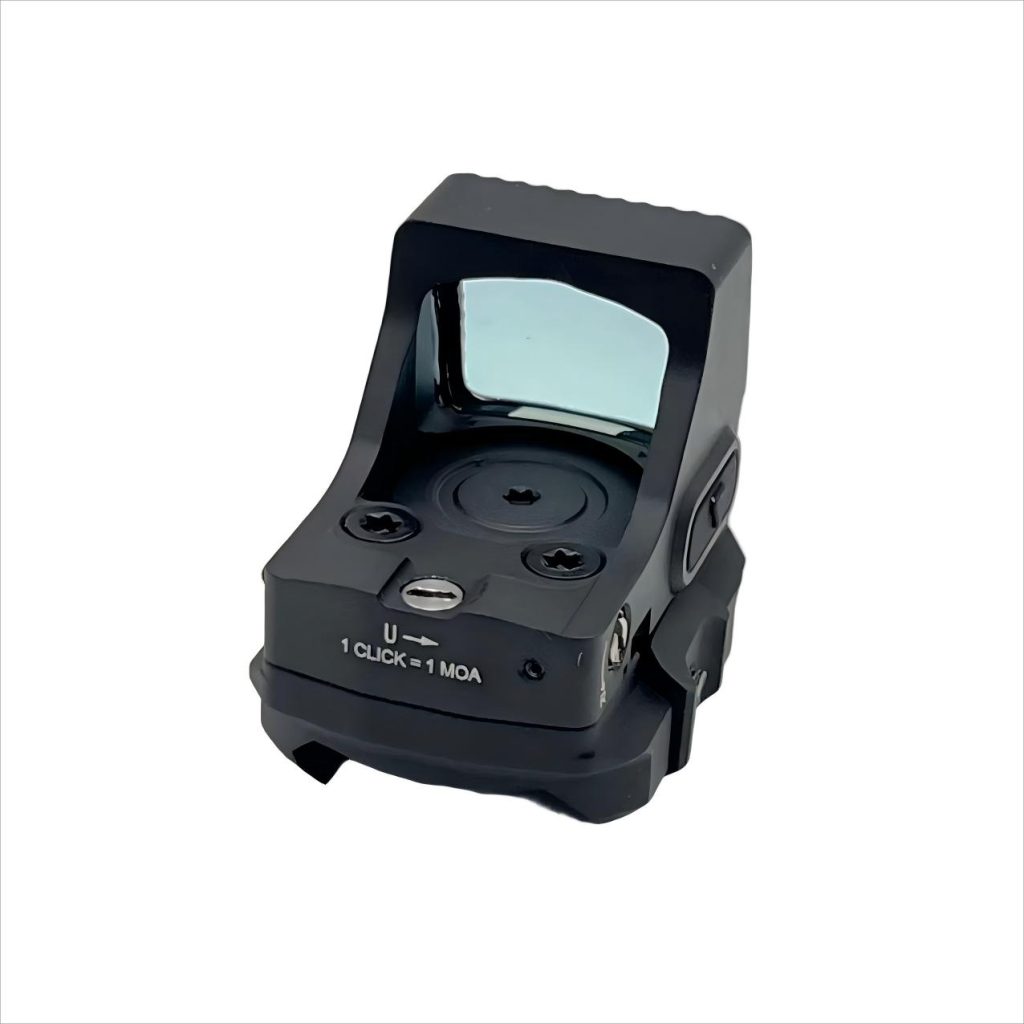
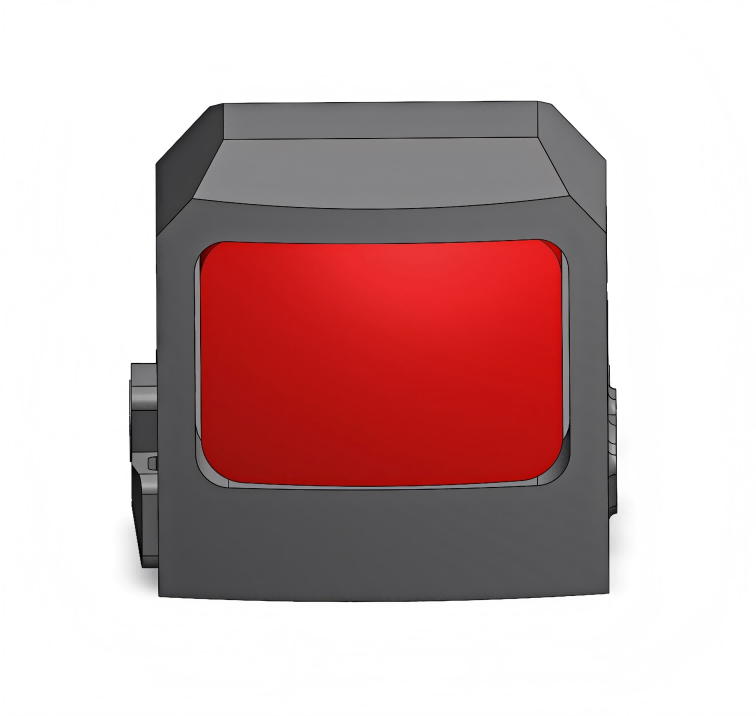
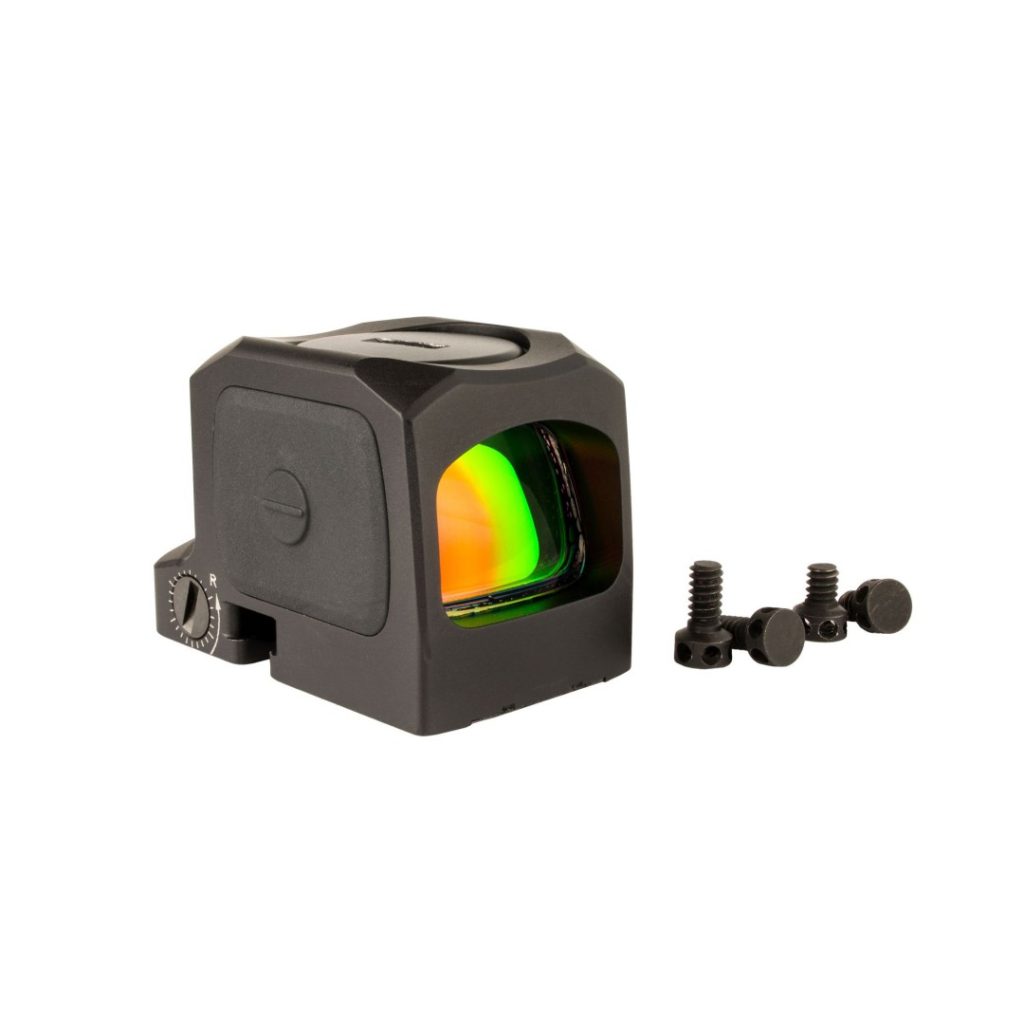
Aimpoint ACRO Footprint: The Future of Enclosed Duty Optics
The Aimpoint ACRO standard completely reimagines handgun mounting. Because enclosed-emitter sights are built like miniature boxes to protect the internal electronics from rain, mud, and debris, they cannot use traditional top-down vertical screws.
Instead, the ACRO footprint uses a built-in cross-bolt clamp interface. The bottom of the optic slide slots horizontally into a miniature dovetail base, and a side-mounted cross-bolt clamps it down securely. This eliminates the shearing stress that vertical screws experience under recoil, making it arguably the most rugged handgun interface on the market today.
- Key Specs: Clamping cross-bolt system, zero vertical screw holes through the housing, maximum weatherproofing.
- Common Compatible Models: Aimpoint ACRO P-1/P-2, Steiner MPS, and modern enclosed tactical sights.
Rifle Platforms – The Universal Long-Gun Ruler
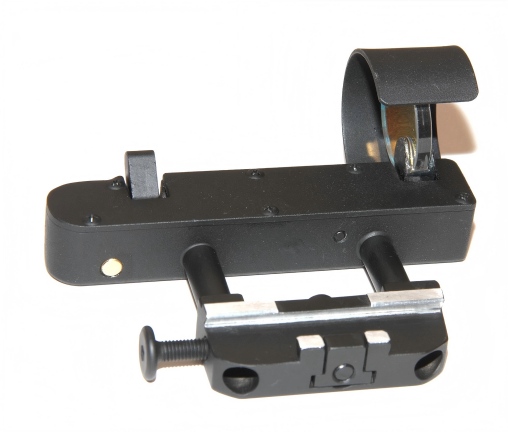
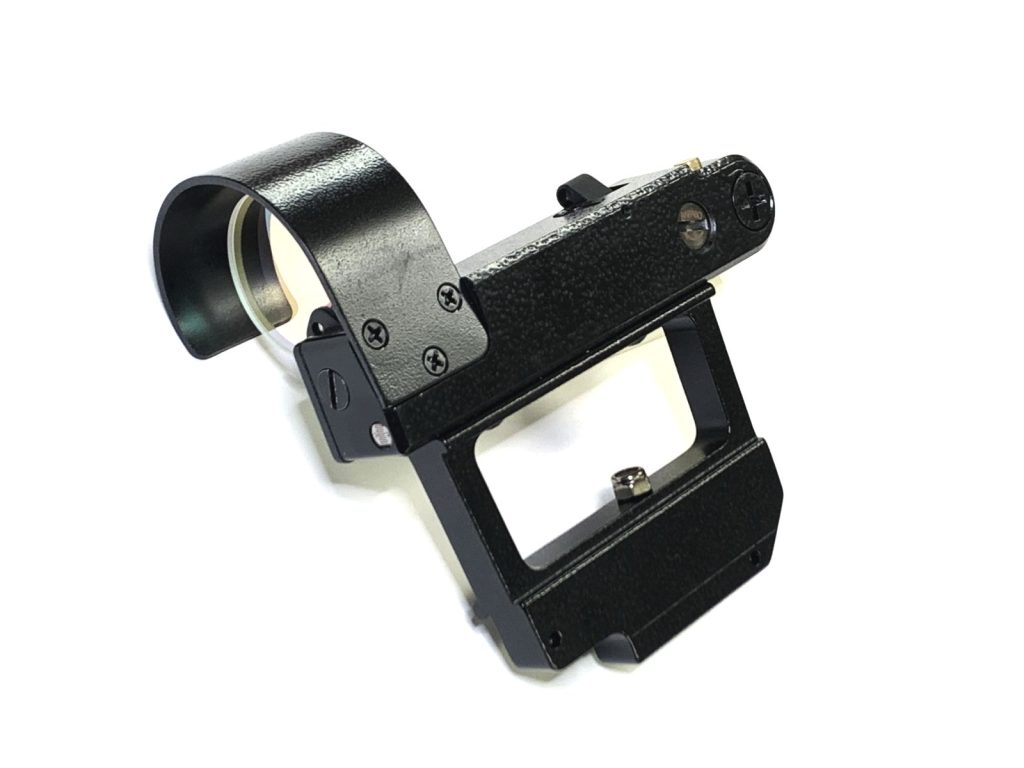
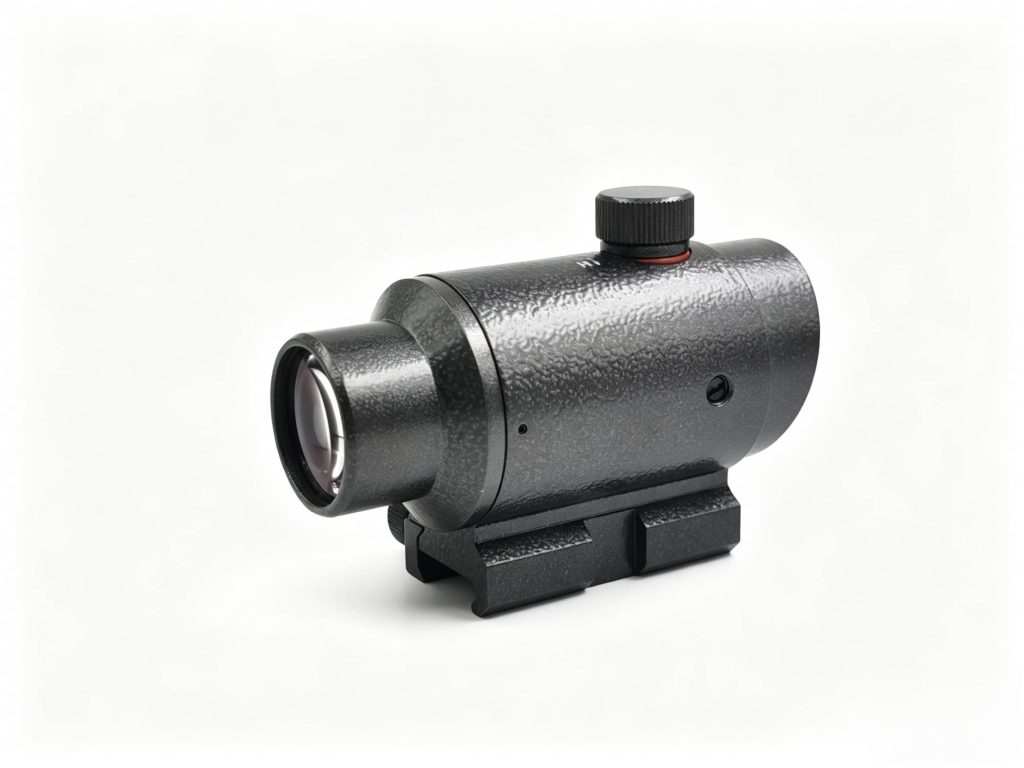
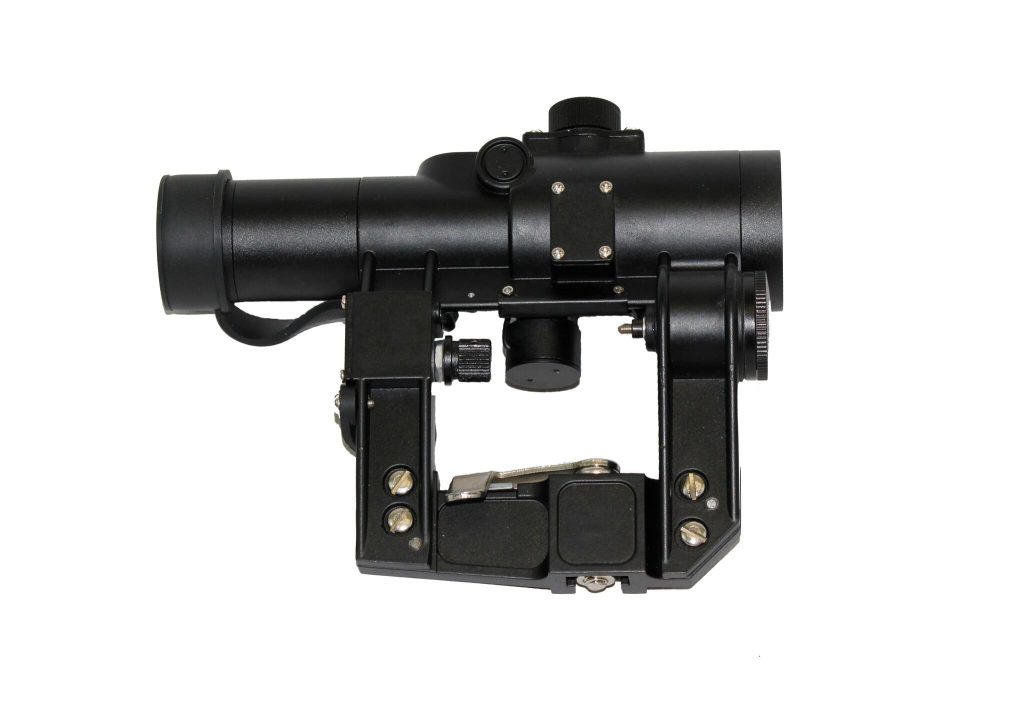
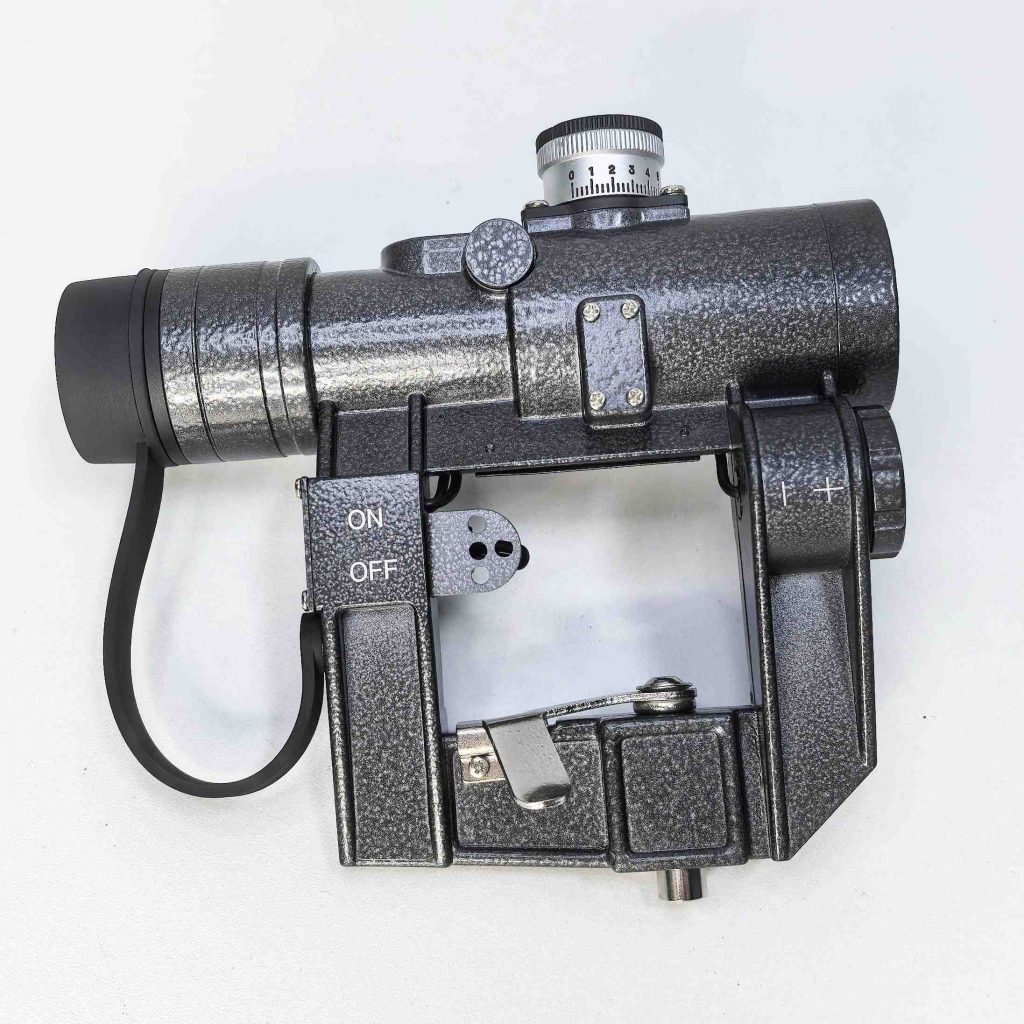
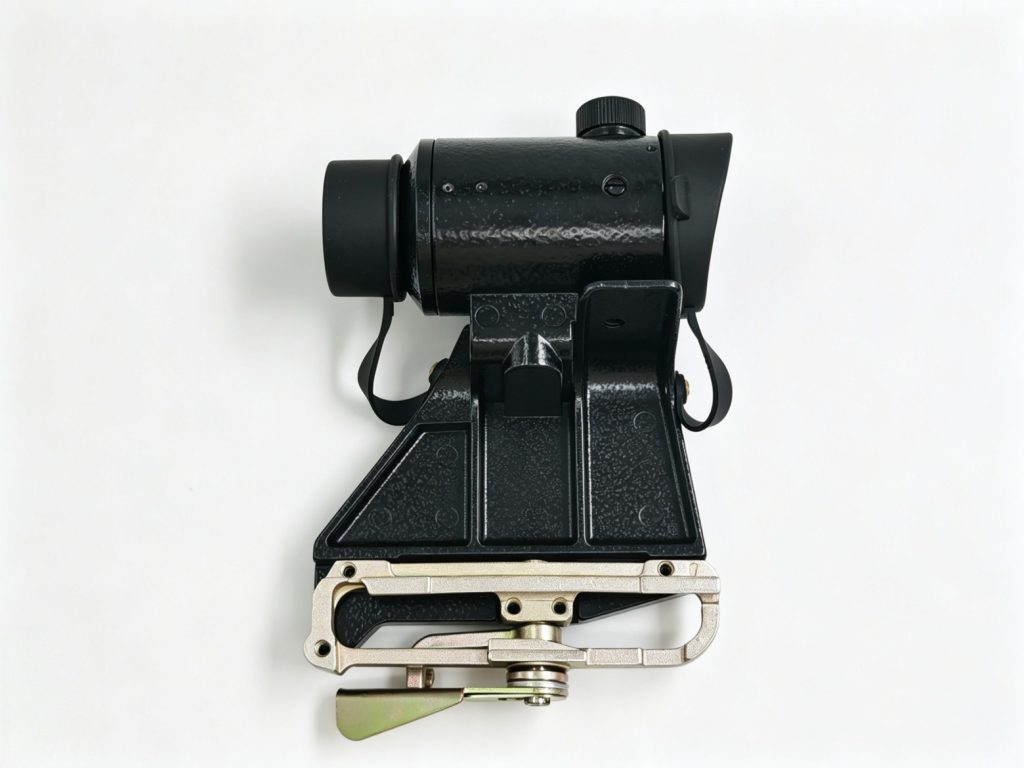
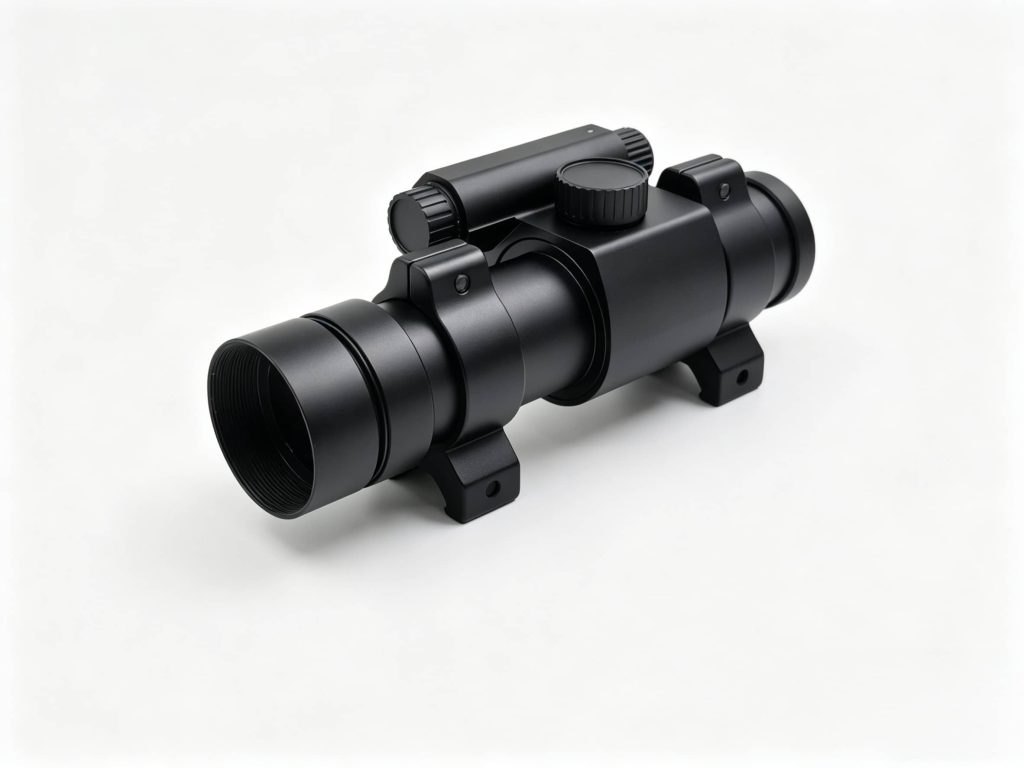
Aimpoint Micro (T1/T2) Footprint: The Long-Gun Standard
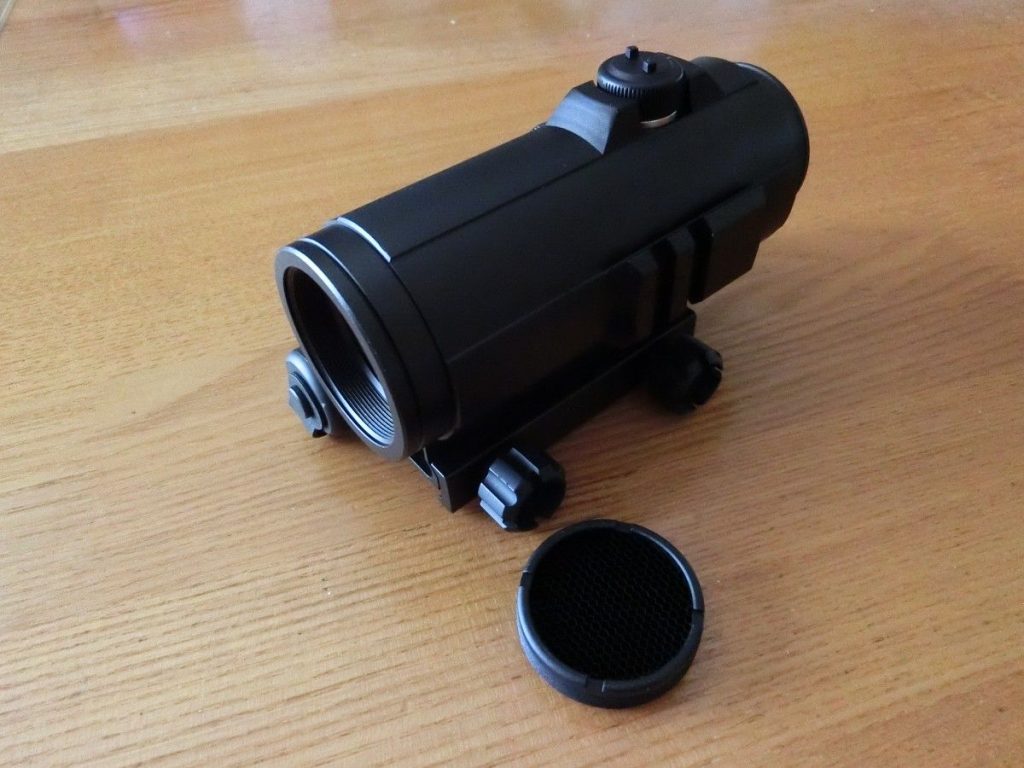
While handguns struggle with a split market, the rifle, carbine, and PDW (Personal Defense Weapon) worlds have largely unified around a single king: the Aimpoint Micro footprint. Whether you are sourcing a rugged rifle red dot for tactical carbines or outfitting a high-recoil platform, this standard rules the industry.
Often referred to simply as the “T1/T2 standard,” this layout is designed for optics mounted via a separate riser or base onto a MIL-STD-1913 Picatinny rail. The bottom of the optic features a distinct longitudinal center slot acting as a massive recoil boss, surrounded by four bottom-up mounting screws.
Because it is the dominant standard for long guns, an incredibly rich ecosystem of aftermarket tactical risers, quick-detach (QD) mounts, and specialized tall bases (like Unity Tactical or Scalarworks) are built specifically around this exact hole pattern.
- Key Specs: Central longitudinal recoil slot, 4 bottom-up screw points, optimized for extreme vertical shock resistance on rifles and shotguns.
- Common Compatible Models: Aimpoint Micro T-1/T-2/H-1/H-2, Sig Sauer Romeo5, Holosun 403C/503C series.
Comparing the Most Popular Red Dot Footprints
To give you a clean, bird’s-eye view of how these standards stack up technically, we have compiled their core manufacturing specifications below.
| Footprint Standard | Mounting Style | Pins/Bosses Layout | Standard Screws | Primary Platform | Best For |
| Trijicon RMR | Top-down Vertical | 2 Front Corner Sockets | #6-32 | Full-Size / Compact Pistols | Duty Use & Combat |
| Shield RMSc | Top-down Vertical | 4 Corner Sockets | M4 or M3 | Subcompact / Slimline CCW | Concealed Carry |
| Aimpoint ACRO | Side Cross-Bolt | Integrated Dovetail Clamp | N/A (Cross-bolt) | Handgun (Enclosed) | All-Weather Tactical |
| Aimpoint Micro | Bottom-up Vertical | Central Longitudinal Slot | M3 | Rifles / Carbines / PDWs | Primary Long-Gun Sights |
How to Choose for Wholesalers and Brands?
If you are managing inventory or developing a new product line, choosing which footprint to back isn’t just a technical decision—it is a critical business strategy.
Distributors: Inventory Strategy
For distributors supplying commercial retail markets, your safest and most profitable bet is to balance your stock based on handgun sales trends. A smart inventory split should heavily favor RMR and RMSc compatible optics. Together, these two layouts cover over 80% of the existing optics-ready handgun market. Keeping a healthy supply of both ensures you can fulfill orders for full-size duty shooters as well as the massive concealed-carry demographic.
Brands: OEM/ODM Customization
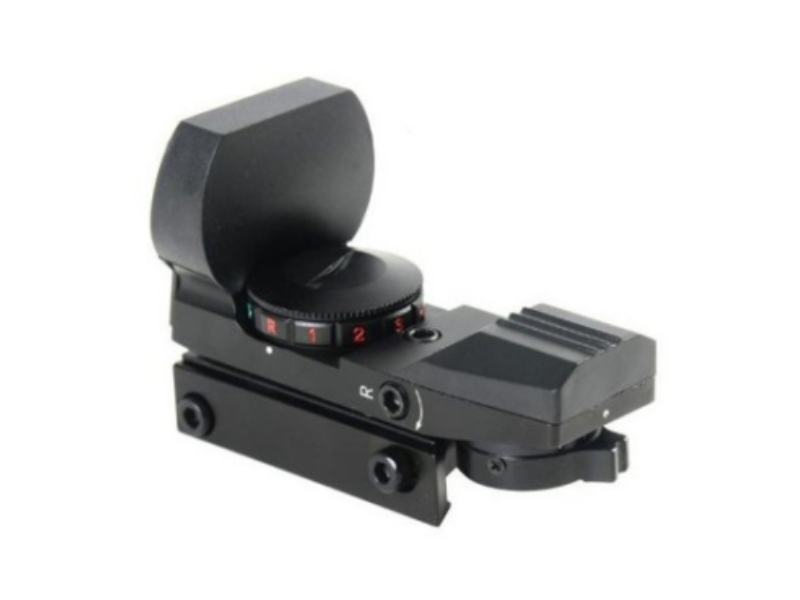
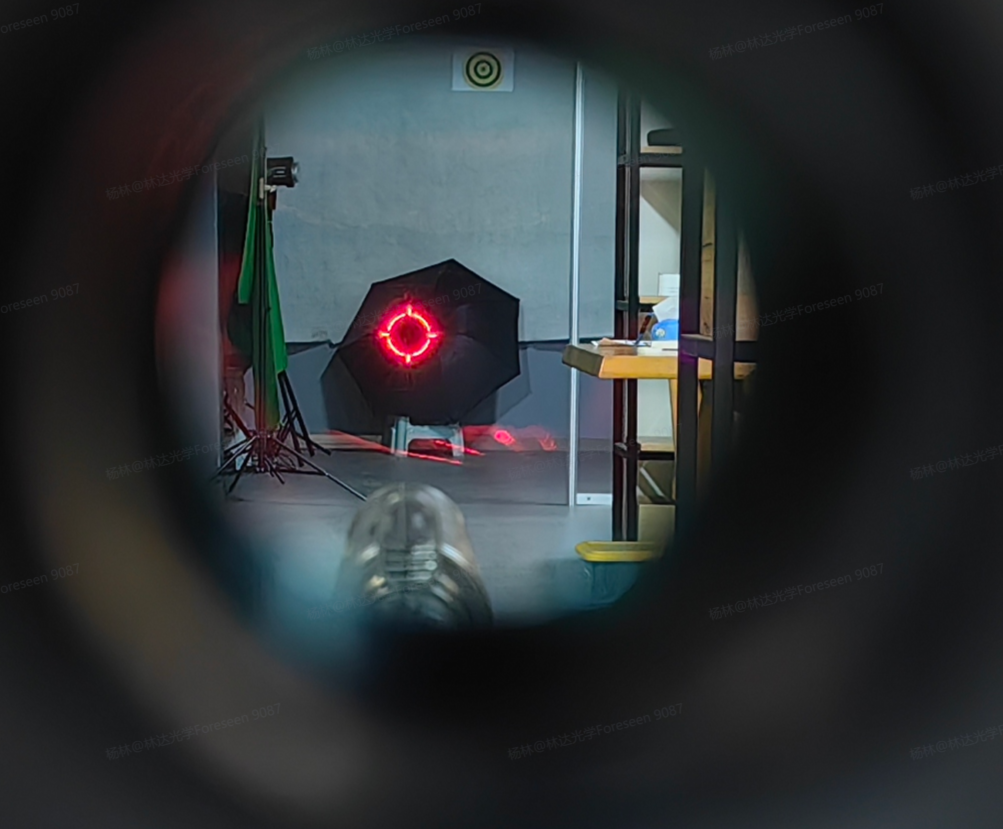
If you are developing a proprietary product line or partnering with an OEM red dot manufacturer, look closely at where the market is moving. While open reflexes still dominate retail sales, the tactical, military, and law enforcement sectors are shifting rapidly toward enclosed optics. Investing in an ACRO-compatible enclosed system or developing highly ruggedized rmr mount red dots will position your brand at the premium end of the market.
Adapter Plates vs. Direct Mount
As a business, you will constantly face the debate of whether to sell platform-specific direct-mount optics or universal optics that rely on adapter plates.
- Adapter Plates: Great for flexibility. One optic can fit five different guns just by changing a cheap metal plate. However, plates raise the optic height, increasing your height-over-bore measurement and adding more screws that could back out under stress.
- Direct Mount: The gold standard for end-users. It eliminates the middleman plate, allowing the red dot to sit as low as possible for natural point-of-aim alignment and ensuring maximum mechanical strength.
Final Words
Navigating the landscape of red dot footprints doesn’t have to be a guessing game. By understanding the core boundaries—RMR for full-size reliability, RMSc for slimline concealment, ACRO for enclosed durability, and Micro for rifle platforms—you can make precise, data-driven decisions for your inventory or product development.
At Foreseen Optics, we specialize in engineering and manufacturing rugged, high-precision tactical sights that adhere strictly to international footprint standards. Whether you are looking to expand your retail catalog with tournament-ready reflex sights or need an experienced B2B partner for custom OEM/ODM development, our engineering team is here to help, feel free to contact now.