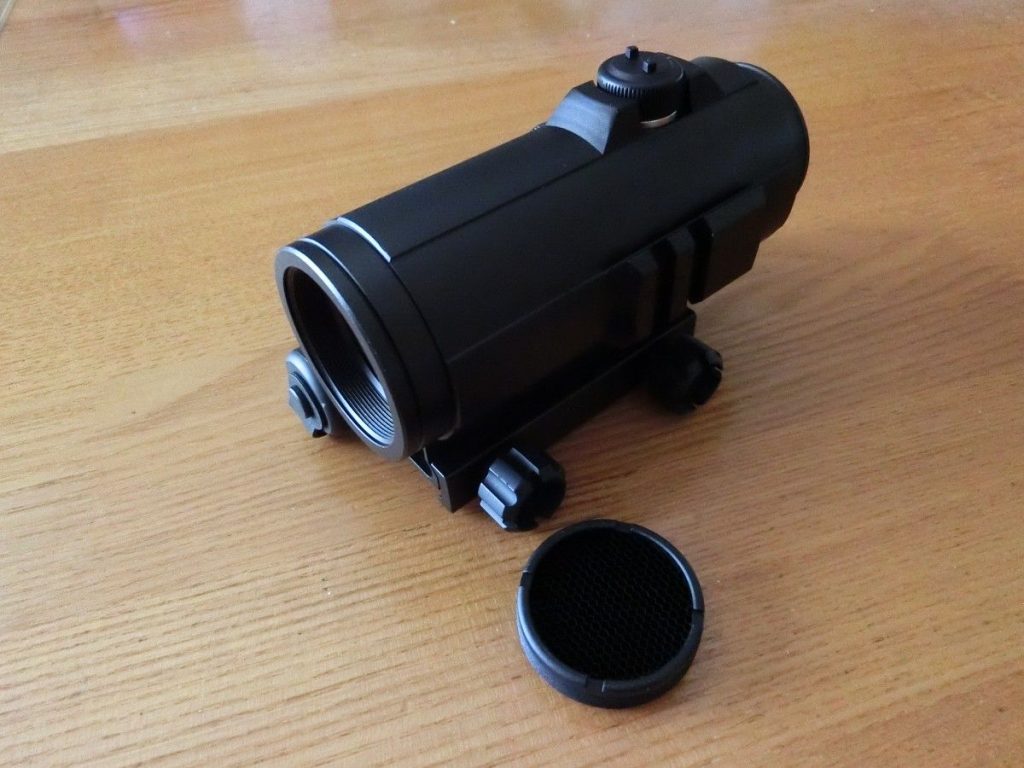
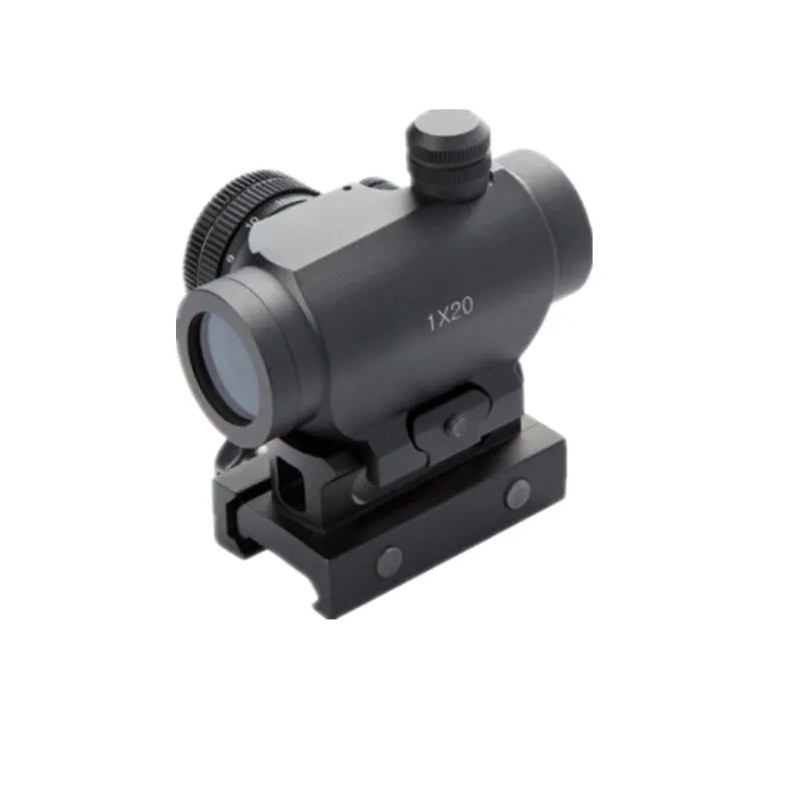
For shooting enthusiasts and hunters, understanding the battery life of a holographic sight is crucial for ensuring its reliable operation in the field. Unlike traditional dot-type sights, holographic sights consume more power due to their advanced optical system.
This article will discuss the general expectations for battery life, compare different types of batteries, and the actual factors that affect battery performance, helping you learn to manage the battery power of the holographic sight and avoid unexpected shutdowns at critical moments.

General Battery Life Expectations for Holographic Sights
The battery life of the holographic sight is dependent on the type of battery used, the brightness setting, and the actual way of usage. The holographic sight consumes more power compared to the dot sight because of the different principle of imaging. Nevertheless, it is able to provide good battery life under normal usage.
In the case of holographic scopes that rely on AA batteries, the standard range for the continuous working time, as based on the recommended standards or on the medium brightness level as set by the manufacturer, is around 600 to 1000 hours. During actual shooting, training, or hunting, the brightness level is hardly ever set on the highest level for an extensive period of time. Therefore, the single AA battery may be able to cover several training sessions or even days of usage without the need for frequent replacements.
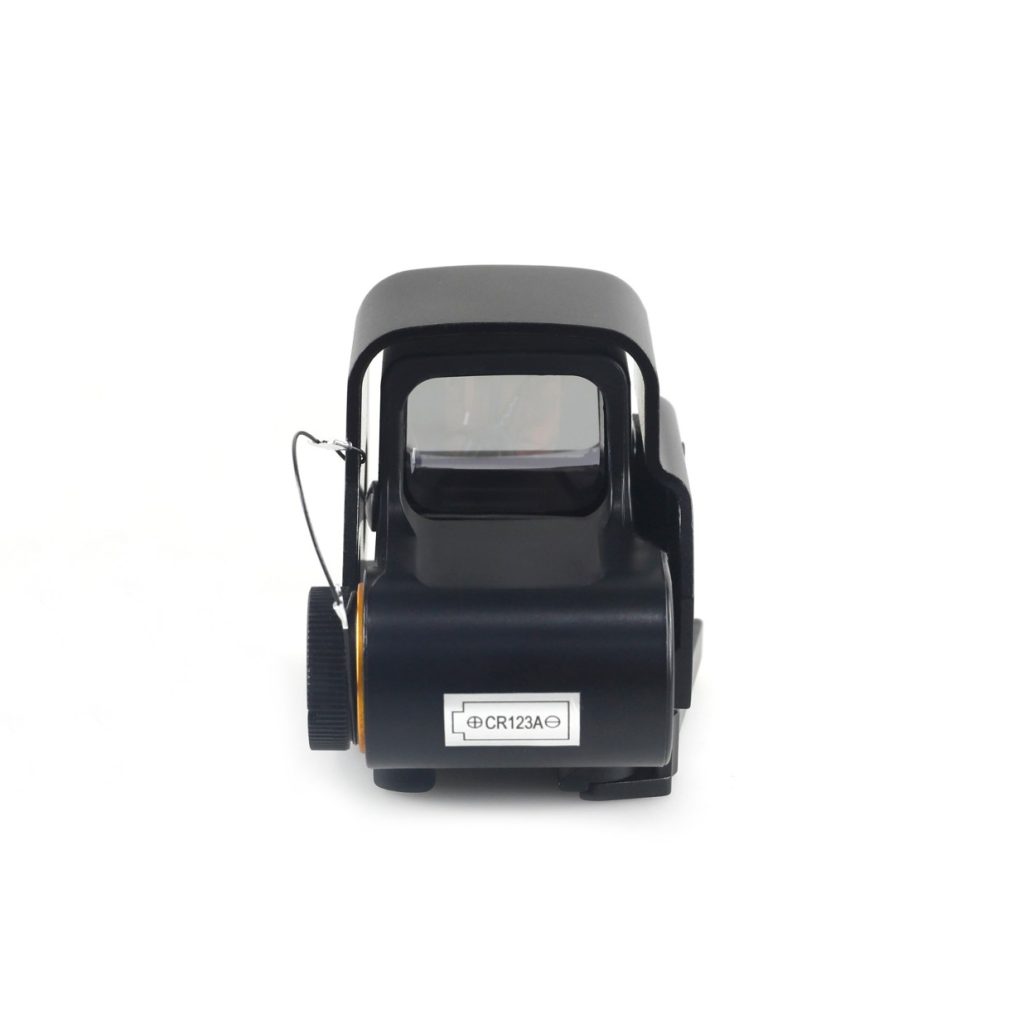
For holographic sights that employ CR123 batteries, the battery life performance will be relatively more stable. Compared under similar brightness conditions, the continuous running time will generally be between 800 and 1500 hours. CR123 batteries have a higher energy density and a relatively stable voltage output, and their performance will not degrade as much in low-temperature environments. Hence, they are more suited for use in harsh climatic conditions or for long-duration missions.
It should be mentioned that the above-mentioned battery life is given as a reference. The battery lifespan is still significantly affected by various parameters, including brightness level, temperature, type of battery (alkaline or lithium), etc. The selection of the proper brightness level and monitoring of the battery status are essential prerequisites for ensuring the reliable performance of the holographic sight in critical situations.
AA Batteries vs CR123 Batteries in Holographic Sights
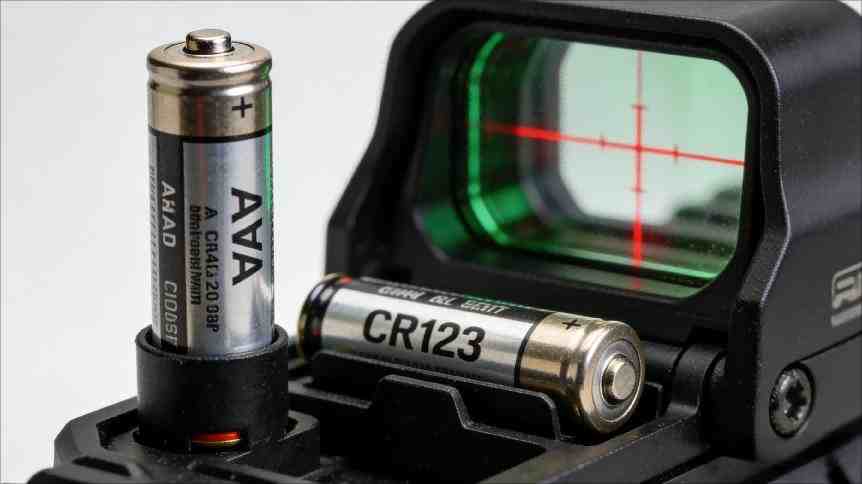
The choice between AA batteries and CR123 batteries will result in significant differences in terms of battery life and reliability.
AA battery
- The prices are generally low and they are widely used.
- They are portable and can be used as backup batteries.
Compared with CR123 batteries, it has a lower energy density and may result in shorter battery life when operating at high power settings.
CR123 battery
- Higher energy density and longer battery life
- The voltage output is more stable, ensuring consistent brightness of the scope.
- Performs better in cold environments
- It is not as widely used as AA batteries and its price is usually higher.
For casual shooters or users who occasionally use a scope, AA batteries are usually sufficient. However, for long-duration tasks, professional uses, or extreme environments, CR123 batteries can offer more stable performance.
Lithium vs Alkaline Batteries: What Changes in Real Use
Even if the sizes are the same, the chemical composition of the batteries will have a significant impact on the battery life of the holographic sight.
Lithium battery
- Voltage stability under load
- Performs better in low-temperature environments
- Longer shelf life, reducing the risk of unexpected depletion
Alkaline battery
- Cheaper price, easier to purchase
- Under high load, the voltage drops more rapidly, which may result in a decrease in the brightness of the sight.
- Suitable for intermittent use, but may require more frequent replacement in harsh environments.
Choosing the appropriate battery chemical composition can help shooters set reasonable expectations for the performance of the scope, avoiding unexpected situations during actual use.
What Really Affects Holographic Sight Battery Life in the Field
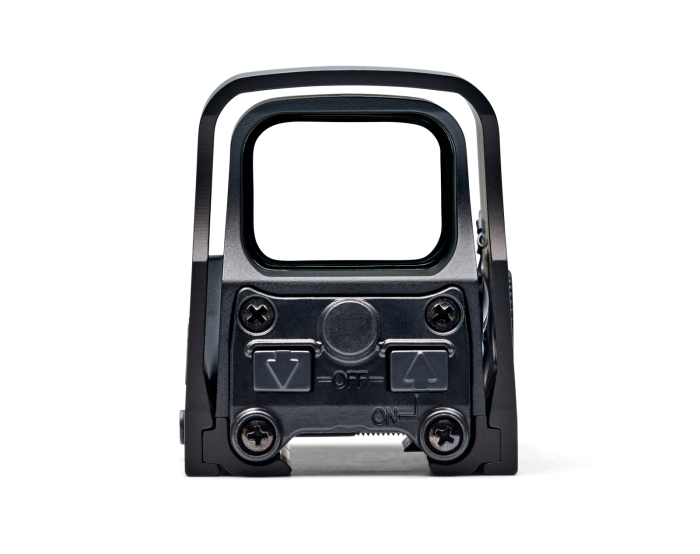
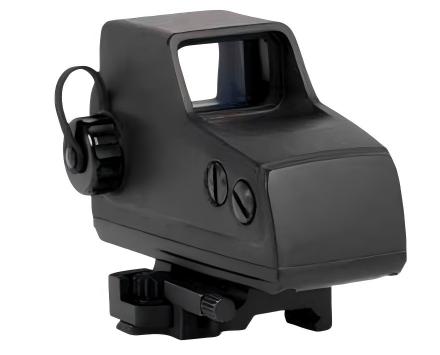
There are various factors that can cause significant differences in battery life among different users. Understanding these factors can help you reasonably anticipate battery life and prepare for replacing or having a backup battery.
Brightness Levels and Their Impact on Battery Life
The brightness level is one of the most important variables that influence battery life. Turning up the brightness level may improve the visibility of the aiming line, particularly under bright sunlight conditions. On the other hand, it also shortens battery life. For example, if the brightness level of the holographic sight is turned up to the highest level and is maintained throughout the hunting activity, it may result in a 40% to 50% shorter battery life compared to using a medium brightness level.
Many users have found that, under the current lighting conditions, simply using the brightness level sufficient to clearly display the aiming line can significantly extend the battery life without compromising performance.
Temperature Effects on Battery Performance
Temperature is one of the factors that greatly affect the battery’s lifespan. If the temperature of the weather is low, it will slow down the chemical reactions that occur in the battery, hence reducing its capacity and lifespan. Lithium batteries are more tolerant of low temperatures compared to alkaline batteries, but they will still be affected by extreme temperatures.
On the other hand, high temperatures will hasten the discharge of the battery and, in some cases, damage the battery permanently. Shooters should note that the actual battery lifespan may vary from the test results in the laboratory, depending on the weather.
Battery Age and Quality in Real-World Use
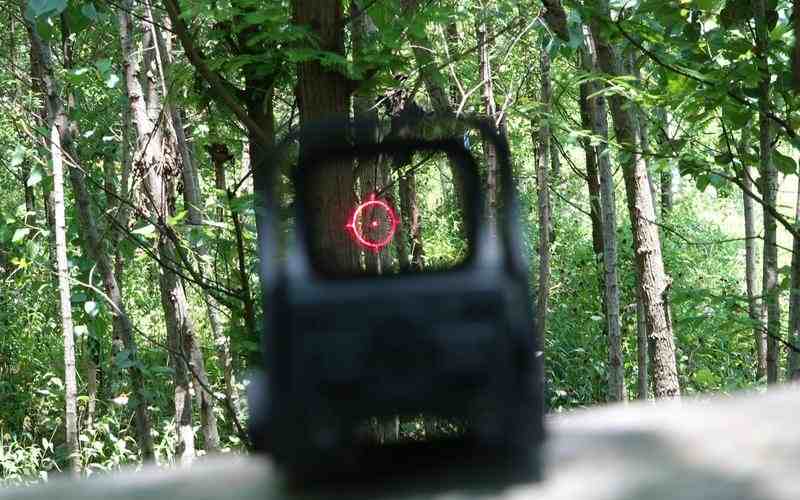
The lifespan and quality of the batteries used are also vital. A brand-new high-quality AA or CR123 battery has a more stable voltage and longer battery life than an old or low-quality one. In addition, the output power of the batteries from the same brand may vary slightly. Thus, the storage and rotation of the batteries are important.
It is recommended that you check the expiration date of the batteries and replace the old ones in time so that your holographic sight can work effectively when you need it.
Usage Patterns That Influence Runtime
The usage of the holographic sight can also greatly influence the battery life. If the sight is constantly used, turned on and off, or used for an extended period of time in high brightness mode, the battery life will be reduced faster.
If the scope is turned on only when aiming, it can greatly increase the battery life of a single battery. By understanding and adjusting your usage patterns, you will be able to maximize the battery life.
Practical Ways to Extend Holographic Sight Battery Life
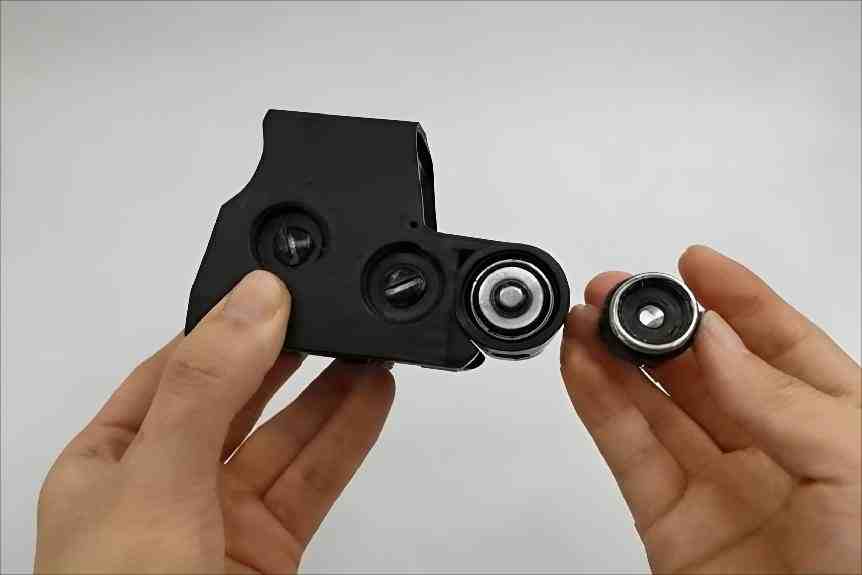
Here are a few things you can do to ensure maximum runtime:
- Adjust Brightness Wisely: Use only as much brightness as is required.
- Turn Off When Not in Use: Turn off the sight when it is not in use, as this will save power.
- Use High-Quality Batteries: Try to use only high-quality batteries in the sight.
- Store Batteries Properly: Store spare batteries in a cool, dry place. Also, remove batteries from the sight when it is not in use for a long time.
- Carry Spares: Always carry spare batteries with you, especially when going for a long trip or a hunting session.
By doing all of the above, you can minimize the chances of power loss in the field.
Conclusion
The battery life of the holographic sight is affected by various factors, which include the type of battery, the chemical composition of the battery, the level of brightness, temperature, as well as the usage of the battery. AA batteries are easy to use, while CR123 and lithium batteries are more efficient in providing battery life, especially in extreme conditions.
In the real world, the management of the types of batteries, storage, as well as usage, can help the user maximize the use of the scope without any downtime at the most crucial times.