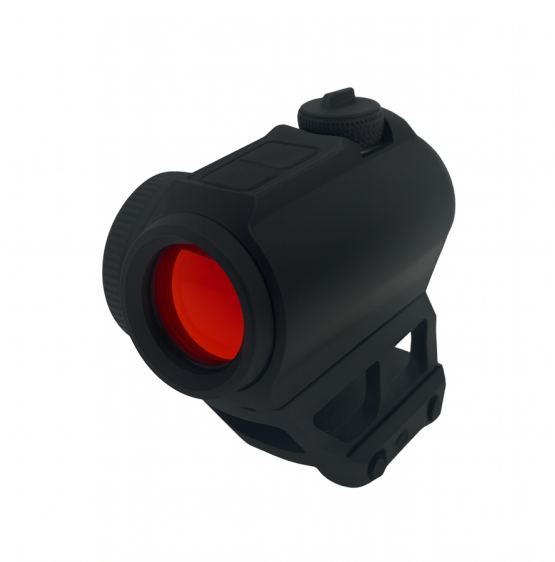
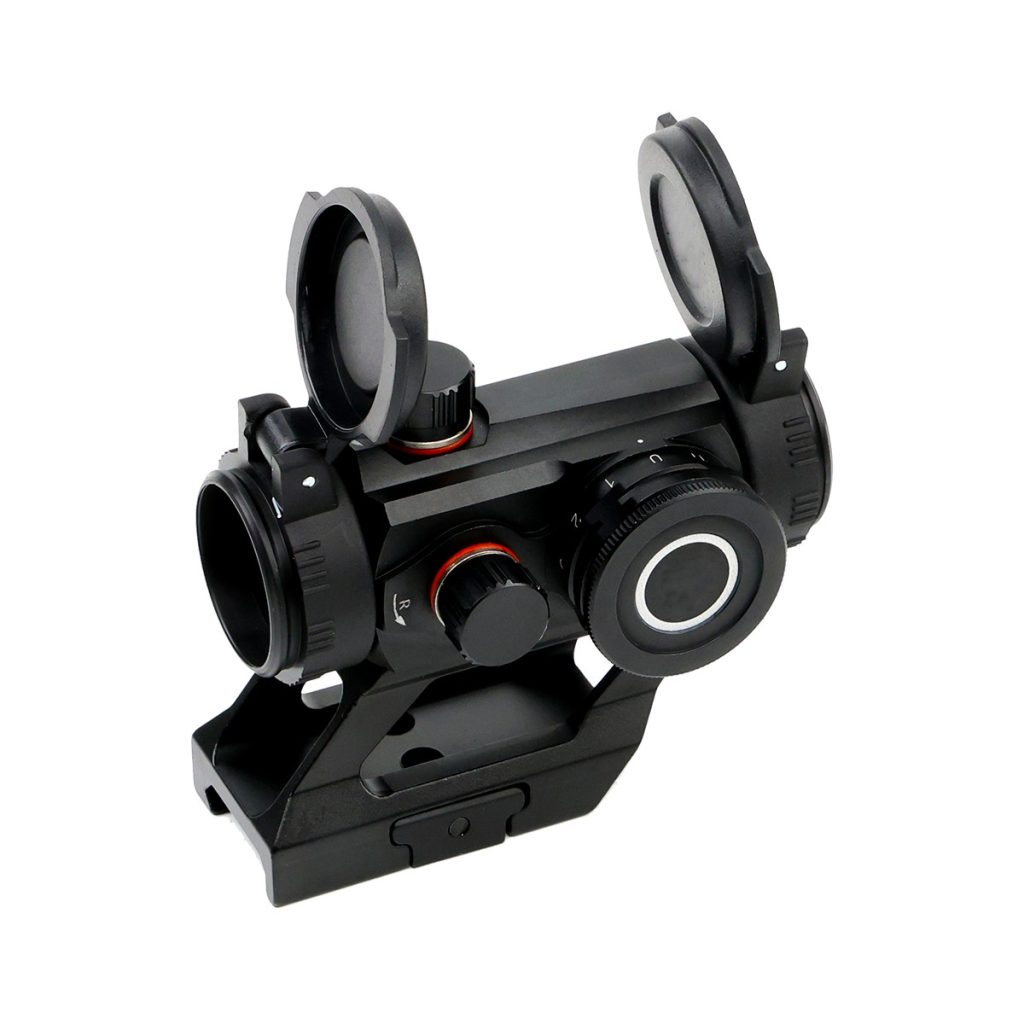
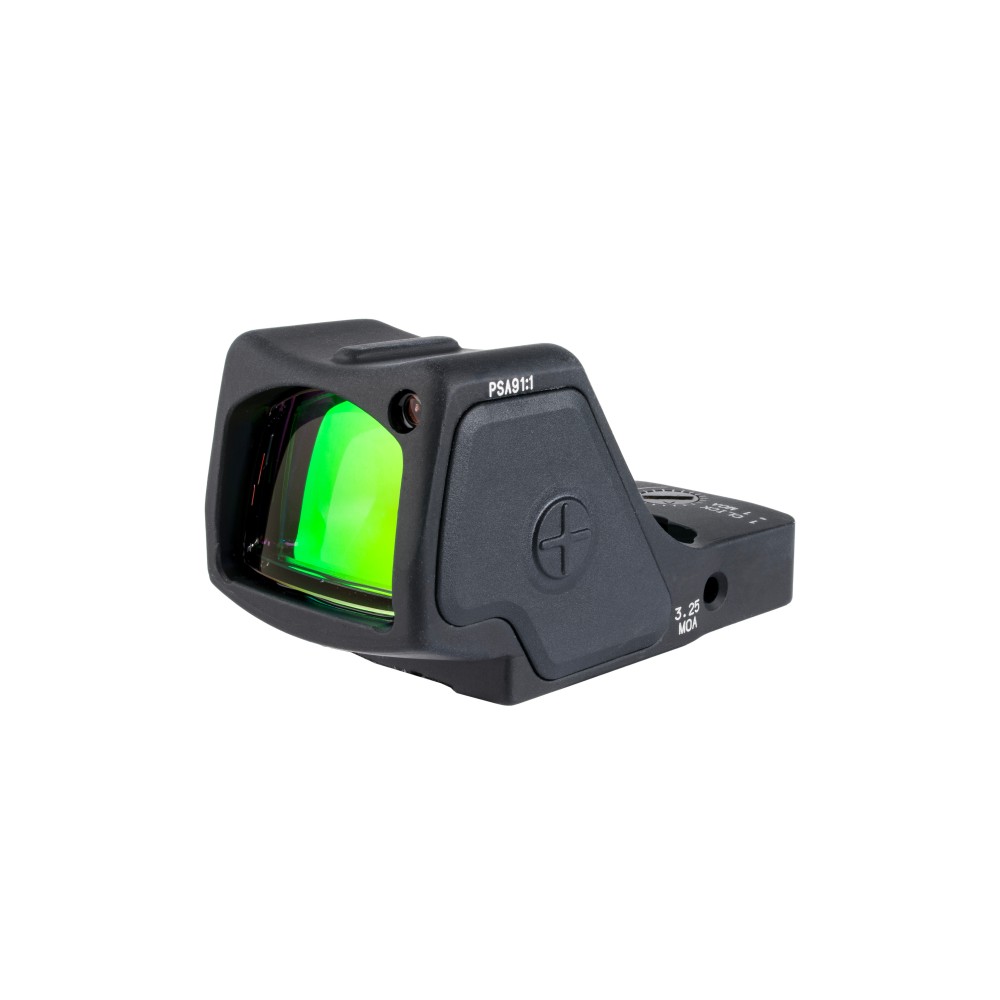
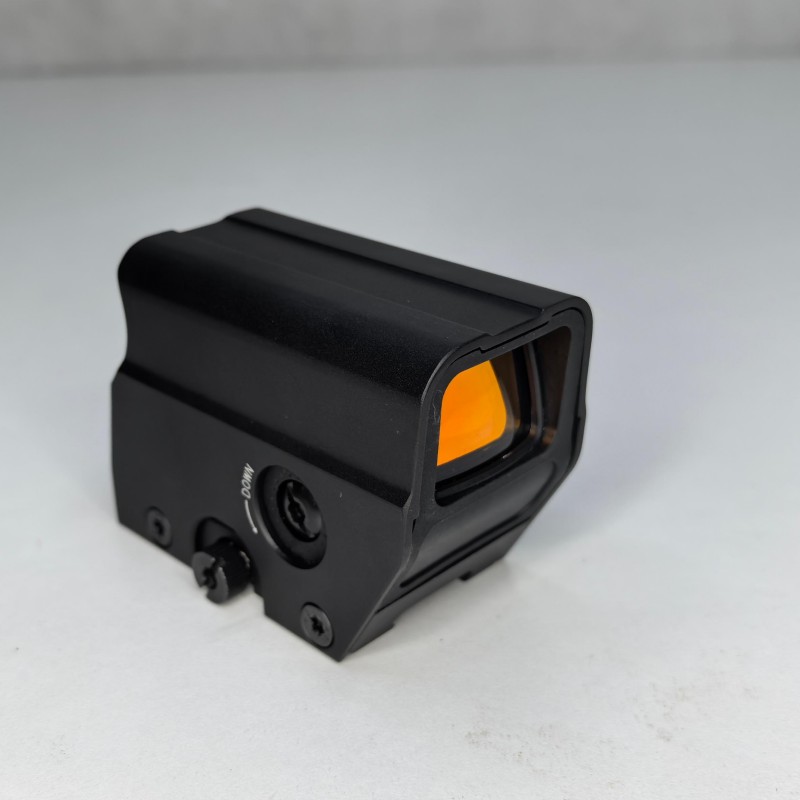
When shooters talk about red dot performance, the conversation usually centers on dot clarity, brightness settings, or battery life. Mounting, by comparison, is often treated as a simple installation step—something that just holds the optic in place. In reality, how a red dot sight is mounted plays a decisive role in both accuracy and target acquisition speed.
From a supplier’s perspective, we consistently see the same pattern: the same red dot optic can perform very differently depending on its mounting method, height, and alignment. A well-designed optic cannot compensate for an unstable or poorly matched mount, especially under repeated recoil and real-world use.
In this article, we’ll explain why red dot sight mounting matters, how it influences shooting precision and speed, and what shooters should understand when choosing or evaluating a mounting solution—whether for pistols, rifles, competition, or duty use.
The Relationship Between Mount Stability and Accuracy
Accuracy with a red dot sight depends on one fundamental requirement: the optic must return to the same position shot after shot. Mounting is the mechanical foundation that makes this possible.
A stable mount minimizes movement between the optic and the firearm during recoil cycles. Even small shifts—often invisible to the eye—can affect point of impact over time. This is especially noticeable with higher round counts or on platforms with sharper recoil impulses.
From an engineering standpoint, mount stability is influenced by:
- contact surface area between optic and mount,
- material rigidity,
- resistance to vibration and repeated stress,
- and how well recoil forces are transferred into the firearm.
When these factors are well controlled, the red dot maintains zero more consistently, allowing the shooter to focus on fundamentals rather than re-confirming alignment.
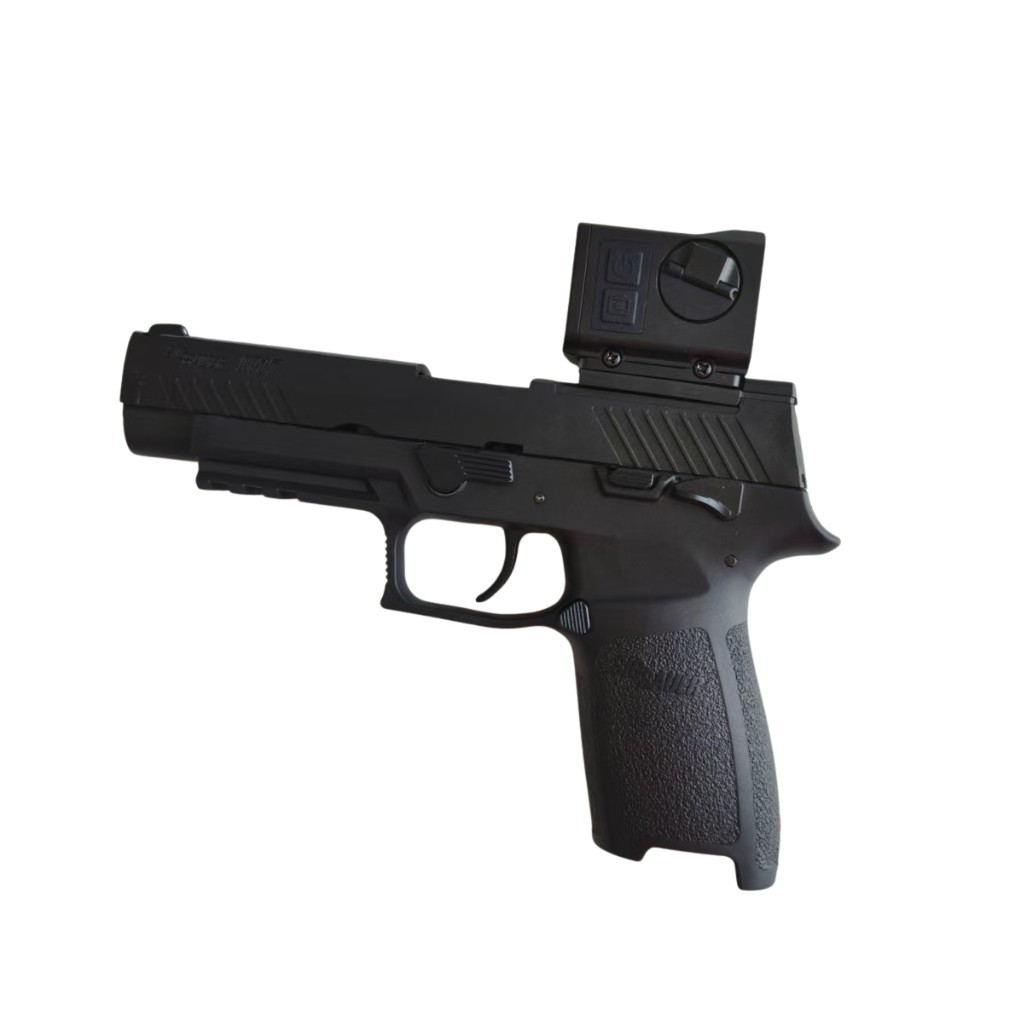
How Mount Height Influences Shooting Precision
Mount height is often discussed in terms of comfort, but it also has a direct effect on precision. Height determines head position, eye alignment, and repeatability, all of which influence how consistently a shooter presents the firearm.
- Lower mounts generally promote a more natural index and reduce vertical offset between the bore and optic. This can improve consistency, particularly at closer distances.
- Higher mounts may be beneficial for certain rifle setups or shooting postures, but they can introduce more variation if the shooter’s cheek weld or grip is inconsistent.
The key point is not that one height is universally better, but that mount height must match the firearm platform and intended use. When height and ergonomics work together, shooters tend to present the firearm the same way every time—an essential condition for repeatable accuracy.
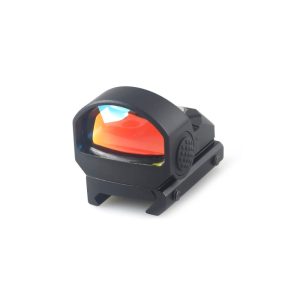
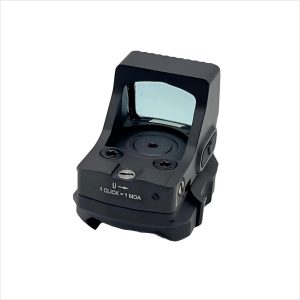
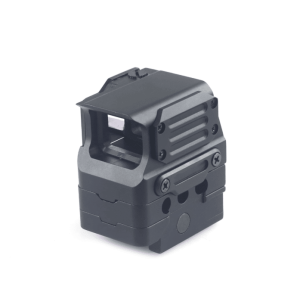
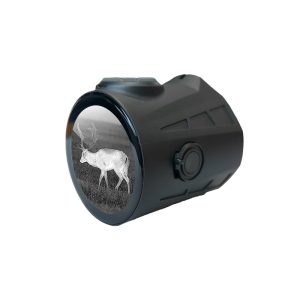
Direct Mount vs Mounting Plate: Accuracy Trade-Offs
One of the most discussed topics in red dot mounting today is the difference between direct mounting and plate-based mounting systems.
| Factor | Direct Mount | Mounting Plate |
| Mechanical rigidity | Higher | Depends on plate quality |
| Mounting height | Lower | Slightly higher |
| Tolerance stack | Minimal | Increased |
| Platform flexibility | Limited | High |
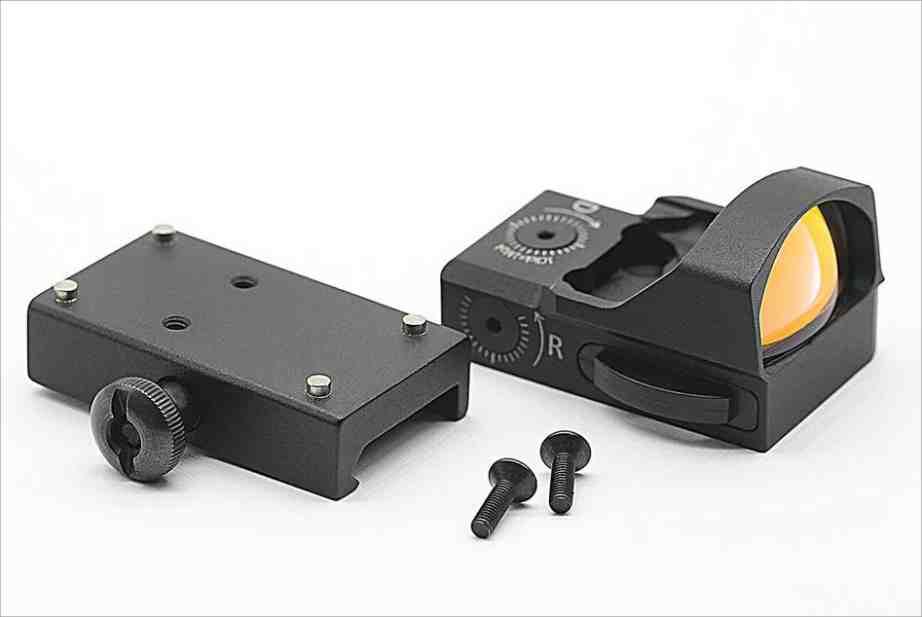
Direct mounting attaches the optic straight to a milled slide or receiver. With fewer interfaces, there are fewer opportunities for movement, making this approach popular for shooters prioritizing maximum stability.
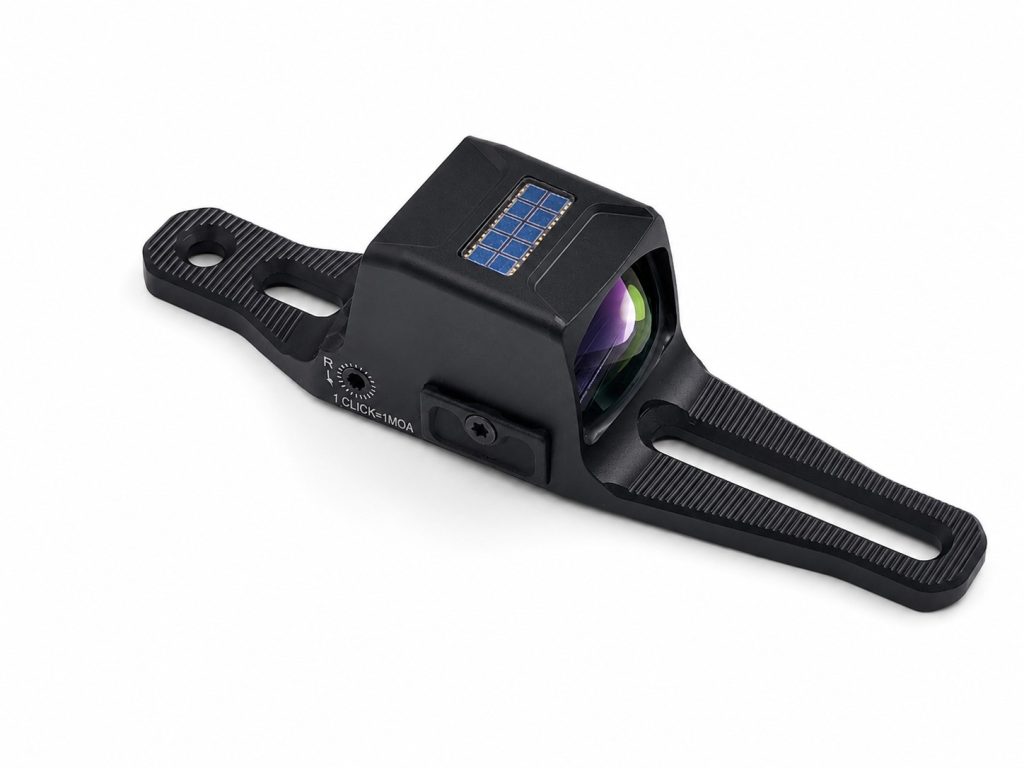
Mounting plates, on the other hand, provide versatility. They allow different optics to be used on the same platform, which is valuable for OEM configurations and users who change optics. However, every additional interface introduces tolerances that must be carefully controlled through design and material choice.
From a supplier perspective, accuracy differences are rarely about the concept itself, but about execution quality—including machining precision, plate thickness consistency, and fastener integrity.
Material and Design Considerations That Support Accuracy
Beyond mounting type, material selection and structural design play an important role in maintaining accuracy over time.
- Aluminum alloys offer weight savings and are widely used when properly engineered.
- Steel mounts provide higher rigidity but add mass.
- Reinforced recoil lugs and flat contact surfaces help prevent micro-movement.
Well-designed mounts aim to distribute recoil forces evenly rather than concentrating stress in one area. This design approach supports long-term zero retention and reduces wear on mounting interfaces.
Mounting and Target Acquisition Speed: Seeing the Dot Faster
Accuracy is only half the equation. For many shooters, especially in dynamic environments, how quickly the dot appears in the window matters just as much.
Target acquisition speed is strongly affected by how naturally the red dot aligns with the shooter’s line of sight during presentation. A well-matched mounting setup allows the dot to appear immediately without conscious adjustment.
When mounting is poorly matched:
- shooters often “hunt” for the dot,
- presentation becomes inconsistent,
- and follow-up shots slow down.
Proper mounting reduces these issues by encouraging a repeatable sight picture that works with, rather than against, natural movement.
Mount Alignment and Its Effect on Consistency
Alignment refers to how squarely the optic sits relative to the bore and the shooter’s viewing axis. Even minor misalignment can affect how the dot tracks during recoil and how consistently it returns to center.
From a manufacturing perspective, alignment depends on:
- machining accuracy of mounting surfaces,
- footprint compatibility,
- and precise control of tolerances.
Good alignment doesn’t make the dot “more accurate” in isolation—but it makes accuracy easier to access, especially under time pressure.
Ergonomics and Natural Presentation
Mounting also influences ergonomics. A red dot that aligns naturally with the shooter’s grip and stance reduces mental and physical correction during presentation.
For example:
- pistol shooters often benefit from mounts that place the optic closer to the slide,
- rifle shooters may prioritize eye relief and head position.
When ergonomics are optimized, shooters spend less time correcting alignment and more time focusing on the target.
Common Mounting Mistakes That Hurt Accuracy and Speed
Across different platforms and user groups, a few mounting issues appear repeatedly:
- Choosing an incompatible footprint or plate
- Prioritizing flexibility over rigidity without understanding trade-offs
- Ignoring long-term stability in favor of quick installation
- Using mounts not designed for the firearm’s recoil characteristics
These issues rarely cause immediate failure, but they often show up over time as drifting zero, inconsistent dot presentation, or reduced confidence in the optic system.
From a supplier standpoint, many of these problems can be avoided by matching optic design, mounting method, and application from the beginning.
Final Thoughts: Mounting as a Performance Multiplier
A red dot sight does not perform in isolation. Mounting is what allows its optical and electronic capabilities to translate into real-world shooting performance.
When stability, height, alignment, and ergonomics are properly balanced:
- accuracy becomes more repeatable,
- target acquisition becomes faster,
- and the overall shooting experience becomes more intuitive.
At Foreseenoptics, we view mounting not as an accessory detail, but as a critical part of system performance. Understanding how mounting affects accuracy and speed helps shooters make informed decisions—and helps optics deliver their full potential.