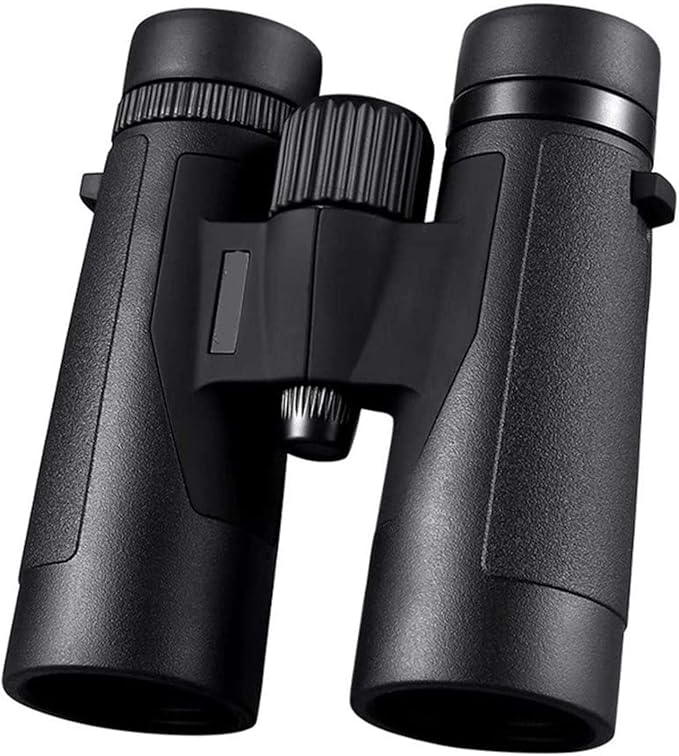
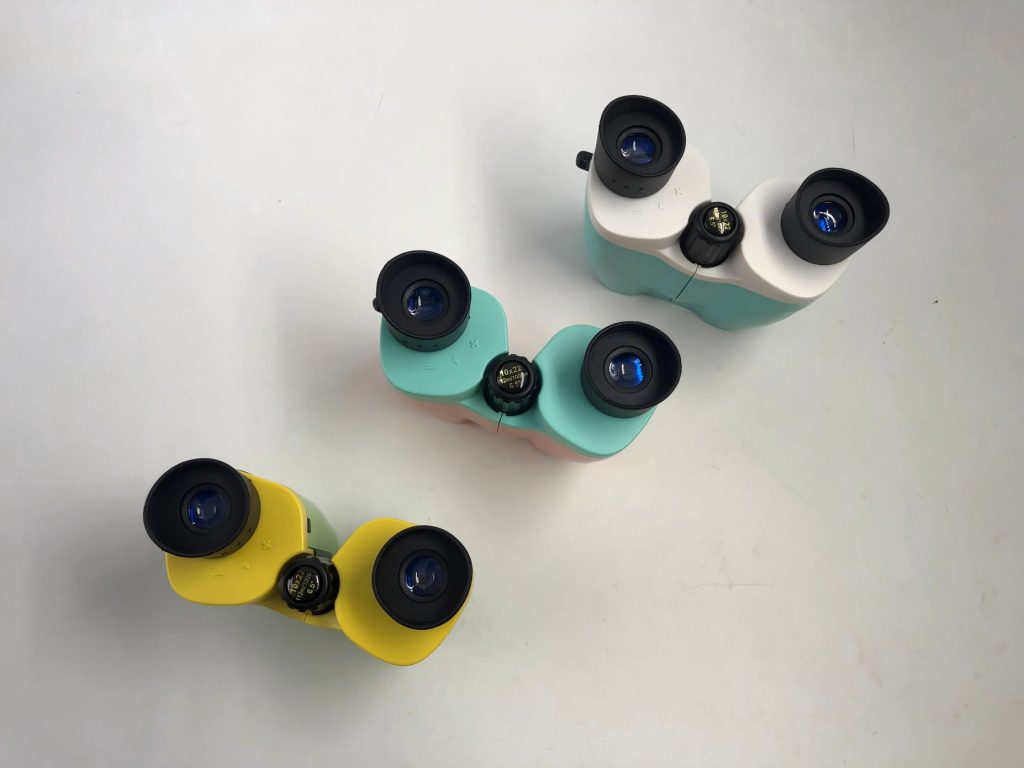
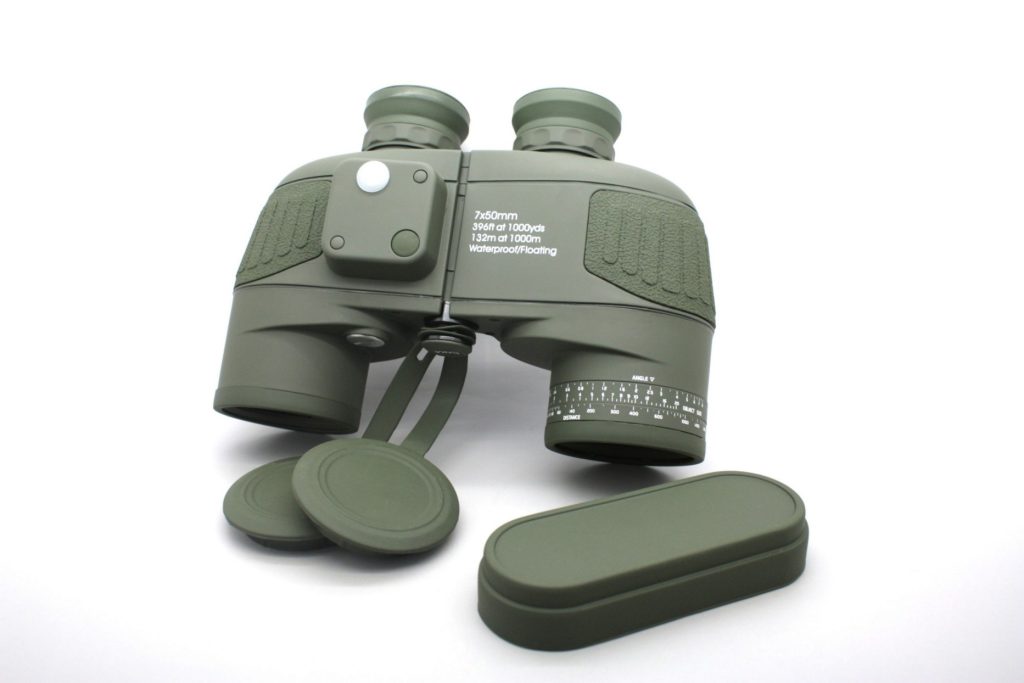
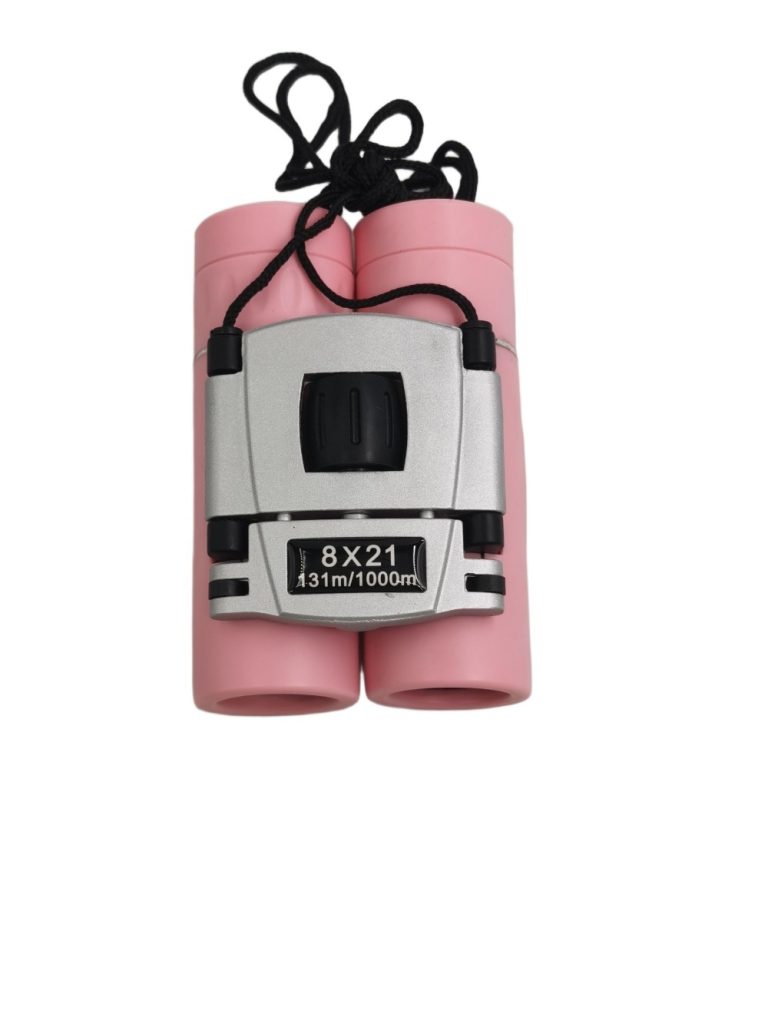
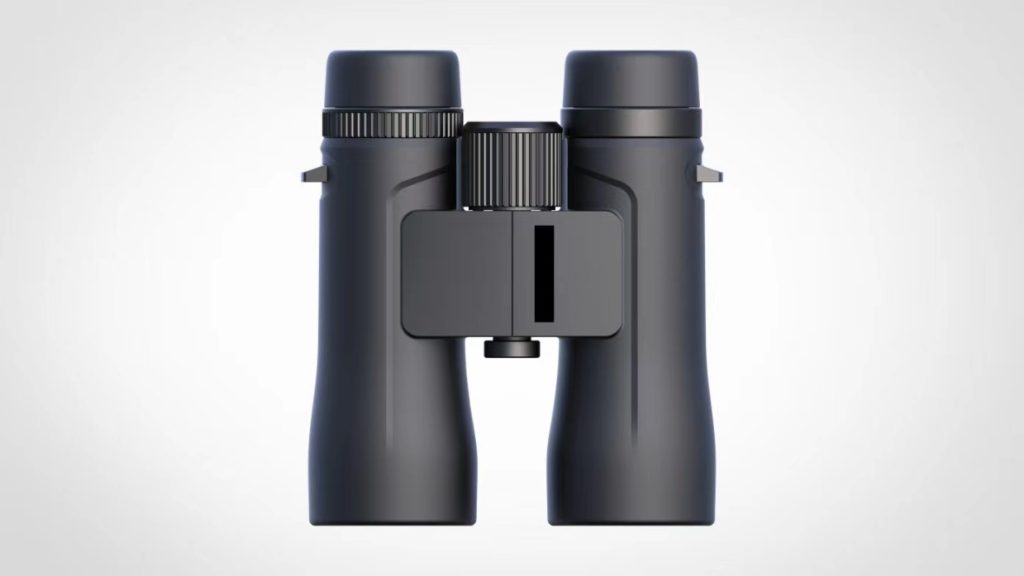
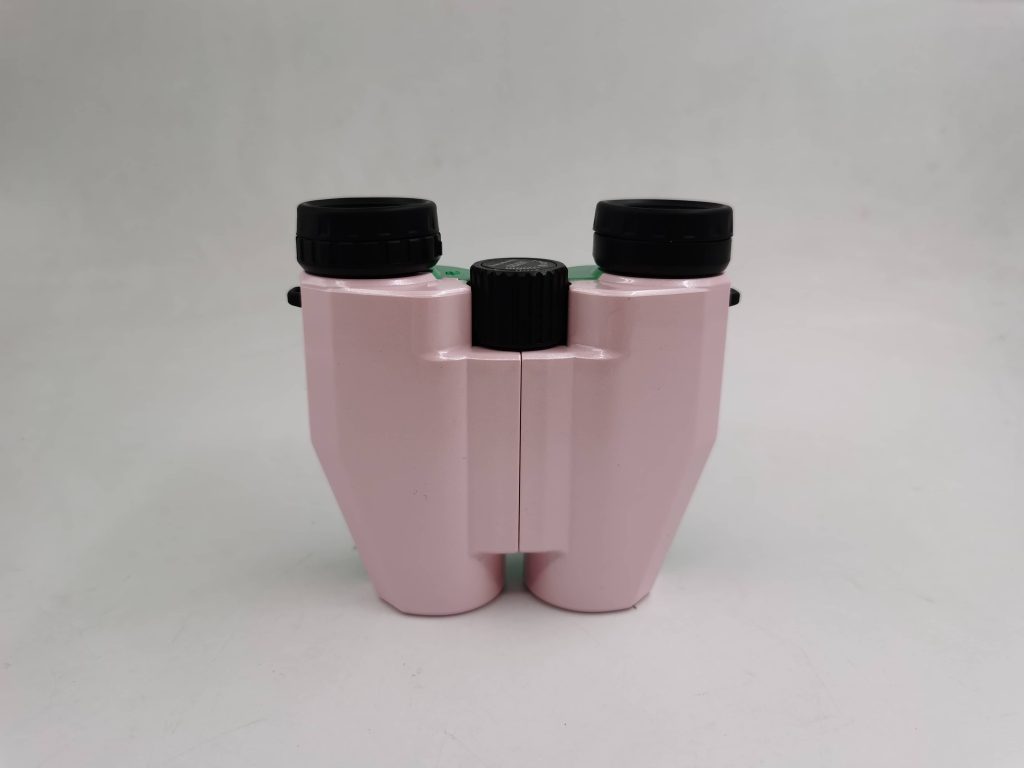
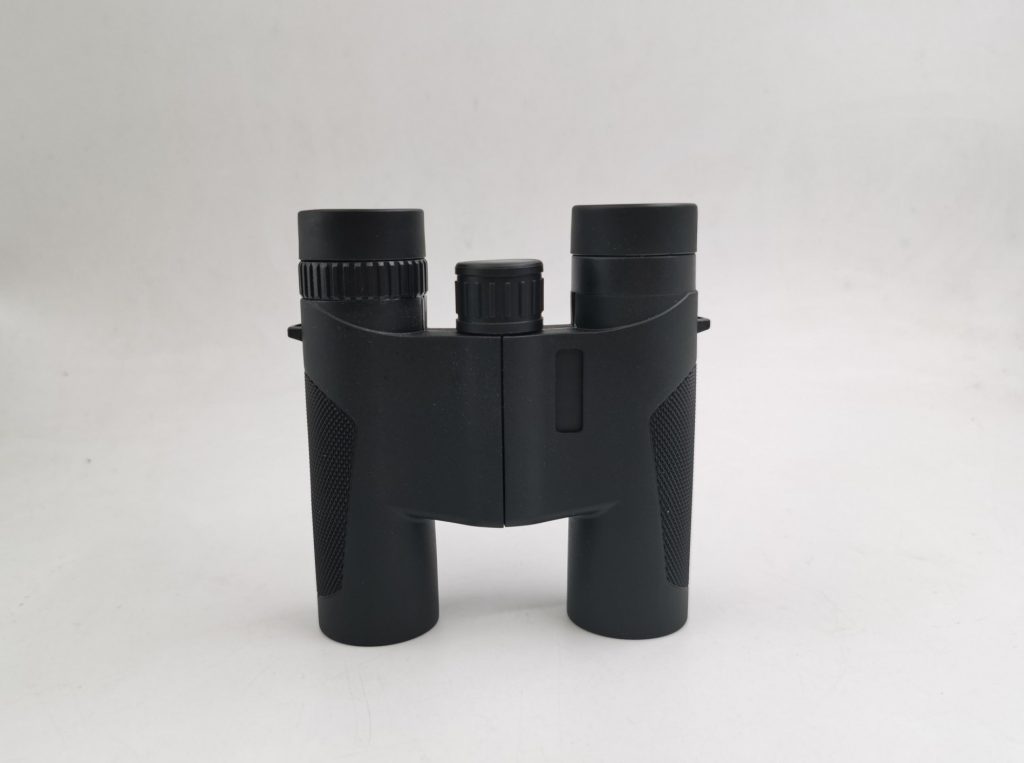
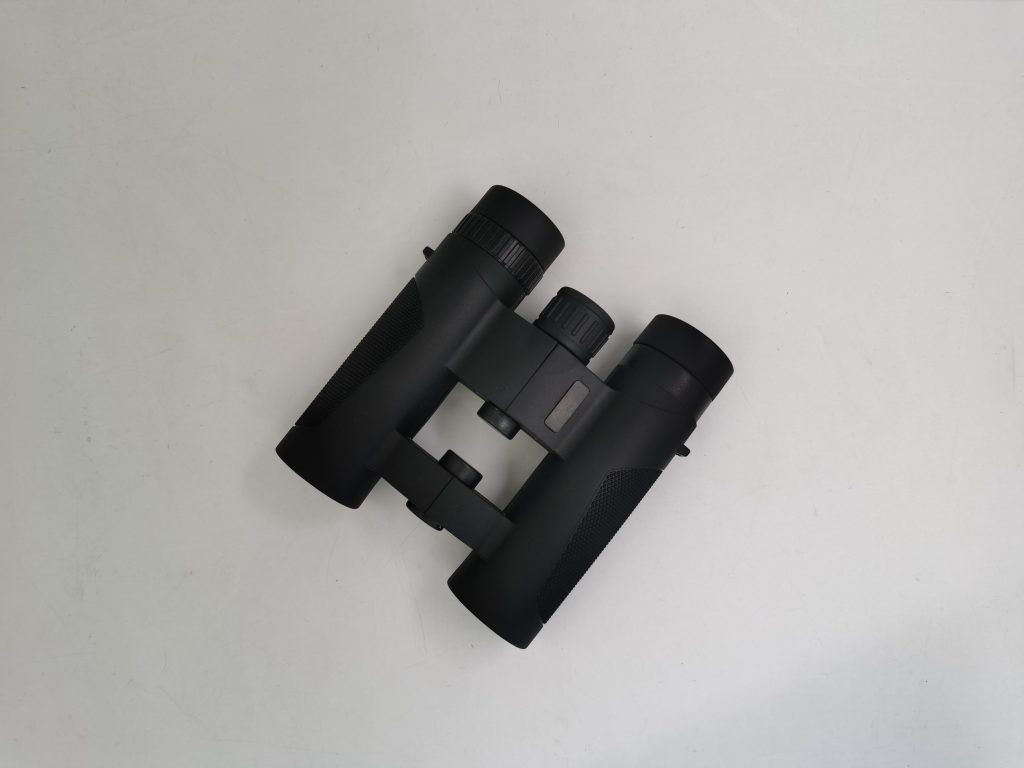
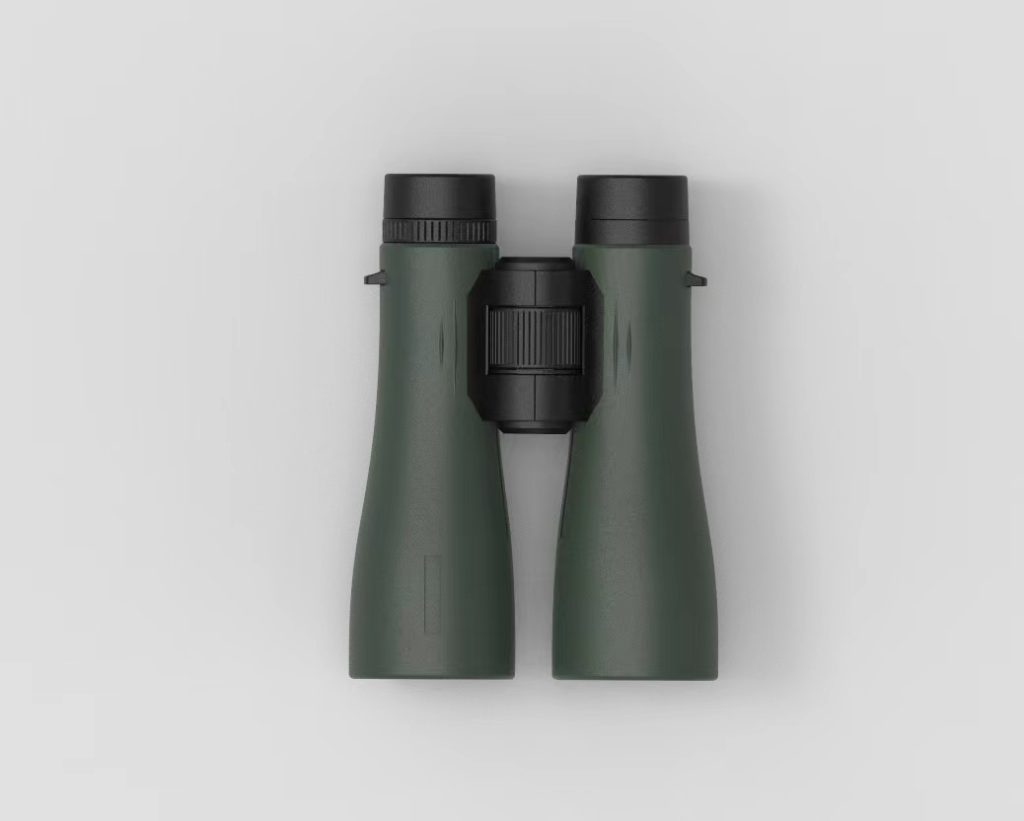
Same magnification does not guarantee the same experience. Objective diameter (25/32/42 mm) changes exit pupil, steadiness, packability, and how forgiving the view feels—especially at dusk or in a moving crowd.

In 60 seconds: choose your objective size
- Pick 25 mm when portability is the #1 constraint (city travel, museums, concerts, day hikes). You trade low‑light comfort for pocketability.
- Pick 32 mm when you want a ‘carry-all-day’ binocular that still feels bright and relaxed (travel + birding, mixed daylight conditions).
- Pick 42 mm when your sessions are longer, light is variable (dawn/dusk), or you prioritize a steady, immersive view over size and weight.
If you are stuck between two sizes, decide based on your typical light level and how long the binocular stays on your neck—not your peak, best‑case scenario.
Why 25 / 32 / 42 mm is the decision point
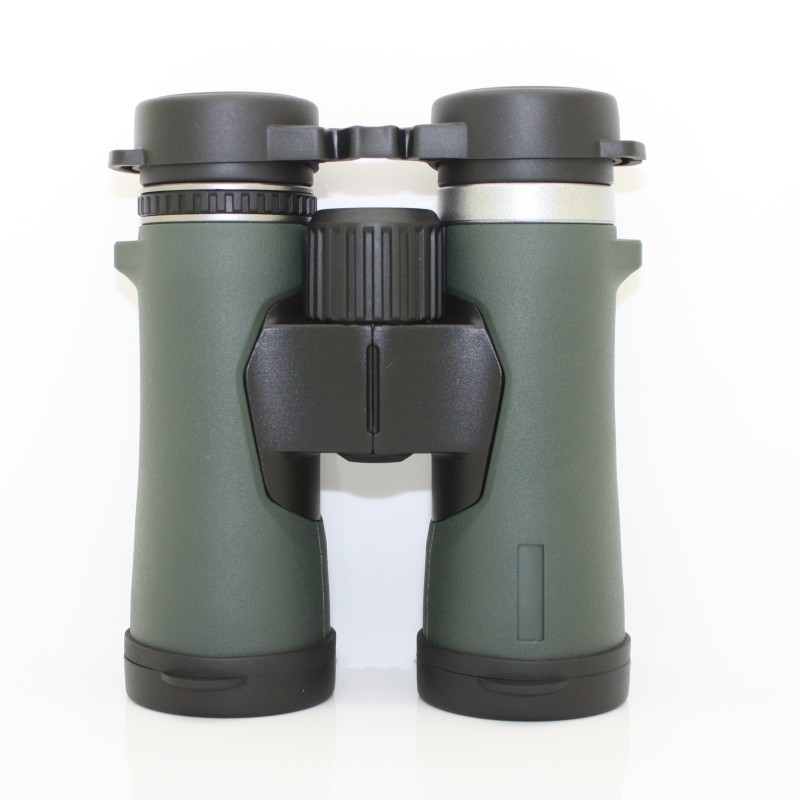
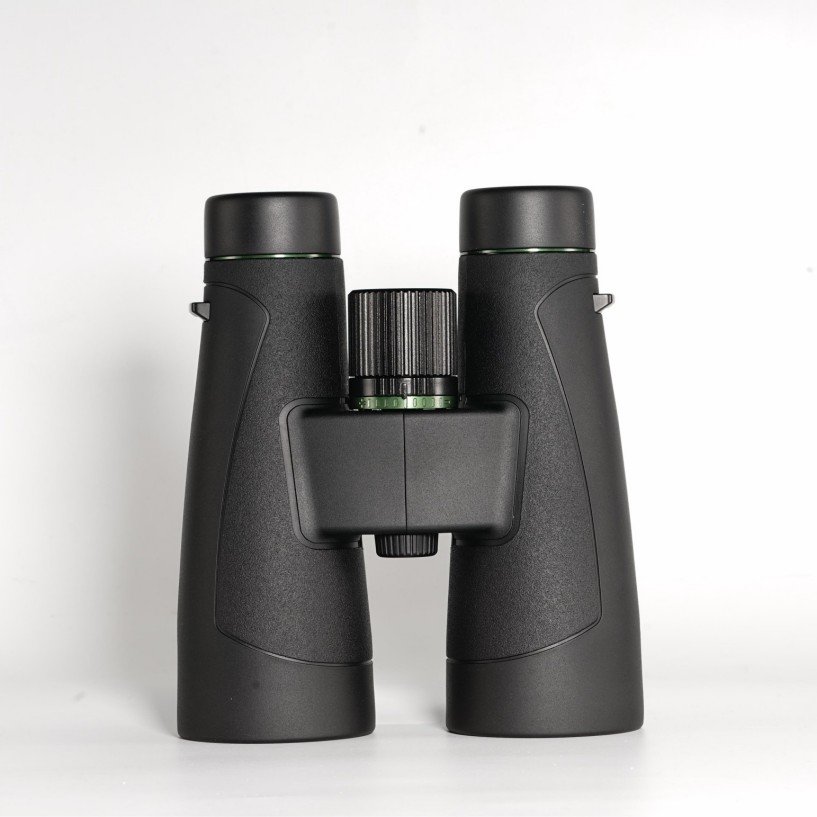
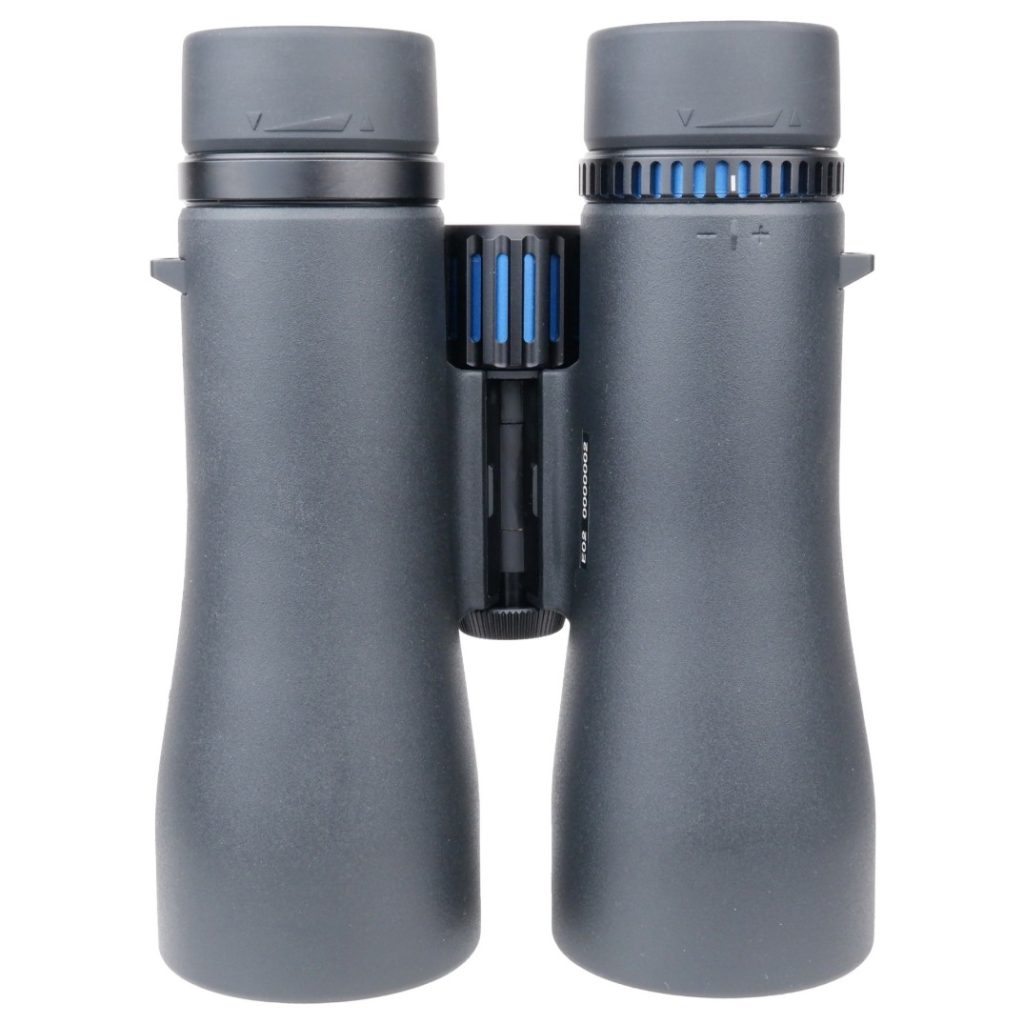
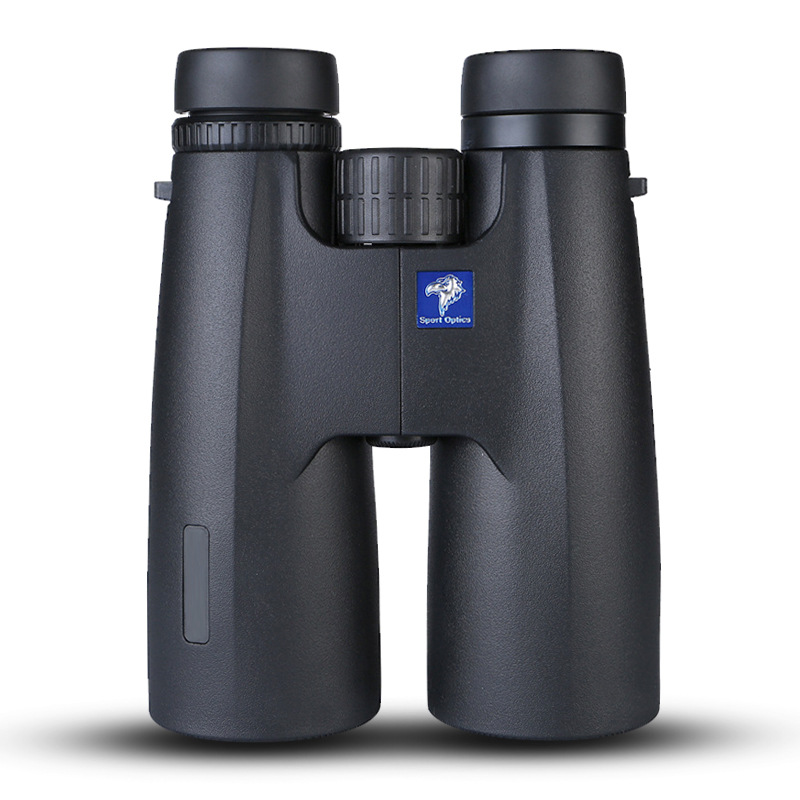
In binocular lines, 25/32/42 mm objectives are not just marketing “sizes.” They map to three different engineering targets: pocket‑class, carry‑class, and full‑size. Even at the same magnification, these sizes drive the optical geometry (exit pupil), the mechanical envelope (barrel diameter and prism size), and the user experience (how easy it is to see the full field).
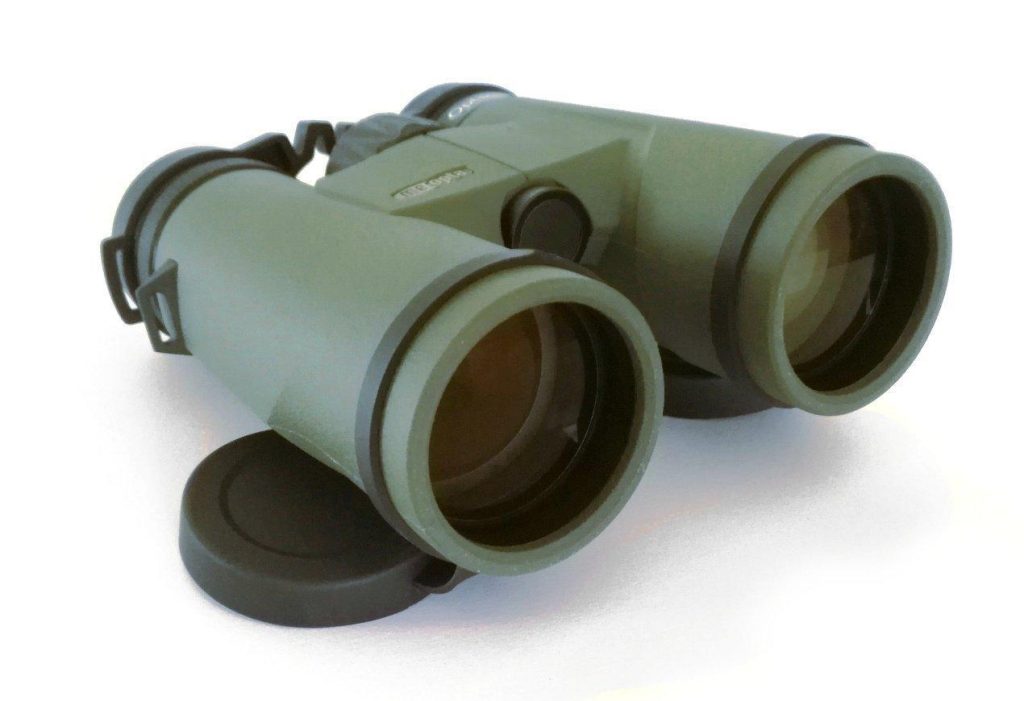
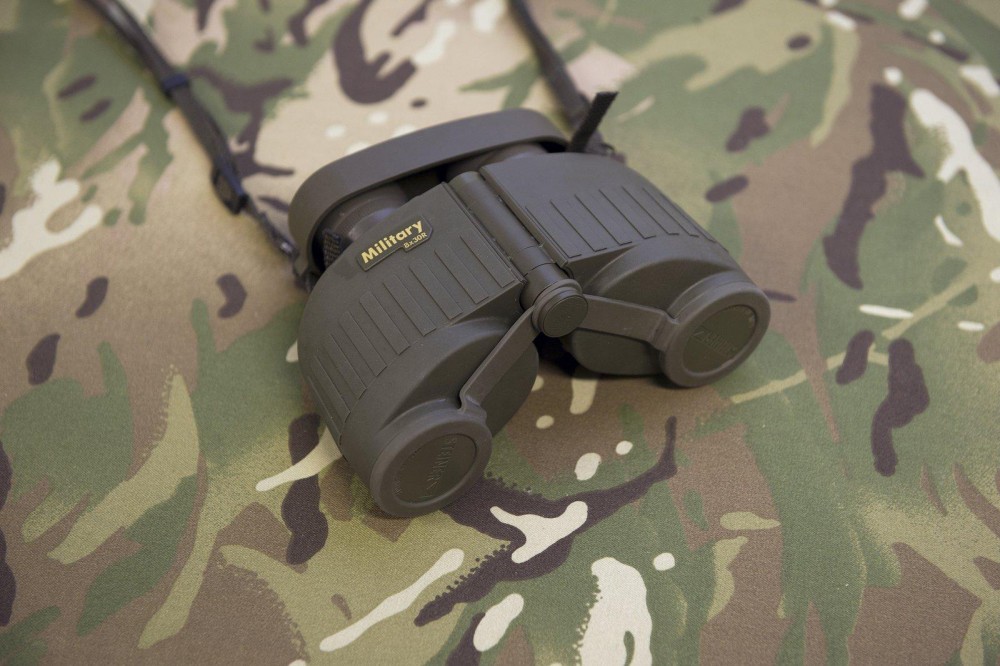
The physics in one line: exit pupil is your ‘brightness budget’
For practical selection, the most useful bridge between specs and comfort is the exit pupil:
Exit pupil (mm) ≈ Objective diameter (mm) ÷ Magnification.
Exit pupil is the diameter of the light bundle leaving the eyepiece. If that bundle is smaller than your eye’s pupil (common at dusk), the view looks dimmer and more “critical” to align. If it is larger than your eye’s pupil (common in bright daylight), you are no longer gaining brightness—but you may gain a more forgiving view.
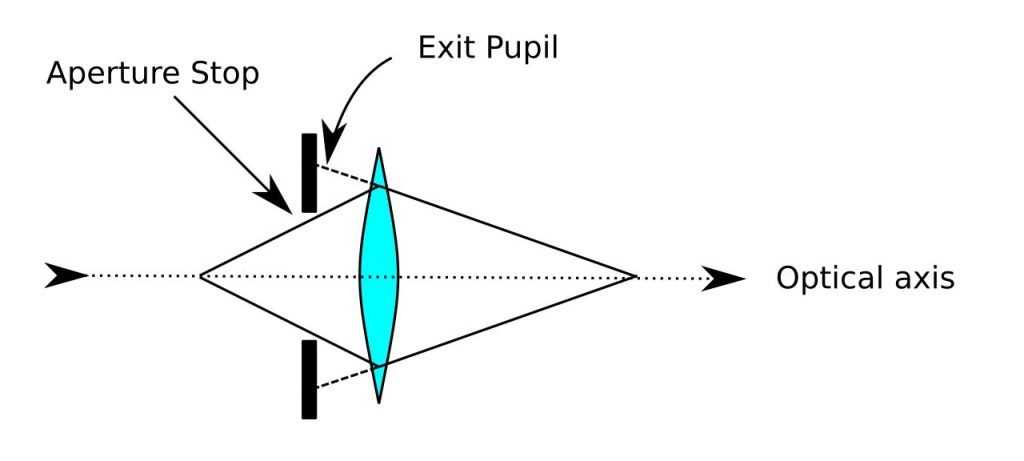
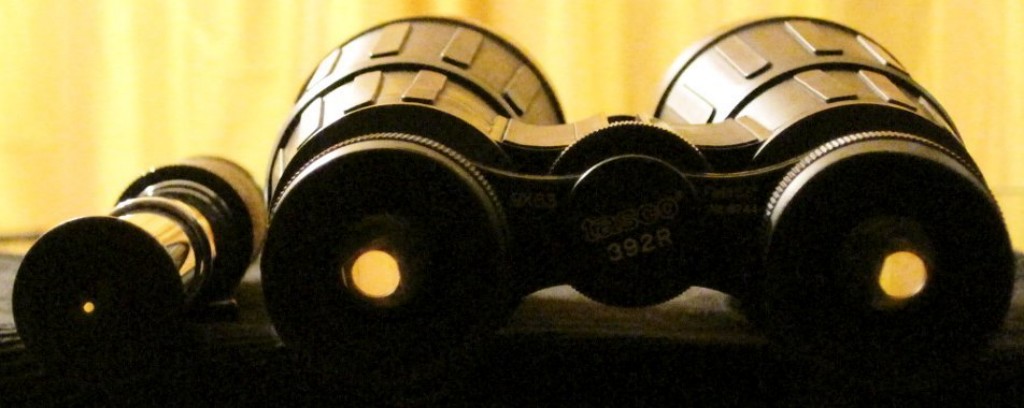
Exit pupil examples (8× vs 10×)
| Objective | 8× Exit Pupil | 8× Relative Brightness* | 10× Exit Pupil | 10× Relative Brightness* | What you feel (day) | What you feel (dusk) |
| 25 mm | 3.1 mm | 9.8 | 2.5 mm | 6.2 | All workable; alignment forgiveness varies. | 25 mm feels tight; 42 mm stays relaxed longer. |
| 32 mm | 4.0 mm | 16.0 | 3.2 mm | 10.2 | All workable; alignment forgiveness varies. | 25 mm feels tight; 42 mm stays relaxed longer. |
| 42 mm | 5.2 mm | 27.6 | 4.2 mm | 17.6 | All workable; alignment forgiveness varies. | 25 mm feels tight; 42 mm stays relaxed longer. |
*Relative brightness here is the common index (exit pupil²). It is a simplification: coatings, prism type, glare control, and your eye pupil also matter.
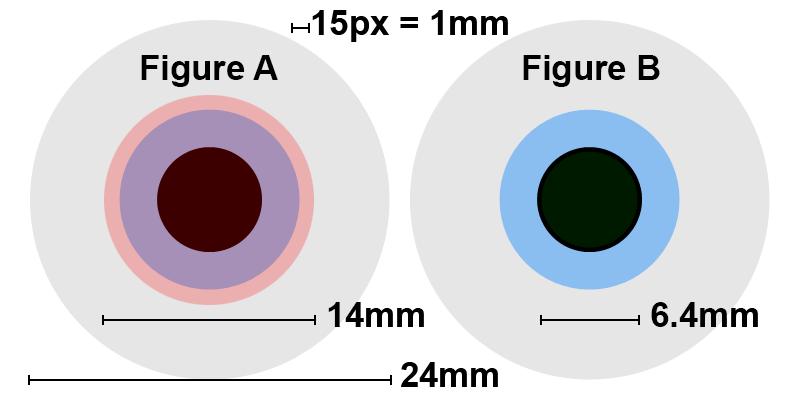
What changes when you move from 25 → 32 → 42 mm
Objective diameter changes more than brightness. In the 25/32/42 progression, you usually see shifts in five areas:
- Pack volume: barrel diameter and bridge size scale up; a 42 mm binocular often stops fitting in small daypacks or coat pockets.
- Neck weight and balance: heavier, front‑biased optics feel ‘present’ for hours; lighter ones disappear but may shake more at 10×.
- Low‑light headroom: larger exit pupil keeps the image bright and contrasty longer at dusk, under tree canopy, or in stadium shadows.
- Eye placement tolerance: larger exit pupil and larger ocular design often make it easier to see the full field without blackouts.
- Design freedom: 42 mm platforms have more room for larger prisms and field stops, which can support wider usable FOV—if the design is executed well.
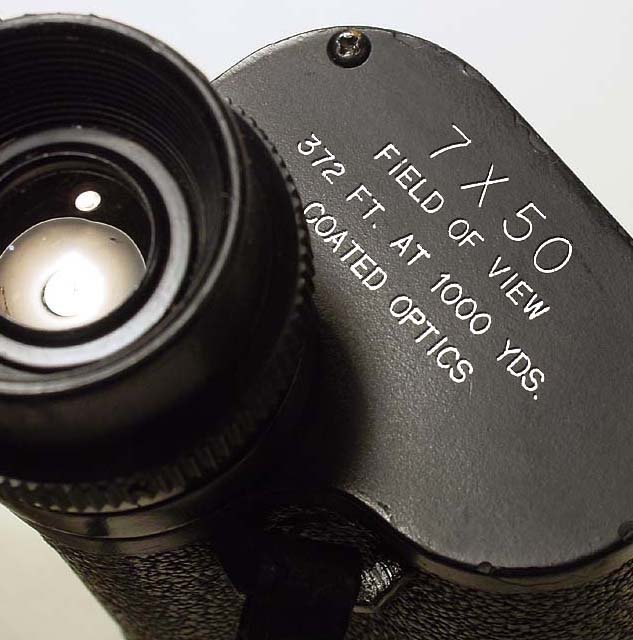
Practical comparison (typical market behavior)
| Class | Typical weight (handheld) | Typical carry feel | Low-light comfort | Best match scenarios |
| 25 mm | ≈ 200–350 g | Pocketable; easiest to carry daily | Limited at dusk; more critical eye placement | City travel, concerts, museums, day hikes |
| 32 mm | ≈ 400–650 g | All‑day carry; stable enough for birding | Good in mixed daylight; acceptable at dusk | Travel + birding, safari daytime, general outdoor |
| 42 mm | ≈ 650–900 g | Neck/strap carry; best with harness | Best; stays relaxed longest | Birding sessions, dawn/dusk, woodland, marine, long glassing |
Ranges are indicative; real weight depends on prism system, housing material, and waterproofing targets.
Scenario guide: travel vs birding vs concerts
Instead of picking a size first, start with the environment. Each scenario punishes a different failure mode.
1) Travel: the best binocular is the one you actually bring
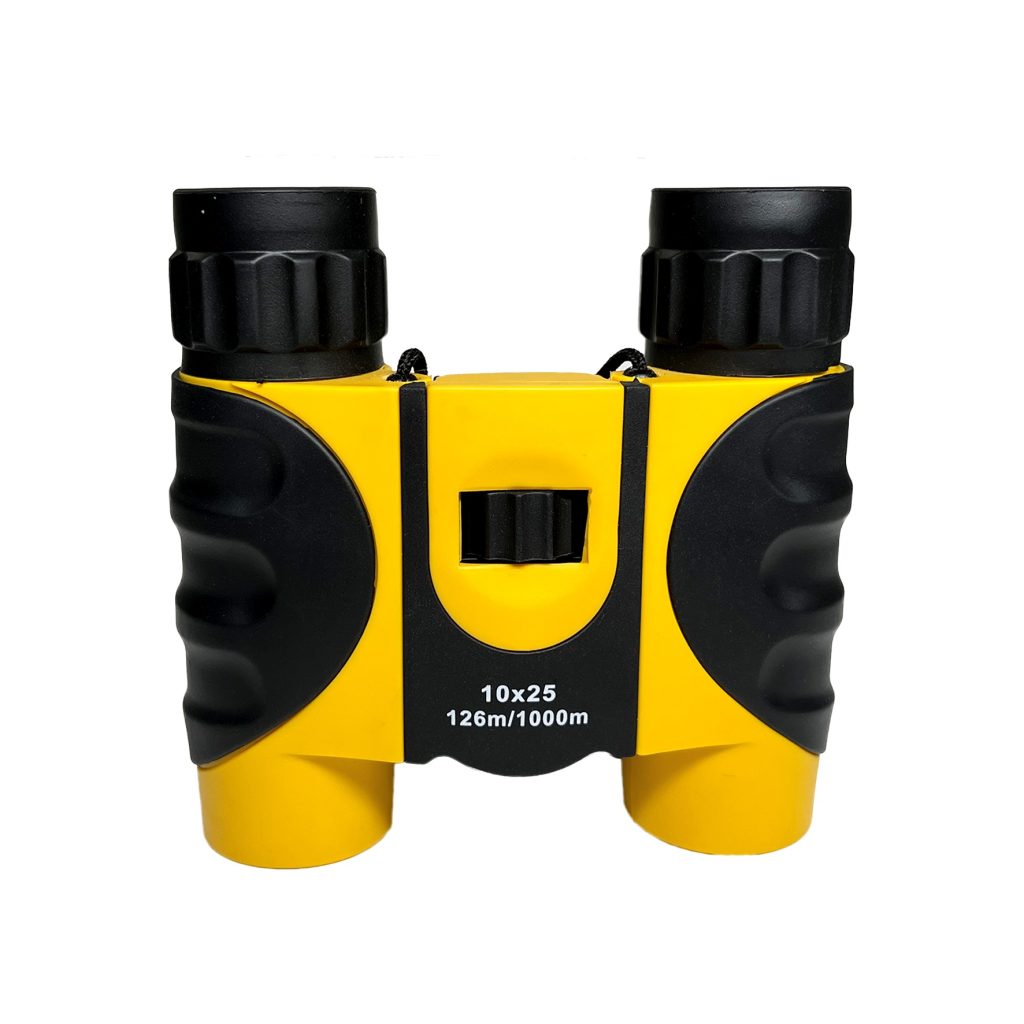
Travel is about friction. If the binocular competes with a water bottle or camera lens, it gets left behind. That is why 25 mm (8×25 or 10×25) exists: it is small enough to be an everyday tool.
For travel, prioritize:
- Folded length and hinge width (does it fit your day bag or jacket pocket?).
- Fast, low‑effort eye placement (wide eyecups, generous eye relief if you wear glasses).
- Close focus (museums, architecture details, exhibits) and smooth focus throw.
- A clean, high‑contrast image in daylight—low light is secondary unless you do dawn tours.
Recommended class: 8×25 for steadiness and wider ‘usable’ field; 10×25 only if your hands are steady and you accept a tighter exit pupil.
2) Birding: you don’t control distance or lighting
Birding punishes narrow ‘usable’ field and eye fatigue. You are tracking movement, scanning foliage, and often working under canopy or at the edges of the day. This is where 32 mm becomes the default for many users: it is bright enough to feel relaxed but still carryable.
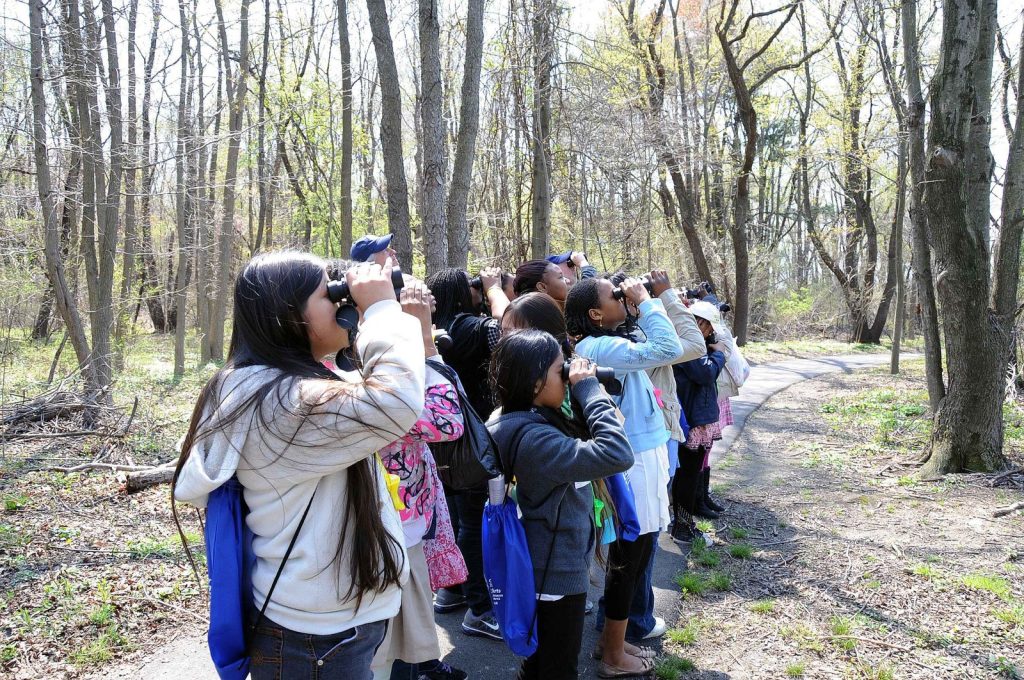
For birding, prioritize:
- Wide usable FOV (not just advertised FOV). Eyepiece design and prism aperture influence edge brightness and vignetting.
- Exit pupil that stays comfortable in mixed light (8×32 is a classic).
- Close focus (for butterflies/insects) and consistent focus torque for micro‑adjustments.
- Weather sealing and internal fog resistance (field use is unpredictable).
Recommended class: 8×32 for most; 8×42 if you bird at dawn/dusk, in forests, or for long hours (use a harness to reduce fatigue).
3) Concerts and stadiums: low light + tight seating
Concert venues add two constraints: you are seated close to others, and light levels swing from bright stage to dark crowd. High magnification is rarely helpful—stability and eye comfort matter more.
For concerts, prioritize:
- Compact width and silent handling (focus wheel noise, hinge stiffness).
- Long eye relief / comfortable eyecups if you wear glasses.
- Moderate magnification (6×–8× is often easier than 10× in seats).
- Good flare control (stage lighting is harsh; stray light washes contrast).
Recommended class: 8×25 (or even 6× or 7× compact) for the easiest handling. 32 mm is only worth it if you also use the binocular outdoors.
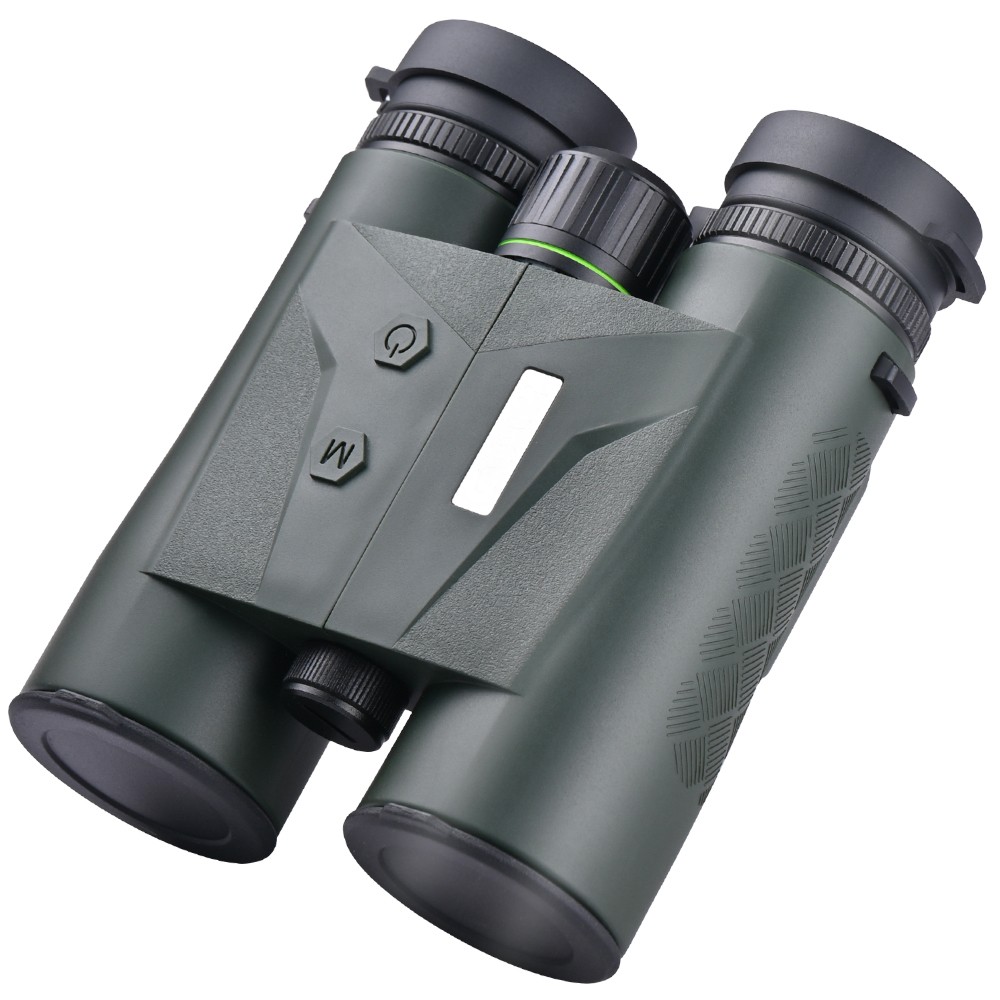
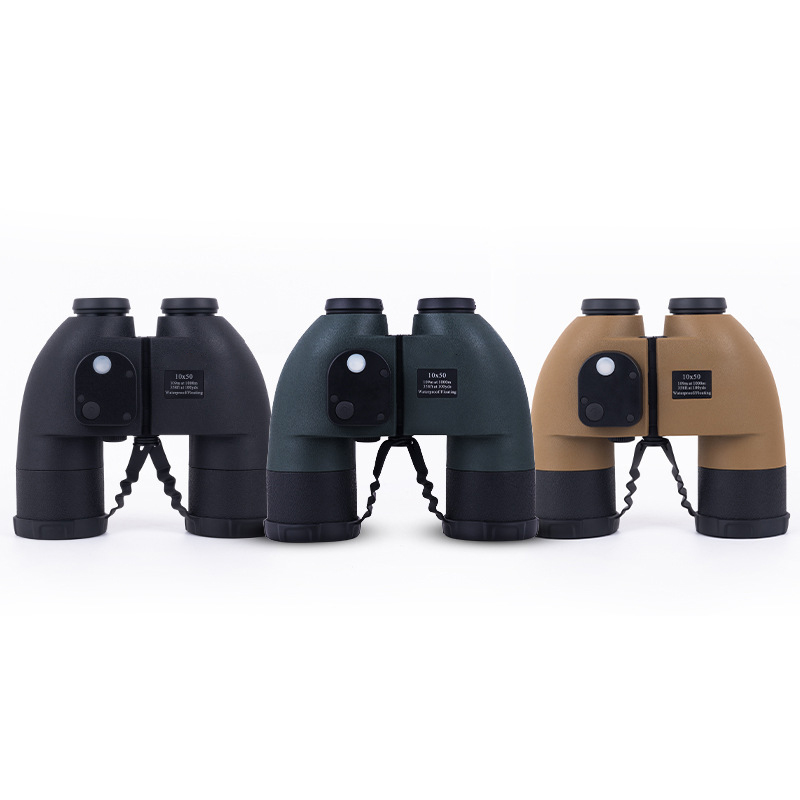
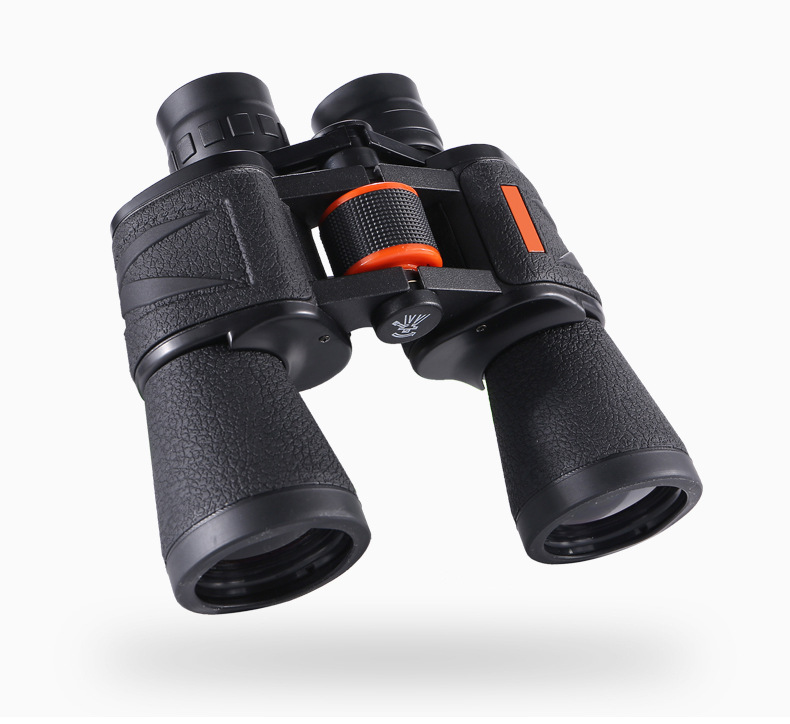
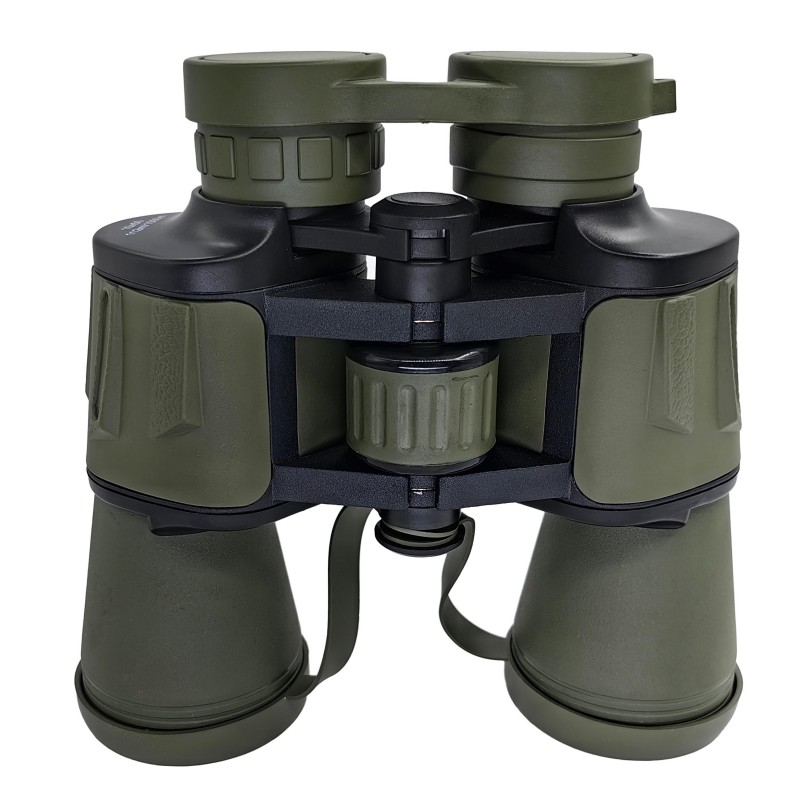
How to compare models without getting lost
Once you pick a size class, compare models using a short checklist. This helps you avoid ‘spec sheet traps’ where a number looks good but the view feels worse.
Step 1 — Start with the usable view, not magnification
A binocular can advertise a wide field of view (FOV) yet feel narrow if edge vignetting or blackouts make that field hard to access. If possible, evaluate: (1) how easily you see the full circular image, (2) whether the edges stay bright, and (3) whether you fight black shadows when you move.
Step 2 — Check prism ‘headroom’ for the size class
In small binoculars, prisms and internal apertures can become the bottleneck. If the prism aperture is undersized, the system can vignette—reducing edge brightness and effectively shrinking the usable field. This is why two 8×25 binoculars can feel very different: one is ‘open’ and relaxed, the other feels like looking through a tube.
Step 3 — Use light scenarios that match your real use
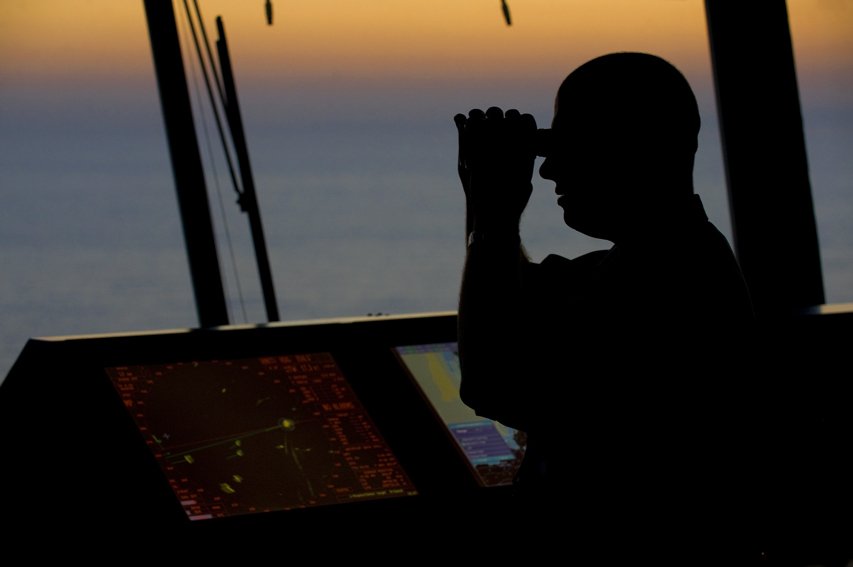
A store demo under bright ceiling lights will not reveal dusk behavior. If your use includes twilight, test near a window at dusk or in shade under trees. Look for: (1) contrast on dark objects, (2) flare from bright lights, and (3) whether the view remains easy to align.
Common mistakes (and the quick fixes)
- Buying 10× in a 25 mm body and expecting relaxed viewing.
Fix: 10×25 can be excellent, but the 2.5 mm exit pupil is unforgiving. If you often view in shade or at dusk, move to 10×32 or 8×32.
- Ignoring eye relief and eyecup design.
Fix: If you wear glasses, long eye relief (often ~15 mm or more in practice) matters more than advertised FOV. Test whether you can see the full circle without pressing.
- Equating ‘bigger objective’ with ‘always brighter’.
Fix: Brightness gains are limited by your eye pupil. In bright daylight, a 42 mm binocular may not look brighter than a 32 mm—its advantage shows up in mixed light and comfort.
- Forgetting carry system.
Fix: A 42 mm binocular can be perfect—if you use a harness and actually carry it. Without it, it may stay in the car.
Spec sheet checklist
- Magnification and objective (e.g., 8×25 / 8×32 / 8×42).
- Field of view (m/1000 m or ft/1000 yd) and whether it stays usable to the edge.
- Eye relief + eyecup mechanism (twist-up vs fold-down), especially for eyeglass users.
- Close focus distance and focus wheel feel (speed vs precision).
- Weight, balance, and whether a harness is recommended.
- Prism type (Roof/Porro) and coating claims (phase correction on roof prisms, dielectric mirrors, etc.).
- Waterproof rating / gas purging if used outdoors.
- Warranty and service model (important for travel and rental fleets).
Conclusion: pick the class that matches your friction, not your fantasy
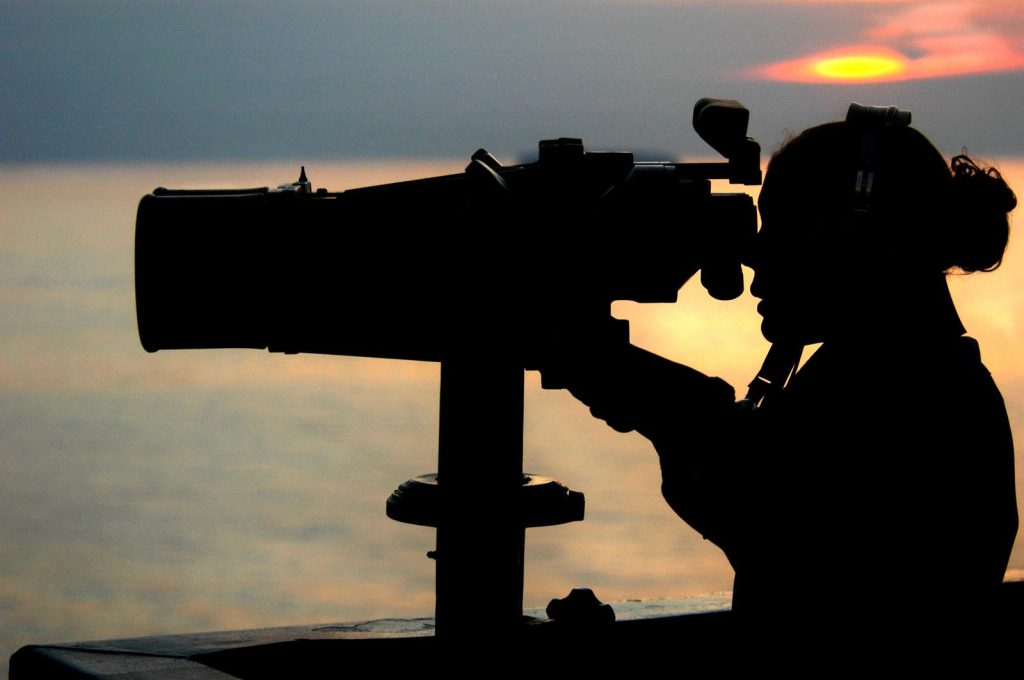
25/32/42 mm objectives correspond to three different realities: carry friction, viewing comfort, and low‑light headroom. For most people, 32 mm is the most balanced ‘one binocular’ size. But if you travel constantly, 25 mm gets used more; and if you bird seriously or watch at dawn/dusk, 42 mm reduces fatigue and keeps the image easier to align.
If you are specifying a product line, treat 25/32/42 as separate user journeys rather than ‘same binocular, different size.’ The optics, mechanics, and accessories (case, strap, harness) should be designed around those journeys.