A Practical, Customer-Centric Guide for Rifle Scope Distributors, Agents, Gun Stores, and Outdoor Brands
What Problems Does This Guide Solve?
You are usually considering your own rifle scope brand not because you simply want to add another logo, but because your existing business has encountered a structural challenge: a distribution agreement has ended, there is a gap in your price range, local needs are being overlooked, your current product portfolio needs to be completed with optics, or you already control the channels and customers but cannot control the product, pricing, or after-sales service.
This guide does not begin with factory capabilities or a specification list. It begins with a more important question: why are you considering your own brand at this particular moment? First identify your situation, then decide whether to continue representing established brands, combine several brands, or build your own. Once the direction is clear, you can move on to product definition, sample validation, mass production, launch, and iteration.
About This Guide: Why Was It Developed by FORESEEN OPTICS?
This guide is based on FORESEEN OPTICS‘ practical experience from nearly 200 in-depth customer projects over the past 10 years. Some customers built successful partnerships and continued growing their own brands; others ended their projects because the necessary strategic questions had not been considered early enough. We hope to give uncertain distributors a structured way to think, helping them turn the broad ambition, “I want to serve more customers better,” into an actionable question: “How, specifically, can I serve more customers better?”
The Core Conclusion Up Front
Launching your own rifle scope brand is not simply a matter of finding an off-the-shelf product and adding a logo. It means combining channel knowledge, user scenarios, product definition, supply-chain validation, brand promises, and an after-sales feedback loop into a repeatable business system. Whether you are ready to begin now depends on your understanding of the target market, the price segments you can enter, your ability to validate the first products, your cash-flow tolerance, and your willingness to assume long-term responsibility for quality and service.
Part One: Identify Your Reason for Building a Brand
Quick Self-Assessment: Where Should You Start?
- Your distribution rights ended suddenly and you urgently need sellable products: start with Scenario 1.
- Your exclusive distribution rights were withdrawn and you are comparing a multi-brand portfolio with your own brand: start with Scenario 2.
- You have traffic and inquiries, but high prices are causing many potential customers to drop out: start with Scenario 3.
- Leading brands do not cover genuine local needs: start with Scenario 4.
- You already sell firearms and need to offer a complete rifle scope and mount package: start with Scenario 5.
- You understand the outdoor or hunting market but not gun-mounted optics, and need a turnkey solution: start with Scenario 6.
- You have experience with binoculars, spotting scopes, or rangefinders and are preparing to enter gun-mounted optics: start with Scenario 7.
- You have e-commerce or private-community traffic and want control over retail pricing and customer data: start with Scenario 8.
- You have OEM, product, or engineering experience and want to turn that capability into your own brand asset: start with Scenario 9.
- You are a hunter, shooter, or instructor who has lived with a recurring product failure for years: start with Scenario 10.
- You already manufacture or sell related equipment, but existing optics have become the bottleneck in the overall user experience: start with Scenario 11.
- You believe the market needs trustworthy after-sales support more than another product with similar specifications: start with Scenario 12.
- You have access to competitions, clubs, or professional communities and want to co-develop a specialized product with core users: start with Scenario 13.
None of These Scenarios Fits You?
If none of the 13 scenarios above fully matches your situation, please contact us directly. Tell us your unique story, business challenges, and core objectives, and we will explore a tailored path for launching your brand.
Scenario 1: A Leading Brand Does Not Renew Your Agreement, Leaving You Without Products to Sell
The situation: For years, your sales team, showroom, and customer relationships have revolved around one leading brand. After the renewal decision changes, the inquiries and team are still there, but the core products can no longer be supplied reliably.
- The real challenge: This is not merely about replenishing inventory; your channel assets depend on another company’s authorization.
- Priorities: Replenishment speed, continuity for existing customers, credibility of replacement products, cash flow, and the risk of confusion with the former brand.
- Options to compare: A short-term transition brand, a multi-brand portfolio, or rapid branding of a mature platform.
- Launch approach: Cover the one or two application scenarios with the strongest historical sales and the most manageable after-sales risk. Do not try to replace the entire catalog at once.
- Key risk: Rushing into a visually similar product without validating consistency, stocking service parts, or planning for continuous supply.
- Co-development questions: Former represented brand, primary markets, historically best-selling magnification ranges and price segments, current inventory, and acceptable supply gap.
Scenario 2: Your Exclusive Distribution Rights Are Withdrawn, and You Must Choose Between Adding More Brands and Launching Your Own
The situation: You once held regional exclusivity and therefore invested in exhibitions, content, channels, and after-sales support. When exclusivity is removed, you realize that the market you developed may now be shared by many other sellers.
- The real challenge: Should you continue using your channel capabilities to grow someone else’s brand, or convert part of that investment into an asset you own?
- Priorities: Timing, channel conflict, brand-building cost, team capabilities, contracts, and intellectual-property boundaries.
- Decision comparison: A multi-brand model is faster and spreads risk; an own-brand model offers greater control but creates long-term product and service obligations.
- Hybrid path: Retain a leading brand to attract traffic while using your own brand to cover profit, price, or localization gaps.
- Co-development questions: Why exclusivity changed, your current dealer network, whether customers are loyal to the brand or to you, and the time and resources you can invest.
Scenario 3: You Still Represent a Leading Brand, but High Prices Cause Many Inquiries to Disappear
The situation: Customers recognize the brand you sell, but go silent after receiving the quotation. They do have demand; their budgets simply cannot cross the premium-price threshold.
- The real challenge: You bear the customer-acquisition cost but lack a product that can convert most inquiries into orders.
- Priorities: The real budgets of lost customers, experiences that cannot be compromised, price anchors, gross-margin room, and clear positioning separation from the leading brand.
- Launch approach: Build a mid-range or entry-professional line around the core promise of being “sufficient and dependable,” rather than copying every feature of a premium brand.
- Product tiers: Traffic-generating model, core volume model, flagship model, and mount/accessory packages.
- Validation method: Review historical lost inquiries anonymously to identify demand patterns, then conduct small-scale sample trials.
- Case insight: Primary Arms’ official mission emphasizes delivering quality optics at affordable prices, showing that a price-segment gap can itself provide a clear starting point for a brand.
- Co-development questions: Where inquiries are lost before conversion, mainstream budgets, and which features customers are willing to pay more for.
Scenario 4: Leading Brands Have Incomplete Product Lines and Continue to Ignore Local Needs
The situation: You repeatedly report local caliber, firearm, hunting-method, regulatory, or environmental requirements, but the global product roadmap never changes for such a small market.
- The real challenge: Global brands pursue scale, while you face a regional need that is genuine but not large enough to influence their roadmap.
- Priorities: Whether demand volume can be validated, whether the reticle or the structure needs to change, platform compatibility, regulations and certification, and customization MOQ.
- Launch approach: Define a scenario-specific product around one frequent local task, rather than beginning with a generic name such as 3-9x or 1-6x.
- Risk: Mistaking the opinions of a few vocal customers for the needs of the entire market.
- Validation method: Dealer interviews, historical sales data, a list of mounting platforms, and at least two rounds of target-user sample testing.
- Co-development questions: Local use scenarios, common firearm types and calibers, where existing products fail, and quantifiable potential demand.
Scenario 5: You Sell Firearms, but Customers Want the Rifle Scope and Mount Supplied as a Complete Package
The situation: Customers increasingly ask when buying a firearm, “Which scope should I use on this rifle? How high should the mount be? Can you supply the complete setup?” If you cannot answer, accessory sales and the ongoing customer relationship move elsewhere.
- The real challenge: You sell an individual piece of hardware, while customers are buying a correctly matched complete solution.
- Priorities: Firearm platform and interface, intended use, budget, scope dimensions, mounting height, mounts, and after-sales responsibility.
- Launch approach: Build a firearm + scope + mount compatibility matrix around your best-selling firearm platforms, starting with a small number of proven combinations.
- Commercial value: Increase average order value, reduce customer decision effort, lower compatibility-related returns, and establish the image of a professional adviser.
- Risk: Claiming compatibility with every platform without validation, or overlooking local installation and firearm-accessory compliance requirements.
- Co-development questions: Best-selling firearm models, current accessory brands, customer use cases, common installation issues, and reasons for returns.
Scenario 6: You Understand Hunting Equipment but Are Entering Gun-Mounted Optics for the First Time and Need a Turnkey Solution
The situation: You understand hunters, channels, and seasons, but optics, reticles, recoil resistance, adjustment mechanisms, and assembly consistency seem too specialized to master through a single purchase.
- The real challenge: You do not need another catalog; you need someone who can translate market language into a verifiable product solution.
- Priorities: Clear benchmark products, mature platforms, explainable specifications, low-risk customization, training materials, sample testing, and after-sales processes.
- A turnkey solution should include: Opportunity diagnosis, a benchmarking matrix, launch SKUs, branding options, a sample test plan, packaging and manuals, sales training, and after-sales spare parts.
- Launch approach: Choose a mature category with recognizable benchmark products, and clearly explain the similarities, differences, and trade-offs.
- Risk: Mistaking logo application for a turnkey solution. A genuine turnkey solution must include validation and post-launch responsibility.
- Co-development questions: Existing channels, target consumers, acceptable learning investment, and the brands and price segments you want to benchmark.
Scenario 7: You Sell Handheld Optics and Plan to Expand into Gun-Mounted Optics
The situation: You already understand glass, coatings, field of view, exit pupil, and low-light performance, but rifle scopes add system-level issues such as recoil resistance, return to zero, adjustment, reticles, focal planes, mounting, and platform compatibility.
- The real challenge: Existing optical knowledge is useful, but the evaluation system for binoculars cannot be applied directly to gun-mounted products.
- Priorities: Mechanical reliability, tracking and return to zero, reticle usability, eye relief and eye box, mounting ecosystem, and test methods.
- Launch approach: Leverage your brand’s existing reputation for optical quality and enter through hunting scopes or airgun scopes with the highest overlap among target users.
- Capabilities to add: Establish acceptance standards for recoil resistance, tracking, waterproofing, temperature performance, assembly consistency, and mounting compatibility.
- Co-development questions: Existing handheld-optics categories, core customers, brand price positioning, team technical capability, and after-sales system.
Scenario 8: You Want Your Own Brand to Control Retail Pricing, Product Quality, and Customer Data
The situation: You have an independent website, e-commerce store, content traffic, or membership community, but you do not control the retail pricing, promotional calendar, product-page assets, or customer relationships of third-party brands.
- The real challenge: Your channels are digital, but the product assets still belong to others, so you cannot accumulate brand equity.
- Priorities: Direct-to-consumer acquisition cost, content capability, retail price discipline, and after-sales response speed.
- Launch approach: Validate the business first with one flagship product that is easy to explain, search, and compare, while escaping the quality constraints imposed by mass-market retail markups.
- Key risk: Content, customer service, returns, and trust-building may create operating costs far beyond expectations.
- Risk: Eliminating middle-channel costs does not automatically create profit; content, service, returns, and trust-building create new costs.
- Co-development questions: Traffic sources, repeat-purchase rate, average order value, reasons for returns, and the number of users you can reach directly.
Scenario 9: You Have OEM, Engineering, or Product Experience and Want to Turn It into Your Own Brand
The situation: You have developed products for other companies for years. You know which designs truly work and which solutions exist only to satisfy a customer’s budget or procurement constraints. You are now considering turning that experience into a long-term asset of your own.
- The real challenge: Moving from delivering to someone else’s requirements to independently defining the market, product standards, and long-term promises.
- Priorities: Differentiated brand positioning, intellectual-property boundaries, supply-chain conflicts of interest, and after-sales system development.
- Launch approach: Use technical strengths to build a specialized product for a narrow competition requirement and pursue performance without the usual external constraints.
- Key risk: A technology-led approach can disconnect innovation from genuine purchase reasons and result in unclear positioning.
- Risk: Strong engineering capability does not guarantee clear market positioning; engineering teams often mistake innovation for a purchase reason.
- Co-development questions: Your unique capabilities, development experience that can be disclosed, channel partners, and the external limitations you most want to eliminate.
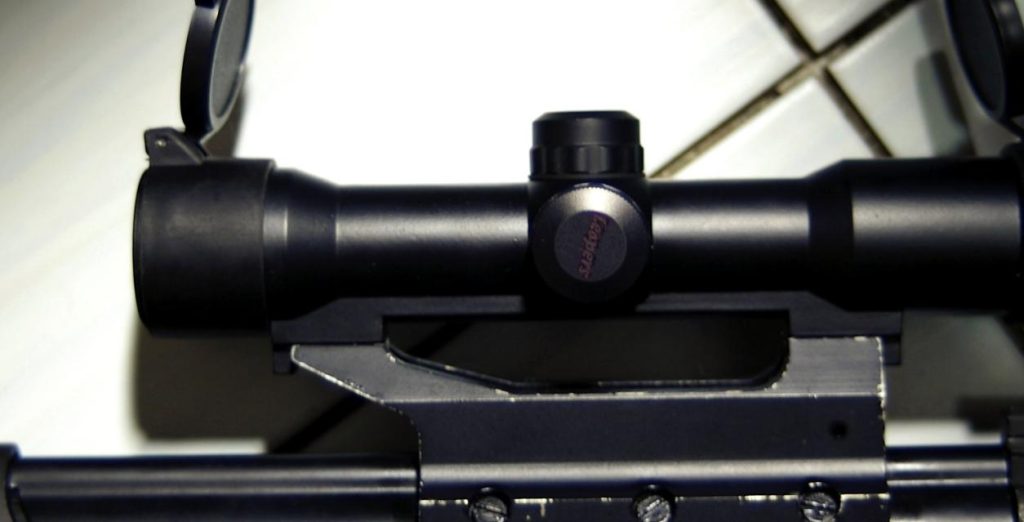
Scenario 10: You Are a Heavy User Who Experienced Product Failure and Decided to Build Something Better
The situation: During an important hunt, competition, or long period of use, fogging, zero shift, a restrictive eye box, adjustments, or reticle design repeatedly interfered with the task. You did not discover the problem in a market report; you personally experienced the failure.
- The real challenge: Your pain point is genuine, but you must prove that it represents a commercially meaningful user group.
- Priorities: Reproducibility of the failure conditions, the side effects of improvements such as added weight or cost, and users’ willingness to pay.
- Launch approach: Convert your experience into specific anti-fogging and zero-retention test conditions and strict acceptance standards.
- Key risk: Over-optimizing for the founder’s personal preferences, creating a product that is too expensive and appeals to too narrow a market.
- Risk: Overfitting the product to the founder creates an expensive product with a market that is too small.
- Co-development questions: The environment, frequency, and consequences of the failure, and why existing alternatives are inadequate.
Scenario 11: You Already Sell Adjacent Products, but Optics Have Become the Bottleneck in the Complete Solution
The situation: You already sell illumination, firearms, mounts, ballistic tools, thermal imaging, or other related equipment. As the performance of the core product improves, users discover that the existing scope prevents the complete system from reaching its potential.
- The real challenge: Close the final gap in the existing product ecosystem so that external optics no longer limit overall solution performance.
- Priorities: Interfaces between multiple devices, credibility of the brand extension, and division of after-sales responsibility for bundled sales.
- Launch approach: Define the specific additional task solved by the complete package, such as strong aiming performance after night illumination is added.
- Key risk: Assuming that shared channels automatically give you mastery of the technical barriers, regulations, and quality responsibilities of another category.
- Risk: A shared sales channel does not mean that the technical, regulatory, and quality responsibilities are the same.
- Co-development questions: Existing core products, user workflow, current optical bottlenecks, and bundled-sales potential.
Scenario 12: You Want to Build the Brand on After-Sales Service and Credible Promises, Not Specifications Alone
The situation: The market contains many products that look similar, but customers are really afraid of failures that nobody handles, unclear warranty rules, and no replacement stock during peak season. You believe service itself can become the brand.
- The real challenge: An after-sales promise is a long-term financial liability that must be supported by product consistency, spare-parts circulation, and a closed-loop cross-border logistics system.
- Priorities: Warranty response time, repair/replacement cost model, failure-attribution standards, and last-mile service capability.
- Launch approach: Design service levels that can actually be fulfilled, and use those service obligations to drive stricter testing and redundancy requirements for the product platform.
- Key risk: Using excessive promises to win short-term sales, then allowing high failure rates or weak cross-border execution to damage cash flow.
- Risk: Making excessive promises without the failure-rate data, returns process, or cross-border capability needed to fulfill them.
- Co-development questions: Local customers’ biggest after-sales complaints, acceptable handling time, and who will provide last-mile service.
Scenario 13: You Have Access to Competitions or a Professional Community and Want to Co-Develop a Specialized Product with Core Users
The situation: You operate a club, competition, training program, or professional dealer network and repeatedly hear the same complaints. Large brands consider the market too small, but your community is large enough to provide the first group of validators and advocates.
- The real challenge: Convert fragmented community opinions into stable product requirements without allowing niche preferences to substitute for mainstream purchasing power.
- Priorities: Competition-rule constraints, breadth of the core-user sample, and a closed feedback loop.
- Launch approach: Build professional credibility through a co-development path of requirement definition, engineering samples, blind comparison tests, and public evidence.
- Key risk: Mistaking sponsorship relationships for product validation, or becoming so absorbed in community praise that objective test records are neglected.
- Risk: Treating sponsorship as product validation or collecting verbal praise without test records.
- Co-development questions: Community size, competition rules, most common pain points, key users available for testing, and purchasing intent.
Part Two: Are You Truly Ready to Build Your Own Brand?
First Compare the Available Business Models
- Continue representing a single brand: Fast to start and low brand-education cost, but control and renewal risk are concentrated.
- Represent multiple brands: Broader coverage and diversified risk, but inventory, training, price conflict, and after-sales management become more complex.
- Own brand: Control over positioning, products, pricing, and customer assets, but responsibility for development, inventory, quality, compliance, and long-term service.
- Hybrid model: Use established brands to build trust and your own brand to cover price or scenario gaps. This is often a practical transition for companies that already have channels; approximately 60% of our customers begin with this model.
Own-Brand Readiness: Six Essential Assets
- Customer asset: Can you maintain access to a clearly defined type of buyer?
- Scenario asset: Do you understand the platforms, environments, and tasks in which they use the product?
- Channel asset: Do you have a dealer network, stores, e-commerce, content, clubs, or industry relationships?
- Product judgment: Can you define the experiences that must be preserved and the trade-offs that are acceptable?
- Capital and inventory: Can you absorb the cost of samples, the first order, logistics, inventory turnover, and after-sales spare parts?
- Brand responsibility: Are you willing to keep handling quality issues, updating instructions, and iterating the product?
Go / Pause Decision Questions
- Can you explain in one sentence who the target customer is, where the product will be used, and why current options are inadequate?
- Do you have access to real users for sample validation, rather than relying only on internal judgment?
- Do you know the launch price segment and the channel gross-margin structure?
- Can you fund at least one complete replenishment cycle and one after-sales cycle?
- Is there a clearly assigned compliance owner who will confirm trademark, labeling, import, export, and product requirements in the target market?
- If most answers are no, begin with market validation or joint testing rather than rushing into the first mass-production order.

Part Three: Turn the Motivation for Building a Brand into the First Product Line
Write a Brand Opportunity Statement First
Recommended formula: We provide [product type] for [specific customer] in [specific scenario], focusing on [a clear gap in existing solutions] and delivering a more suitable choice in the [target price segment] through [a verifiable difference].
Seven Dimensions for Defining the Launch Product
- Target users: Hunters, range shooters, competition shooters, airgun users, gun-store customers, or another clearly defined group.
- Application scenarios: Distance, light, terrain, climate, carrying method, and primary task.
- Mounting platform: Firearm type, rail, ring diameter, mount, mounting height, and accessory compatibility.
- Price and channel: Retail price, dealer structure, promotional room, return costs, and after-sales costs.
- Perceptible performance: Differences that users can genuinely experience while observing, aiming, adjusting, carrying, and using the product over time.
- Benchmark product: Explain why it is the reference, what should be similar, what should differ, and what will deliberately not be pursued.
- Evidence plan: Link every core claim to samples, test records, user feedback, or supply-chain documents.
Launch SKU Structure
- Core volume model: The product that best covers the core customer group and profit target.
- Entry model: Lowers the barrier to a first purchase without compromising the minimum reliability standard.
- Flagship model: Demonstrates brand capability but does not necessarily carry the highest sales volume.
- Accessory package: Mounts, rings, lens caps, tools, or other verified compatible accessories.
- The first stage should normally be small and clear. Every additional SKU increases inventory, training, documentation, spare-parts, and after-sales complexity.
How to Choose an Entry Category
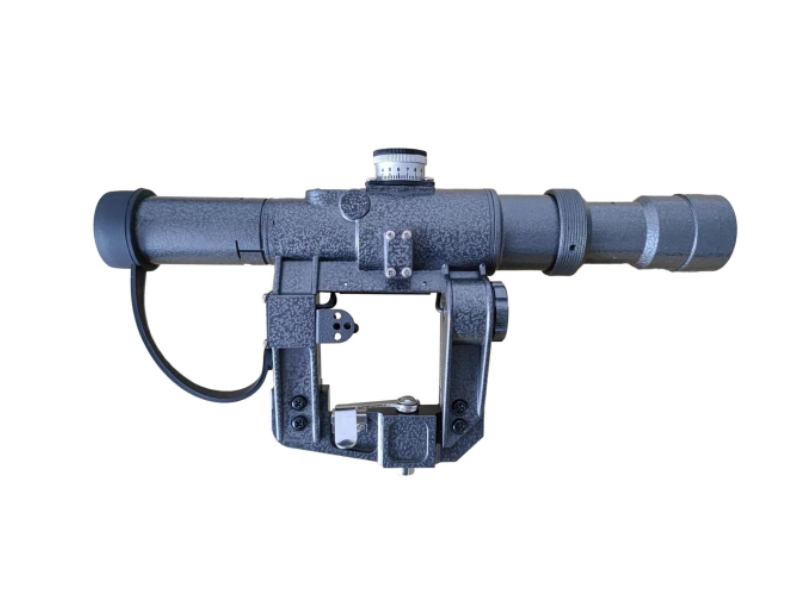
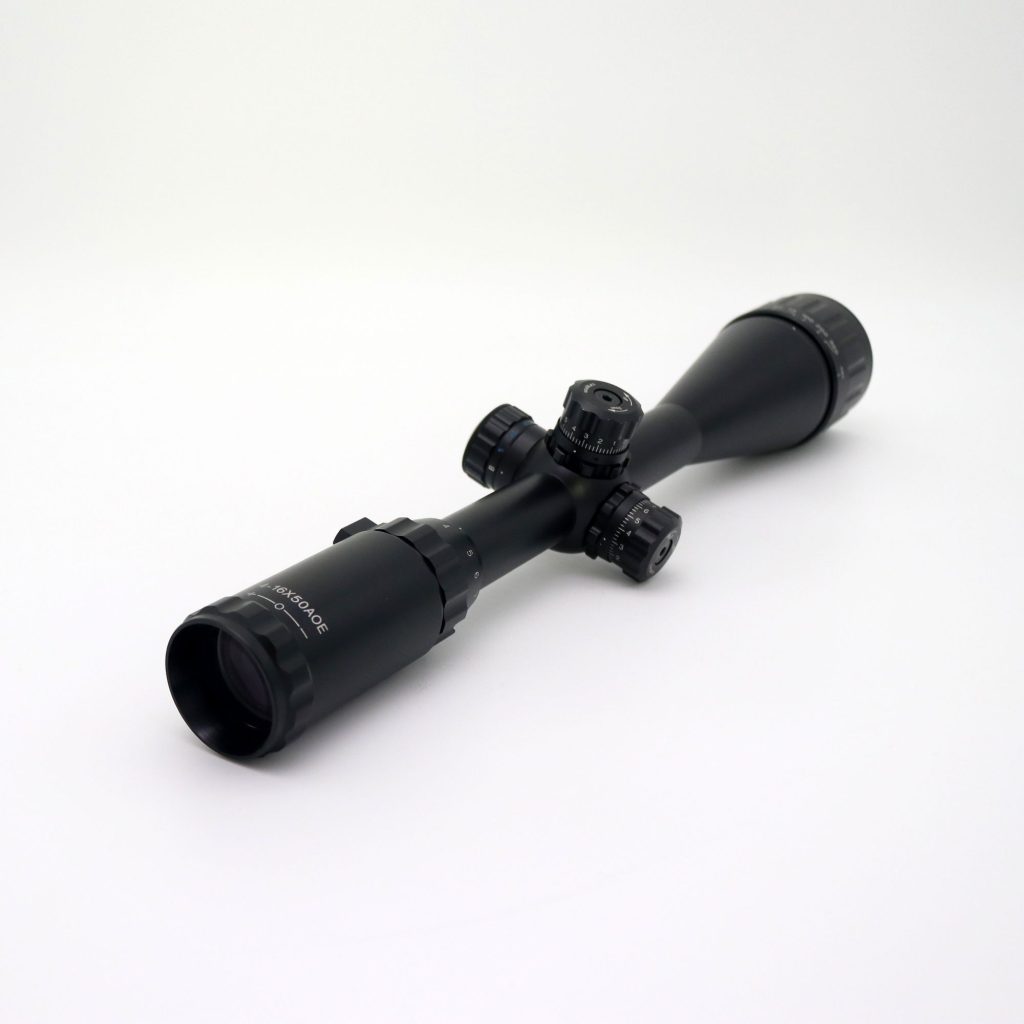
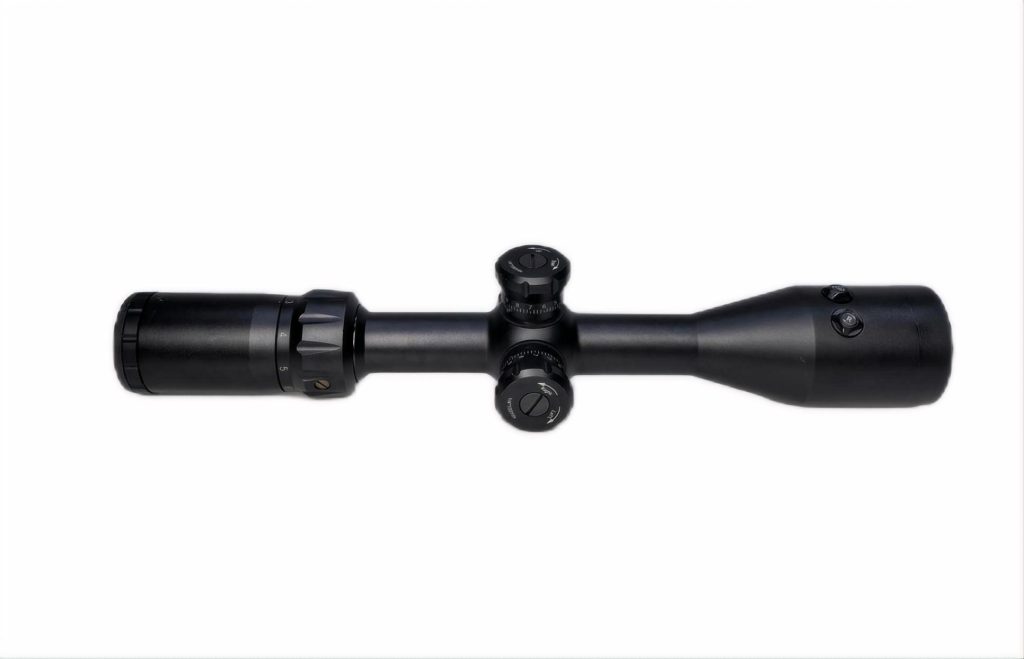
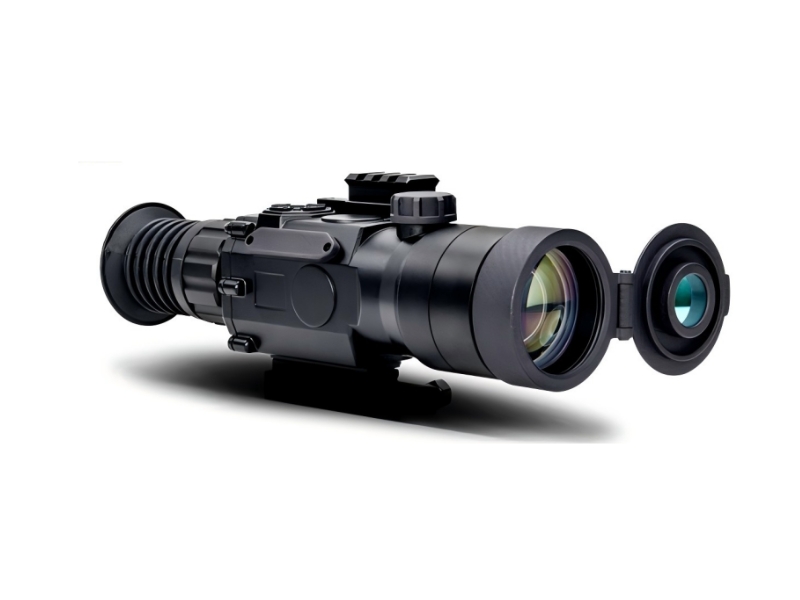
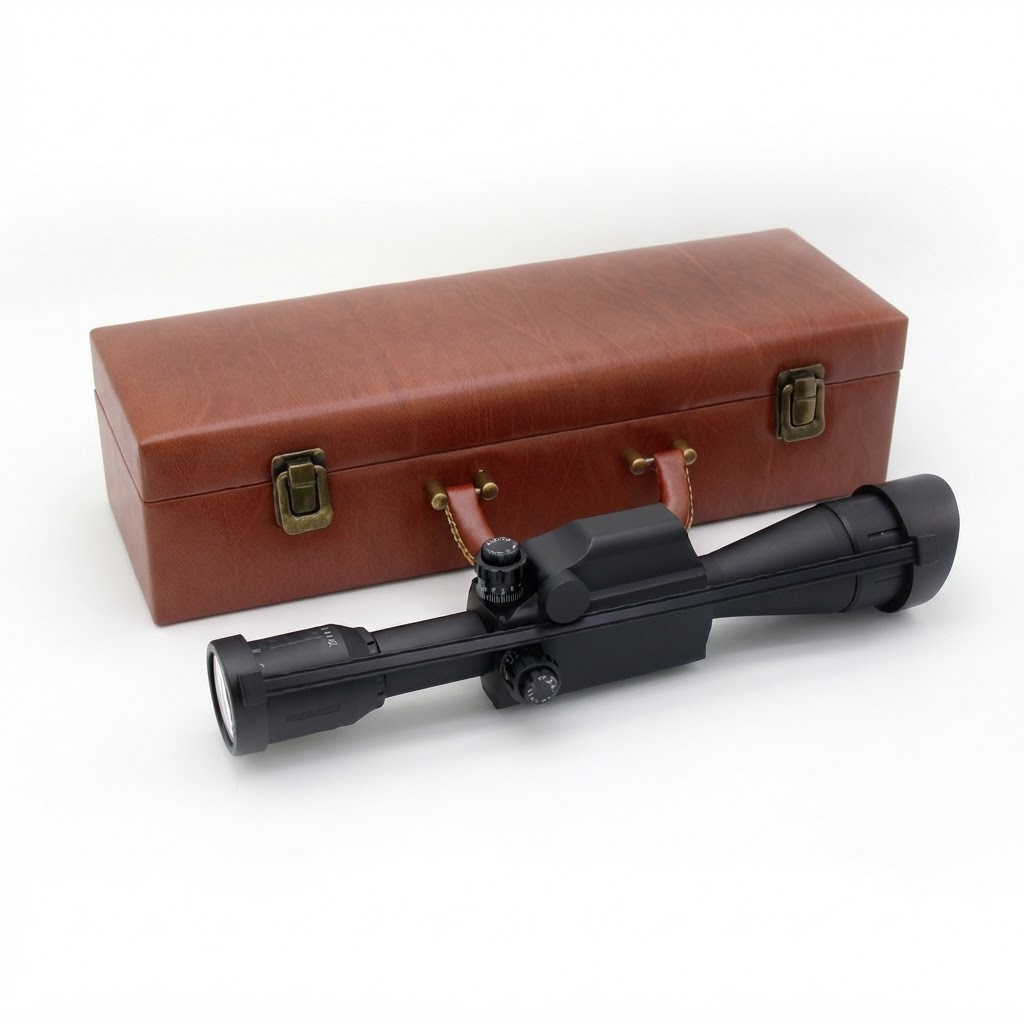
- Optical hunting rifle scopes: Suitable for businesses already serving hunting-equipment, gun-store, or handheld-optics customers.
- Precision and target rifle scopes: Suitable for teams able to organize rigorous testing and professional content.
- LPVOs and prism sights: Suitable for channels familiar with platform compatibility, rapid aiming, and reticle education.
- Airgun, spring-piston, and rimfire scopes: Suitable for particular regional regulations, entry-level users, or airgun channels, but validation must still reflect the platform’s real recoil characteristics.
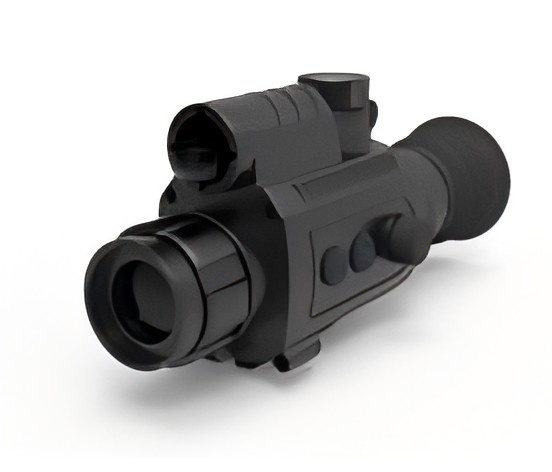
- Rangefinding, night-vision, and thermal rifle scopes: These products involve greater complexity in electronics, software, power consumption, after-sales service, and regulation. They should not be the default first step into optics simply because the average selling price is higher.
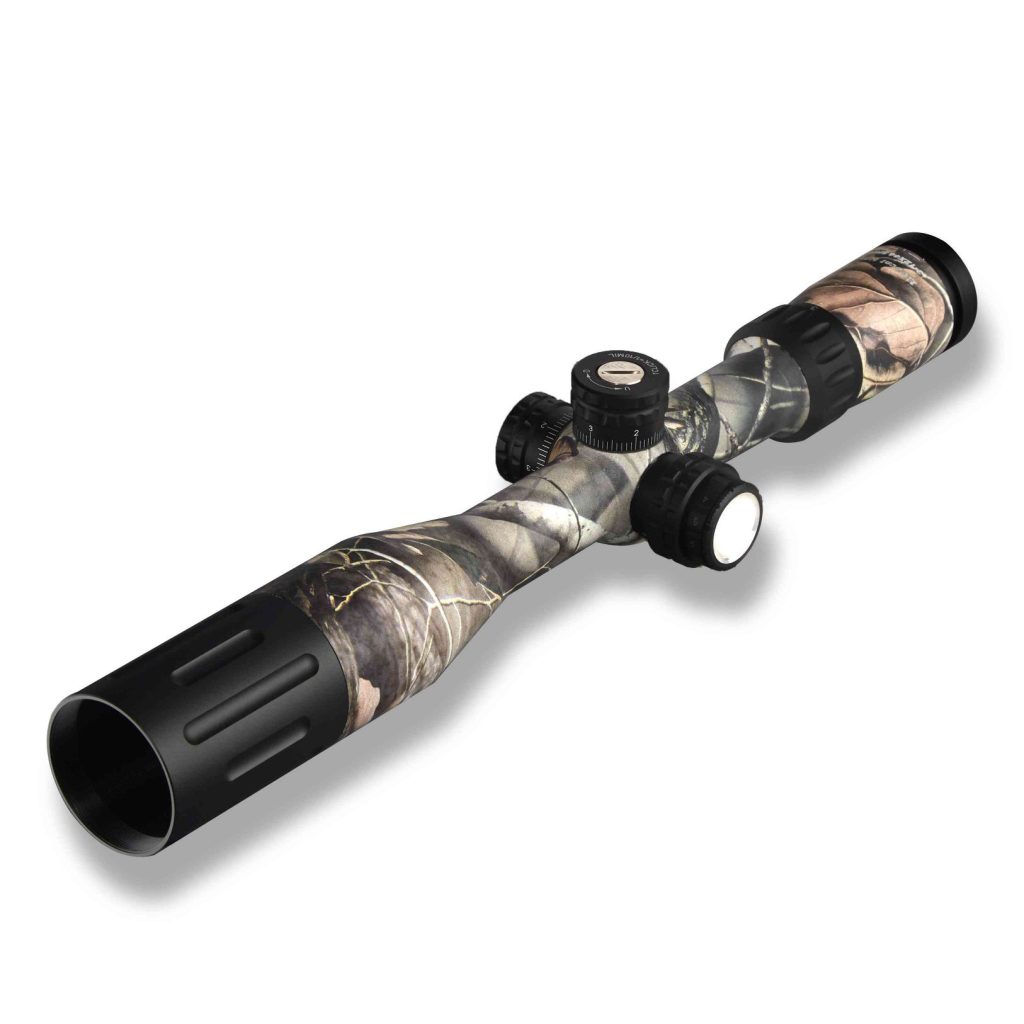
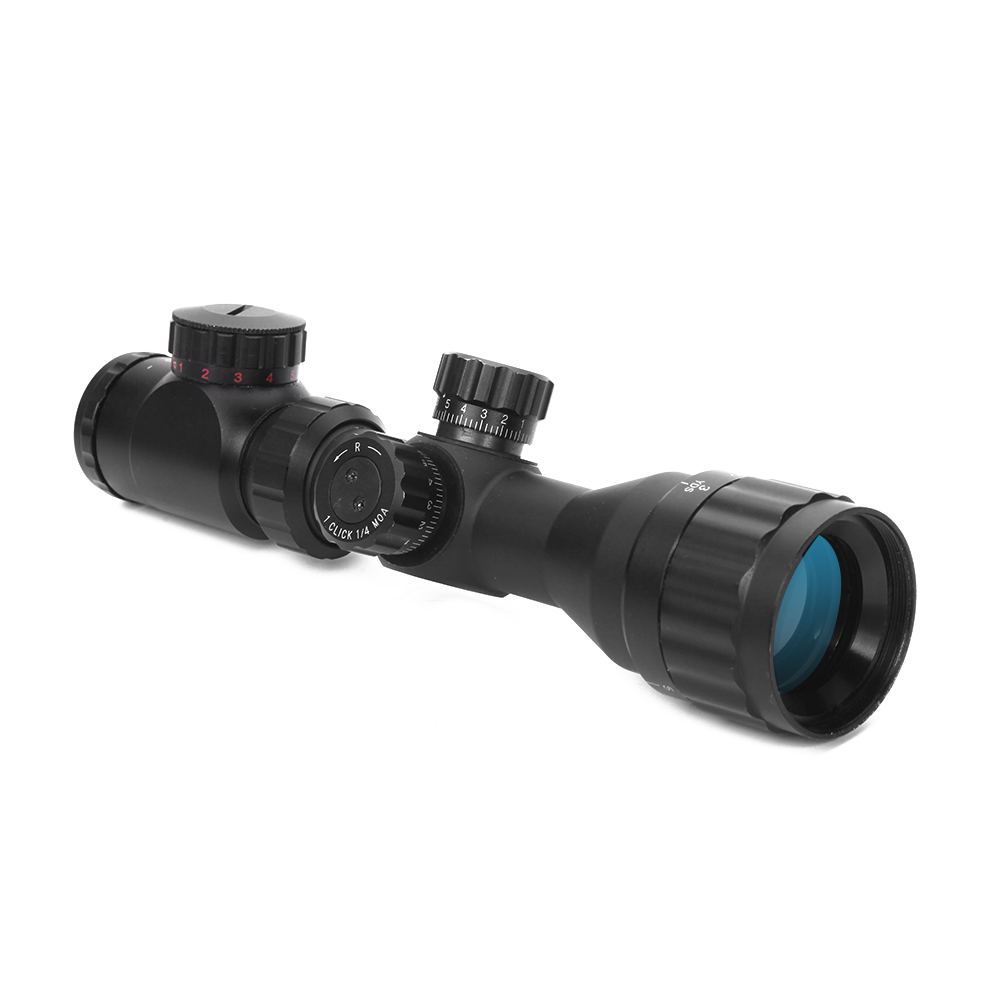
Benchmarking Is Not Copying
- Benchmarking is used to define user expectations, price anchors, and validation methods.
- Optics, mechanics, reticles, operation, mounting, after-sales service, packaging, content, and supply stability should be compared separately.
- Higher specifications do not automatically make a product more suitable. Every design choice must explain what problem it solves and what cost or trade-off it creates.
- Protected industrial designs, reticles, trademarks, patented structures, and marketing language must not be copied. Intellectual-property risks require professional review.
Part Four: A General Collaboration Process from Idea to Market
Stage 0: Brand and Business Diagnosis
- Customer input: Existing business, target market, channels, budget, historical sales, competing brands, and timing.
- Joint output: Classification of the brand-building motivation, decision among representation/multi-brand/own-brand models, and boundaries for the first launch.
- Decision gate: Is there a sufficiently clear and verifiable opportunity?
Stage 1: User Scenarios and Market Validation
- Interview dealers, salespeople, and target users, and review inquiries, lost sales, returns, and after-sales cases.
- Output: Target-user profile, scenario tasks, budget range, unmet needs, and evidence of demand.
Stage 2: Competitor and Price-Segment Map
- Select direct competitors, price anchors, and alternatives, while distinguishing official facts, third-party reviews, and assumptions.
- Output: Competitor matrix, market gaps, non-negotiable requirements, and acceptable trade-offs.
Stage 3: Launch Portfolio and PRD
- Define product type, magnification, objective size, focal plane, reticle, adjustment system, materials, mounting, and accessories.
- Output: Brand opportunity statement, launch SKUs, product requirements document, target cost, and open questions.
Stage 4: Choose the Depth of Collaboration
- Rapid branding: Logo, color, packaging, and manual changes on a mature platform.
- Platform modification: Adjustments to the reticle, turrets, appearance, mount, or local structure.
- Deep ODM: Development of new optics, structures, tooling, or functions.
- Decision gate: Do the MOQ, development cost, schedule, intellectual property, tooling ownership, and risk match the opportunity?

Stage 5: Sample and Validation Plan
- Define the questions the test must answer before requesting samples; avoid a purely subjective conclusion that the product “looks good.”
- Validation scope: Optical experience, tracking and return to zero, recoil resistance, waterproofing, temperature performance, mounting, operation, batch consistency, and packaging.
- Output: Sample versions, test methods, record templates, issue list, and revision recommendations.

Stage 6: Target-User Co-Testing and Finalization
- Select testers who match the intended scenarios and record conditions, platforms, issues, and preferences.
- Separate mandatory changes, possible improvements, personal preferences, and requests beyond the launch scope.
- Decision gate: Does the sample meet the standard for mass-production approval?
Stage 7: Brand, Content, and Compliance Preparation
- Complete trademark and naming checks, packaging labels, manuals, warnings, warranty policy, and channel materials.
- All certification, import, export, firearm-accessory, laser, wireless, battery, and electronic requirements must be confirmed by qualified professionals in the target market.
- Output: Brand asset package, product pages, FAQ, training materials, and compliance checklist.
Stage 8: Pilot Production, Mass Production, and Quality Gate
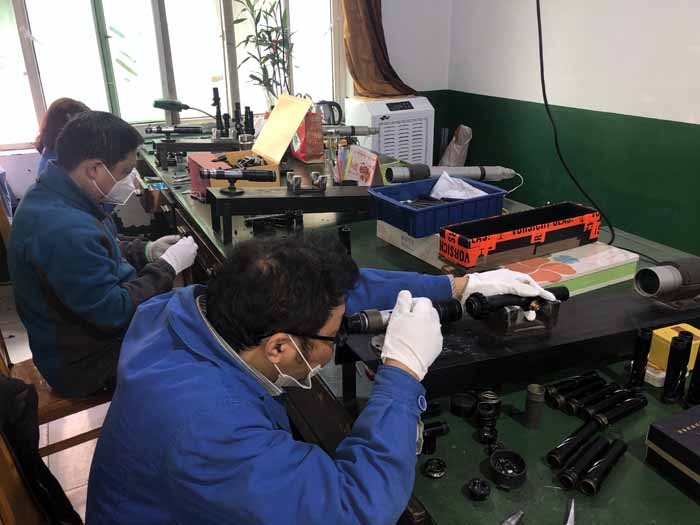
- Confirm the approved sample, BOM and version, critical materials, inspection specifications, sampling plan, packaging, and traceability.
- Output: Mass-production approval sample, inspection records, deviation handling, spare parts, and after-sales inventory.
Stage 9: Launch and Channel Enablement
- Organize product pages, dealer training, and sales messaging around scenario problems rather than a pile of specifications.
- Output: Launch schedule, channel pricing, demonstration samples, content plan, and first-batch feedback mechanism.
Stage 10: After-Sales Feedback Loop and Product Iteration
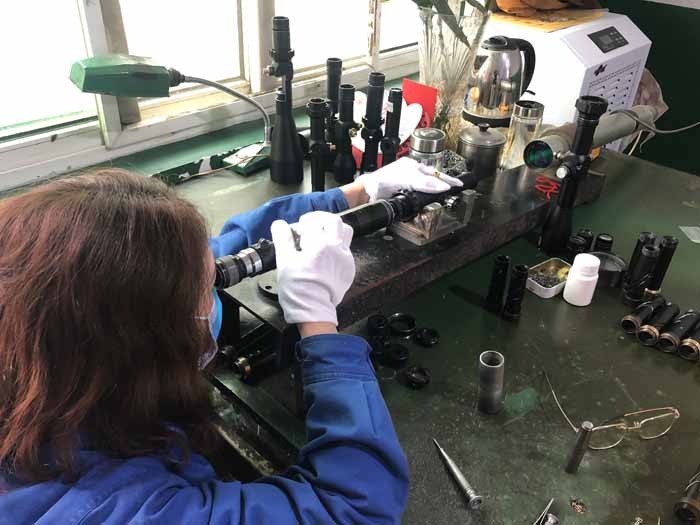
- Record failure symptoms, use conditions, batch, resolution, and root cause in a consistent format.
- Turn returns, customer-service questions, and repeat-purchase data into improvements for the next batch instead of treating each case as an isolated compensation issue.
- Output: After-sales dashboard, improvement list, and next-generation product roadmap.
FAQ
Business Decisions
Products and Supply Chain
There is no standard answer that suits every new brand. The first product should begin with the use scenario most concentrated among existing customers, rather than with a magnification range that merely appears popular.
A preliminary scenario-based assessment can be made as follows:
- General hunting and entry-level markets: Mature low-to-mid magnification, second focal plane products are usually easier to understand and sell.
- Dense woodland, close range, or situations requiring rapid target acquisition: Low-magnification products are more purpose-specific.
- Range, competition, and medium-to-long-range markets: These may require higher magnification, first focal plane designs, and more complete adjustment systems.
- Airgun or rimfire markets: Product selection must reflect the actual platform, recoil characteristics, focusing requirements, and local consumer price range.
- Bundled gun-store sales: Work backward from the store’s best-selling firearm platforms and customers’ budgets.
If supported by market validation, a common 3-9×40/42 SFP can be a candidate platform for traditional hunting and entry-level markets. A 1-6×24, 4-16x, or higher-magnification product serves different customers and tasks, and should not be selected on popularity alone.
The target market, firearm platform, price segment, competing products, mounting method, and value customers can actually perceive must all be confirmed together.
Do not compare only quotations, catalog size, and minimum MOQ. A reliable partner should cover the complete chain from product definition through after-sales support.
Evaluate at least seven areas:
- Product understanding: Can the partner first understand the target user, scenario, and price point instead of immediately sending a large list of models?
- Supply-chain capability: Does the partner clearly understand who is responsible for lenses, structures, reticles, illumination, assembly, and testing?
- Product definition: Can the partner explain what problem each design choice solves and what it sacrifices?
- Sample validation: Can the partner provide clearly versioned samples, test methods, and records of corrective action?
- Mass-production stability: Does the partner evaluate yield, batch consistency, critical materials, and continuity of supply?
- Project management: Are specifications, BOMs, drawings, change records, and responsibilities clearly managed?
- After-sales support: Can the partner provide spare parts, failure analysis, repair, or replacement support?
FORESEEN’s role should not be limited to finding an existing product. It should help customers complete market positioning, product definition, supply-chain matching, sample testing, brand customization, mass-production delivery, and subsequent iteration.
- White label: Purchase a generic finished product, usually with little visible branding. This is the fastest route but provides the least differentiation and control.
- Private label: Add a logo, packaging, color, or manual to a mature product. Risk is relatively low, making it suitable for market validation.
- Platform modification: Change the reticle, turrets, finish, mount, appearance, or local structure of a mature platform. Differentiation is stronger, but MOQ, cost, and lead time increase.
- Deep ODM: Redefine the optics, mechanical structure, tooling, electronics, or software. This provides the greatest control and differentiation, but also the highest development cost, failure risk, MOQ, and lead time.
A common recommended path is:
Validate the market with a mature platform -> create differentiation through platform modification -> consider deep ODM after sales volume and demand have been proven
Deeper customization does not automatically create greater commercial value. The customization depth must match the market opportunity, evidence of sales potential, and the team’s ability to absorb risk.
The purpose of benchmarking is not to copy a competitor, but to define user expectations, price anchors, and test standards.
Select at least three types of reference:
- Direct competitor: A product serving the same users, scenarios, and price segment.
- Price anchor: A well-known product customers frequently use for comparison.
- Alternative: The option customers are most likely to choose if they do not buy your product.
The comparison should cover:
- Users and use scenarios.
- Optical and mechanical performance.
- Reticle and operating experience.
- Mounting and accessory ecosystem.
- Pricing and channel structure.
- Warranty and after-sales service.
- Packaging, instructions, and content.
- Supply stability.
The final questions are not simply, “Can we make the same product?” but:
- Which experiences must meet the same expectation?
- Which functions can be deliberately omitted?
- Which unmet need is worth solving as the priority?
- Can customers genuinely perceive the difference?
- Does it create risks involving appearance, reticles, trademarks, patents, or other intellectual property?
Sample testing should cover at least five categories:
- Optical experience: Clarity, field of view, eye relief, eye box, low-light performance, chromatic aberration, and usability across magnification settings.
- Mechanical performance: Adjustment feel, tracking, return to zero, adjustment range, magnification mechanism, and focusing mechanism.
- Environmental and reliability performance: Recoil resistance, waterproofing, temperature changes, drop resistance, and long-term operating durability.
- Mounting and use: Platform, scope rings, mounts, mounting height, operating clearance, and accessory compatibility.
- Mass production and delivery: Critical materials, assembly consistency, appearance, packaging, manuals, and batch variation.
Whenever claims involve recoil resistance, waterproofing, temperature, or other performance, the test conditions and methods must be recorded. Results from material coupons or a single sample cannot be treated as representative of the entire batch.
Basic conditions for entering mass production include:
- Core requirements have been converted into inspectable acceptance standards.
- Key tests are documented and the results meet requirements.
- Serious issues have been closed, and the risks of remaining issues are acceptable.
- Specifications, BOM, drawings, and sample version have been frozen.
- A production approval sample or “Golden Sample” has been confirmed.
- The pilot batch demonstrates consistency in assembly and performance.
- Packaging, manuals, spare parts, and after-sales processes are ready.
All formal test results and mass-production approvals should be jointly confirmed by engineering, quality, and the customer’s project owner.
The first stage should be small and clear. It is usually best to begin with one core-selling series and add one variation only when a clear price or channel need exists. Without supporting data, do not build a large, comprehensive catalog at the outset.
The launch combination may include:
- One to three core products expected to carry most sales, preferably forming a coherent series such as 1-5×24, 1-6×24, and 1-8×28.
- One genuinely necessary entry-level or configuration variant, such as a 1-4×24.
- A validated scope-ring or mount combination.
- Necessary lens caps, tools, and after-sales spare parts.
Whether mounts should be developed at the same time depends on whether mounting is a critical part of the customer’s complete experience.
If customers frequently ask about mounting compatibility, or the brand promise is a complete firearm + scope + mount package, mounts should be included in the launch plan. However, prioritize a proven mature mount platform rather than developing new tooling immediately. Developing a proprietary mount adds complexity in interfaces, structure, intellectual property, testing, and inventory.