The Entry-Level Market Has Not Disappeared—But “Cheap” No Longer Means “Easy to Sell”
Entry-level binoculars still serve as an important gateway to the market. First-time birders, travelers, sports spectators, nature education organizations, promotional-gift buyers, and outdoor retailers looking to add accessible SKUs all need products that are affordable and easy to use. In 2026, Nikon continued to offer its ACTION and ACTION ZOOM series for binocular beginners, retaining classic configurations such as 8×42, 10×42, 7×50, and 10×50. This shows that established brands have not abandoned the entry-level segment; instead, they are improving field of view, eye relief, handling, and durability.

Why Do Wholesalers So Easily Fall into Price Competition?
Without a Clear Use Case, Only Specifications and Price Remain Comparable
When 8×21, 10×25, or 8×42 models are described only as “high definition,” “wide field of view,” or “high magnification,” product pages from different suppliers look almost identical, leaving buyers to compare price alone. Without clear positioning for travel, sporting events, family education, or nature observation, distributors lose the ability to explain a product’s value.
Focusing Only on Purchase Price While Ignoring After-Sales Costs
Low-priced products with inconsistent focusing resistance, poor collimation, loose eyecups, coating variation, or inadequate packaging protection can quickly erode channel margins through returns and customer complaints. Wholesalers should compare landed cost, after-sales risk, and inventory turnover—not just the EXW unit price.
Too Many SKUs Without a Clear Price Ladder
Too many low-cost models with similar appearances and specifications split order volume, increase MOQ pressure, and create slow-moving inventory. An entry-level product line should be limited and clearly structured, with each SKU serving a distinct channel role.
The Key to Avoiding a Price War: Redefine “Entry Level”
1. Define the Use Case Before Choosing the Specification
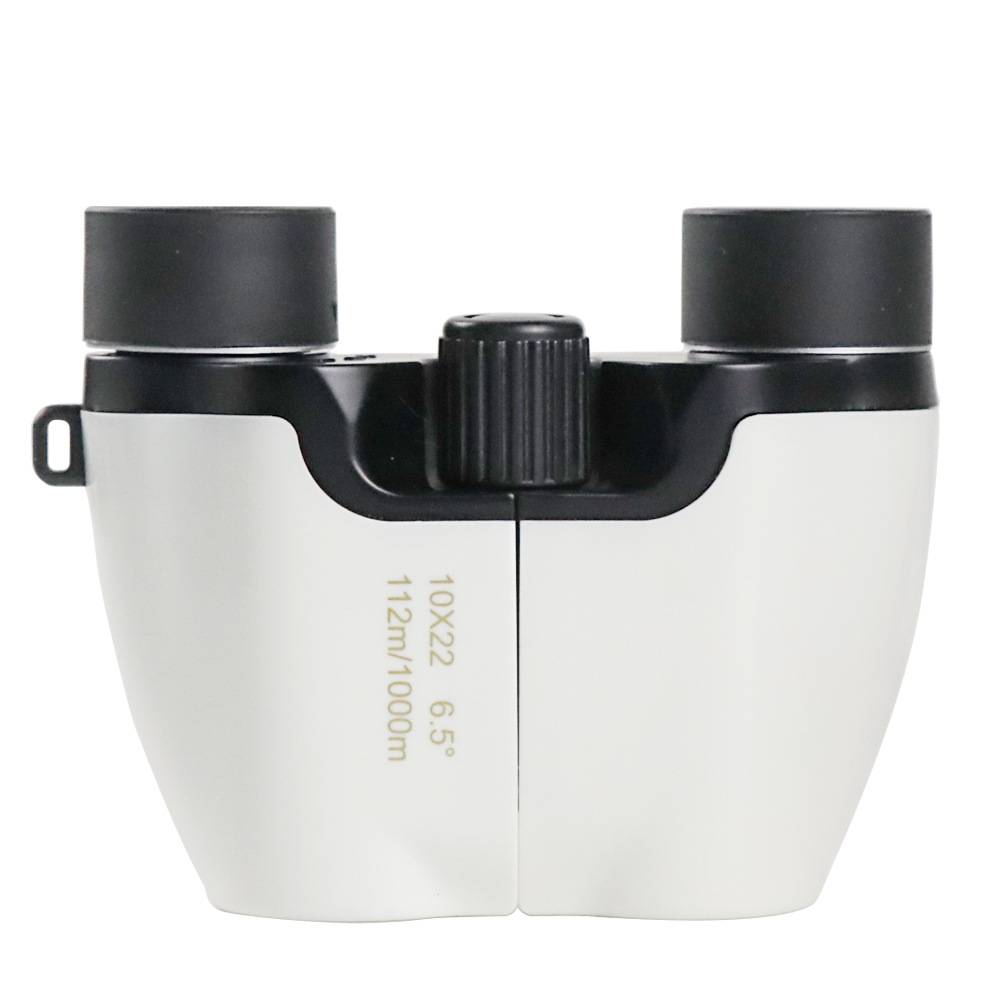
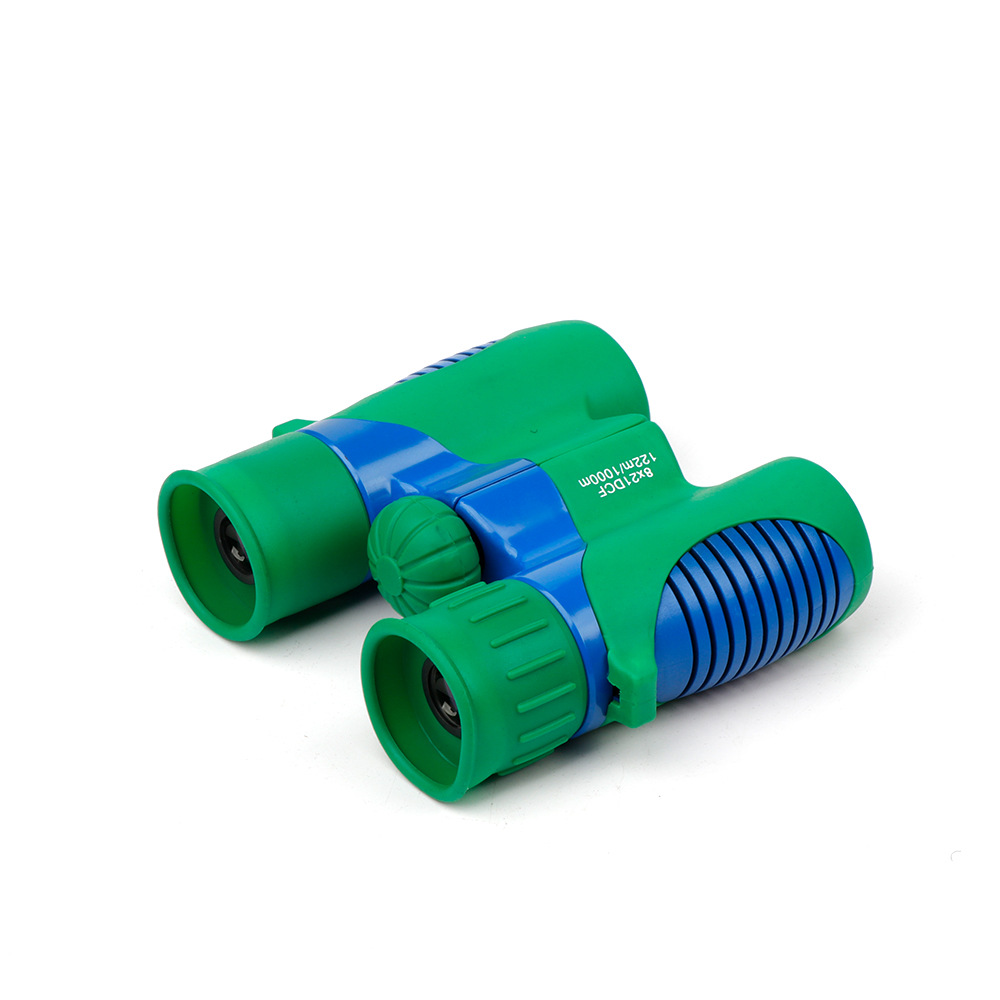
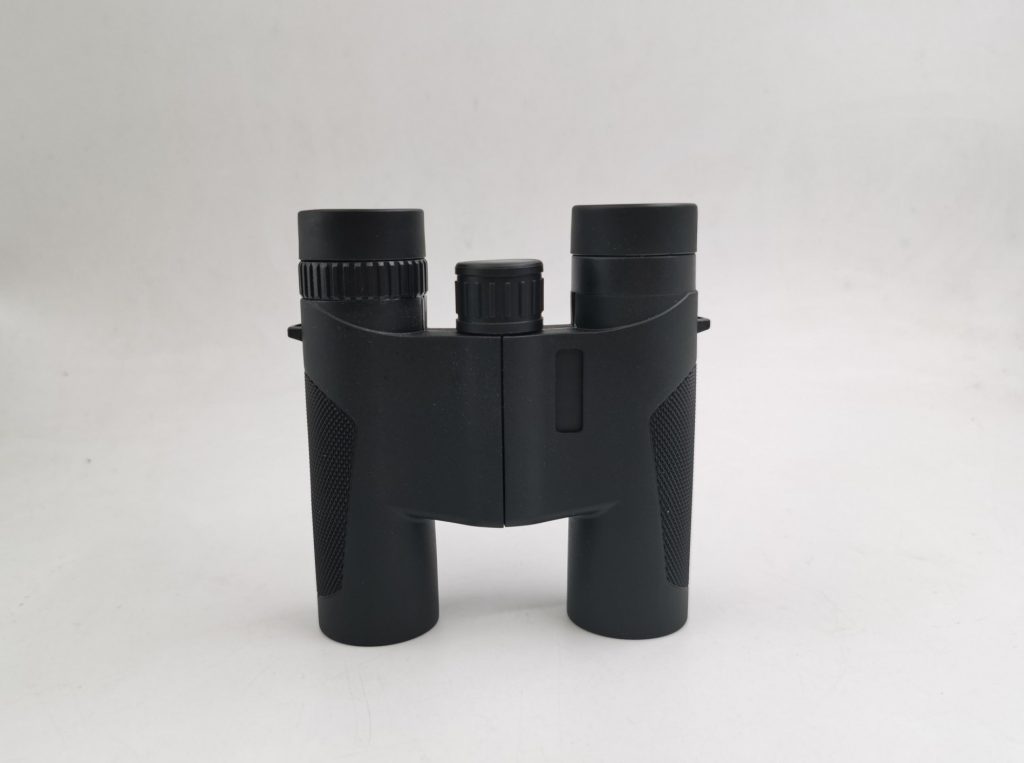
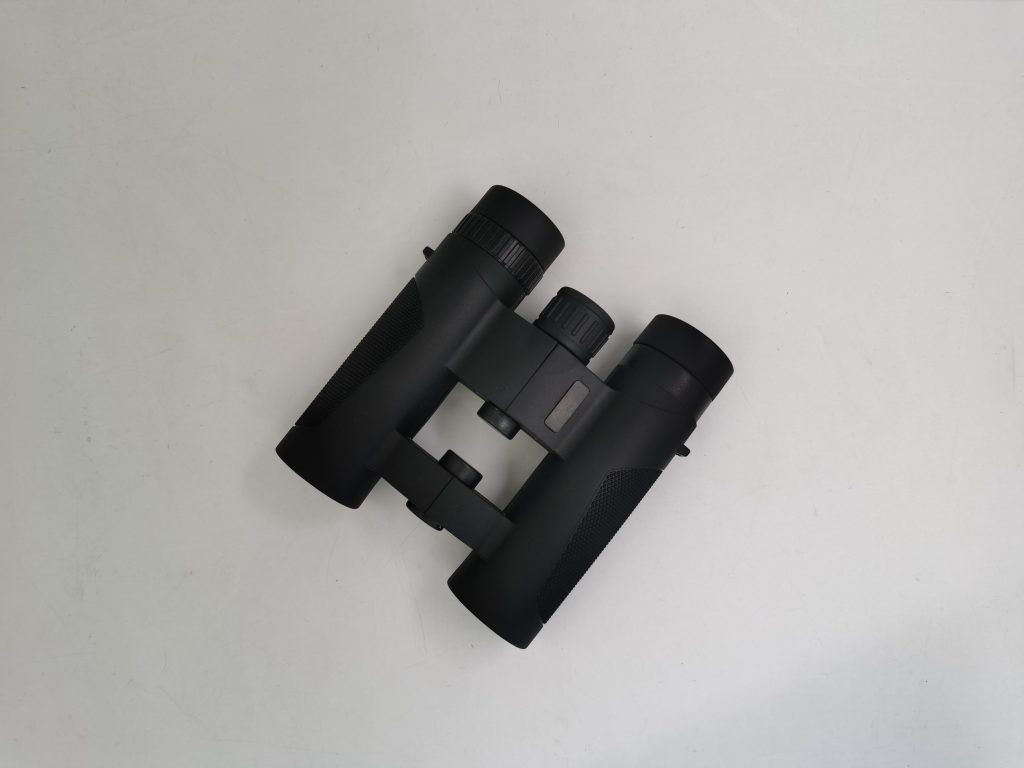
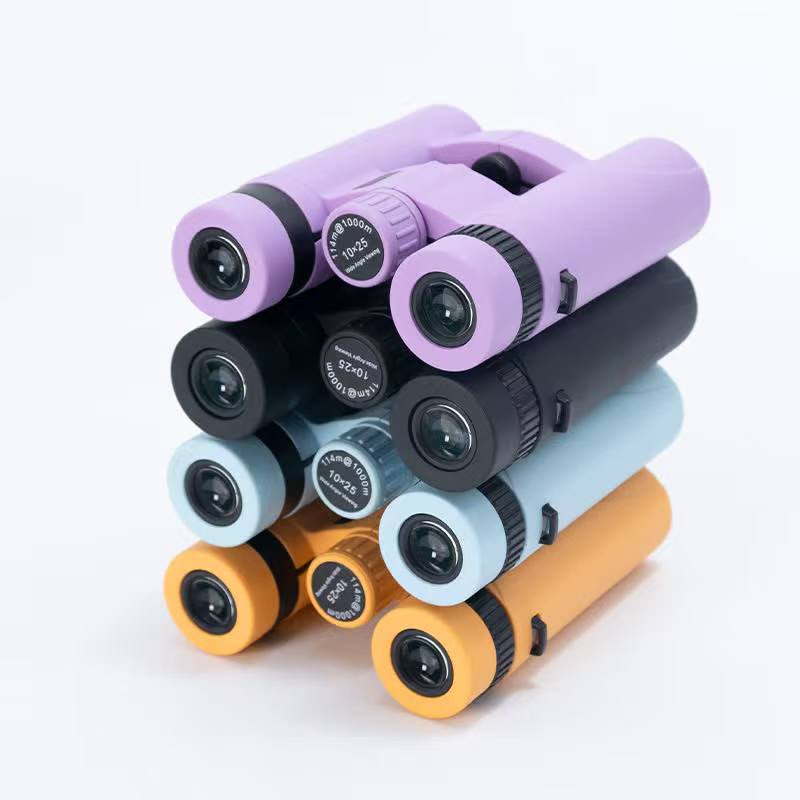
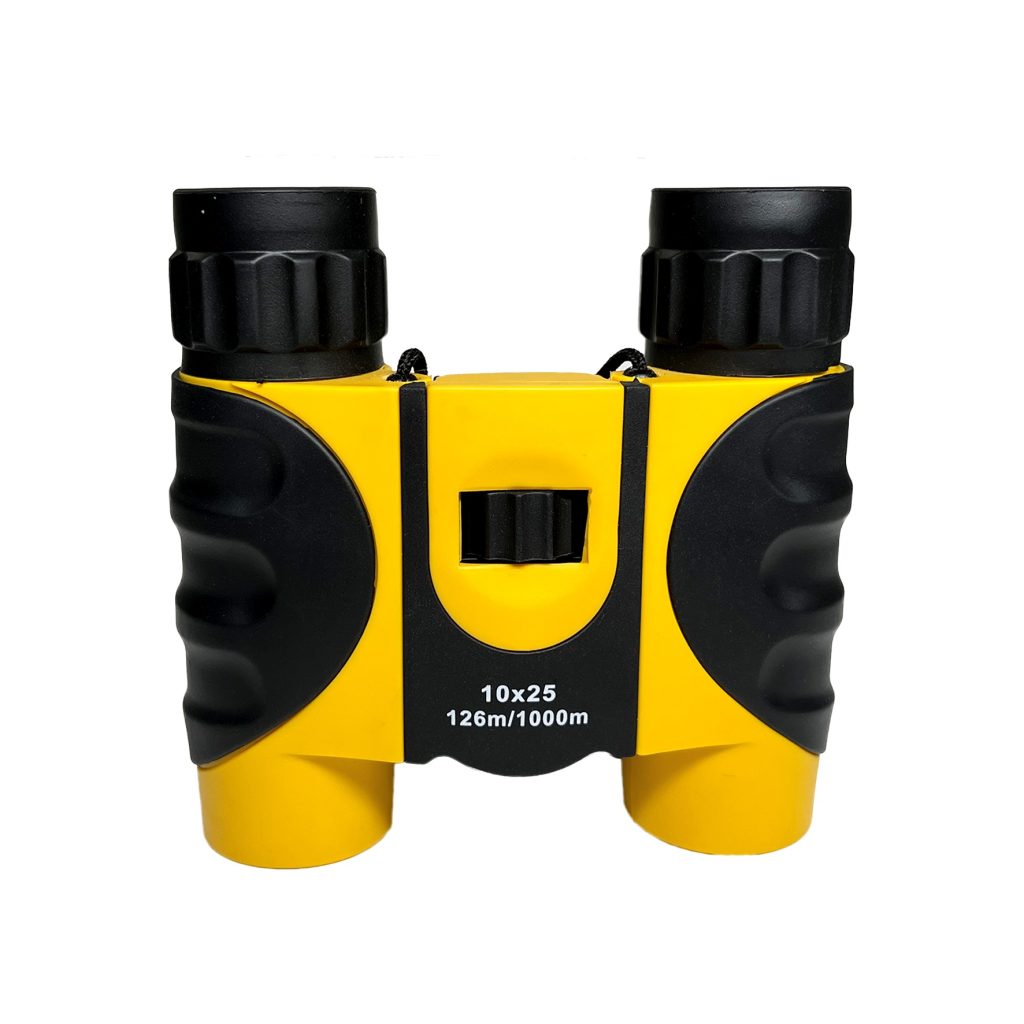
8×21 or 10×25 models suit travel retail, sporting events, and promotional gifts; 8×32 is better suited to light outdoor use and nature education; and 8×42 can serve as an upgrade option for buyers seeking a more comfortable view and better low-light performance. Segmenting products by use case allows wholesalers to build distinct sales messages and channel combinations.
2. Preserve the Minimum Experience Users Can Actually Feel
Entry-level products can control materials and configuration, but should not sacrifice basic clarity, smooth focusing, proper binocular collimation, stable eyecups, or comfortable handling. Audubon’s guidance for new birders also emphasizes that very poor optical quality can discourage observation rather than support a good start.

3. Use Customization to Create Recognizable Differences
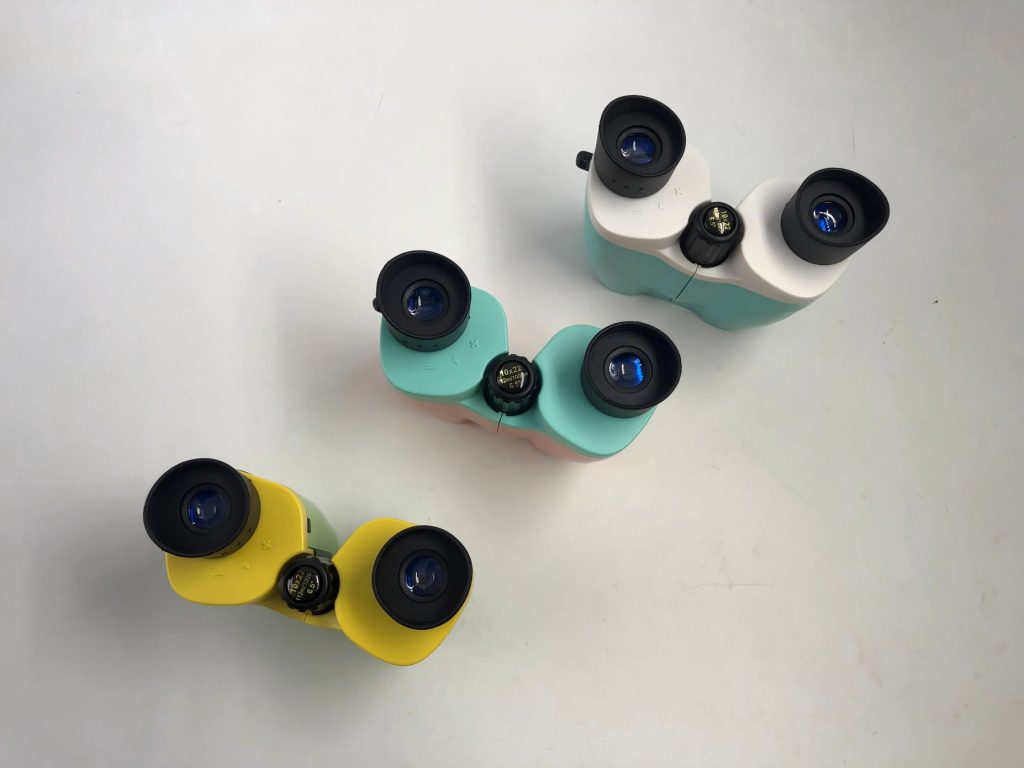
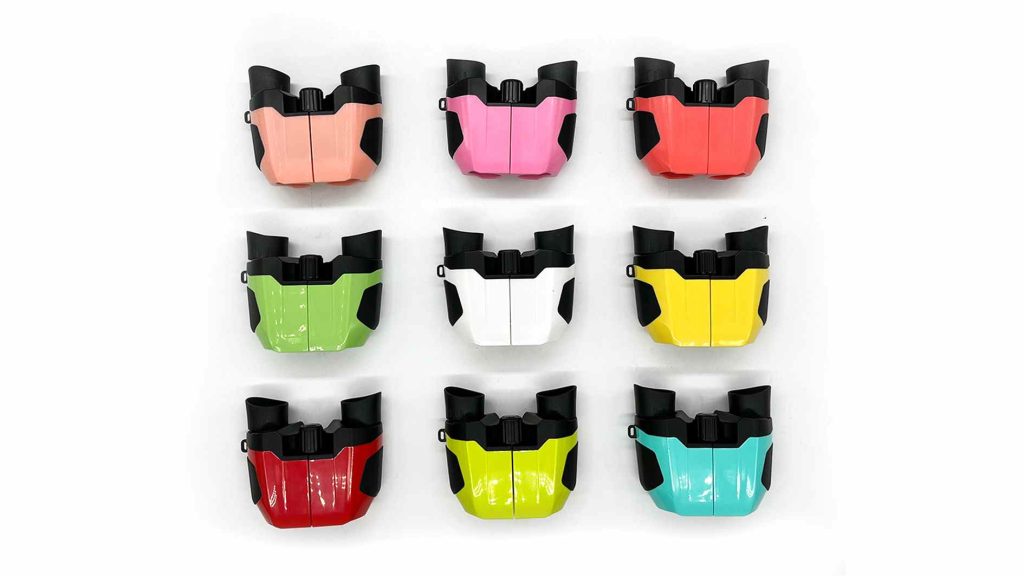
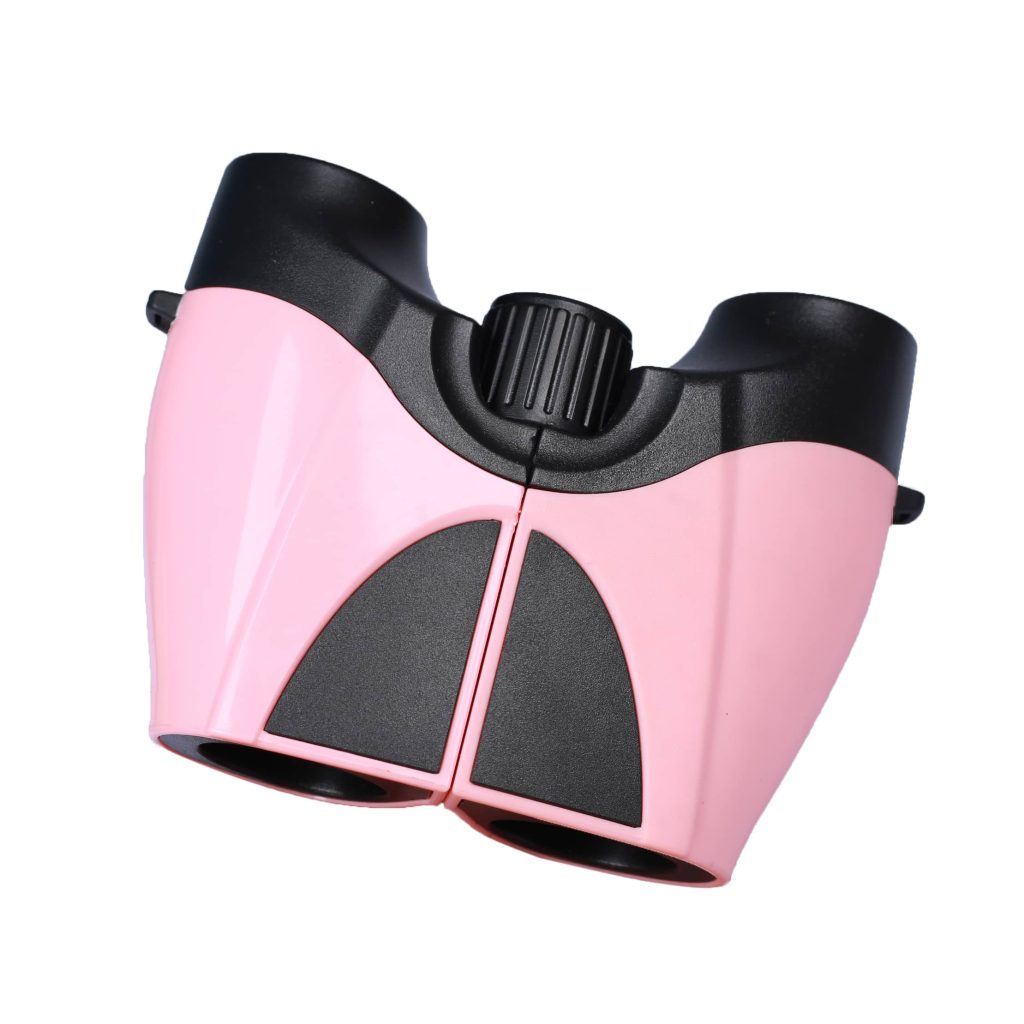
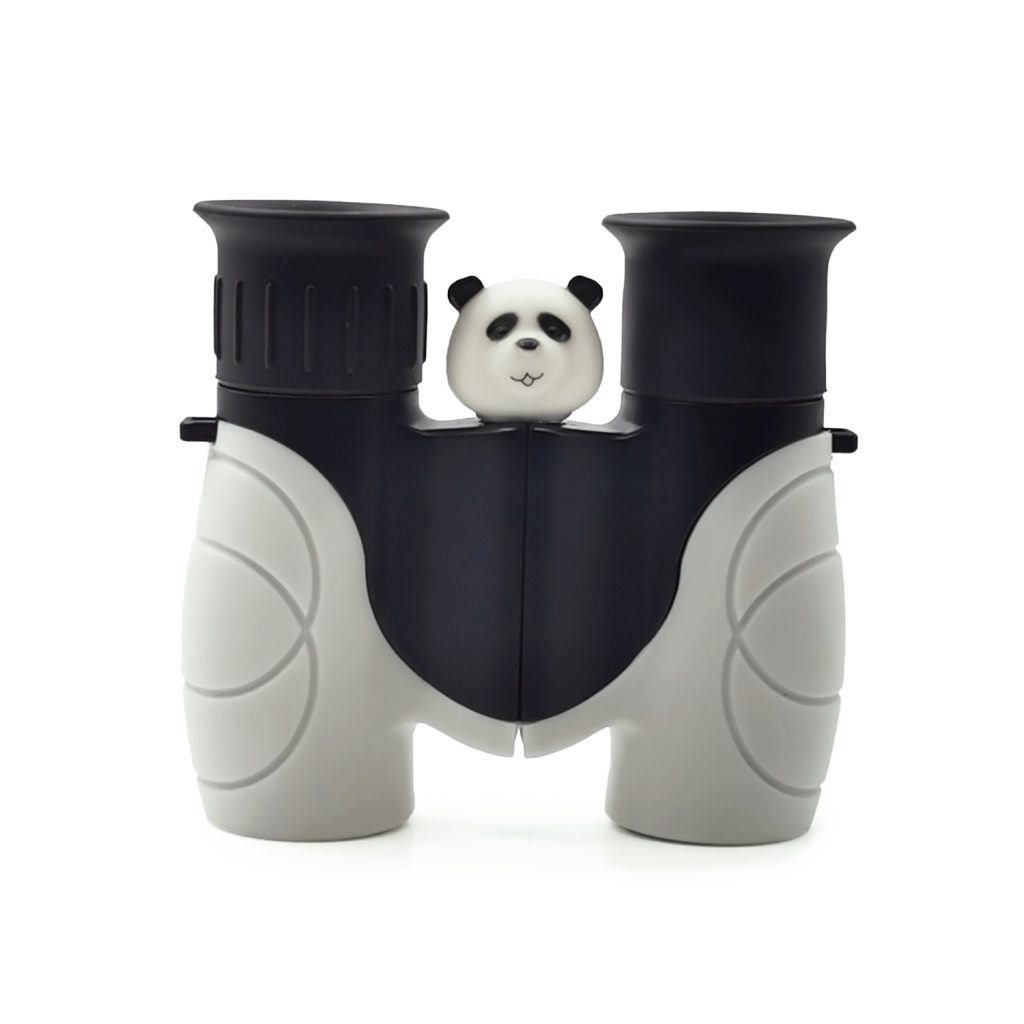
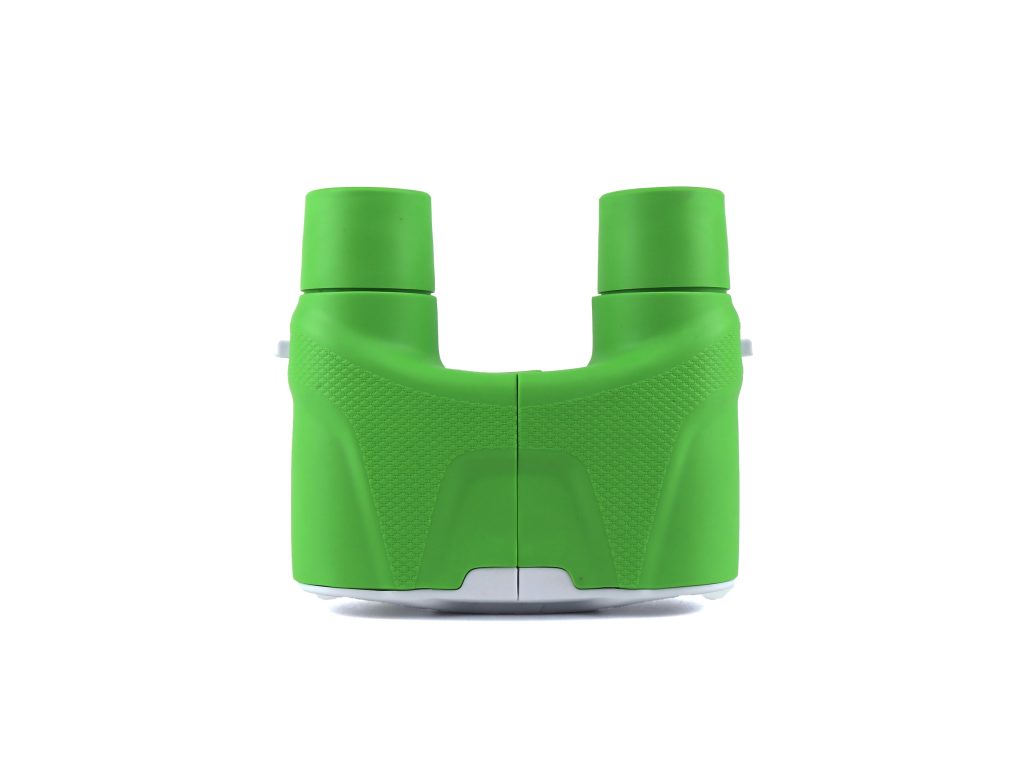
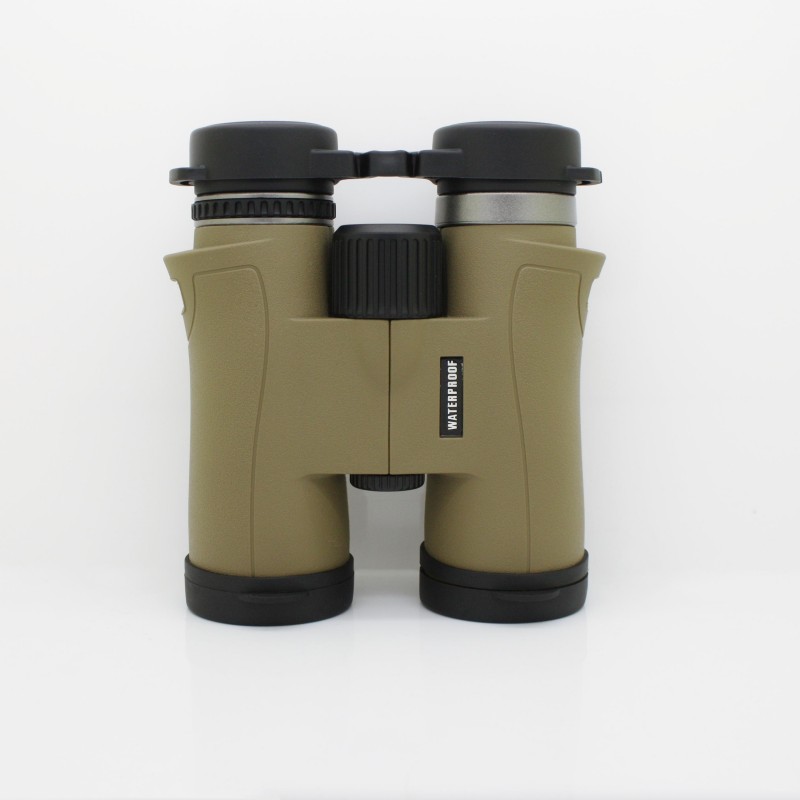
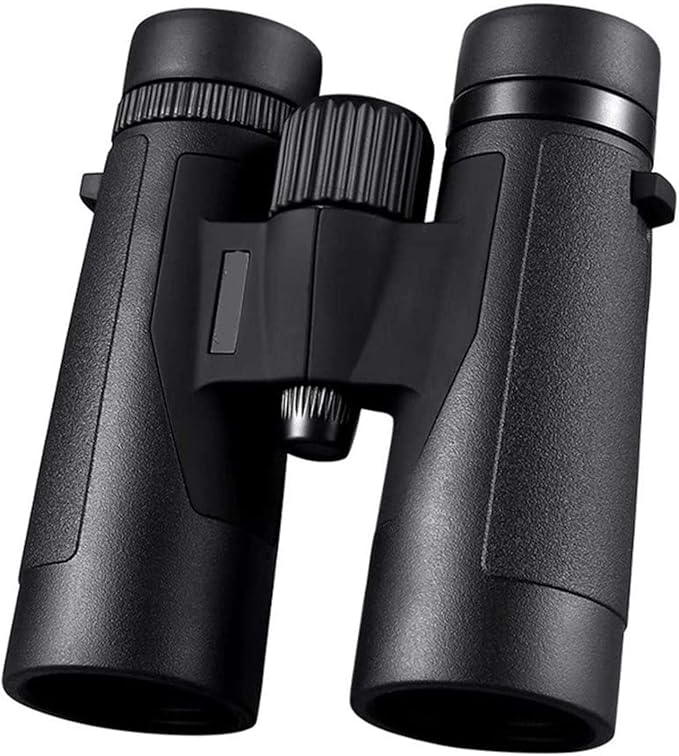
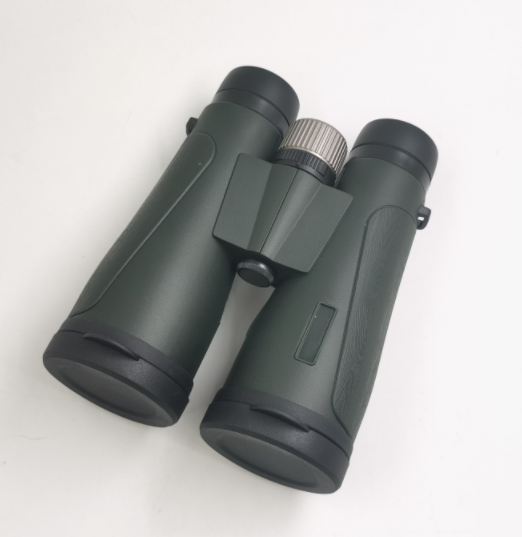
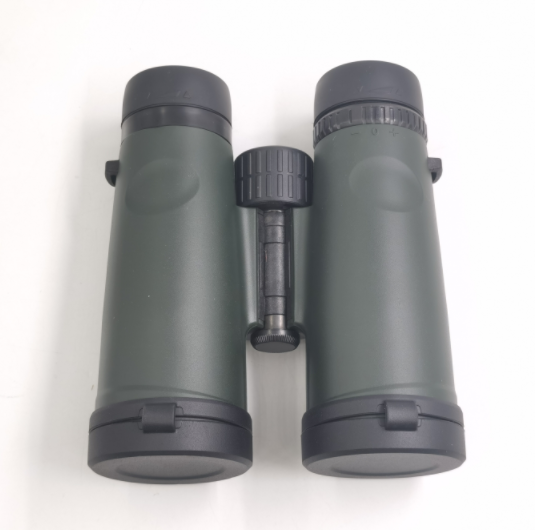
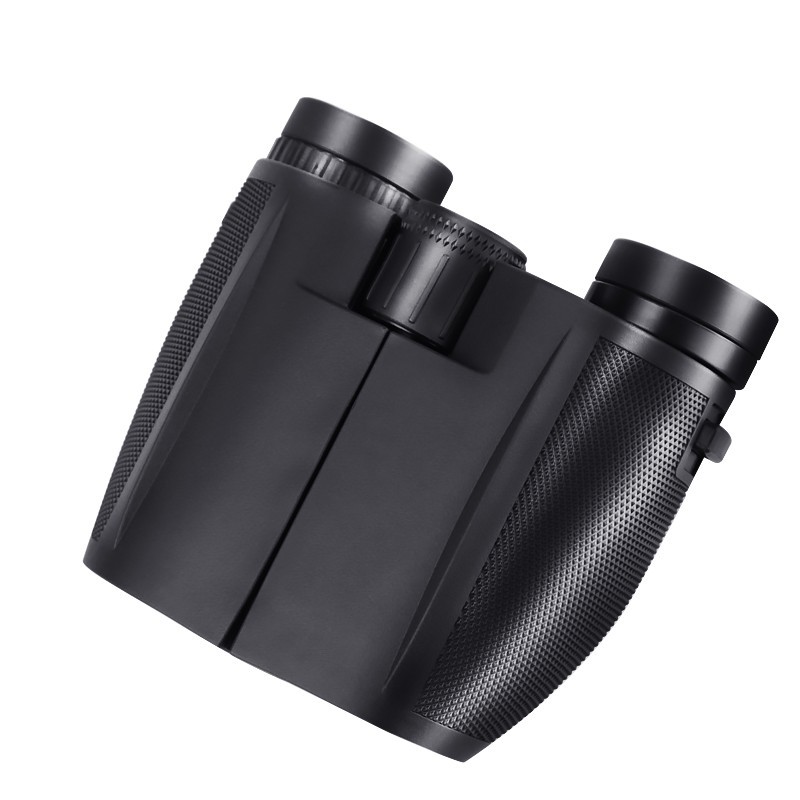
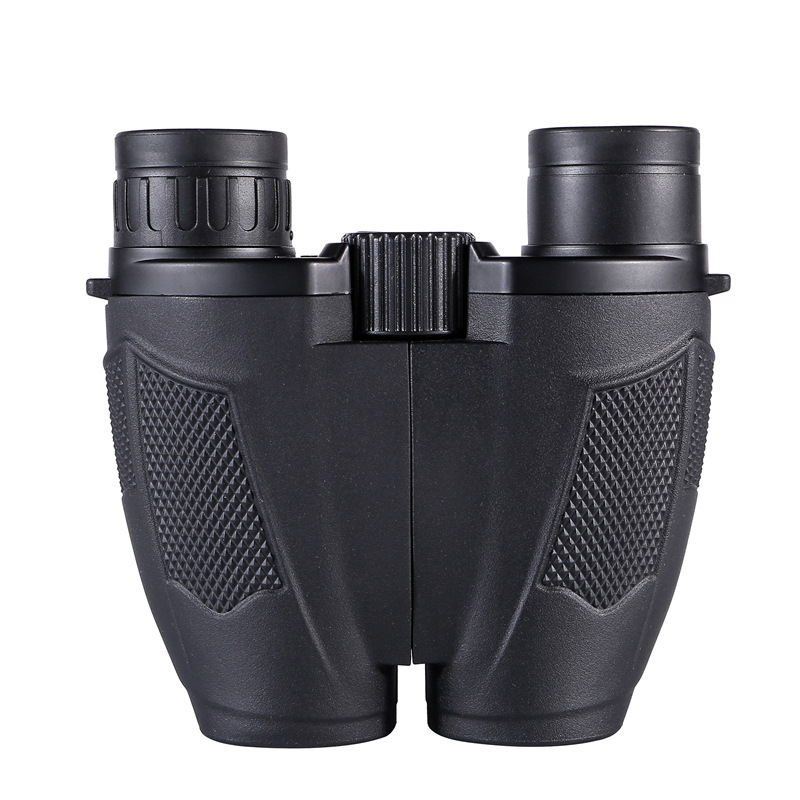
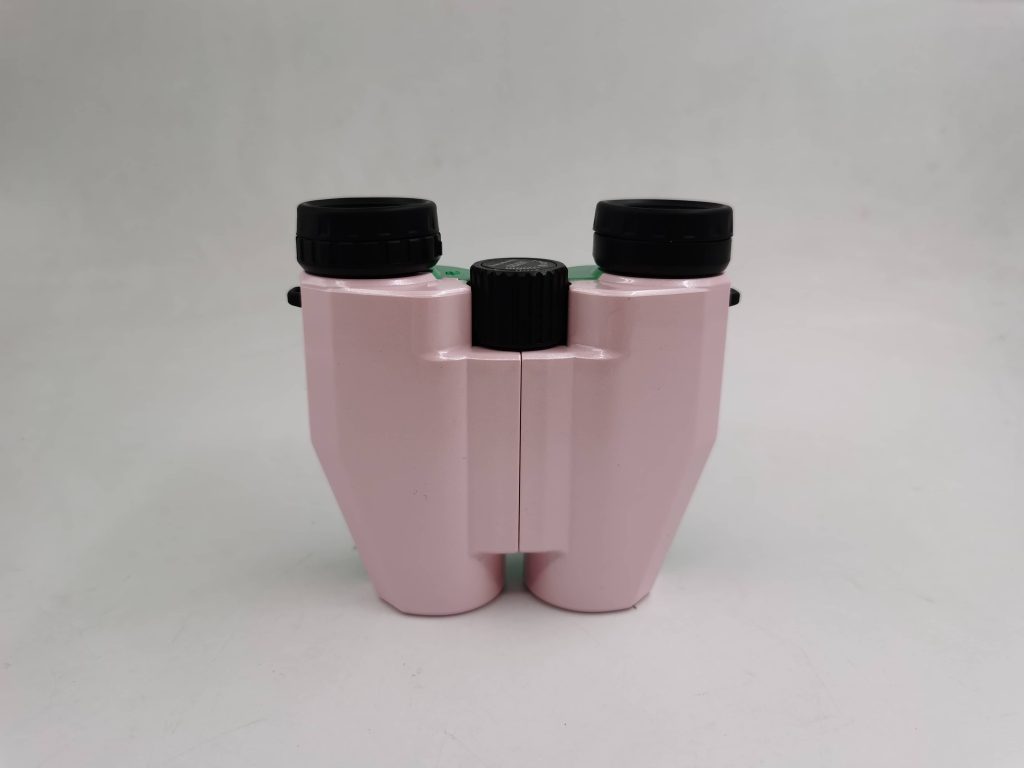
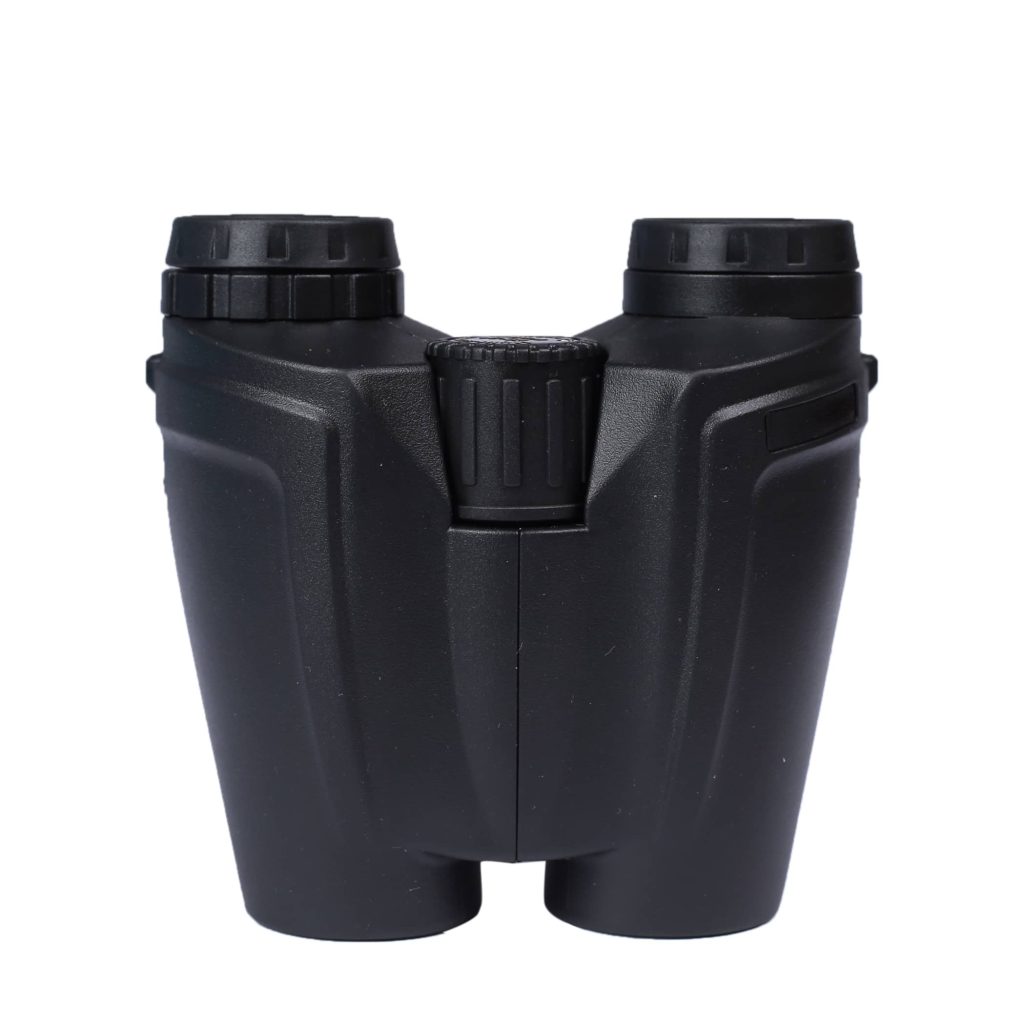
For private-label projects, color, rubber texture, logo placement, cases, straps, retail boxes, and quick-start cards often add more value than another similar magnification. OEM/ODM support can tailor prisms, coatings, and waterproofing to the target price tier, creating product-level differentiation.
A Three-Tier SKU Structure for Binocular Wholesalers
| Product Tier | Specification Direction | Channel Role | Key B2B Purchasing Priorities |
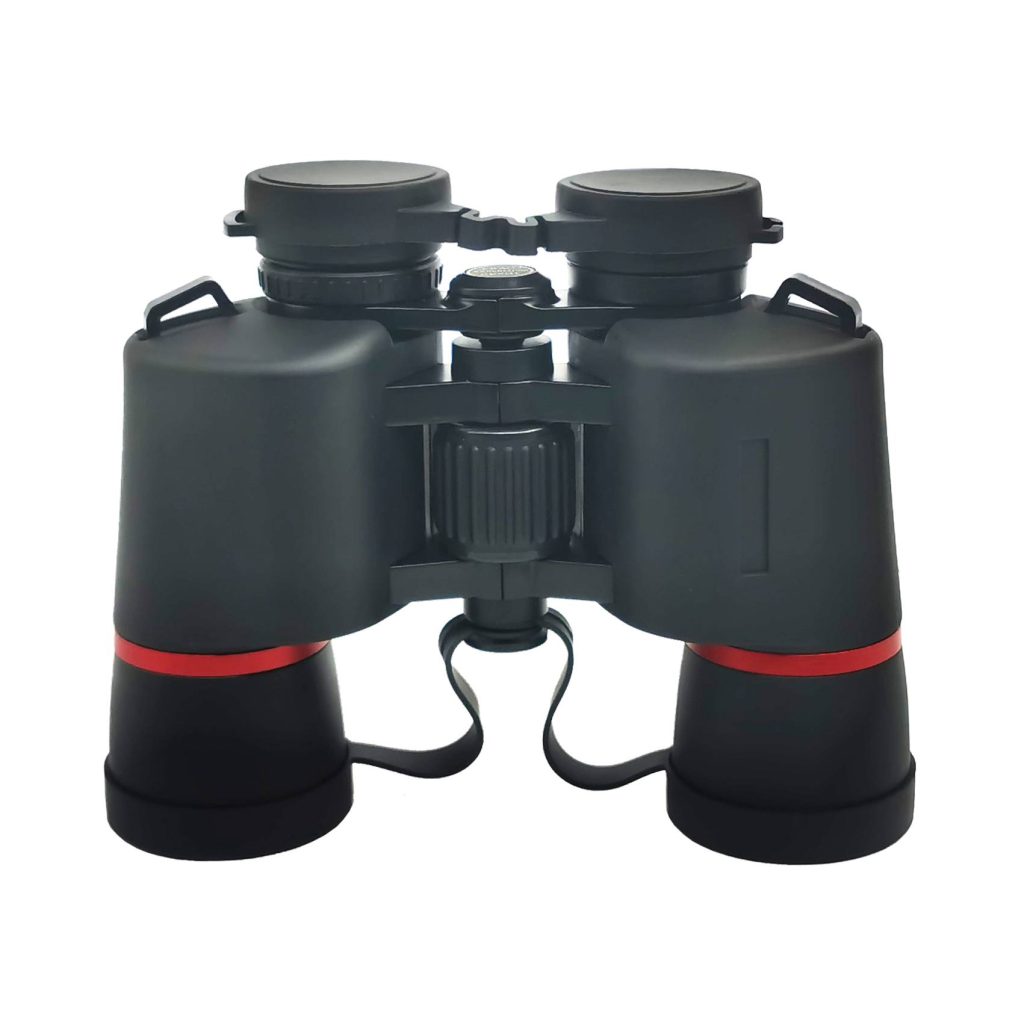
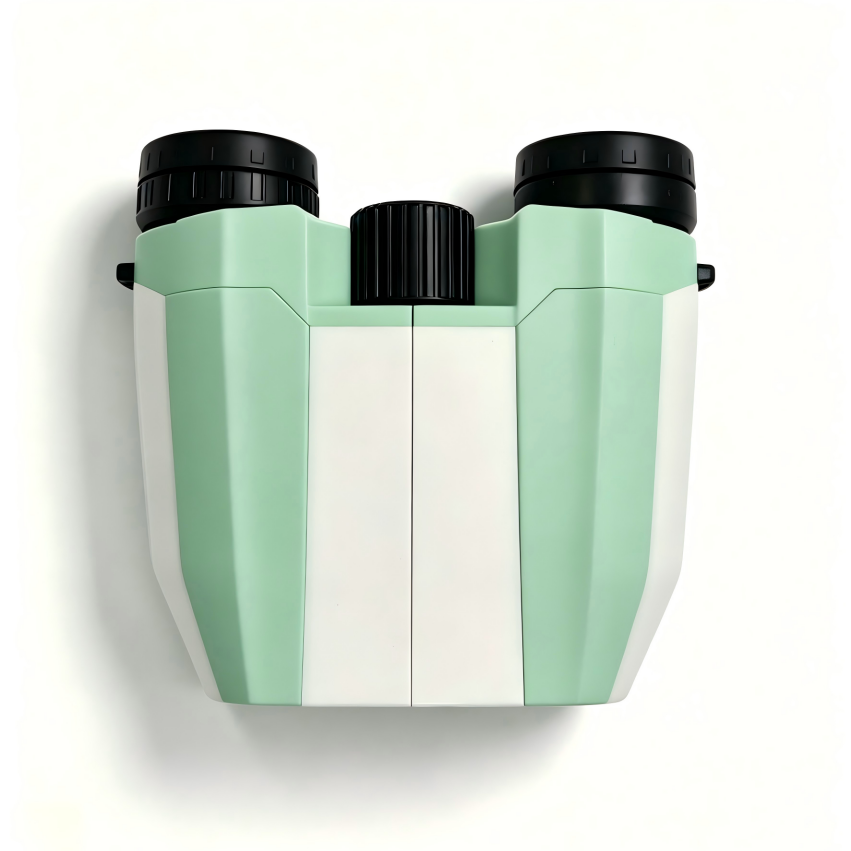
| Traffic-Building Entry Model | 8×21 / 10×25 | Travel, sporting events, gifts, and e-commerce traffic | Control MOQ, packaging volume, and basic quality |
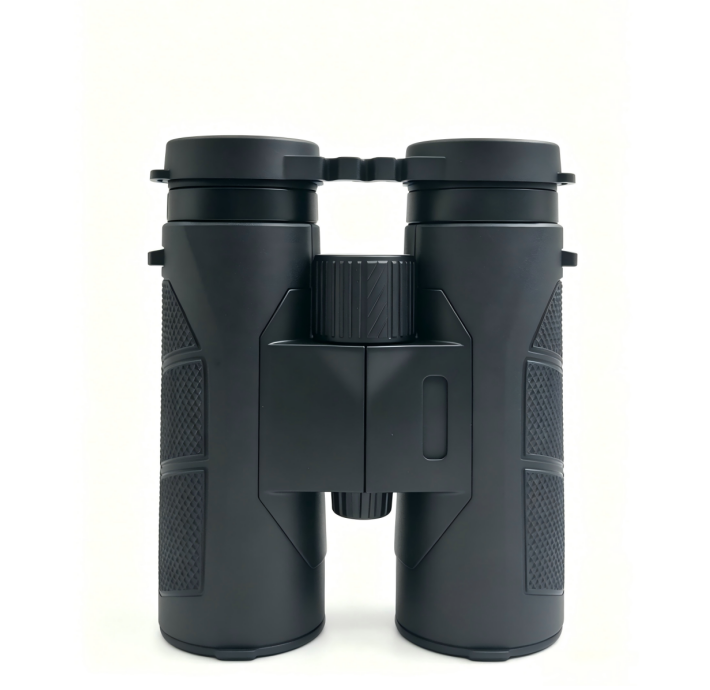
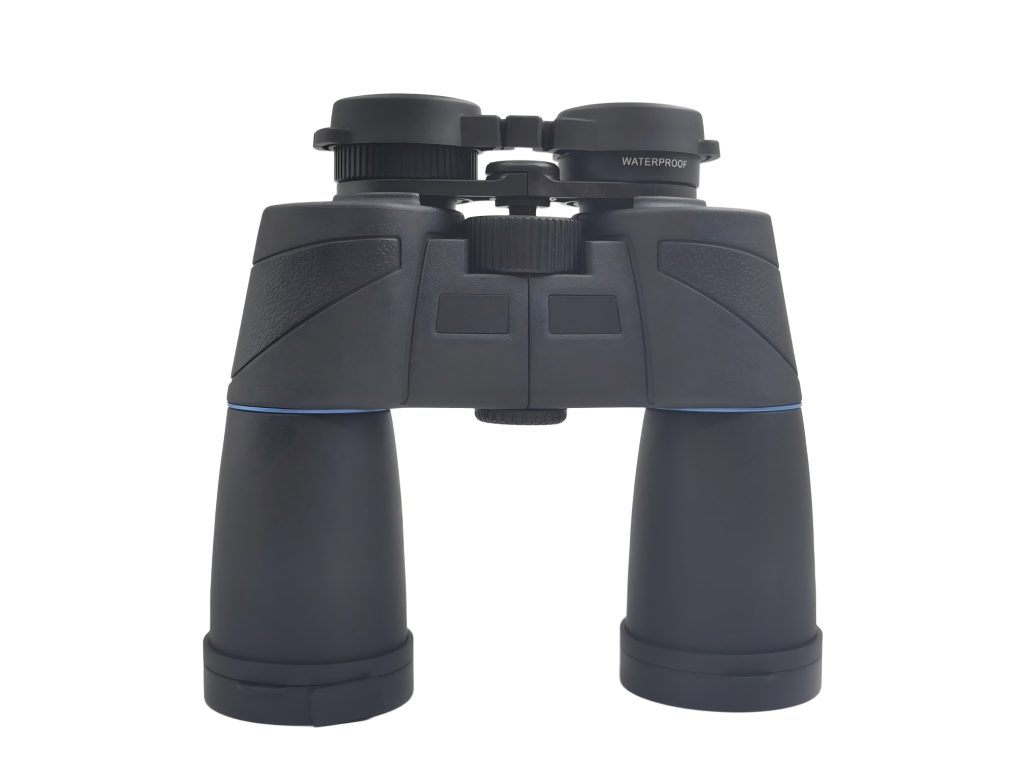
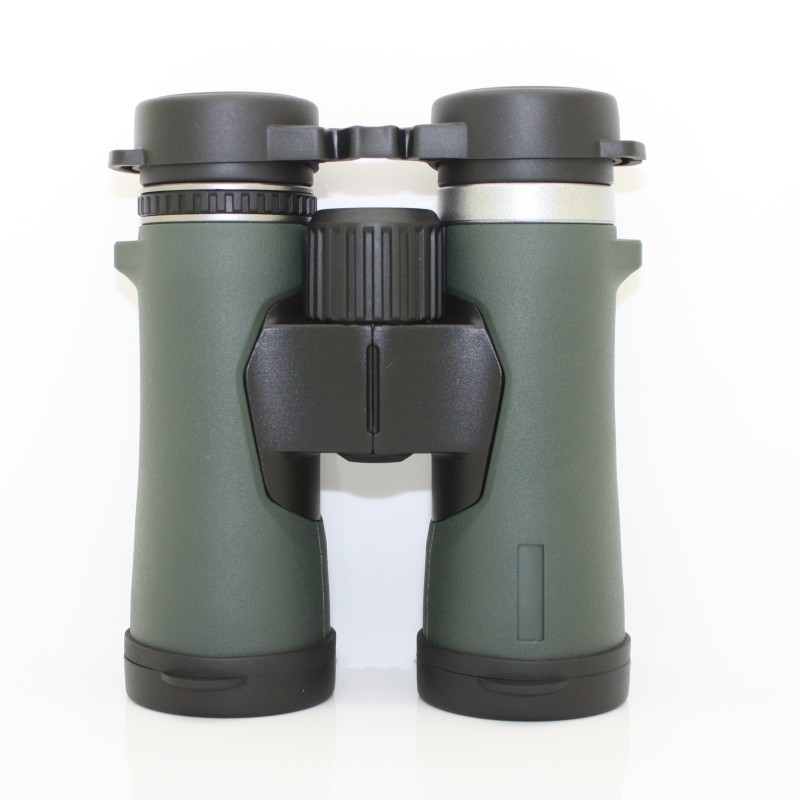
| Core Entry Model | 8×32 / 8×42 | Outdoor retail, nature education, and beginner birding | Field of view, eye relief, focusing feel, and waterproofing |
| Upgraded Entry Model | 8×42 FMC / BAK4 | Brand image and repeat-purchase upgrades | Coatings, prisms, accessories, and warranty messaging |
The first order does not need to cover every specification. A safer approach is to use one traffic-building model as the price entry point, one core model to carry sales volume, and one upgraded model to improve margin and brand image. This concentrates order volume while giving distributors a clear upgrade path.
Five Things Worth Confirming Before Simply Choosing the Lowest Quote
• Sample-to-production consistency: Are focusing resistance, collimation, chromatic aberration, and exterior assembly controlled by mass-production standards?
• After-sales risk: Does the supplier provide an inspection plan, spare-part support, and traceability for quality issues?
• MOQ and replenishment flexibility: Can the supplier support small trial orders, stable repeat orders, and different packaging versions?
• Channel differentiation: Are customization options available for colors, logos, accessories, packaging, and manuals?
• Product-line expansion: Can the same structural platform support 8×, 10×, or higher-specification versions?
Conclusion: Entry-Level Binoculars Still Have a Market, but They Should Not Become Disposable Low-Price Products
The market value of entry-level binoculars lies in bringing in new users, covering more channels, and creating an upgrade path for the brand. To avoid price-only competition, wholesalers should not simply ask factories to make products “a little cheaper.” They need to define the intended use case, preserve essential user-experience standards, and create recognizable differentiation through OEM/ODM development and packaging services.
A healthy entry-level product should feel clear, intuitive, and reliable from the first use, while still giving the channel reasonable margins, a low after-sales burden, and the potential for repeat orders. The price can be competitive, but price should never be the product’s only selling point.