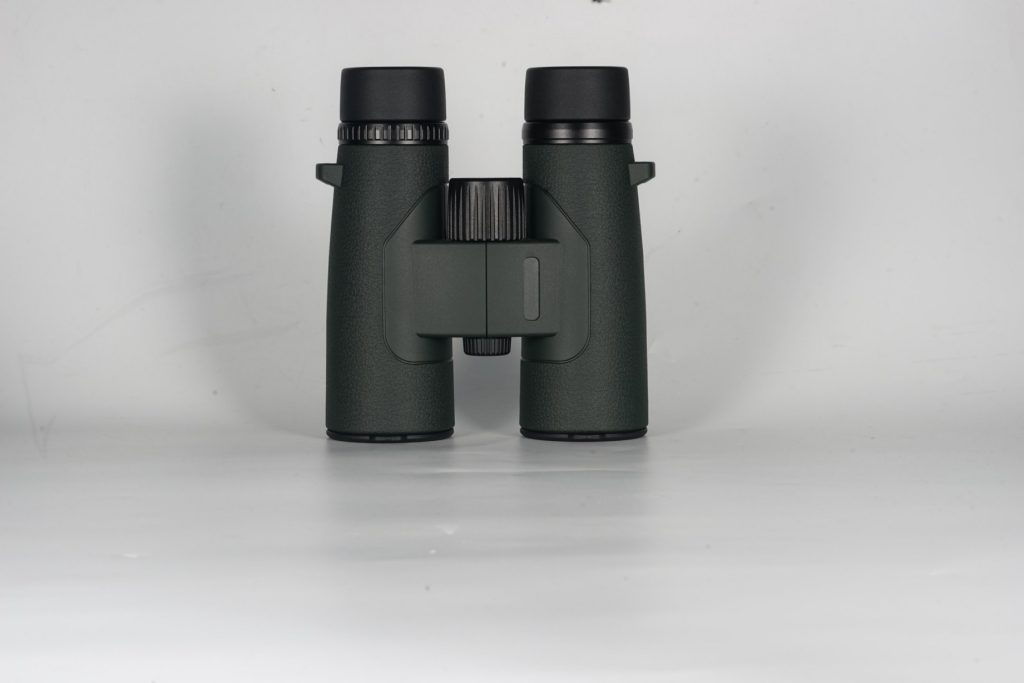
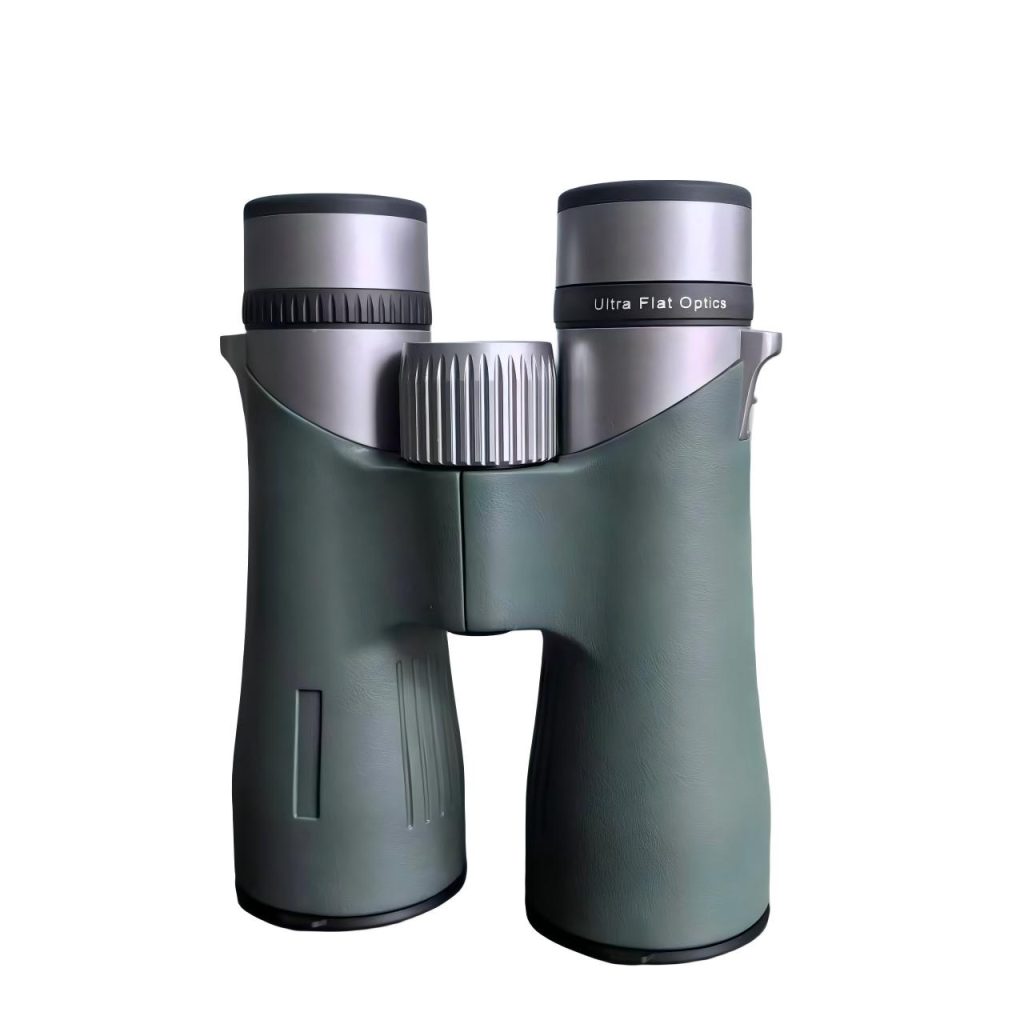
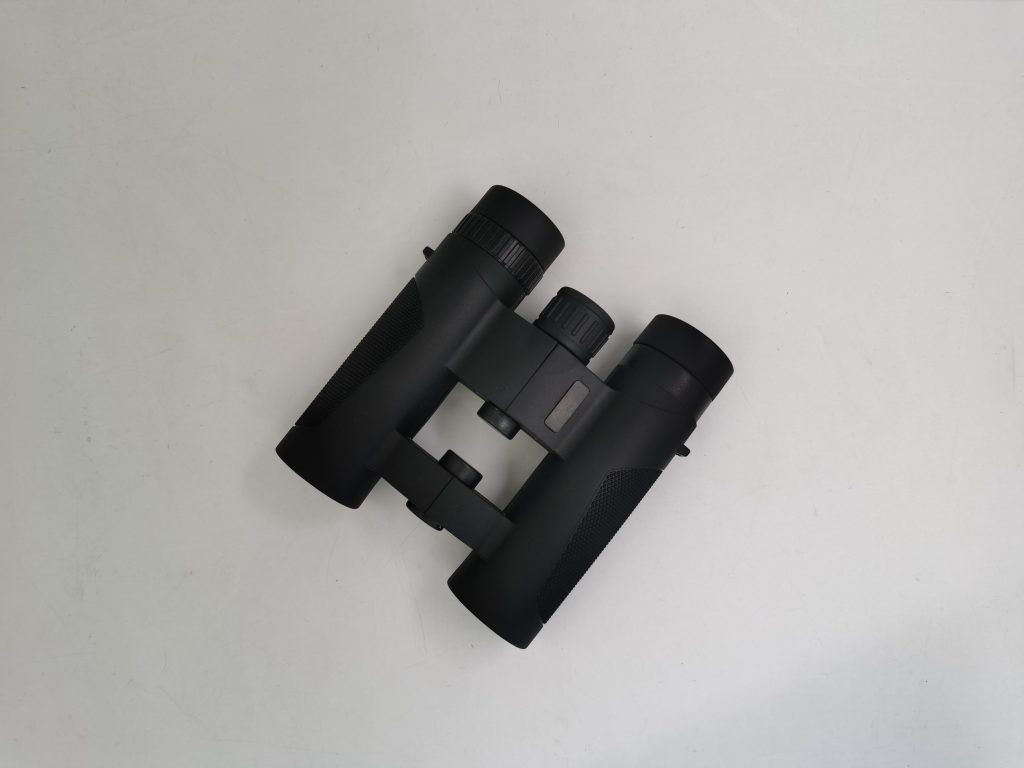
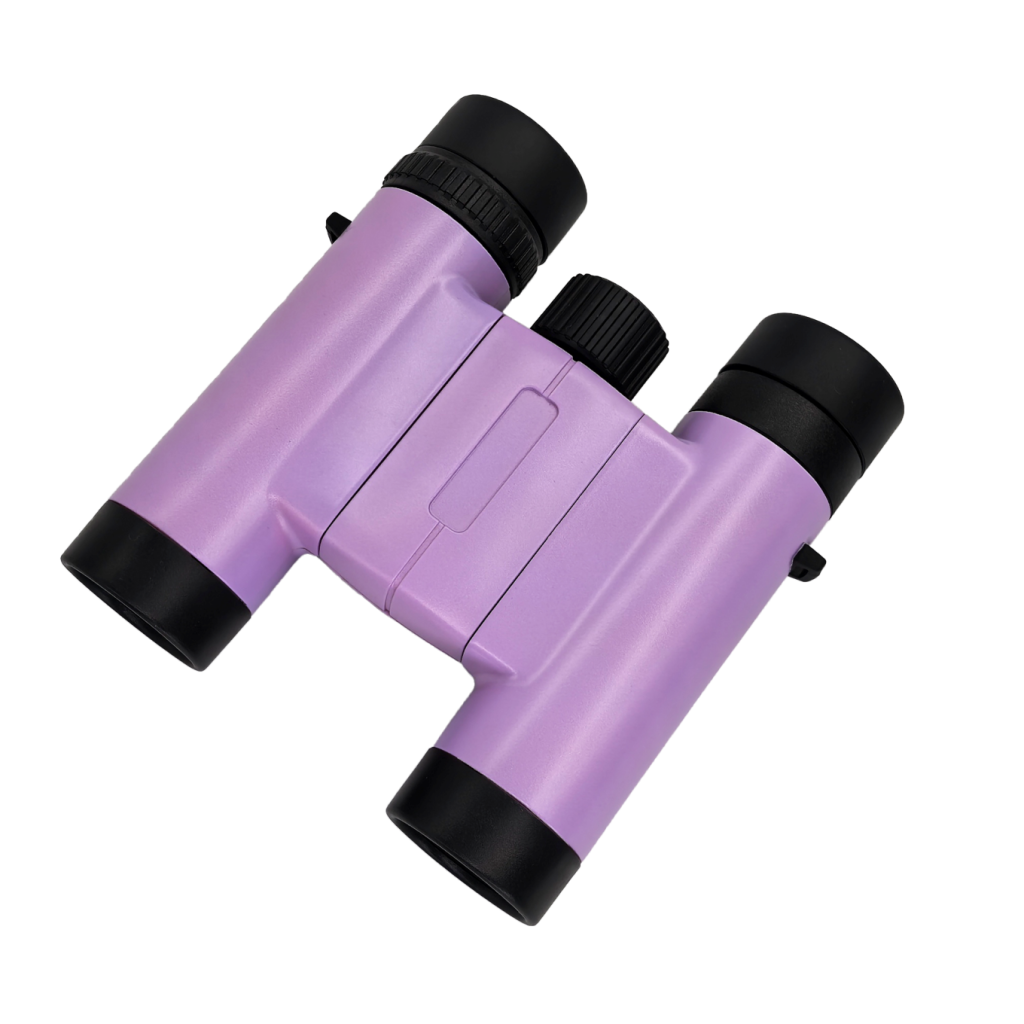
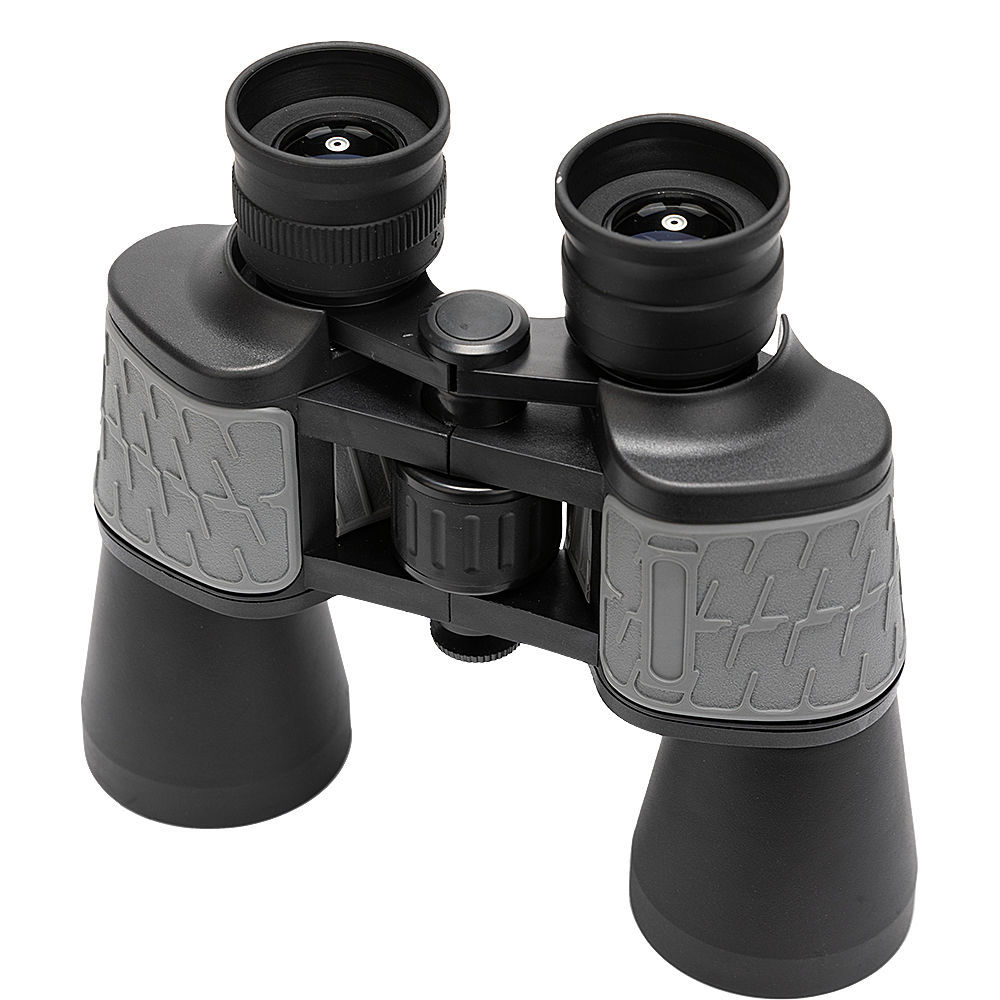
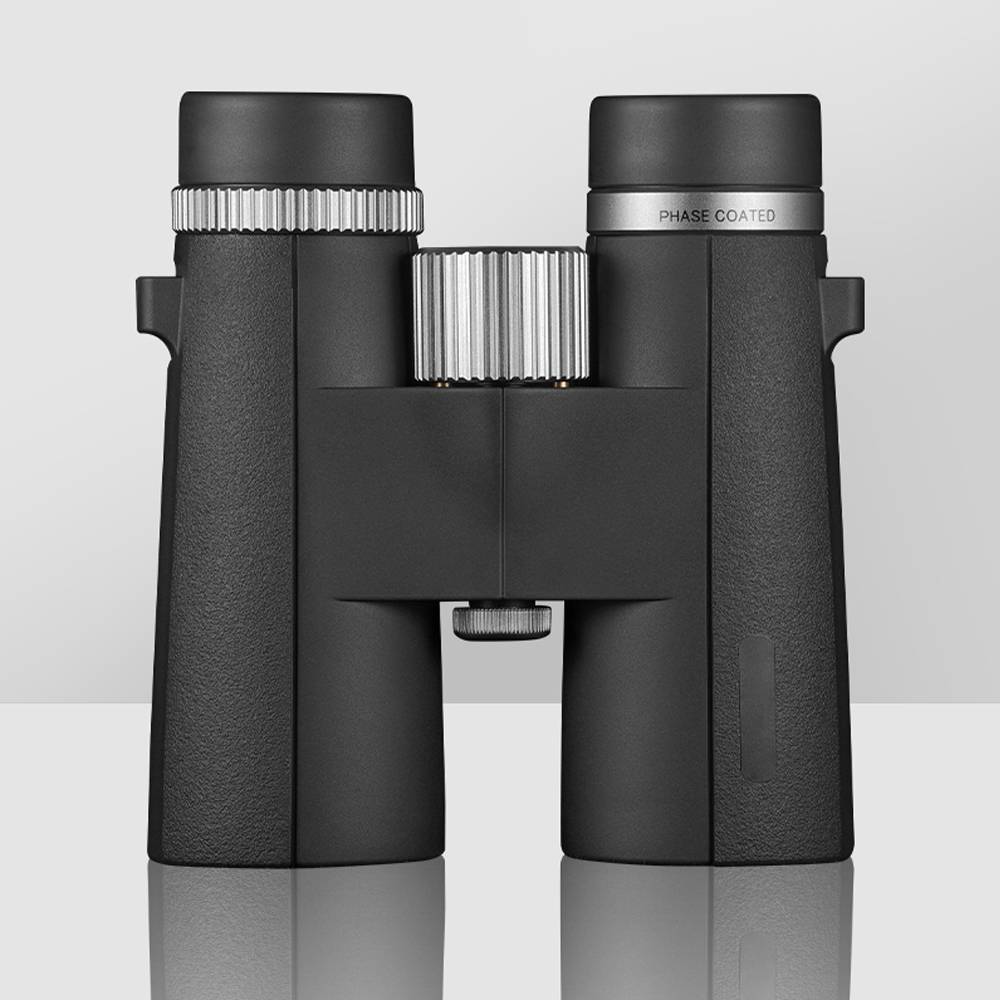
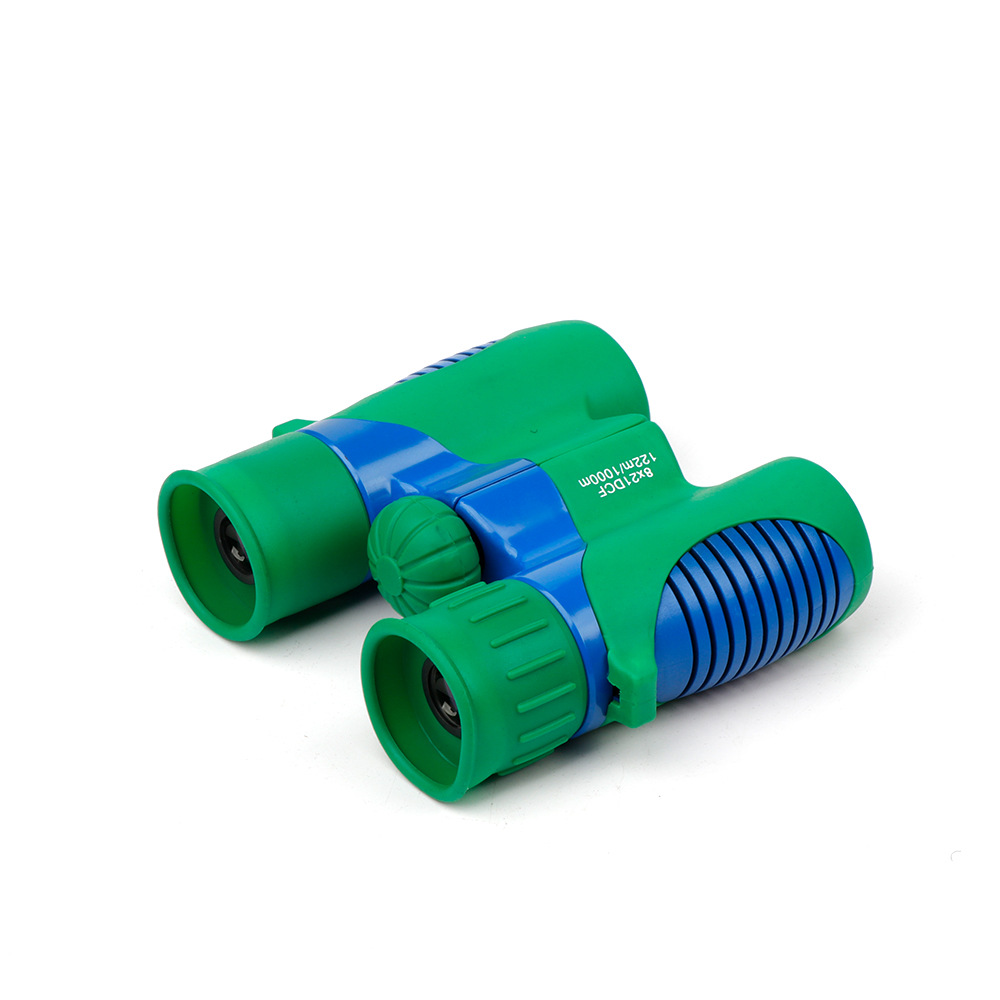
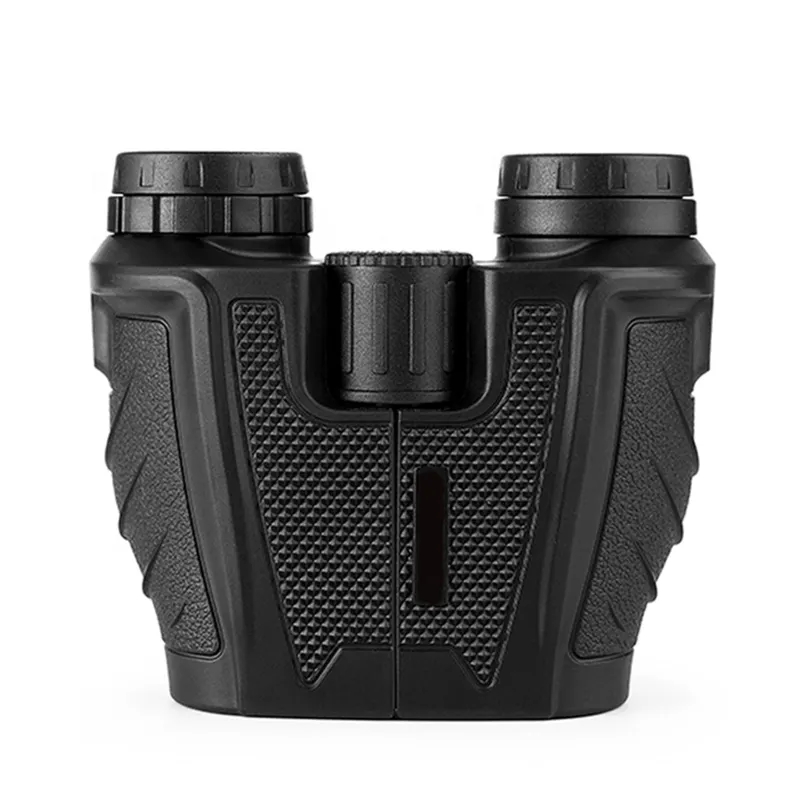
Over the past few years, the biggest change in the binocular market has not been that any single spec suddenly became more important. What has really changed is that users are now defining products around completely different use scenarios.
Some people want binoculars that are lighter, easier to carry, and easier to buy into. Others are looking for something brighter, steadier, more durable, and better suited for long hours of observation.
As a result, binoculars are no longer evolving along just one path. Instead, the market is splitting in two at the same time, driven by two very different kinds of demand.

| Growth Logic A: Scenario-Expansion Driven | Growth Logic B: Performance-Upgrade Driven |
| Lighter, smaller, easier to carry, and easier for first-time users to accept | Brighter, more stable, more durable, and better suited for long hours of observation |
| Travel, urban sightseeing, family use, gifting, camping, and entry-level consumer use | Birding, wildlife observation, outdoor guiding, patrol work, and other high-frequency observation scenarios |
Not Chaos – Just Two Different User Needs
Over the past year, in conversations with distributors, cross-border e-commerce clients, outdoor retail stores, and end users, I kept hearing two very different sets of keywords come up again and again.
One set sounded like this: “lighter,” “smaller,” “better-looking,” and “ideally something people can use right away without a learning curve.” These requests usually come from travel, urban sightseeing, family use, gifting, and entry-level consumer scenarios. For these users, binoculars are expected to feel like something they can carry with them naturally, not a piece of gear they need to prepare for in advance.
The other set of keywords was very different: “it still needs to stay clear at dusk,” “the edges should not go soft,” “it has to be comfortable even with glasses,” and “it cannot let me down in rain or changing temperatures.” These voices are more common among birders, wildlife observers, outdoor guides, patrol users, and other high-frequency users. For them, binoculars are not an accessory. They sit at the center of the entire viewing experience.
It was through hearing these two sides again and again that I gradually became more certain of one thing: binoculars are becoming more different today not because the industry has lost its direction, but because the market is being reshaped by two genuinely different kinds of demand.
Lightweight Users Just Ask: “Is It Easy to Carry?”
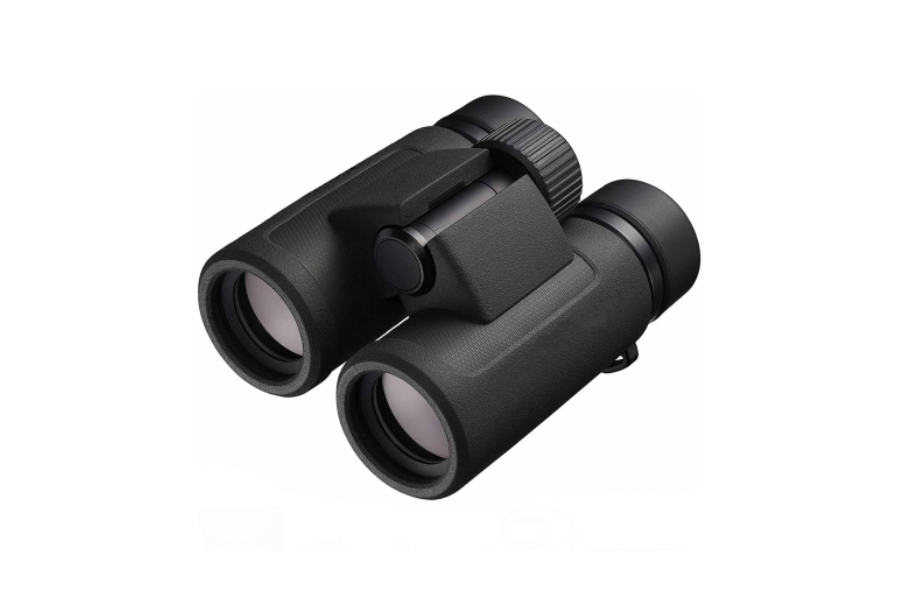
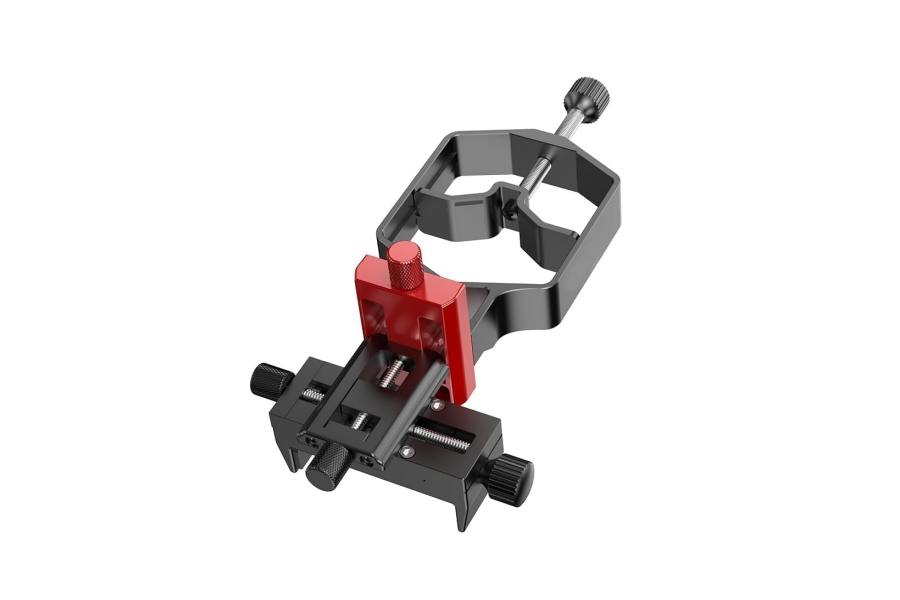
Once binoculars move into travel, urban sightseeing, family activities, and gift-oriented channels, what consumers really care about is often not ultimate resolution, but how easy they are to carry and how easy they are to use.
They ask questions like: Can it fit into a small bag? Is it light enough that I will actually want to bring it with me? Does it look modern enough? As a first-time user, can I quickly get a full and comfortable view?
These may not sound like traditional optical questions, but they directly determine whether a pair of binoculars gets used regularly or ends up sitting unused soon after purchase.
Under this logic, binoculars become more of a scenario-driven product. They need to fit naturally into travel, camping, museums, city skylines, weekend park visits, and family outings. Specifications still matter, of course, but they only matter if they support two more basic conditions first: whether people are willing to take the binoculars out with them, and whether they will want to keep using them again and again.

Professional Users Care About Three Things: Clarity, Comfort, and Trust
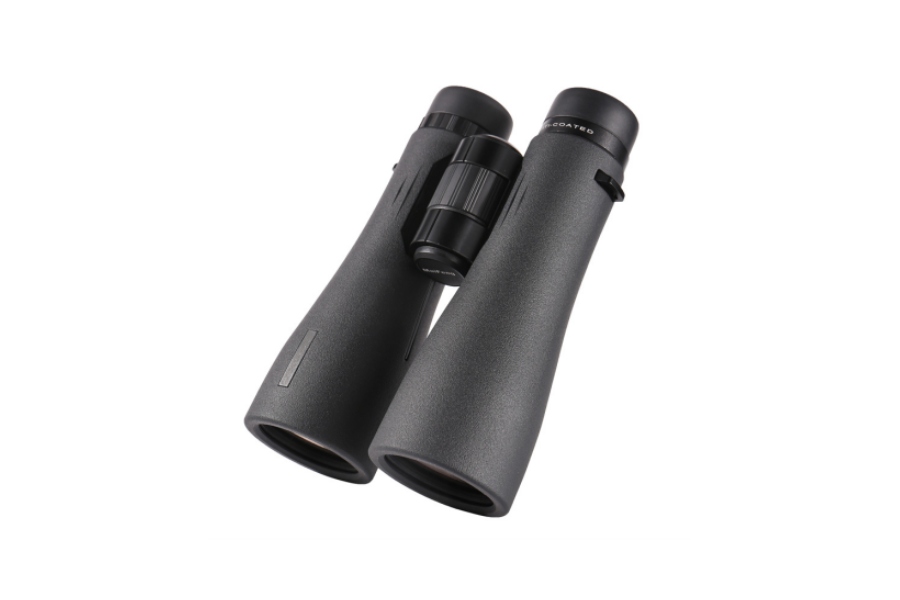
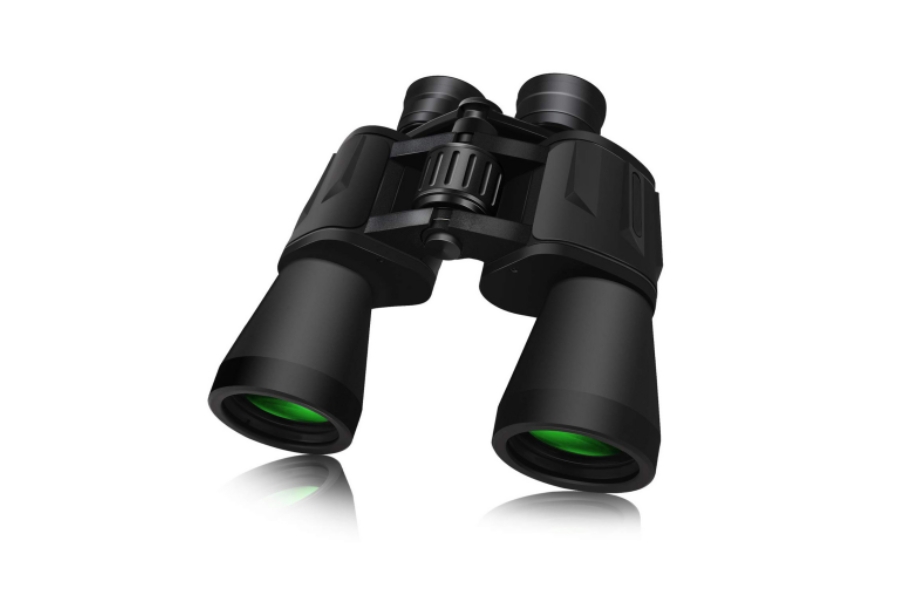
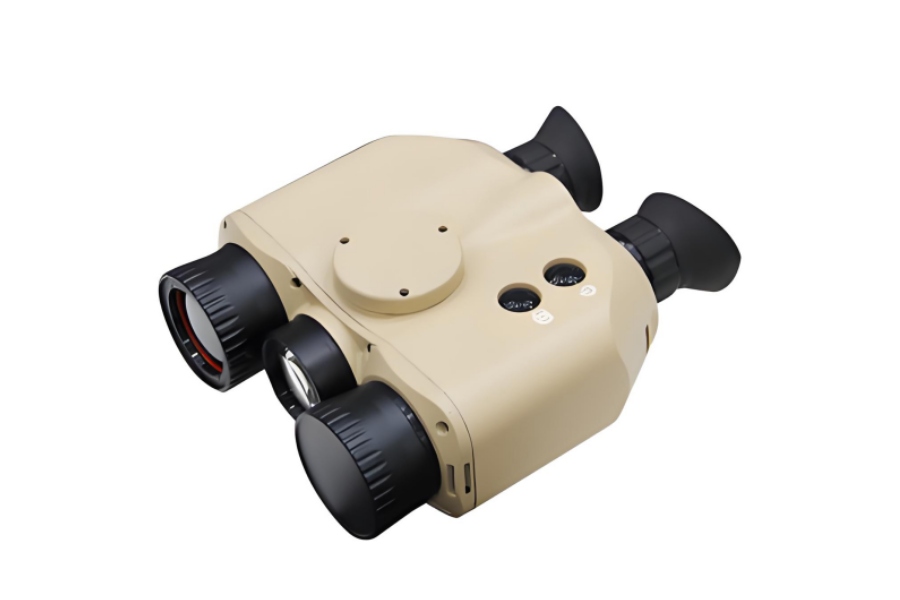
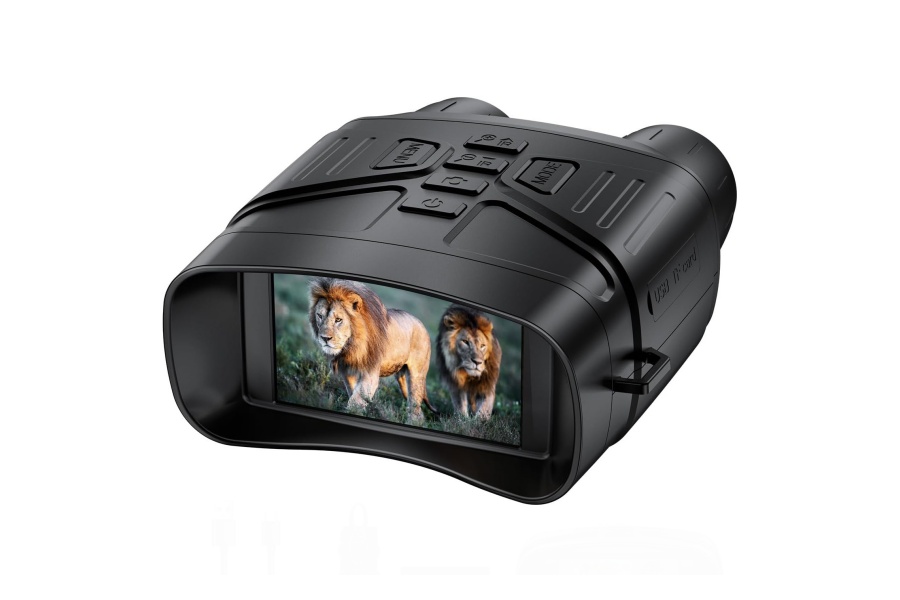
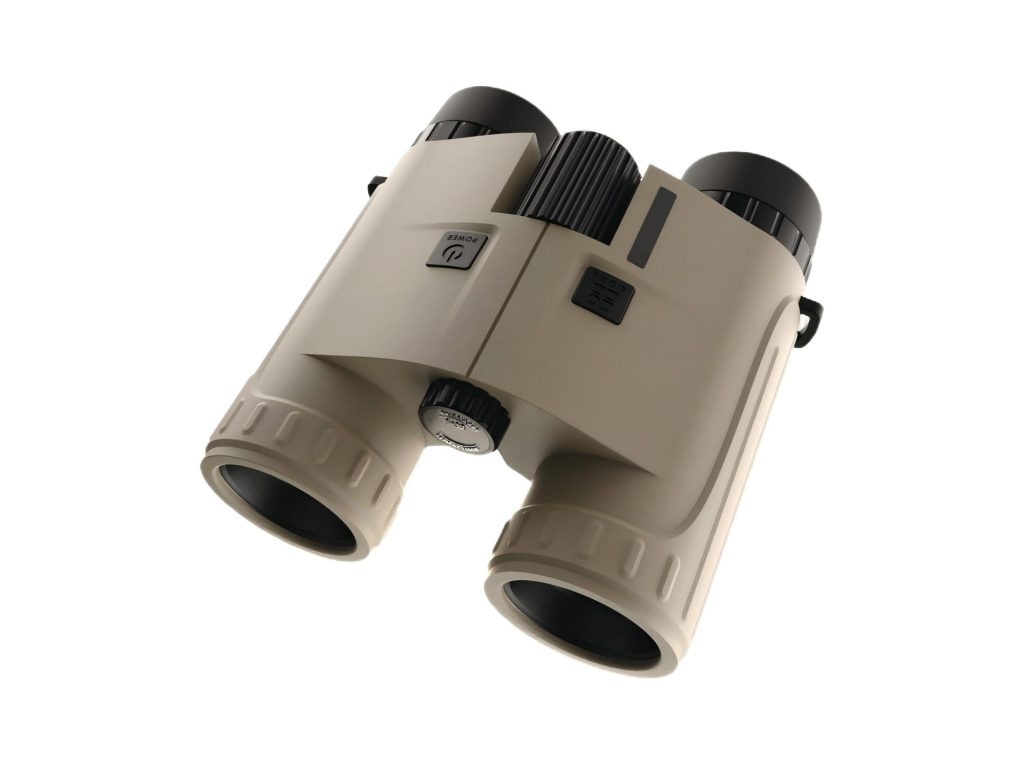
When I shift the conversation to specialty retailers, birding communities, and high-frequency outdoor users, the focus changes almost immediately.
Very few people here start by asking about color options or how compact the binoculars are when stored away. What they care about instead is much more direct: Is the image bright enough in low light? Does the edge performance stay stable? Is the field of view wide enough? Does the focus feel smooth and linear? Is the eye relief comfortable for people who wear glasses? Will rain or changing temperatures affect reliability?
Under this logic, binoculars are treated as a complete observation system. They are not meant to be easy to own. They are meant to perform a clear task. Users are willing to accept a higher price, a larger form factor, and more weight, as long as those trade-offs lead to a more predictable and dependable viewing experience.
That is also why features like ED glass, phase correction, a wide field of view, nitrogen purging, waterproofing, rubber armor, and a more stable mechanical structure are not just marketing language in this category. They are part of what makes the product work efficiently in real use.

Why Is This Split Happening?
I Have Come to See It as Two Distinct Usage Models
After reviewing channel feedback and user comments, I have become more inclined to understand the current market through two very clear usage models.
The first is high-frequency carrying with low-threshold use. These users come across binoculars in many different situations, but each individual use may not last very long. What they want is something they can pick up and use right away, something that does not feel like a burden to carry, and something they can easily share with family members or children. The price and appearance also need to feel approachable. For them, a truly good pair of binoculars is not necessarily the one with the strongest specs. It is the one that is easiest to take out and easiest to use again and again.
The second model is purpose-driven use with long observation sessions. These users usually pick up binoculars with a clear task in mind: identifying bird species, reading terrain, making ecological records, spending long hours outdoors, or working in conditions where the weather and light are far from ideal. For them, the most important value of binoculars lies in stability and predictability. As long as the image stays clear, comfortable, and reliable over time, they are willing to accept a higher cost.

The Real Trade-Offs I See Across Six Technical Dimensions
This, in my view, is the part most worth serious attention from manufacturers, channel partners, and end users alike. Because once the market begins to split, the difference does not stay at the level of marketing language. Sooner or later, it shows up in actual product definition.
Magnification and Objective Size
On the lightweight side of the market, portable formats like 8×25, 10×25, and 8×32 tend to matter more, because what they really determine is whether people will actually bring the binoculars with them. In more professional observation use, 8×42 and 10×42 remain the more dependable core formats, because they create a clearer gap in brightness, stability, and low-light performance. In other words, bigger objective lenses are not automatically better. What matters more is who is willing to keep carrying them.
Size and Weight
Under the lightweight logic, every bit of weight reduction slightly increases the chance that the binoculars will leave the house. Under the professional logic, users are willing to accept more size and weight because better grip, a more stable balance, and greater comfort over long viewing sessions matter just as much.
Field of View, Exit Pupil, and Eye Relief
For beginners and family users, the biggest frustration is often simply not being able to find the image quickly. That is why field-of-view forgiveness, eye-position tolerance, and compatibility with eyeglasses can have a direct impact on first impressions. More experienced and frequent users care more about whether extended viewing feels easy and sustainable, especially when it comes to edge visibility, blackout control, and eye fatigue.
Coatings, Prisms, and Color Rendering
What really separates these two product paths is often not the spec sheet, but the image itself. Control of flare in backlit conditions, color layering, contrast, and edge performance all shape the difference between binoculars that are merely usable and binoculars people genuinely want to keep looking through.
Waterproofing, Rubber Armor, and Structural Reliability
In lightweight-use scenarios, this part usually only needs to reach the level where users feel confident using the product without worry. In professional settings, however, it defines the real boundary of the product. Rain, dust, mud, temperature shifts, and long hours of carrying all turn reliability from a selling point into a baseline requirement.
Price Band and Channel Positioning
The lightweight route tends to emphasize giftability, design appeal, ease of use, and approachable pricing. The performance route puts more weight on professional identity, accessory ecosystem, spec credibility, and long-term reputation. In many cases, what truly separates the market is not cost itself, but how a brand chooses to define its user.
My Overall Judgment: This Is Not Chaos, but Maturity
Having reached this point, I actually see it as a very positive signal.
In the past, many brands tried to cover as many user groups as possible with one or two “one-size-fits-all” models. But today, more and more products are beginning to acknowledge one fact: the core needs of different users are not the same. Some need higher take-along frequency, lower learning barriers, and stronger integration into real-life scenarios. Others need better image quality, stronger environmental adaptability, and a lower chance of failure in actual use.
So this is not simply price competition, nor is it a crude split between high-end and low-end. Instead, it is two growth logics becoming valid at the same time:
one logic is to expand the user base through scenario expansion;
the other is to increase customer value and professional stickiness through performance upgrades.
When the industry starts building products around real-world scenarios rather than a single specification, the market may look more complex, but the competition is actually becoming healthier.
Three Directions I Will Be Watching Over the Next 1–2 Years
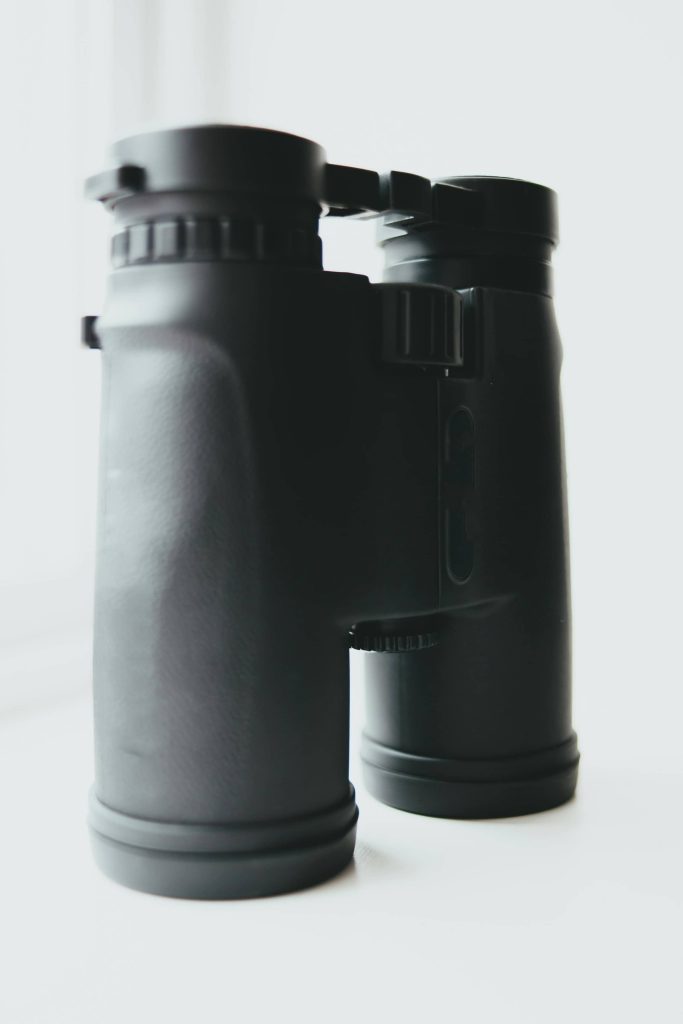
First, lightweight products will not stop at being simply “small” and “affordable.” They will continue evolving toward a higher level of overall refinement. Better grip, more natural eyecups, more stable folding structures, and a more mature design language will make entry-level and light outdoor products feel less and less like compromise options.
Second, mid-range performance models will continue bringing down capabilities that used to appear only in higher-priced segments. Better coatings, more mature prism solutions, and more forgiving field of view and eye relief will become key points of competition in core formats such as 8×32, 8×42, and 10×42.
Third, real differentiation will increasingly happen through the product lineup rather than a single binocular body. For factories and brands, color options, accessories, smartphone adapters, storage systems, gift packaging, and even channel display language will gradually become part of how a product path is defined.
These three points may determine the most meaningful changes in the binocular market over the next two years: not which brand pushes specifications higher, but which one has a clearer understanding of the kind of user it is serving.