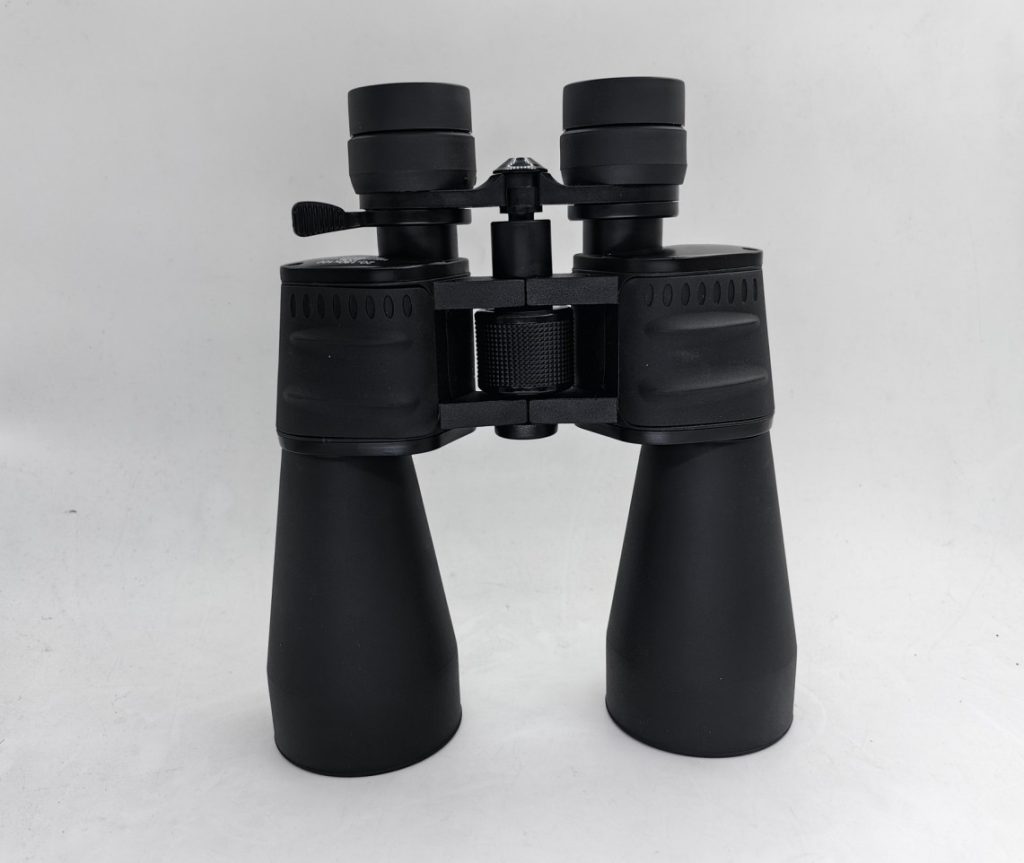
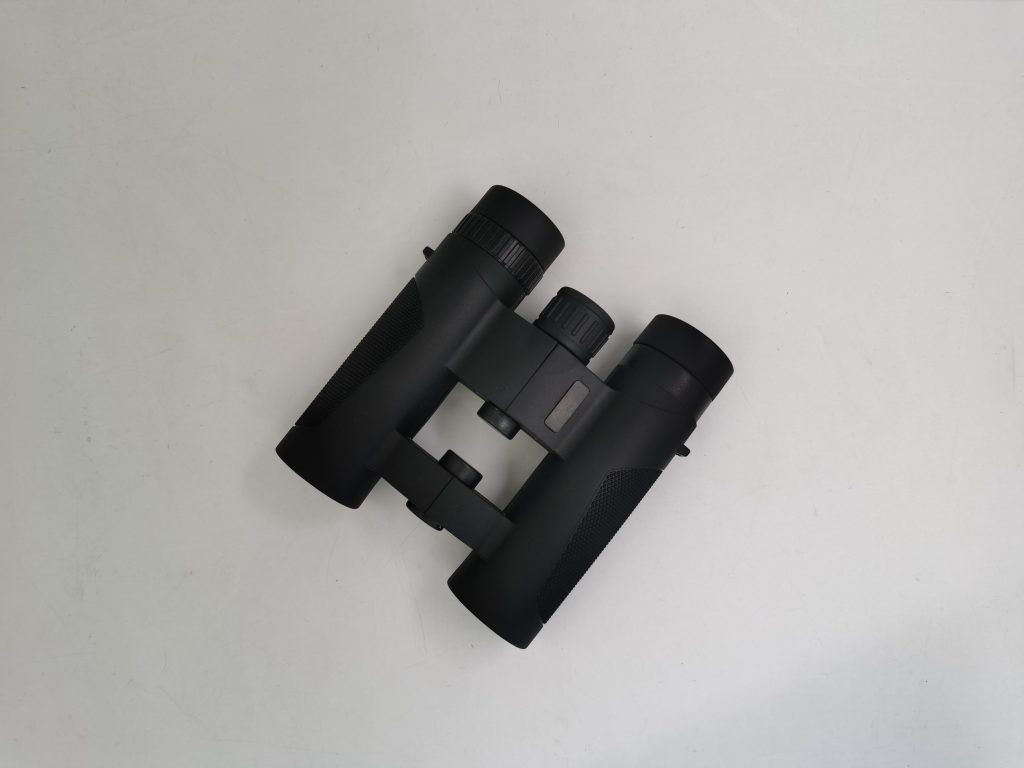
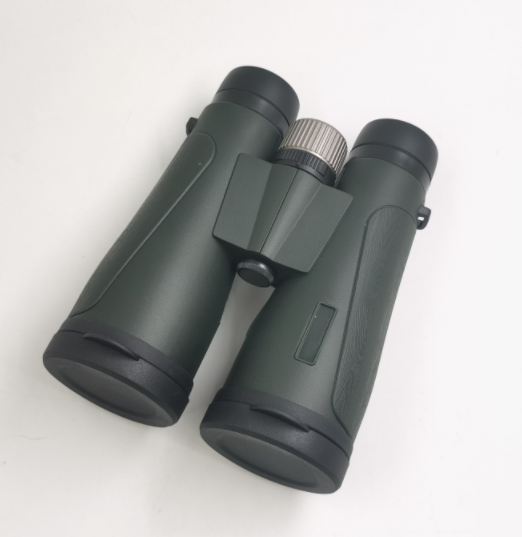
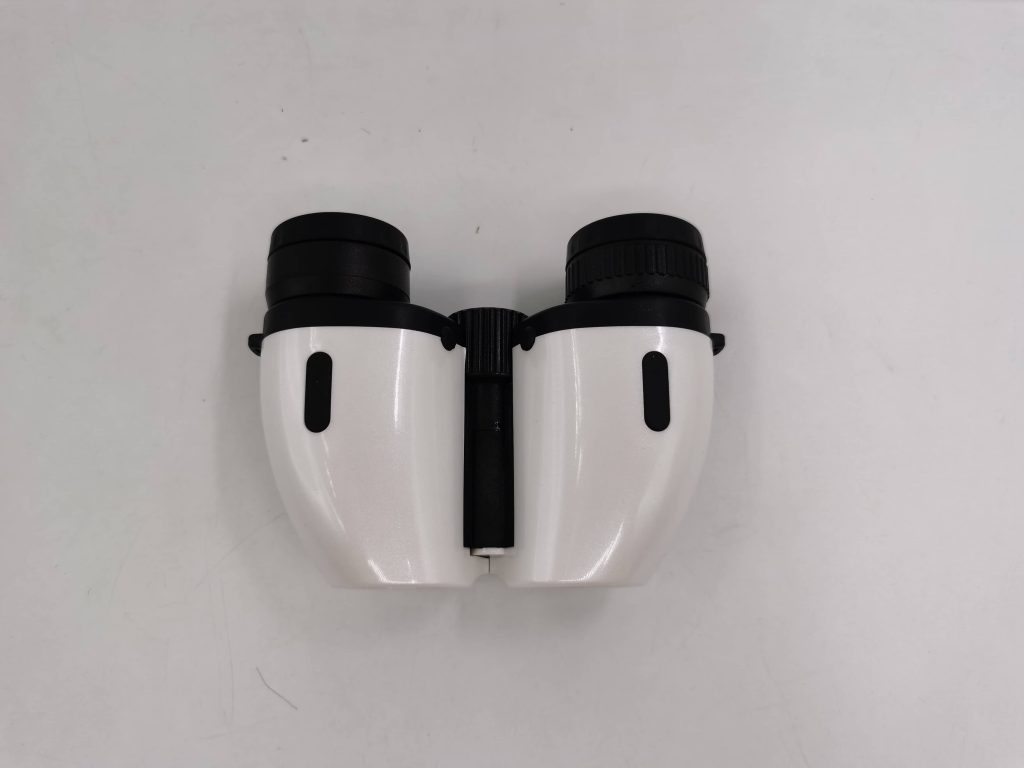
The most visible change in today’s optics market is not simply who can push prices lower, but the fact that different users are now using fundamentally different standards to decide whether a product is worth buying. Price is only the outcome; the real starting point is the use case.

Over the past few months, whether I was talking with channel customers, reviewing feedback from end users, or discussing the next round of product planning with factory colleagues, I kept hearing two very different sets of keywords.
In more professional scenarios—like birdwatching, outdoor observation, and long-term use—people care about things like edge clarity, resistance to washed-out images in backlight, whether eyeglass wearers can still see the full field of view, and whether brightness and contrast hold up on cloudy days or under forest cover. What really drives the buying decision here is usually not the lowest price, but whether the binocular still feels comfortable, stable, and reliable after being used for a long time.
But in travel, family use, gifting, entry-level e-commerce products, and light outdoor scenarios, users tend to ask very different questions: Can it be a little lighter? Will it fit easily in a bag? Can I just pick it up and use it right away? Will first-time users find it easy? Is the price low enough that people will not hesitate too much? In this part of the market, what really drives conversion is not top-end specs, but whether people are actually willing to bring it with them.
And it is exactly through this repeated contrast that I have become more and more convinced of one thing: today’s binocular market is no longer just about simple price competition. It is splitting into two different growth logics.
- Growth Logic A: Usable performance upgrade — users are willing to pay for a viewing experience that feels more complete, more stable, and more comfortable.
- Growth Logic B: Scenario-driven penetration — users are willing to pay for products that are lighter, easier to carry, easier to use, and easier to decide on.
Premium Segment: Price Isn’t the Starting Point
In the high-performance segment, the conversation almost never starts with “the lowest price.”
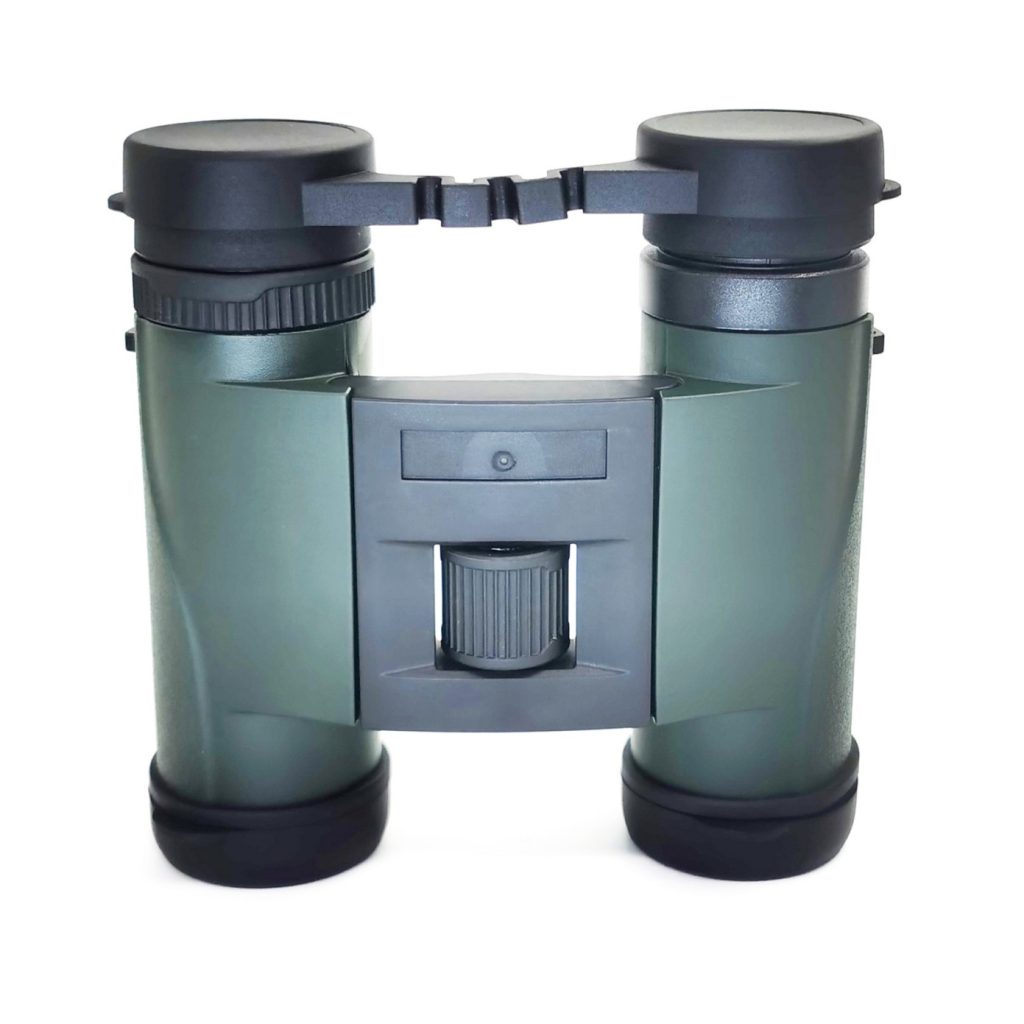
When I talk with customers who have long been involved in birdwatching, outdoor observation, inspection work, or high-frequency nature education, what comes up most is usually not how impressive the magnification looks on paper, but how complete the usable performance really is. And by “complete,” people are usually talking about four things: whether the field of view feels wide enough and the edges remain usable, whether the eye relief and eyecup design work well for people who wear glasses, whether the coatings and stray-light control are mature enough, and whether the overall weight and balance allow comfortable handheld use over a longer period of time.
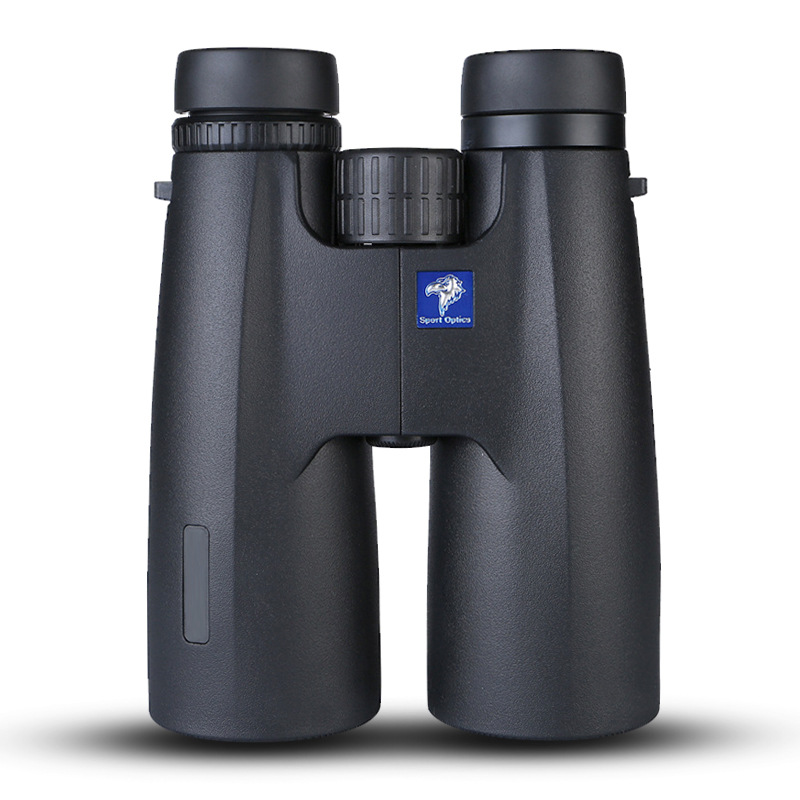
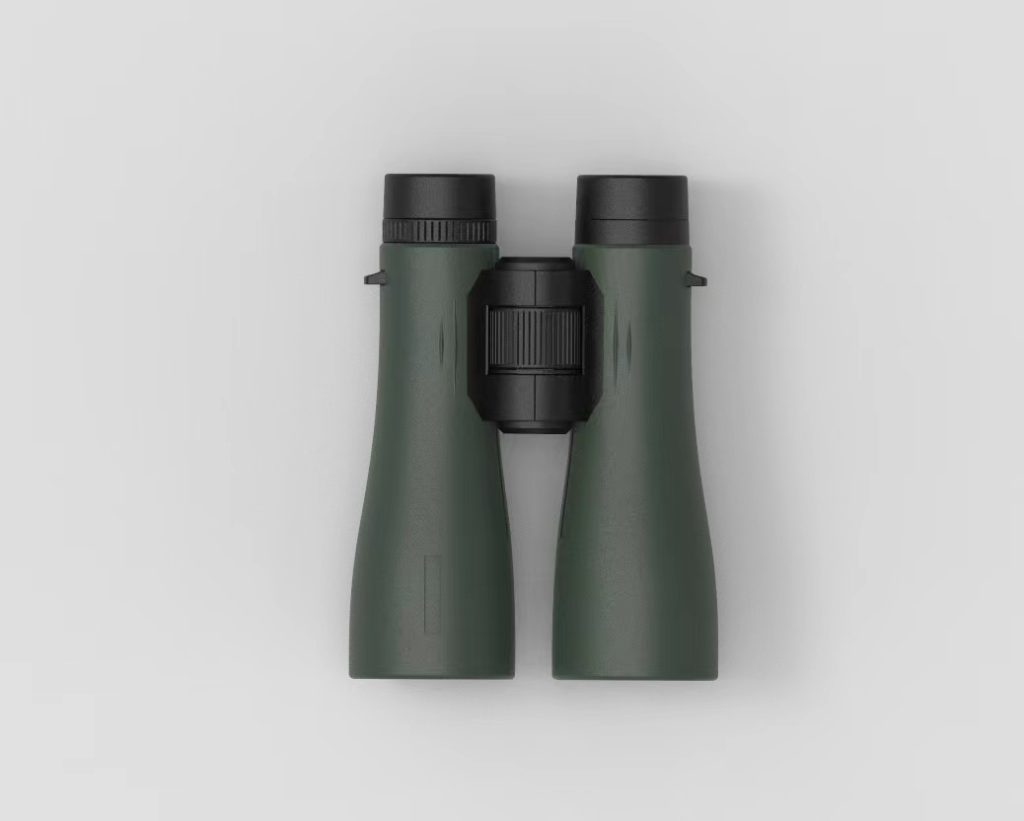
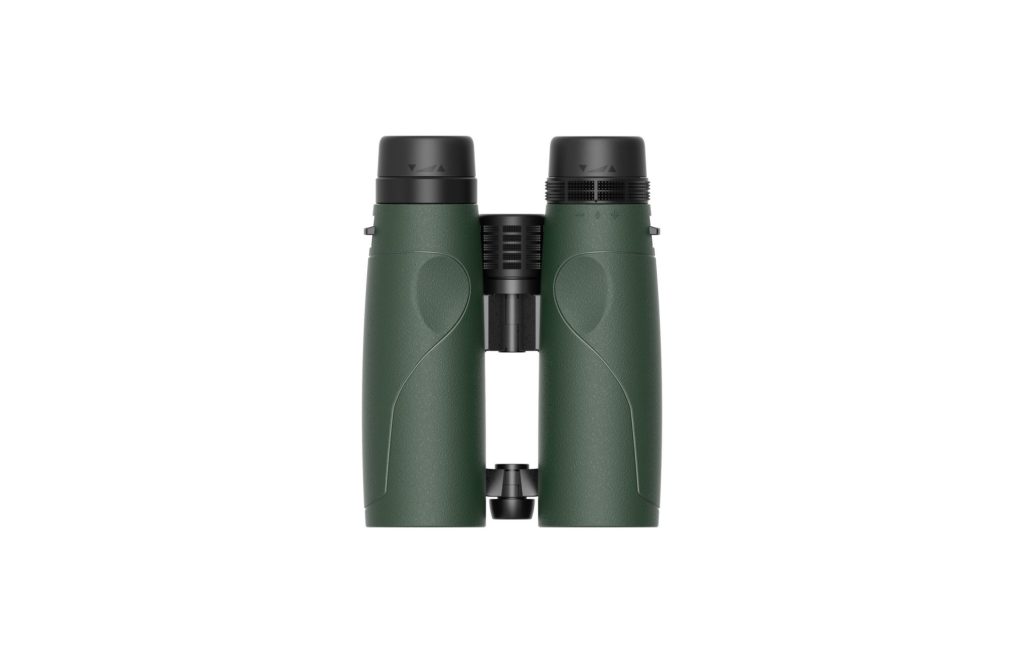
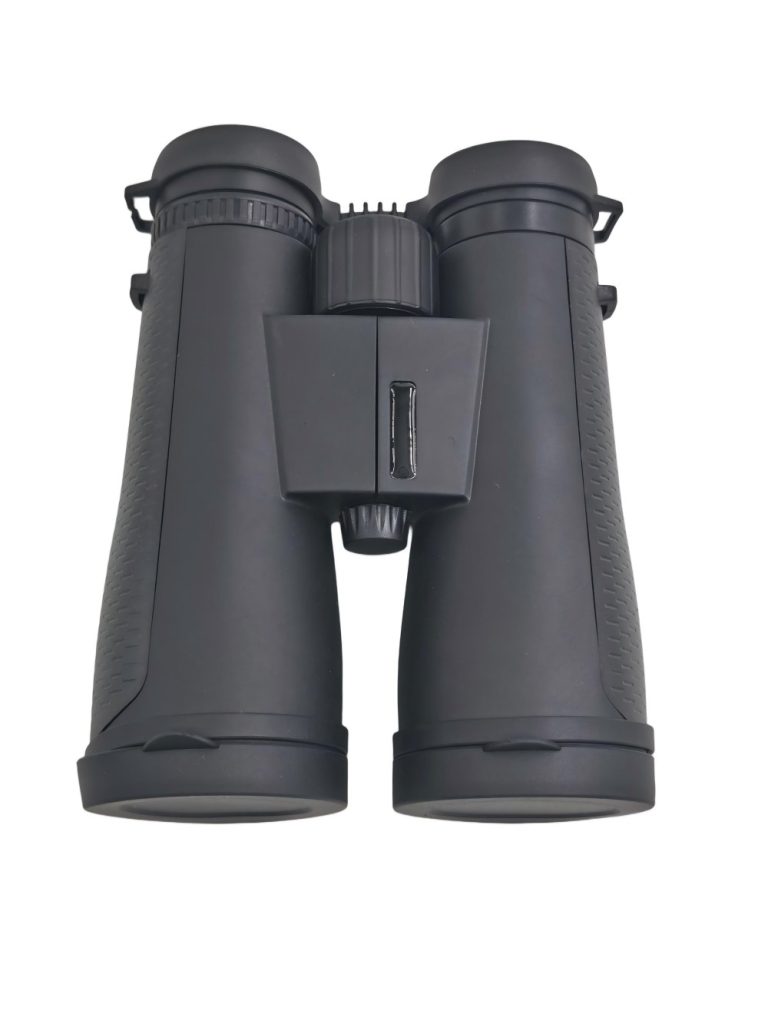
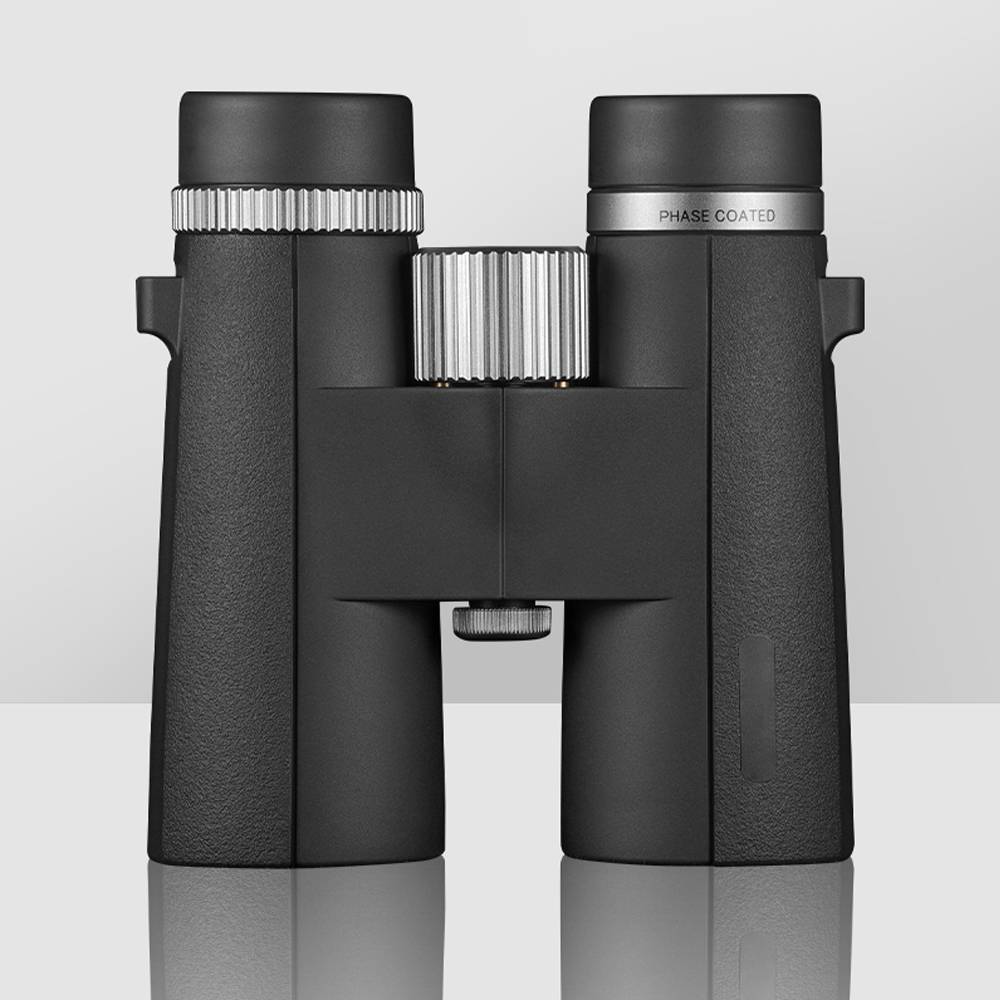
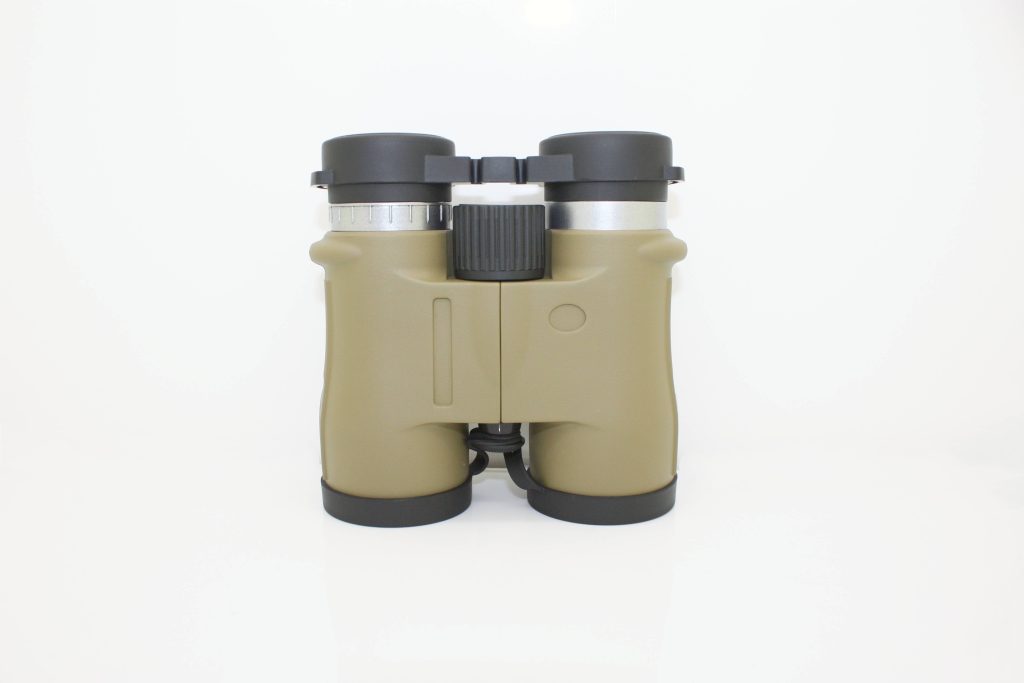
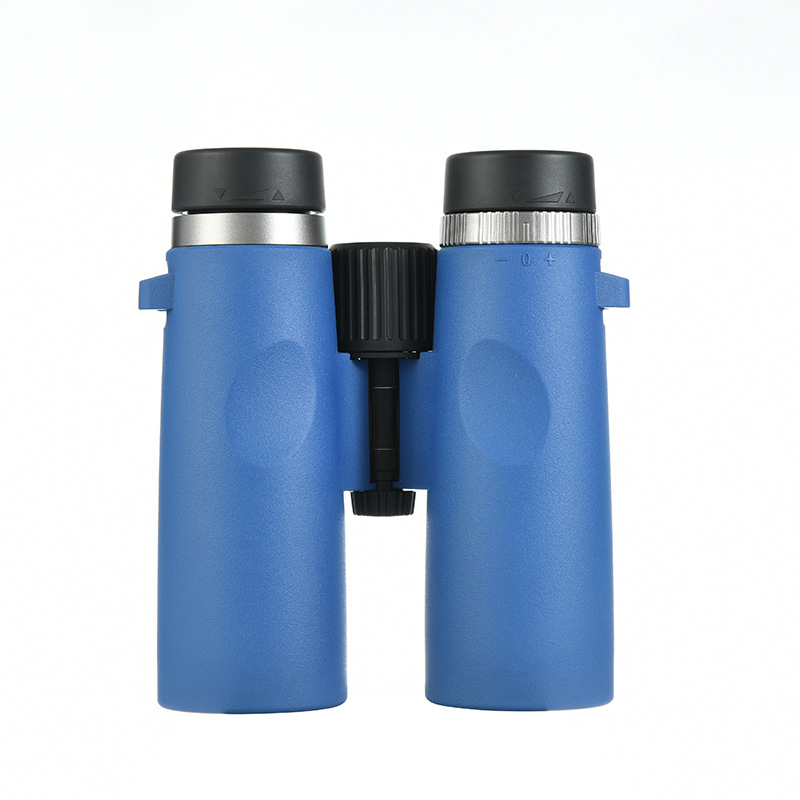
These buyers know very well that what really affects repeat purchase is not one or two eye-catching numbers on a spec sheet, but whether, after half an hour of continuous use, your eyes and hands start to complain. A lot of official product materials are pointing in the same direction as well: wide field of view, long eye relief, lightweight construction, hydrophobic or smudge-resistant coatings, nitrogen purging for fog resistance, and dependable waterproof structure are becoming a shared language across mid- to high-end full-size binoculars.
In other words, what this growth logic is really paying for is not “higher specs,” but “confidence in long-term use.”

Casual Use: Portability Drives Conversion
In lighter-use channels, what really drives conversion is simple: whether people are willing to bring it along.
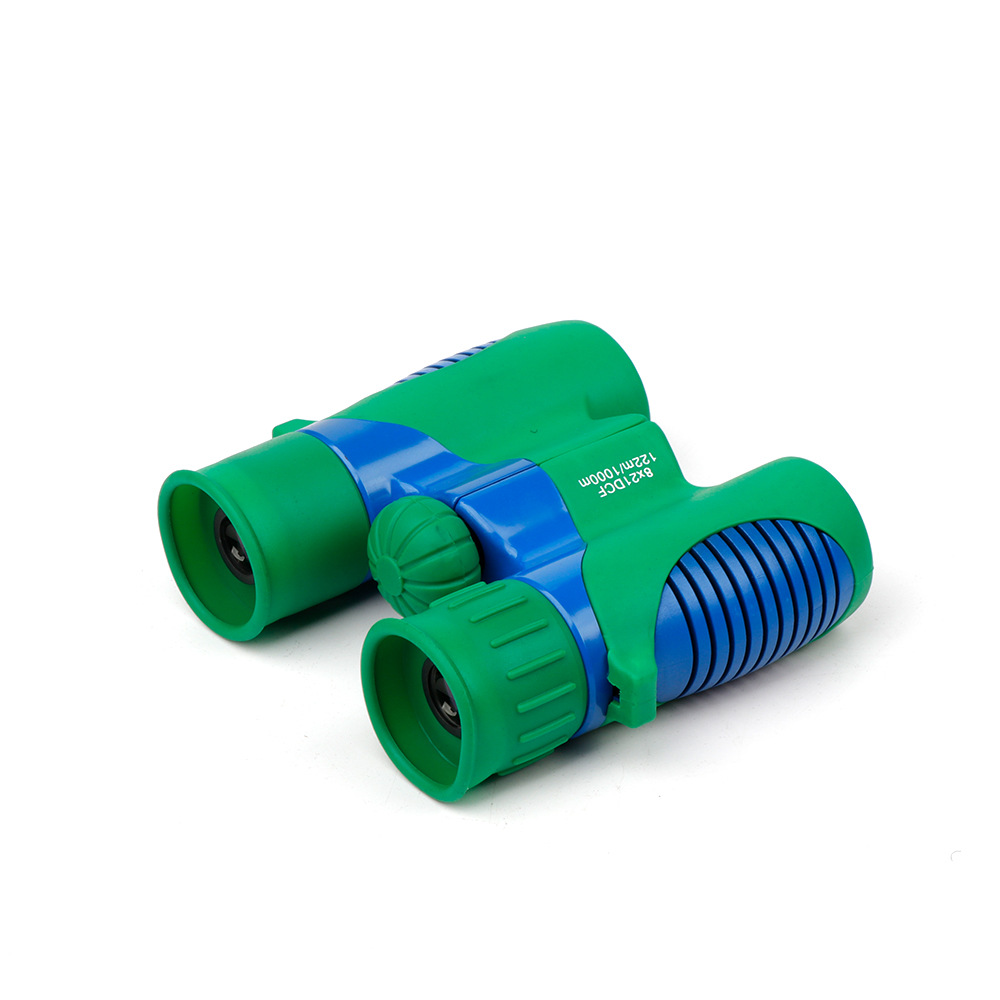
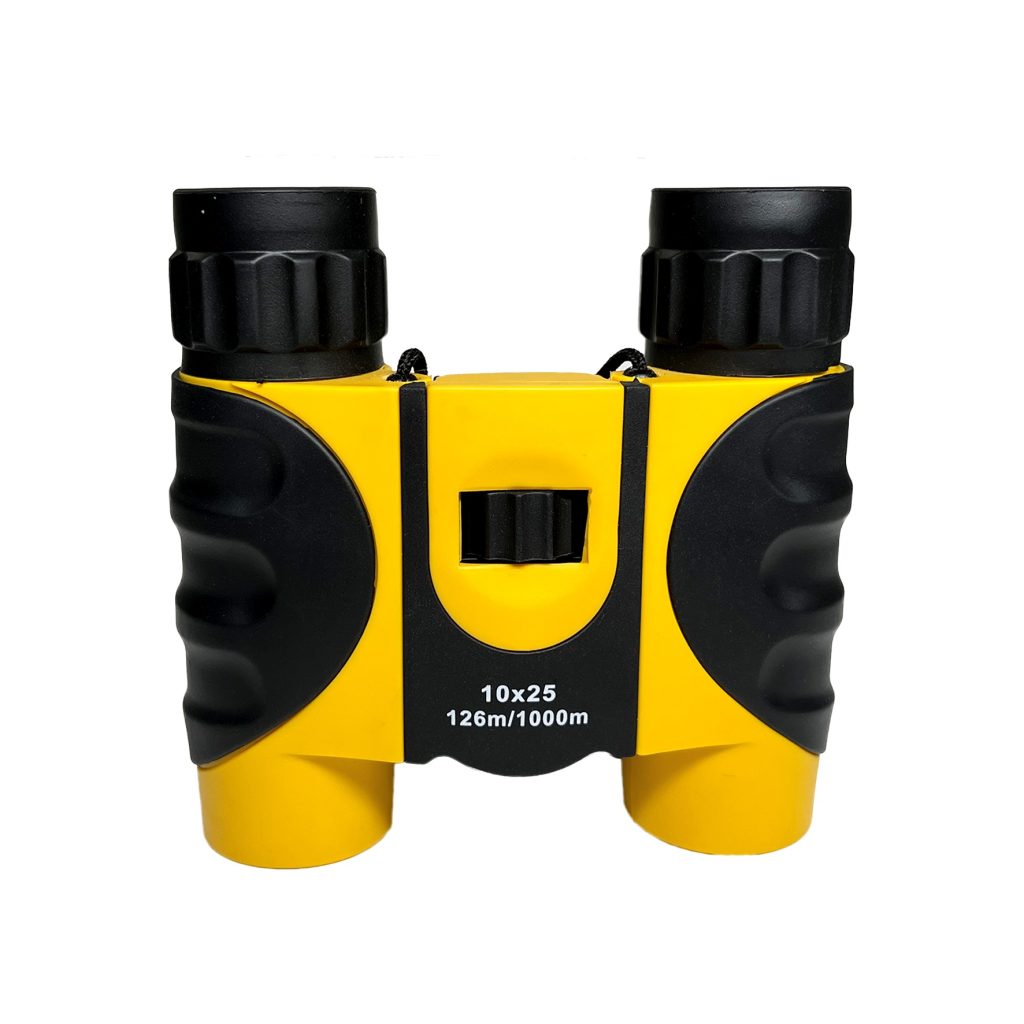
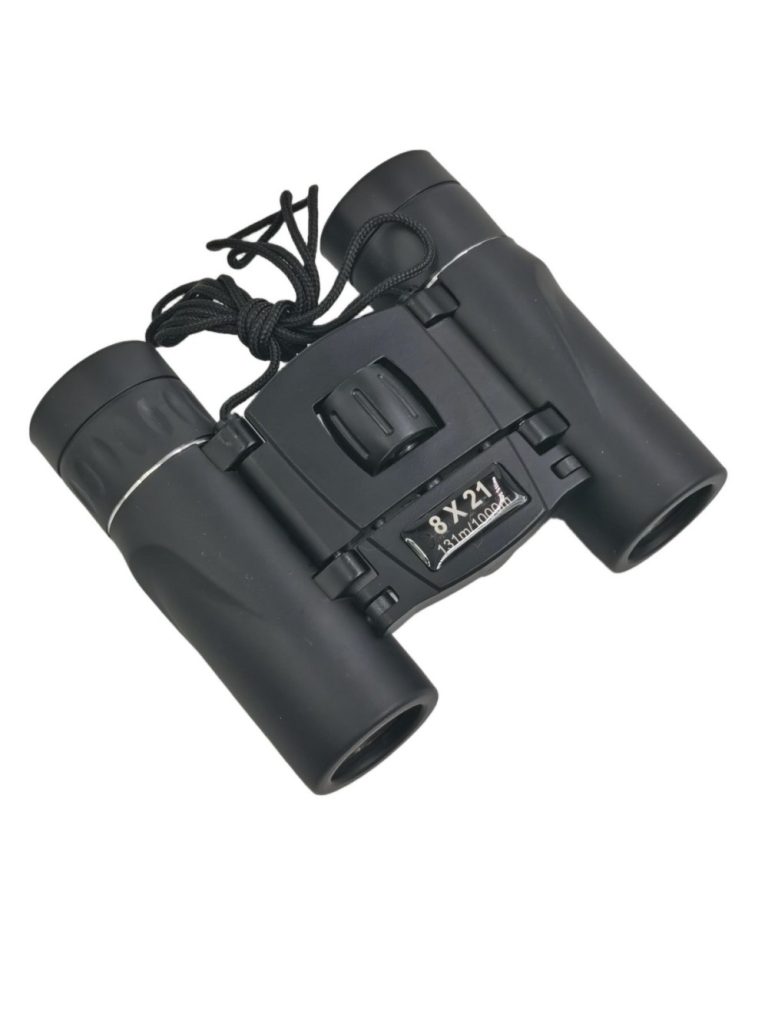
But once we shift the focus to travel, e-commerce gifting, city sightseeing, parent-child activities, and light outdoor channels, the logic becomes clearly different. A lot of users here are not planning to observe for two straight hours, and they may not be familiar with optical specs at all. What they care more about is whether the binocular is compact enough to pack easily, whether the design looks clean and appealing, whether the weight is light enough to wear around the neck all day, whether the folding structure actually makes it easier to carry, and whether they can pick it up for the first time and quickly find the target.
Under this logic, compact formats like 7×21, 8×25, and 10×25, as well as foldable dual-hinge designs that put more emphasis on portability and storage, all have very clear value. They are not trying to compete with full-size models in low-light conditions, and they are not trying to push every spec on paper to the limit. Their real job is to make more people—people who normally would not buy binoculars at all—feel, for the first time, that this is something worth owning.
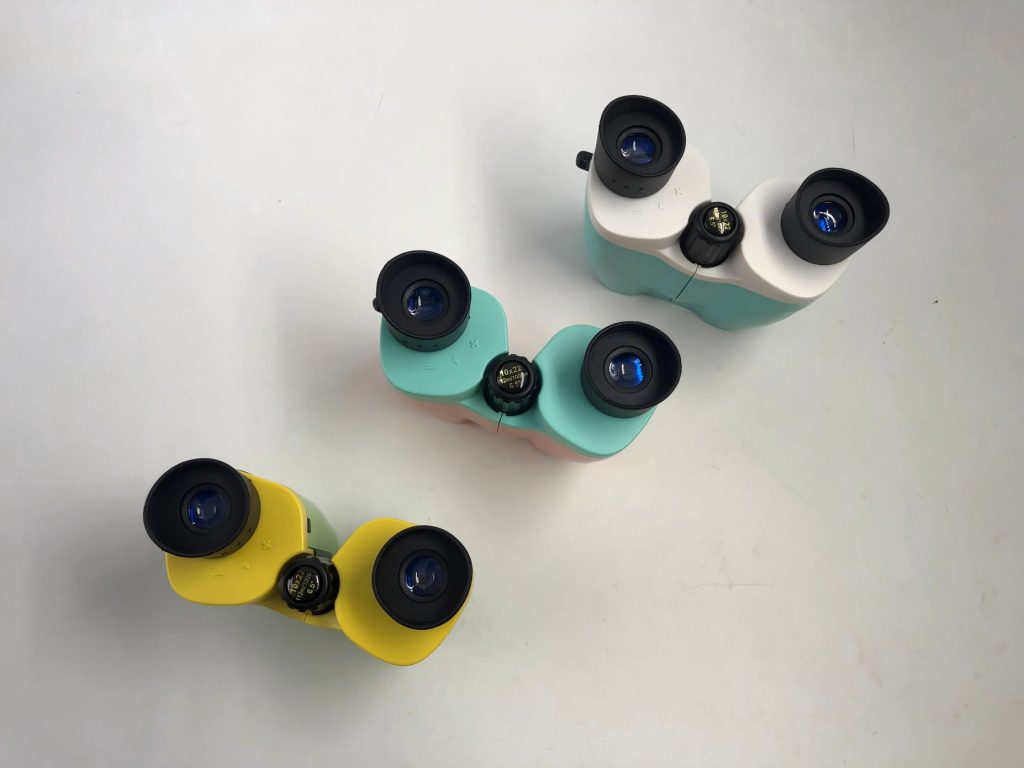
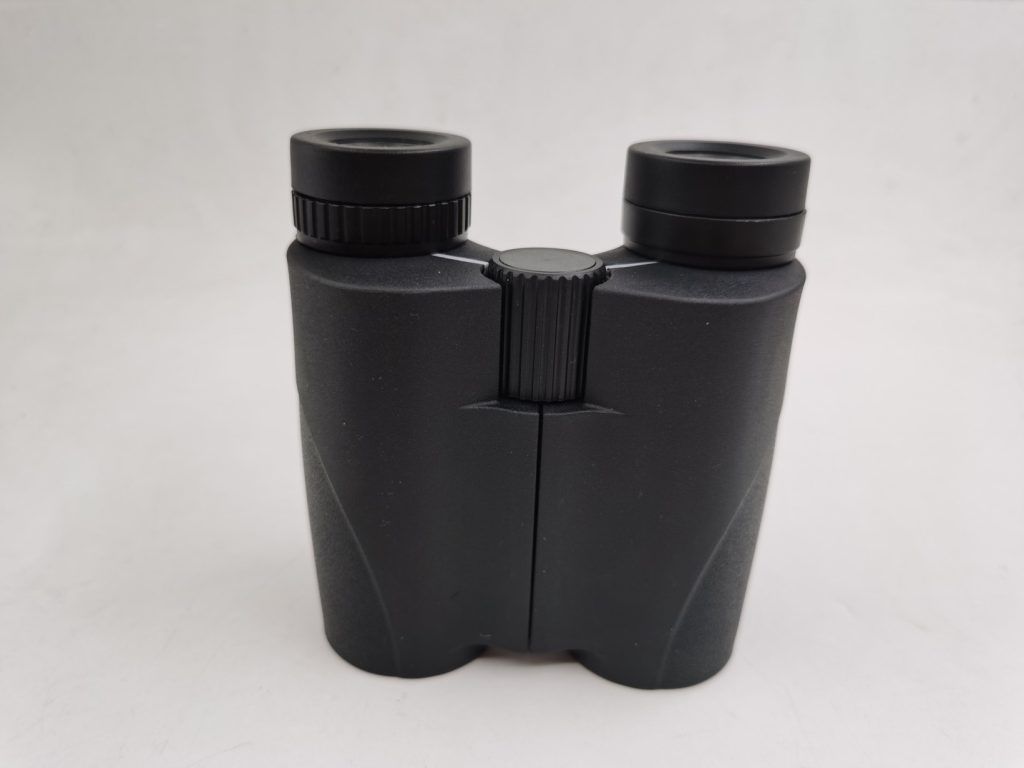
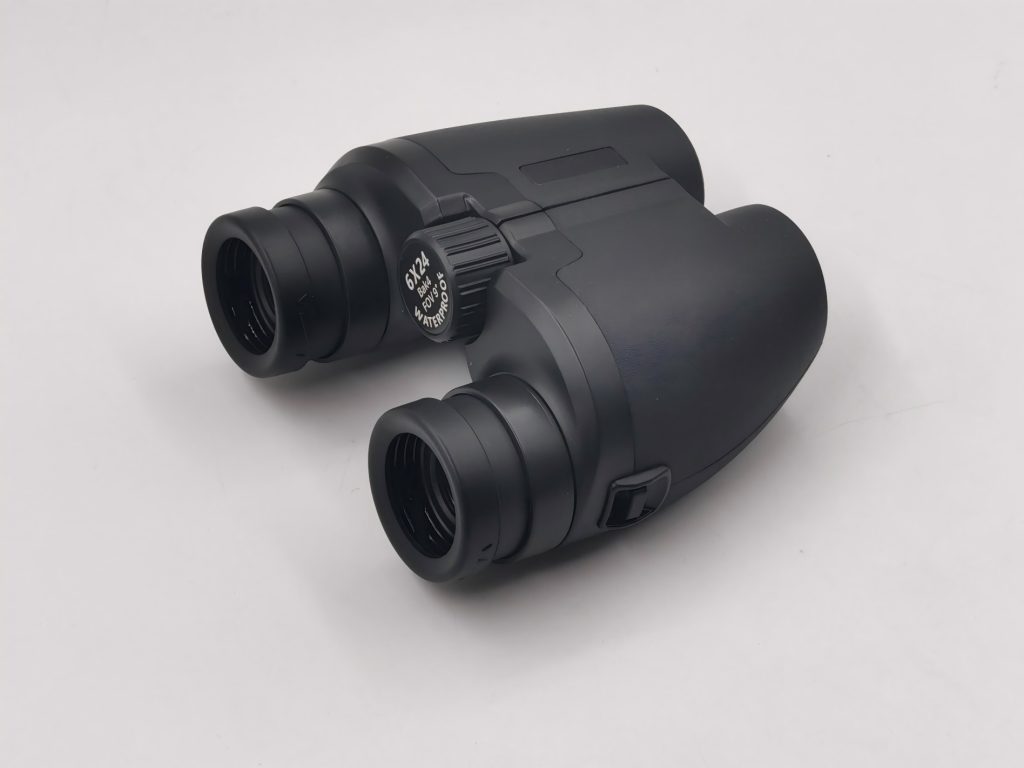
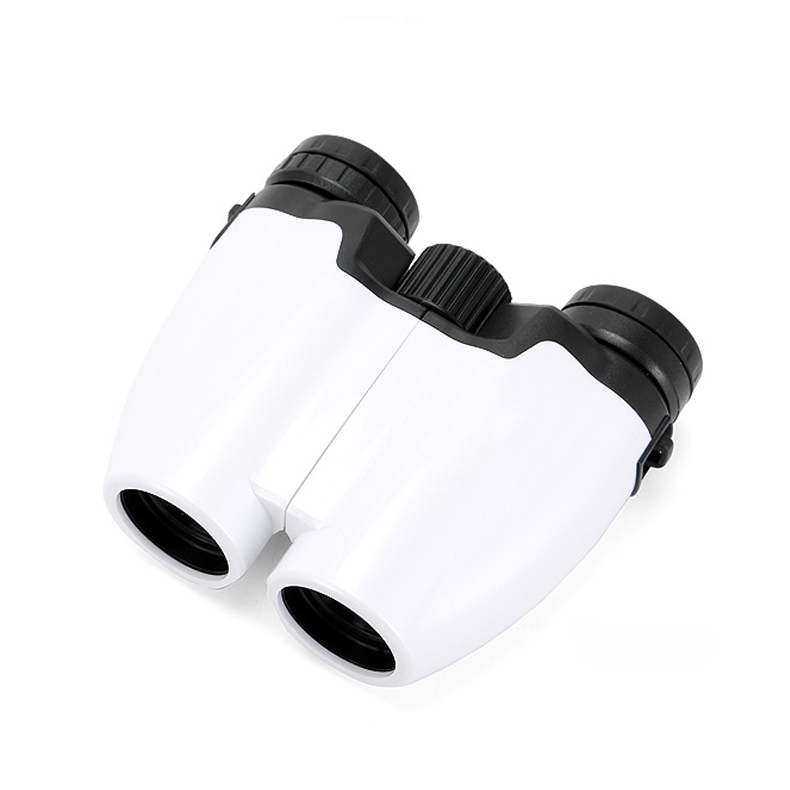
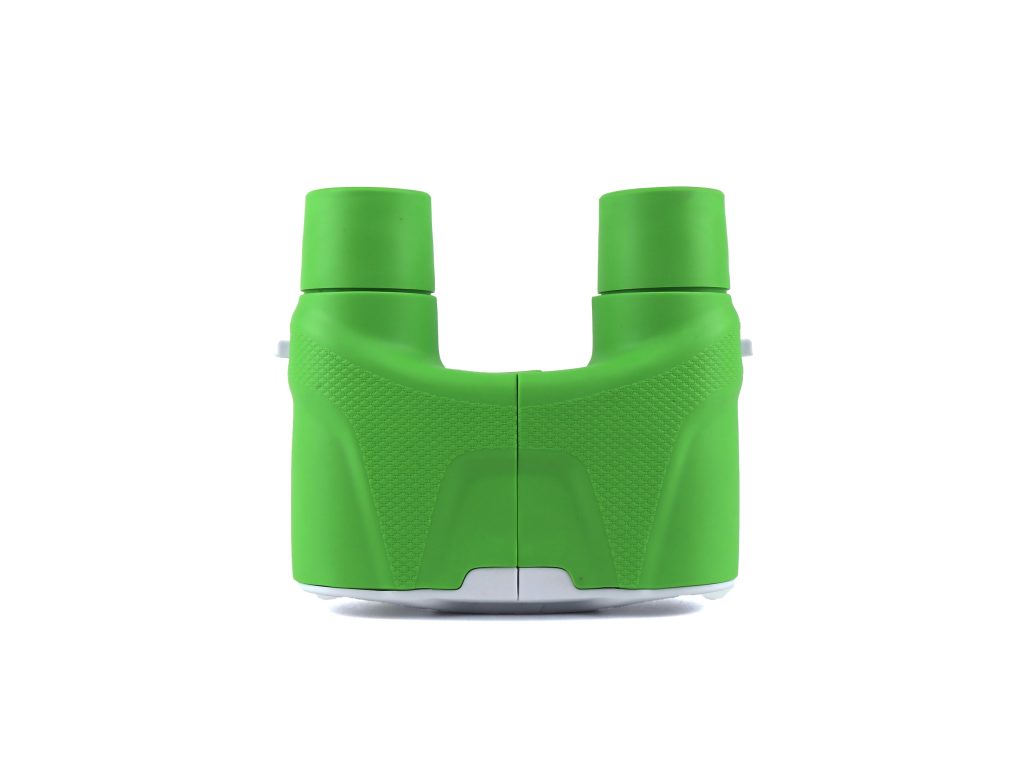
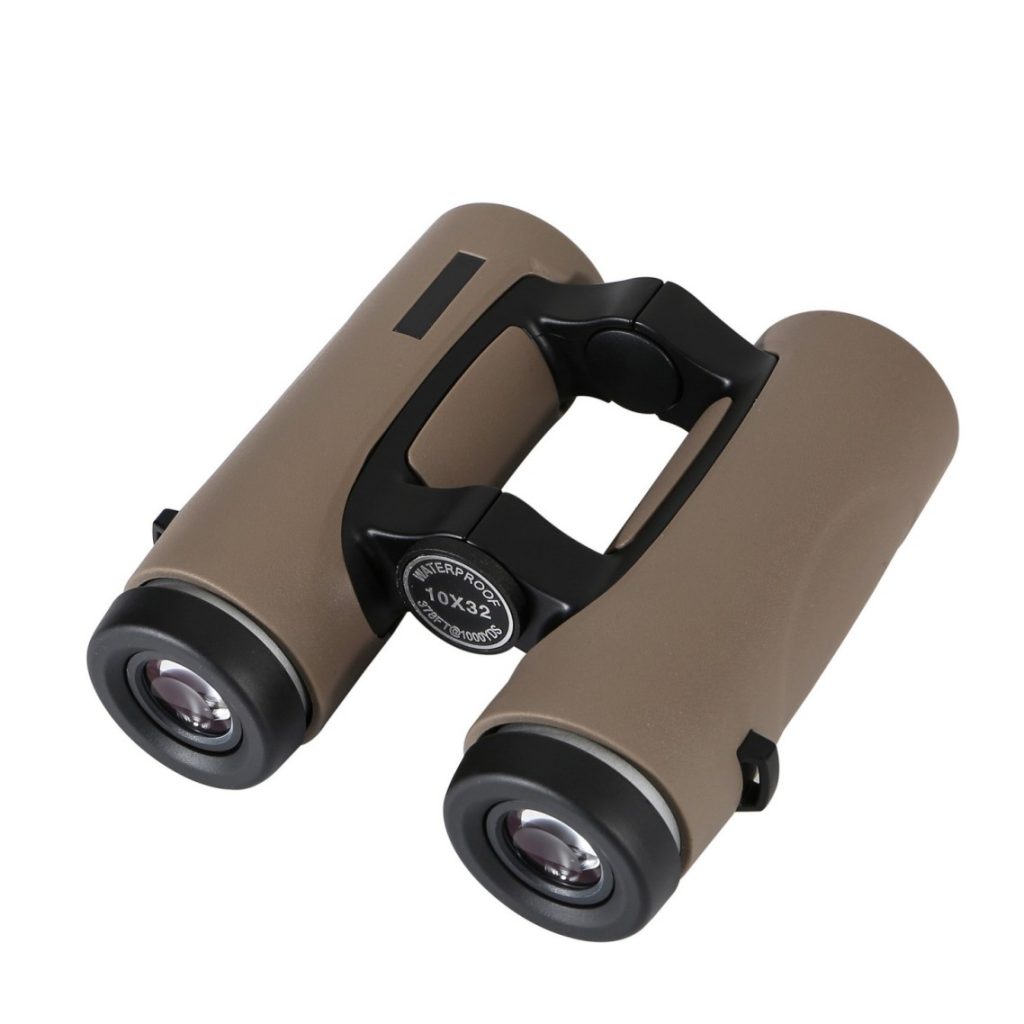
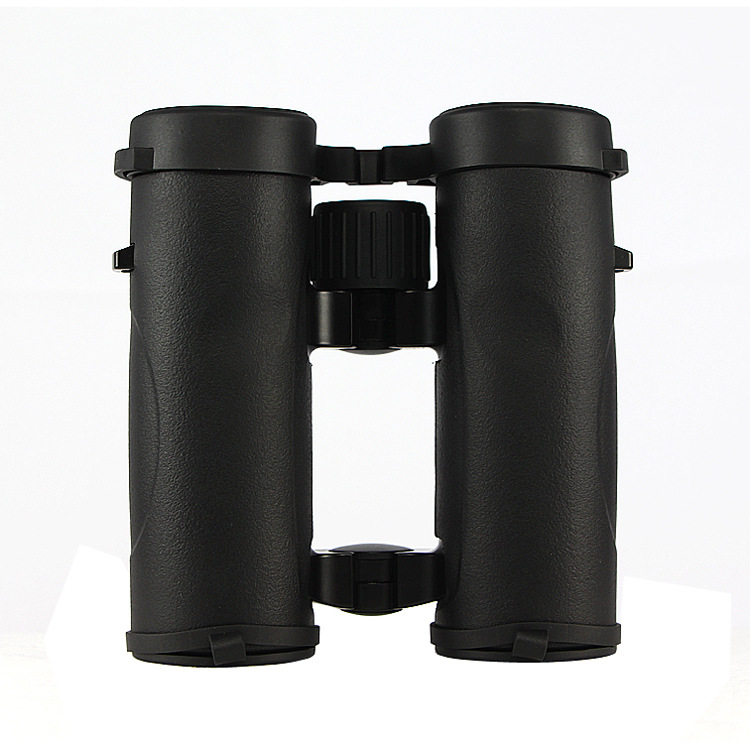
This kind of growth is not just low-end substitution. It is demand expansion. It is what allows binoculars to gradually move from being a specialized tool for a small group of high-frequency users into a light piece of gear for many more everyday scenarios.
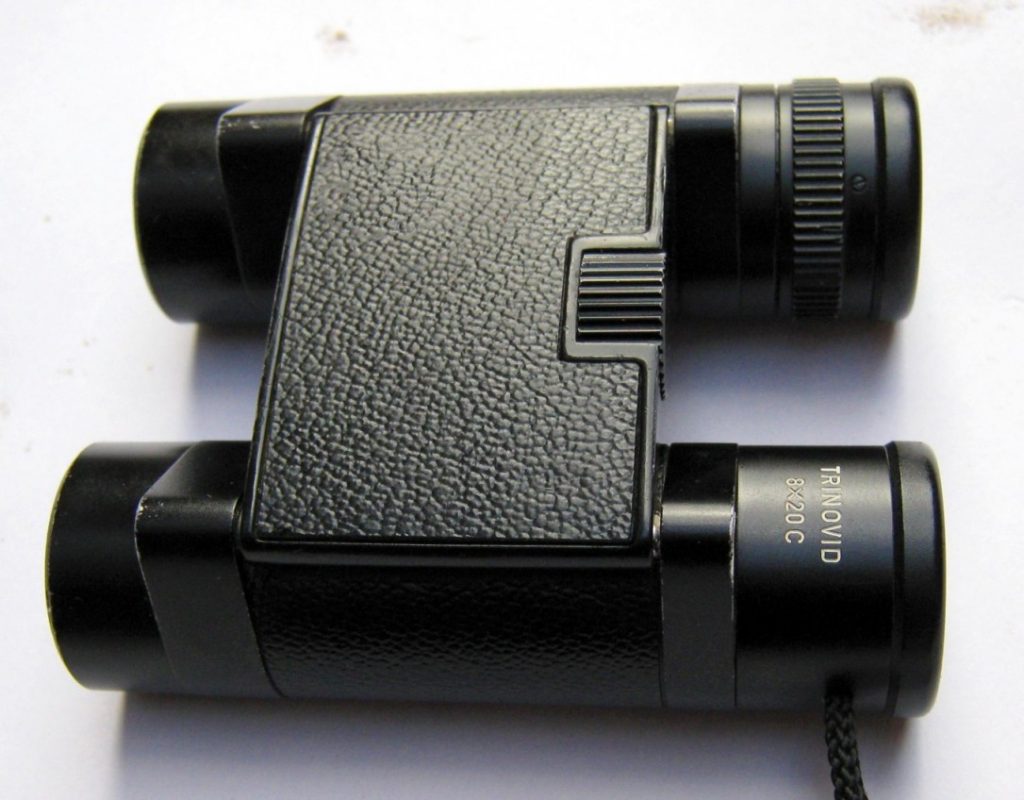
What’s Driving the Split? Two Usage Models
If we break today’s market demand down a little further, I think the clearest way to understand it is through two typical usage models.
- Model A: Long observation sessions + uncertain targets. Typical scenarios include birdwatching, nature education, inspection work, and observation at the seaside or in wetlands. In these cases, users need a larger usable field of view, better handheld stability, more forgiving eye positioning, and performance they can count on in difficult light and changing weather.
- Model B: Fragmented use + easy to carry around. Typical scenarios include travel, concerts, city sightseeing, keeping one in the car, gifting, and parent-child entry-level use. Here, users are looking for something with a lower learning curve, less burden in terms of size and weight, and a more immediate reason to buy.
What these two models point to is not just two different price bands, but two different ways of defining the product itself. One path treats binoculars as a long-term observation system; the other treats them as part of a scenario-based gear setup.

The core differences between the two growth logics
| Dimension | Usable performance upgrade | Scenario-driven penetration | What it means for B-end | What it means for C-end |
| User profile | High-frequency users, professional or semi-professional, experience-focused | Low- to mid-frequency users, beginners, gifting, travel | SKUs need to be clearly segmented | People no longer choose based on price alone |
| Main keywords | Wide field of view, long eye relief, low-light performance, reliability | Lightweight, easy to carry, good-looking, easy to use | Channel messaging needs to be written differently | Selling points need to be more direct |
Where the Differences Really Show: Six Technical Dimensions
1. Magnification, objective size, and field of view:
People are not buying “more,” they are buying “what works better.”
In the high-performance segment, 8×32 and 8×42 have stayed mainstream for so long not just because they are “classic,” but because they offer a more balanced answer across field of view, brightness, handheld stability, and overall viewing comfort. Higher magnification can, of course, bring distant targets closer, but it also narrows the field of view and makes hand shake more noticeable, so real-world usability does not always improve along with the numbers.
On the scenario-driven side of the market, compact formats like 8×25 and 10×25 do give up some brightness and comfort, but in return they are much easier to carry and much easier for people to say yes to. My view is this: the high-performance route is optimizing observation efficiency, while the lightweight route is optimizing ownership efficiency.
2. Body size and prism design:
Portability is not a side benefit, but part of the product definition
From a factory point of view, body size has never been just about appearance. It directly affects mold development, assembly tolerances, glue application, waterproof structure, packaging size, and shipping efficiency. In today’s mainstream market, roof prism models still have the upper hand in most major scenarios because the body is slimmer and easier to shape into something that feels both more branded and more portable. Meanwhile, compact dual-hinge or folding designs tend to have stronger perceived value in gifting and travel markets. In other words, the structural design itself has already become part of the channel language.
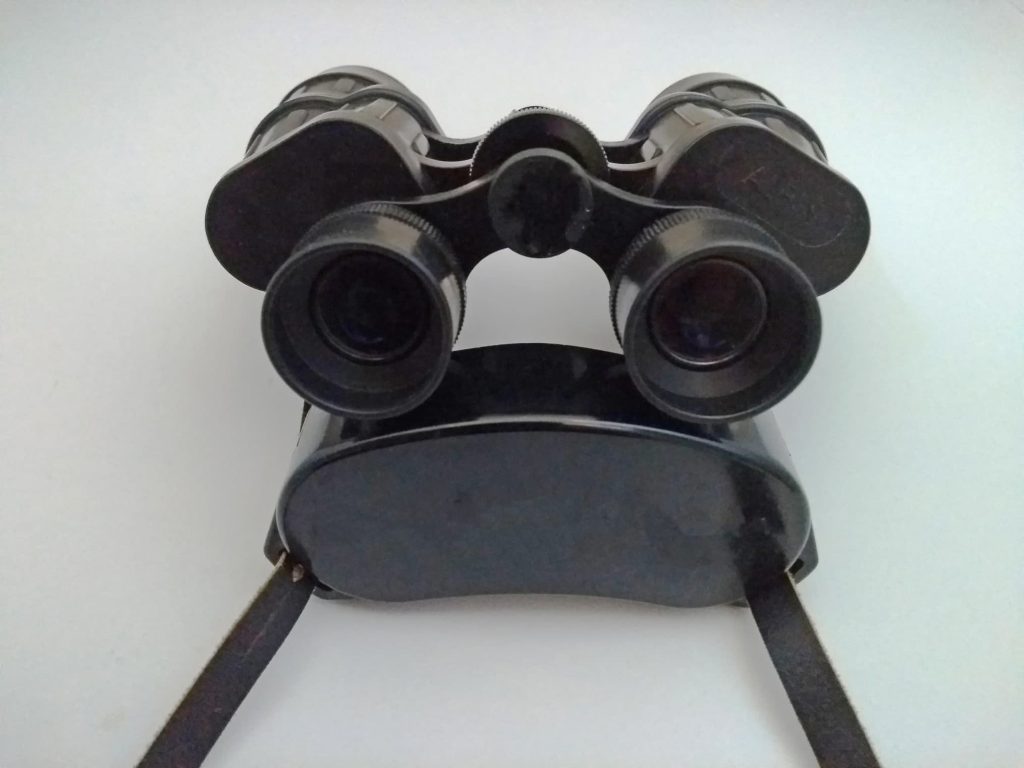
3. Waterproofing, fog resistance, and durability:
what the professional route is really buying is a lower risk of failure
A lot of consumers will not clearly say things like nitrogen purging, fog resistance, hydrophobic coatings, or rubber armoring when they are buying for the first time. But they will say it in more everyday language: Will it still work in the rain? Is it okay with big temperature changes between winter and summer? Will something go wrong if I leave it in the car? For high-frequency users, these are not nice extras, but basic requirements. For more mainstream users, they are key to reducing after-sales problems and negative reviews. The difference between the two routes is not that one cares more about reliability than the other, but how much cost and size they are willing to give up for it.
4. Coatings, clarity, and backlight control:
What really creates the price gap is often not just the letters “ED”
In optical products, one of the easiest things for market messaging to oversimplify is glass and coatings. Many buyers will remember terms like ED, phase correction, and multi-coated optics, but what actually shapes the viewing experience is often much more direct: whether the image starts to wash out in backlight, whether colors look dull or muddy, whether contrast still holds near the edge, and whether the exit pupil at the eyepiece makes the binocular feel easy to look through. And that is exactly the part that is hardest for the manufacturing side to explain clearly on a spec sheet, yet easiest for a user to notice within the first three minutes of handling the product.
5. Eye relief, eyecups, and focusing feel:
The first impression drives conversion; the long-term experience drives repeat purchase
Over the past few years, I have become more and more convinced that for many models that look “similar on paper,” the real dividing line is actually ergonomics. Longer eye relief and a more forgiving eye position can make a big difference for users who wear glasses, especially when it comes to seeing the full field of view comfortably. A smooth, well-tuned focus wheel, a sensible bridge position, and natural finger placement can also make first-time users feel much less frustrated right away. For end users, the first ten seconds often decide whether they want to buy. For B-end customers, repeat orders and word of mouth three months later often depend on exactly these small, easy-to-overlook details.
6. Weight, appearance, and purchase threshold:
If people do not want to take a binocular out with them, even good optics will struggle to drive volume
This is probably one of the strongest points behind the lightweight-use route. A lot of products are not “bad to look through” — people just do not feel like carrying them. Weight, folded size, neck comfort, grip feel, color options, and storage design are all starting to affect conversion more directly than before. My overall view is this: in the future, half of the competition in binoculars will happen inside the barrel, and the other half will happen in that one second right before the user walks out the door.
Not a Divide, but a Maturing Market
My overall view: this is not a conflict, but a sign that the industry is becoming more mature
If I had to sum it up in one sentence, I would say this: today’s binocular market is moving away from a one-product-fits-all logic and toward a more clearly segmented market logic.
The high-performance route is solving for seeing longer, seeing more steadily, and seeing more completely. The scenario-driven route is solving for whether people will actually take it out, pick it up, and feel comfortable buying it in the first place. These two paths do not cancel each other out. If anything, they point to the same conclusion: the market no longer believes that one set of specs can satisfy everyone.
For brands and channel partners, this means the product line needs to be explained more clearly, rather than just stacked with more specs. For factories, it means R&D and sampling need to be split by usage scenario much earlier, instead of waiting until the customer places an order and then adjusting passively. Whoever can translate how people really use binoculars into the right mix of optics, structure, manufacturing, and price is more likely to take the lead in the next stage of growth.

What FORESEEN OPTICS Is Watching Next
The three areas FORESEEN OPTICS will be watching most closely over the next 12–24 months:
- First, whether core mid- to high-frequency formats like 8×32 and 8×42 can continue to get lighter and more compact without sacrificing eye relief or reliability, while also pushing edge performance and backlight control one step further.
- Second, whether compact and entry-level products can move beyond the old image of being cheap but compromised, and shift toward a new combination of good design, real waterproofing, and genuinely usable optics—so that more consumers are willing to see binoculars as something they can keep with them for the long term.
- Third, whether modular development for different sales channels can become more mature—using the same optical core, but pairing it with different exterior designs, coating strategies, accessory packs, and price points, so brand customers get a clearer product tree instead of a pile of SKUs competing against each other.
These three points will likely help decide whether, over the next two years, the binocular industry stays stuck in homogeneous price competition, or truly moves into a new stage where products are defined around real usage scenarios.