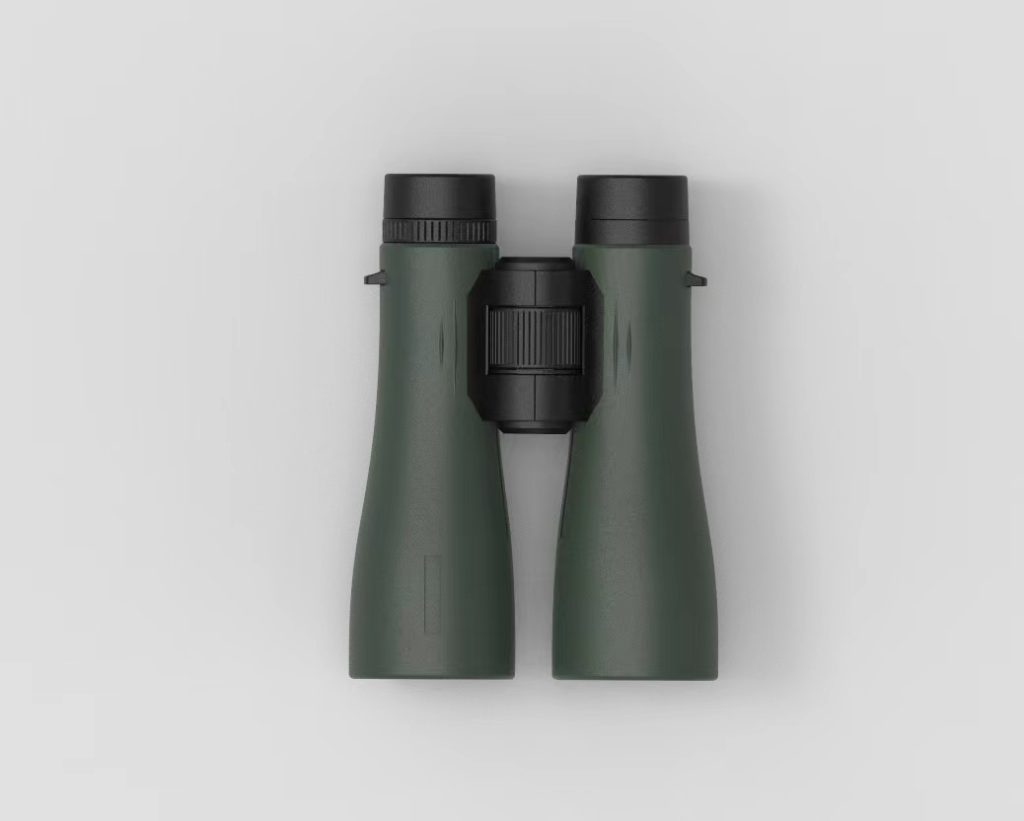
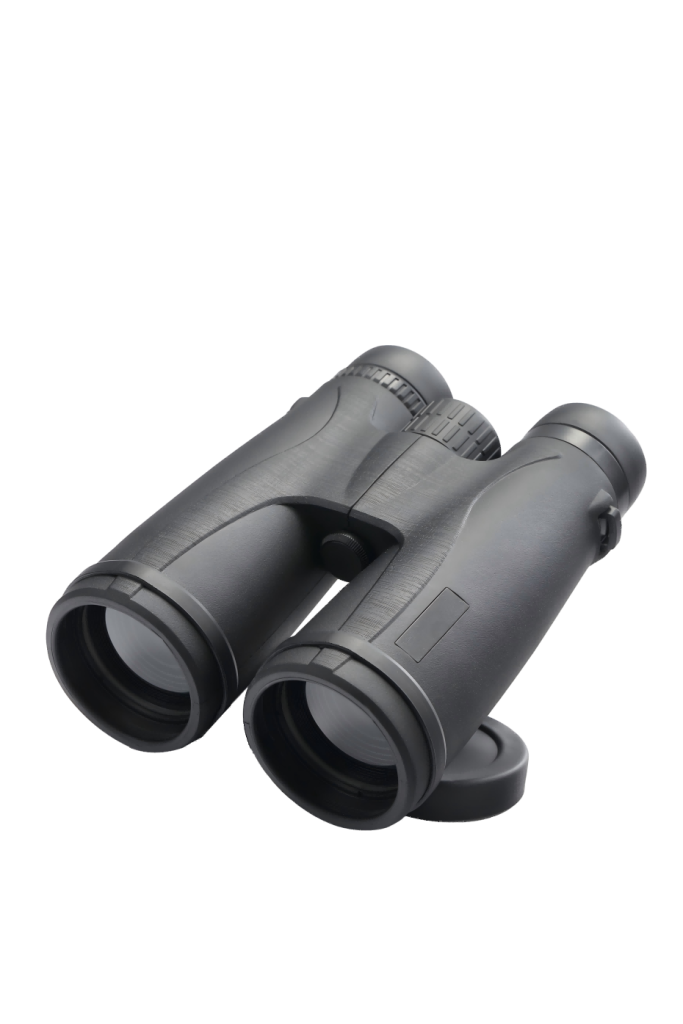
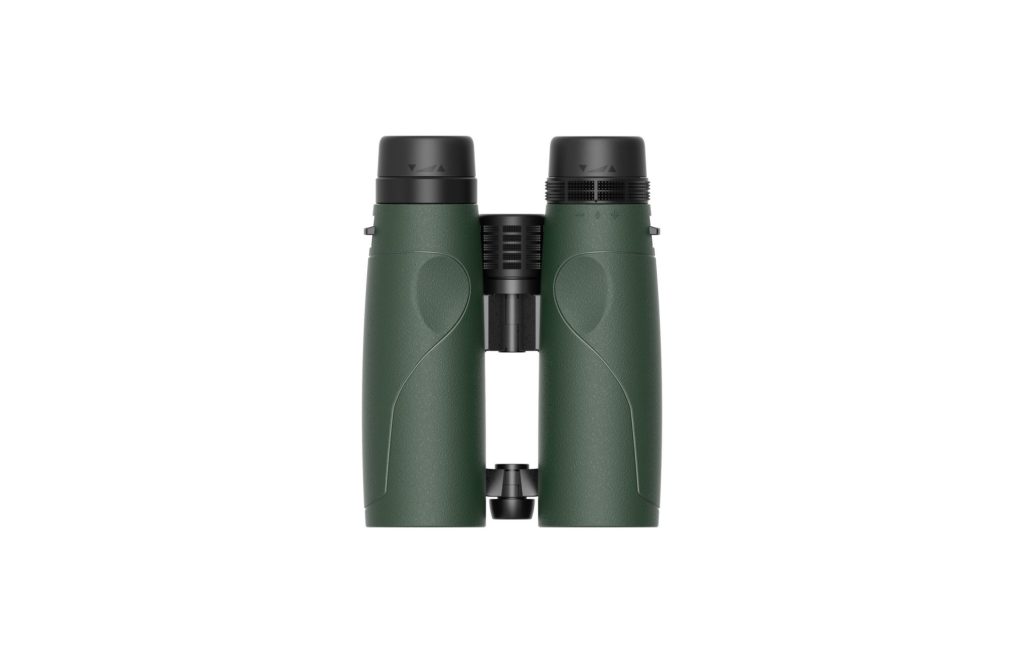
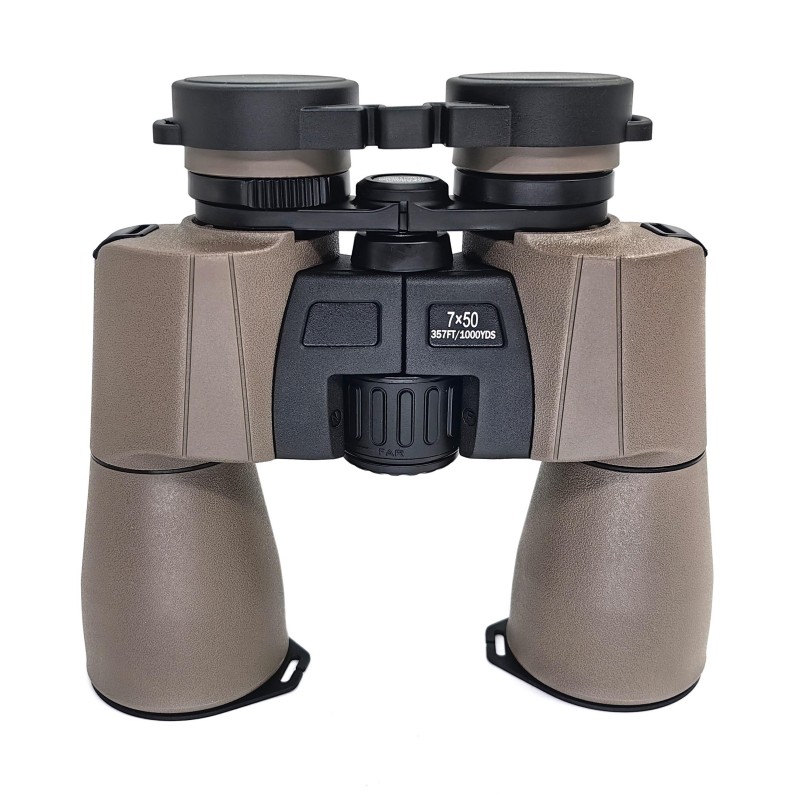
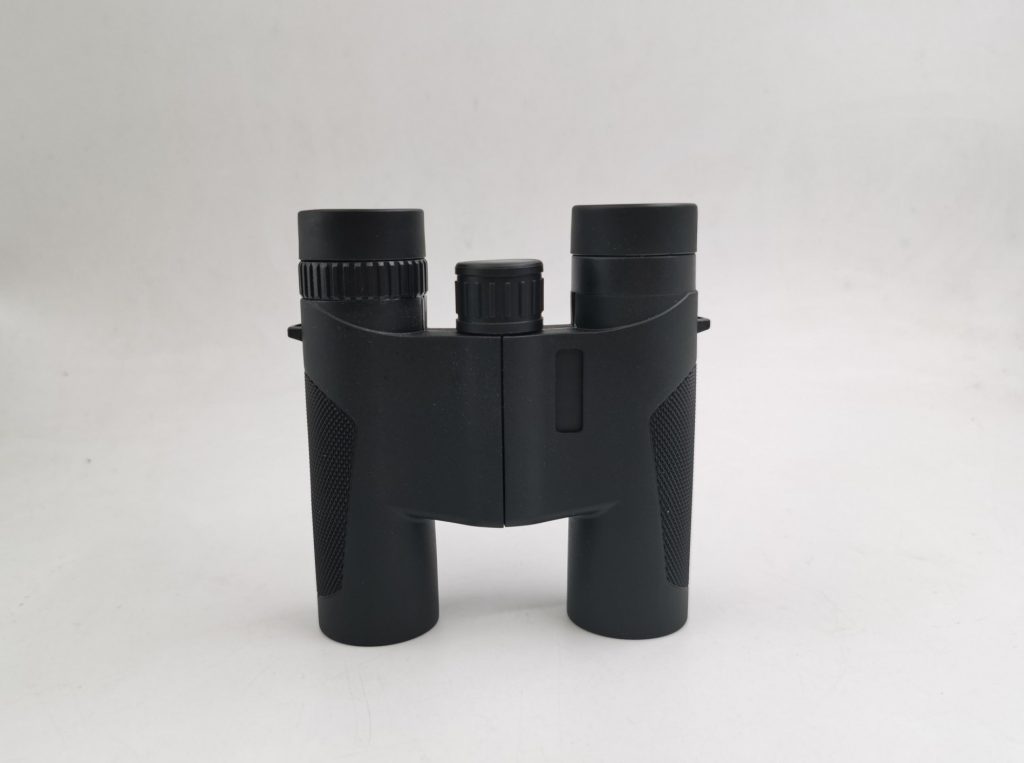
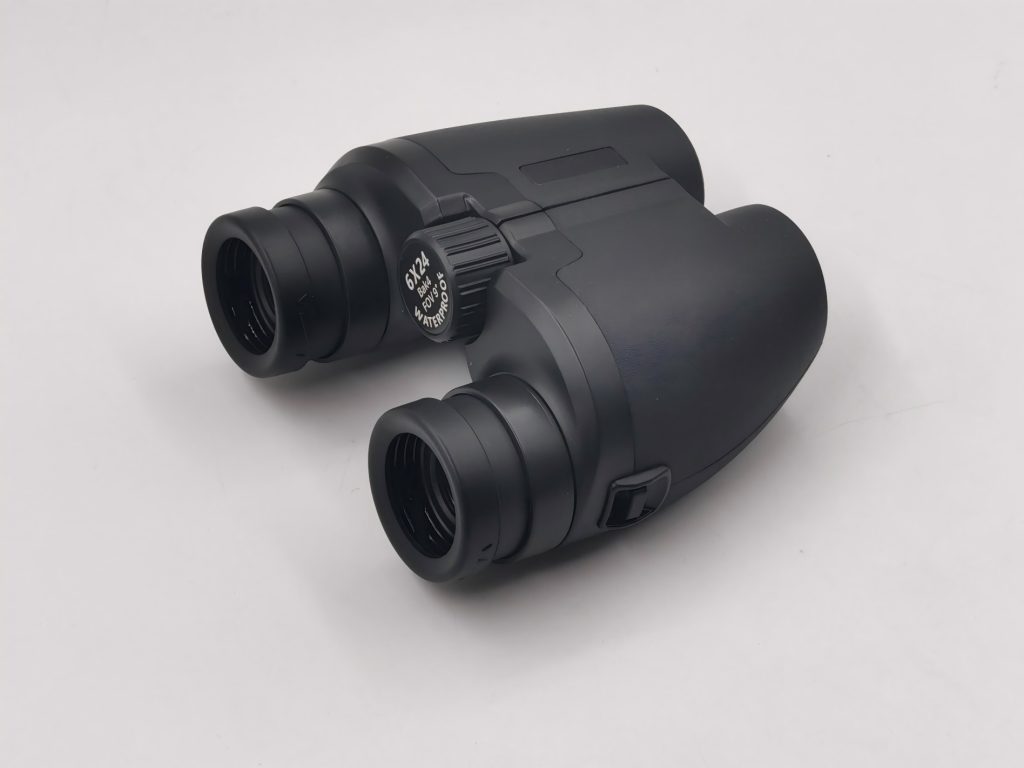
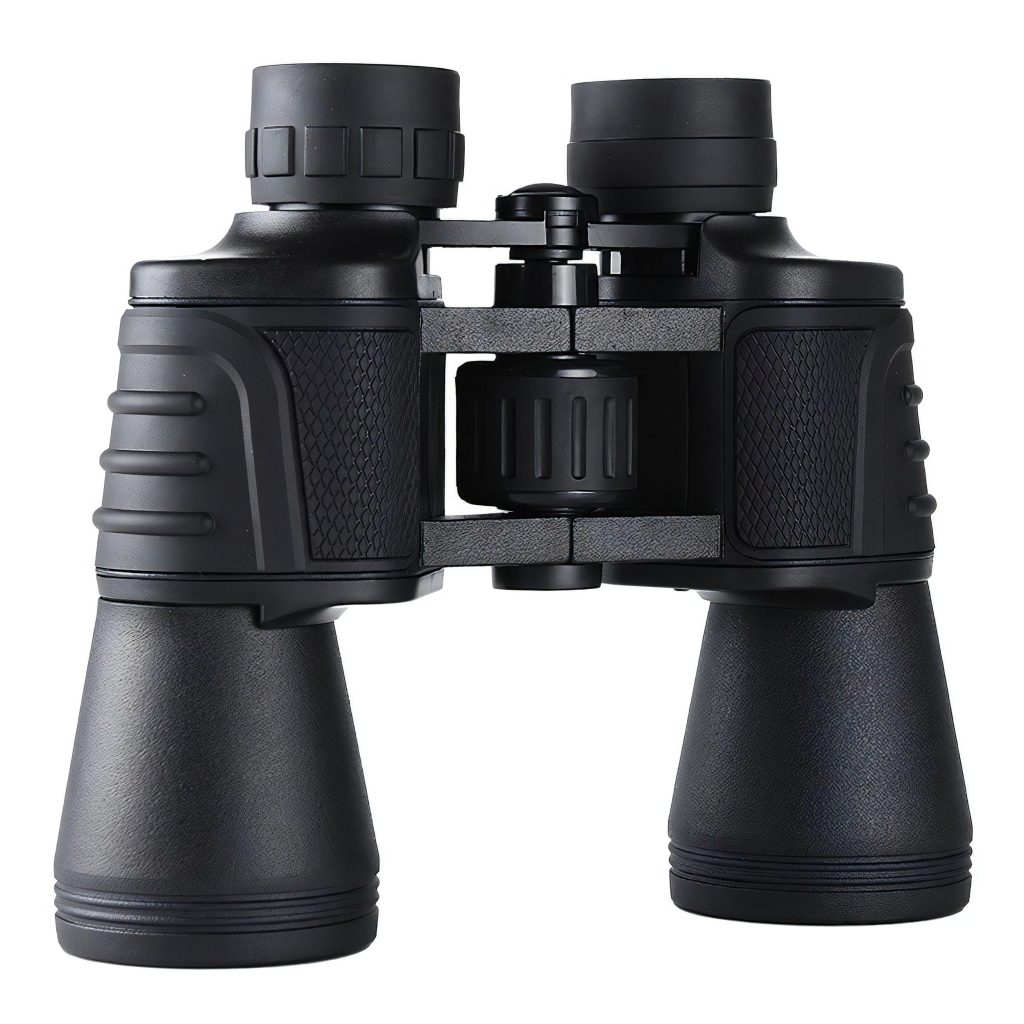
As the industry shifts from “higher specs” to “better fit for real-world use,” the biggest difference in product experience no longer comes down to magnification or objective size alone. What truly sets products apart is whether the entire product strategy is built around the way people actually use them.
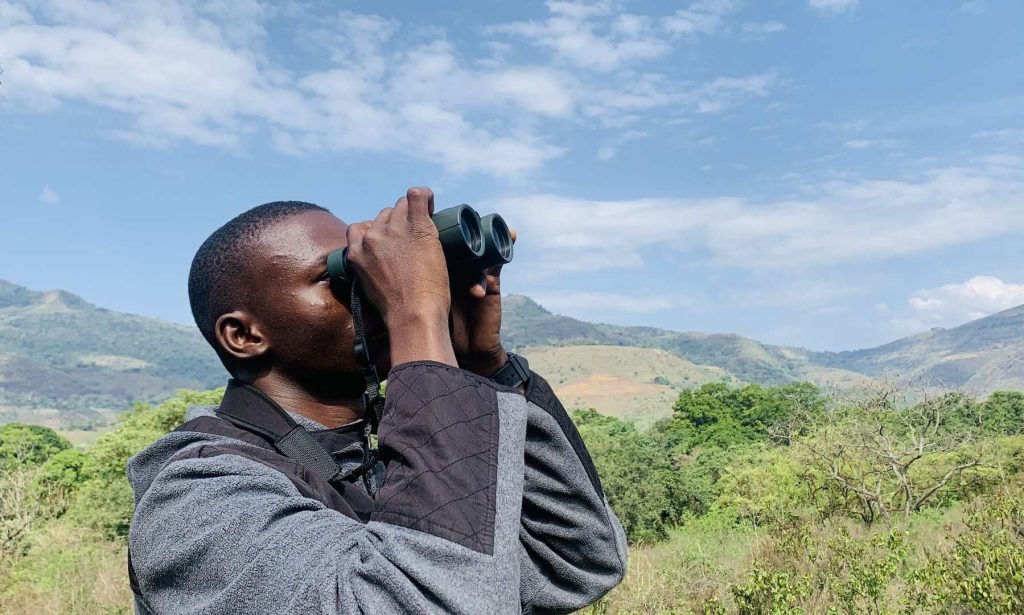
Over the past period, in conversations with channel partners, birders, travel retailers, and outdoor observation buyers, I kept hearing two very different sets of questions.
The first group was focused on “lighter, faster, easier to handle.” Even with the same 8× or 10× configuration, people wanted to know: can the binoculars be made lighter overall? Can they be quicker to get on target? Can they be more comfortable for eyeglass wearers? Can they become something users genuinely want to carry with them all day?
The second group was focused on “steadier, farther-reaching, and more resistant to the elements.” Can they still deliver a clear view at dusk? Will the image stay usable on a boat or on a viewing platform? Will humidity, salt air, or condensation affect performance? And at higher magnification, can the image still remain readable and practical?
It is through this constant contrast that I’ve become increasingly convinced of one thing: today’s competition in binoculars is no longer simply about who offers higher magnification or a larger objective lens. What we are really seeing is a growing split in product direction, with binocular lines being redefined around real-world usage scenarios.
In one sentence: what truly defines the experience is not how impressive the spec sheet looks, but whether the binocular in your hands was designed for the way you actually observe.
I see two completely different demand paths from different users.
In high-frequency use cases like bird watching, hiking, traveling, and attending events or sports, what users care about most isn’t extreme specs, but how quickly they can get into the view. Factors like field of view, focusing ease, comfortable grip, and whether it gets tiring after long use directly determine whether a binocular is “easy to use.”
On the other hand, in scenarios like marine observation, low-light conditions, long-distance identification, or situations requiring higher stability, the logic is almost entirely different. Here, the main concern isn’t how fast you can find a target, but whether the details stay steadily in the frame. Waterproofing, fog resistance, shock resistance, stability at high magnification, and predictable performance at dusk or in changing weather conditions take priority.
This is why two binoculars with the same 8×, 10×, and 42mm specs can feel completely different in use: they are not designed for the same type of user, nor the same kind of observation.
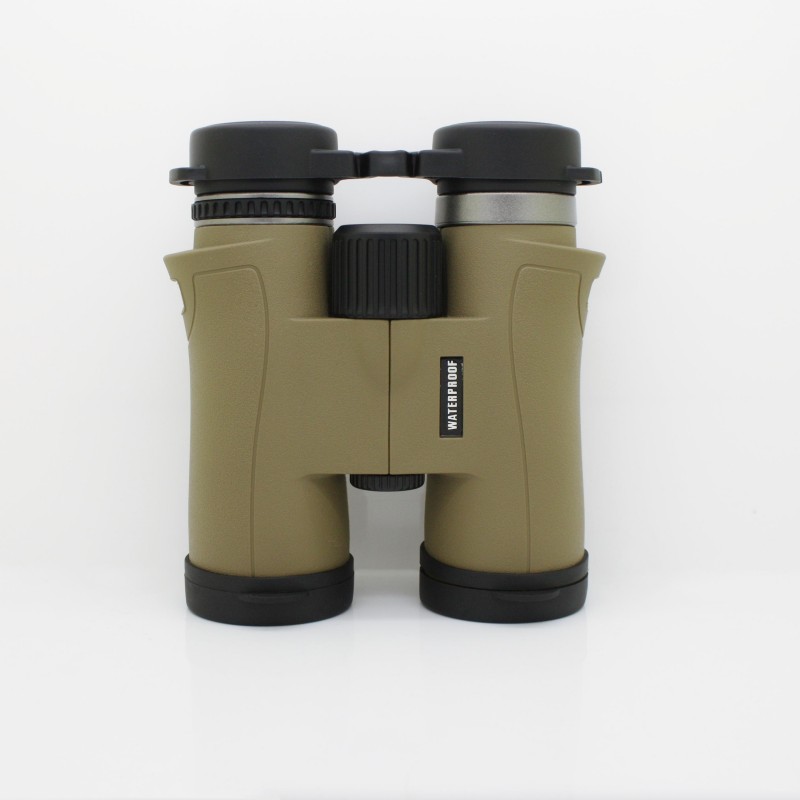
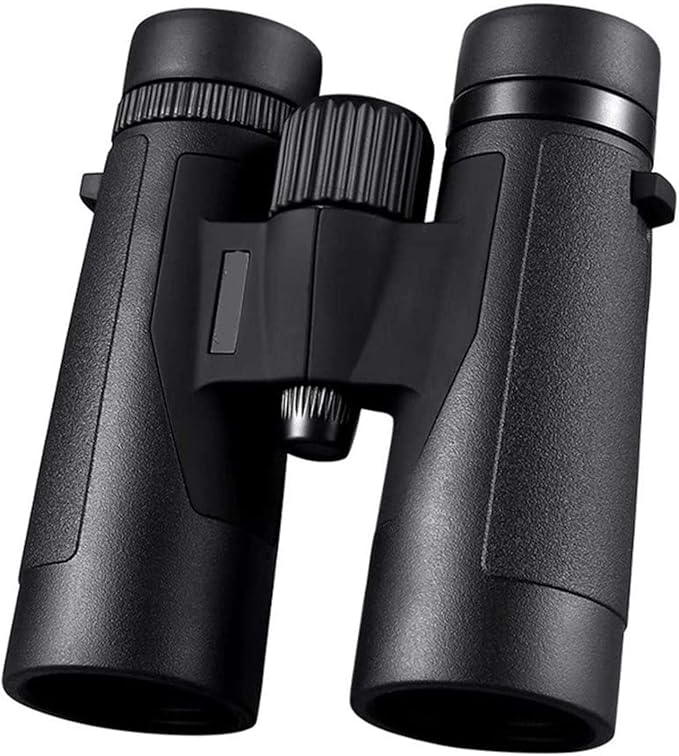
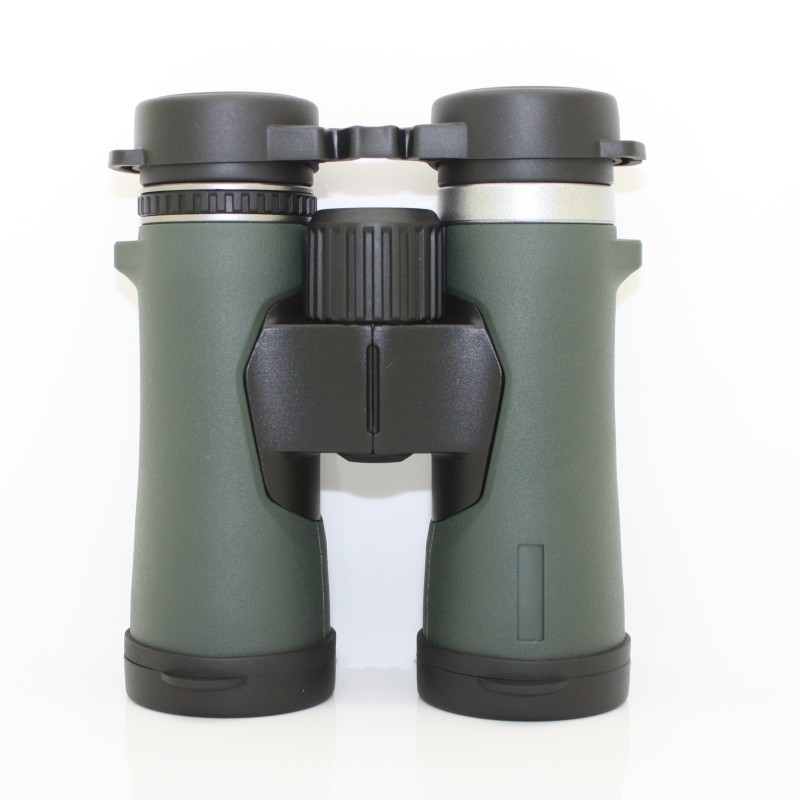
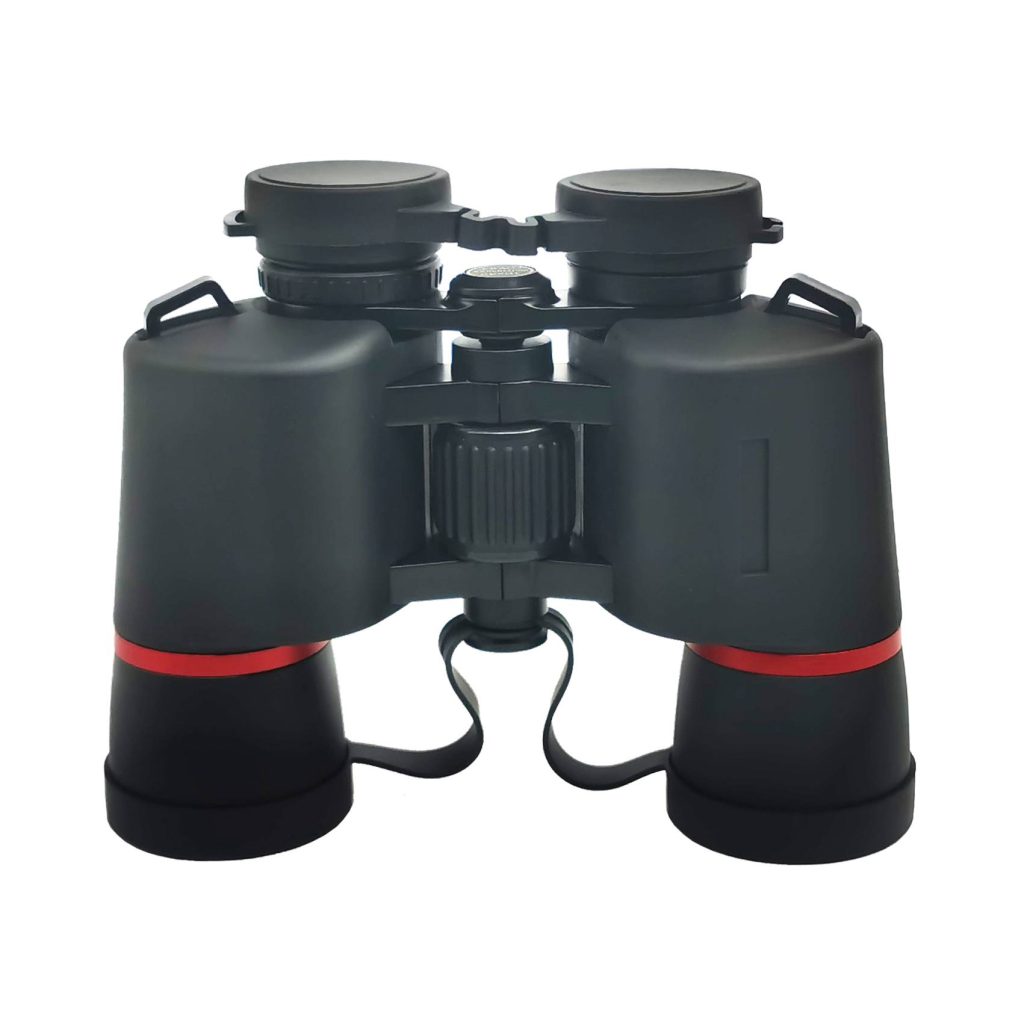
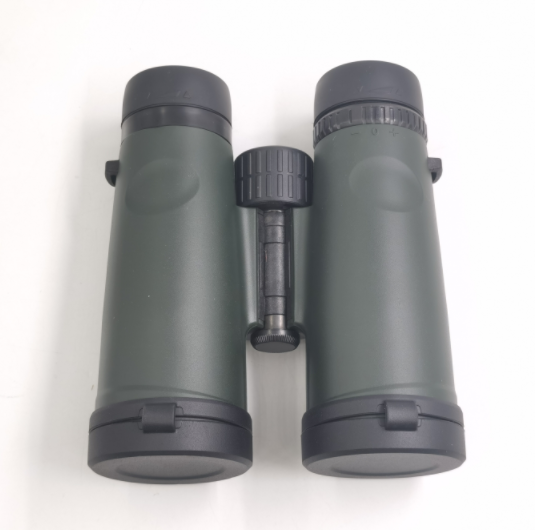
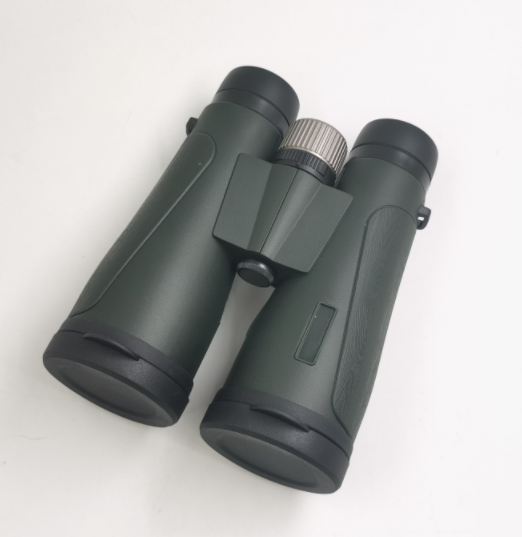
Why is this split happening? I’ve come to frame user demand around two typical models.
Model A: lightweight, wide field of view, and frequent handheld use.
This fits birding, travel, nature observation, light outdoor use, and shared family use. These users are often moving, standing, and picking up their binoculars repeatedly for short bursts, so they care more about field of view, comfort, focusing speed, eyeglass-friendly eye relief, and whether the binocular is something they truly want to carry all day.
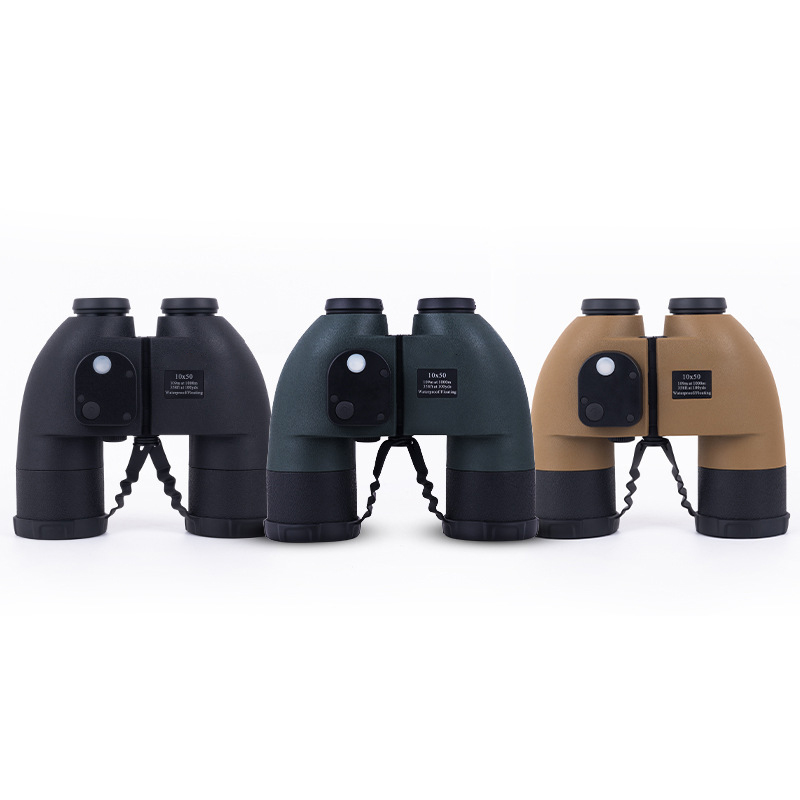
Model B: stable long-range viewing in more demanding environments.
This fits coastal or on-boat observation, low-light conditions at dusk, long-distance target identification, extended stationary viewing, and even some more professional outdoor uses. For these users, the key question is whether the image stays steady when magnified, whether it remains bright in low light, and whether performance stays reliable as the environment changes.
You can also see this shift in official product positioning. Nikon’s current sport optics lineup clearly places many 7× to 10×, wide-field models into the category of general nature observation. Swarovski NL Pure emphasizes wide field of view and ergonomics as core selling points. ZEISS SFL pushes even further in the direction of lightweight, compact, and travel-friendly design.
On the other side, Canon’s 10×42 L IS WP combines waterproofing, image stabilization, a 4.2 mm exit pupil, and a wide field of view, clearly speaking to users who need a steadier image in more demanding conditions. Fujifilm’s TS-L series packages 16×/20× magnification with electronic stabilization, making it just as clearly aimed at observation needs that require seeing farther and more steadily.
| Dimension | Route 1: Lightweight, Wide-Field Approach | Route 2: Stable, Long-Range Observation Approach |
| Core Need | Fast to raise, easy to view for long periods, quick target acquisition while moving | Greater reach, better stability, brighter image, and reliable use in more demanding environments |
| Typical configuration tendency | 8×/10×, 30–42mm, wide field of view, long eye relief, lightweight body | 10×–20×, 40–50mm, image stabilization and tripod adaptability, waterproof and fogproof |
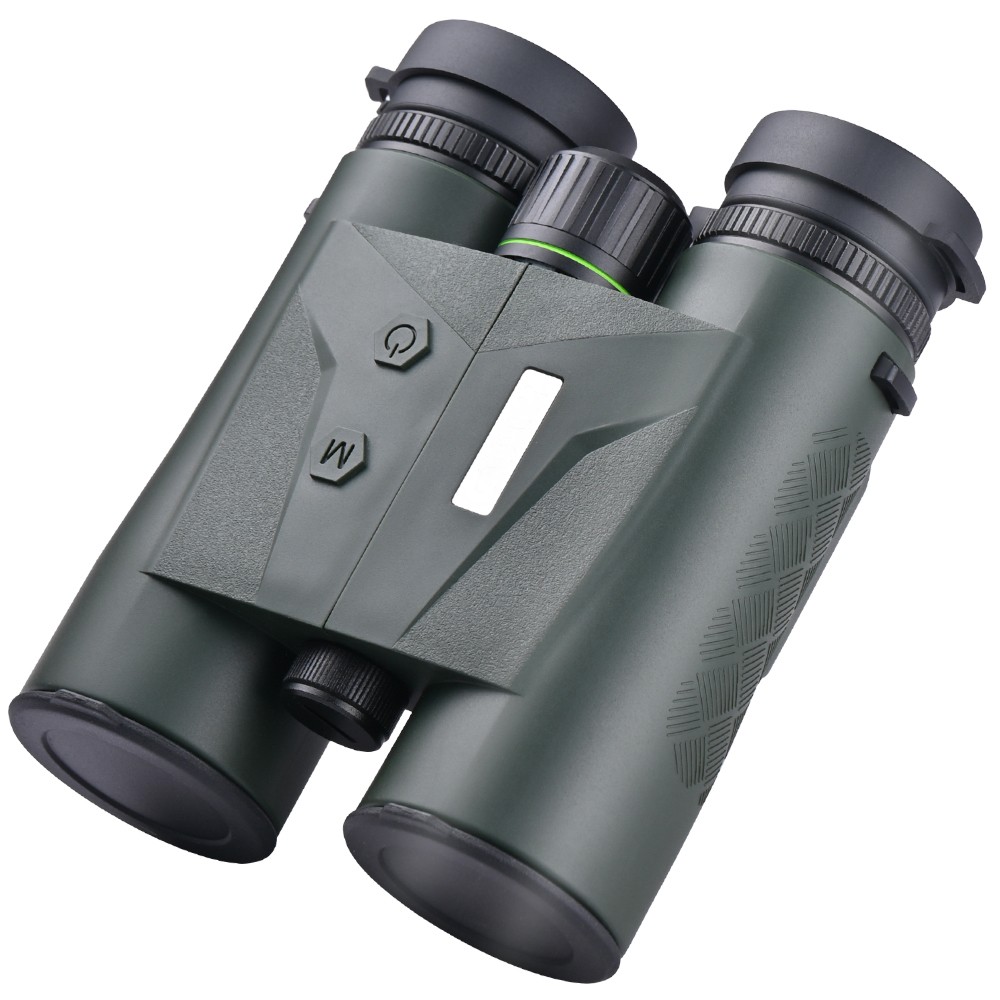
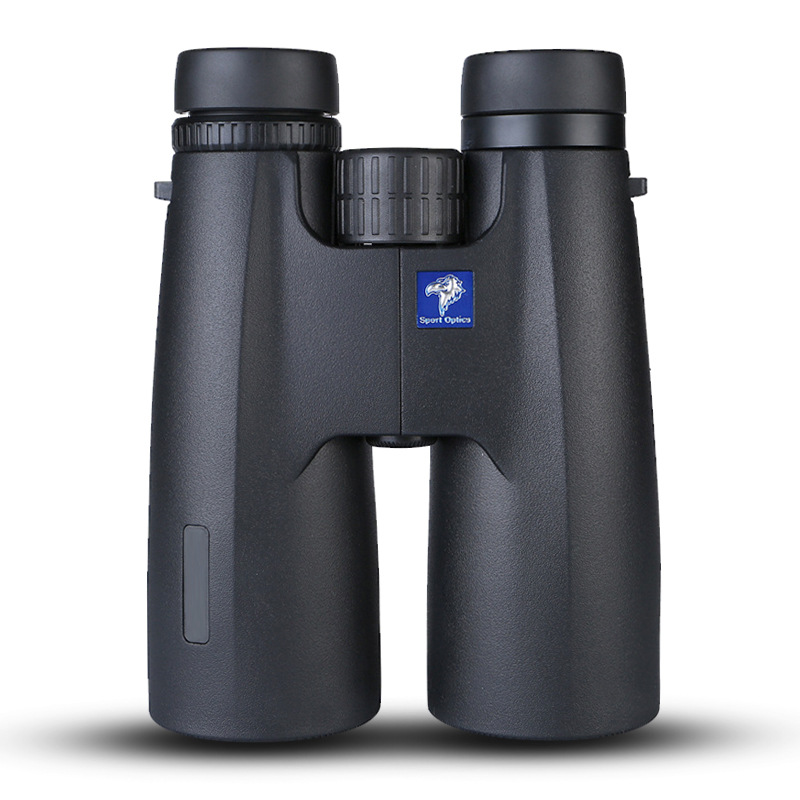
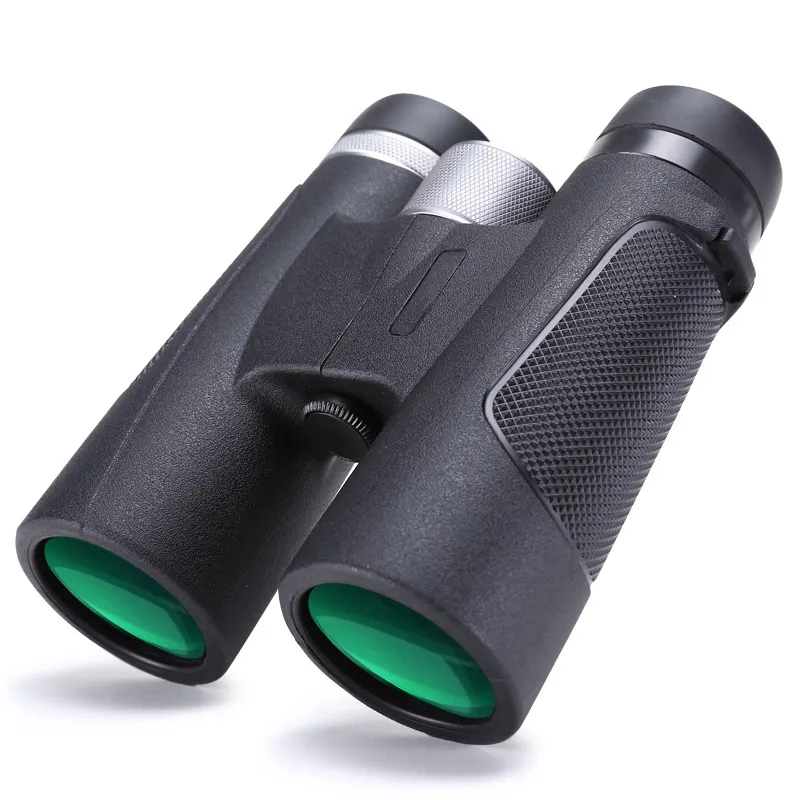
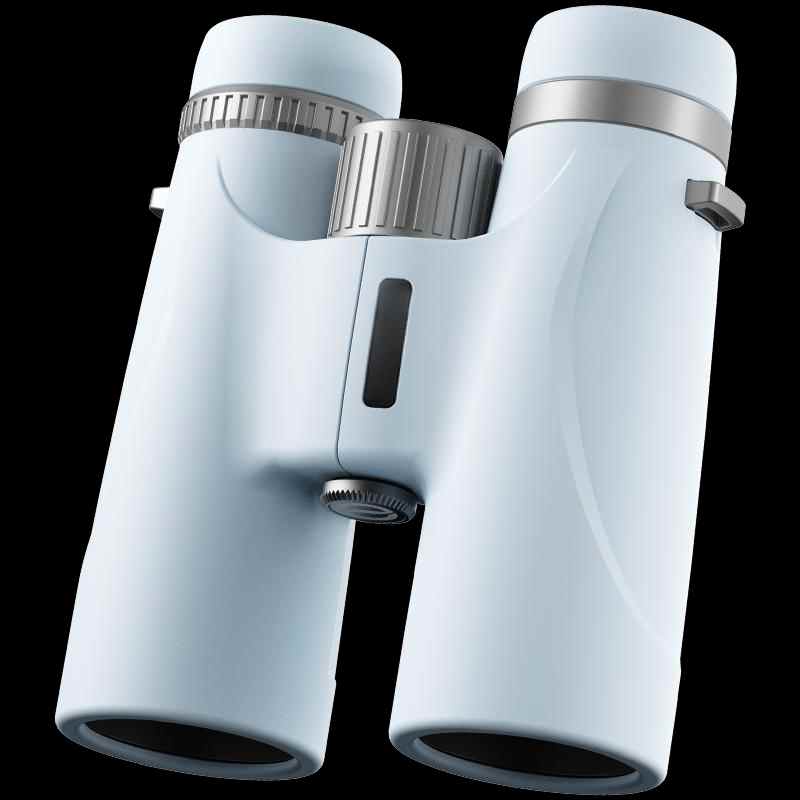
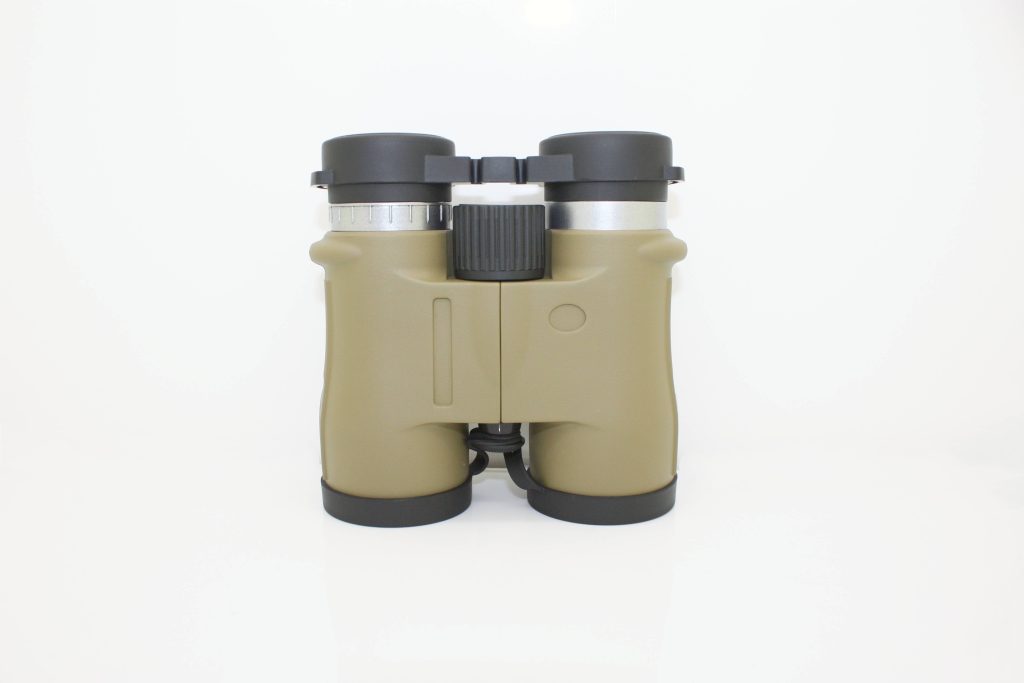
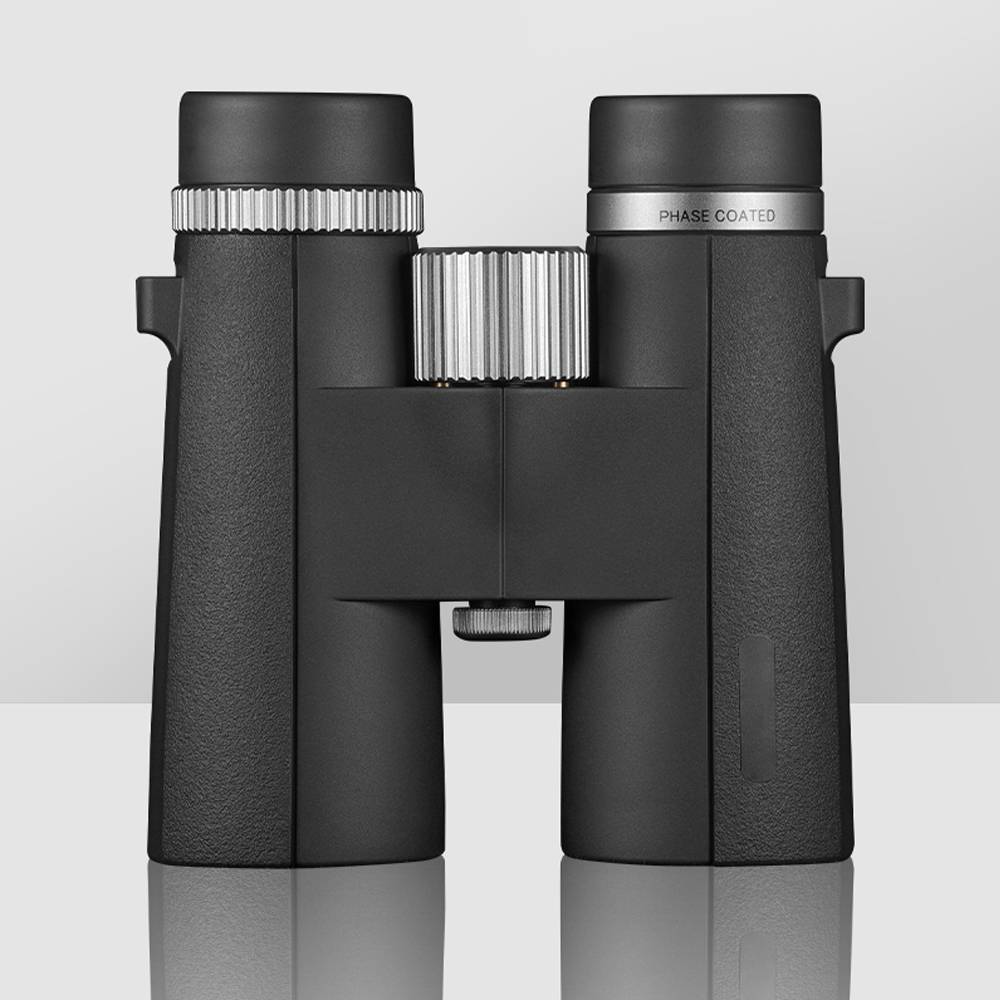
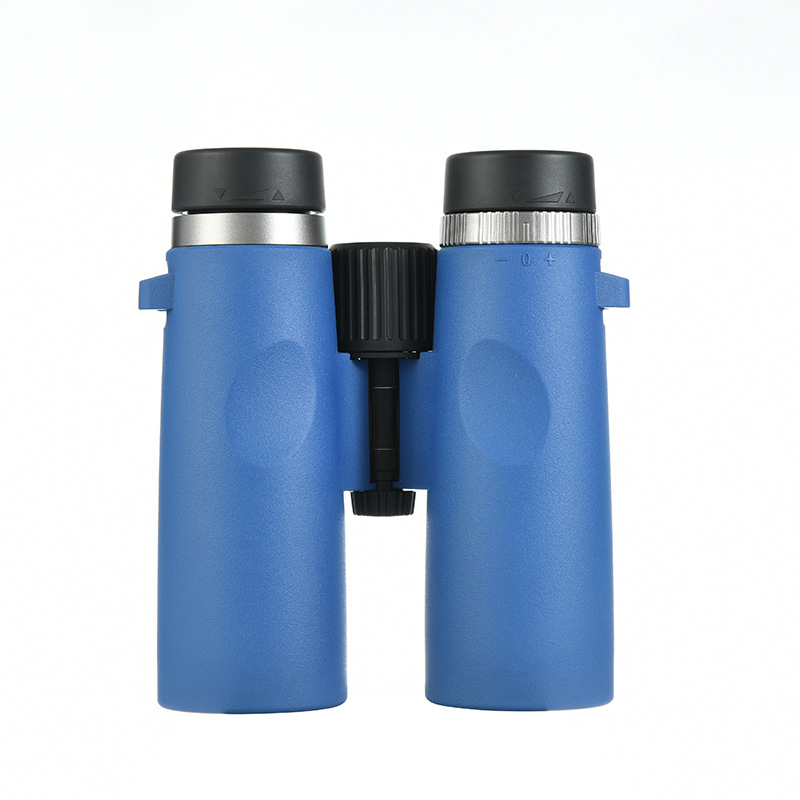
The Real Differences I See Across Six Technical Dimensions
Magnification and field of view: are you trying to find the target, or stay on the detail?
When many users look at specs, magnification is usually the first thing they notice. But in real use, magnification is only the starting point. Field of view is often the first factor that determines whether a binocular feels easy to use or not. Higher magnification brings the subject closer, but it usually also narrows the field of view and makes hand shake feel more obvious. A wider field of view, by contrast, helps you bring the subject into view faster, which is especially useful for birding, travel, and scanning while on the move.
That is exactly why products like the NL Pure put such strong emphasis on the widest possible field of view, instead of simply competing on magnification alone. For many everyday users, 10× is not automatically better than 8×. In practice, a view that feels easier and faster to get into is often the real advantage.
Objective size, exit pupil, and low-light performance: what they really decide is brightness and viewing ease
A larger objective lens usually means better brightness potential and a more relaxed viewing experience in low light, but the tradeoff is increased size and weight. For daytime travel and carry-anywhere use, objective sizes like 25mm, 30mm, and 32mm are often easier to turn into something people actually bring with them regularly. But for dusk, coastal viewing, wooded environments, or longer periods of observation, 42mm and above still offer very consistent real-world value.
Canon’s official presentation of the 10×42 L IS WP highlights its 4.2 mm exit pupil, edge clarity, and image stabilization together. That makes an important point: once users move into low-light and long-distance observation, brightness and stability stop being optional extras. They become part of the same overall system capability.
Eye relief, focus, and ergonomics: they decide whether you can keep using it comfortably
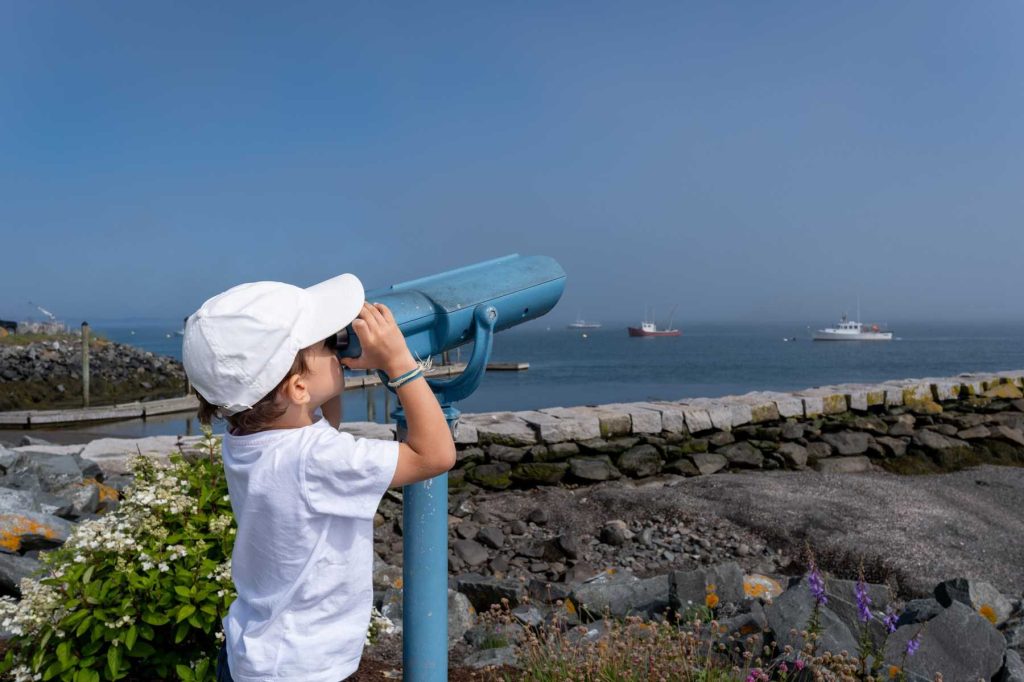
Ergonomics are rarely the headline on a spec sheet, but in real purchasing decisions—and especially in repeat purchases—they often matter far more than people expect. Is the eye relief comfortable enough? Can eyeglass wearers still get a full view easily? Does the focus wheel feel smooth and natural? Does the bridge design and thumb support make the binocular easy to hold for longer periods? All of these details directly affect how long a binocular remains comfortable to use.
ZEISS SFL highlights light weight, compact size, and SmartFocus together, which really shows that “comfortable viewing” is being treated as a complete design system, not just a matter of cutting weight. For frequent users, comfort is not a bonus feature—it is a core part of performance.
Weight and portability: they decide whether you will actually bring it with you
There is a common misconception in the industry that if the specs are strong enough, users will accept the weight. In reality, the opposite is often true. Many mid-range and consumer products do not lose because their optics are not strong enough—they lose because people stop carrying them.
A binocular only has value if people are willing to put it in a bag, wear it around the neck, or take it on a trip. Only then does it actually get used.
That is why compact binoculars continue to hold a stable place in the market. It is not because they are the strongest in every metric, but because they answer one very practical question extremely well: will the user actually carry it every day?
Waterproofing, fogproofing, and shock resistance: the foundation of the demanding-environment route
Once the use case shifts from city or travel to coastal, wet, cold, high-humidity, or long-duration outdoor environments, environmental reliability quickly becomes much more important. On its official product pages, Vortex places waterproof, fogproof, and shockproof very close to the front of the message, which shows that weather resistance is no longer just something professional users care about. It is increasingly becoming a standard selling point across mid-range product lines as well.
For these users, the goal is not to chase the highest specs possible. It is to have performance that feels predictable and dependable. Especially in environments with salt air, condensation, or sudden weather changes, what truly gives users confidence is not just the numbers—it is the reliability of the whole system.
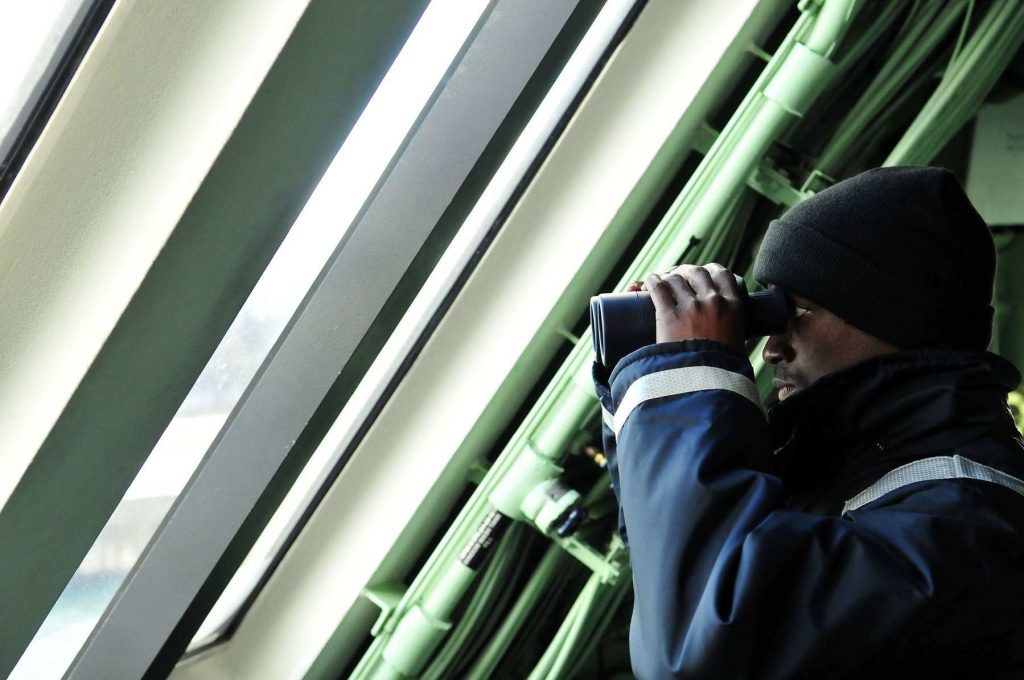
Image stabilization, tripod adaptability, and system accessories: the real dividing line in high-magnification use
High magnification always looks appealing on paper. But the further you go, the more the overall stability solution starts to matter. Canon’s stabilized binoculars, FUJIFILM’s TS-L series with electronic image stabilization, and the fact that many models still retain tripod adaptability all point to the same reality: high magnification is not just about bringing the subject closer. The real challenge is whether you can hold on to the detail steadily enough to make that extra reach usable.
What is even more interesting is the appearance of compact stabilized products like Nikon’s STABILIZED 12×25 S. That suggests image stabilization is no longer limited to large, high-end, professional-looking formats. Over the next 12 to 24 months, the miniaturization and broader adoption of stabilization could become one of the most important shifts to watch in the binocular market.

My overall view: this is not a conflict — it is a sign of a more mature market
If I had to sum up today’s binocular market in one sentence, I would say this: the industry is moving from spec competition to product-route competition.
One route is built around wide field of view, lighter weight, comfortable handling, and a better high-frequency handheld experience. The other is built around low-light performance, longer-distance observation, reliability in demanding environments, and stability at higher magnification. Neither is inherently better than the other. What matters is whether the product route matches the user’s real-world scenario.
That is exactly why more and more consumers are starting to realize that the difference between products in the same price range is no longer just about which one looks slightly sharper. The more meaningful difference is how it feels when you pick it up, whether you still want to keep using it after ten minutes, and whether it can still perform when the scenario changes.
That is where the real experience gap is.
Three directions to watch over the next 12–24 months
First, lightweight design won’t stop—but it will evolve from “just reducing weight” to optimizing mid-size formats.
Binoculars in the 30–40mm range, with wide fields of view, longer eye relief, and true all-day carry comfort, will likely remain the sweet spot for most mainstream users.
Second, image stabilization is becoming its own product route.
It will no longer be limited to a handful of high-end models. Instead, it’s likely to move into more compact and consumer-friendly formats, becoming a key solution for making higher magnification genuinely usable.
Third, scenario-driven design will reshape how products are defined.
The best-selling binoculars of the future won’t just have well-written specs like magnification, objective size, and coatings. They will come as complete, scenario-based solutions—including eyecups, straps, smartphone adapters, tripod compatibility, protective design, and even clearer usage guidance—all working together to match how people actually use them.