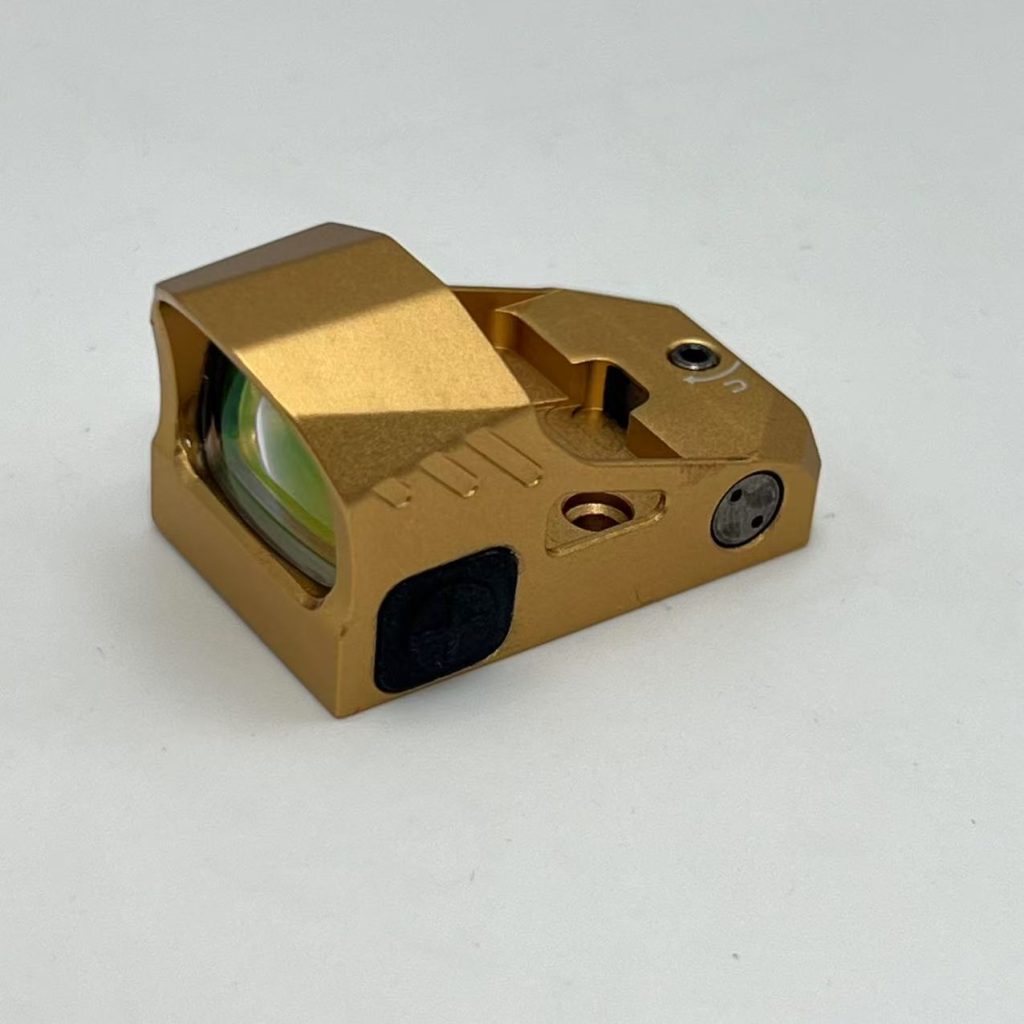
Why Many People Find Red Dot “Inaccurate”
You’ve mounted your crossbow red dot sight, aligned the dot with the target – and somehow, the arrows still don’t land where you expect.
Sound familiar?
The truth is, in most cases, the red dot isn’t the problem. It’s the setup and understanding behind it. Crossbows behave very differently from rifles, and small mistakes in zeroing or usage can quickly translate into large errors downrange.
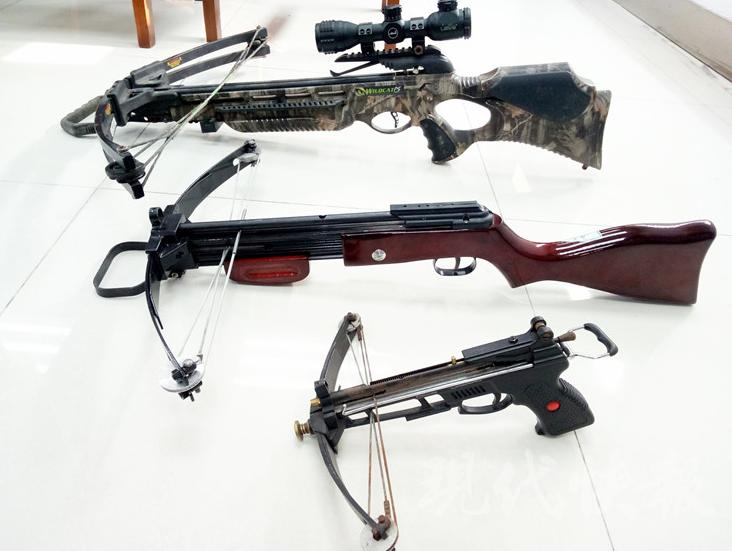
In this guide, we’ll break down the 10 most common mistakes people make when sighting in a crossbow red dot sight – and more importantly, how to fix them properly.
Mistake 1: Using the Wrong Zero Distance
One of the most frequent mistakes is choosing a zero distance that doesn’t match real-world hunting conditions.
Many users default to 50 or even 100 yards, borrowing habits from firearms. However, crossbows typically operate within a 20–40 yard effective range, where bolt drop becomes significant.
Why it matters:
- Crossbow bolts lose speed quickly
- Drop increases sharply beyond short distances
- A poorly chosen zero leads to inconsistent hits
How to fix it:
- Use a 20 or 30-yard zero as your baseline
- Match your zero to your most common shooting distance
- If using multi-dot optics, align each dot with a specific range
Mistake 2: Not Understanding Multi-Dot / Reticle Systems
Modern red dot sights – especially those designed for crossbows – often feature multi-dot or multi-reticle systems.
Yet many users only rely on the primary dot.
The problem:
- Ignoring secondary aiming points
- Treating the sight like a single-distance system
In reality, multi-dot reticles are designed for distance compensation, allowing you to aim accurately at multiple ranges without adjusting the sight.
How to fix it:
- Assign distances (e.g., 20 / 30 / 40 yards) to each dot
- Practice switching between dots during shooting
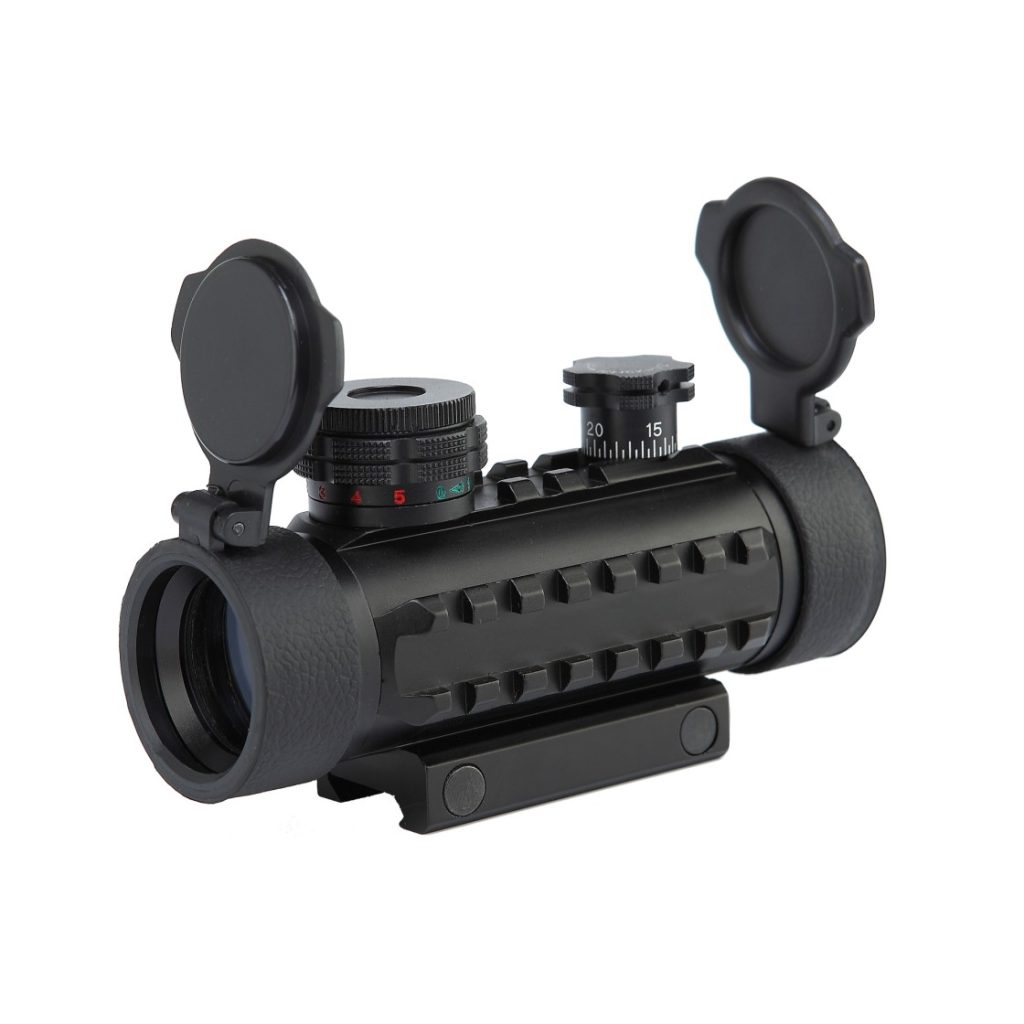
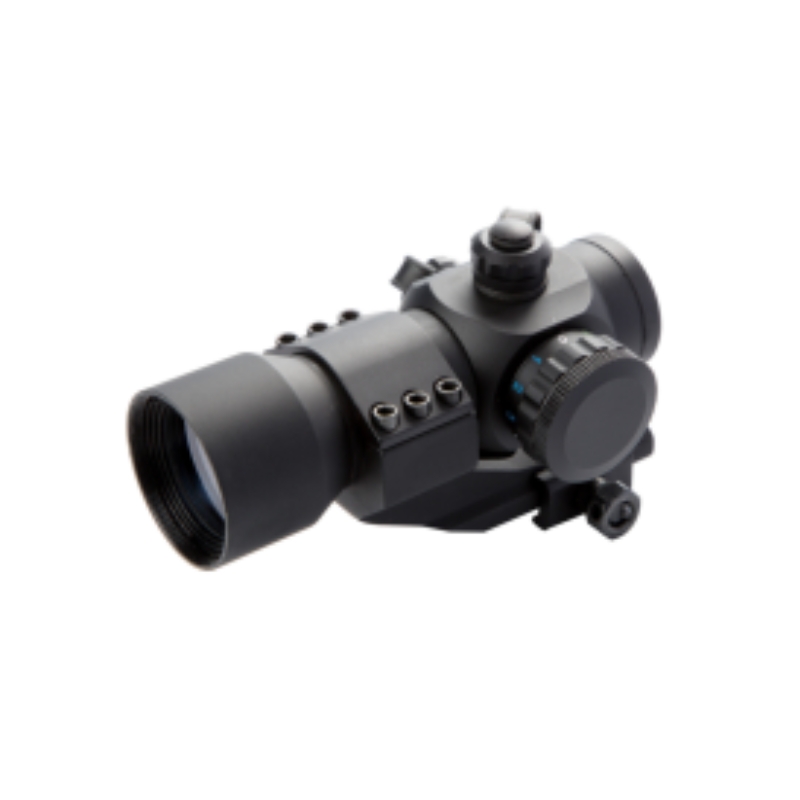
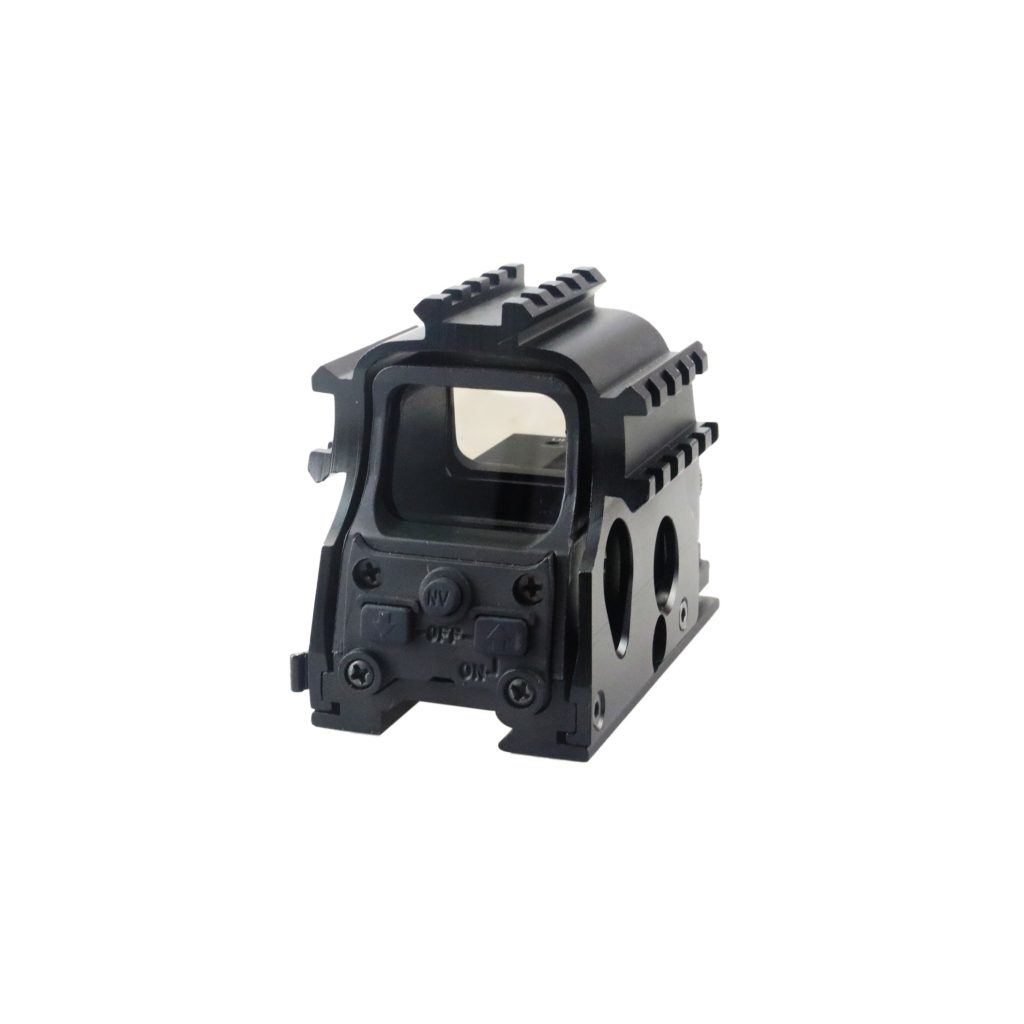
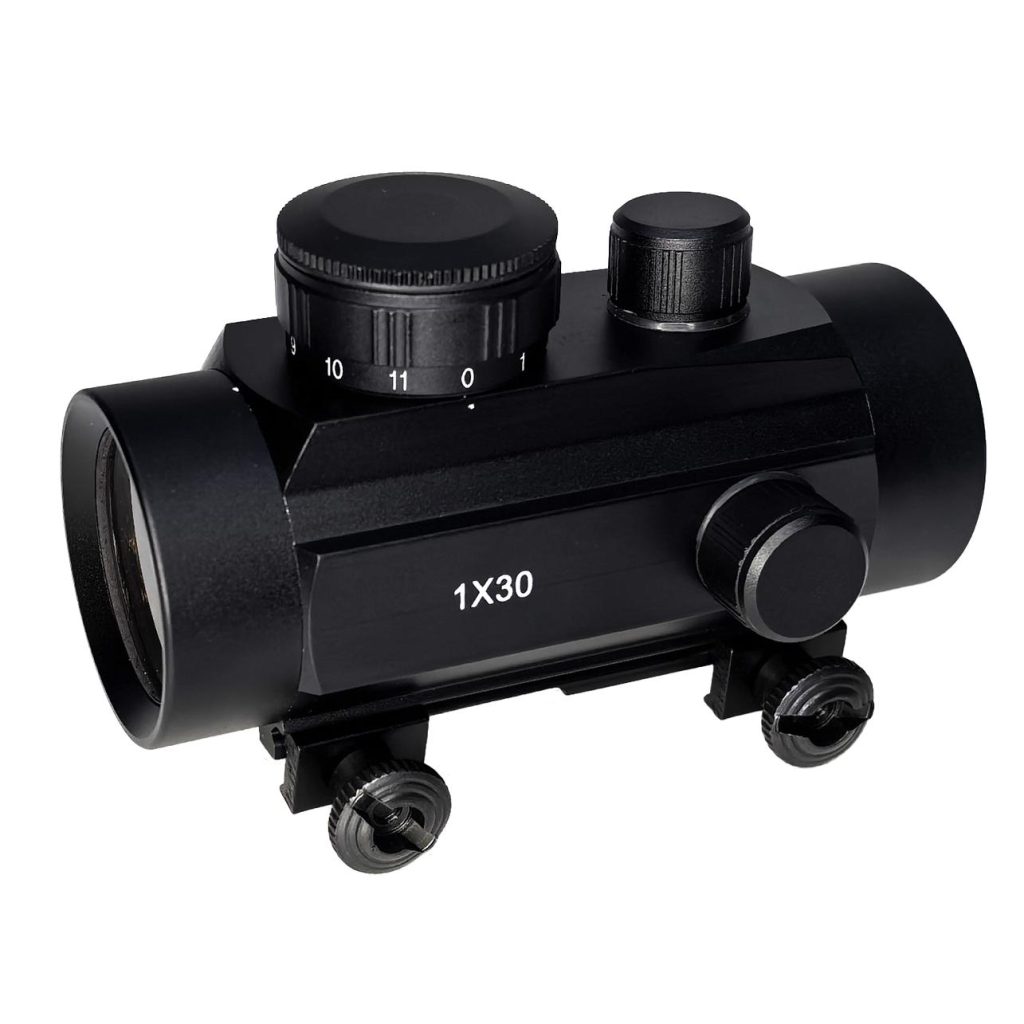
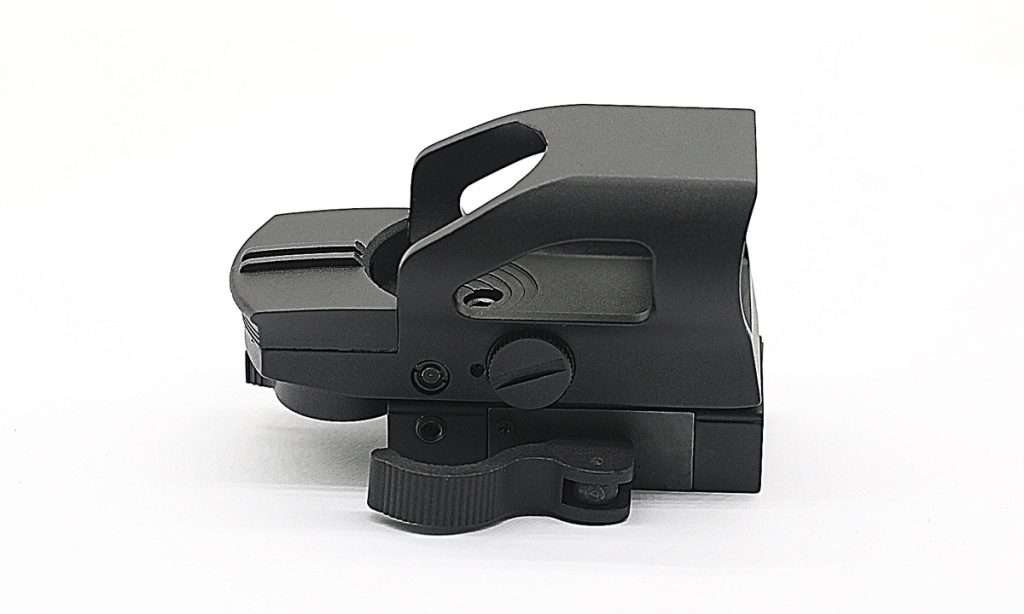
Many modern designs include multi-dot configurations specifically for crossbow trajectories. Here are some multi-dot crossbow red dots:
Mistake 3: Inconsistent Shooting Form
Even with a perfectly zeroed optic, inconsistent shooting form will ruin accuracy.
Common issues:
- Changing cheek position
- Uneven grip or support
- Poor shoulder alignment
Why it happen? Unlike rifles, crossbows require stable positioning to maintain a consistent bolt trajectory.
How to fix it:
- Keep a consistent anchor point
- Use a stable rest when zeroing
- Focus on repeatable posture, not just aim
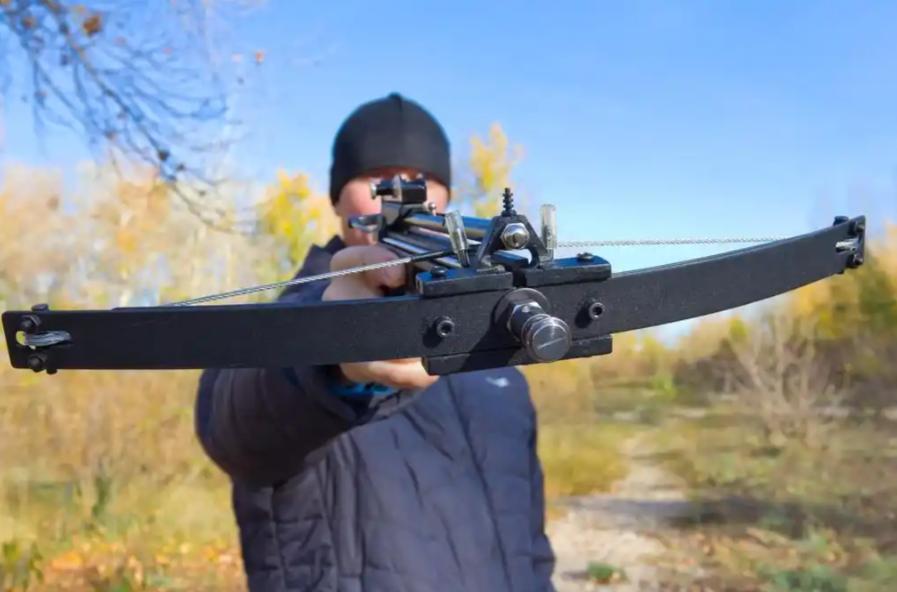
Mistake 4: Parallax Misunderstanding
Red dot sights are often marketed as “parallax-free.” While this is generally true at certain distances, minor parallax error can still occur depending on eye position.
Red dot sights allow the shooter to focus on both the target and reticle simultaneously, improving speed and usability.
The mistake:
- Assuming eye position doesn’t matter at all
How to fix it:
- Keep your eye aligned consistently with the optic
- Avoid extreme off-center viewing angles
Mistake 5: Improper Mounting or Loose Rail
A loose or improperly installed sight is one of the fastest ways to lose zero.
Typical problems:
- Loose screws
- Incompatible rail systems (Picatinny vs Weaver)
- Incorrect mounting position
How to fix it:
- Ensure proper torque when tightening screws
- Use compatible mounting systems
- Check alignment before zeroing
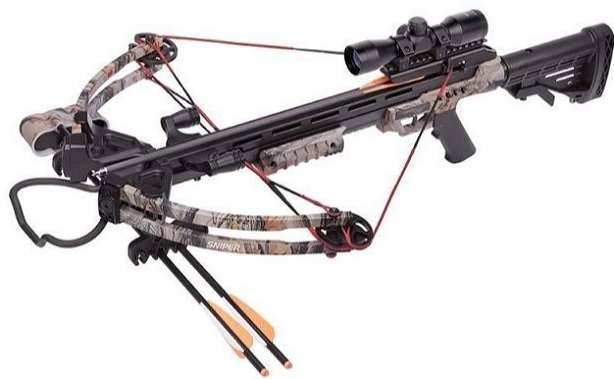
Mistake 6: Ignoring Crossbow Vibration Impact
Unlike firearms, crossbows generate intense forward vibration, not just recoil. This can affect optic stability over time.
The issue:
- Using optics not designed for crossbow shock
- Zero drifting after repeated shots
How to fix it:
- Choose optics with shock-resistant construction
- Recheck zero after extended use
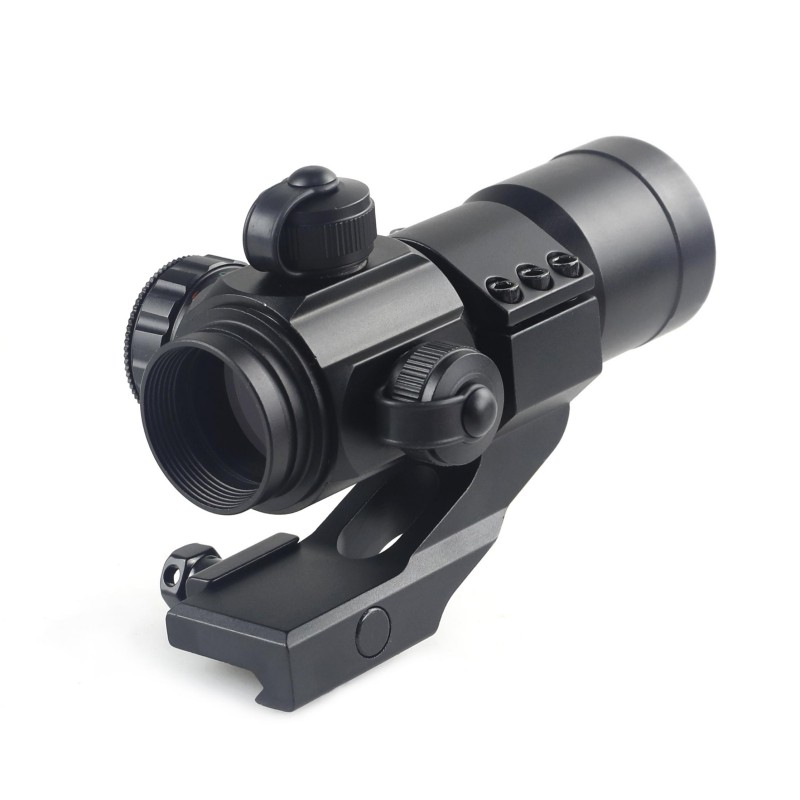
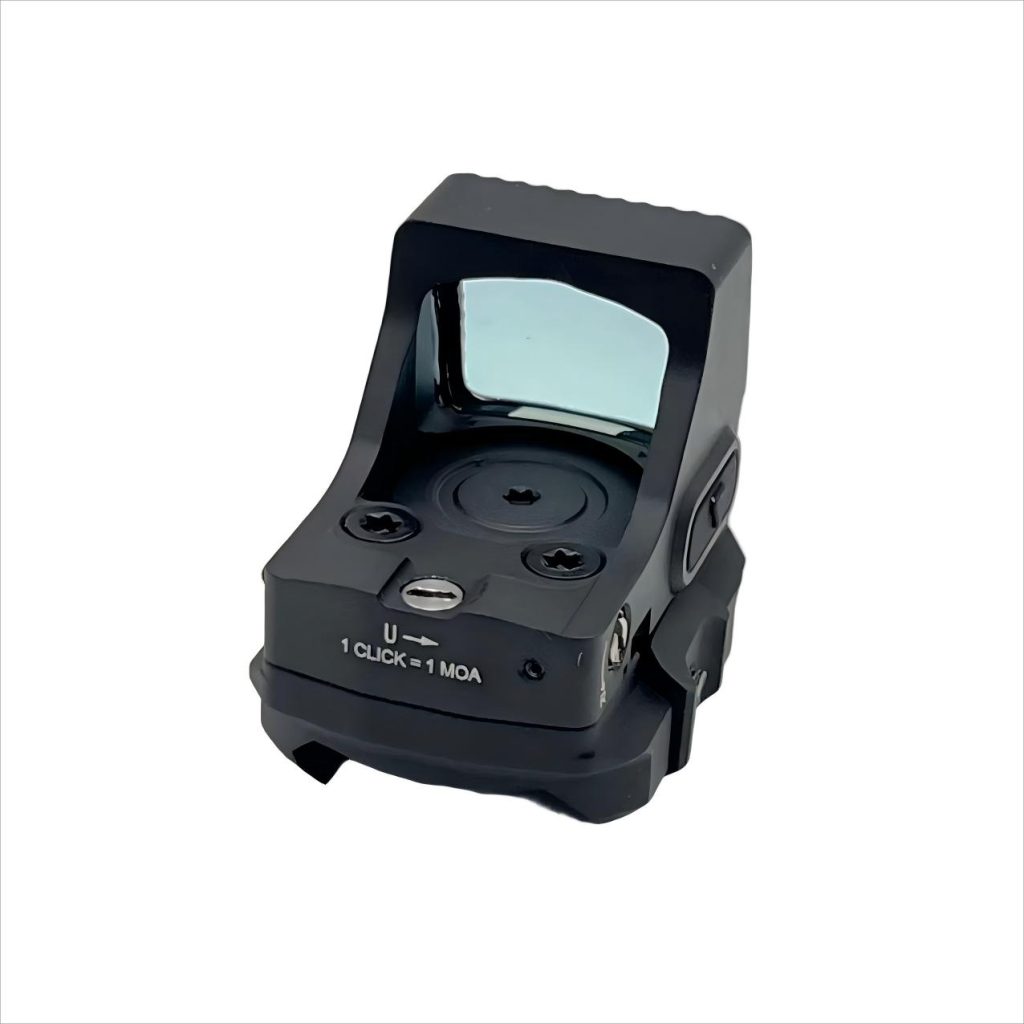
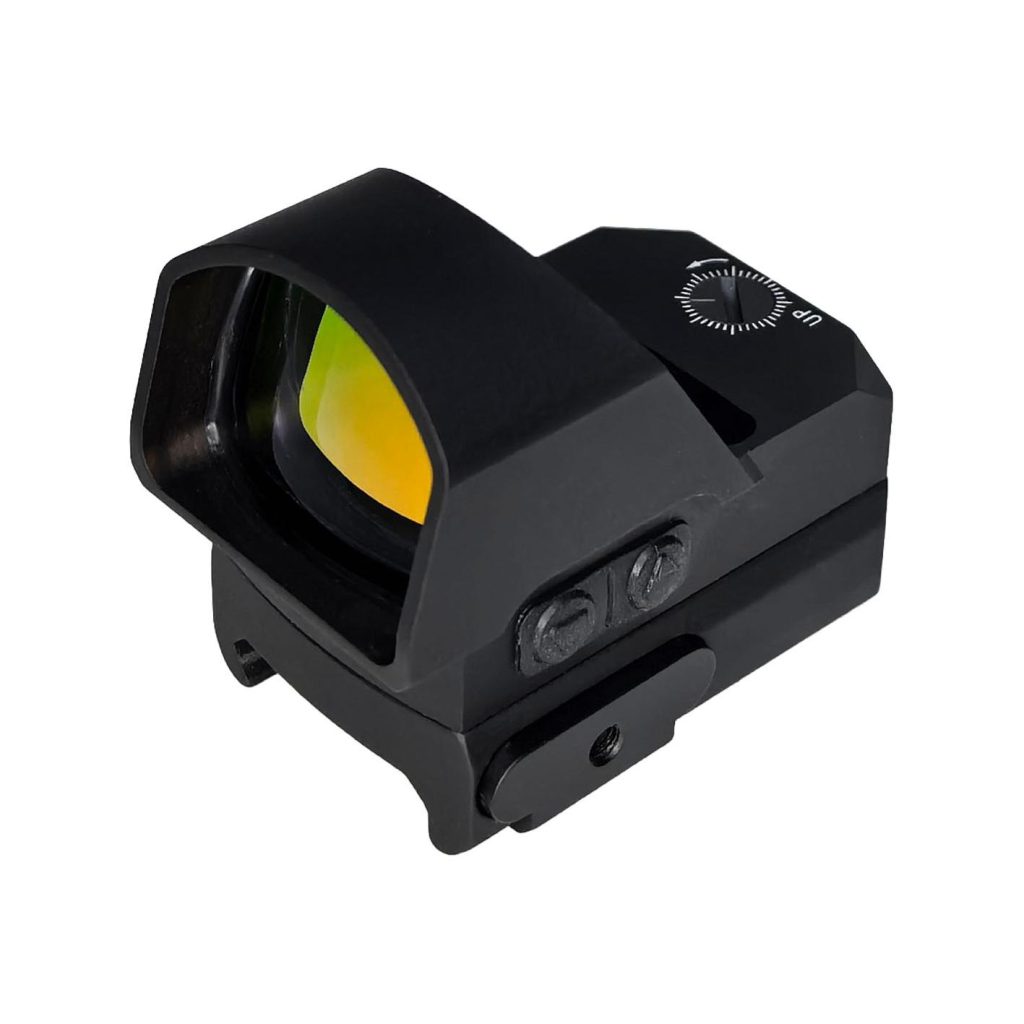
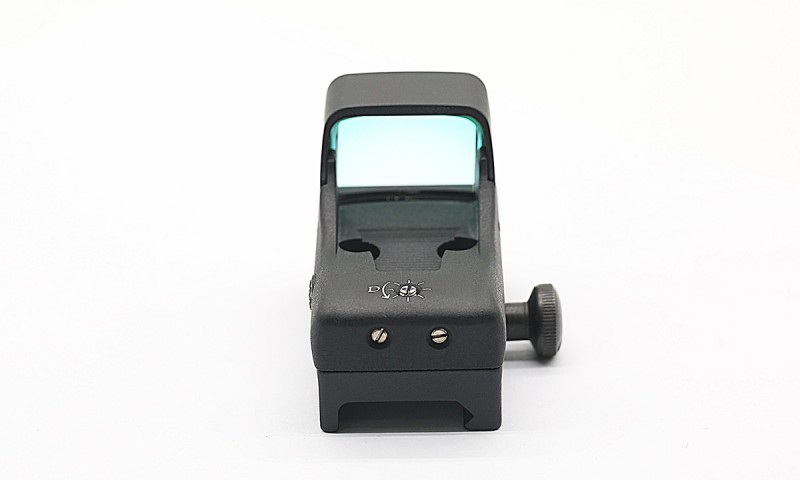
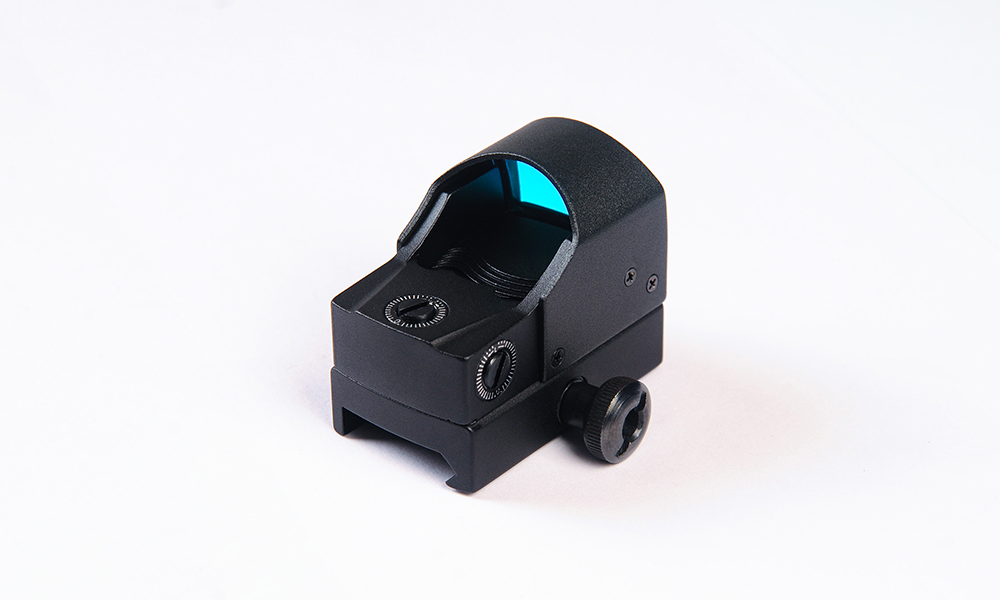
Here are some shock-resistant red dots for crossbow, reflex sight with lightweight design:


Mistake 7: Not Adjusting Brightness Properly
Brightness settings directly affect how clearly you see the dot.
Too bright: Dot appears oversized or “blurry”
Too dim: Hard to see in daylight
How to fix it:
- Adjust brightness based on environment
- Use lower settings for low light, higher for bright conditions
Mistake 8: Expecting Rifle-Level Precision
A major misconception is expecting crossbows to perform like rifles.
Reality:
- Crossbows have limited effective range
- Bolt trajectory is curved, not flat
The mistake:
- Expecting one zero to work at all distances
How to fix it:
- Accept trajectory limitations
- Use multi-dot or holdover techniques
Mistake 9: Not Rechecking Zero After Transport
Transporting your crossbow can shift alignment slightly – especially over rough terrain.
Common scenario:
- Sight was perfect at home
- Off-target in the field
How to fix it:
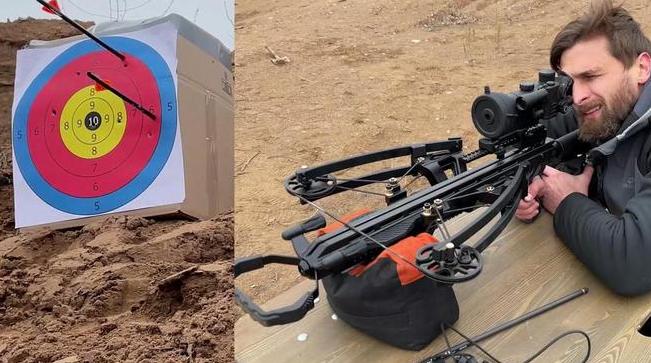
- Always confirm zero before hunting
- Perform a quick test shot when possible
Mistake 10: Sighting in Only at the Range (Not in Real Conditions)
Range conditions are controlled – but hunting environments are not.
Key differences:
- Lighting changes
- Target movement
- Shooting angles
How to fix it:
- Practice in realistic environments
- Test under different lighting conditions
How to Calibrate Your Crossbow Red Dot Correctly the First Time
To avoid all the mistakes above, follow this simplified process:
| Step | What to Do | Why It Matters |
| 1 | Mount the sight securely | Prevents zero shift |
| 2 | Choose proper zero distance (20–30 yards) | Matches real use |
| 3 | Stabilize your shooting position | Ensures consistency |
| 4 | Adjust windage & elevation gradually | Avoid overcorrection |
| 5 | Assign distances to reticle dots | Enables multi-range accuracy |
| 6 | Test in real conditions | Confirms reliability |
For users looking for optimized setups, modern optics solutions often combine multi-reticle systems, durable construction, and compact design for crossbow applications.
Final Thoughts
If your crossbow red dot sight feels inaccurate, chances are the issue isn’t the optic – it’s one of the small but critical mistakes covered above.
Fix those, and you’ll notice something immediately:
Faster target acquisition, more consistent grouping, and greater confidence in every shot.
If you’re looking to improve performance further – whether through multi-reticle designs, better durability, or customized optics setups – it may be worth exploring solutions built specifically for crossbow use.