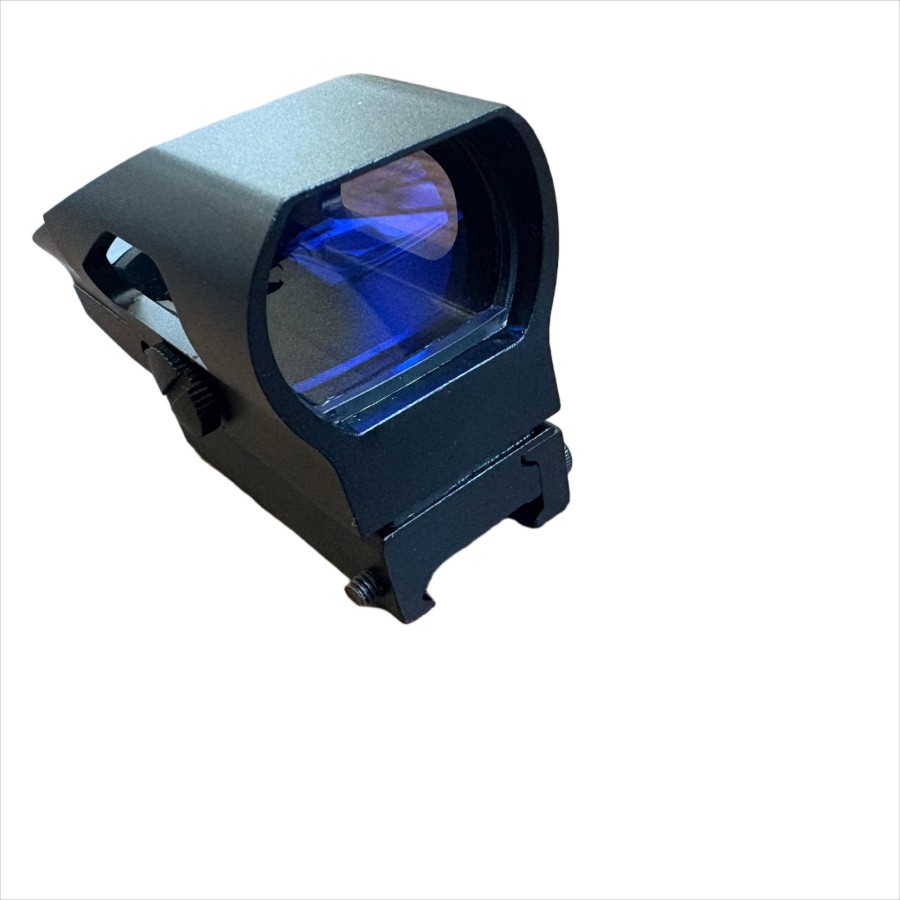
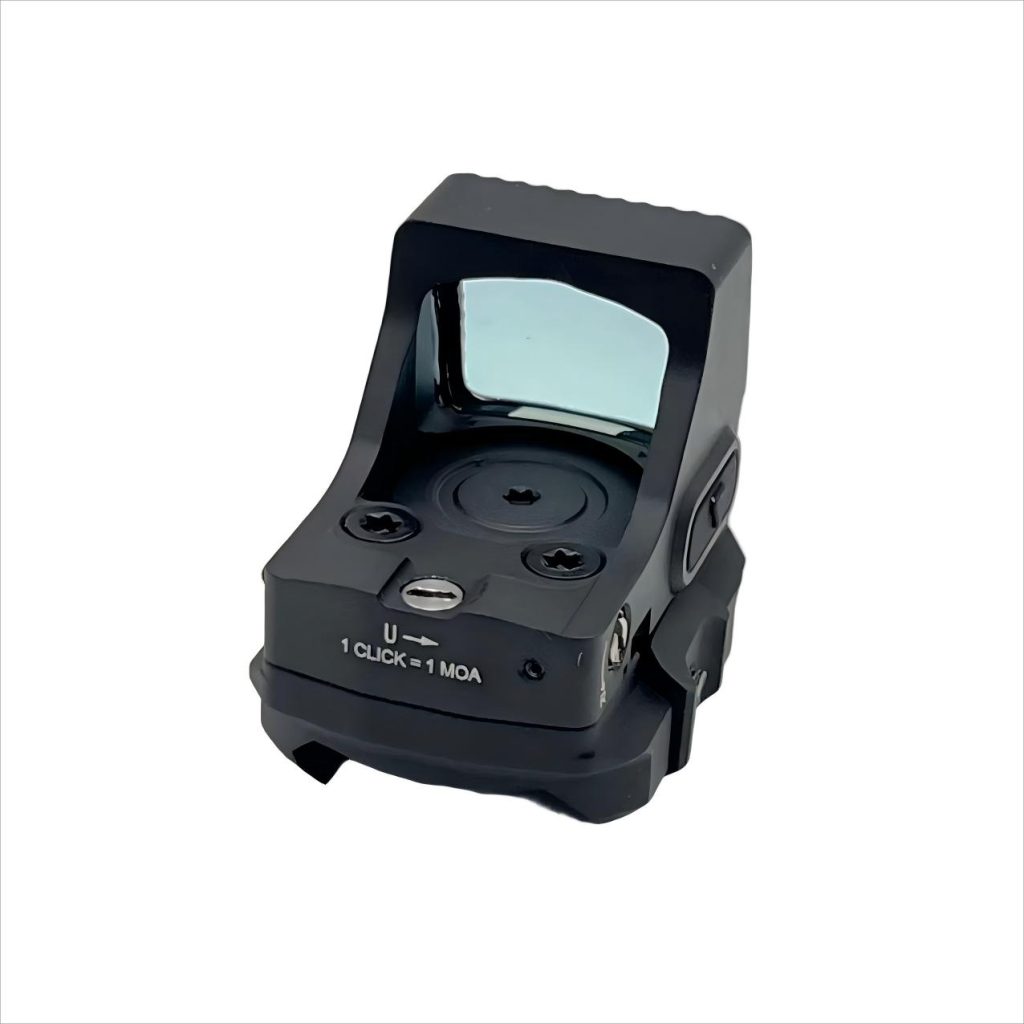
For the first time owning firearms, there are many things that one needs to learn, including how to choose the appropriate ammunition for their firearms, how to carry the firearms comfortably and safely in daily life, and how to form a clear aiming view and improve shooting accuracy. Although these factors seem to be routine basic items for experienced shooters, for beginners, some learning and training in these aspects may be necessary.
Whether you are doing it for home defense, competitive shooting, or simply want to become a better marksman, upgrading to a red dot sight can be said to be the most effective upgrade you can make for your firearm.
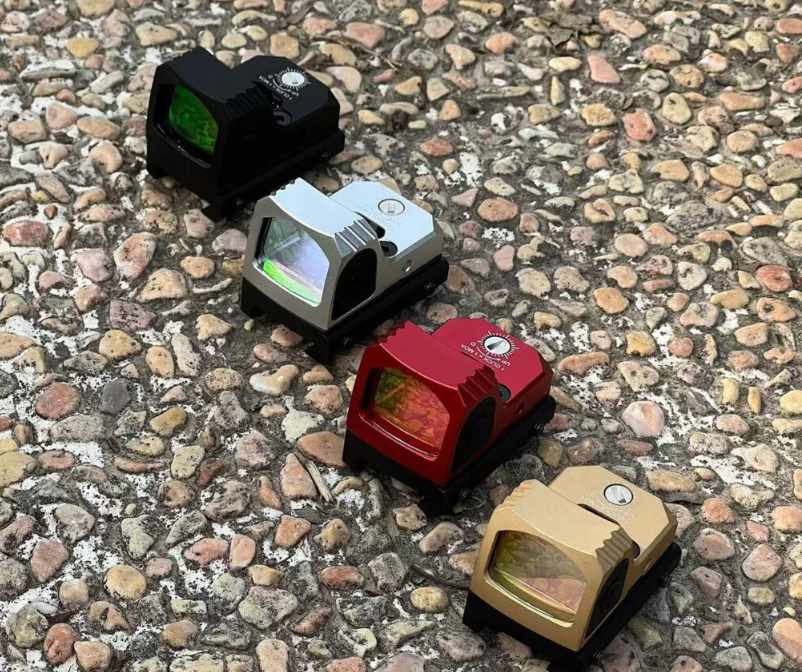
Why Red Dot Sights Are Faster Than Traditional Sights
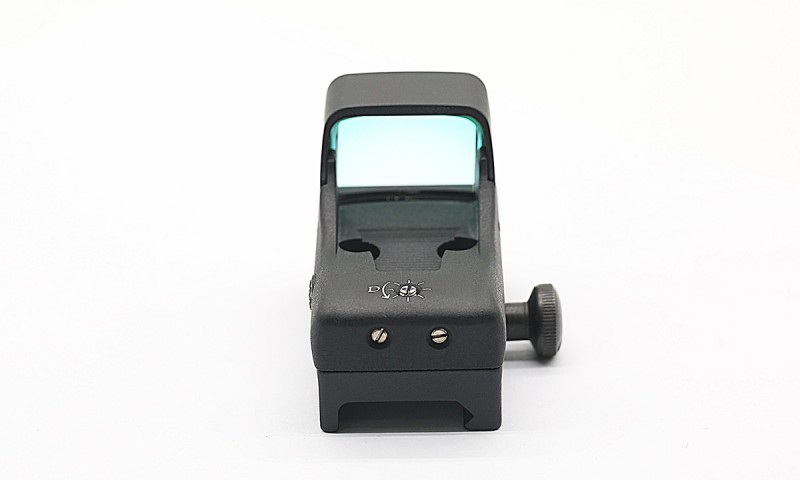
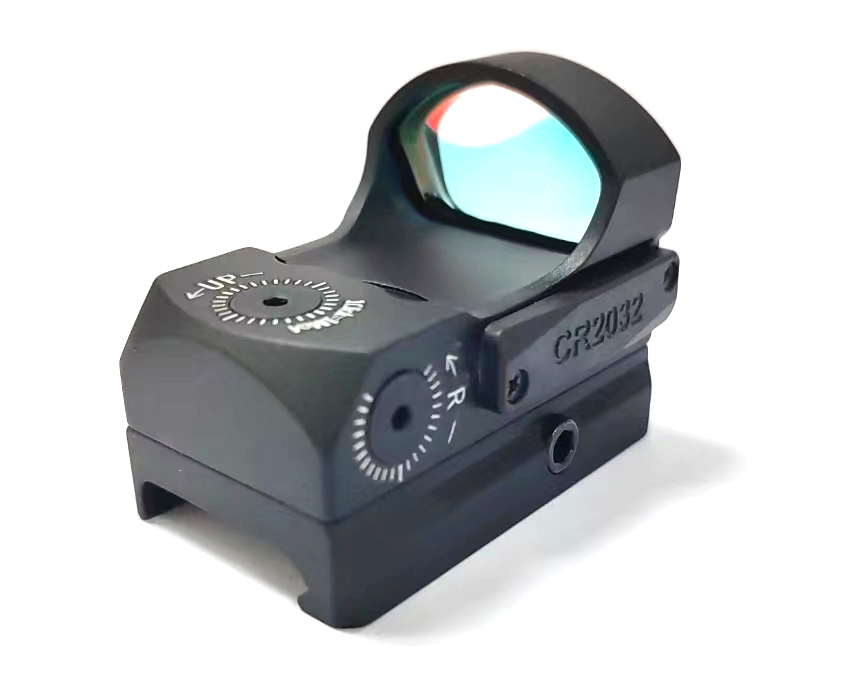
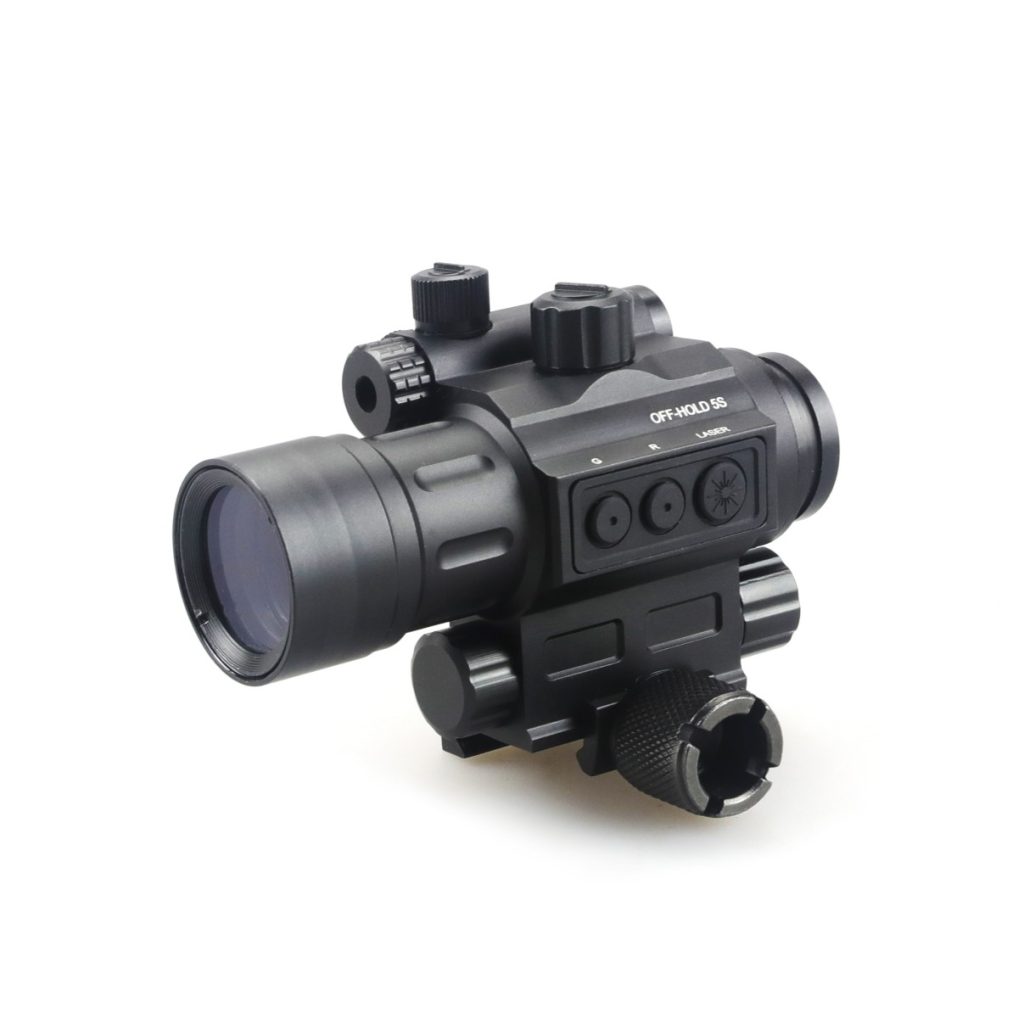
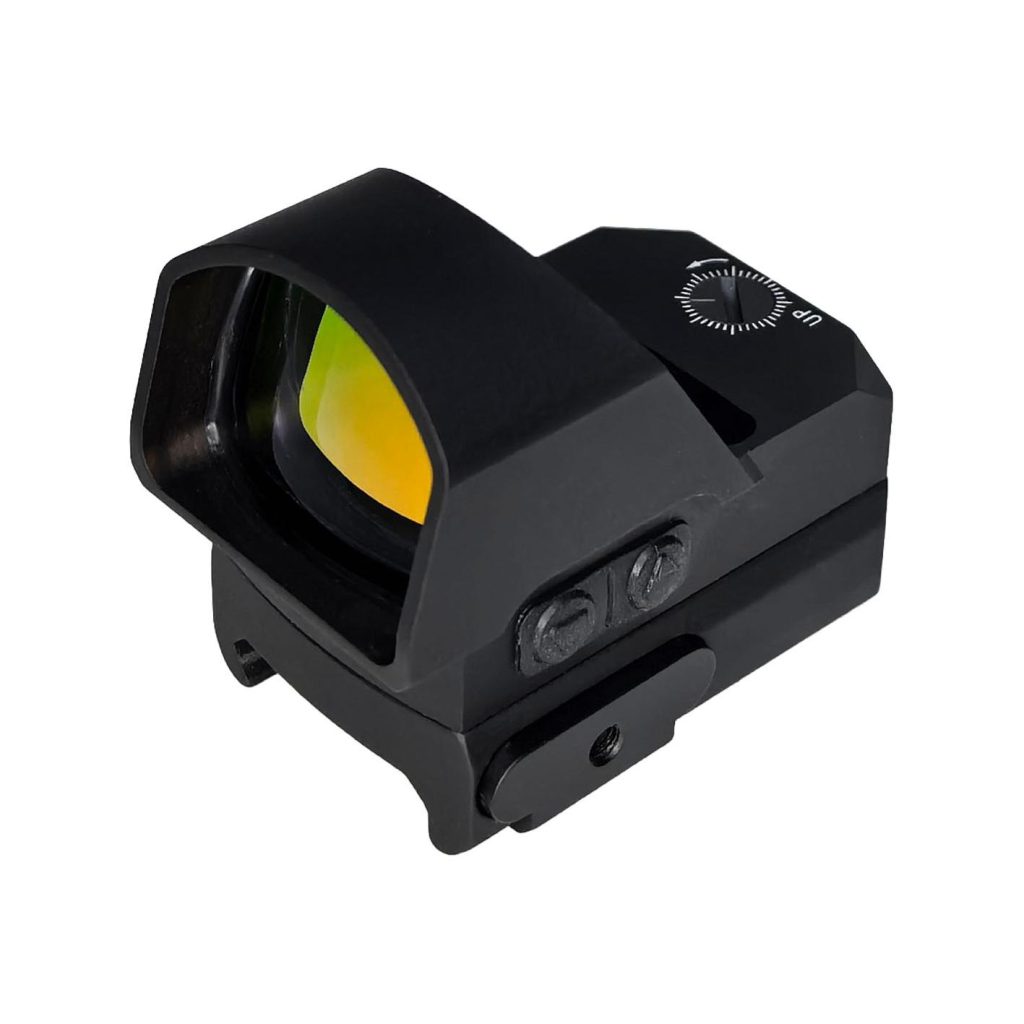
The red dot sight helps solve many problems that beginners encounter when mastering mechanical sights. The most obvious advantage of using a red dot sight is its simplicity: there is no need to align the sight and the aperture, and there is no learning difficulty, which makes precise shooting much easier.
The red dot sight enables beginners to quickly master the aiming view in just a few seconds. All they need to do is raise the gun, align the red dot in the sight with the target, and then pull the trigger.
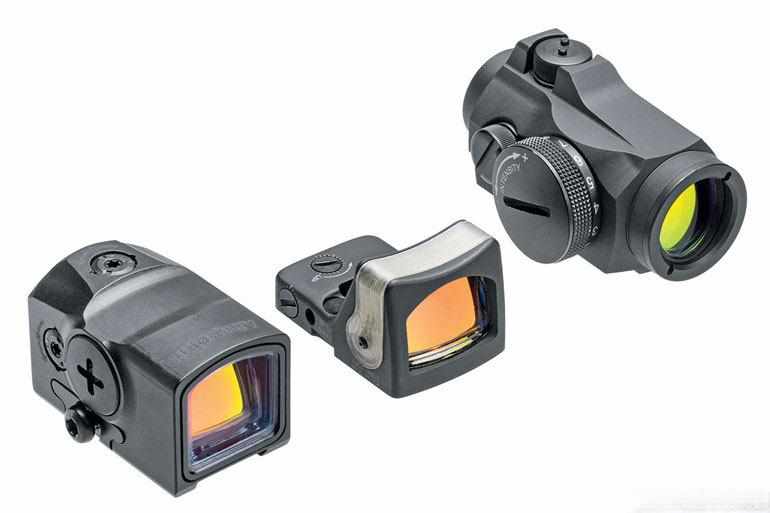
From Three Points to One Point
With iron sights, your eye must work to align three distinct components: the rear sight, the front sight, and the target. Your brain has to shift focus back and forth to ensure the front post is perfectly centered in the rear notch while simultaneously keeping the target in focus. This is a complex, multi-step process that consumes precious milliseconds.
A red dot sight simplifies this entire equation. You only have to align one thing: the dot and the target. When you look through the glass, you see the red dot superimposed on your point of aim. Your brain no longer needs to calibrate multiple focal planes; if the dot is on the target, you are ready to press the trigger.
The “Point and Shoot” Effect
Red dots allow you to keep both eyes open, preserving your natural depth perception and peripheral vision. This creates a “heads-up” display effect. You aren’t closing one eye to squint through a narrow sight picture, which causes tunnel vision and slows down your situational awareness. Instead, your brain naturally maps the dot onto the target with the same ease as pointing your finger at an object in a room. This is what instructors call “target-focused” shooting, and it is the key to shooting at speed.
The Parallax Factor
High-quality red dots are generally “parallax-free” at common engagement distances. This means that even if your eye isn’t perfectly centered behind the glass, the dot remains accurate to the point of impact. With iron sights, if your eye is slightly off-center, your shot will deviate. A red dot provides a much wider margin for error, which translates to faster shot placement under stress.
Real-World Speed: Red Dot vs. Other Optics
Close Range (0–25m)
This is where red dots reign supreme. At close distances, reaction time is measured in fractions of a second. Because you do not have to “hunt” for the front sight post within the rear notch, you can engage a target almost instantly as you bring the firearm to your eye.
Moving Targets
Tracking a moving target with iron sights is challenging because the sight housing and the posts themselves obstruct your view of the target’s path. Because a red dot is transparent and offers a wide field of view, you can track a target’s movement while keeping the dot locked onto your intended point of impact without losing sight of the surrounding area.
Multi-Target Situations
In scenarios requiring transitions between multiple targets, the red dot is a game-changer. Once you fire at the first target, you simply “drive” the dot to the next. You don’t have to re-align your vision as you would with iron sights; you just move your head and the firearm until the dot lands on the next target. This fluid transition is impossible to match with traditional sights.
Choosing Your First “Speed” Optic: What to Look For
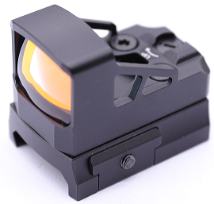
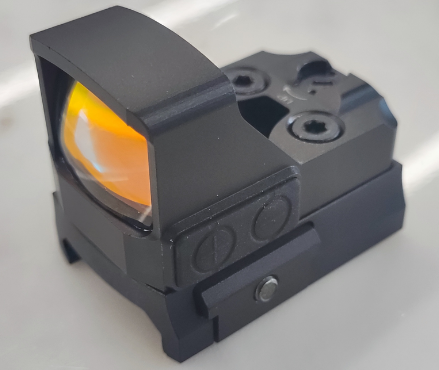
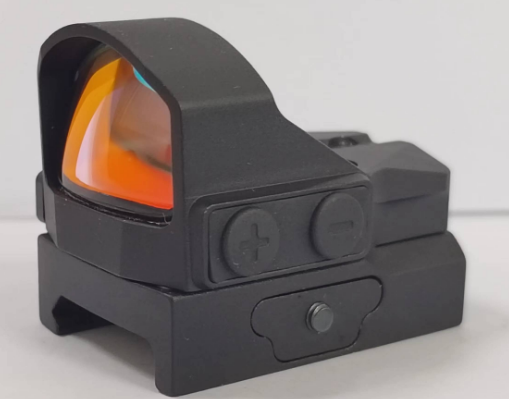
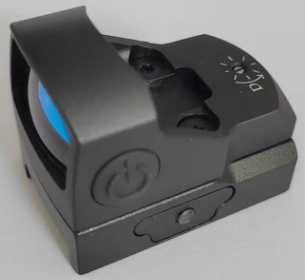
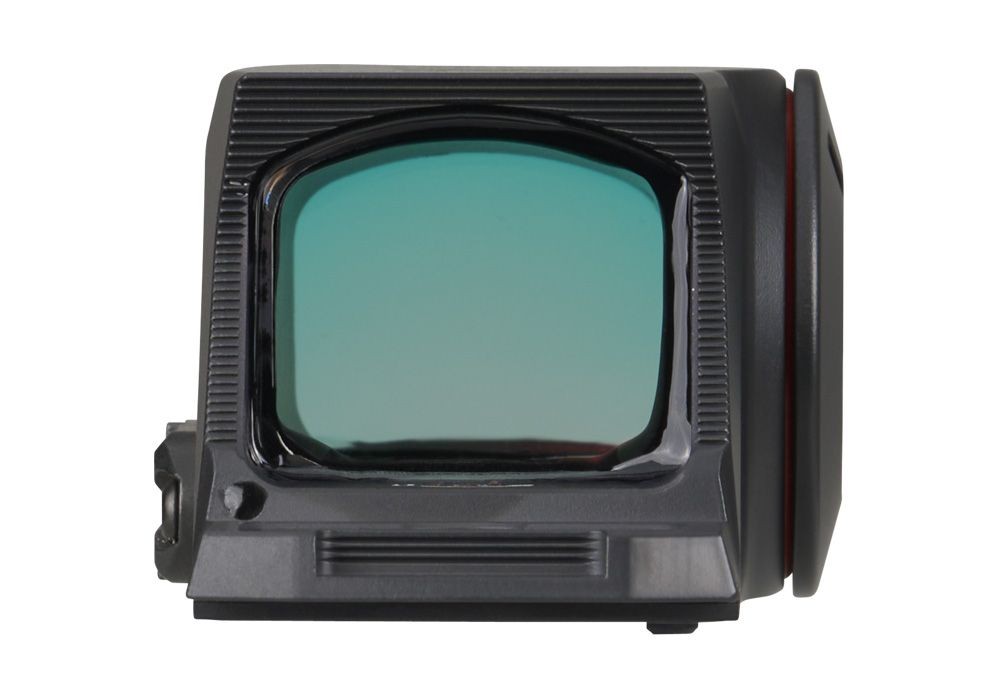
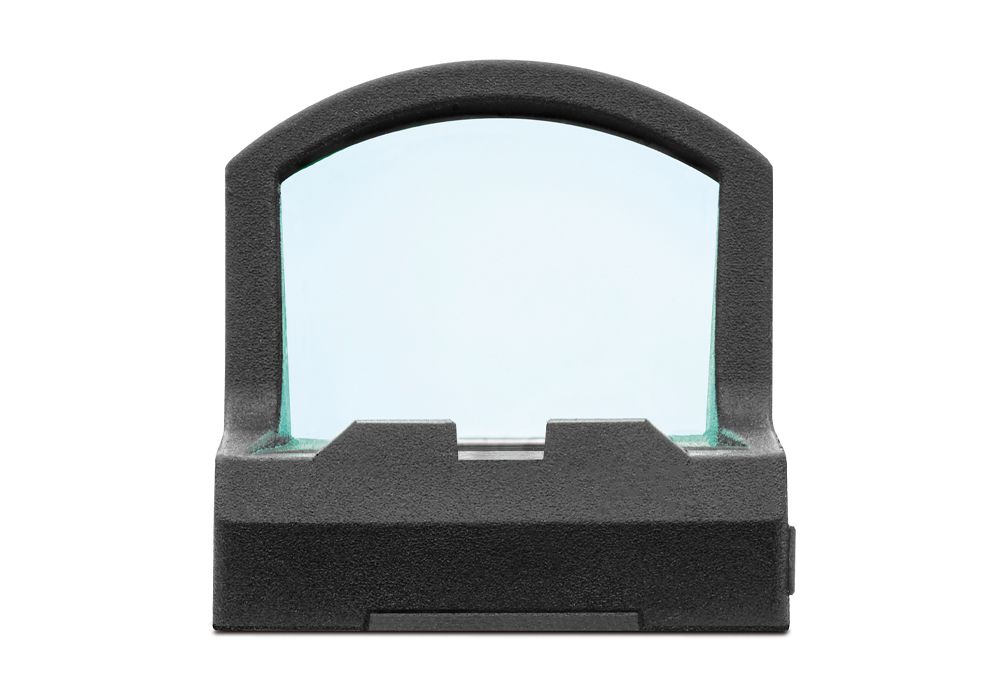
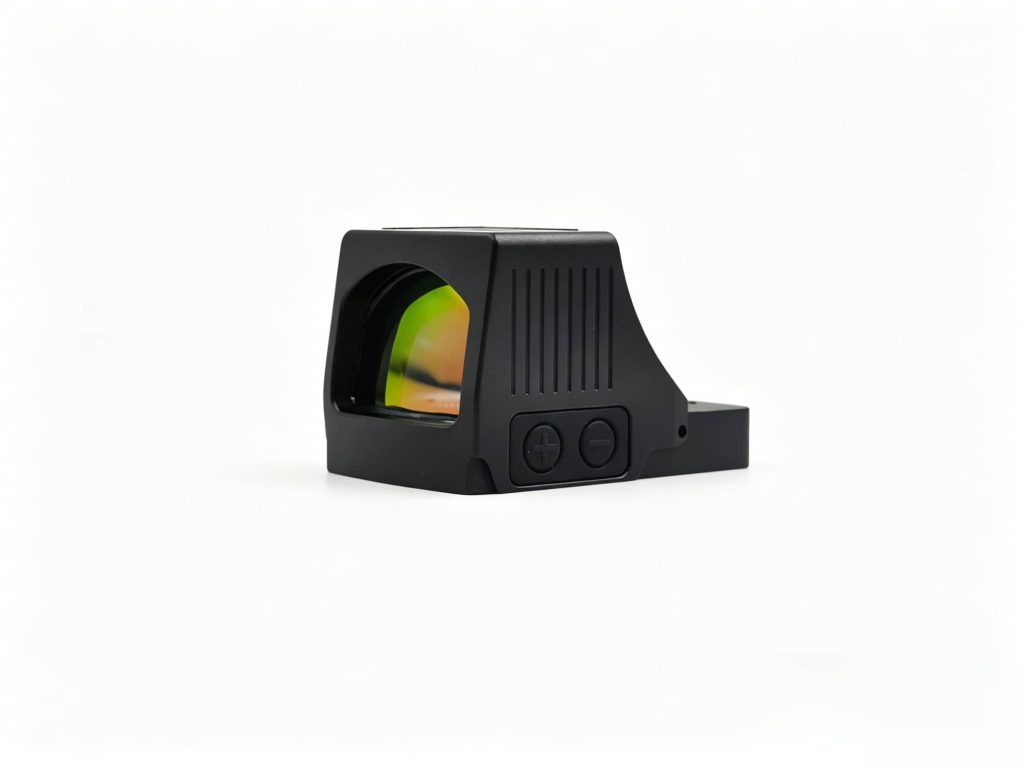
If you are ready to make the jump, consider these three essential factors:
- Dot Size (MOA): The size of the dot is measured in Minutes of Angle (MOA). For most beginners, a 2 MOA to 6 MOA dot is ideal. A smaller dot (2 MOA) offers more precision for longer shots, while a larger dot (6 MOA) is much easier to pick up quickly for fast, close-range shooting.
- Window Size: A larger objective window generally makes it easier to find the dot quickly, especially if you are shooting from an unconventional position or if your presentation isn’t yet perfect. However, keep in mind that larger windows usually mean a bulkier or heavier optic.
- Durability & Battery Life: An optic is only as good as its reliability. Look for models with long battery life—ideally several years on a single battery—and a rugged, waterproof housing. Many modern optics also feature “shake-awake” technology, which turns the dot on automatically the moment you pick up the firearm, ensuring it is ready the second you need it.
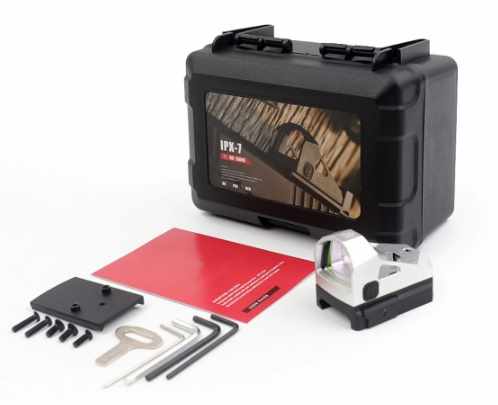
Moving from iron sights to a red dot will feel like a leap forward in your capabilities. While there is a slight learning curve to “finding the dot” during your initial draw, a few minutes of dry-fire practice at home will build the muscle memory required to make it second nature. Once you master the dot, you will find your target acquisition speed improves almost overnight.