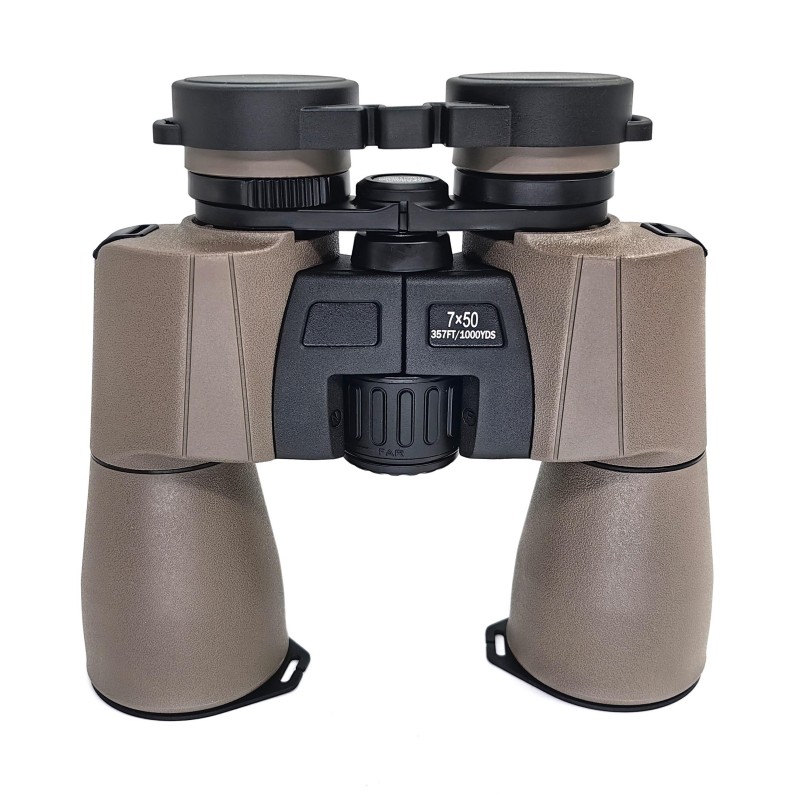
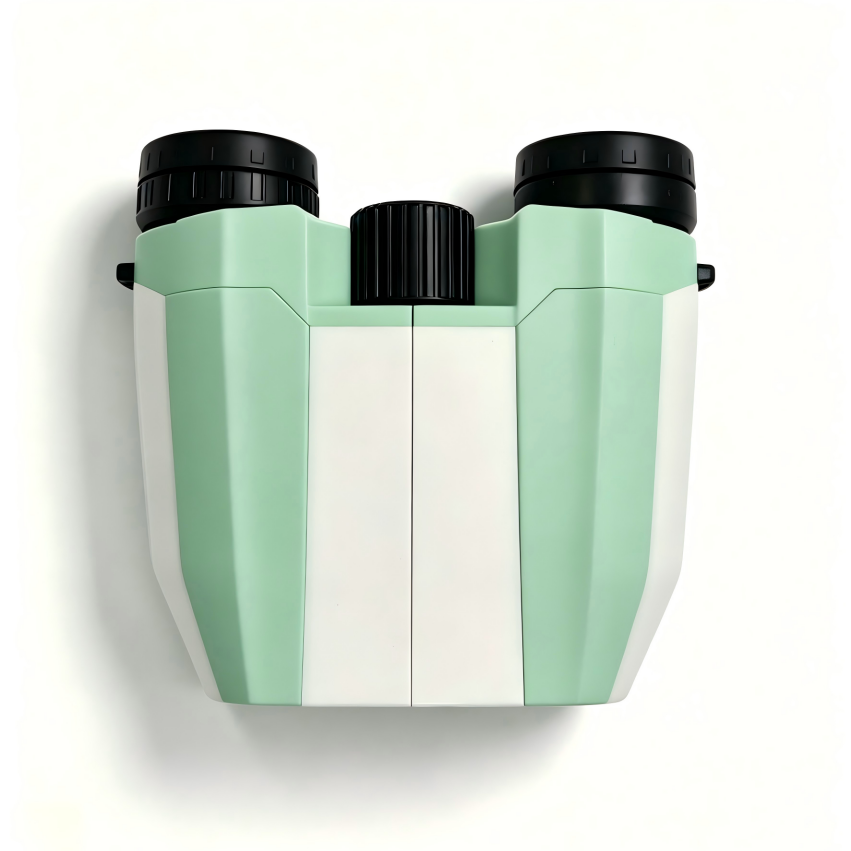
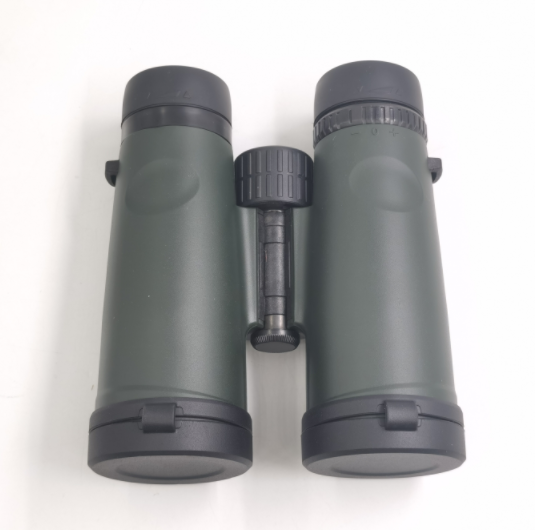
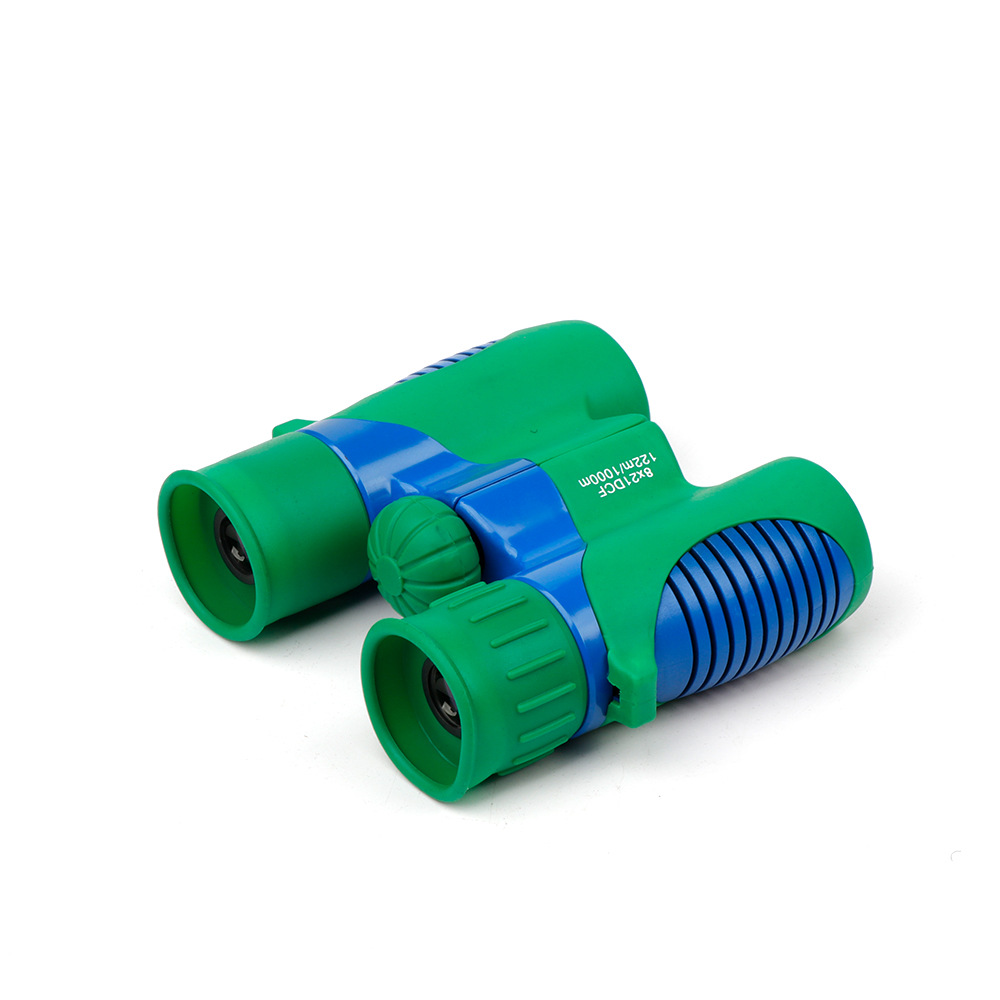
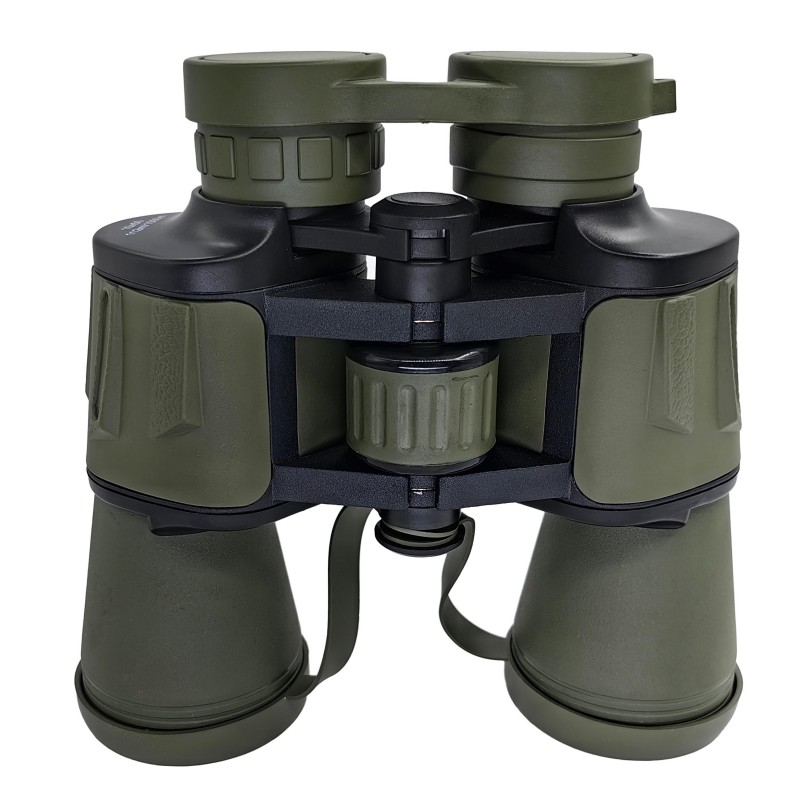
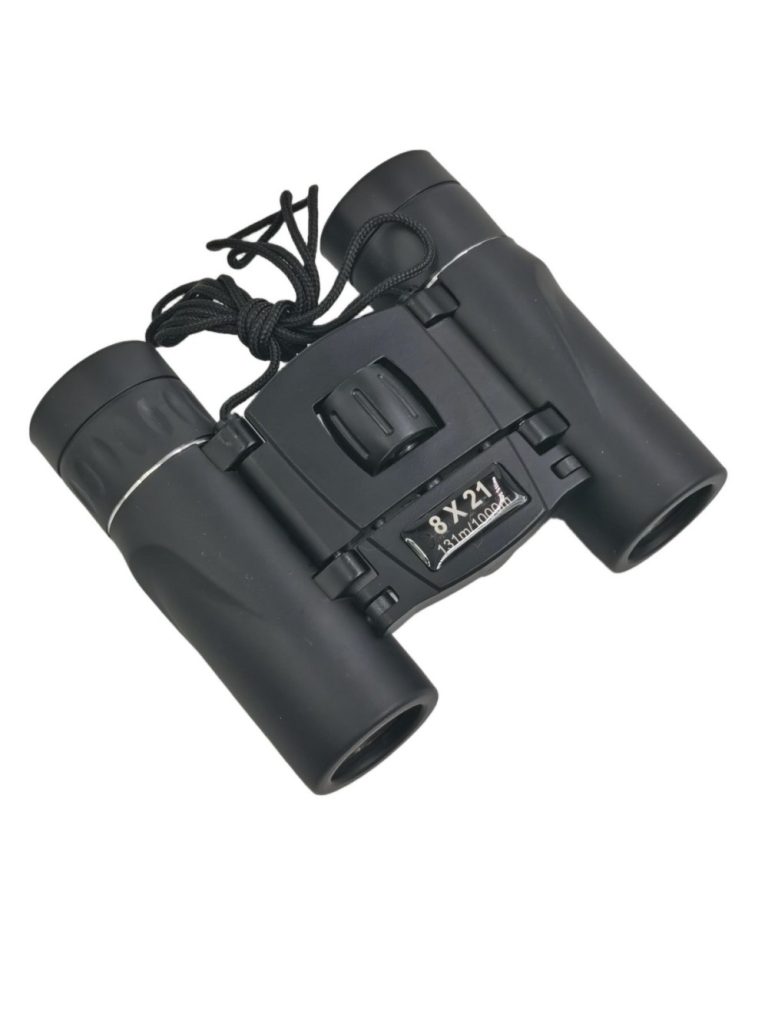
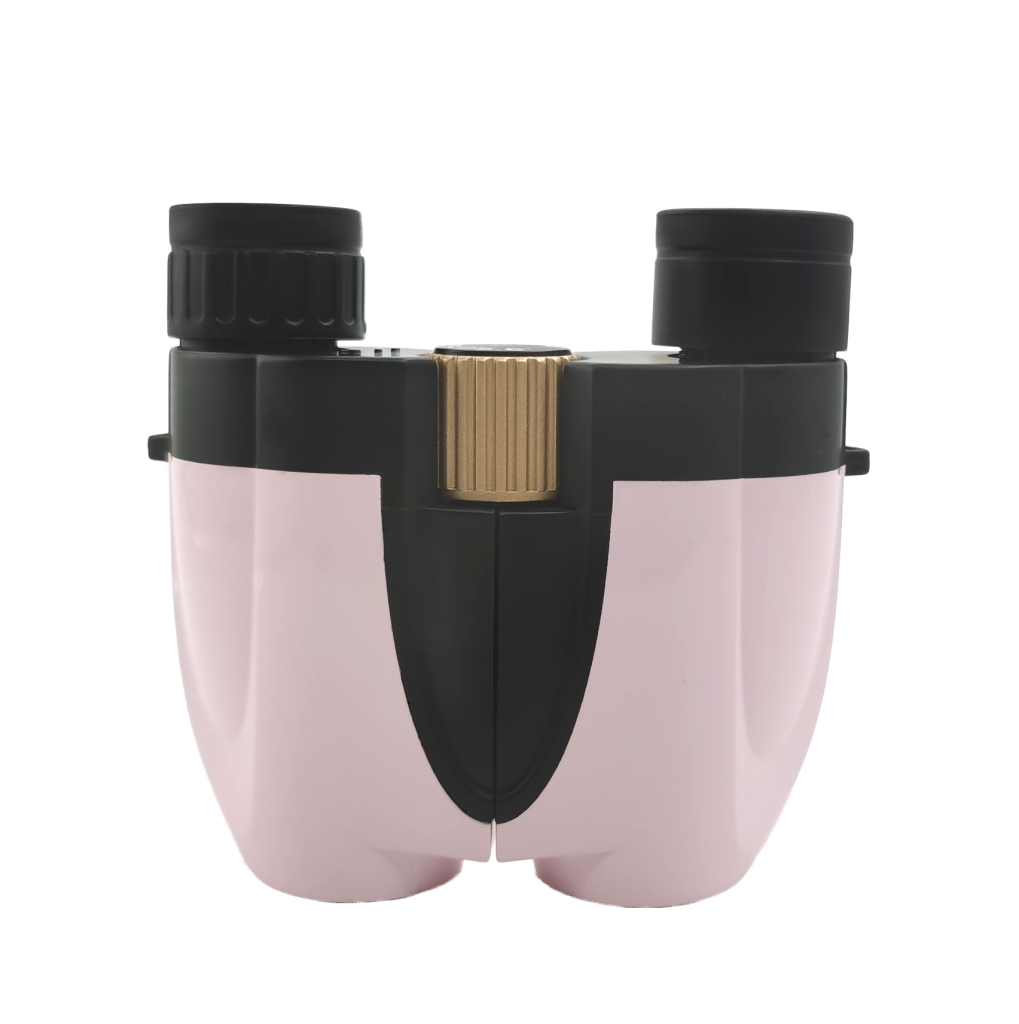
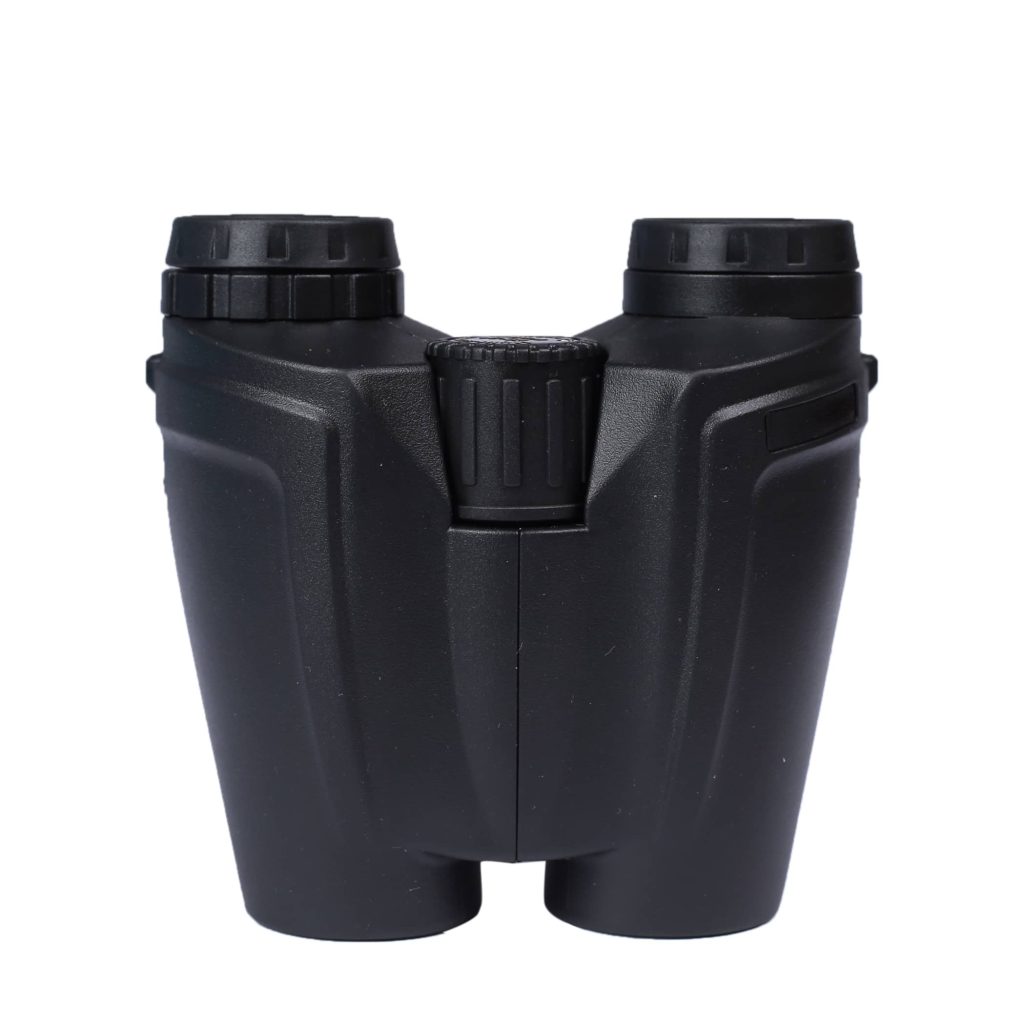
This is no longer just about price competition, nor is it simply a matter of specification upgrades. What is really driving the market to split into different directions is that different use scenarios—such as bird watching, outdoor activities, travel, sporting events, gifting, and nature education—are all placing their own priorities on what a binocular should deliver.
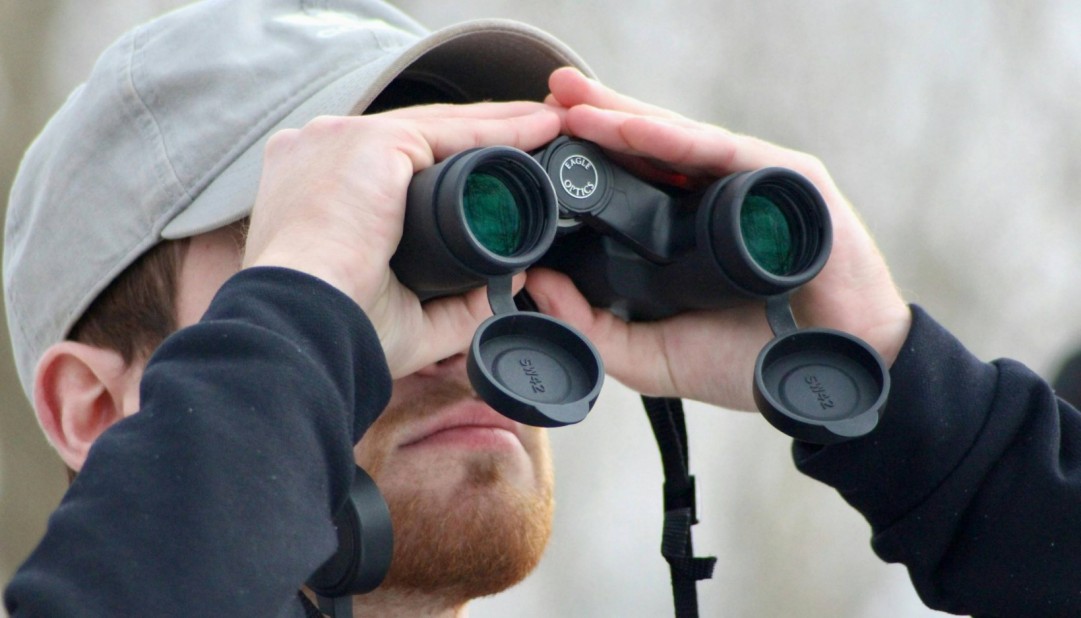
Over the past year, in discussions with channel customers, brand clients, and retail partners, I’ve repeatedly heard two sets of very different concerns.
One group, made up of birdwatchers, patrol officers, wetland observers, and frequent outdoor users, is focused on whether they can maintain steady vision in low light, whether the binoculars will still function in rain and fog, whether they’re comfortable to wear with glasses, and if they’re easy to hold for extended periods without causing fatigue.
The other group, consisting of customers in travel retail, gift channels, family-oriented nature education, and sports event merchandising, isn’t as concerned with ED glass or phase coatings. Their top questions are: “Is it light enough?” “Is it easy to adjust?” “Will first-time buyers be able to use it right away?” and “Is it too heavy to toss in a bag?”
It’s in comparing these two sets of priorities that I’ve become more and more certain: The binocular industry in 2026 isn’t just going through a regular specification upgrade. Instead, the very scenarios are rewriting how we define the product.
| Growth Logic A: Professional Observation Route | Growth Logic B: Lightweight Lifestyle Route |
| Keywords: Clarity, wide field of view, eye relief, waterproof, fog-proof, low light performance, stable grip | Keywords: Lightweight, portable, easy to use, appearance, gift potential, ready-to-use |
| Typical Scenarios: Bird watching, patrolling, wetland observation, coastal sightseeing, extended outdoor use | Typical Scenarios: Travel, city sightseeing, sports events, performances, nature education, family outings |
In Professional Clients: The Focus is Always on “Stable and Reliable”
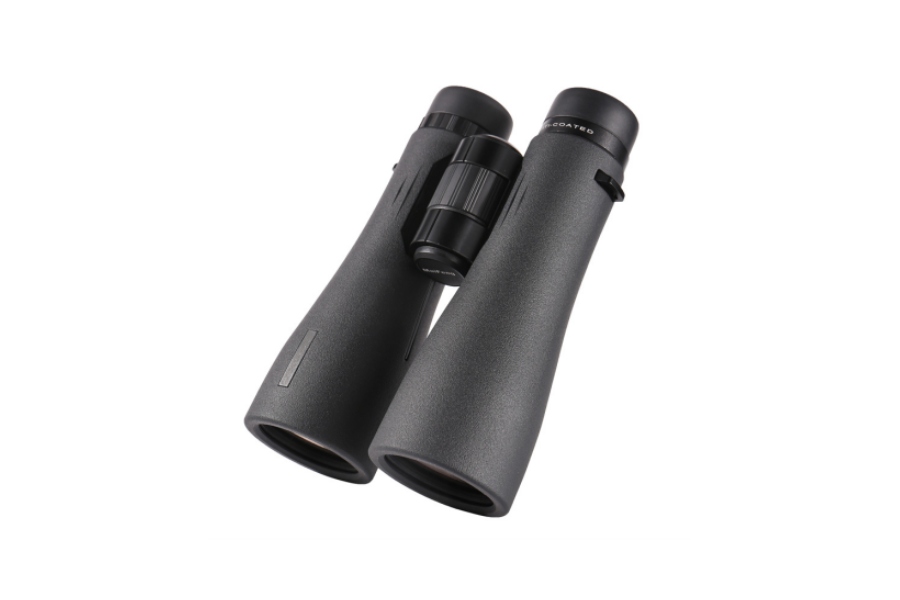
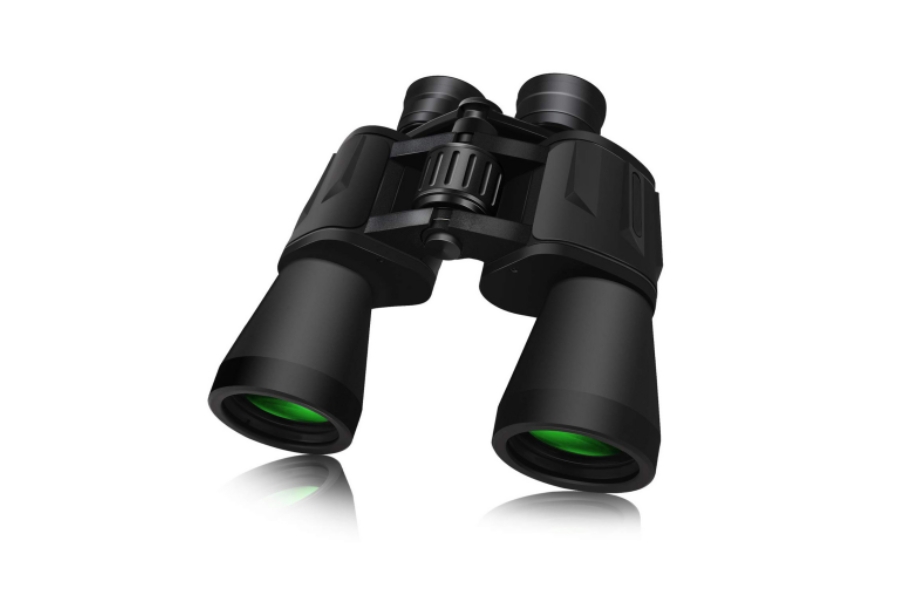
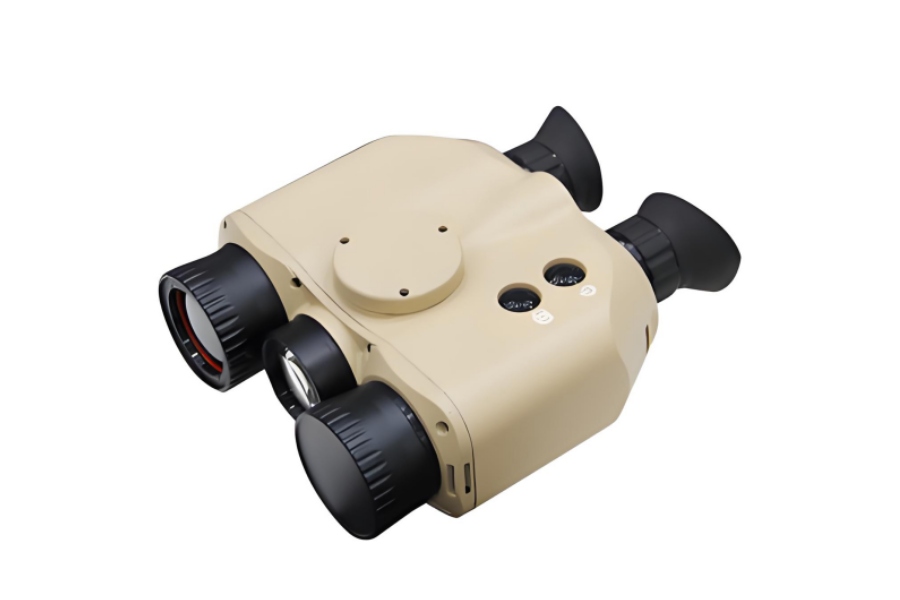
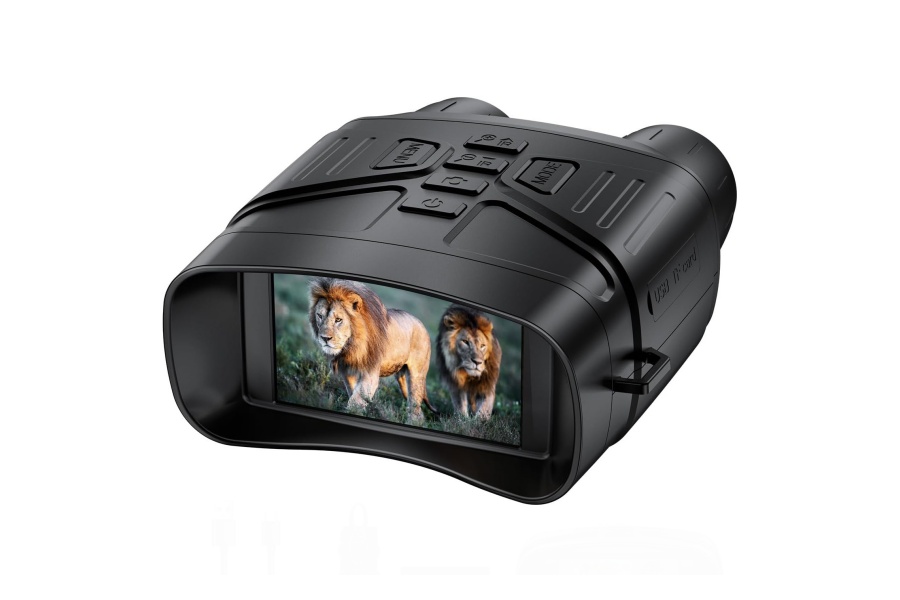
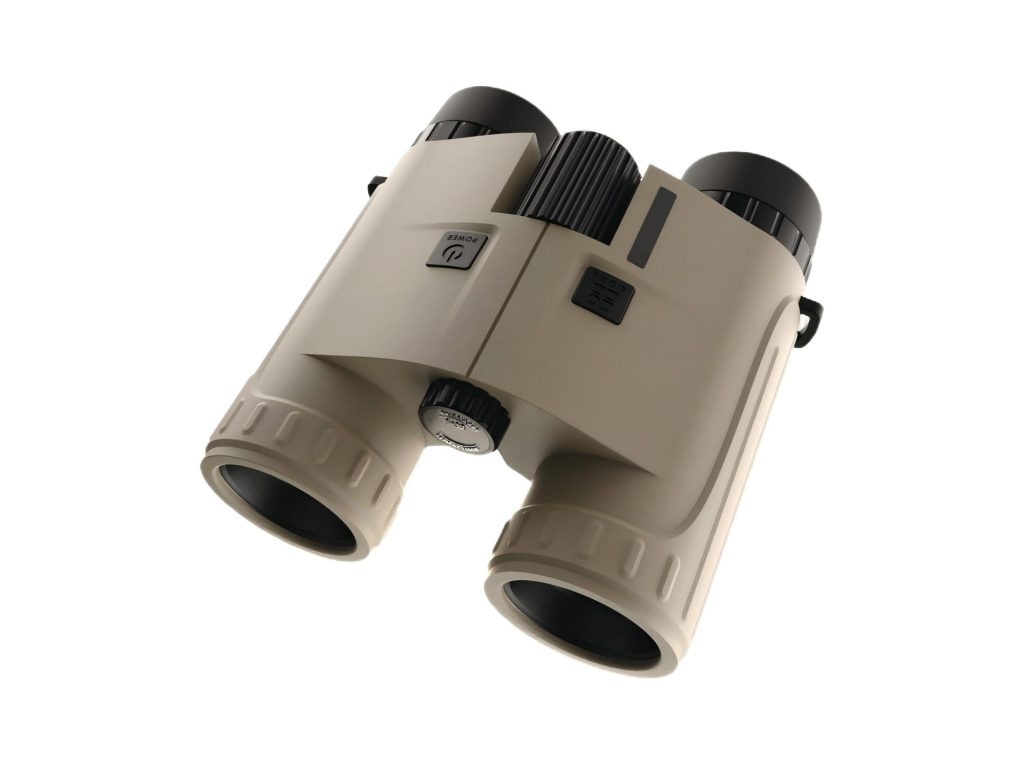
In the professional client sector, the most talked-about topic is never the “lowest price” but rather “stability and reliability.” These clients tend to have very clear requirements for binoculars: the field of view can’t be too narrow, eye relief must accommodate glasses, the image edges shouldn’t fall off too quickly, waterproofing and fog-proofing can’t just be marketing buzzwords, the focus wheel’s resistance needs to be controllable, and prolonged use shouldn’t be impacted by an unbalanced weight distribution that causes instability.
What truly drives purchases in this segment isn’t a single parameter but rather an entire set of predictable, reliable user experiences. Customers want equipment that works like a tool under various challenging conditions, such as early mornings, dusk, damp weather, back lighting, low temperatures, and continuous use.
From a manufacturing perspective, this means product definitions must focus on optical consistency, structural durability, coating quality, focusing feel, and overall balance—rather than just piling a few catchy terms on the packaging.
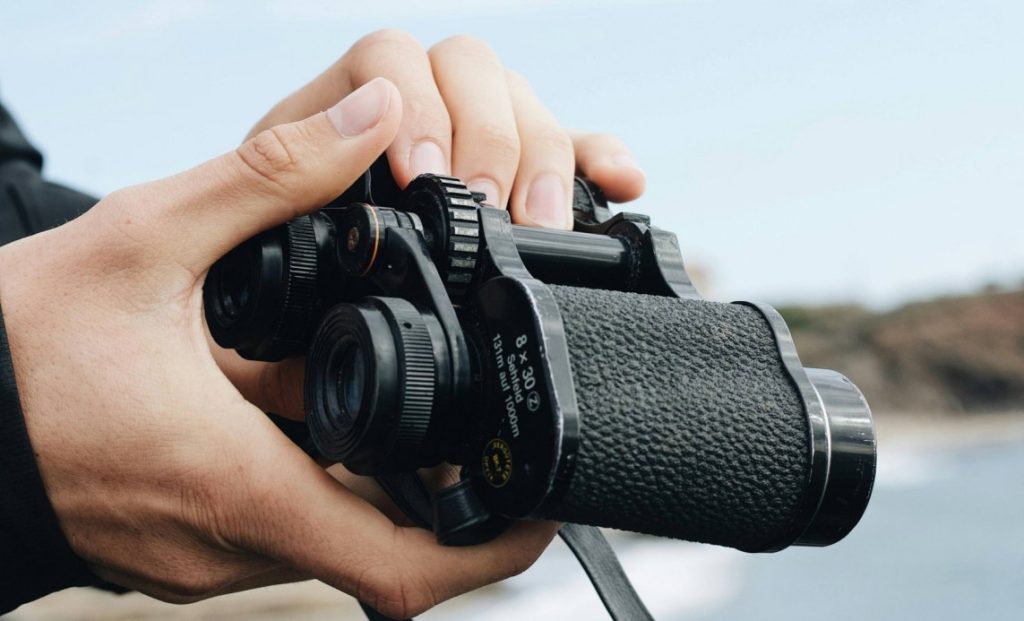
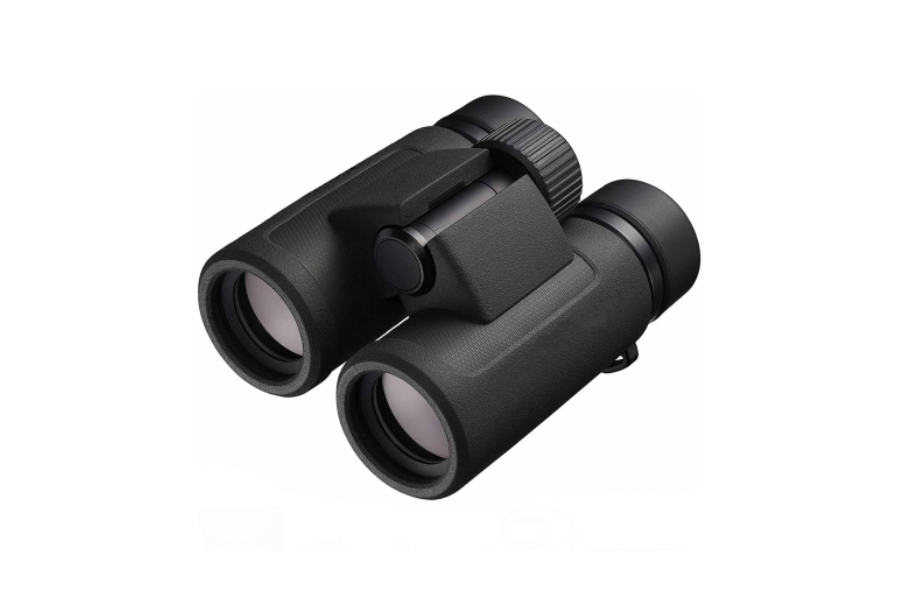
In Consumer and Gift Markets: Discussions Always Start with “Light, Quick, and Easy to Understand”
In the consumer and gift markets, discussions almost always start with “light, quick, and easy to understand.” Many end-users don’t begin by asking about the prism system or comparing specifications point by point. Instead, they care more about: Is this binocular easy to take out with me? When I pick it up, can I immediately use it? When watching city skylines, performance stages, sports stadiums, or engaging in family nature activities, can I instantly experience a “closer view”?
That’s why you’ll notice that the growth logic here isn’t about the most extreme performance, but about the lowest understanding threshold and the highest likelihood of being carried around. For retailers, such products are easier to display, easier to explain, and more likely to convert at the first point of contact.
This doesn’t mean the consumer route doesn’t care about optics; rather, it places more importance on first impressions and decision-making efficiency. In many cases, lightweight design, aesthetics, feel, packaging, price range, and ease of use will influence the purchase decision more than high-end optical jargon.

Why This “Bifurcation” Exists—Insights from the Channel and Manufacturing Side
In field discussions and product reviews, I often categorize user needs into two very typical usage models:
- Model A: High-frequency use + Unpredictable environments
These users will continuously use their binoculars in conditions like wetlands, mountains, coastlines, low temperatures, humidity, and long hours of standing observation. For them, binoculars aren’t a casual toy but a tool that needs to provide stable, long-term performance. - Model B: Low-frequency use + Short decision time
These users may purchase binoculars for travel, sports events, performances, family activities, or as a gift. They want a product that’s lightweight, easy to understand, and offers an intuitive experience. They don’t want to spend much time learning how to use it and aren’t willing to bear a high risk of trial-and-error.
This is why, even though they’re both called “binoculars,” they increasingly diverge in terms of structure, aperture, weight, price range, functional definitions, and how they’re marketed. According to the 2025 Outdoor Participation Trends report by the Outdoor Industry Association and Outdoor Foundation, activities like hiking, camping, and fishing are continuing to attract more participants. Meanwhile, the U.S. Fish and Wildlife Service’s 2024 report on Birdwatching in America highlights that 96 million people are now involved in bird watching. As the user base grows, the market naturally won’t settle on just “one standard answer.”

Six Technical Dimensions: The Real Reconstruction I See
- Magnification and Aperture: From “Bigger is Better” to “Task Adaptation”. REI’s buying guide and Nikon’s sports optics guide both emphasize that specifications must be understood in the context of usage. For most general observation scenarios, combinations like 8×32 and 8×42 strike a better balance between brightness, field of view, stability, and size. Higher magnification is not inherently better—it simply narrows the product’s application to more specific tasks.
- Field of View, Eye Relief, and Focusing Speed: Determining Whether Beginners Stay or Go
Nikon clearly states that a wider field of view makes it easier to find the target. For B2B clients, this is critical, as what truly impacts repeat purchases and word-of-mouth isn’t the laboratory resolution but whether the user can quickly “find, follow, and view comfortably” the first time they lift the binoculars. - Waterproofing, Fog-proofing, and Structural Strength: Transitioning from High-end Selling Points to Basic Requirements: As long as the target users include birdwatchers, outdoor hikers, coastal observers, campers, or year-round travelers, these capabilities are no longer “extra benefits.” Instead, they are the baseline competencies reflected directly in return rates, failure rates, and after-sales reputation.
- Weight, Size, and Grip: Determining Whether Users Will Carry It Daily. Many consumer products don’t fail because users can’t see clearly, but because they simply don’t want to carry it. This is why compact, foldable, lightweight designs and more ergonomic grip curves are becoming faster-growing selling points.
- Coatings, ED Glass, and Color Perception: Determining “First Impression Satisfaction”.
More and more mid-range products are emphasizing multi-layer coatings, phase correction, and ED glass—not simply to pack in more features, but to make users quickly perceive differences in backlighting, edge distortion, transparency, and overall clarity. High-end experiences are trickling down, and this is one of the most important signals for manufacturers to pay attention to. - Imge Stabilization, Photography, and Smart Recognition: The High-end Route is Opening a Second Growth Curve. The introduction of the Fuji TS-L 1640/2040 image-stabilized binoculars in 2025 and SWAROVSKI OPTIK’s AX Visio smart binoculars both point to a clear fact: in the high-end market, binoculars are no longer just about “seeing” but are starting to compete on “how you see, how you record, and how you share.” This route won’t replace traditional products in the short term, but it will continue to expand the industry’s imagination for “future functionalities.”
My Overall Judgment: This Is Not Opposition, But Maturity
At tis point, I actually see this as a sign of the industry’s maturity. Binoculars are no longer forced to revolve around a single “blockbuster” logic, but are instead starting to form clearer product segmentation based on different scenarios.
Th professional observation route focuses on solving the problem of “I don’t want to lose it at a crucial moment”, while the lightweight lifestyle route amplifies “I want it to be easier to carry and more easily accepted.” The former emphasizes long-term usability and stable viewing experience, while the latter highlights low entry barriers, ease of conversion, and high portability.
For manufacturers and wholesalers, this means that R&D cannot solely revolve around a single common mold, price point, or blockbuster specification. Instead, it should focus on building platform-based product definitions around different scenarios: which series serve high-frequency observation, which serve travel retail, which cater to gifting and educational entry-level needs, and which are ready to support future digital functionalities.
Three Key Signals I’m Watching in the Next 12–24 Months
Signal 1: Mainstream specifications will further converge into more easily understood core combinations. In the next two years, specifications like 8×32, 8×42, and 10×42—combinations that are easier for users to understand and simpler for channels to explain—will continue to form the backbone of most product lines.
Sigal 2: Mid-range products will quickly adopt high-end experience features. Better coatings, more user-friendly eye relief, more refined waterproofing and fog-proofing, and better-balanced grips and structural optimizations will continue to trickle down from high-end models to the mid-range. The core of market competition will shift from “Do they have it?” to “Is it balanced enough?”
Signal 3: Image stabilization, photography, AI recognition, and connectivity will shift from being showcase innovations to entering a phase of small-scale practical application. These features won’t immediately become standard across all binoculars, but they will continue to appear first in high-priced, professional content creation, nature education, and brand signature models.
If I had to summarize this change in one sentence, it would be: The binocular industry in 2026 is shifting from “specification competition” to a competition of “scenarios, systems, and product definition capabilities.” Scenarios are no longer just marketing packaging—they are the new starting point for engineering.