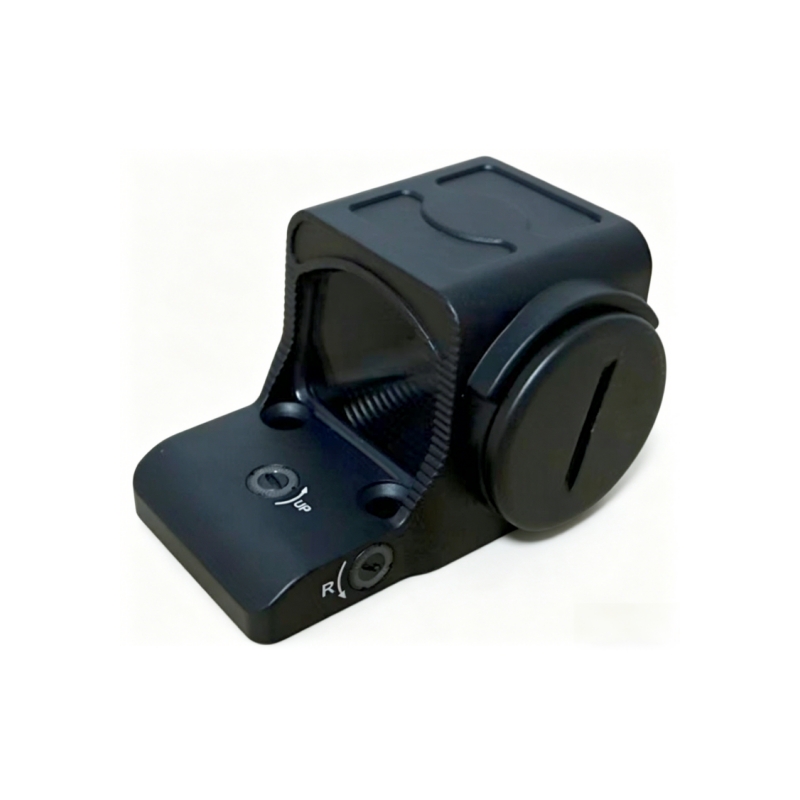
In the rapidly evolving world of firearm optics, the transition from iron sights to red dots was the first revolution. Now, we are in the midst of the second: the shift from open emitter to closed (or enclosed) emitter optics.
While open dots like the Trijicon RMR or Leupold DeltaPoint Pro defined the industry for years, professional users—from law enforcement to competitive shooters—are increasingly moving toward “the mailbox” style of optic. But does the average shooter really need an enclosed system?
This article will explores the performance, durability, and practical reality of closed emitter red dots to help you decide if it’s time for an upgrade.
What is a Closed Emitter Red Dot?
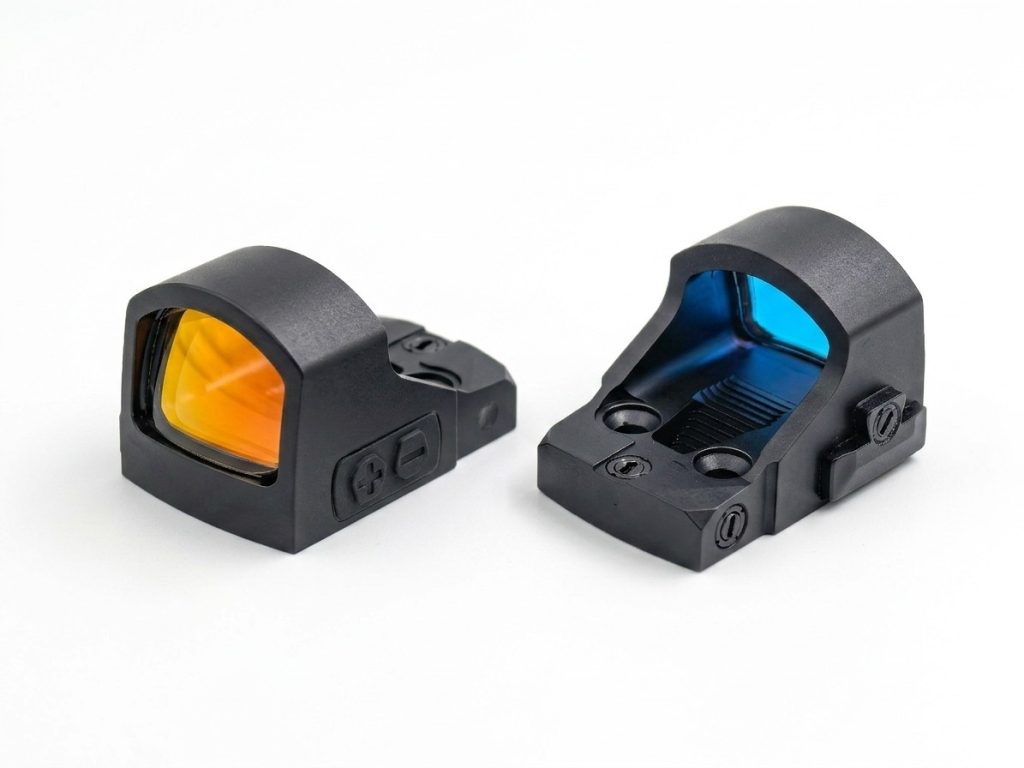
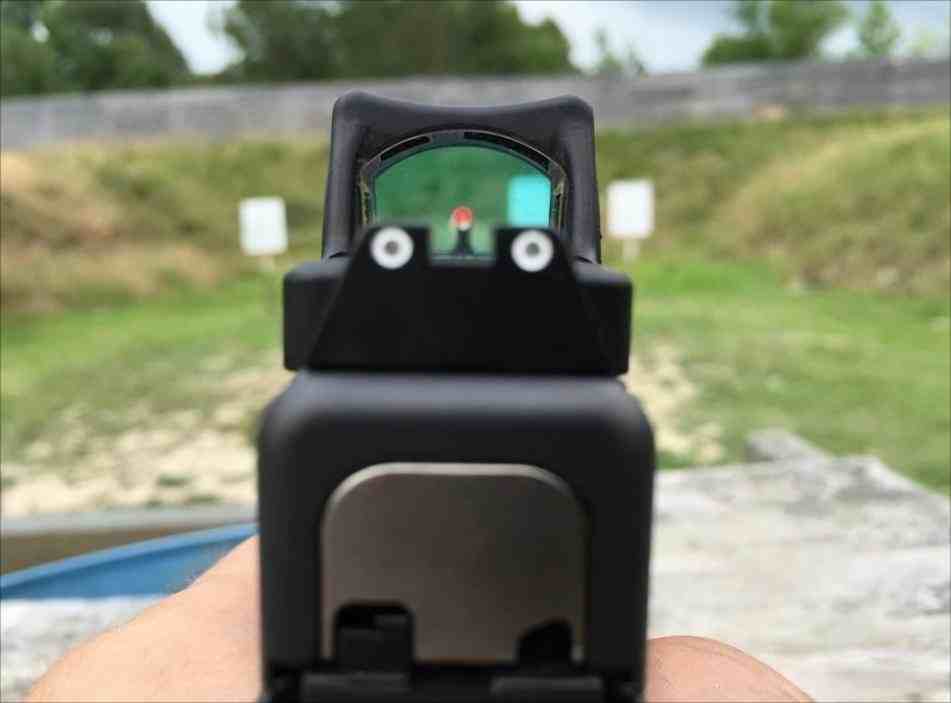
To understand the benefit, you first have to understand the vulnerability of an open system. In a standard “open” red dot, the LED emitter sits on the base of the optic and projects a beam onto a single lens. The path between that LED and the glass is exposed to the environment.
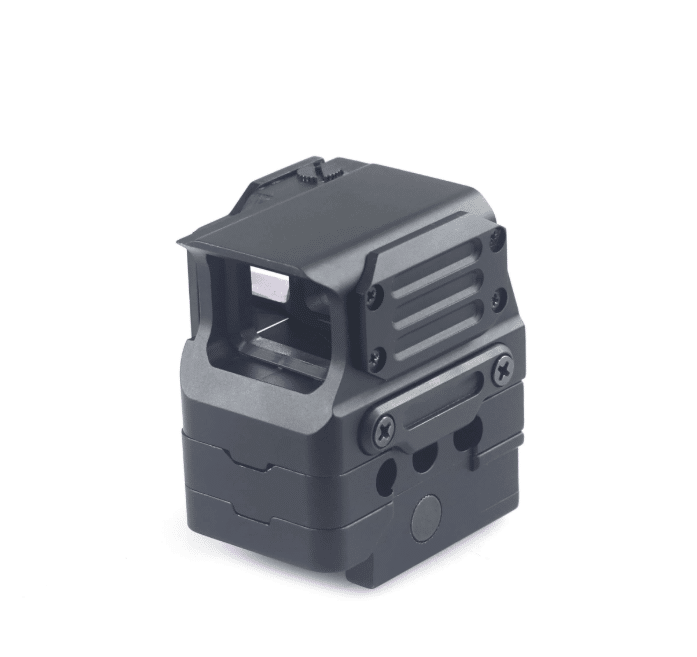
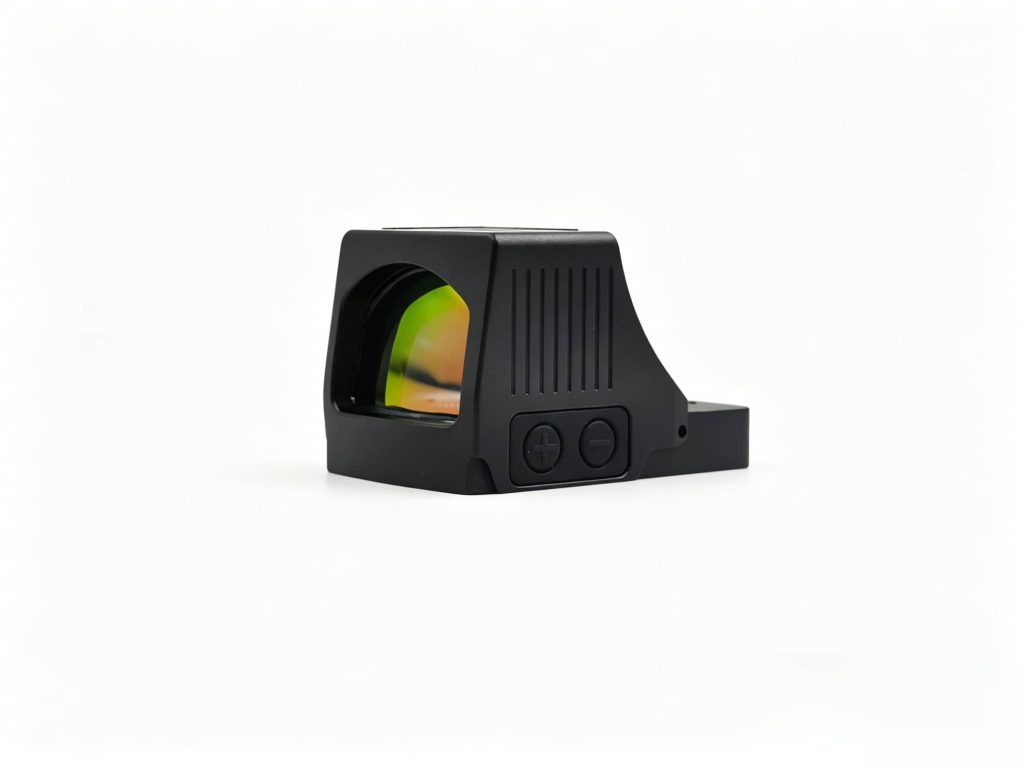
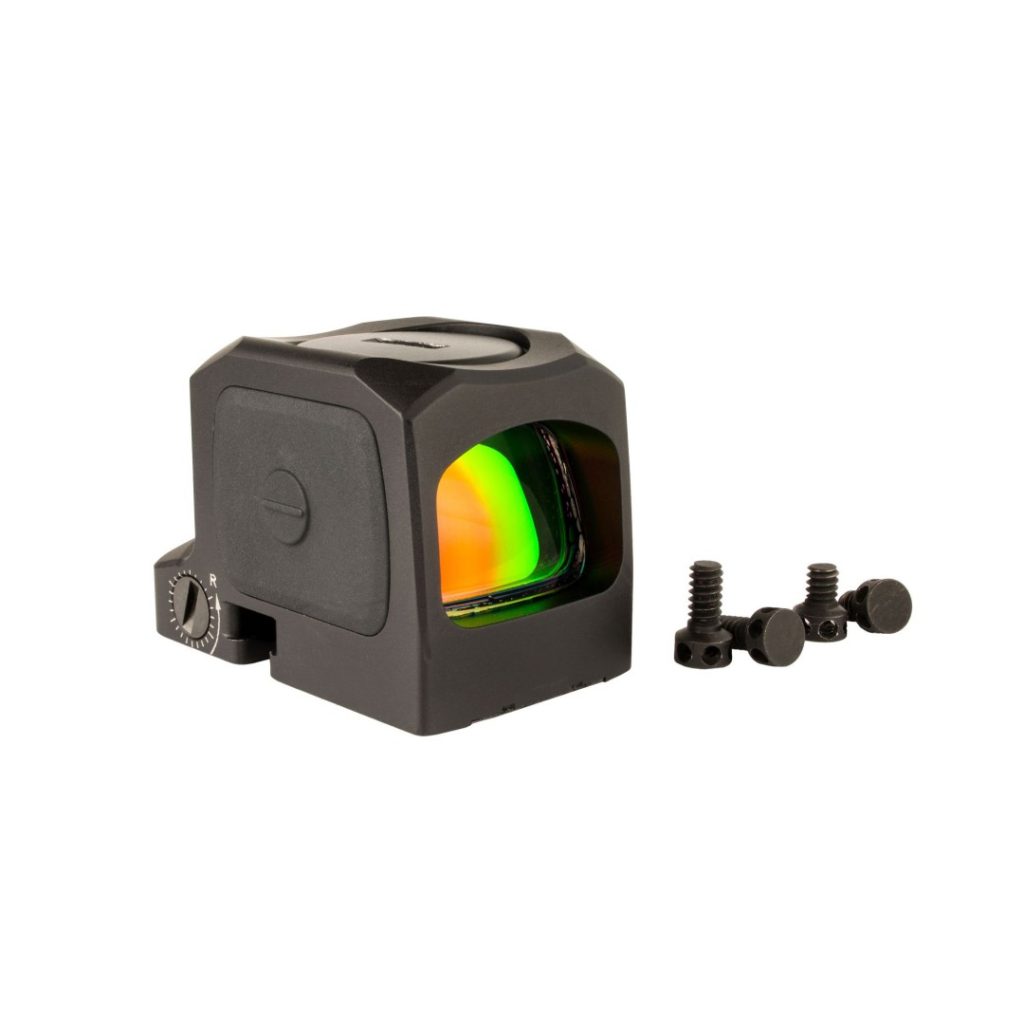
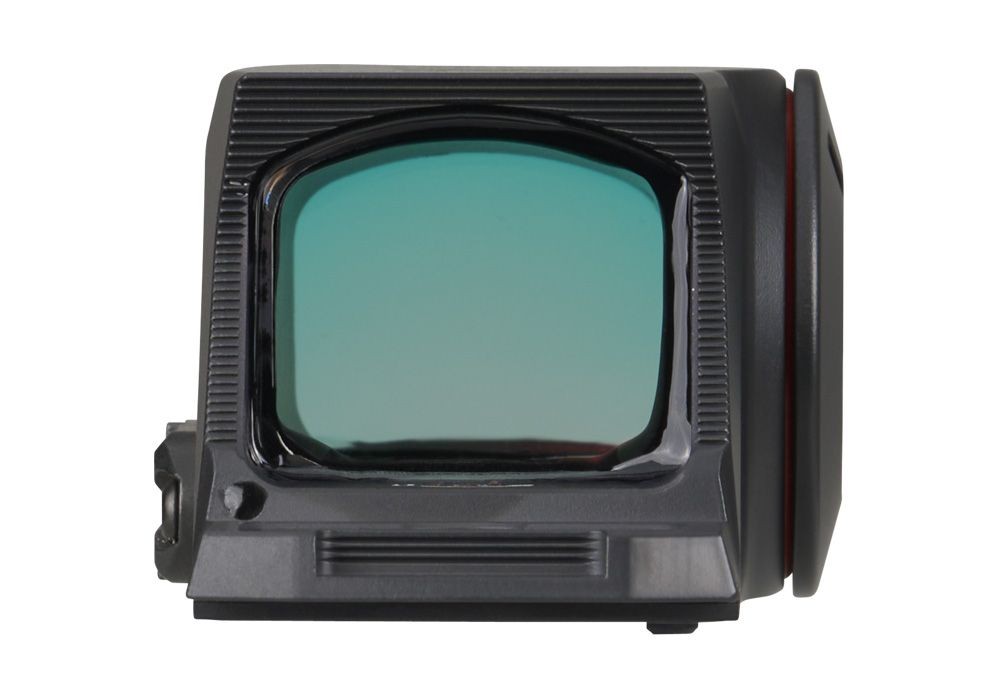
A closed emitter red dot houses the LED inside a sealed box, usually protected by two panes of glass (an objective lens and an eyepiece). The internal cavity is often purged with nitrogen or argon to prevent fogging. This creates a “protected tunnel” for the aiming point, ensuring that nothing can get between the light source and the lens.
Closed Emitter Pistol Red Dot Performance in Real-World Use
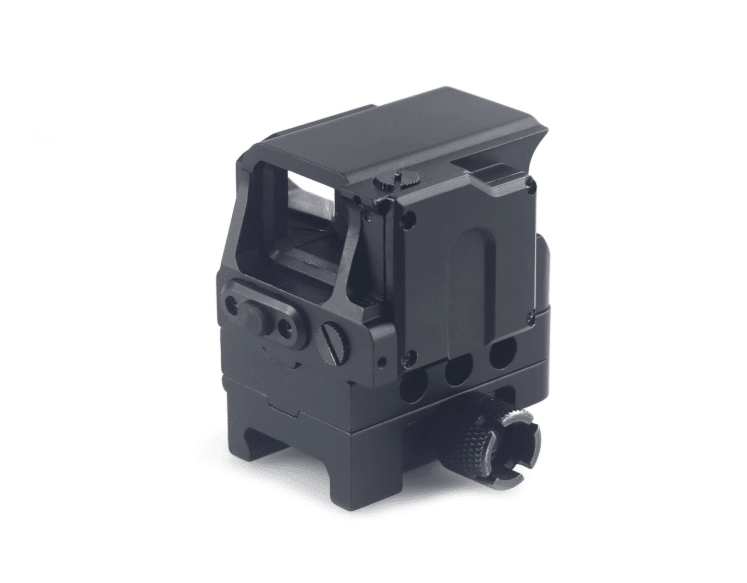
On a flat, indoor range, you might not notice a difference between an open and closed dot. However, the “real world” is rarely clean, dry, or stationary.
Performance in Rain, Snow, and Dust
In an open emitter system, a single drop of water landing on the LED can cause the dot to “starburst” or disappear entirely. Similarly, a flake of snow or a grain of sand can block the beam, leaving you with a dead optic at the worst possible moment.
Closed emitters eliminate this failure point. Because the light source is behind a sealed window, rain and mud can cover the exterior glass, but the dot remains crisp and visible. You can simply wipe the glass with a gloved finger and keep shooting.
Maintenance Simplicity and Lens Management
If you carry an open-emitter optic for daily CCW (Concealed Carry Weapon), you know the struggle of “belly lint.” Dust and skin cells accumulate in the nook where the emitter sits, requiring regular cleaning with compressed air or Q-tips.
With an enclosed optic, maintenance is exterior-only. There are no hard-to-reach crevices where debris can hide. A quick wipe of the flat outer lens is all it takes to maintain a clear sight picture.
Impact Resistance and Structural Durability

By design, enclosed emitters are built like tanks. The “box” structure inherently provides more rigidity than a single-lens hood.
Racking the Slide: Many shooters use their optic as a handle to rack the slide against a belt or table during one-handed manipulations. The dual-pane housing of a closed emitter distributes that force more evenly.
Drop Protection: In the event of a drop, the secondary housing acts as an extra layer of armor for the internal electronics and the primary lens.
Reliability in Extended and Harsh Use
Electronic failure is often caused by environmental ingress—moisture or chemicals (like gun cleaning solvents) getting into the circuitry. Closed emitters are typically rated with higher IP (Ingress Protection) standards.
Because the internal environment is pressurized and sealed, these optics are virtually immune to internal fogging caused by rapid temperature changes (e.g., moving from a heated car into sub-zero winter air). This “fog-proof” reliability is a non-negotiable feature for duty use.
Navigating Mounting Footprints: A Crucial Check
Before you rush out to buy a closed emitter, you must understand that they rarely mount the same way as open dots. Because the housing is a complete box, you cannot usually screw them directly down from the top into the slide.
Most closed emitters use a cross-bolt clamping system (similar to a Picatinny rail). This usually requires an adapter plate.
Acro Footprint: Used by the Aimpoint Acro, Steiner MPS, and many newer models.
509T Footprint: Specific to Holosun’s 509T series.
- Series/RMSc: Some “micro” enclosed dots (like the Holosun EPS Carry) manage to keep a standard footprint by using innovative internal screw channels.
- Pro Tip: Always check if your slide is “Optics Ready” and if you have the specific plate required for an enclosed optic. The added height of the plate may also require taller “suppressor height” iron sights to co-witness.
Who Benefits Most from an Enclosed Emitter Red Dot?

While closed emitters are excellent, they aren’t mandatory for everyone. You will benefit most if you fall into these categories:
- Law Enforcement & Duty Use: If you carry a firearm in an OWB (Outside the Waistband) holster exposed to the elements, a closed emitter is the gold standard.
- Strict Concealed Carry: If you find yourself cleaning lint out of your optic every three days, the enclosed design will save you constant maintenance.
- Hard-Use Training: For those who attend high-round-count classes, roll in the dirt, or train in the rain, the reliability is worth the weight.
- Extreme Climates: If you live in an area with high humidity or extreme cold, the internal nitrogen purging prevents the “white-out” effect of internal fogging.
Is a Closed Emitter Red Dot Worth It?
The Verdict: Yes, but with caveats.
Ten years ago, closed emitters were bulky and had poor battery life. Today, models like the Holosun EPS, Aimpoint Acro P-2, FORESEEN, and Trijicon RCR have bridged the gap. They offer sleek profiles that are barely larger than their open counterparts.
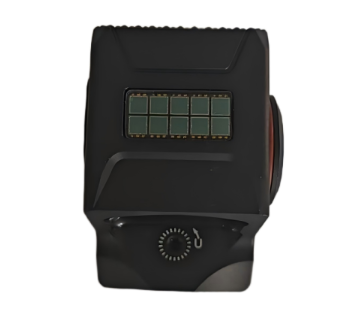
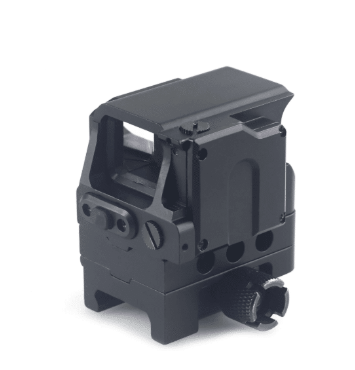
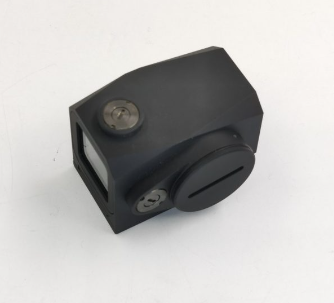
Pros:
- Absolute reliability in rain, mud, and snow.
- Easier to clean and maintain.
- Superior structural strength.
- No internal fogging.
Cons:
- Usually more expensive.
- Slightly more “bulk” or “window tint” due to the extra pane of glass.
- Requirement for mounting plates can add height to the optic.
If you are looking for a “set it and forget it” optic that will work regardless of whether you are in a dusty desert or a torrential downpour, the closed emitter is the pinnacle of current pistol technology. It provides a level of insurance that an open emitter simply cannot match.