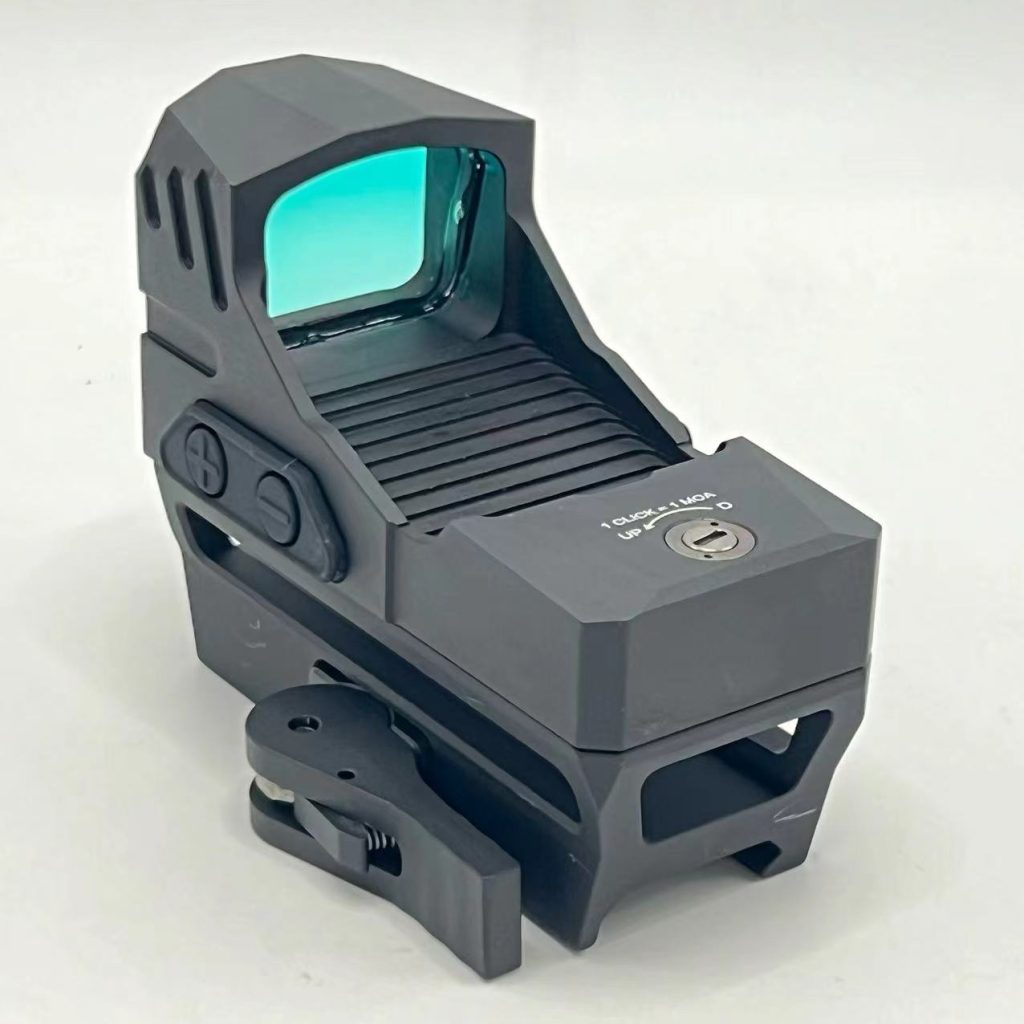
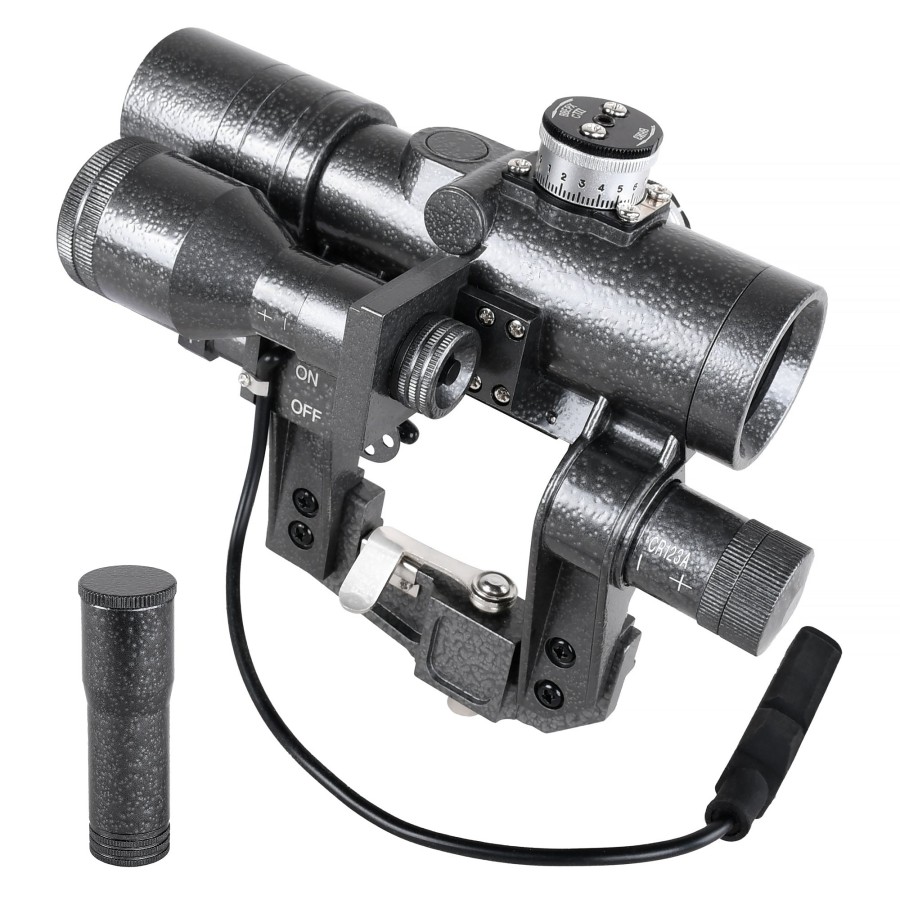
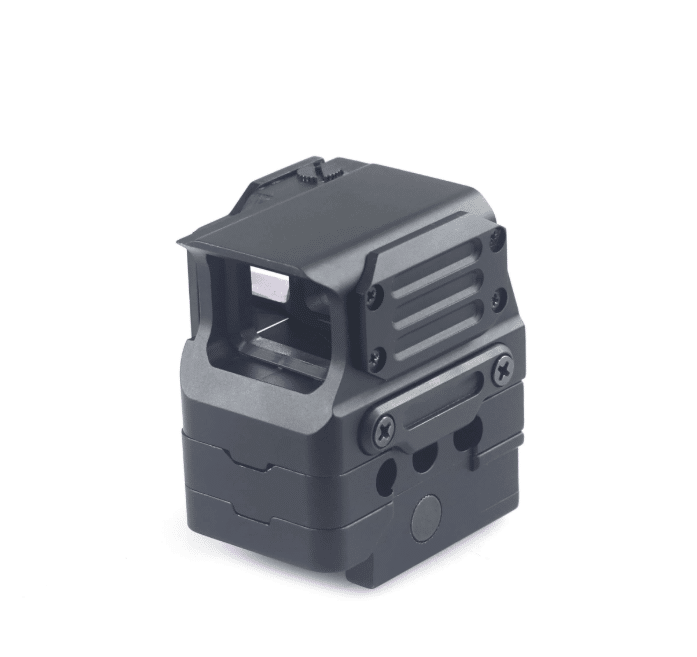
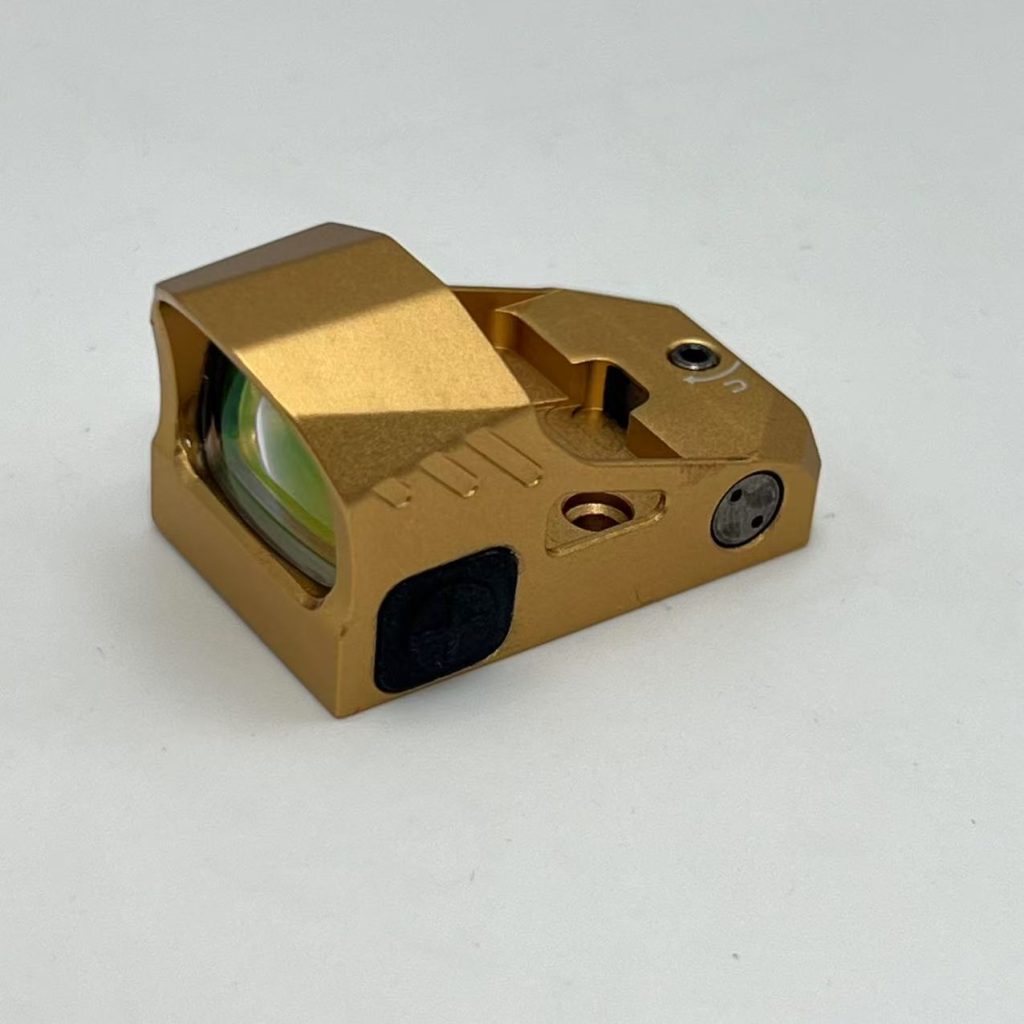
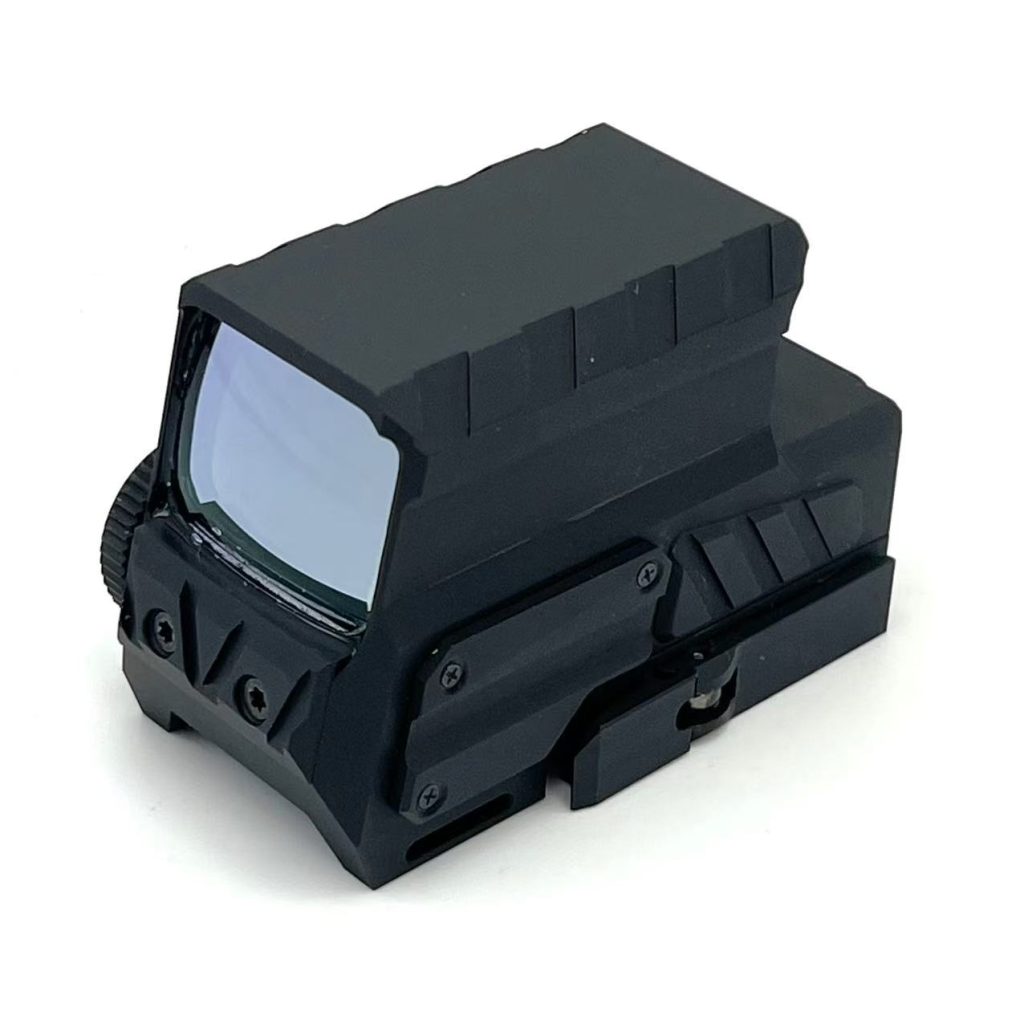
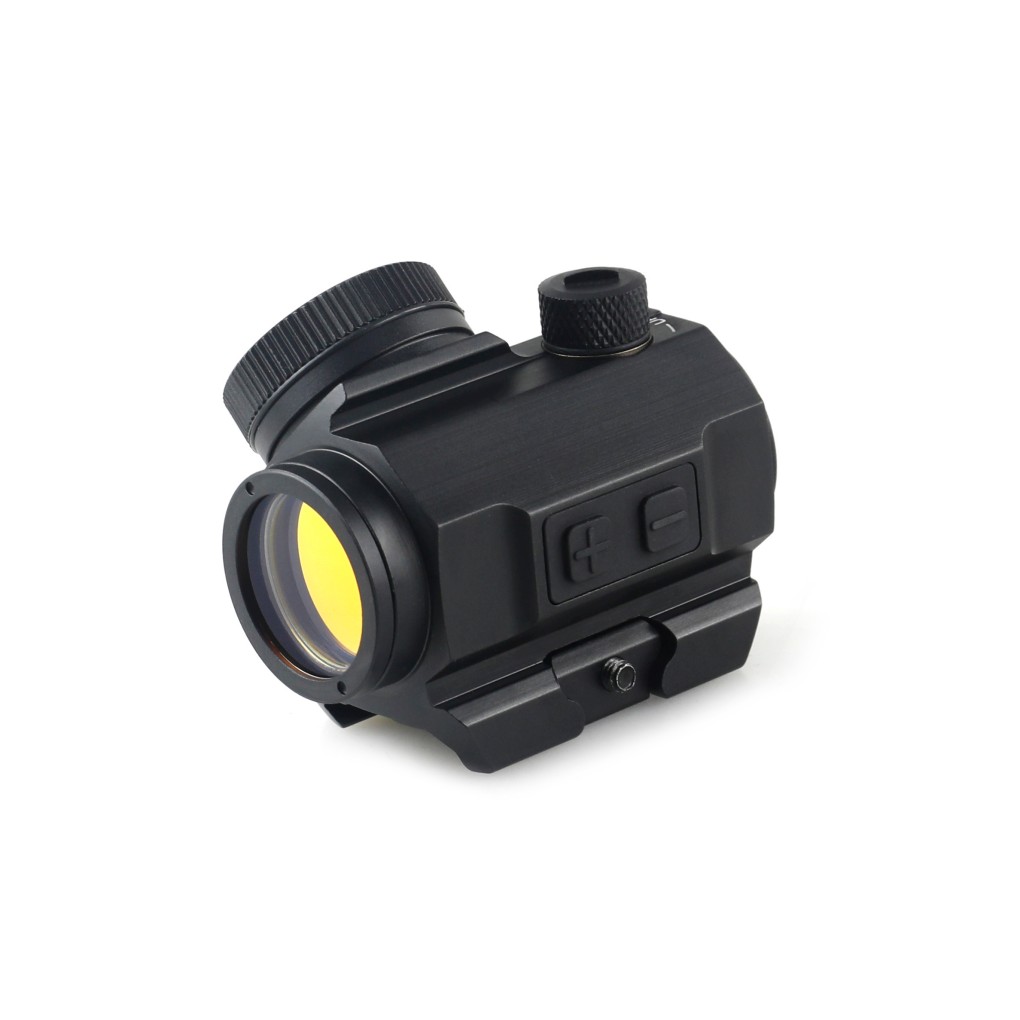
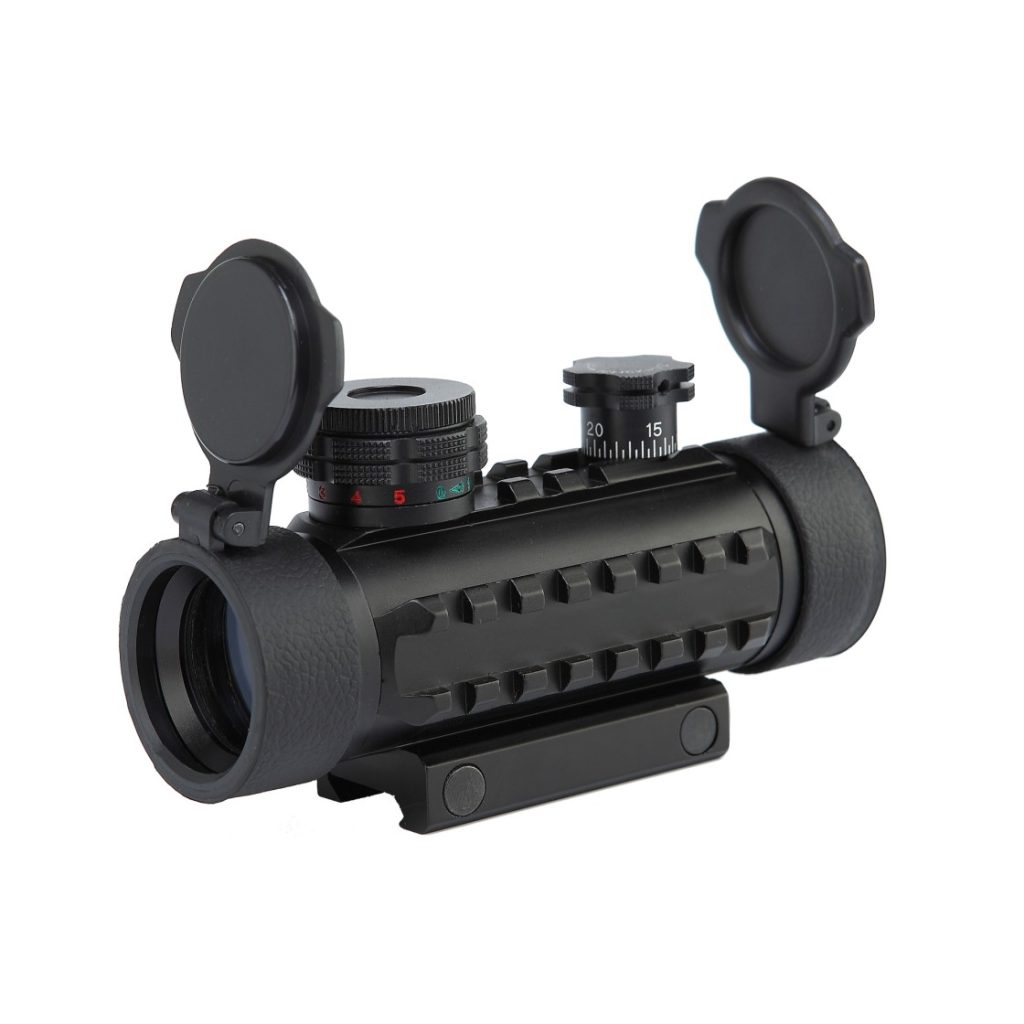
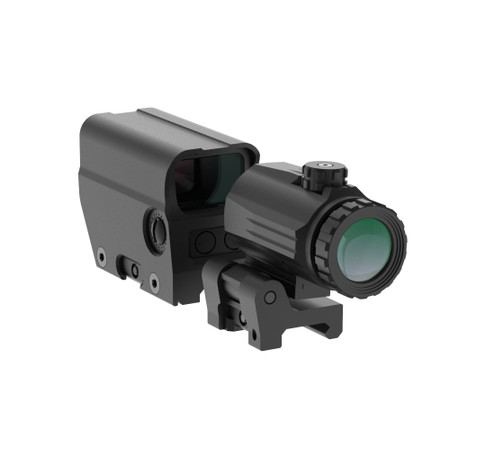
For decades, the standard for rifle shooting has been defined by the alignment of two metal components: the front sight and the rear notch. Although mechanical sights are the foundation of shooting, advancements in optical technology have changed this situation. In the controlled yet highly challenging environment of a shooting range, transitioning from traditional mechanical sights to red dot sights (RDS) is not merely an upgrade in equipment – it fundamentally alters the way shooters interact with the target.

Limitations of Iron Sights in Modern Shooting Environments
Mechanical sights are highly favored due to their reliability; they do not require batteries and are almost impossible to damage to the extent that would render the rifle unusable. However, they also have some inherent physical challenges. To conduct precise shooting with mechanical sights, the human eye must simultaneously attempt to focus on three planes: the rear sight, the front sight, and the target.
Because the human eye can only truly focus on one plane at a time, shooters are usually trained to focus on the front sight, resulting in a blurry target. In dynamic shooting environments – such as switching between multiple targets or shooting at different distances – this “focus shift” can cause eye fatigue and slow down the shooting speed. Moreover, mechanical sights significantly block the lower part of the target, making it difficult to assess the impact point or maintain awareness of the surrounding environment.
What Changes When You Switch to a Red Dot Sight
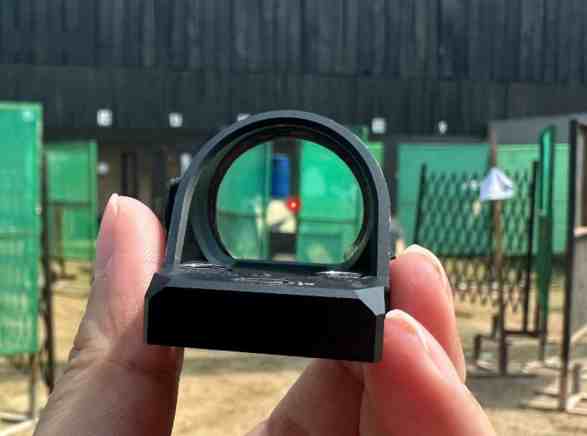
When you mount a red dot sight, the physics of aiming change. An RDS uses an LED to project a reticle onto a specially coated glass lens. This creates a single point of aim that appears to float on the same optical plane as your target.
Faster Target Acquisition
The most immediate benefit noticed at the range is speed. With a red dot, you no longer need to “line up” components. You simply look at the target with both eyes open, bring the rifle up, and place the dot where you want the bullet to go. This “threat-focused” shooting allows for near-instantaneous target acquisition.
Improved Accuracy in Dynamic Shooting
In static target practice, irons can be very precise. However, once you introduce movement—either yours or the target’s—irons become cumbersome. A red dot allows you to track moving targets across the range without losing your sight picture. Since the dot is parallax-free (or nearly so), even if your head isn’t perfectly centered behind the optic, the point of impact remains consistent with the dot’s position.
Reduced Training Curve
For new shooters at the range, learning the “sight picture” and “sight alignment” of irons can be frustrating. Red dots are intuitive. By removing the mental geometry required for iron sights, beginners can focus on core fundamentals like trigger control and breath management, often seeing tighter groups much earlier in their training.
Better Adaptation to Tactical Environments
Modern ranges often simulate low-light or “shoot-house” environments. Iron sights are notoriously difficult to see in shadows or at dusk. A red dot, with adjustable brightness settings, remains crisp and visible regardless of the ambient lighting, ensuring your training doesn’t stop just because the sun goes down.
Real-World Performance: Iron Sights vs. Red Dot
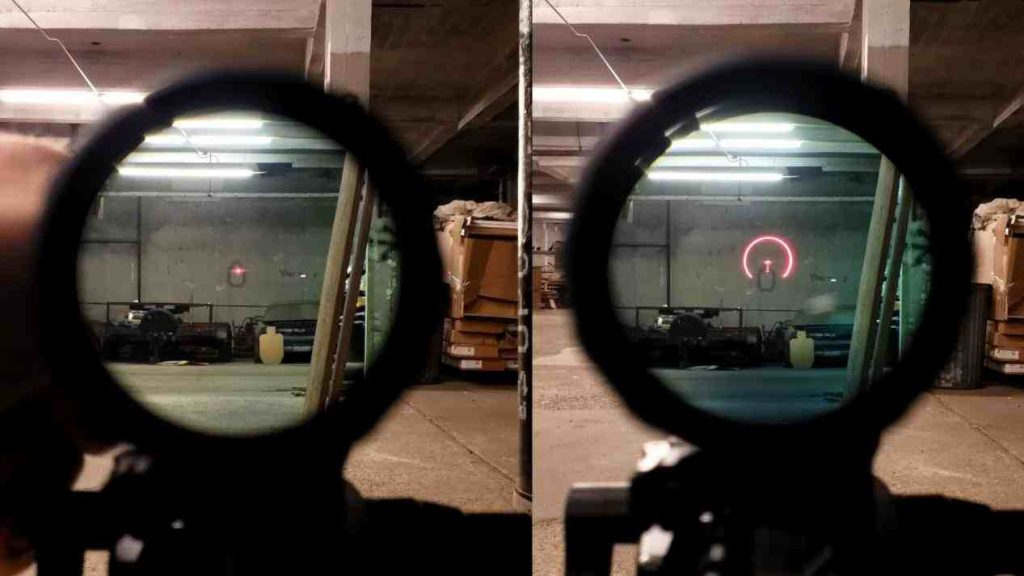
When we shift from theoretical to actual shooting timing, the “advantage of the red dot sight” becomes quantifiable. The following provides a detailed analysis of the performance of these two aiming systems in key indicators commonly encountered in shooting range training and tactical drills.
| Performance Metric | Iron Sights (Traditional) | Red Dot Sights (Modern) |
| Focal Plane | Three-plane focus: Rear sight, front sight, and target. | Single-plane focus: The dot and target appear on the same plane. |
| Target Acquisition | Slower; requires aligning two separate points of reference. | Near-instant; simply “place the dot” on the target and squeeze. |
| Eye Usage | Usually requires closing one eye for precision. | Designed for both eyes open, preserving peripheral vision. |
| Low-Light Performance | Poor; black-on-black sights are nearly invisible in shadows. | Excellent; adjustable LED brightness ensures a visible aiming point. |
| Field of View | Obstructed; the front post and housing block the lower half of the target. | Unobstructed; high-transparency glass allows you to see “through” the optic. |
| Shooting on the Move | Extremely difficult to maintain alignment while walking. | Dynamic; the dot tracks with your eye, making transitions fluid. |
| Optimal Range | High precision for static, long-range bullseye shooting. | Dominant in the 0–100 yard range common at training facilities. |
Choosing the Right Red Dot for Your Rifle
If you find that you often experience eye fatigue, or if your shooting performance with mechanical sights at the shooting range has stagnated, it’s time to upgrade your scope. If you plan to use your rifle for home defense or competitive shooting (such as USPSA or 3-Gun competitions), speed and peripheral vision are crucial, and then a red dot sight (RDS) is also indispensable.
Matching Optics to Shooting Applications
For general range use, a 2 MOA (Minute of Angle) dot is the industry standard. It is small enough for precision at 100 yards but large enough to find quickly. If you are focused primarily on close-quarters speed, a larger 6 MOA dot might be preferable.
Durability and Stability for Frequent Use
A range rifle sees a high volume of fire. This creates constant vibration and “recoil impulse” that can shift the zero of low-quality optics. FORESEEN OPTICS prioritizes “Zero-Retention,” ensuring that once you sight in your rifle, the internal components remain locked in place despite thousands of rounds of use. Look for housings made of aircraft-grade aluminum (like 6061-T6) and nitrogen-purged lenses to prevent fogging.
Mounting Systems and Compatibility
The height of your red dot matters. For AR-platform rifles, you typically want a “Lower 1/3 Cowitness” or “Absolute Cowitness” mount. This determines where your iron sights sit in relation to the glass. A quality mounting system ensures that the optic sits at a natural eye level, allowing for a consistent “cheek weld” every time you shoulder the rifle.
Explore FORESEEN OPTICS’ Full Range of Rifle Red Dot Sights
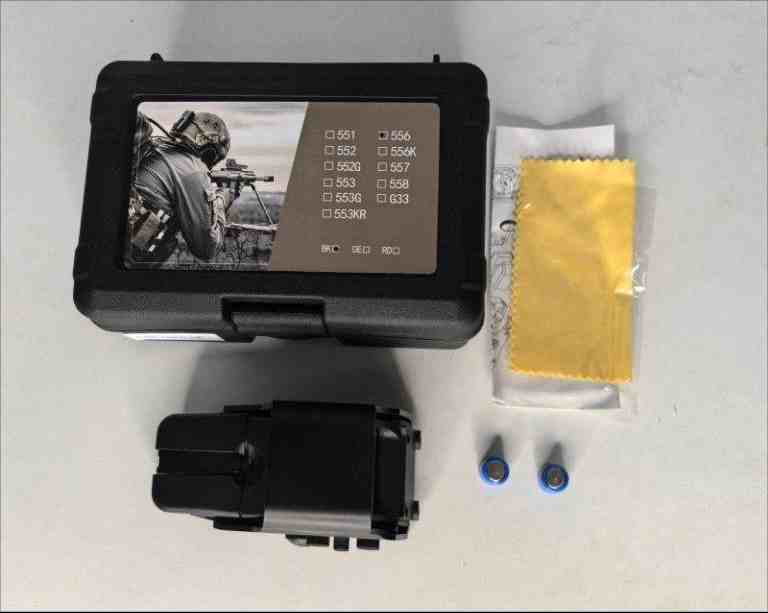
Upgrading your rifle is an investment in your skill level. At FORESEEN OPTICS, we connect the high-quality standards of a professional-grade rifle with the requirements of the serious range enthusiast. Our sights boast crystal clear multi-coated lenses, long battery life, and user-friendly controls designed for high-stress situations.
Whether you are a competitive shooter aiming to shorten the competition time, or an amateur aiming to improve the hit rate, switching to a red dot sight is the most effective way to modernize your rifle.
Ready to see the difference for yourself? Visit our catalog to find the perfect optic for your next range session.