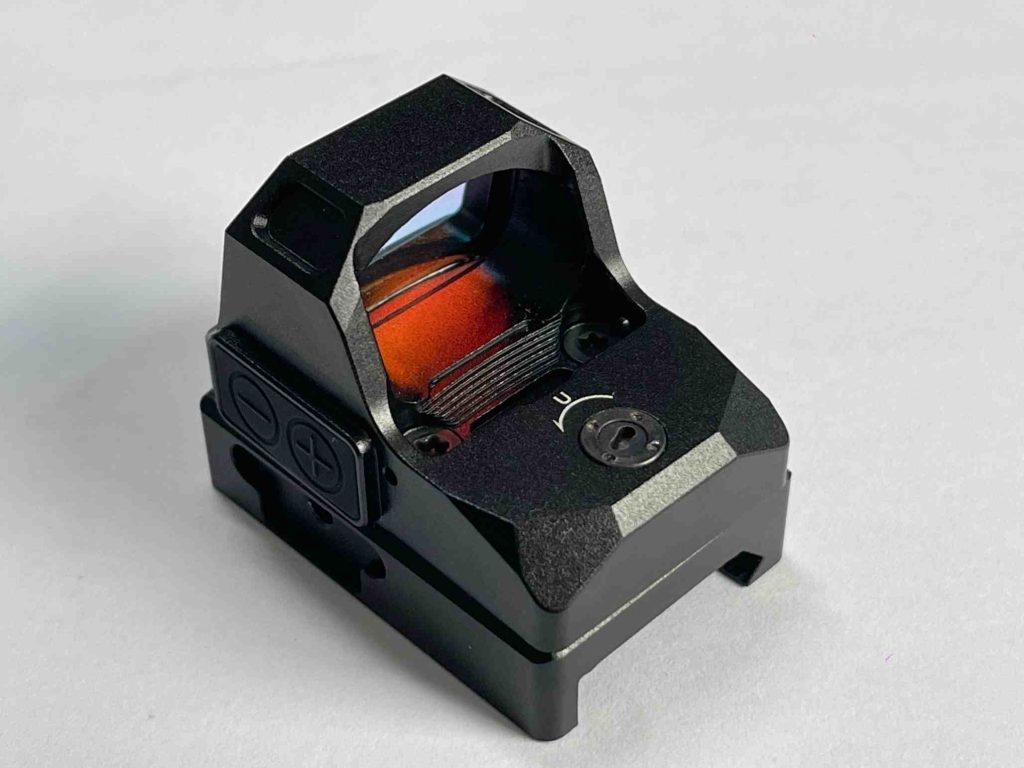
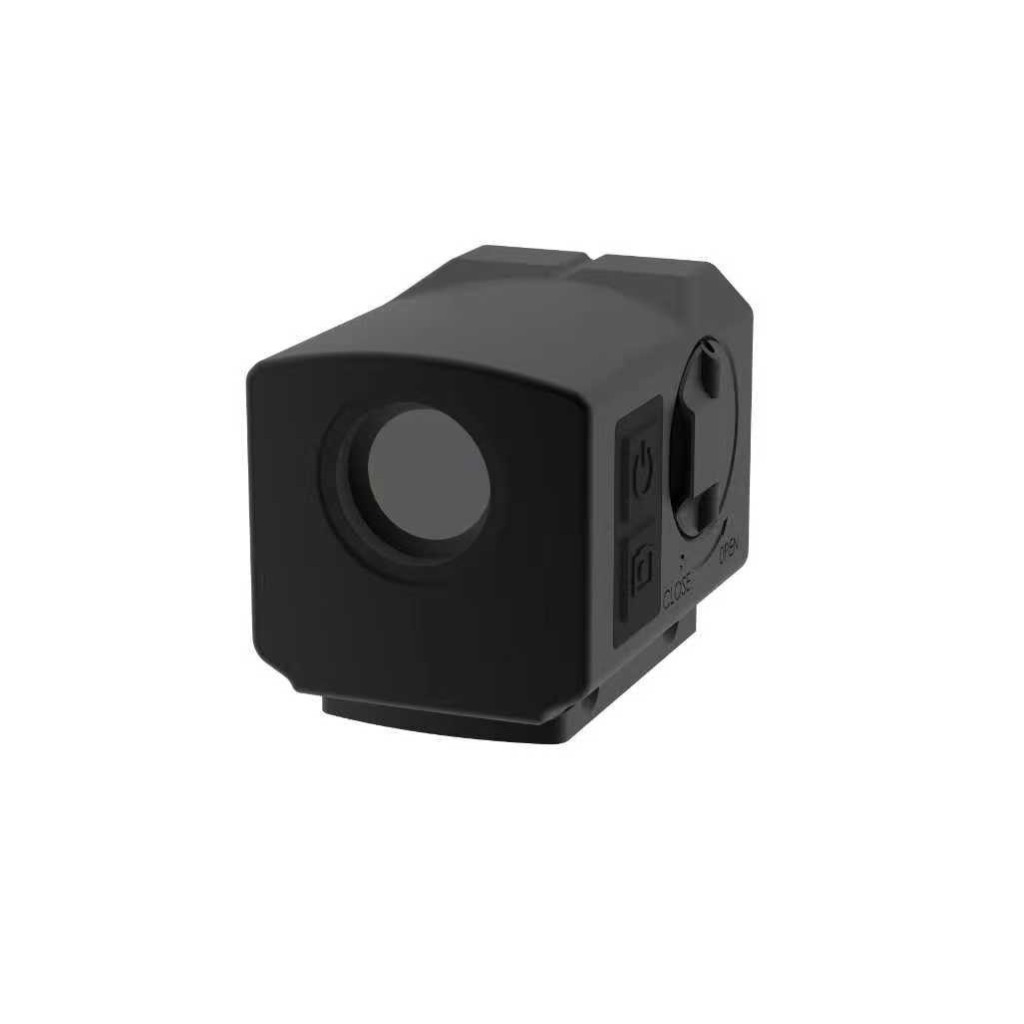
Selecting the right optic isn’t just about magnification or reticle style. For distributors, brand owners, and procurement managers, the real question is this: how does the firearm platform shape optic design, durability requirements, and market positioning?
Pistol, rifle, and shotgun platforms operate differently in terms of recoil impulse, engagement distance, mounting structure, and user expectations. That’s why experienced buyers rarely treat them as interchangeable categories. Instead, successful product lines are built around platform-specific optimization.
As a professional firearm optics supplier, Foreseen Optics works with distributors and private-label partners who need clarity when choosing between different types of firearm optics. Below is a practical, supplier-side guide to help you align platform requirements with the right product strategy.
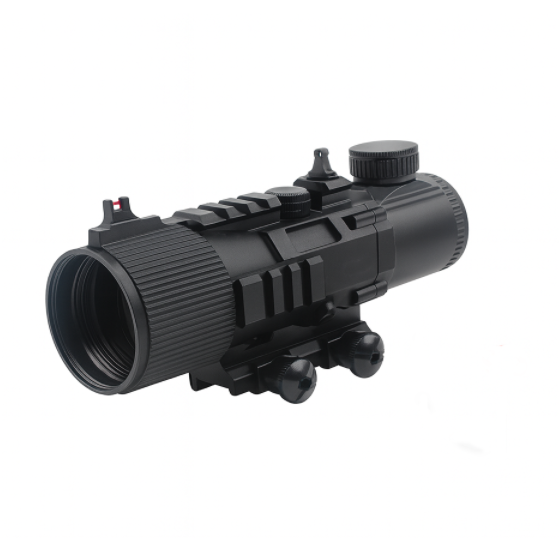

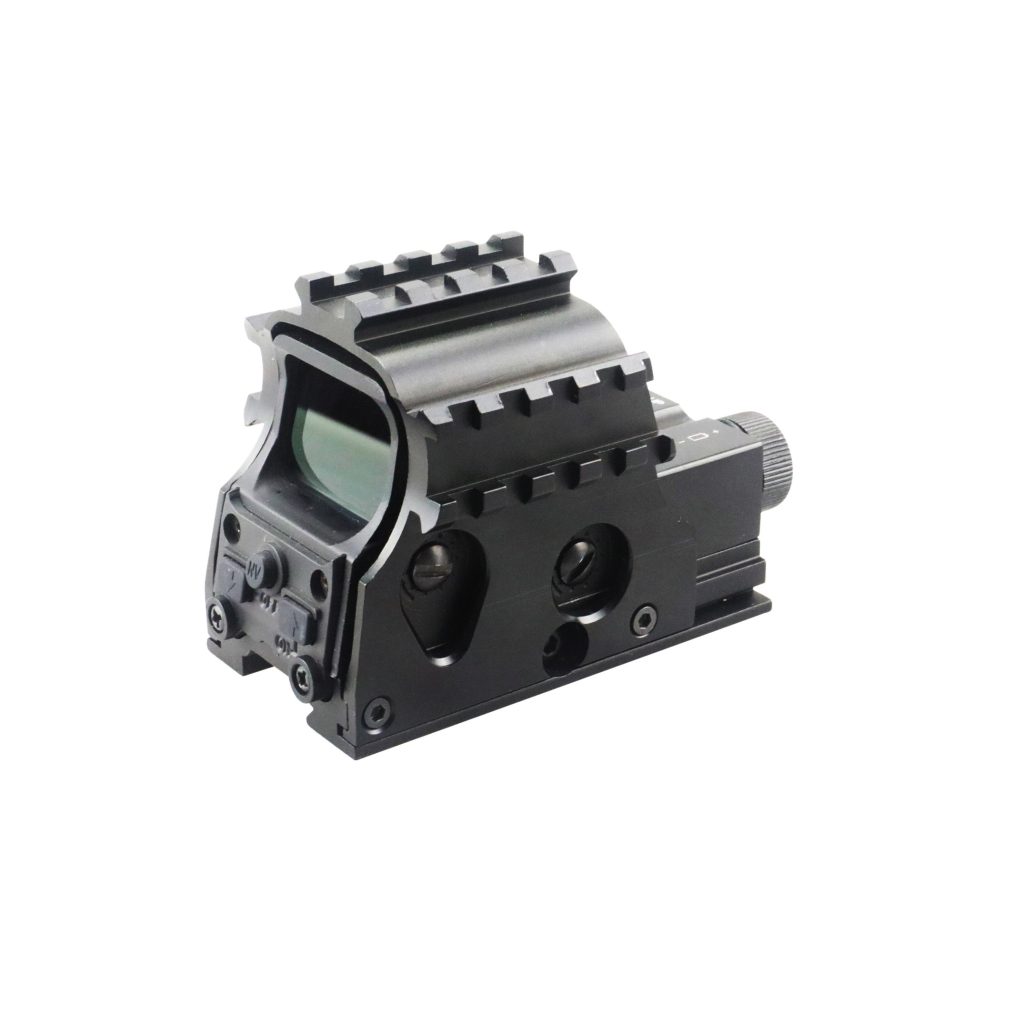
Pistol Optics: Compact, Shock-Resistant, Low Profile
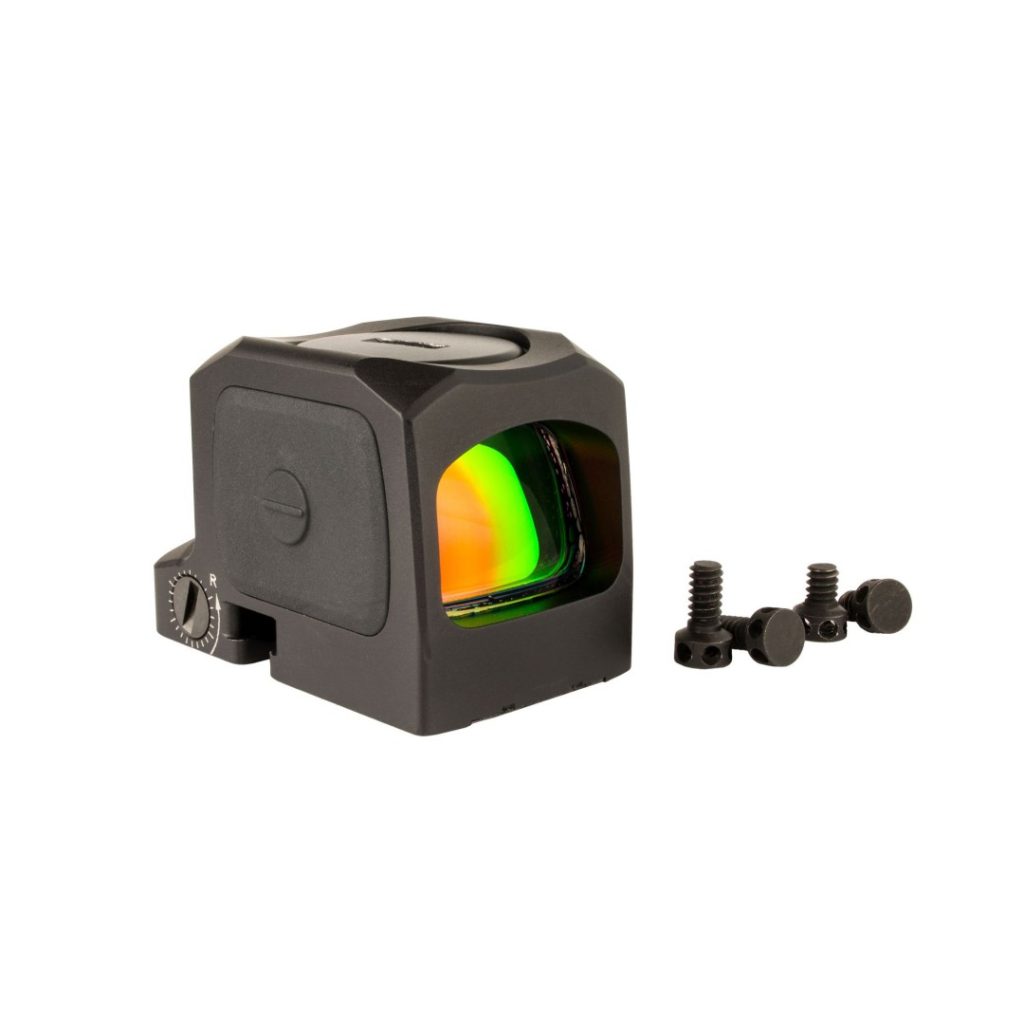
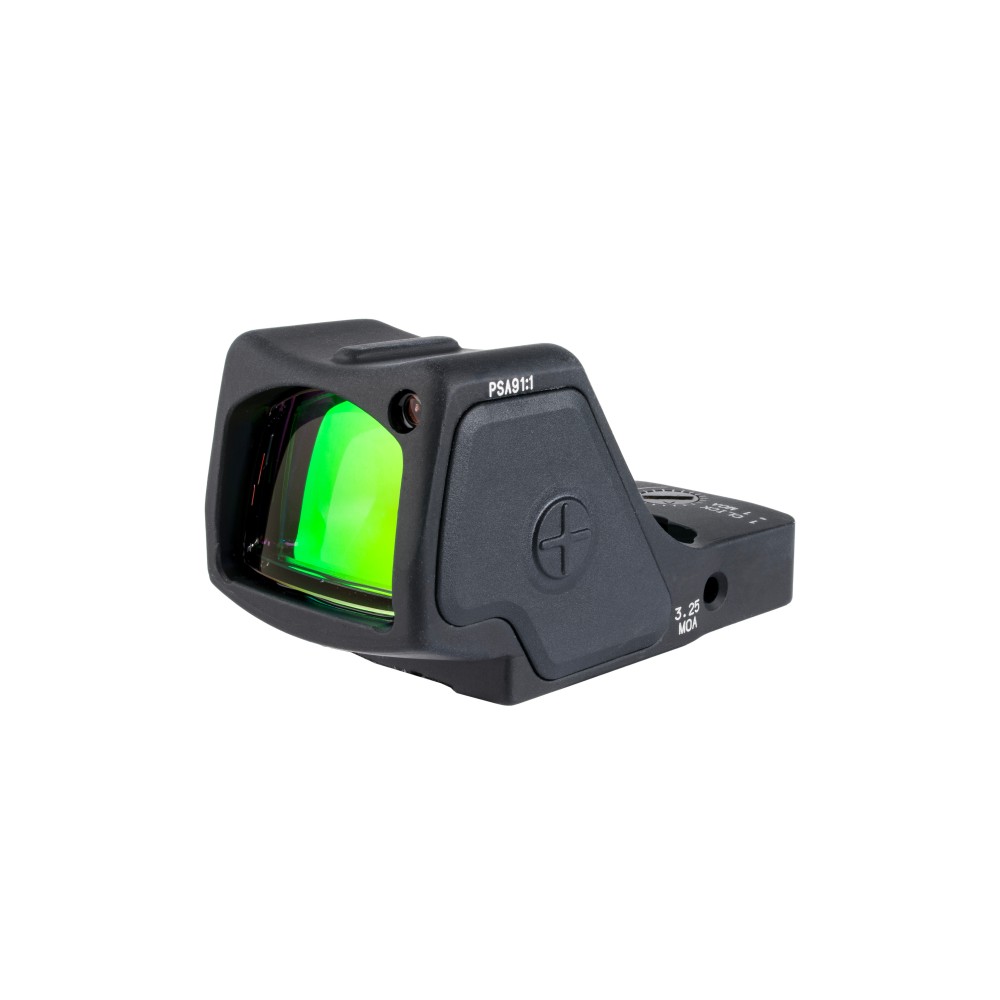
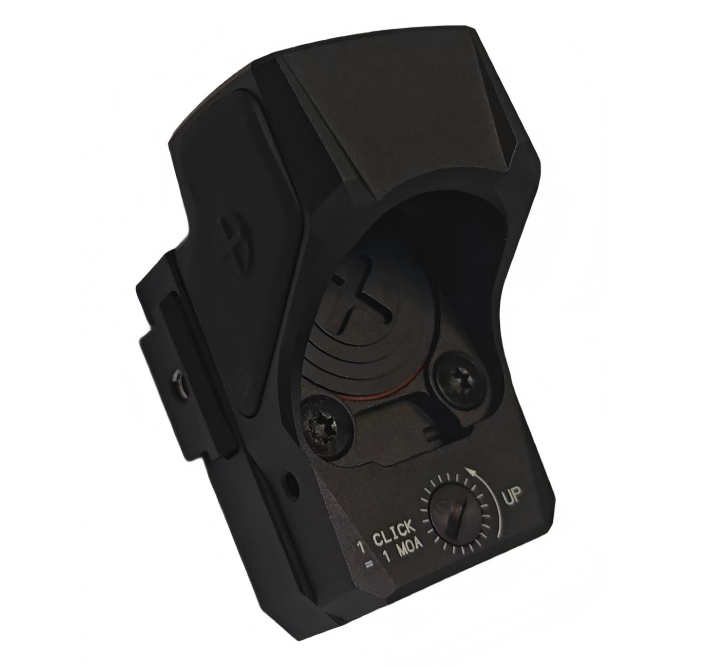
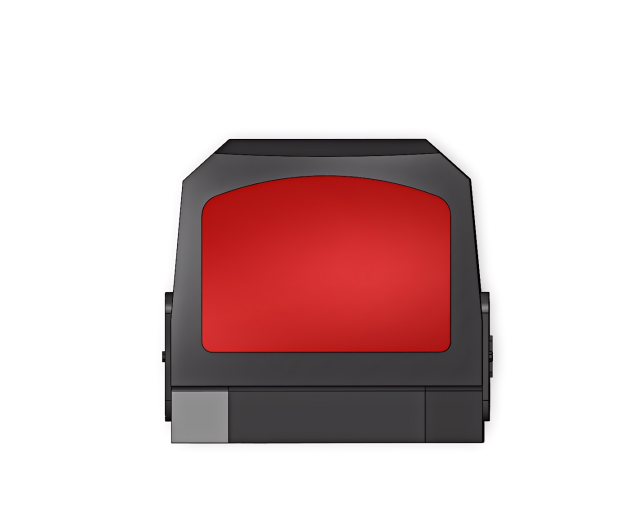
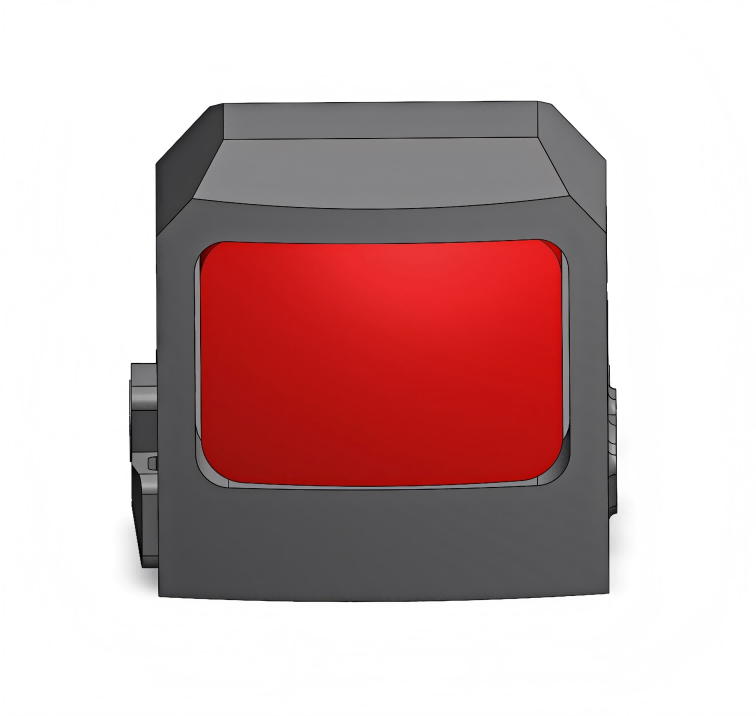
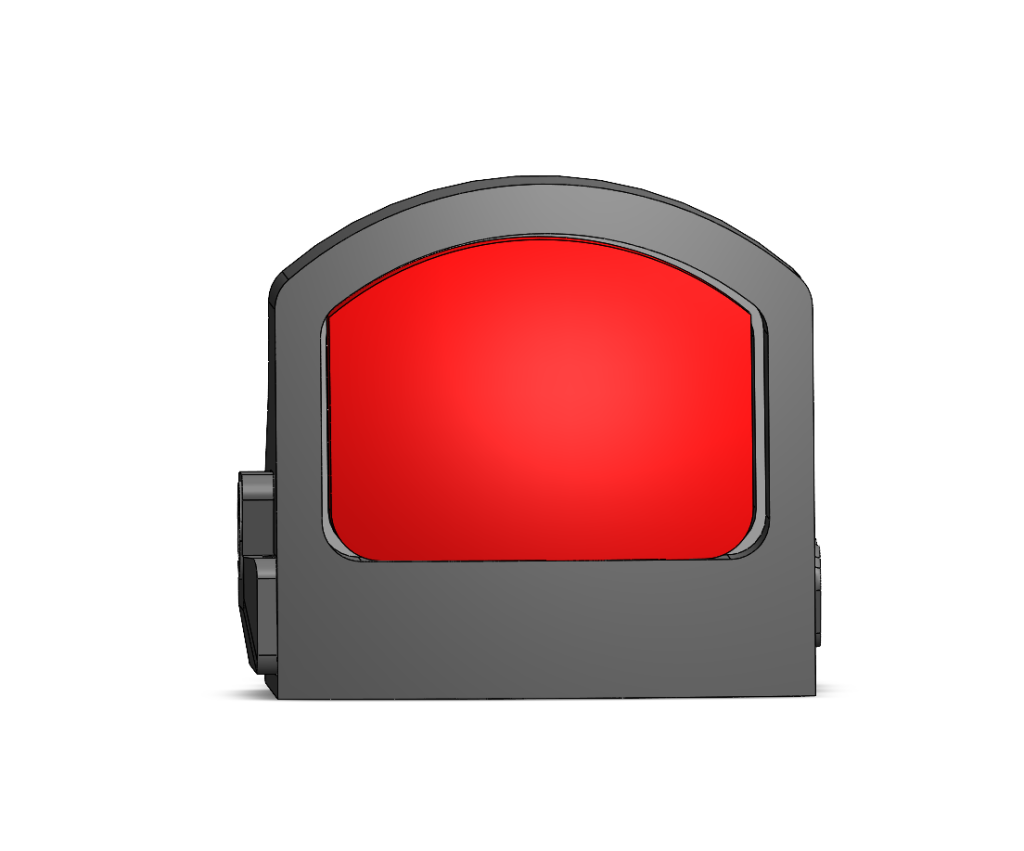
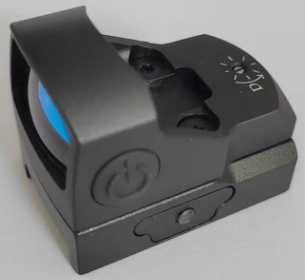
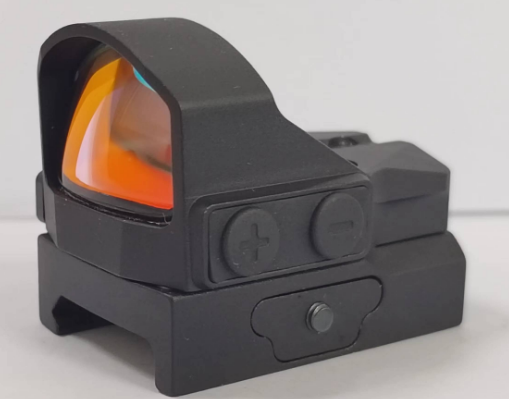
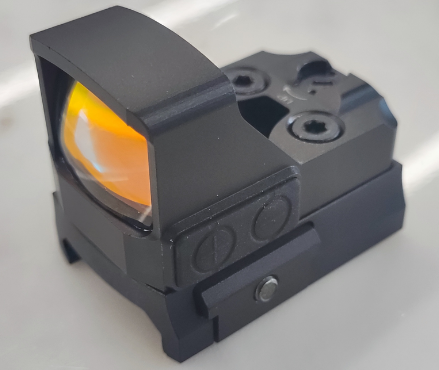
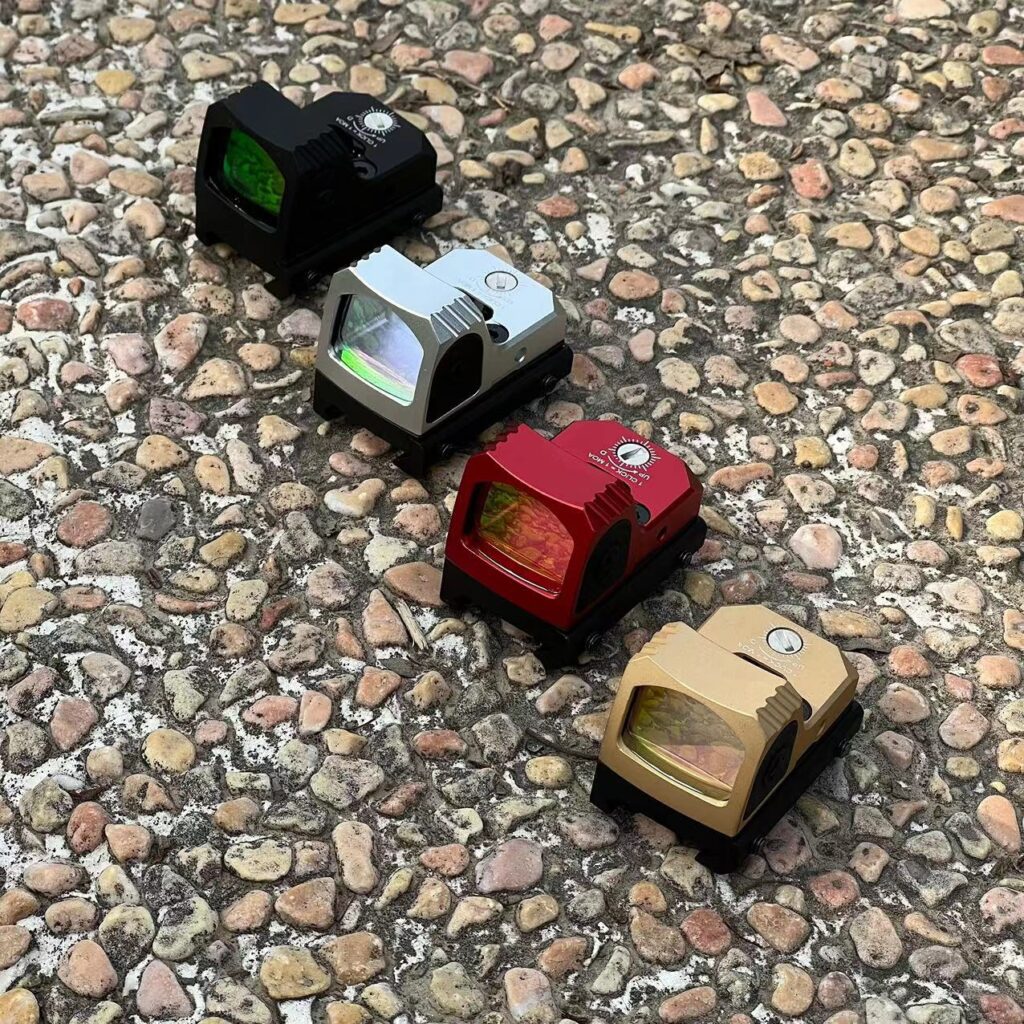
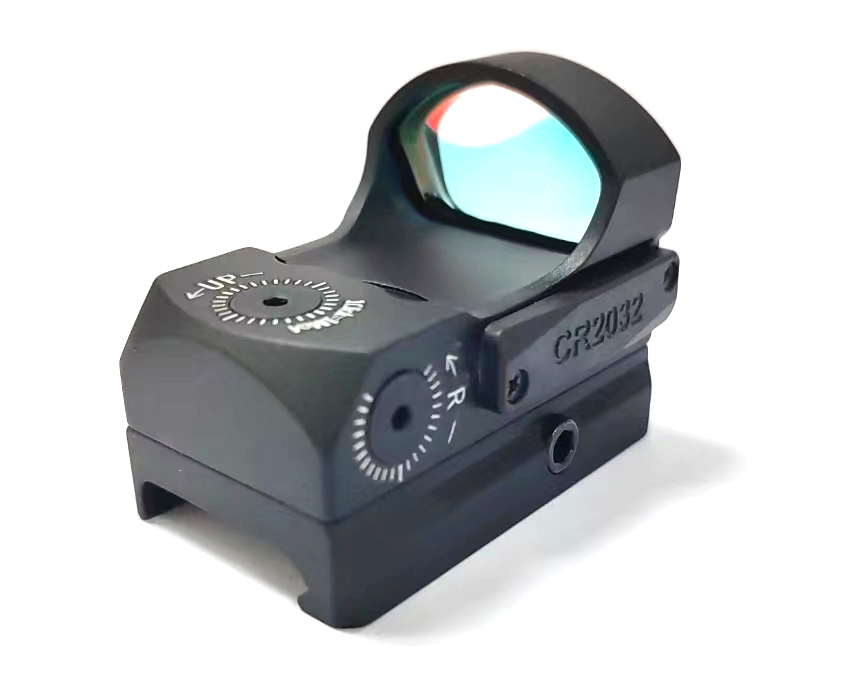
Pistol optics have seen the fastest growth in recent years, especially in North America. The rise of slide-mounted micro red dots has reshaped the handgun market, and more retailers now consider pistol optics a core category rather than an accessory.
Core Performance Requirements
Unlike rifle optics, a red dot for pistol mounted directly on the slide experiences violent forward and backward acceleration with every shot. The recoil impulse is short but extremely sharp. This places strict demands on:
- Shock resistance and internal solder stability
- Battery compartment structure
- Lens retention design
- Electronic durability
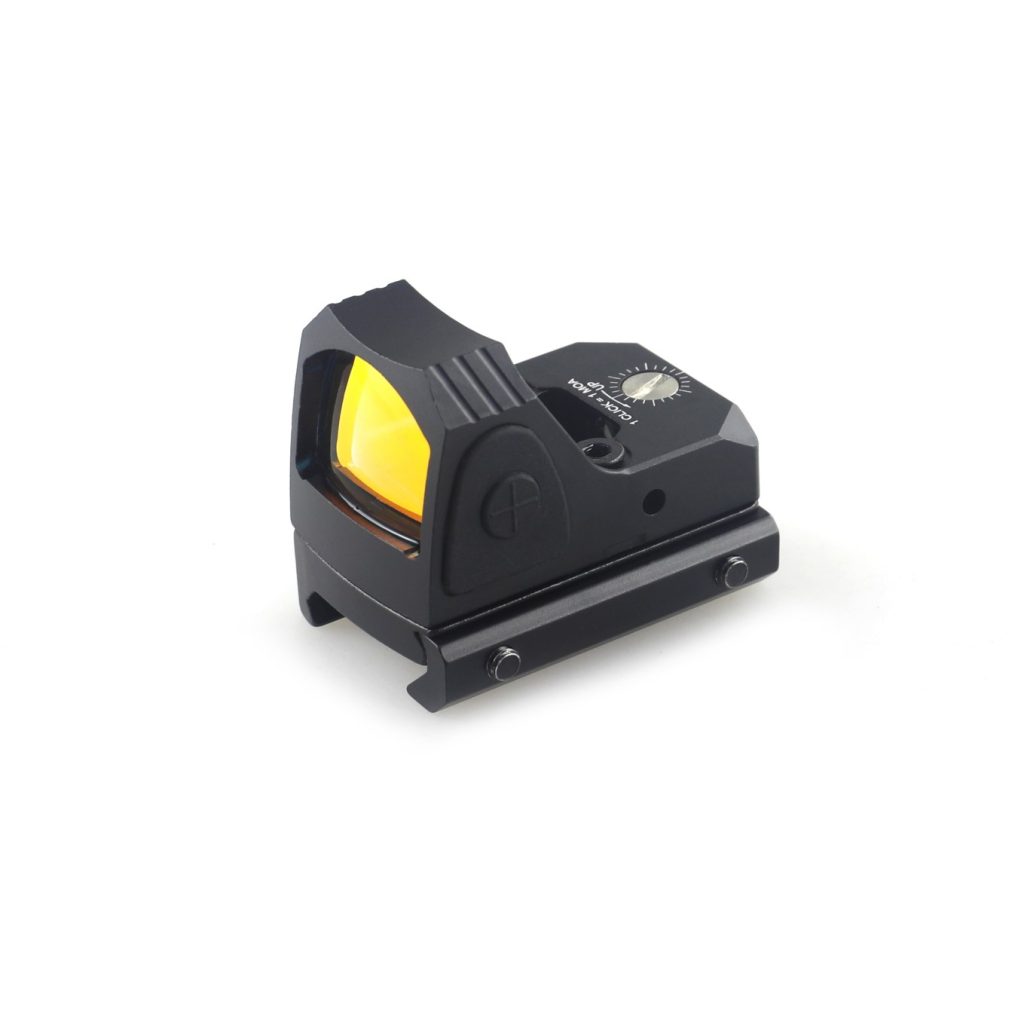
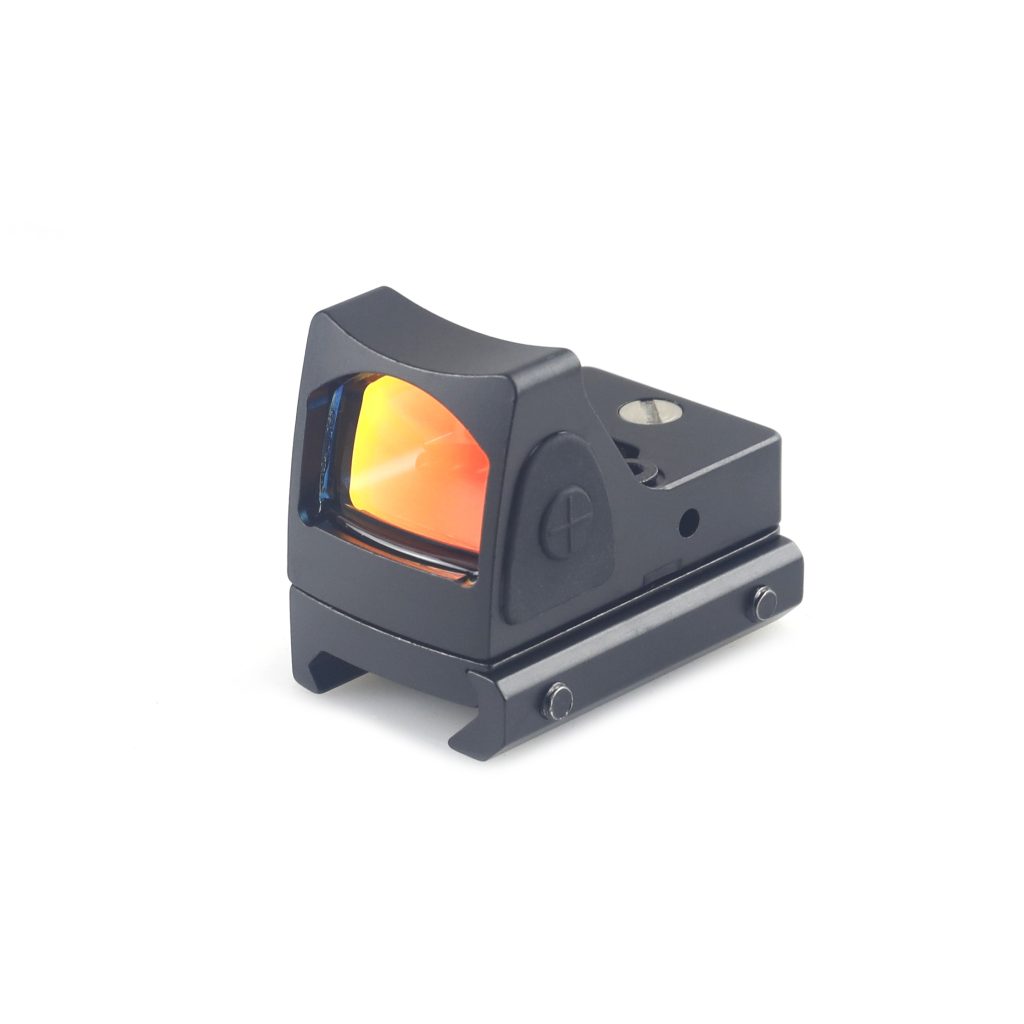
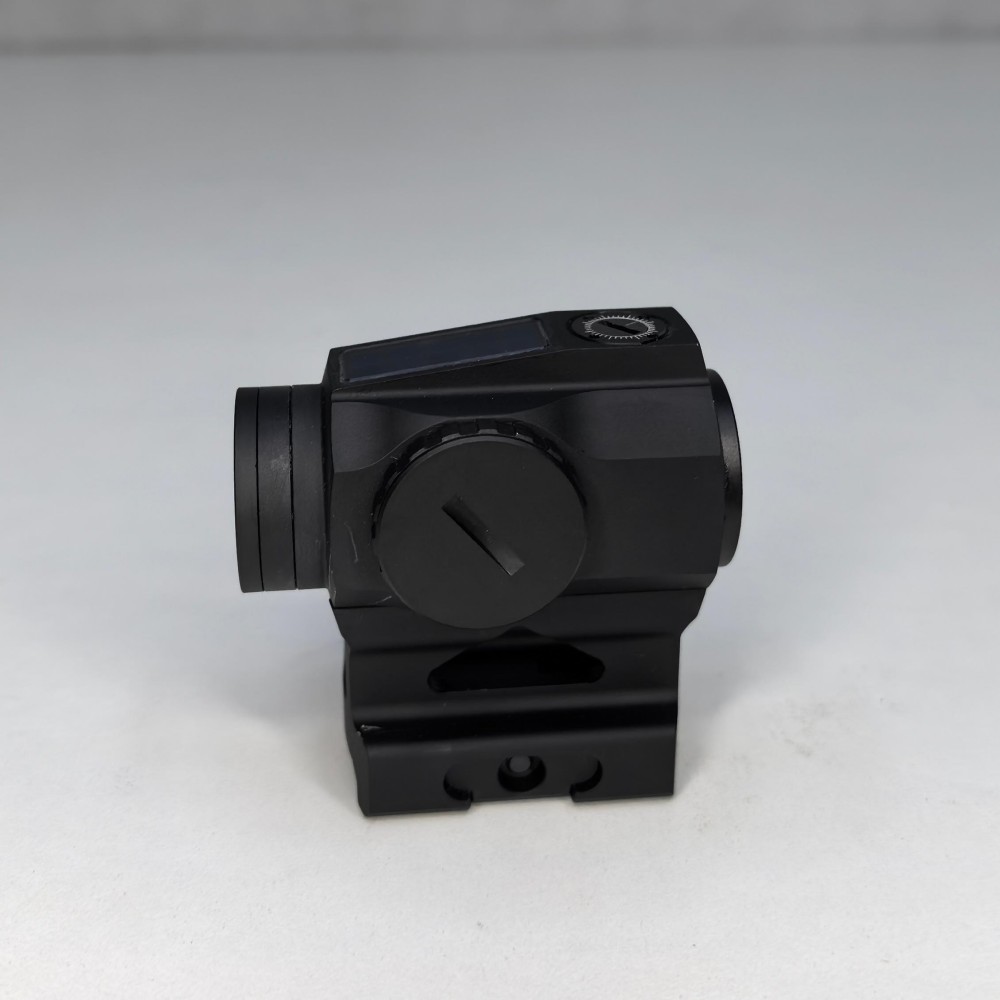
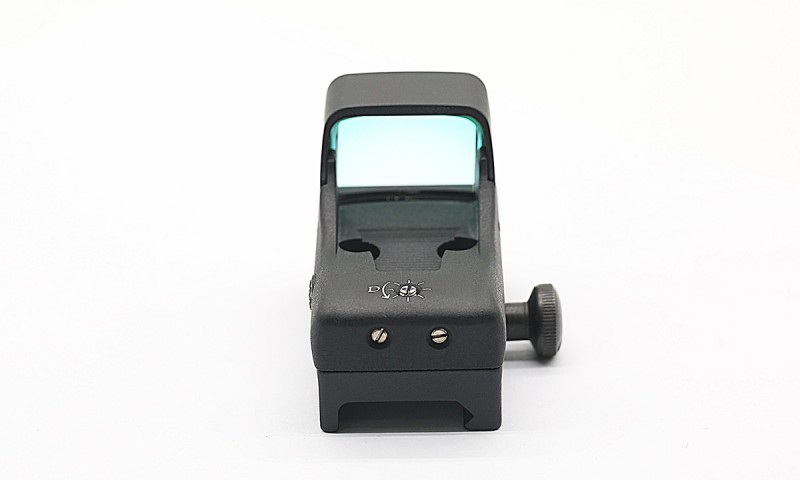
Because pistols are often carried or used in dynamic scenarios, low profile and lightweight construction are equally important. Buyers typically prioritize compact footprint compatibility (such as RMR-style cuts), long battery life, and simple brightness controls.
Common Types
The market is currently dominated by:
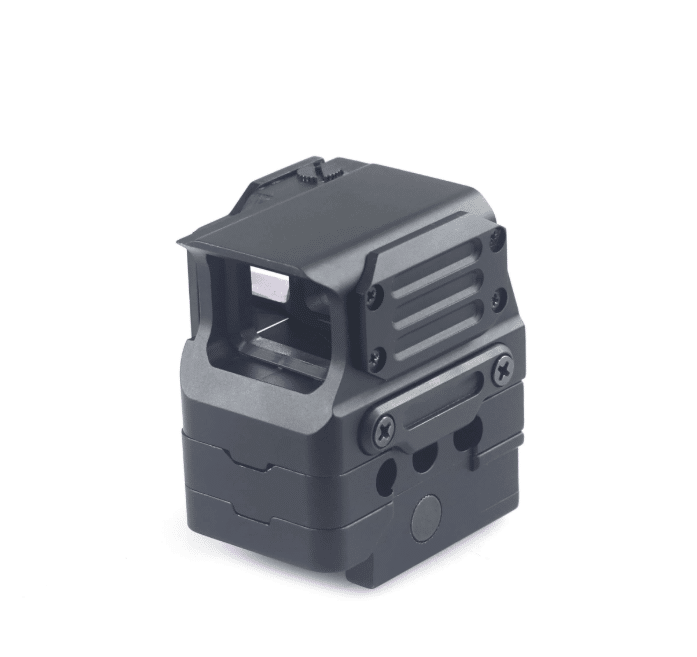
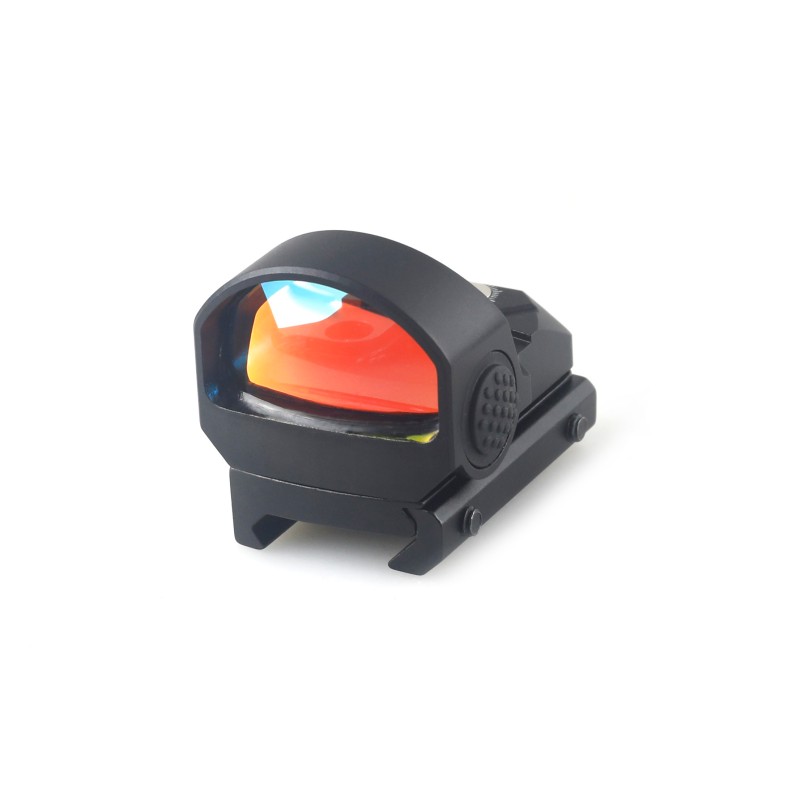
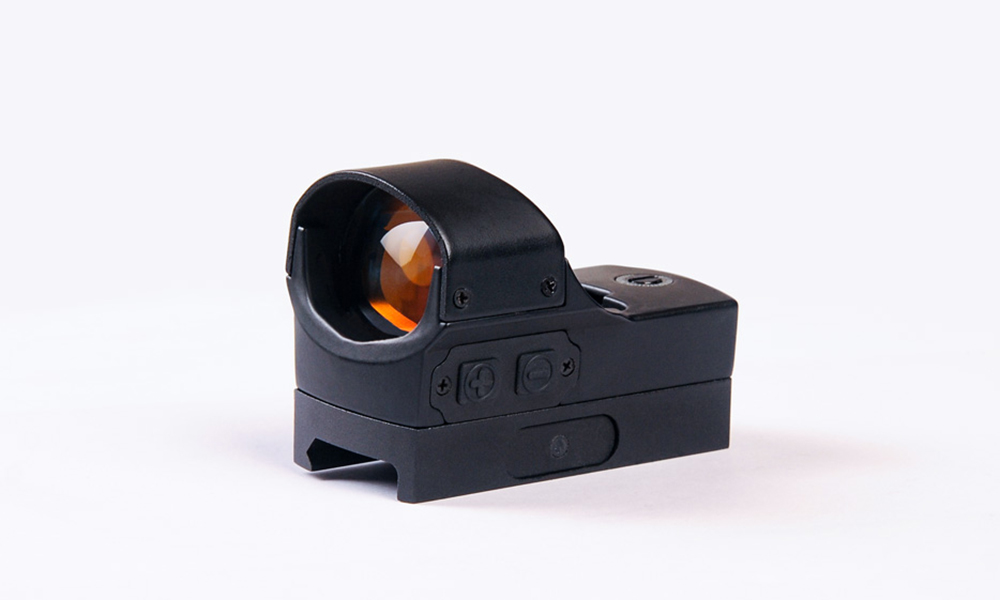
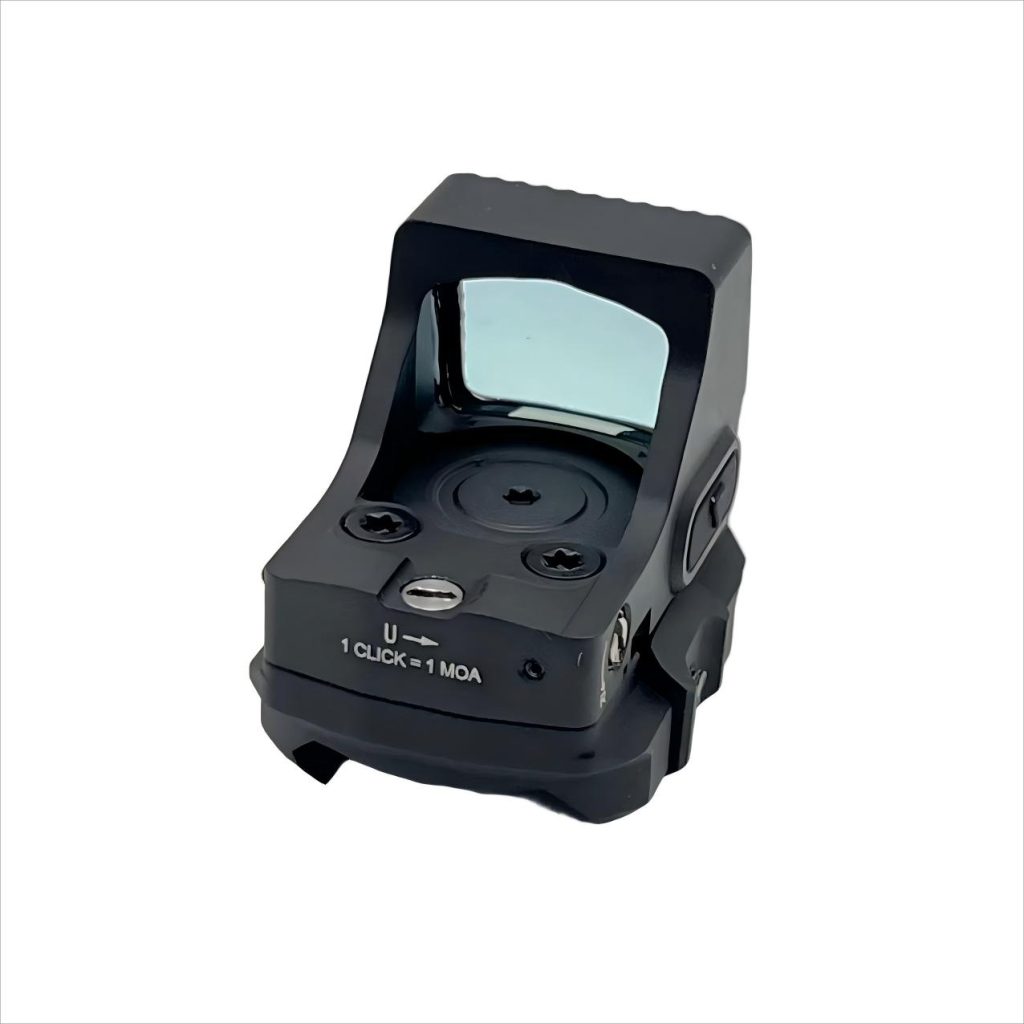
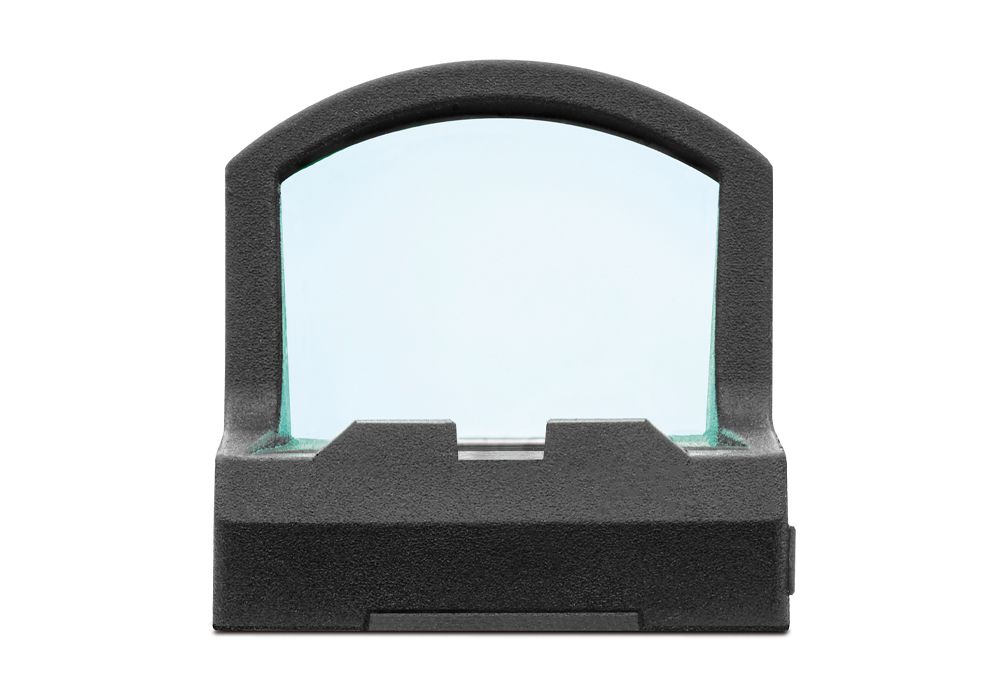
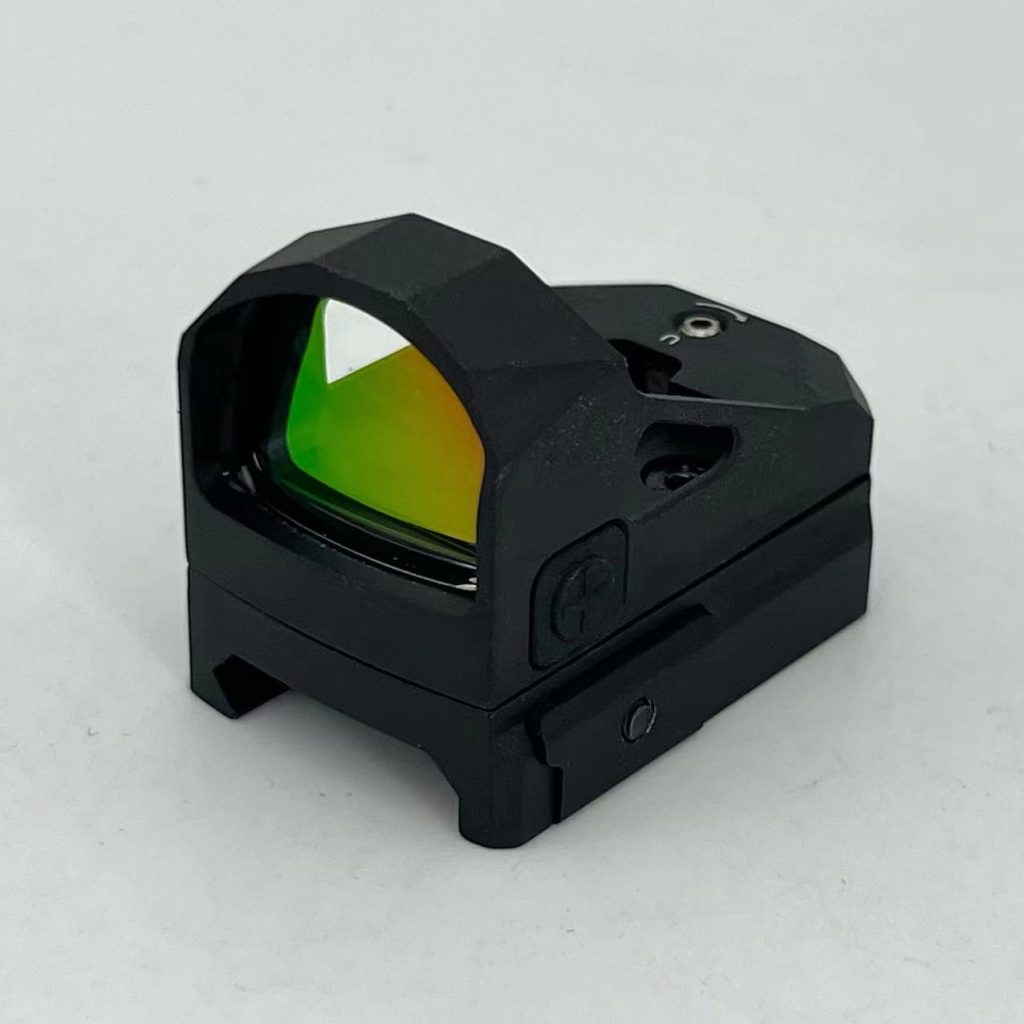
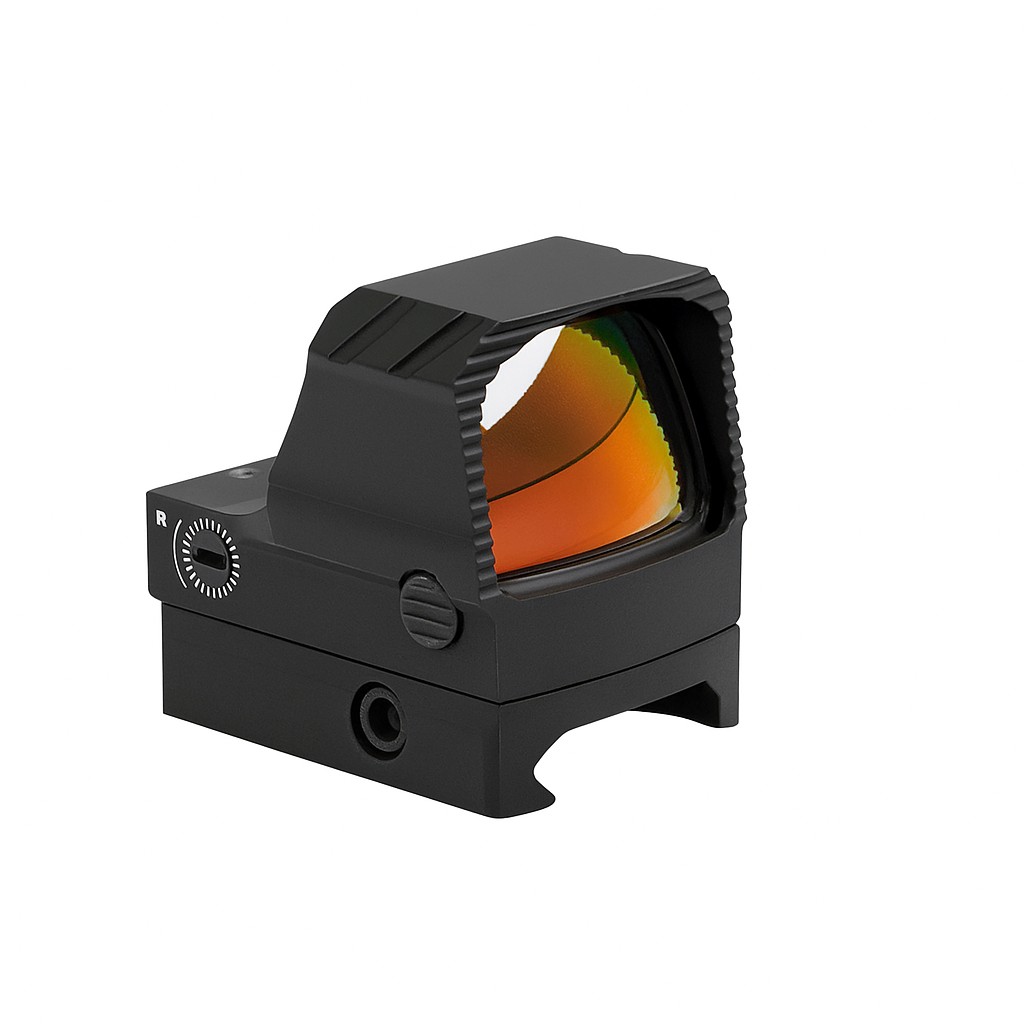
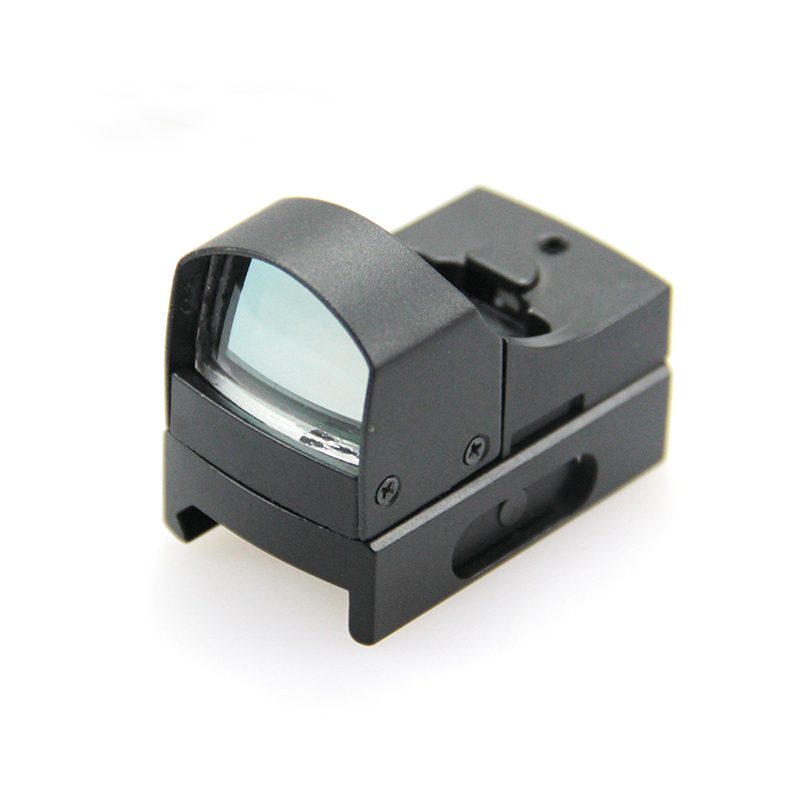
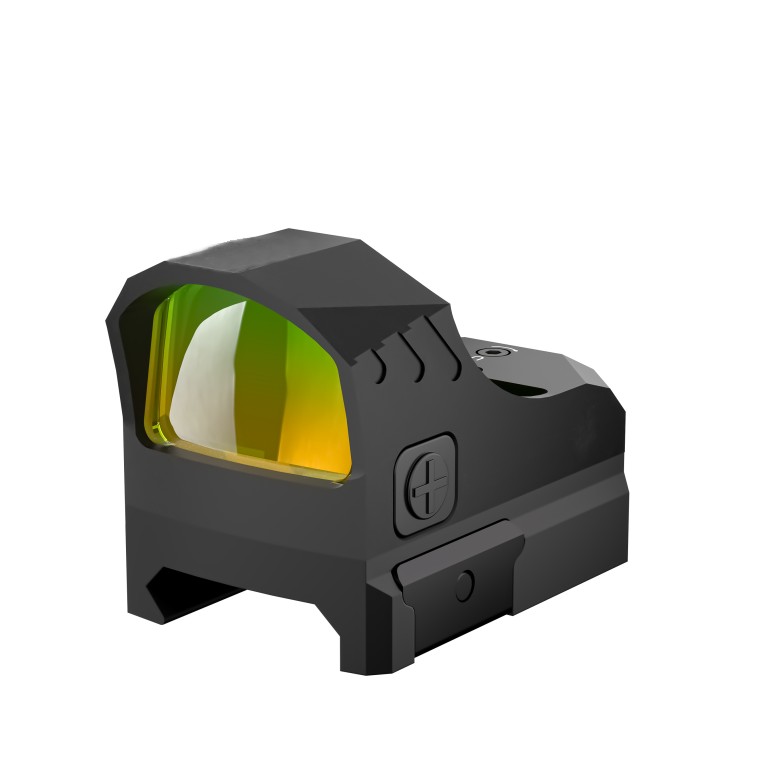
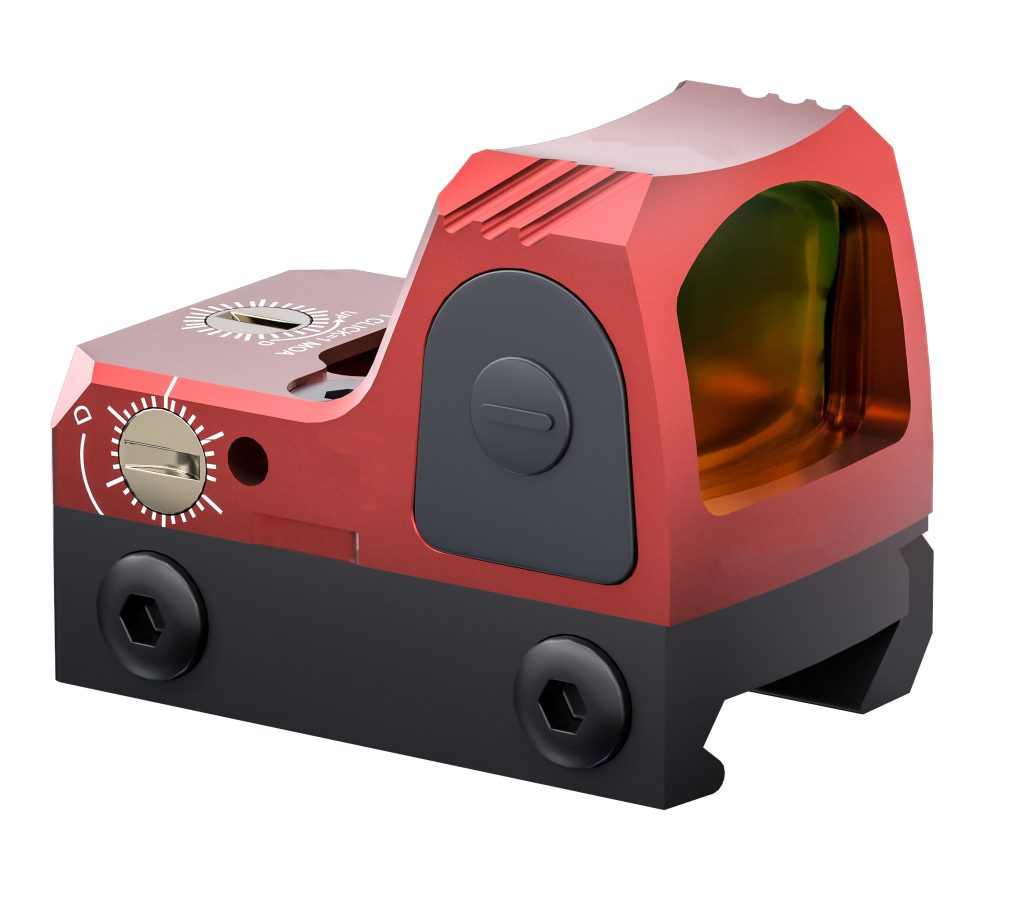
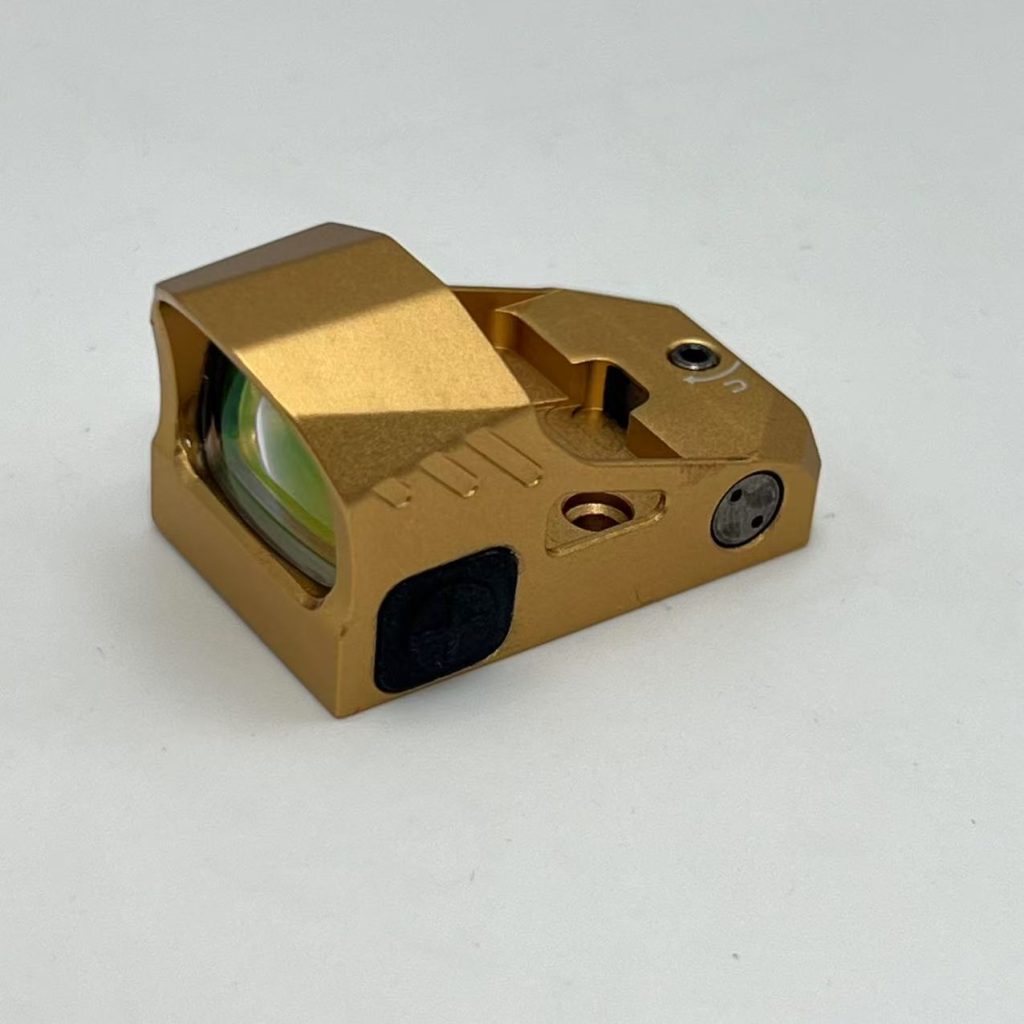
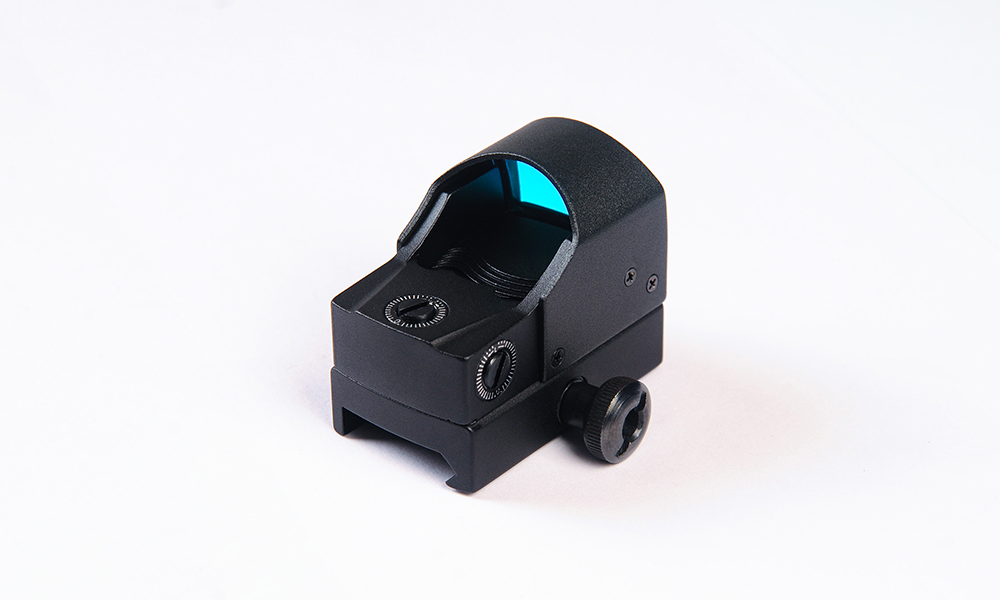
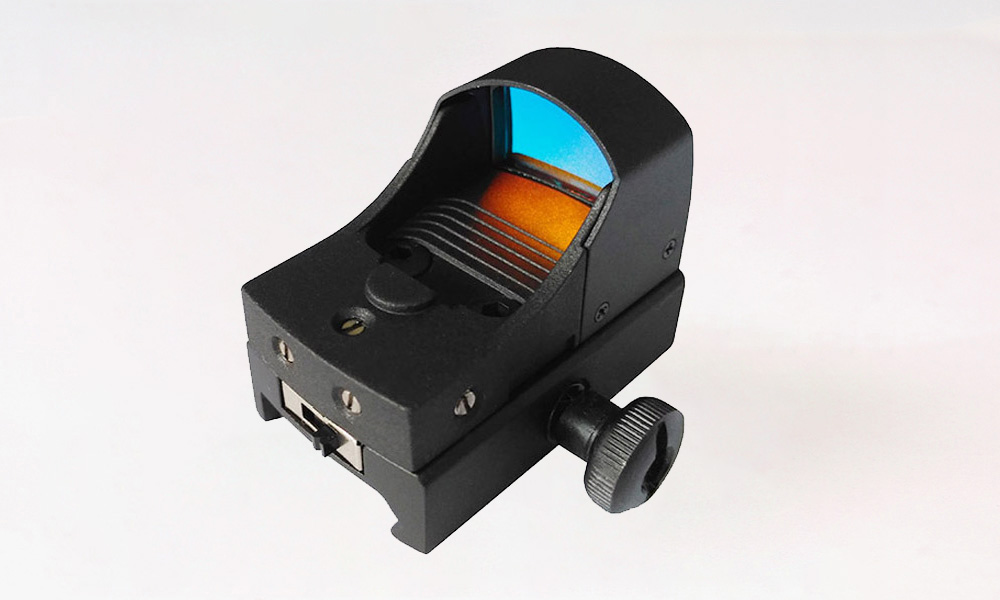
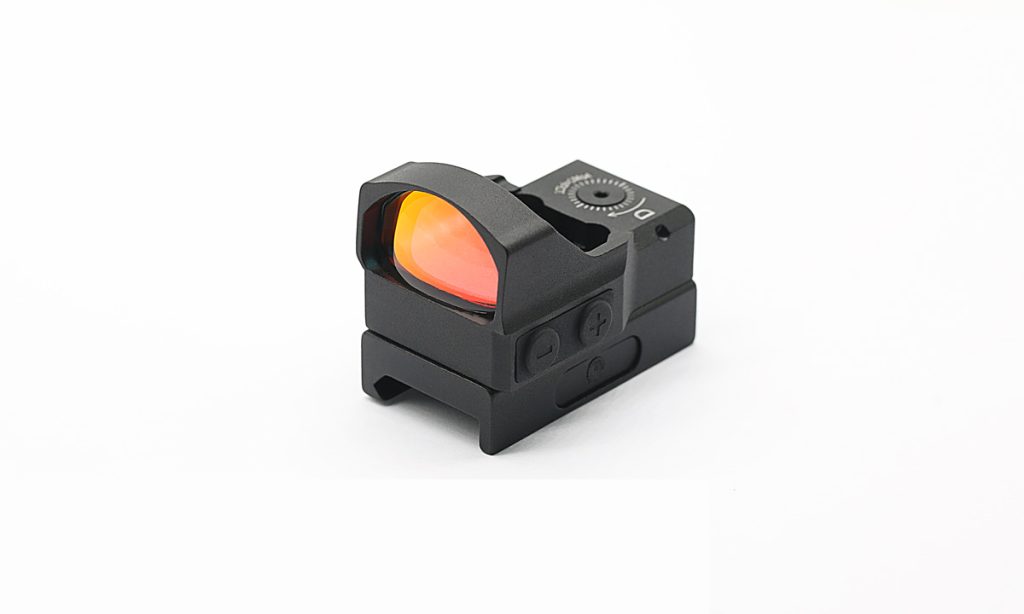
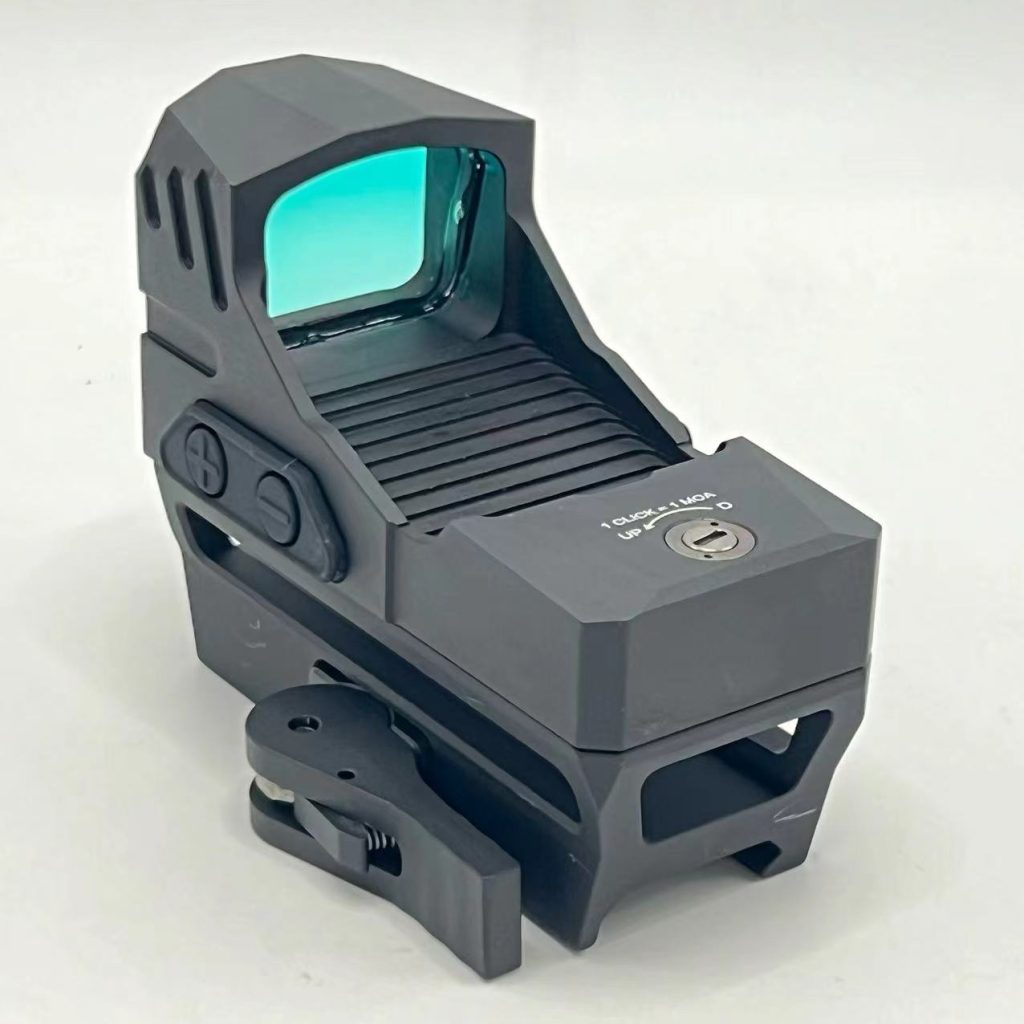
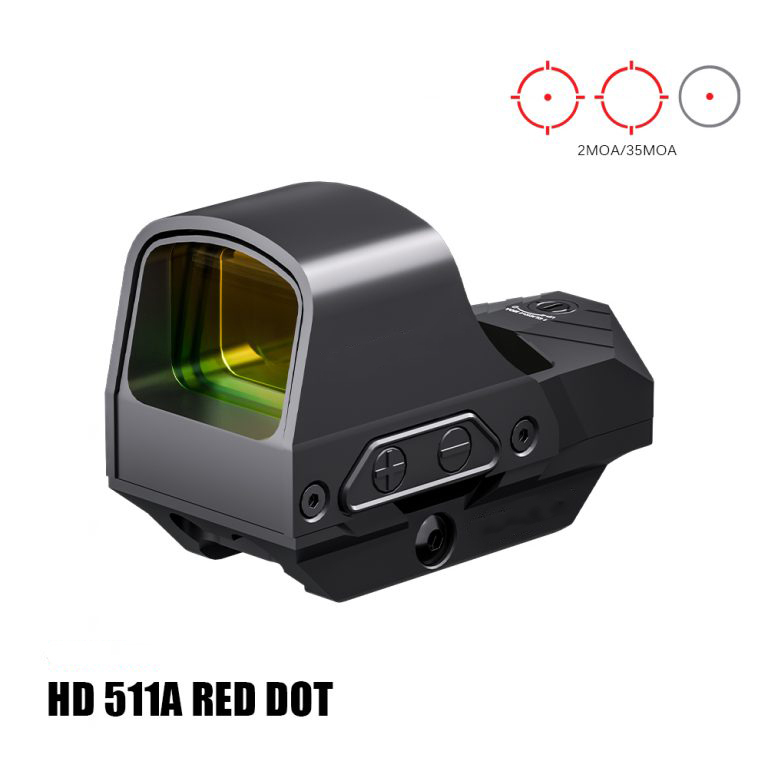
- Micro open-emitter reflex sights
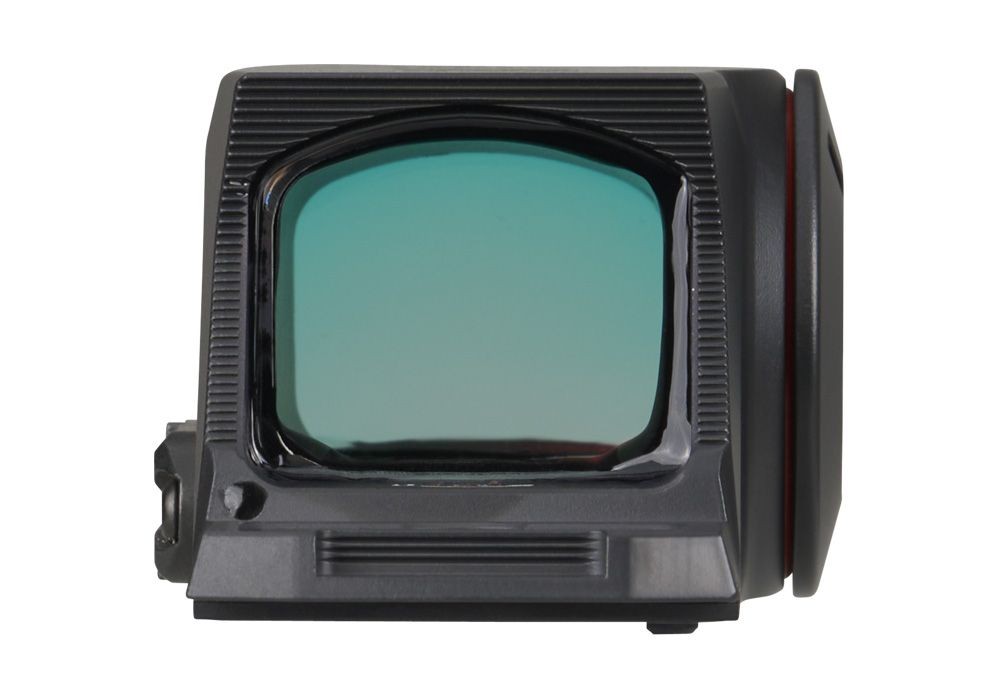
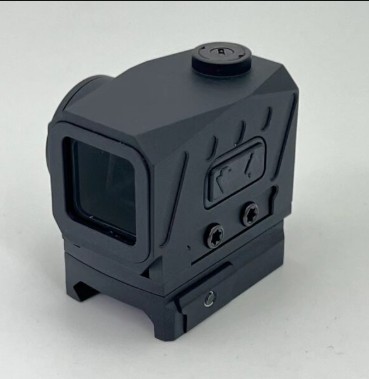
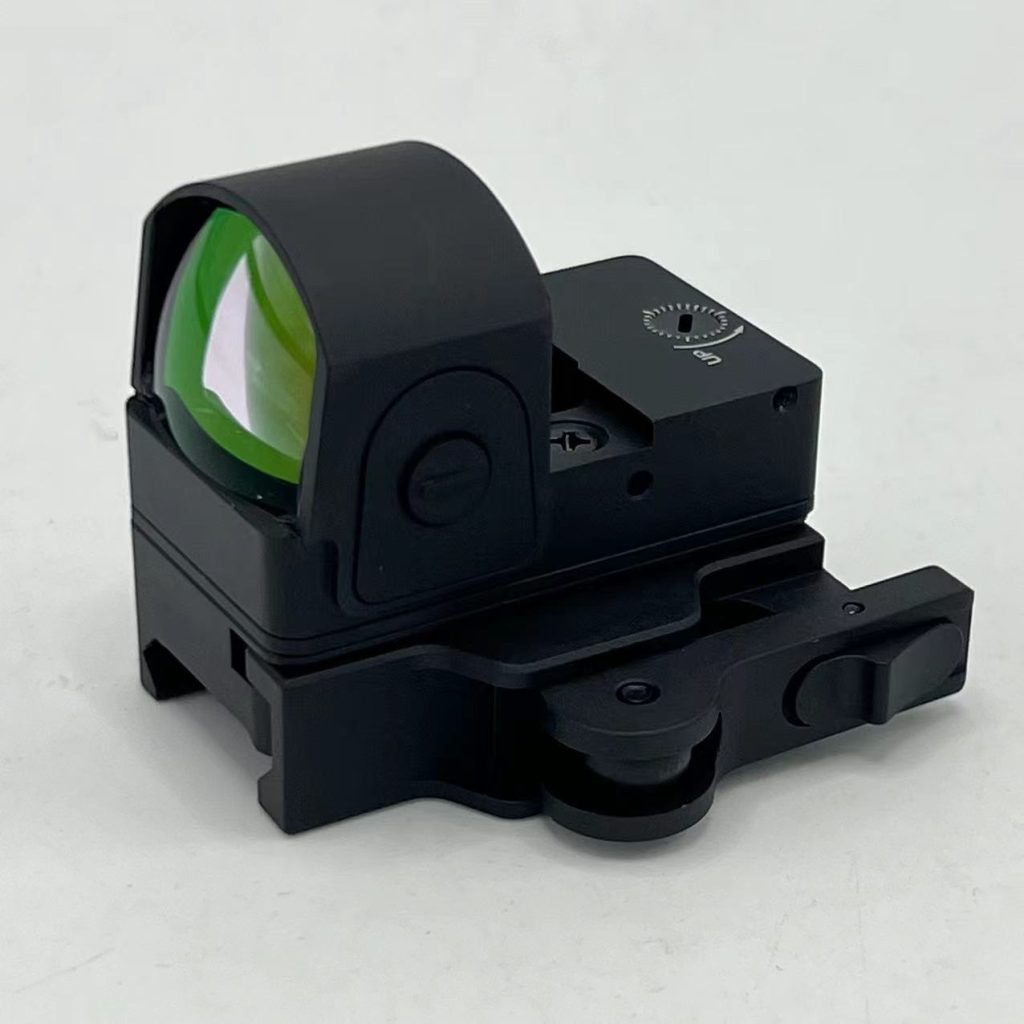
- Enclosed-emitter compact red dots
- Auto-brightness and shake-awake models
Open emitter designs are more affordable and common in entry to mid-level price ranges. Enclosed emitter models are gaining traction due to improved protection from debris and moisture.
Product Selection Strategy
For distributors, a balanced pistol optics lineup often includes:
- One entry-level open emitter model
- One enclosed emitter mid-tier option
- One premium model with extended durability testing
It’s important not to over-expand SKUs. The pistol market favors compact specialization rather than excessive variation. Reliability and footprint compatibility matter more than excessive features.



Rifle Optics: Versatility and Precision
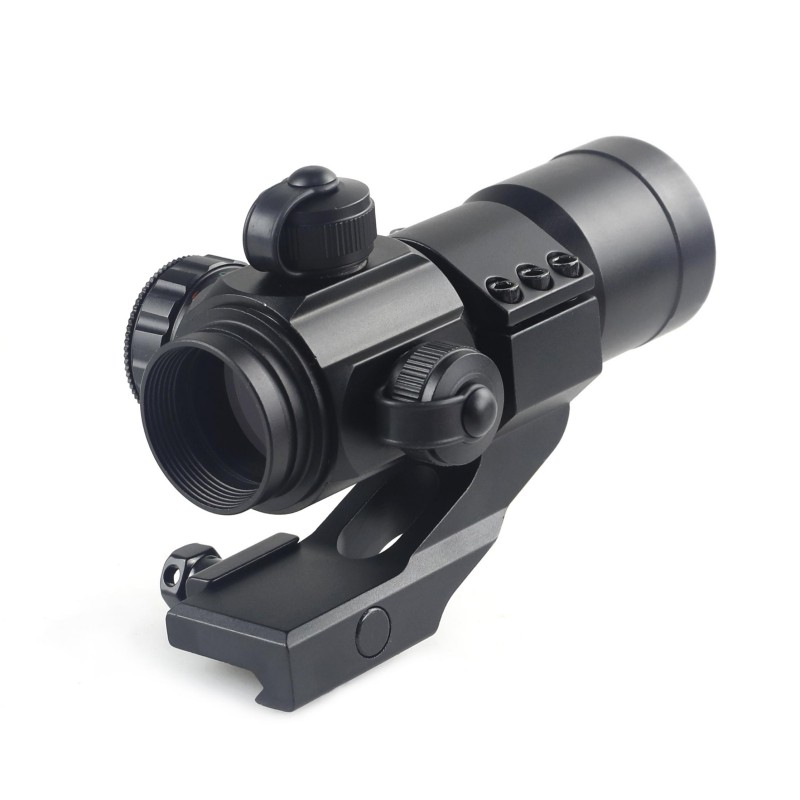
When discussing rifle optics, we’re dealing with the broadest and most segmented category within firearm scopes and sights. From close-quarters carbines to long-range precision rifles, optic configurations vary dramatically.
Core Performance Requirements
Rifles typically generate longer recoil cycles than pistols, but the force is distributed differently. Optics must maintain zero retention under sustained firing. Buyers often evaluate:
- Tube diameter (30mm vs 34mm)
- Turret tracking consistency
- Parallax adjustment capability
- Light transmission quality
- Reticle illumination systems
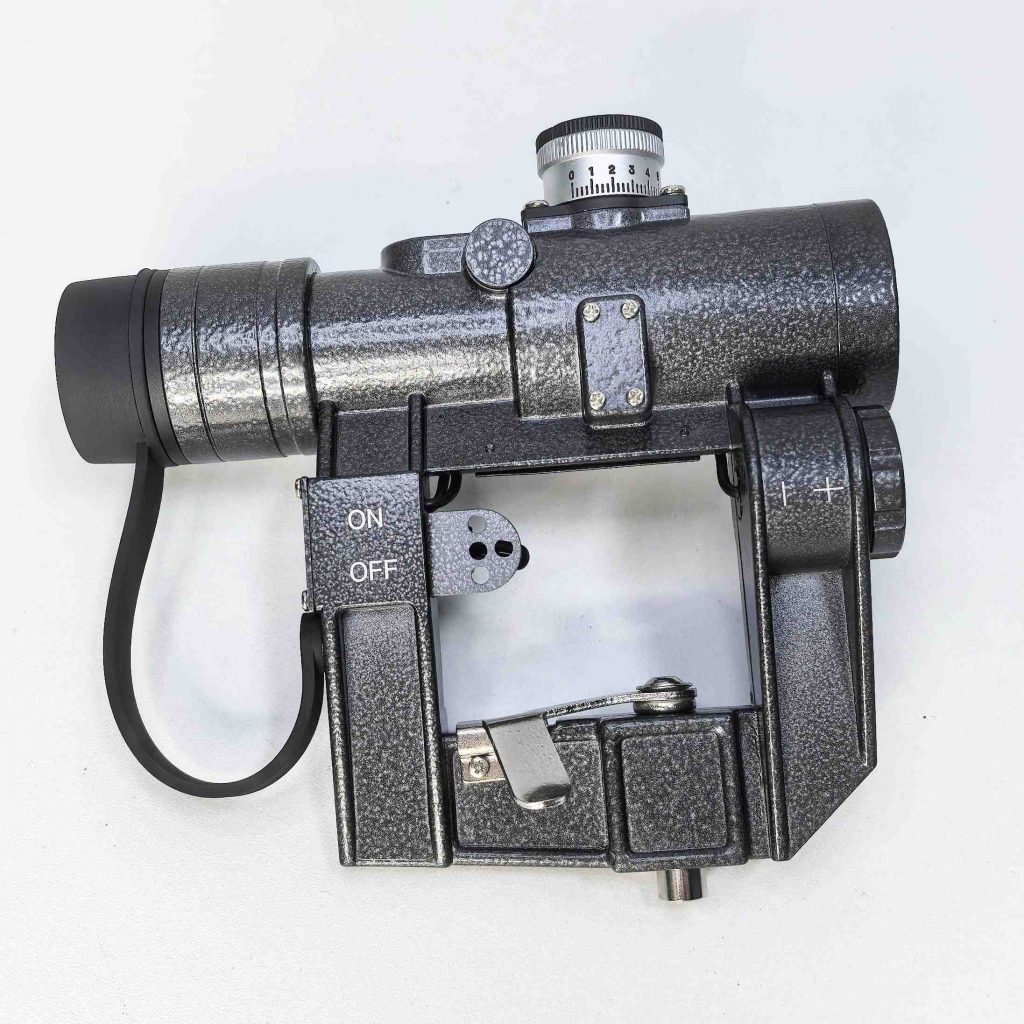
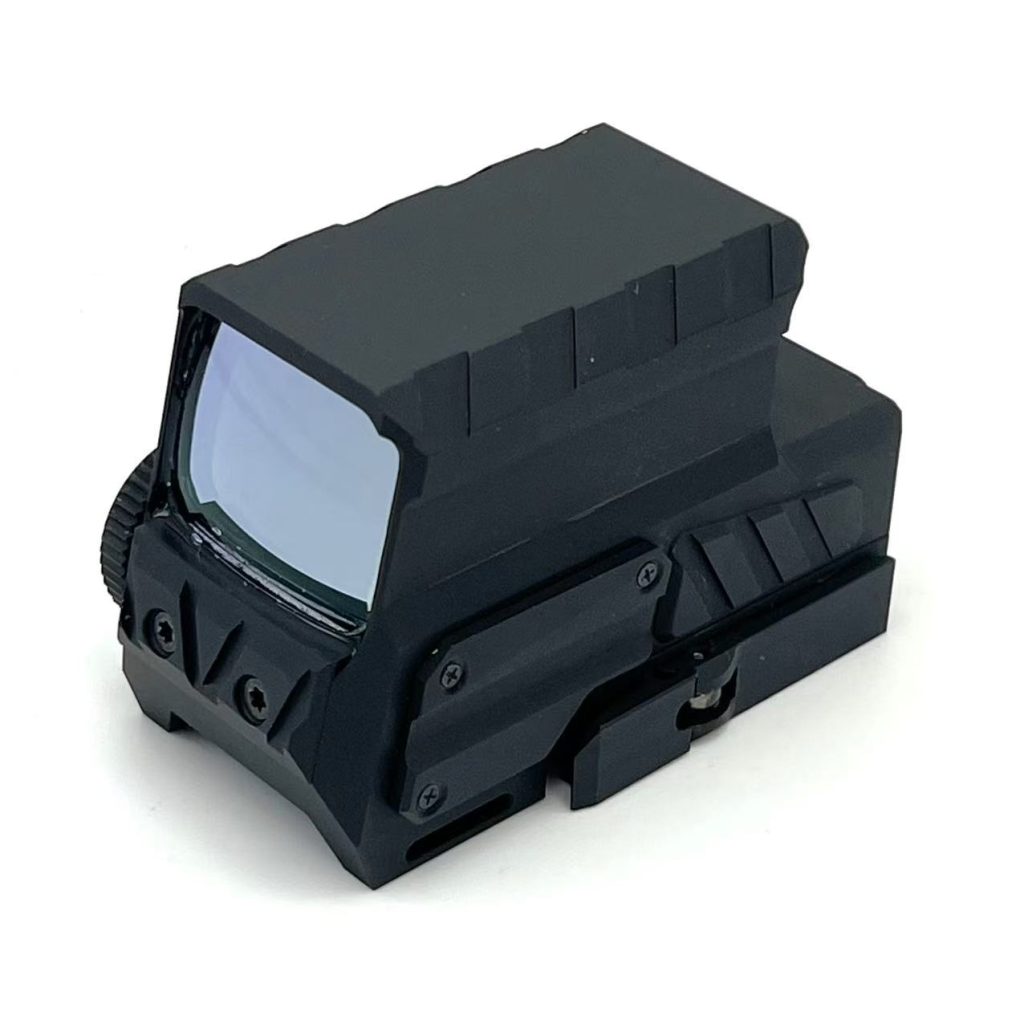
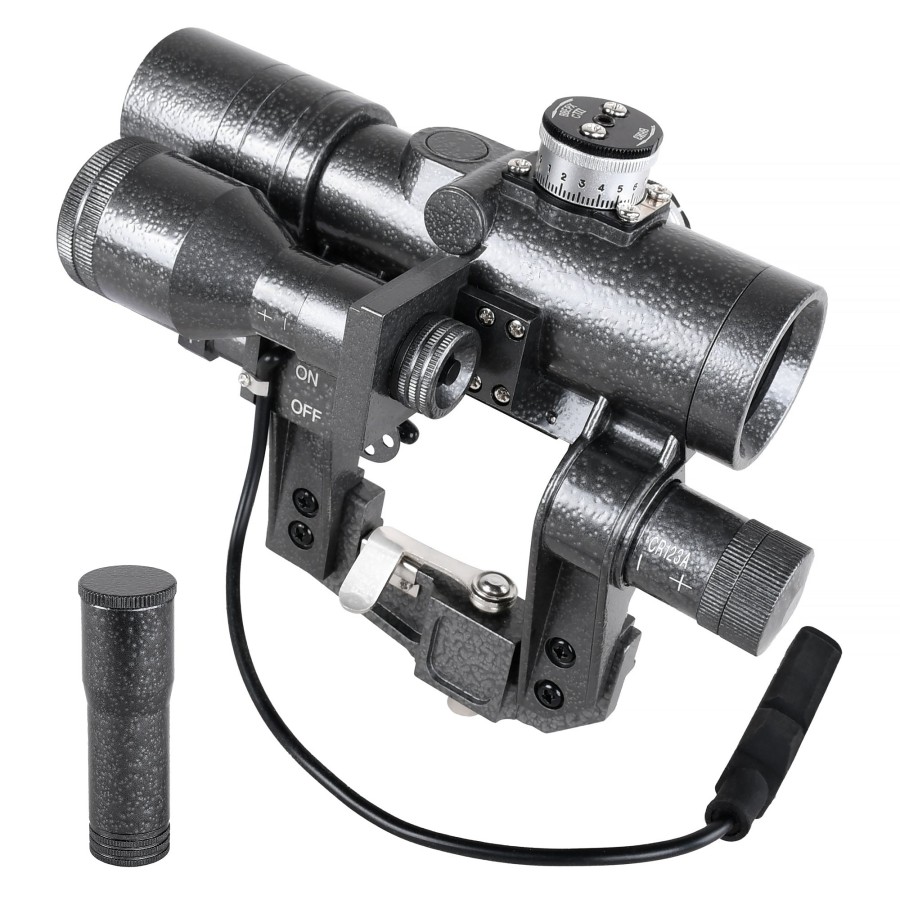
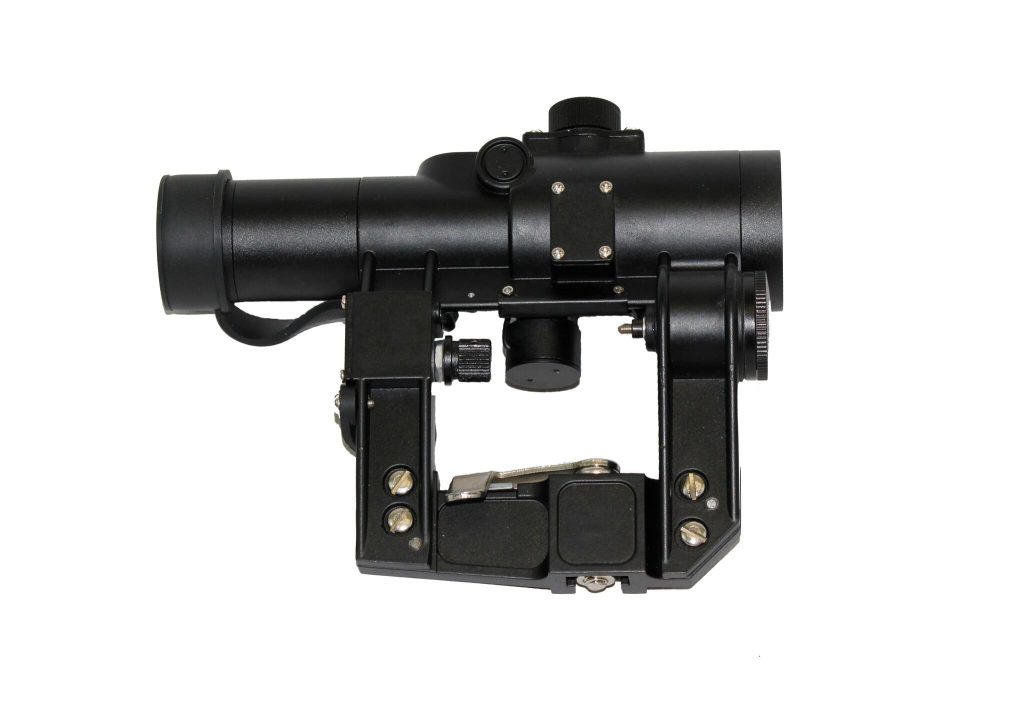
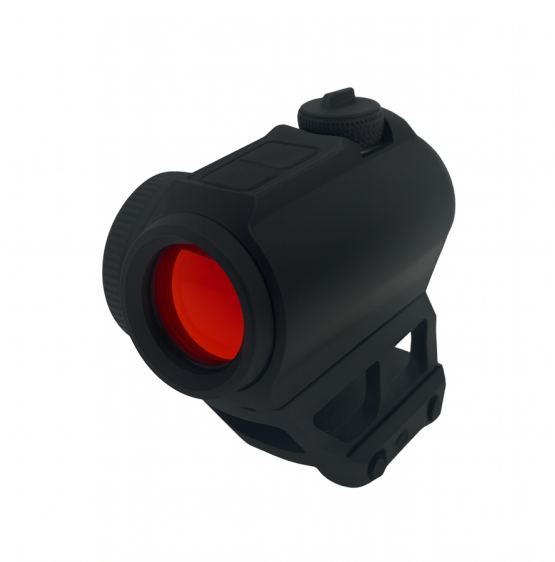
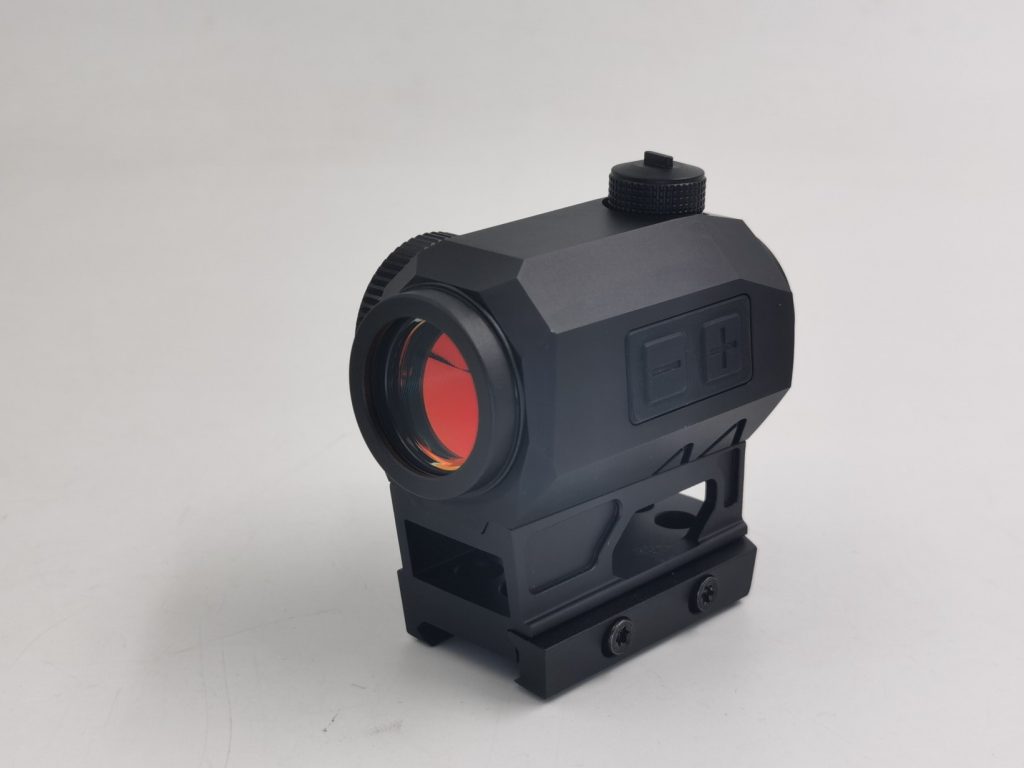
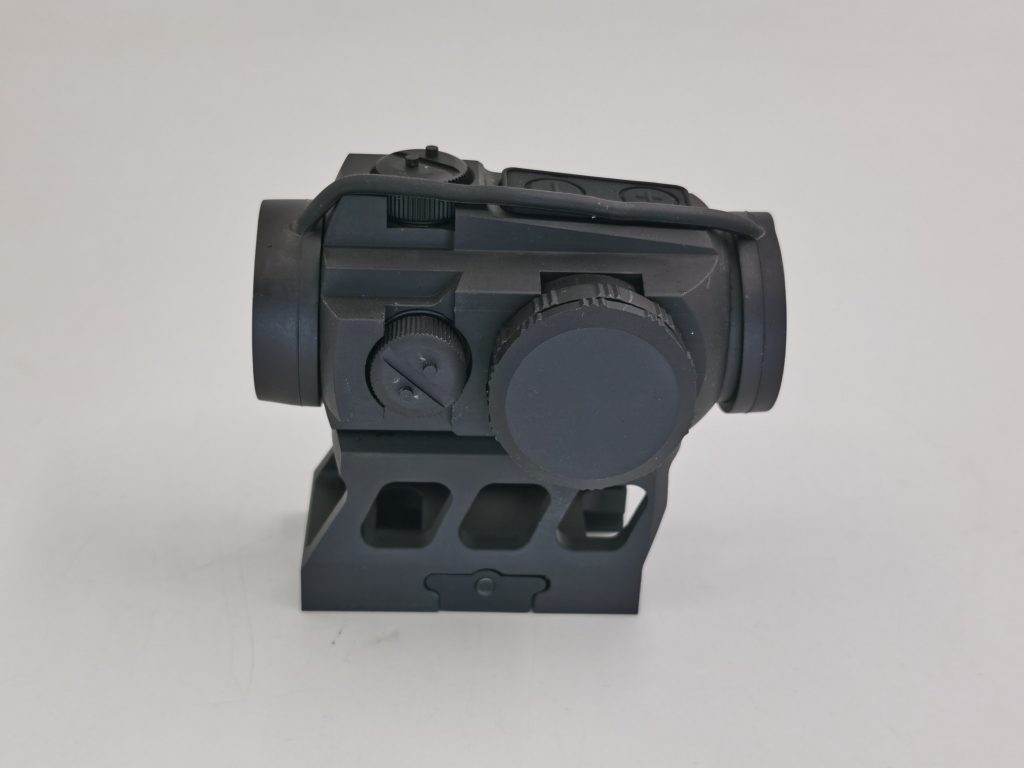
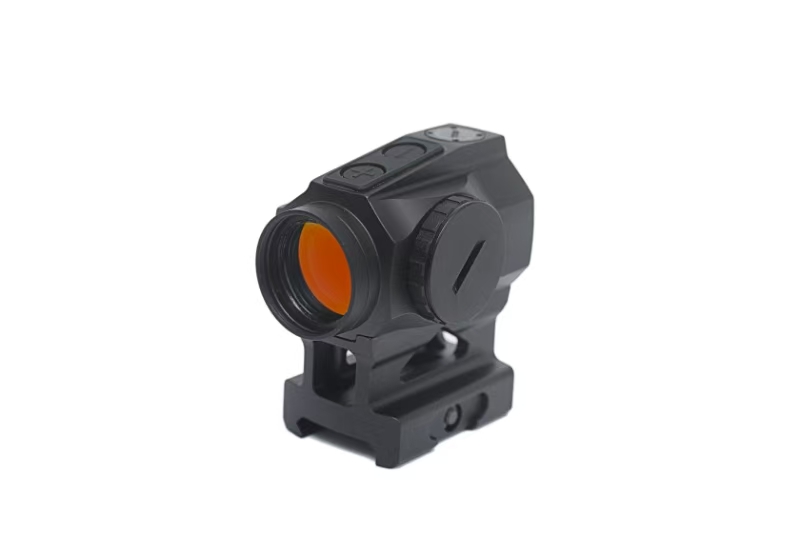
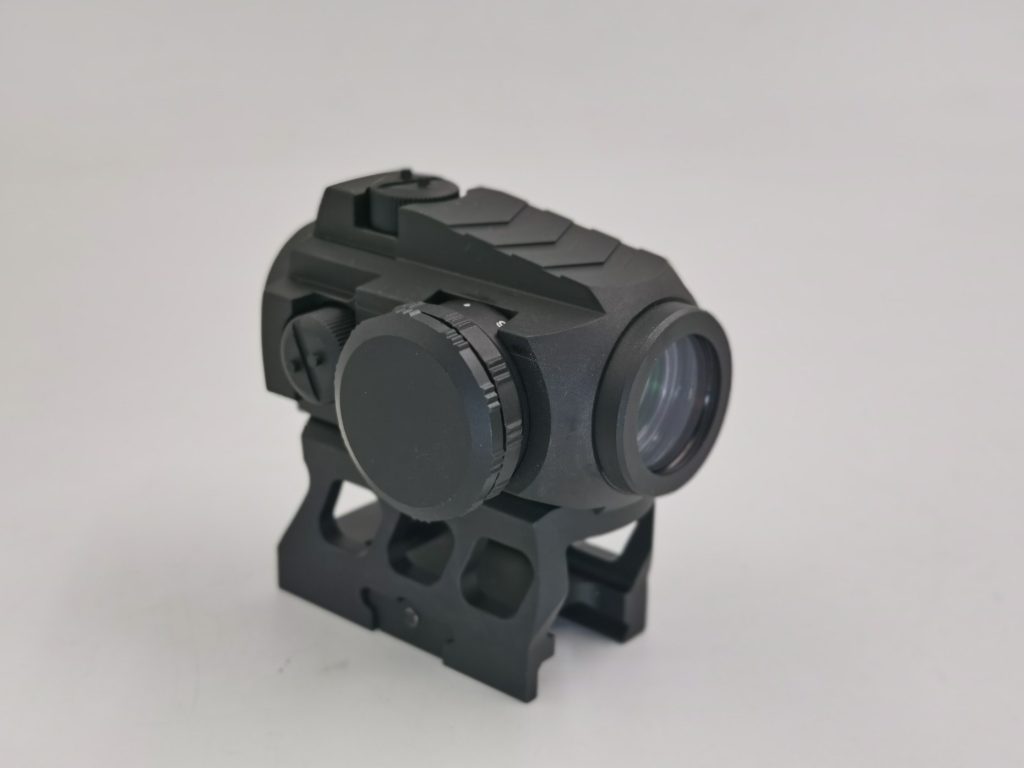
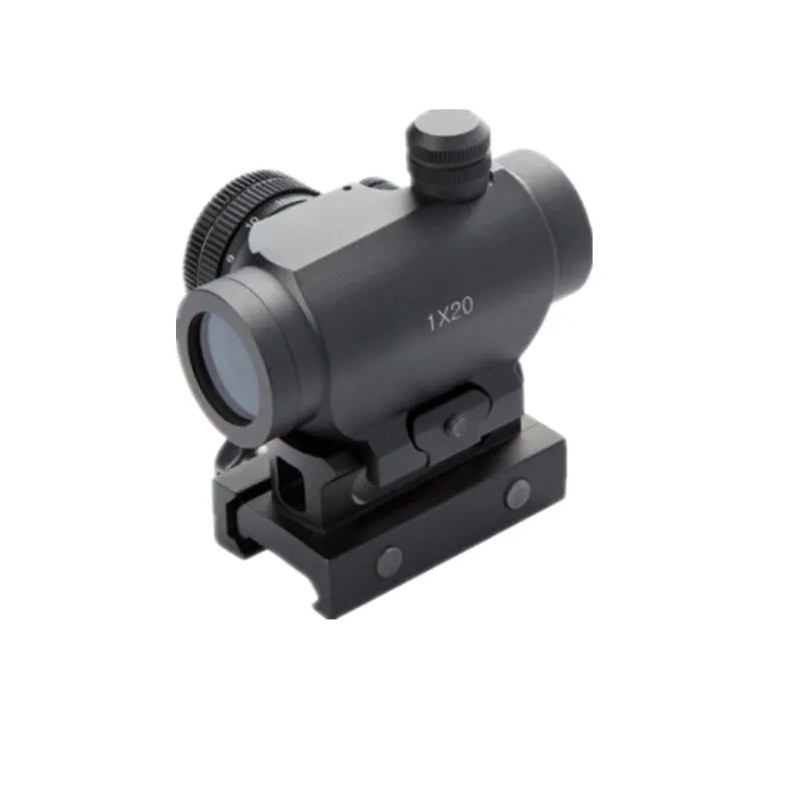
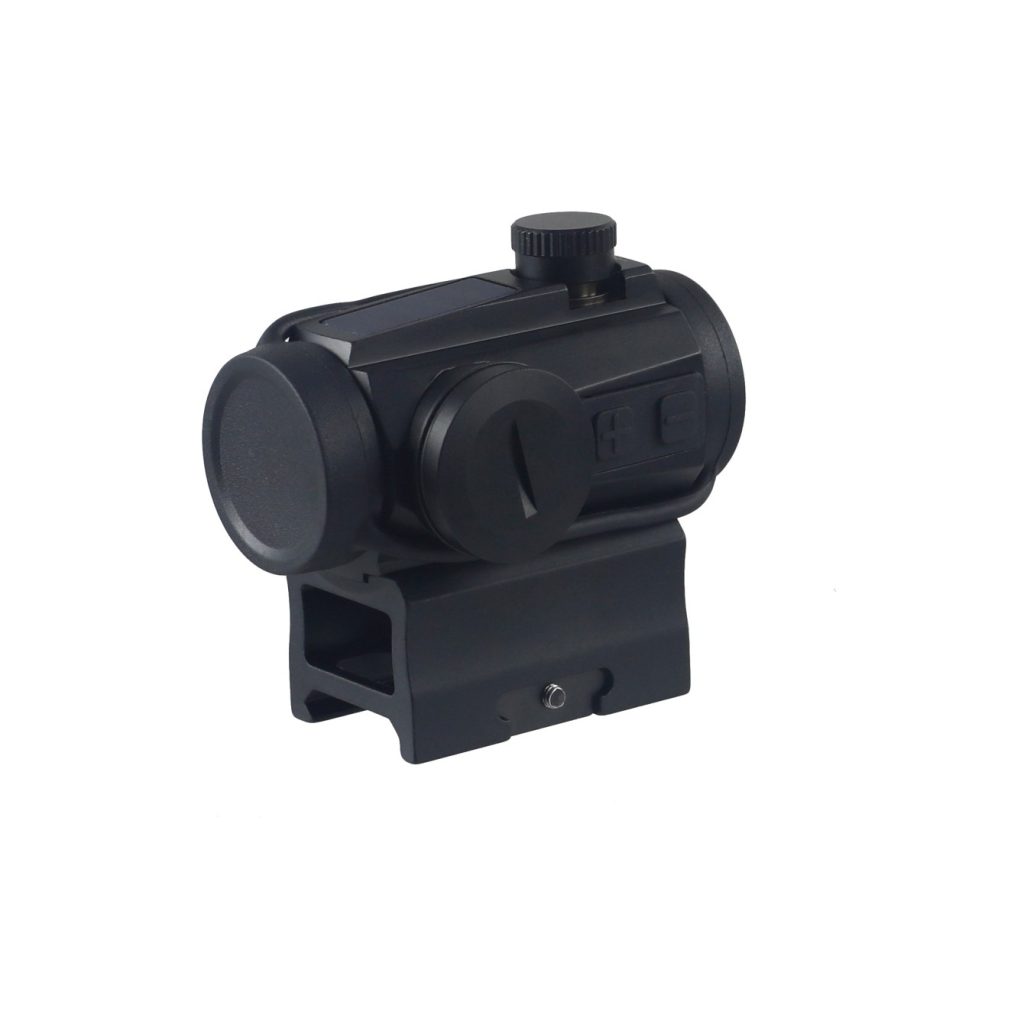
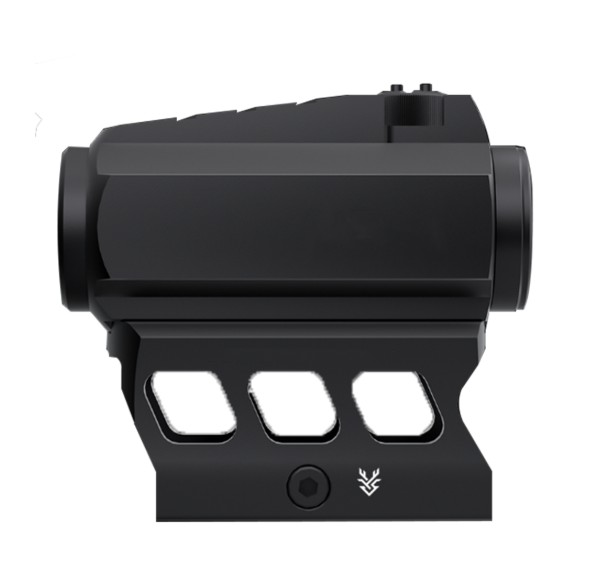
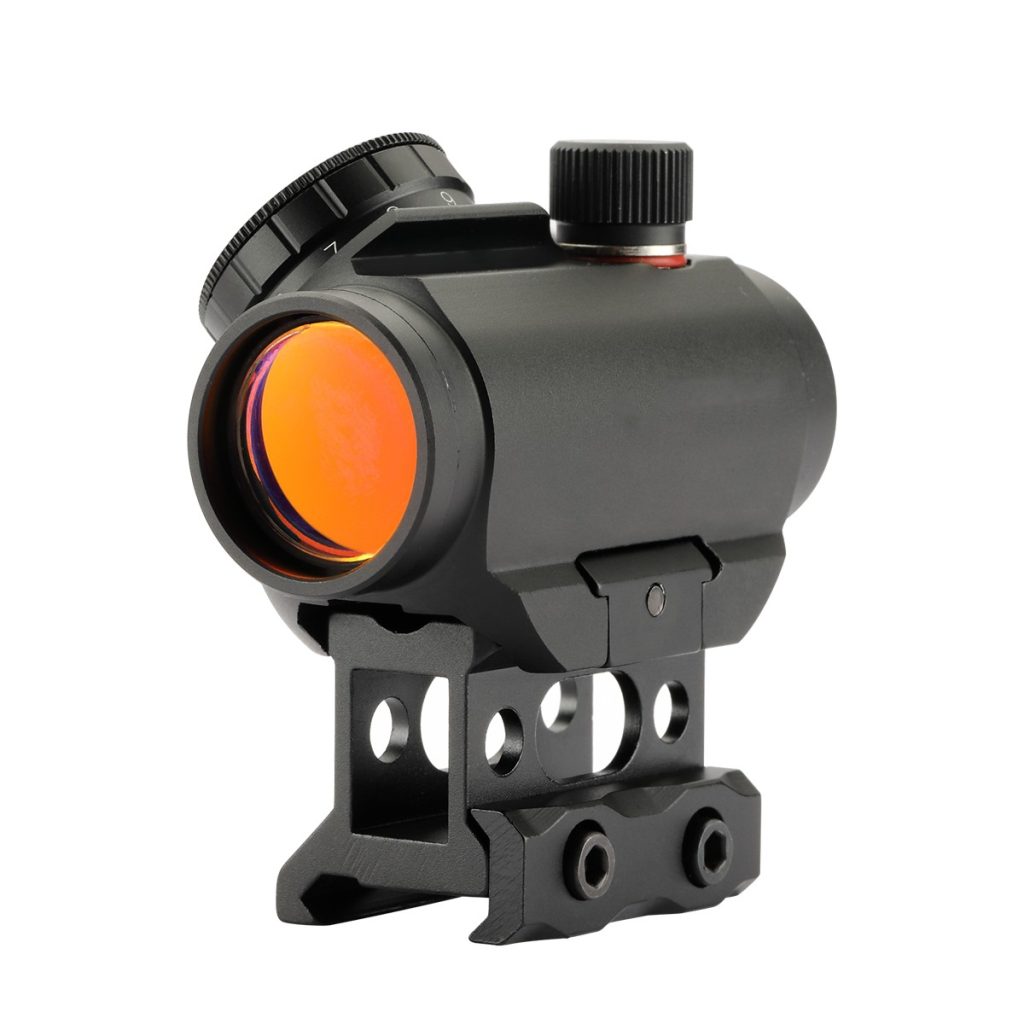
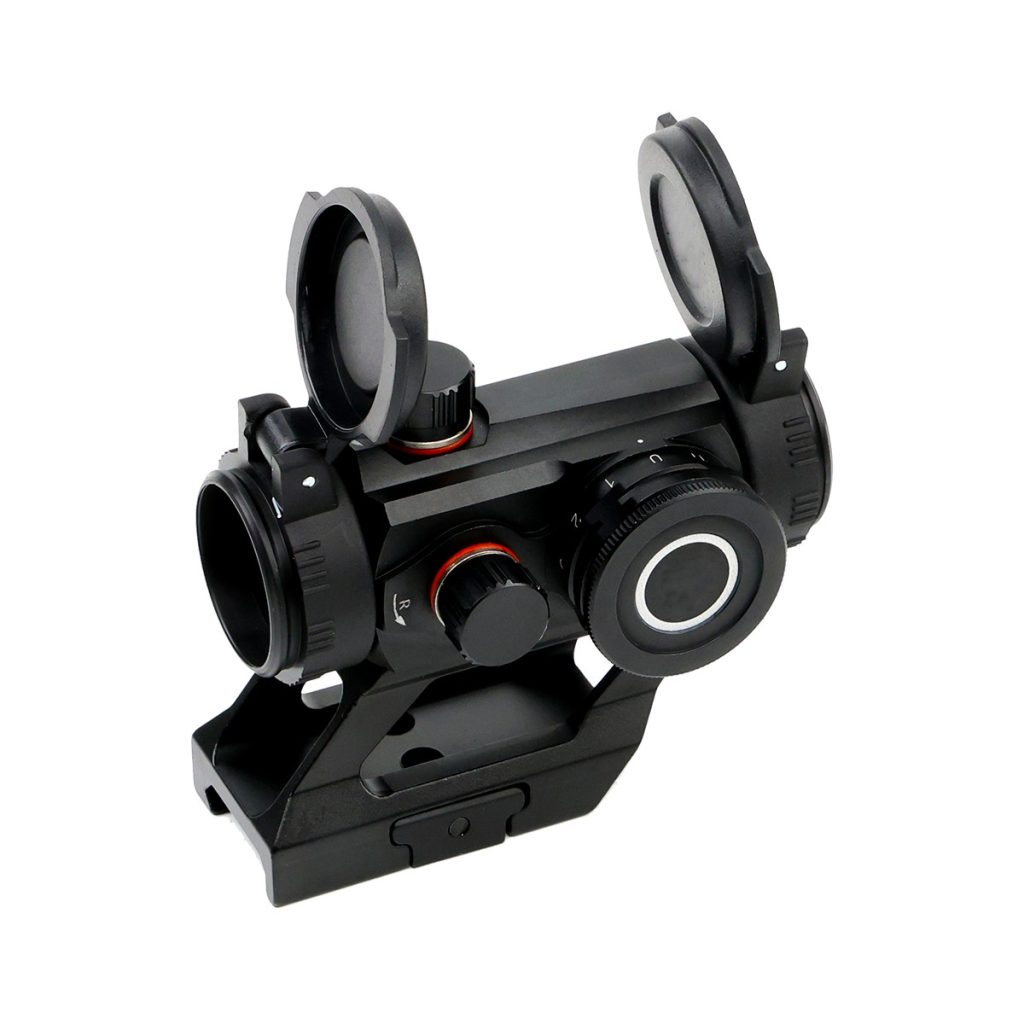
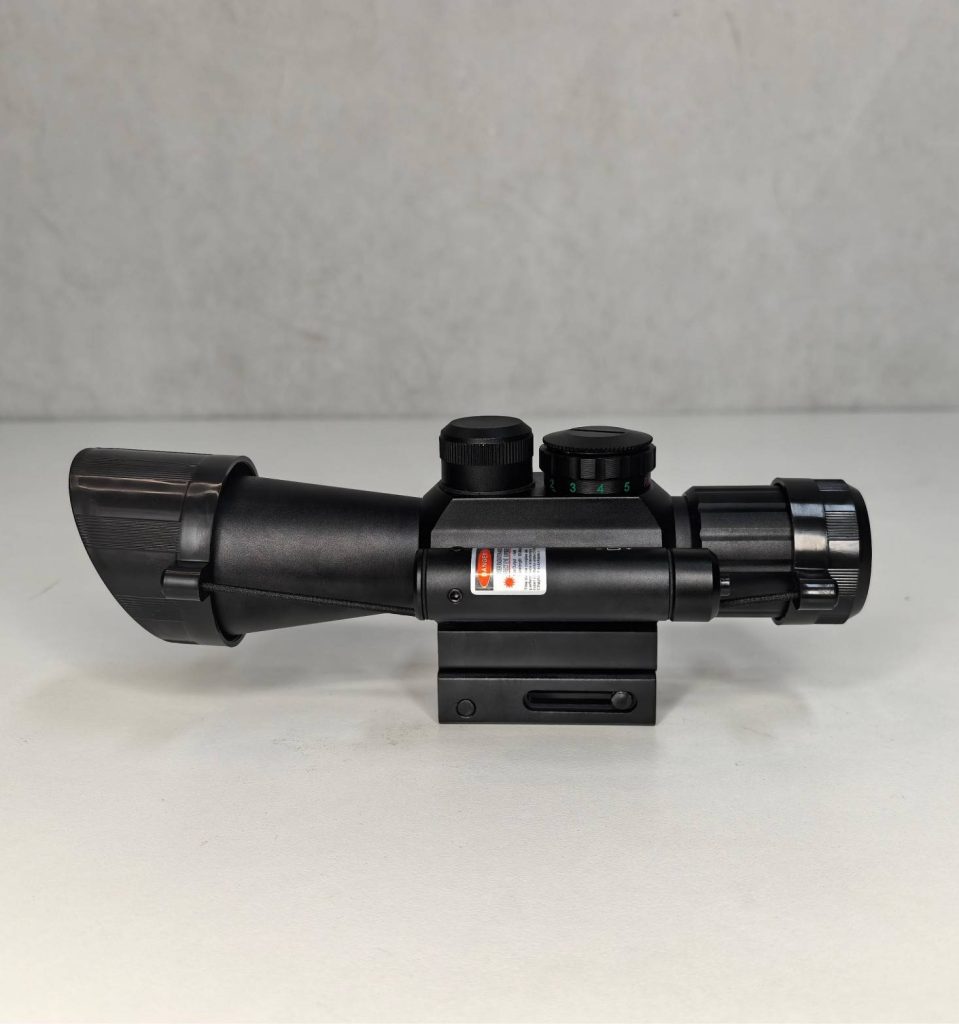
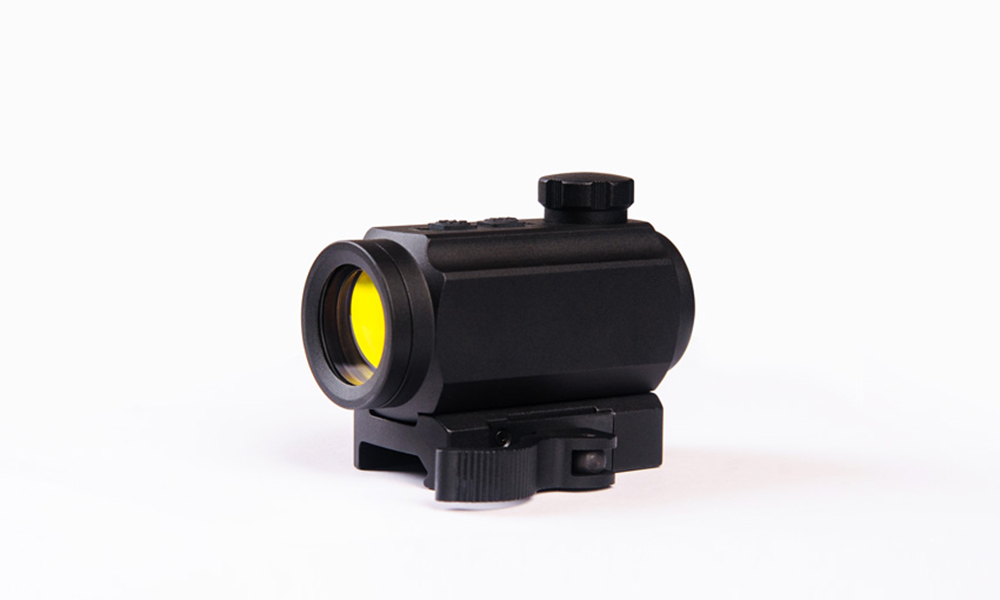
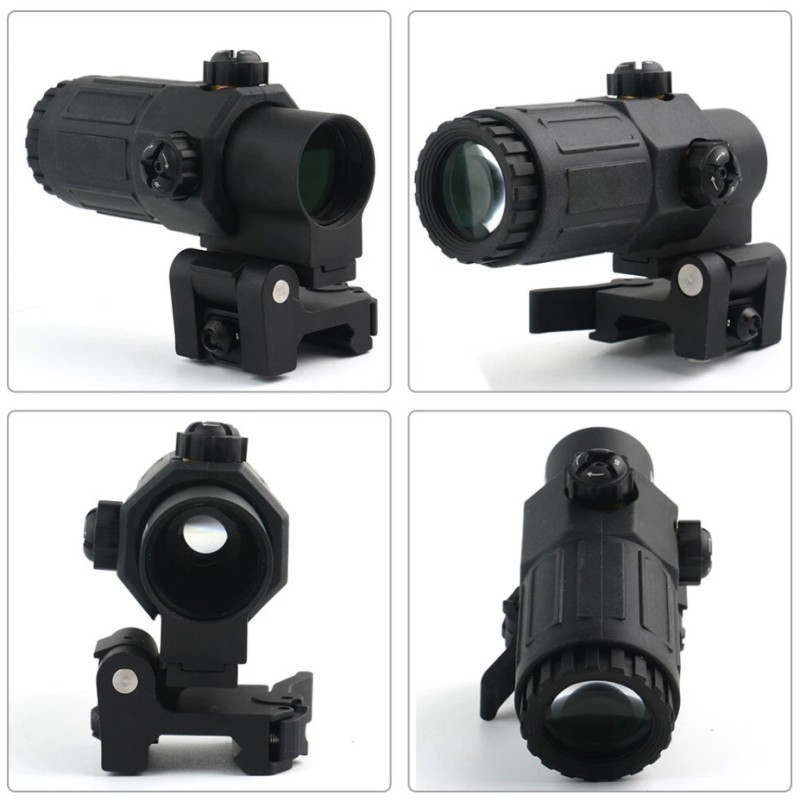
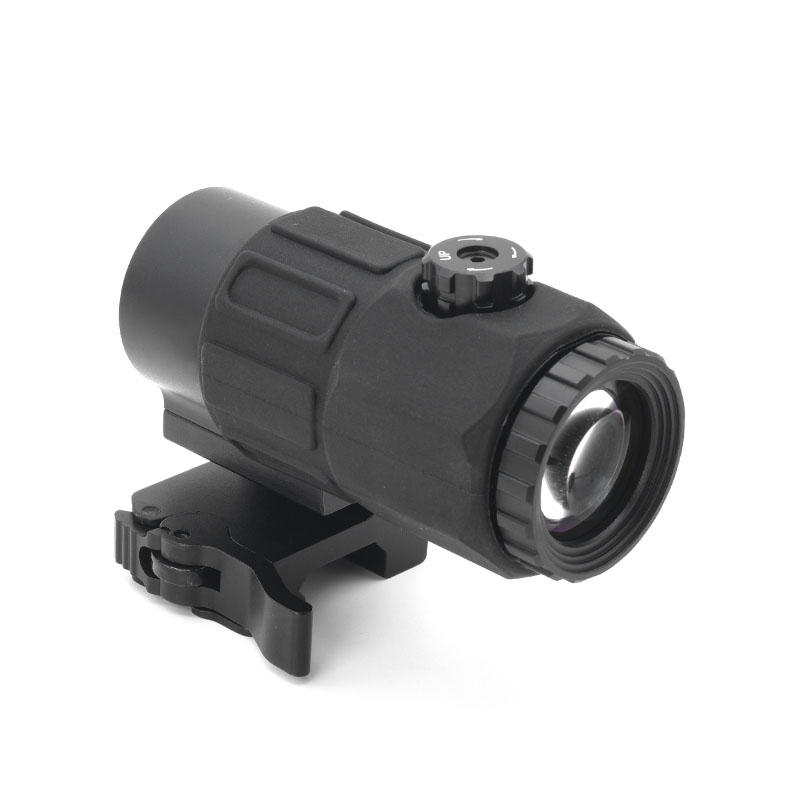
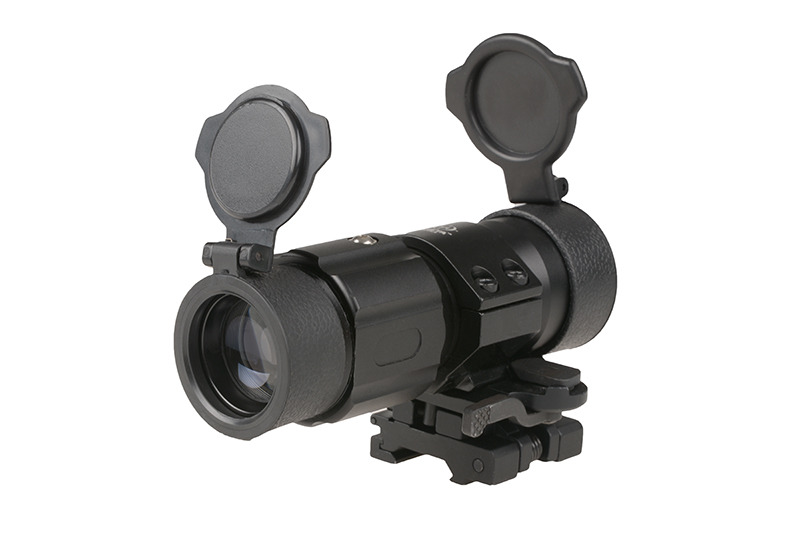
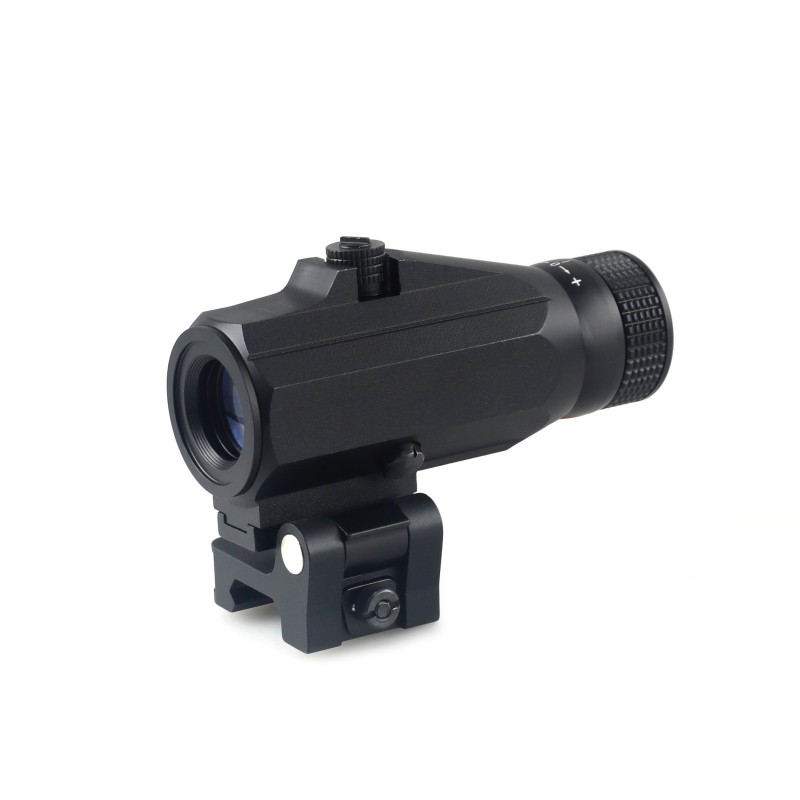
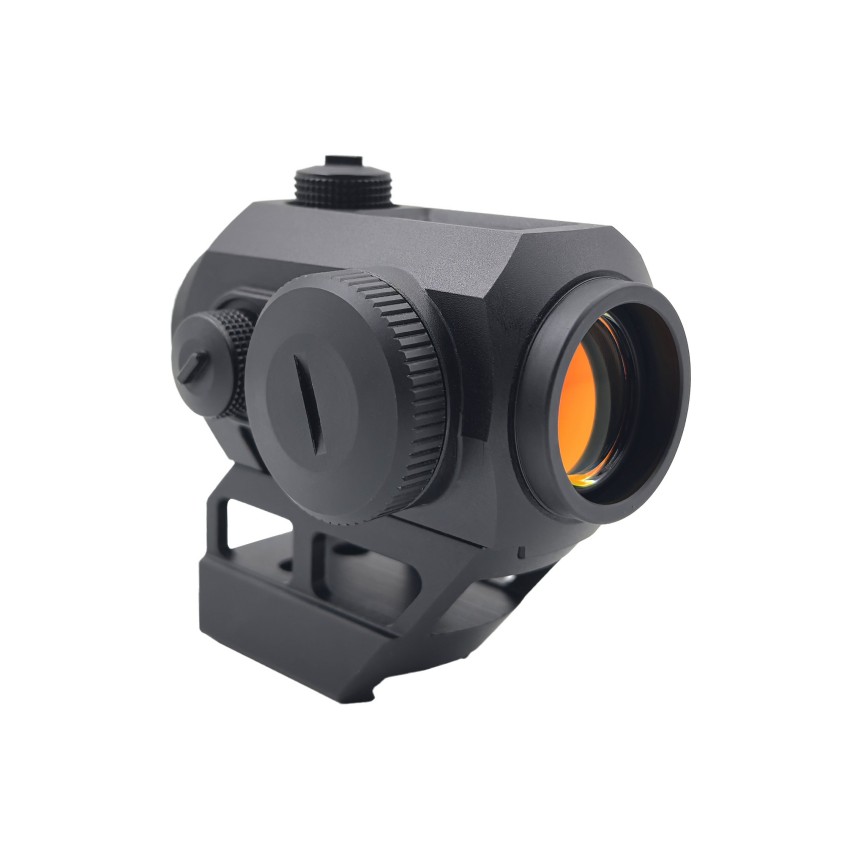
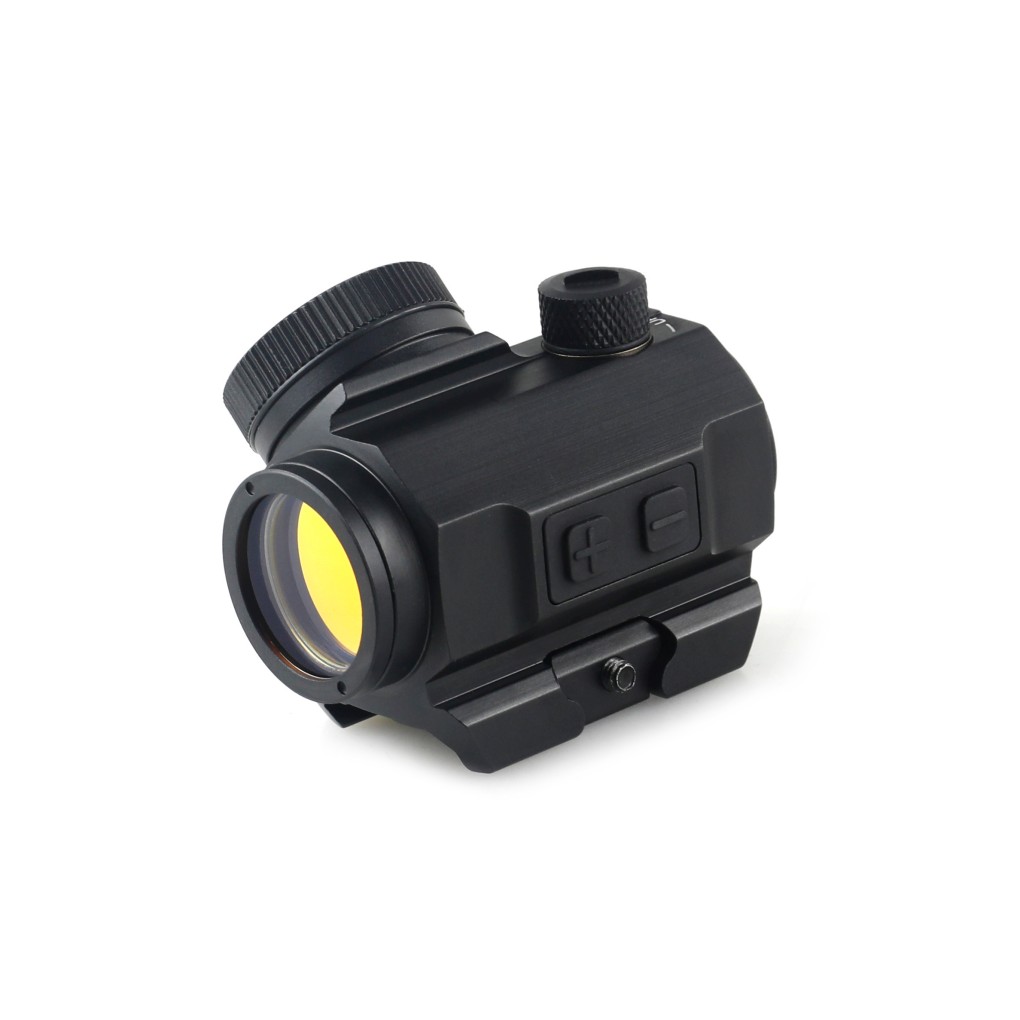
In tactical-style rifles, red dot sights for AR and red dot sights for AK platforms remain popular for short to mid-range engagement. Meanwhile, LPVO (1–6x, 1–8x) scopes dominate the hybrid precision market.
Common Types
Rifle optics usually fall into these segments:
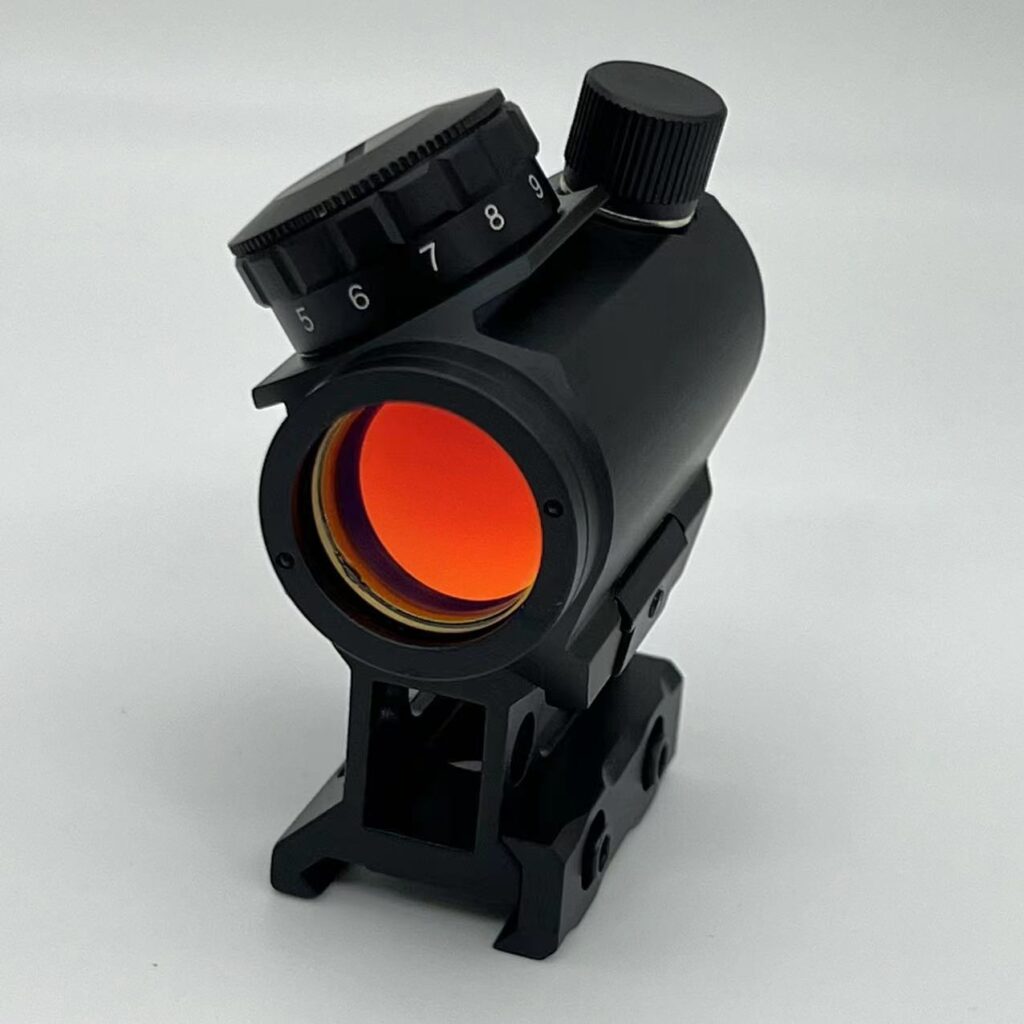
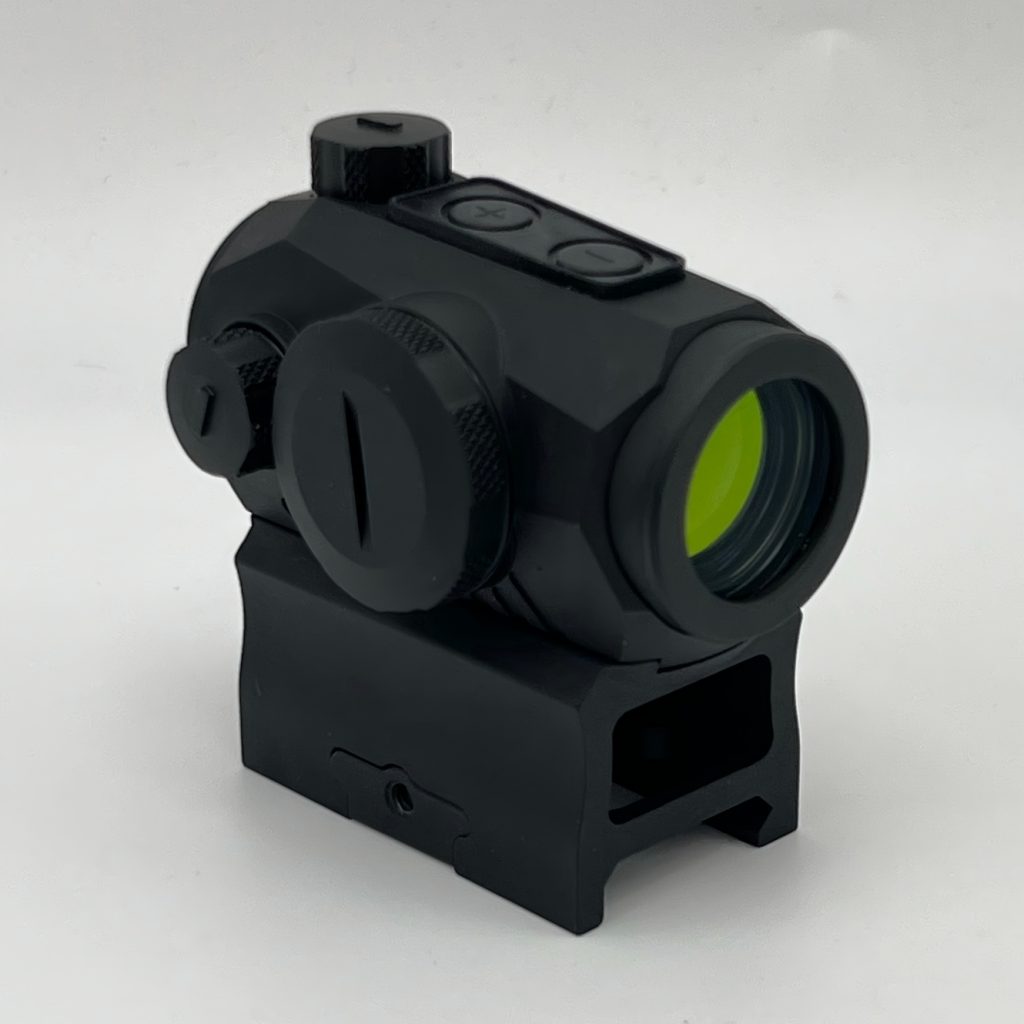
| Segment | Typical Magnification | Main Application | Price Positioning |
| Red Dot | 1x | Close-range / tactical | Entry to mid |
| LPVO | 1-6x / 1-8x | Multi-distance | Mid to high |
| FFP Scope | 4-16x+ | Long range precision | High |
| Prism Scope | Fixed magnification | Compact alternative | Mid |
Product Selection Strategy
Because rifle optics have wide price dispersion, distributors should segment clearly:
- Tactical retail → LPVO + compact red dots
- Hunting channel → Lightweight variable scopes
- Entry-level market → Fixed magnification scopes
- Premium channel → FFP scopes with enhanced glass
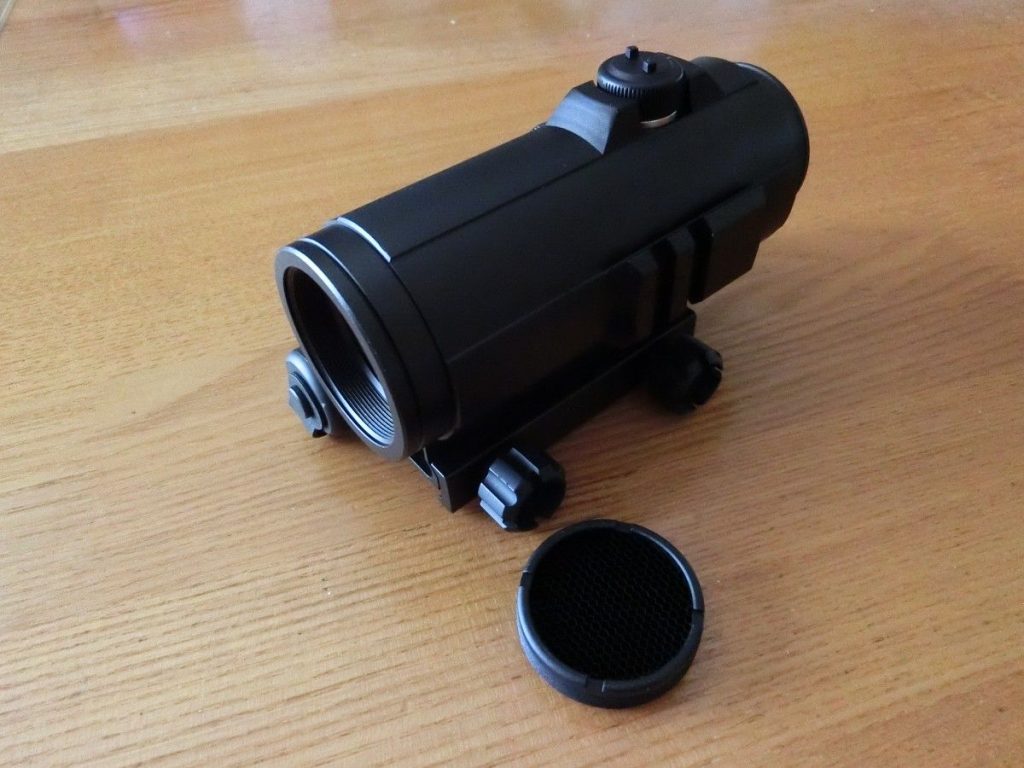
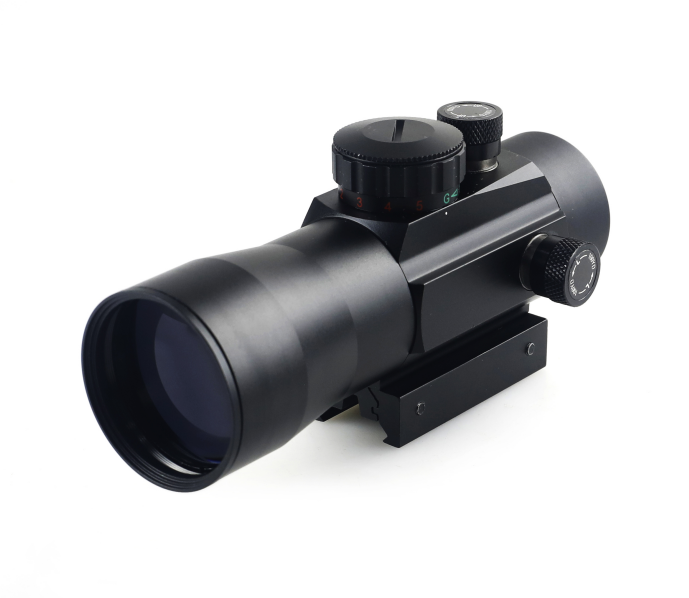
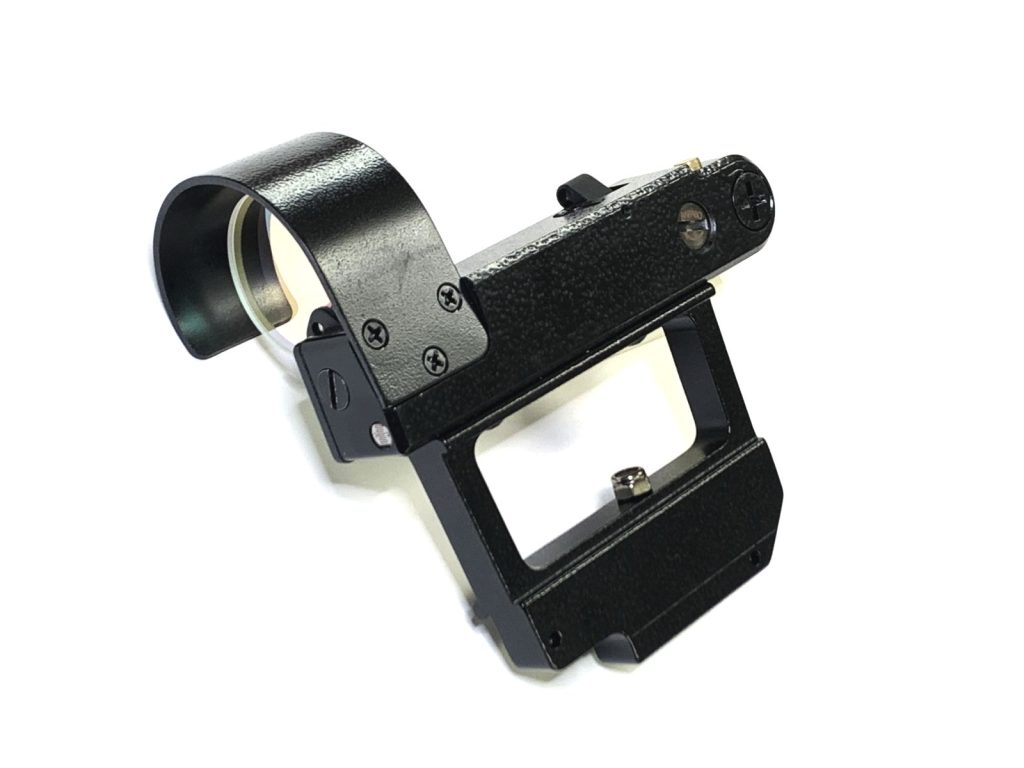
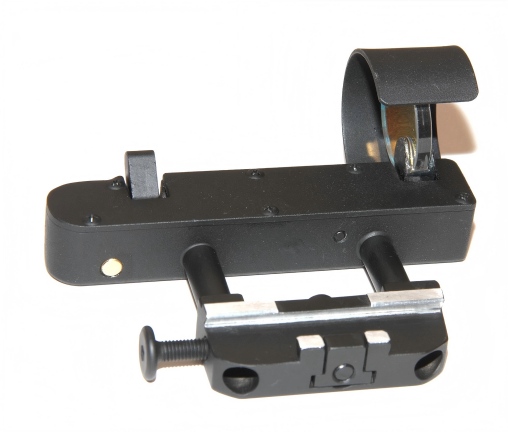
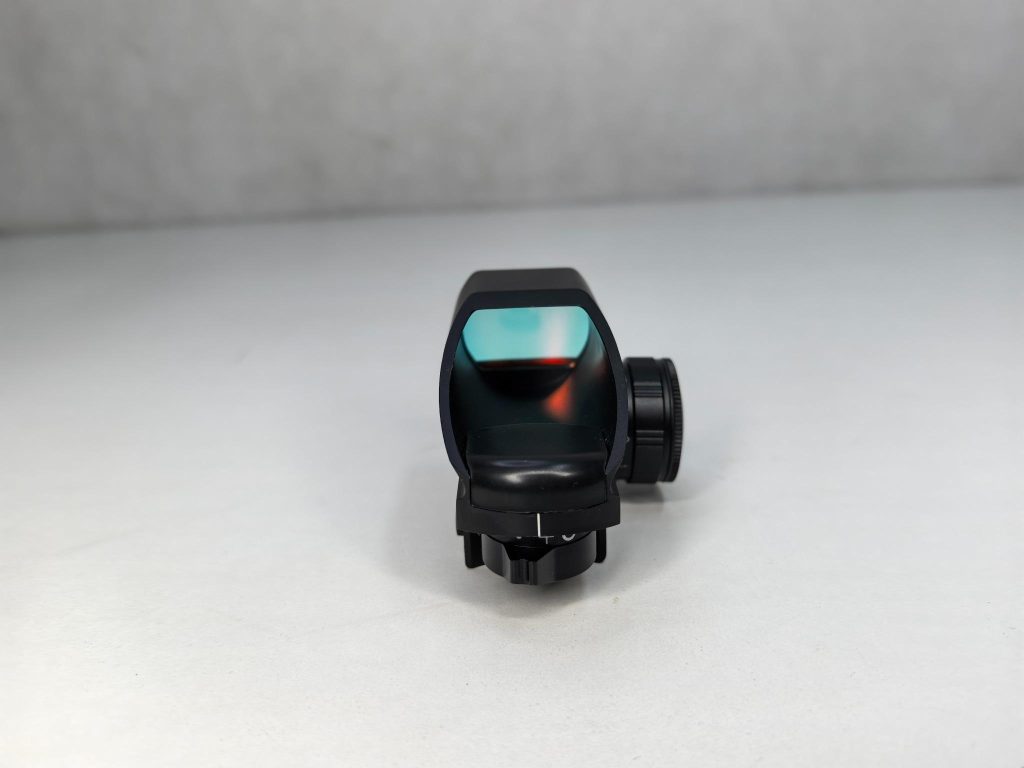
Shotgun Optics: Wide Field & Fast Target Acquisition
Compared to pistol and rifle optics, shotgun optics are often underestimated. However, this niche has consistent demand in hunting and sport shooting markets.
Core Performance Requirements
Shotguns generate strong rearward recoil with noticeable vibration. Optics must be:
- Robust in lens mounting
- Resistant to vibration shift
- Wide field of view
- Simple and fast to acquire
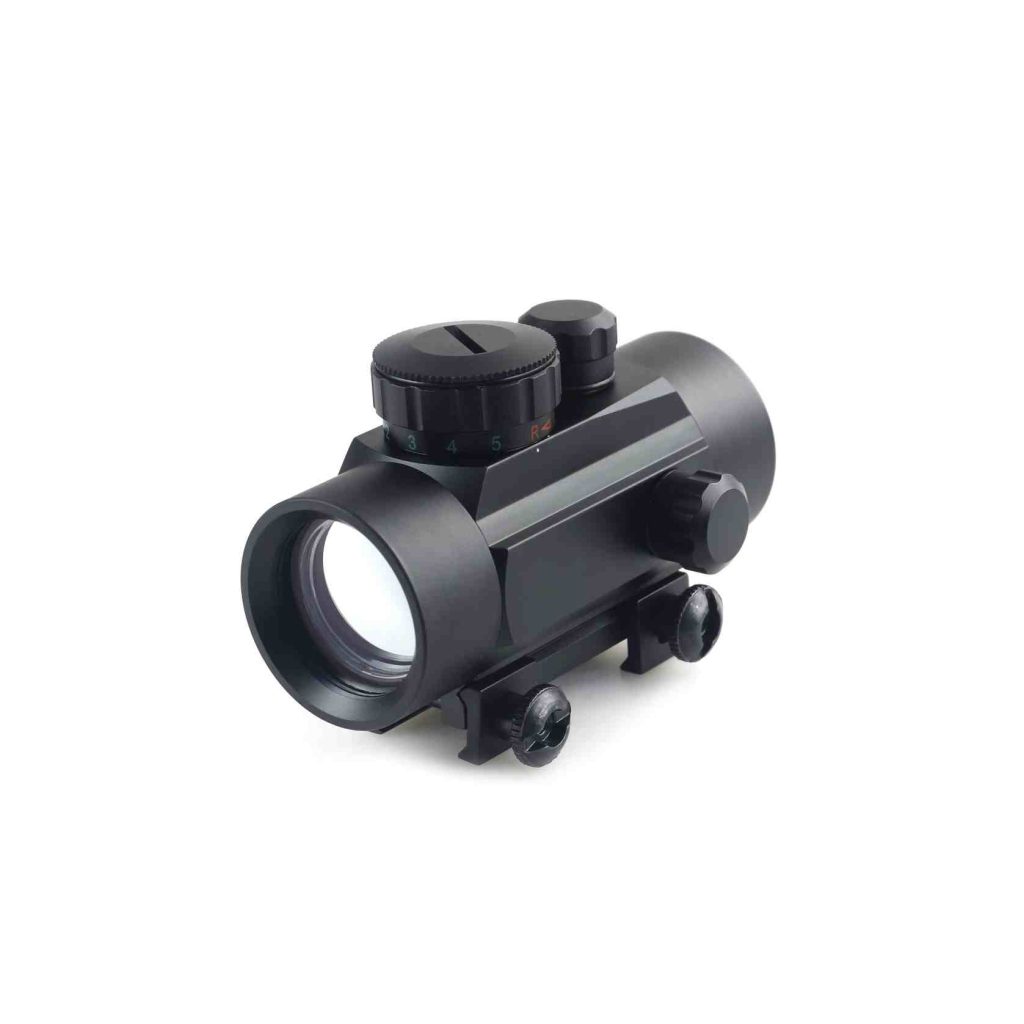
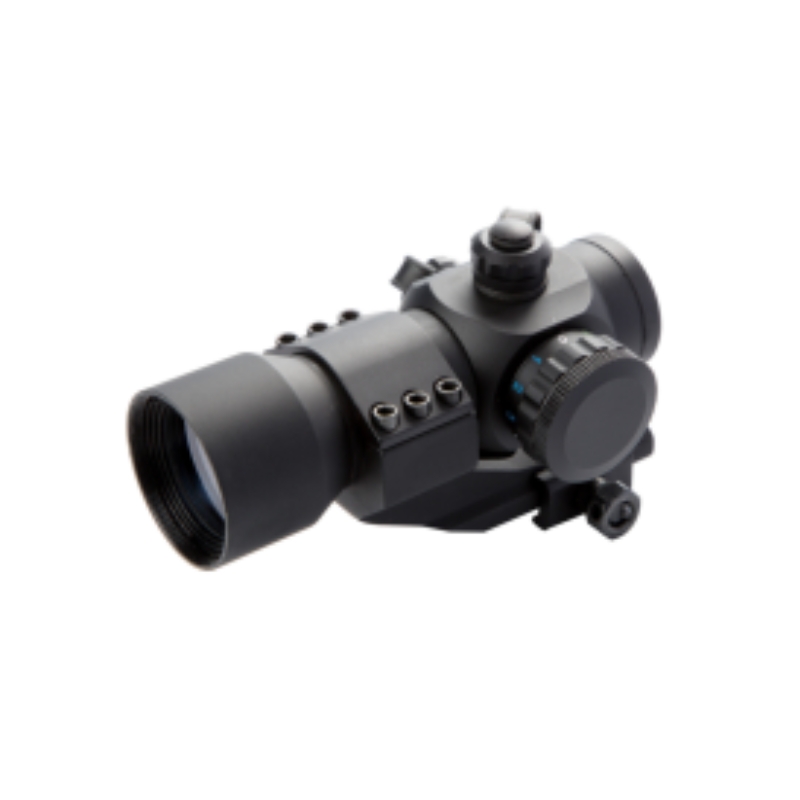
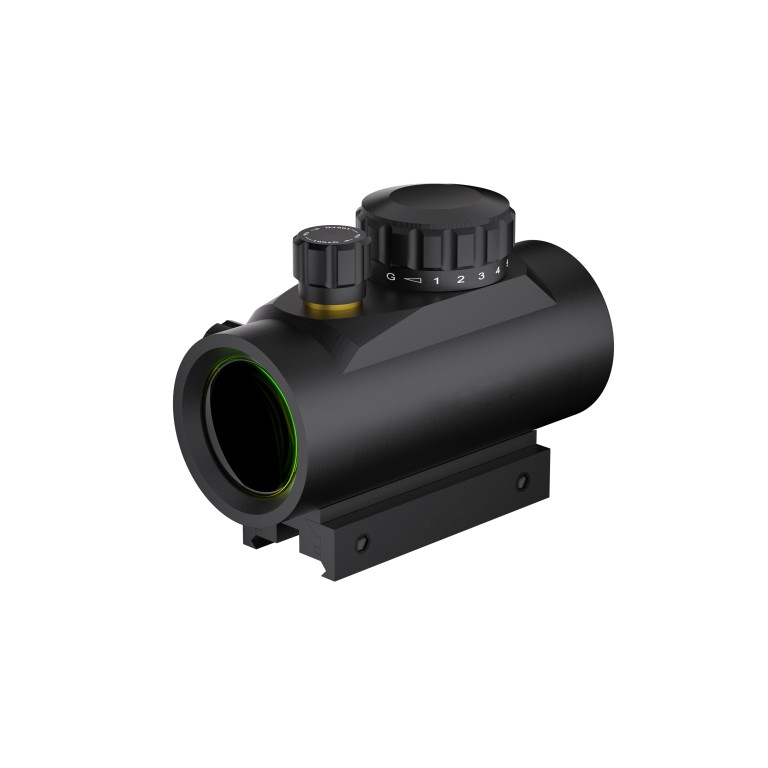
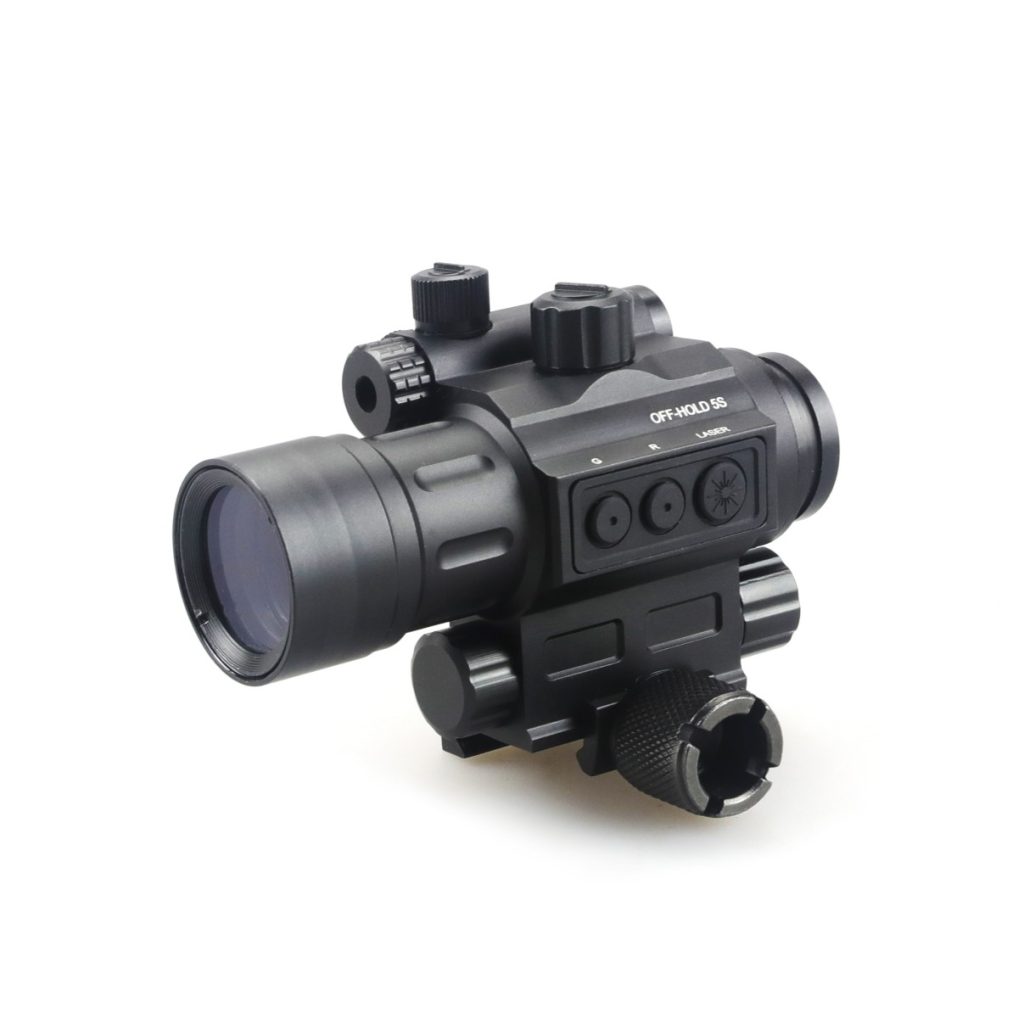
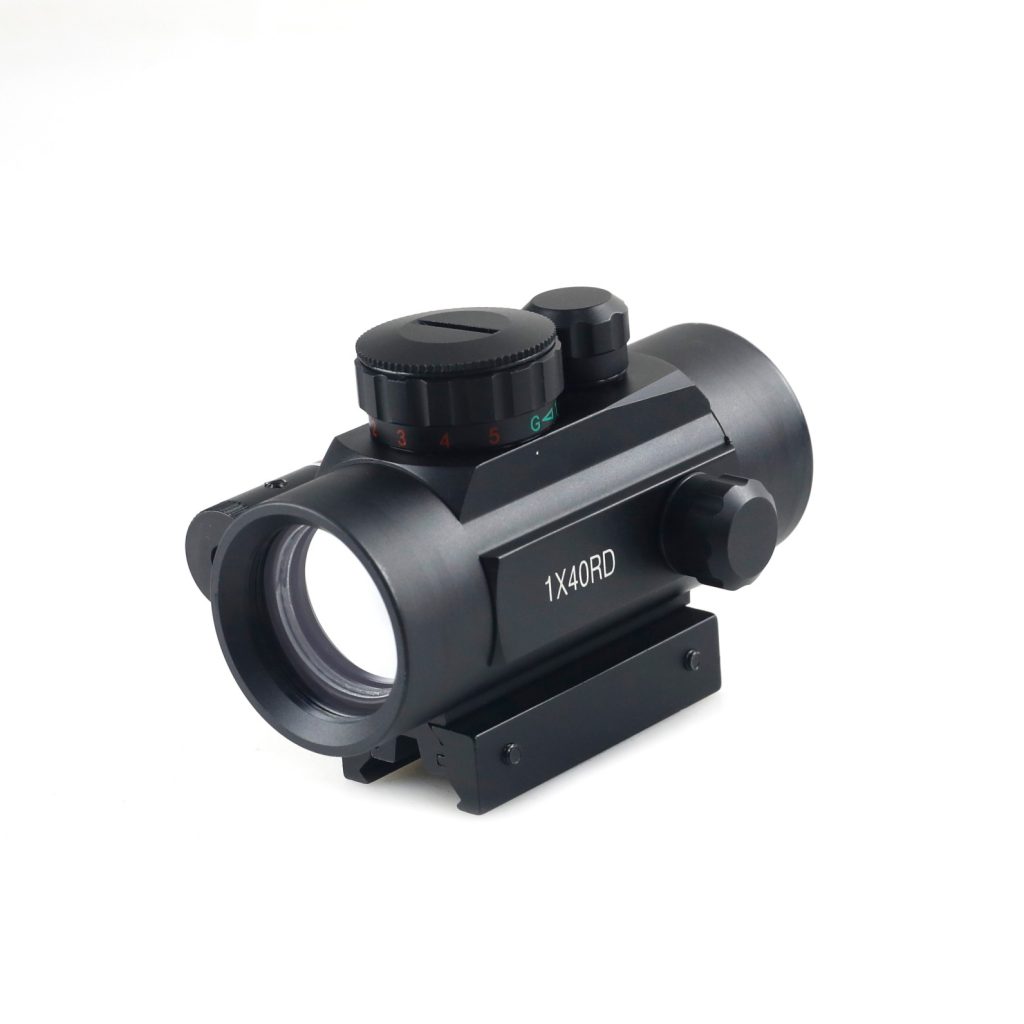
Magnification is usually minimal. Most buyers prefer 1x reflex designs or specialized shotgun red dot configurations.
Common Types
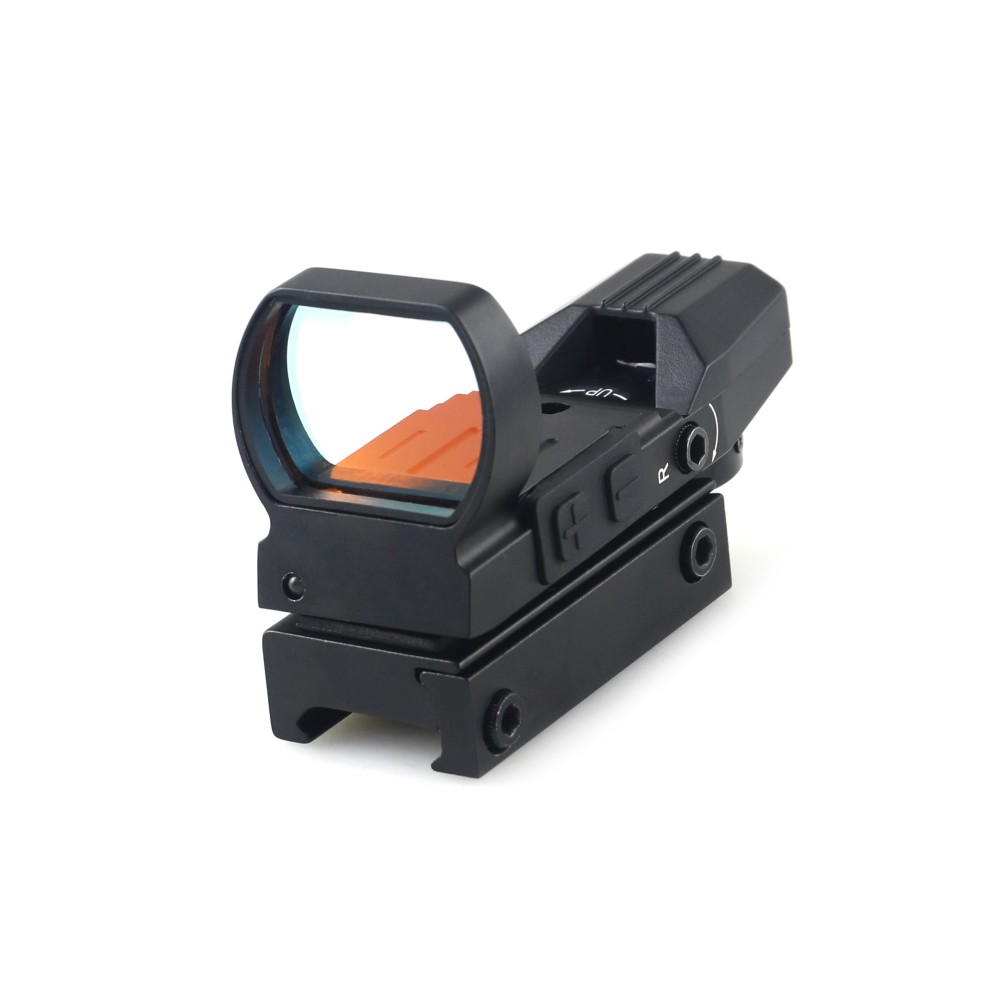
- Low-profile reflex sights
- Enclosed red dots
- Certain hologram-style designs (commonly referred to as shotgun hologram sight)
- Lightweight shotgun scopes for specific hunting use
Product Selection Strategy
The shotgun market favors simplicity. A distributor rarely needs more than 1–2 optimized SKUs. Overcomplication doesn’t increase conversion.
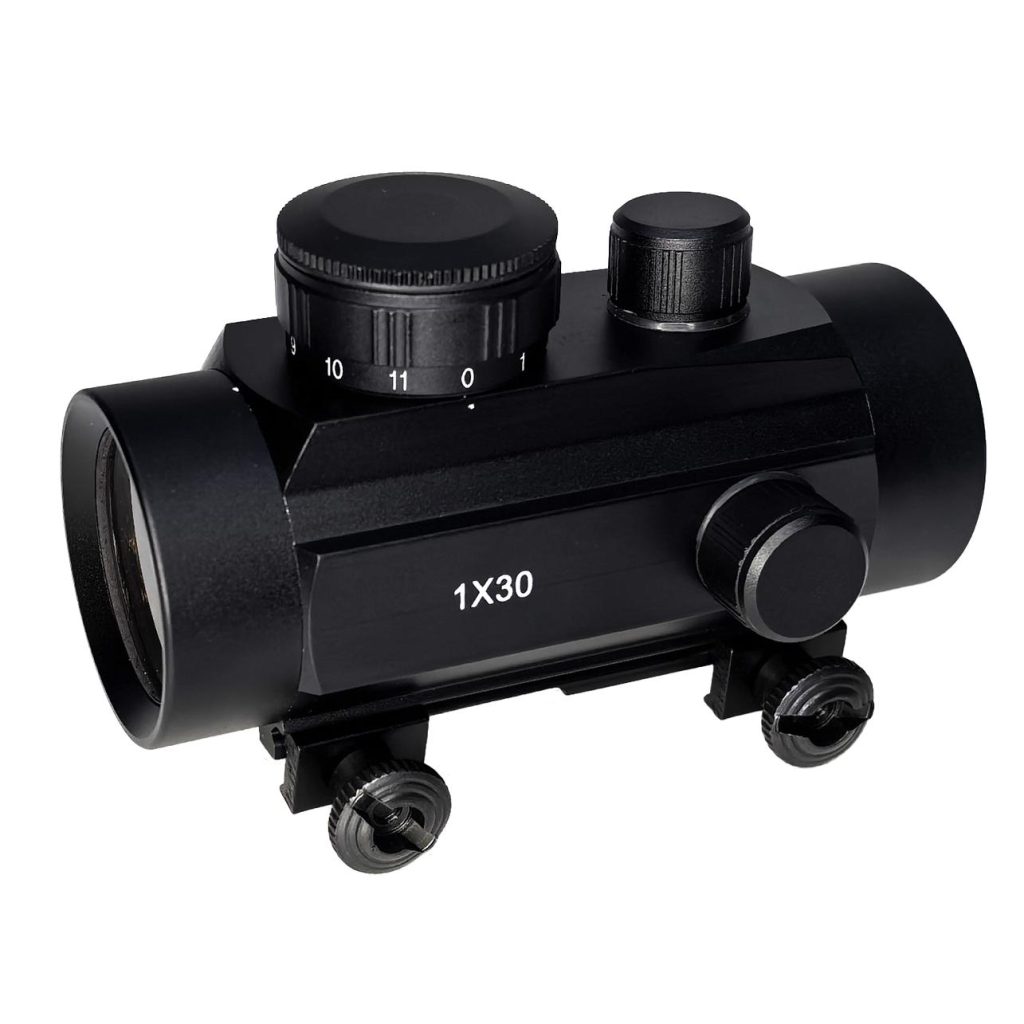
If your main target is the U.S. hunting segment, offering a durable red dot for shotgun with wide viewing window and reliable battery life is often sufficient.
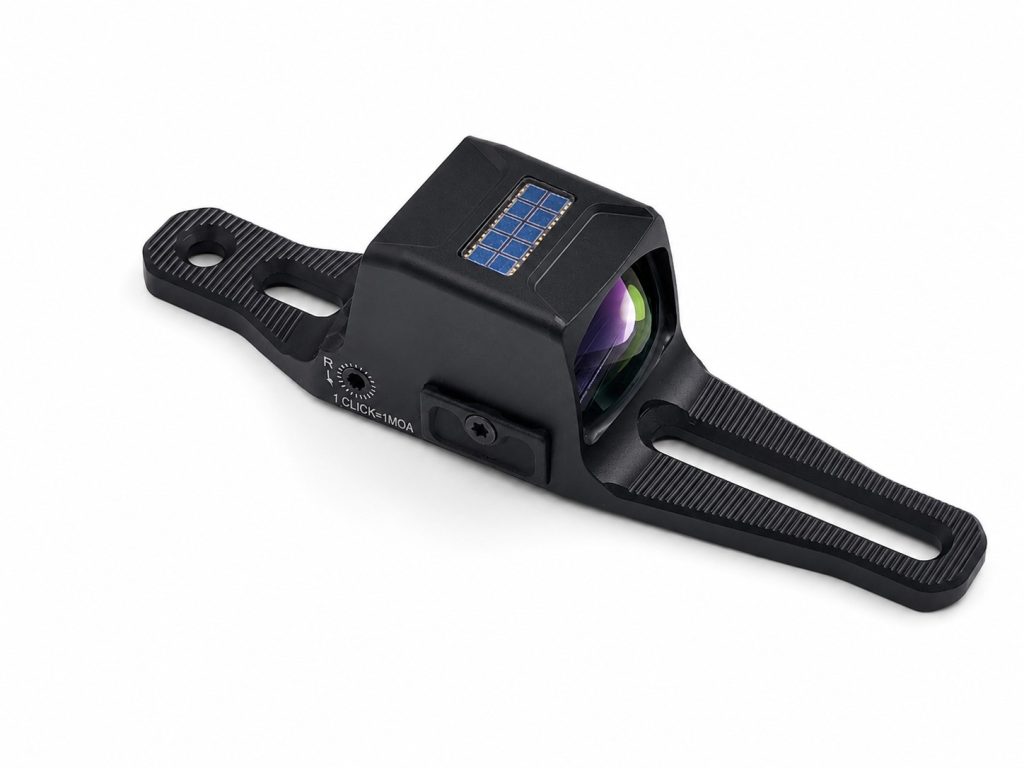
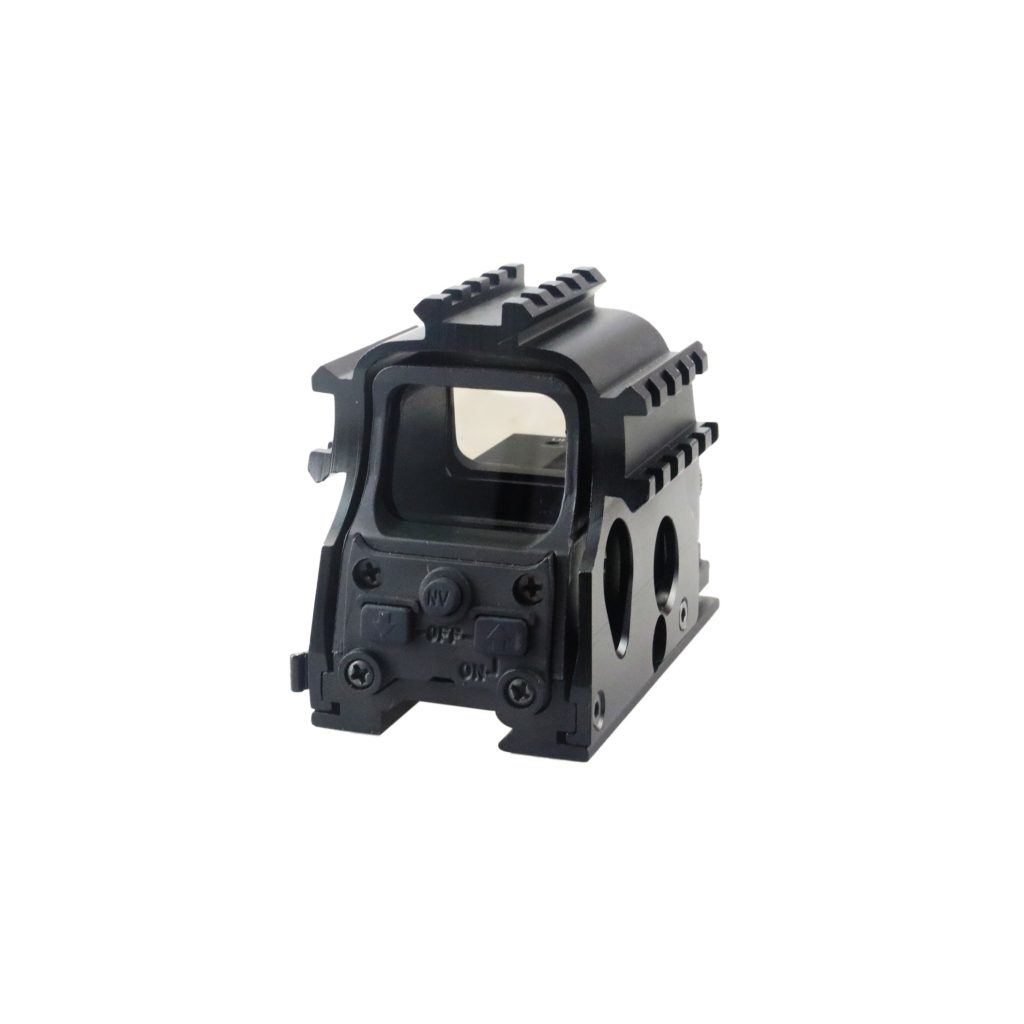

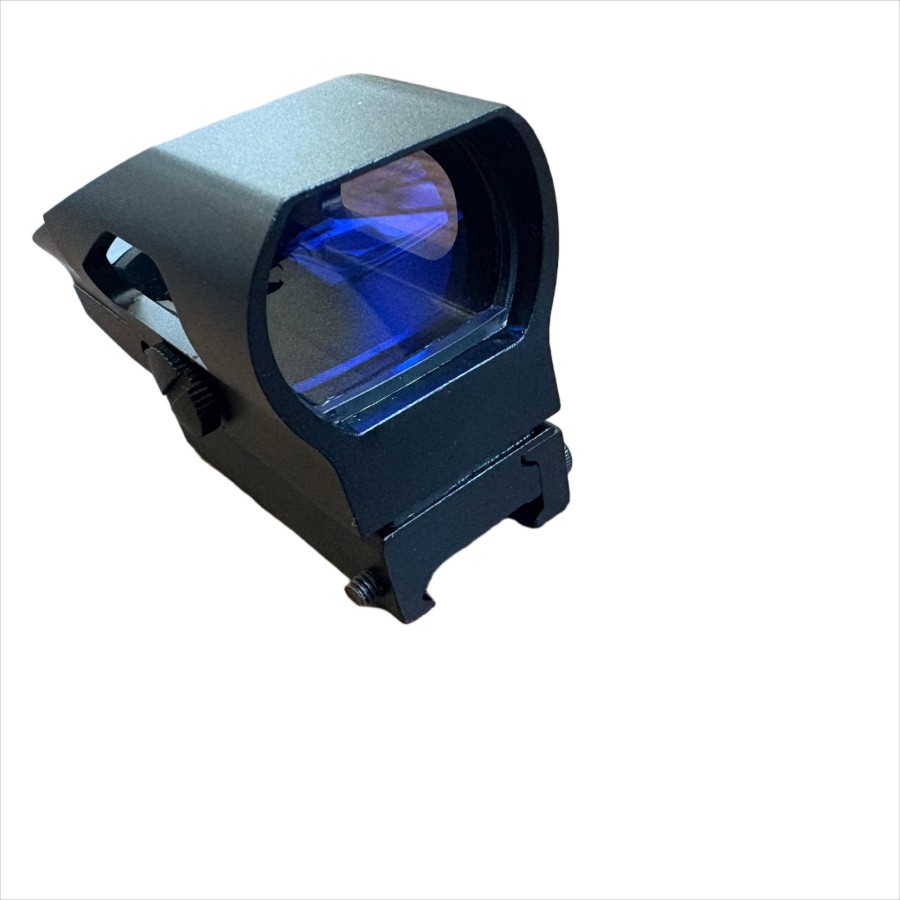



Cross-Platform Compatibility: Is Universal Design Possible?
Many buyers ask whether one optic model can serve pistol, rifle, and shotgun markets simultaneously. In theory, some compact red dots can be adapted through different mounting plates. In practice, performance optimization usually requires platform-specific engineering.
Slide-mounted pistol optics endure unique stress cycles. Rifle optics often require larger tube construction and magnification systems. Shotgun optics prioritize viewing window size and rapid acquisition.
Universal design may reduce SKU count, but it often increases warranty claims if the optic is pushed beyond its intended recoil profile.
For private-label partners working with a custom optics manufacturer, defining the primary platform at the beginning of product development significantly improves long-term stability and customer satisfaction.
Strategic Advice for Distributors & Brands
Choosing between types of firearm optics is not only a technical decision; it’s also a market positioning strategy.
If you are building a new brand or expanding your catalog:
- Start with one clear platform focus.
- Add complementary optics only after validating demand.
- Avoid copying competitor SKU structures without understanding your target market.
From a supplier’s perspective, clear communication about your end market—tactical retail, hunting, entry-level sporting, or premium precision—allows us to recommend the right optic platform, not just a random product.
At Foreseen Optics, we support distributors and firearm optics brands with platform-focused product development, stable production, and OEM customization options. Whether your priority is pistol optics, rifle optics, or shotgun optics, the key is aligning performance requirements with market demand.
If you’re evaluating new SKUs or planning a private-label expansion, defining the firearm platform first will make every other decision clearer—and far more profitable.