The red dot sight market for AR platforms has evolved rapidly in recent years. While micro red dots have long been the standard choice for AR-15 rifles, a new trend is gaining attention: large window red dot sights.
Many shooters and distributors are now asking the same question:
Does a larger viewing window actually improve performance, or is a compact optic still the better choice for AR platforms?
In reality, both designs serve different priorities. Some focus on speed and visual openness, while others prioritize durability, weight efficiency, and rifle balance.
Here, let’s take a closer look at their differences.

Why Window Size Is Becoming a Key Factor in AR Optics?
For years, AR optics design was largely centered around compact tube-style red dots. They are lightweight, rugged, and easy to mount on almost any rifle setup.
However, modern shooting environments—especially dynamic shooting, CQB scenarios, and competition shooting—have pushed manufacturers to rethink optic ergonomics.
One design element has become particularly important:
The size of the viewing window.
A larger window can offer:
- Faster target acquisition
- More forgiving head positioning
- Better peripheral awareness
- A more open sight picture
Because of these advantages, many modern optics now emphasize large window designs, especially in applications where speed matters more than absolute compactness.
Manufacturers such as Foreseen Optics have also expanded their product lineup to include various AR-compatible red dot configurations, from compact optics to more performance-oriented designs.
What Defines a Large Window vs a Micro Red Dot?
Before comparing performance, it helps to clarify what these two categories actually mean.
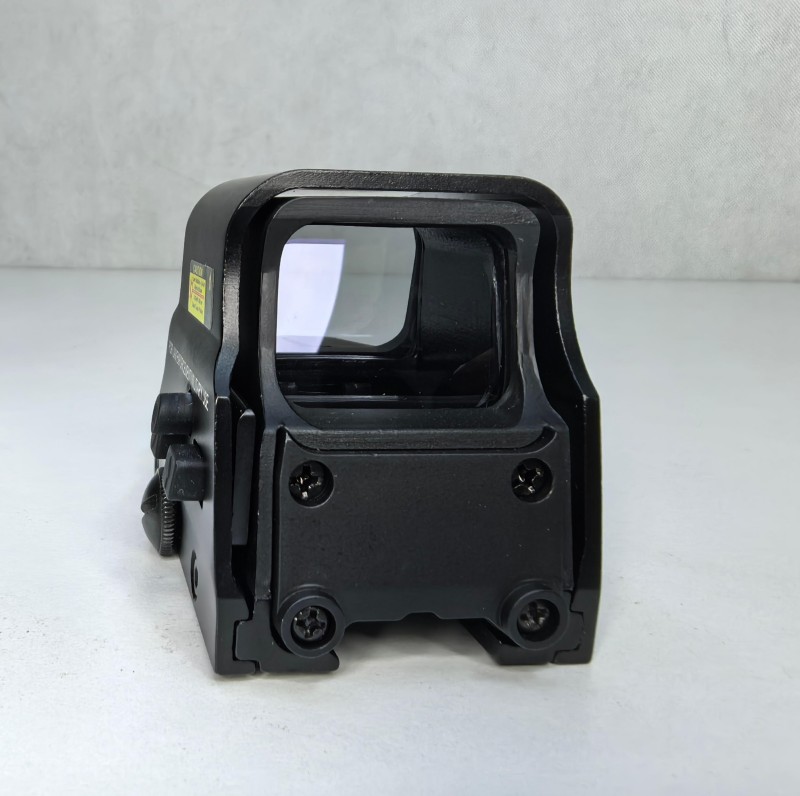
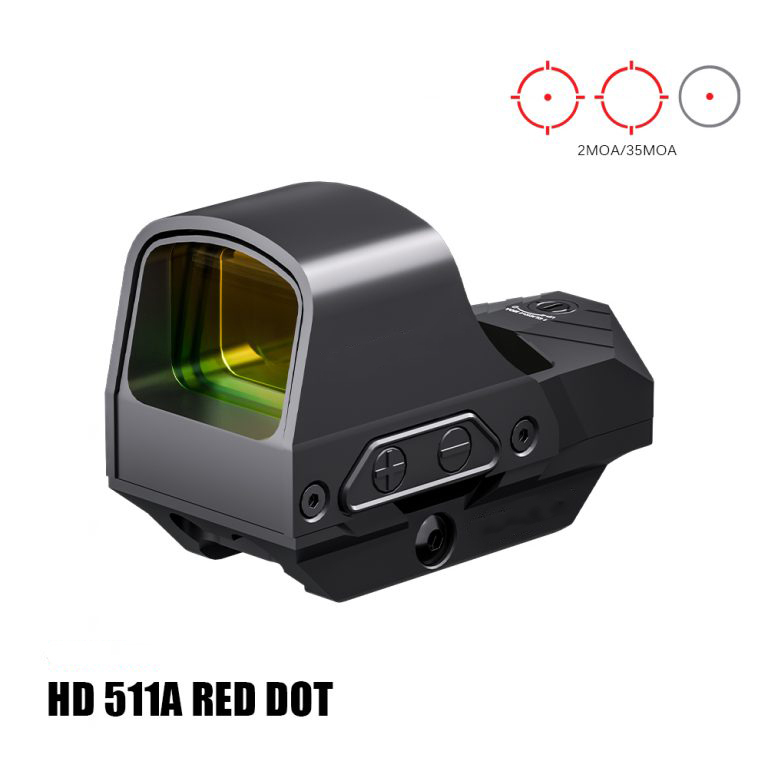
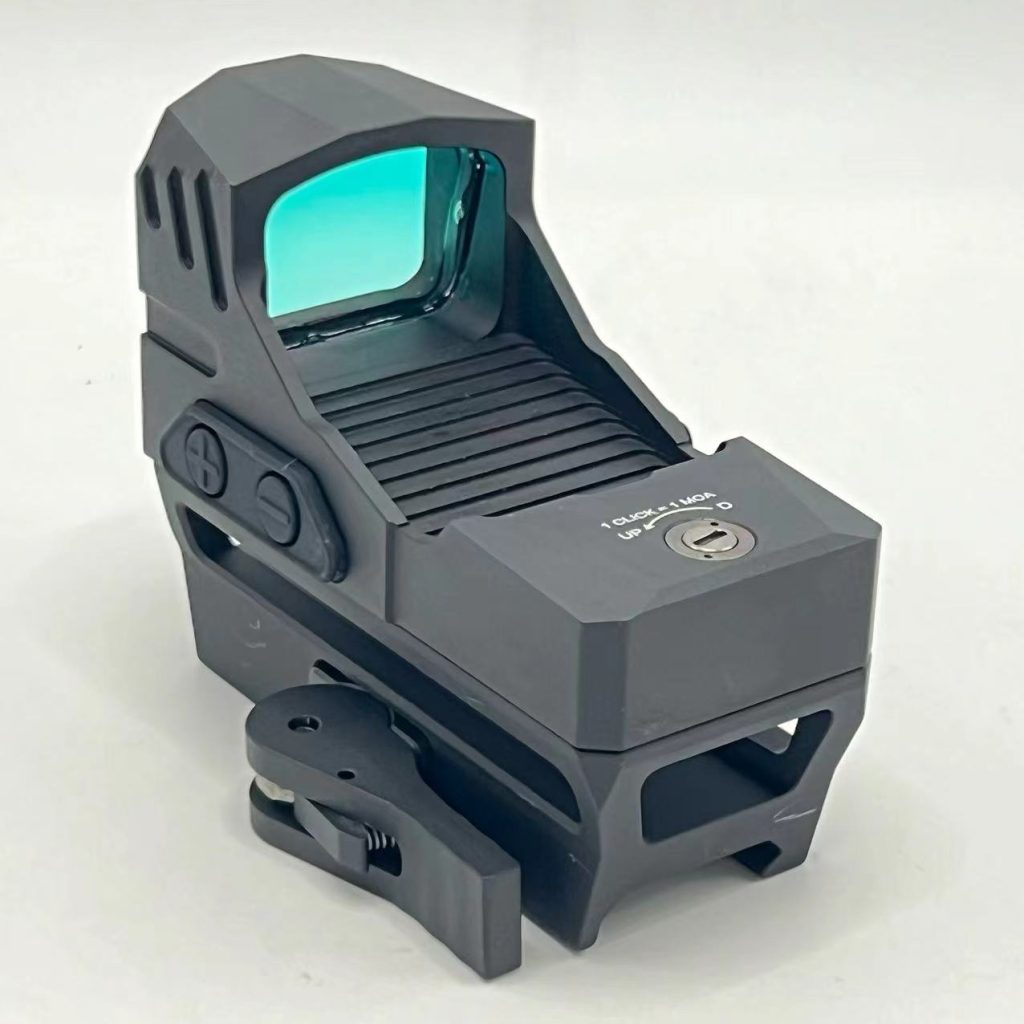
Large Window Red Dot
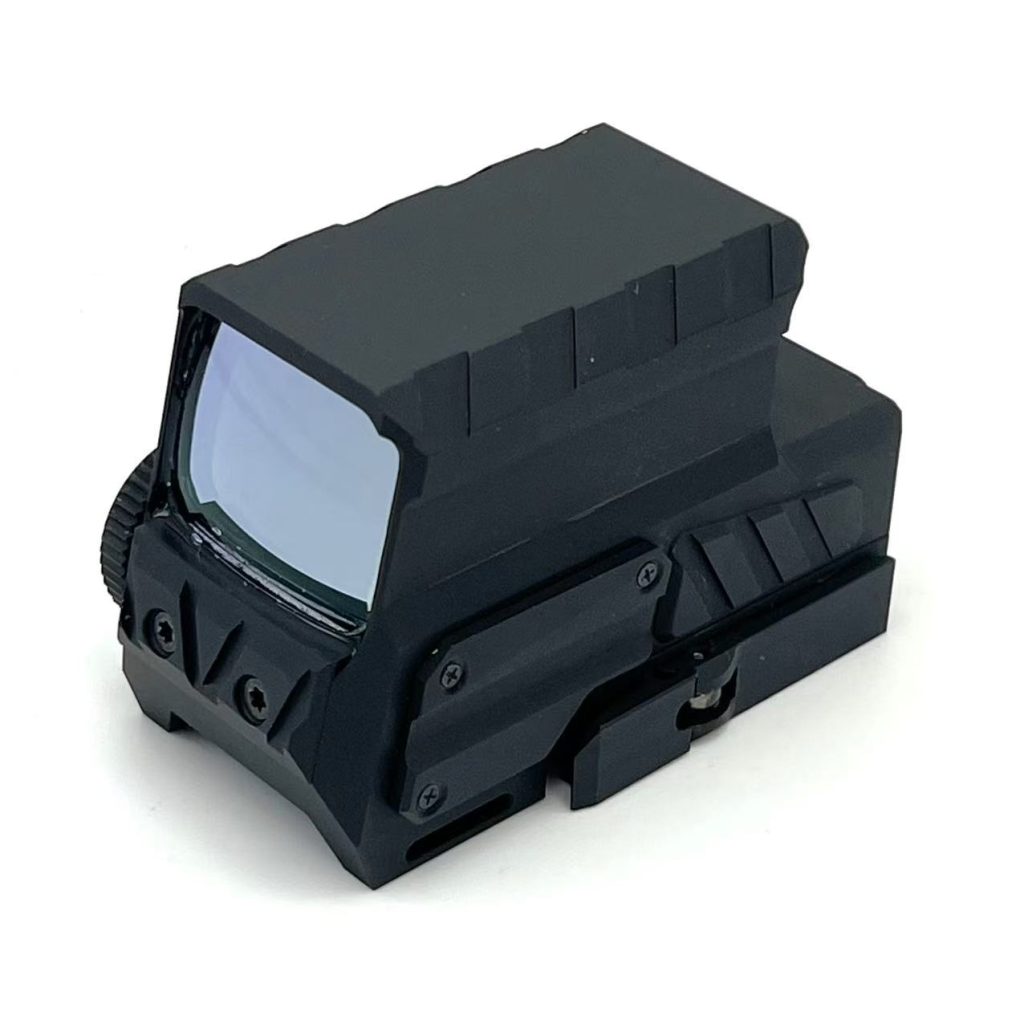
Large window red dots feature a bigger lens area and more open sight picture. These optics are designed to improve speed and visual awareness, especially in dynamic shooting situations.
Typical characteristics include:
- Wider viewing window
- Reduced “tunnel effect”
- Faster visual alignment with the target
- Often used in competition or fast-paced shooting environments
Because of the larger lens surface, these optics may be slightly heavier or bulkier, depending on the housing design.
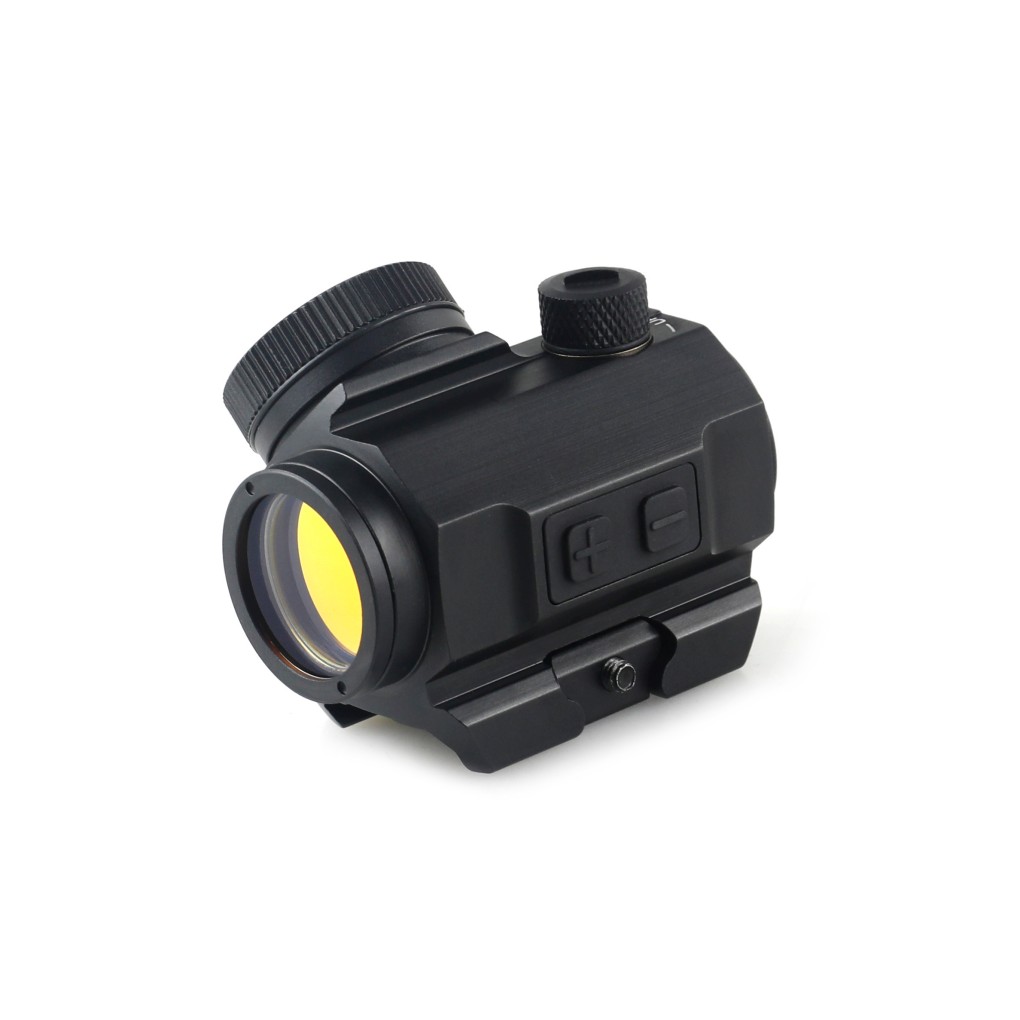
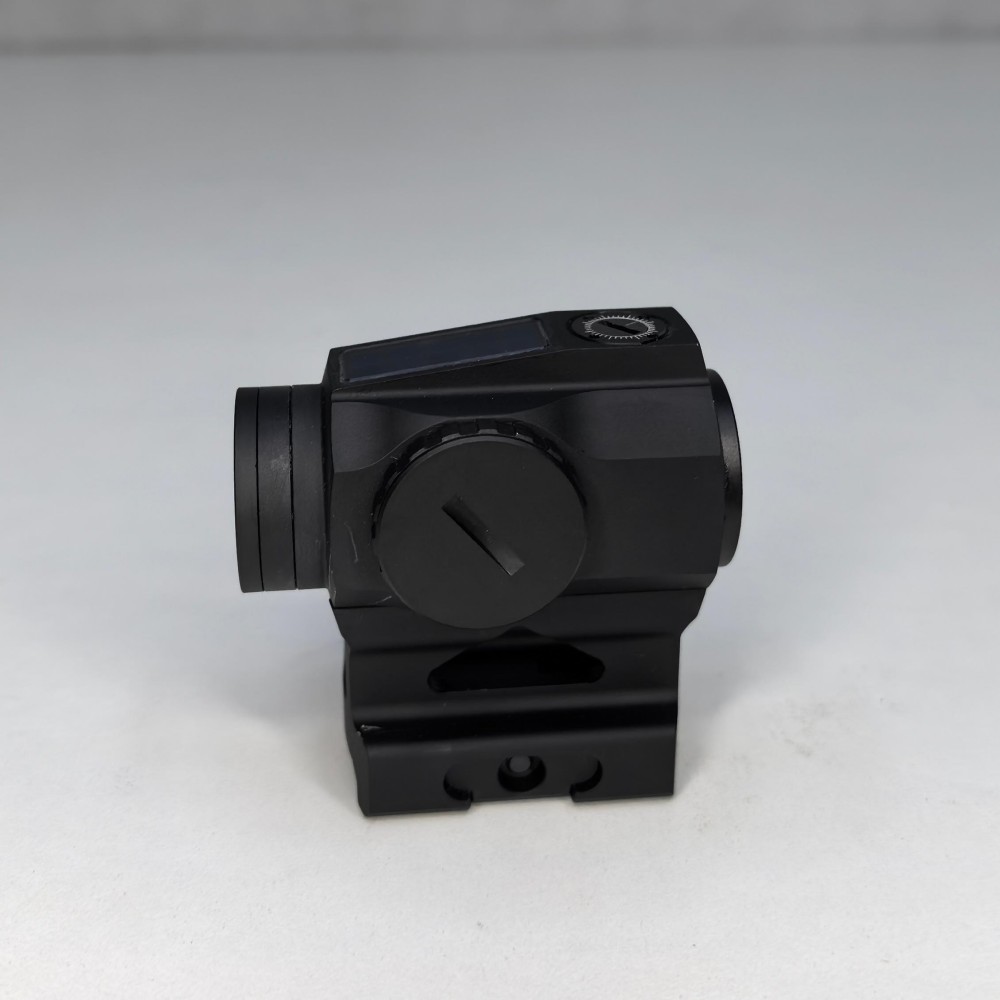
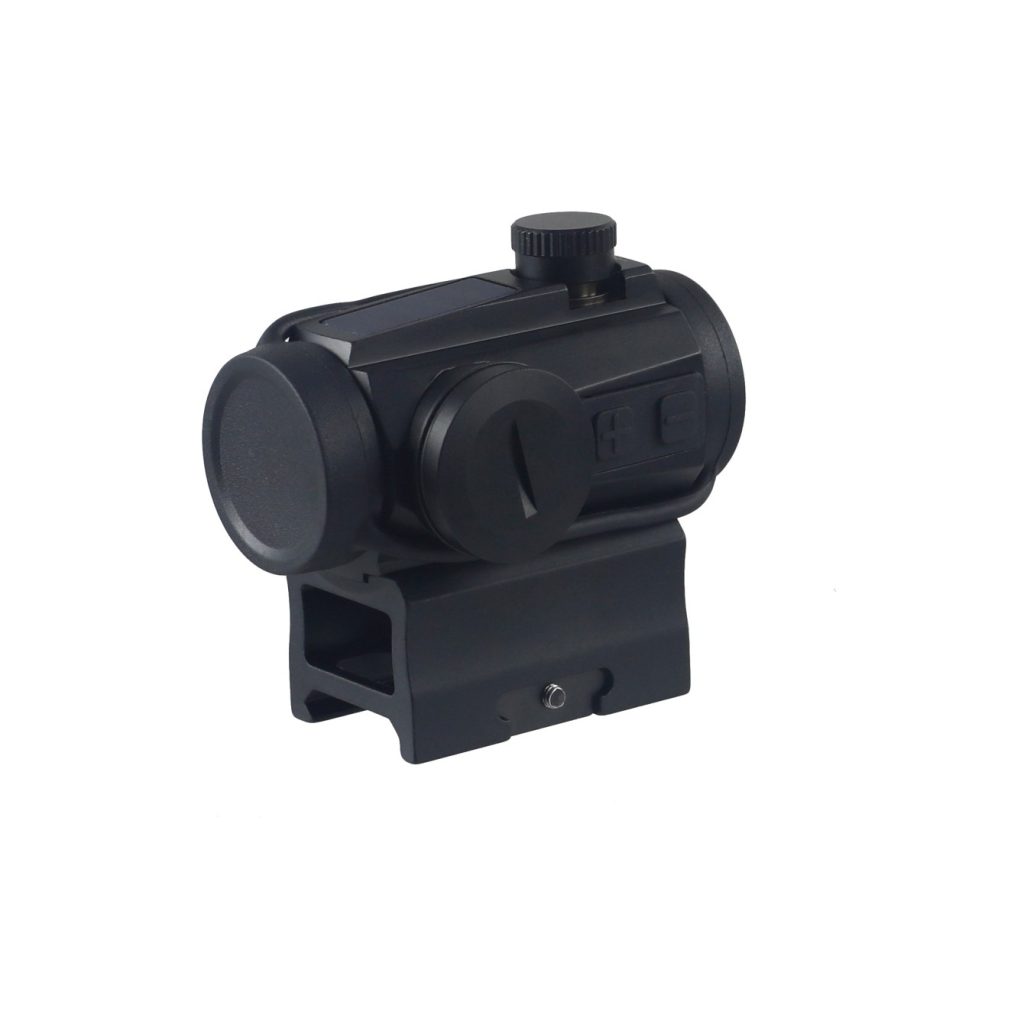
Micro Red Dot
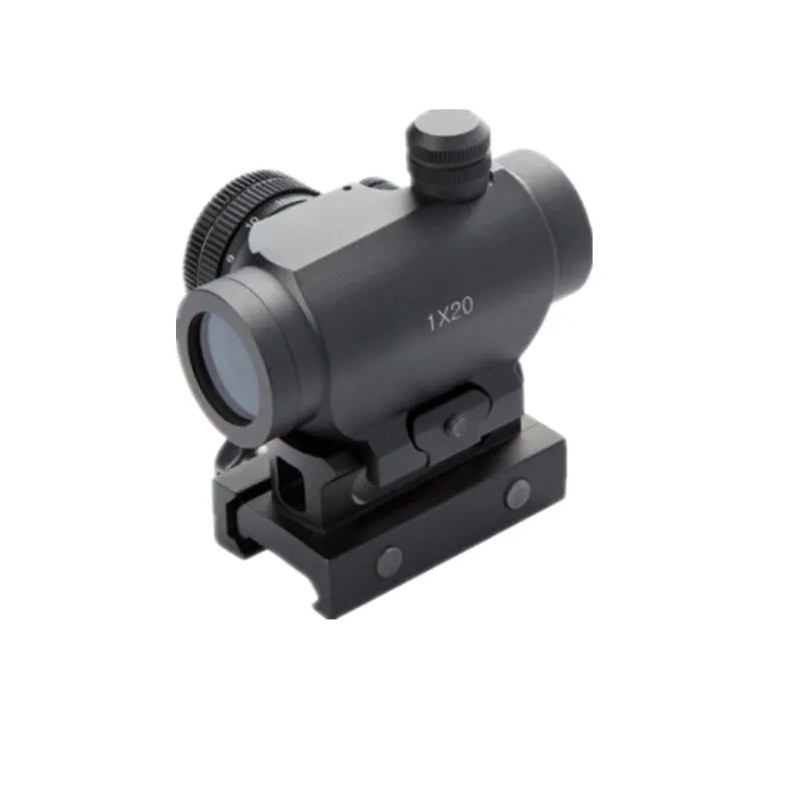
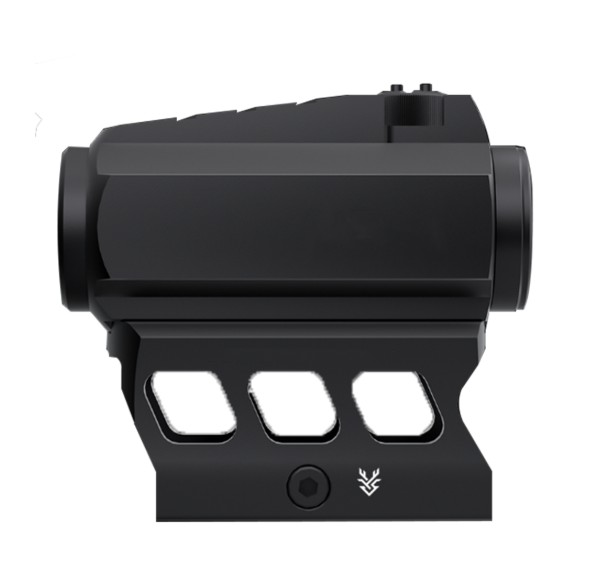
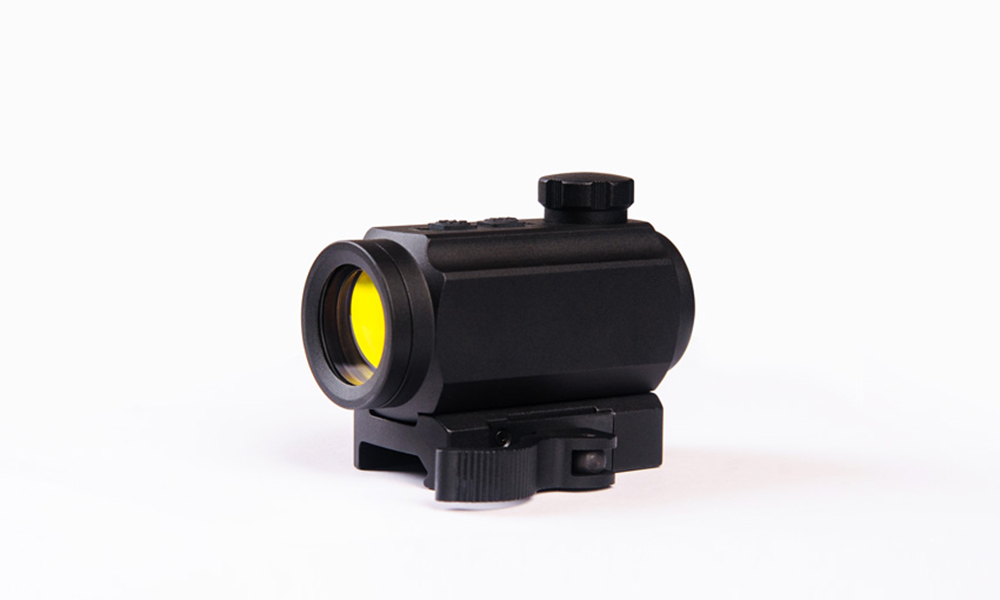
Micro red dots represent the most widely used optic format for AR platforms. They typically use a compact tubular design that prioritizes durability and minimal weight.
Key features include:
- Compact and lightweight housing
- Strong structural durability
- Better environmental protection
- Highly compatible with different rifle setups
Micro red dots are commonly used on duty rifles, tactical setups, and general-purpose AR builds.

Key Performance Differences Between Large Window and Micro Red Dot Sights
Although both optics perform the same core function, their design priorities lead to noticeable differences in real-world use.
Below are the most important factors buyers typically evaluate.
Target Acquisition Speed: Does a Larger Window Really Help?
One of the biggest advantages of large window optics is faster target acquisition.
A larger viewing area allows shooters to:
- locate the red dot faster
- maintain visual awareness around the target
- recover the sight picture quickly during rapid shooting
This is especially helpful in close-quarters shooting environments or dynamic movement scenarios.
However, experienced shooters often point out that training and shooting technique still play a major role. Skilled users can achieve very fast acquisition even with compact optics.
In practice:
- Large window optics offer faster initial alignment
- Micro red dots provide consistent performance once the shooter is accustomed to them
Size, Weight, and Rifle Balance
Weight and rifle balance are important considerations, particularly for lightweight AR builds.
Large window optics often have:
- larger housings
- thicker lens frames
- slightly higher mounting profiles
Micro red dots, by comparison, are designed to minimize weight and footprint.
| Feature | Large Window Red Dot | Micro Red Dot |
| Size | Larger | Compact |
| Weight | Slightly heavier | Lighter |
| Rifle balance | May shift weight slightly forward | Better for lightweight builds |
For users building ultralight AR rifles, compact optics often remain the preferred option.

Durability and Environmental Resistance
Durability is another area where design differences matter.
Because micro red dots typically use closed tubular housings, they tend to provide stronger protection against:
- dust
- debris
- moisture
- impact stress
Large window optics expose a larger lens surface, which can make them slightly more vulnerable to environmental elements depending on the design.
That said, modern optics manufacturers have made major improvements in structural reinforcement and lens protection, reducing the durability gap.
Professional-grade red dots today are often built with:
- aircraft-grade aluminum housings
- shock-resistant internal structures
- waterproof sealing
Field of View vs Visual Obstruction
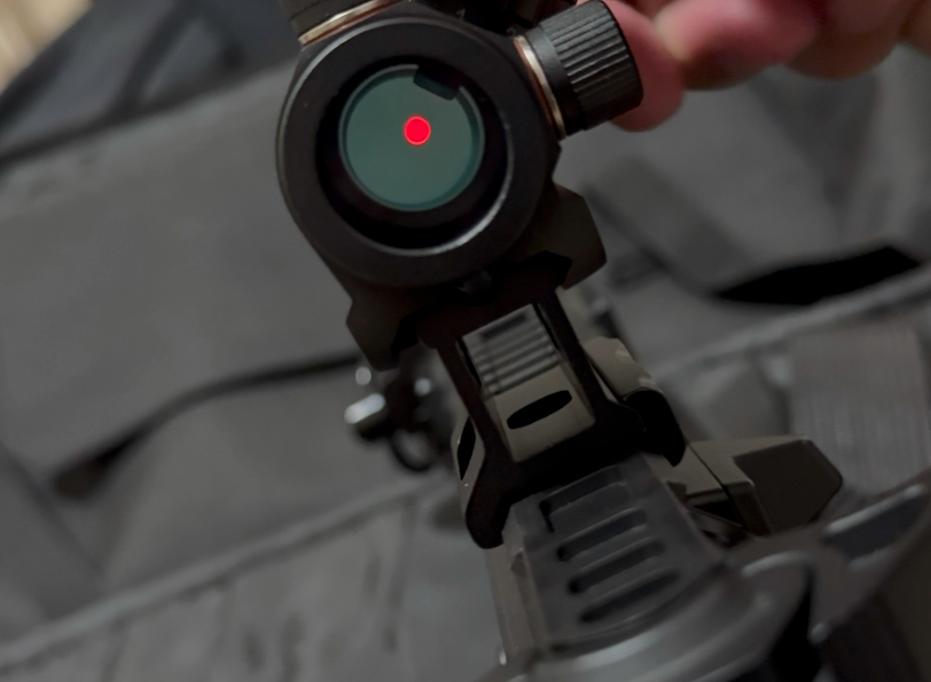
One of the most commonly discussed topics in optics design is field of view perception.
Large window red dots provide a more open visual experience, which can reduce the feeling of looking through a narrow tube.
This often results in:
- improved situational awareness
- easier target transitions
- better peripheral visibility
Micro red dots, on the other hand, may produce a slight tunnel effect, although this effect becomes less noticeable with proper shooting posture.
Interestingly, many professional shooters emphasize that both optics effectively allow unlimited field of view when used with both eyes open.
In other words, the difference often comes down to visual comfort and preference rather than strict performance limitations.
When Each Type Makes More Sense
Different shooting scenarios favor different optic designs.
Here is a simplified comparison:
| Shooting Scenario | Recommended Optic |
| Competition shooting | Large window red dot |
| Fast target transitions | Large window red dot |
| Tactical / duty rifles | Micro red dot |
| Lightweight AR builds | Micro red dot |
| Harsh outdoor environments | Micro red dot |
For distributors and procurement teams, it is common to offer both categories to meet different user needs.
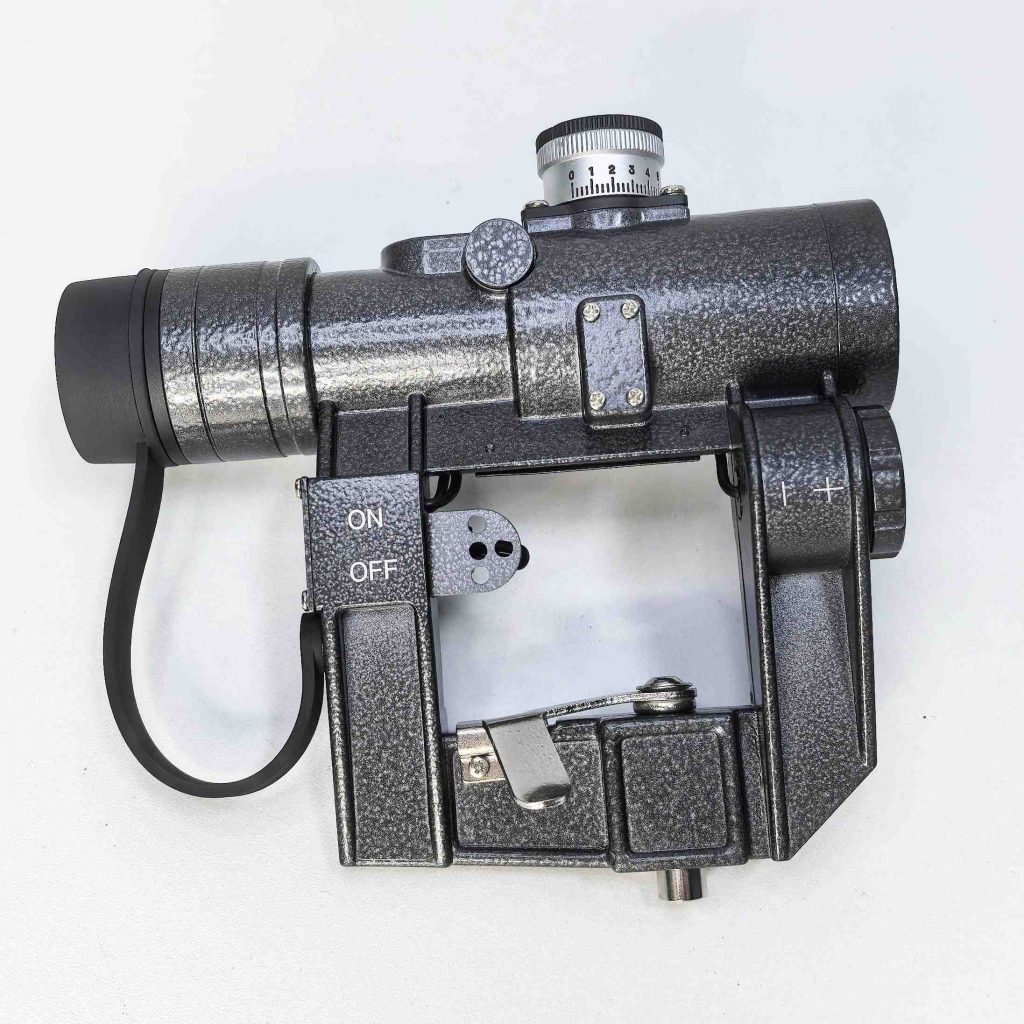
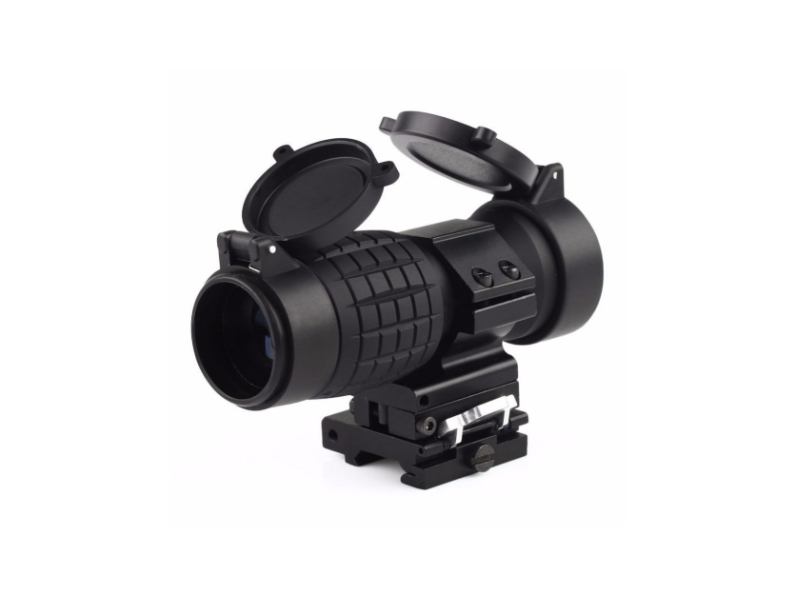
Manufacturers like Foreseen Optics provide multiple optic types designed for different rifle platforms, including AR systems, AK platforms, and magnifier-compatible sights.
Market Trends: Why Large Window Optics Are Gaining Popularity
Over the past few years, the optics market has seen a noticeable shift toward larger viewing windows.
Several factors are driving this trend:
- the growing popularity of dynamic shooting sports
- increased demand for faster target acquisition
- improvements in optic durability and manufacturing
- changing user preferences
Many modern optics now attempt to combine the benefits of both designs by offering larger viewing windows while maintaining compact housings.
At the same time, micro red dots remain the most widely adopted optic type due to their proven reliability and versatility.
As a result, both formats are likely to remain important in the AR optics market.
Final Word: Choosing Based on Practical Needs
In the end, the decision between a large window red dot and a micro red dot sight depends on the intended use.
Large window optics excel in situations where:
- speed matters
- rapid target transitions are common
- visual openness improves shooting comfort
Micro red dots remain the preferred choice for users who prioritize:
- lightweight rifle setups
- maximum durability
- compact and versatile optics
For distributors, dealers, and professional users, the best strategy is often to evaluate optics based on real-world applications rather than specifications alone.
If you are exploring reliable optics solutions for AR platforms, you can review the full lineup of Foreseen Optics rifle red dot sights to compare different configurations and mounting options.