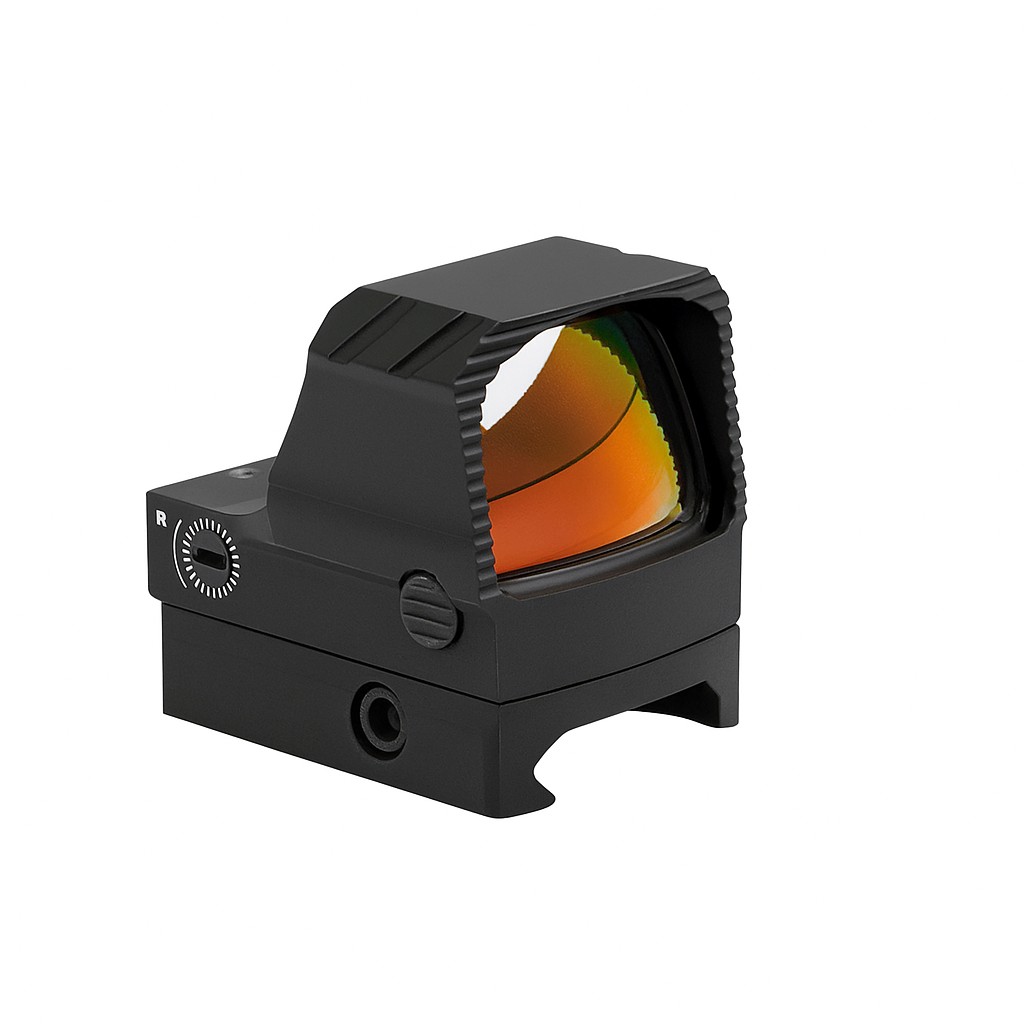
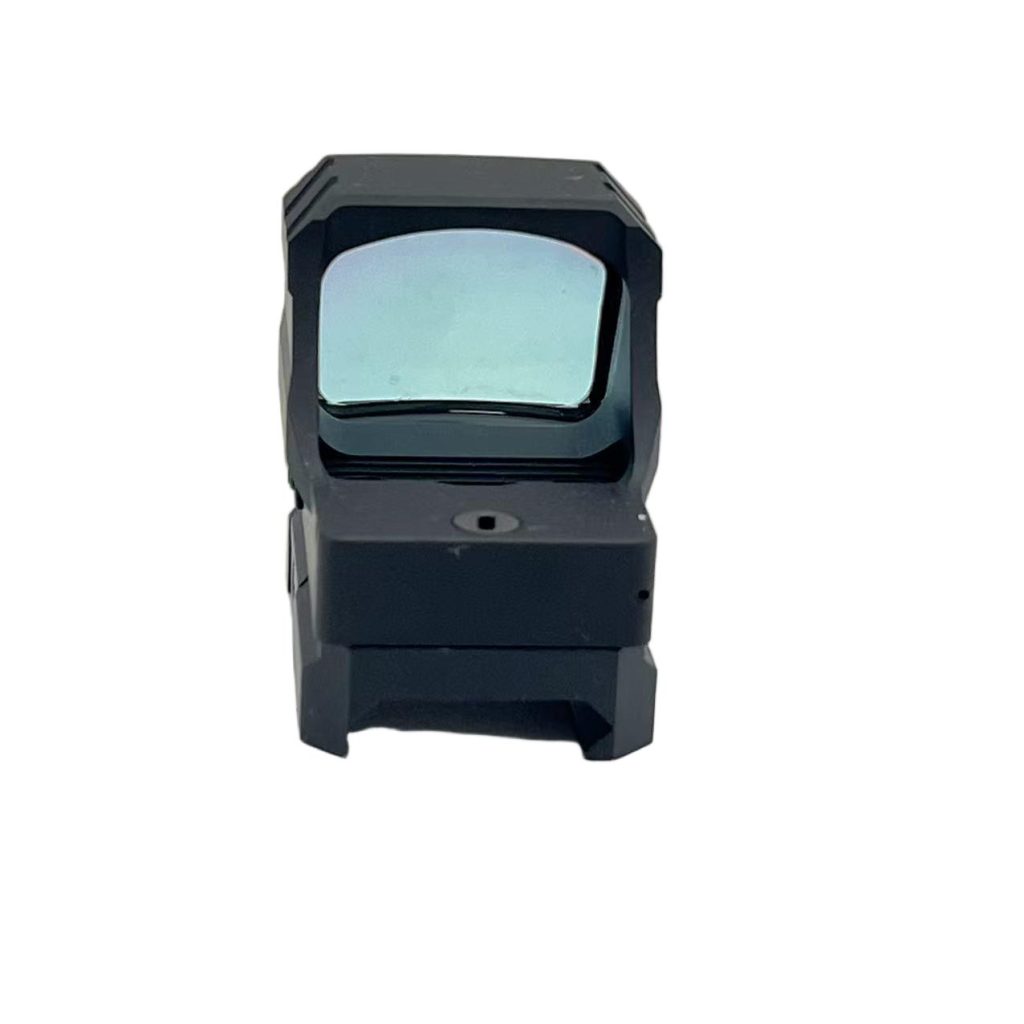
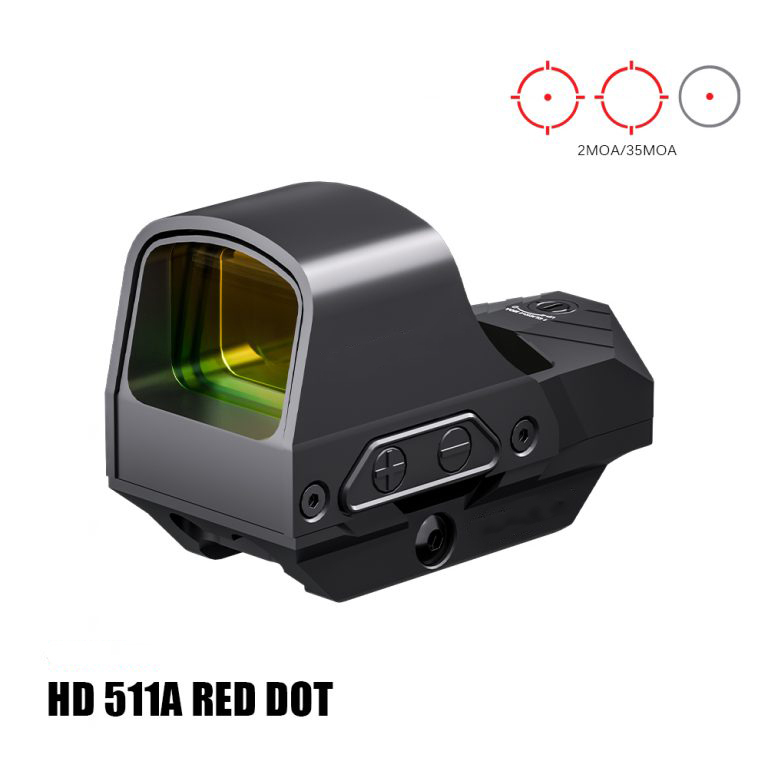
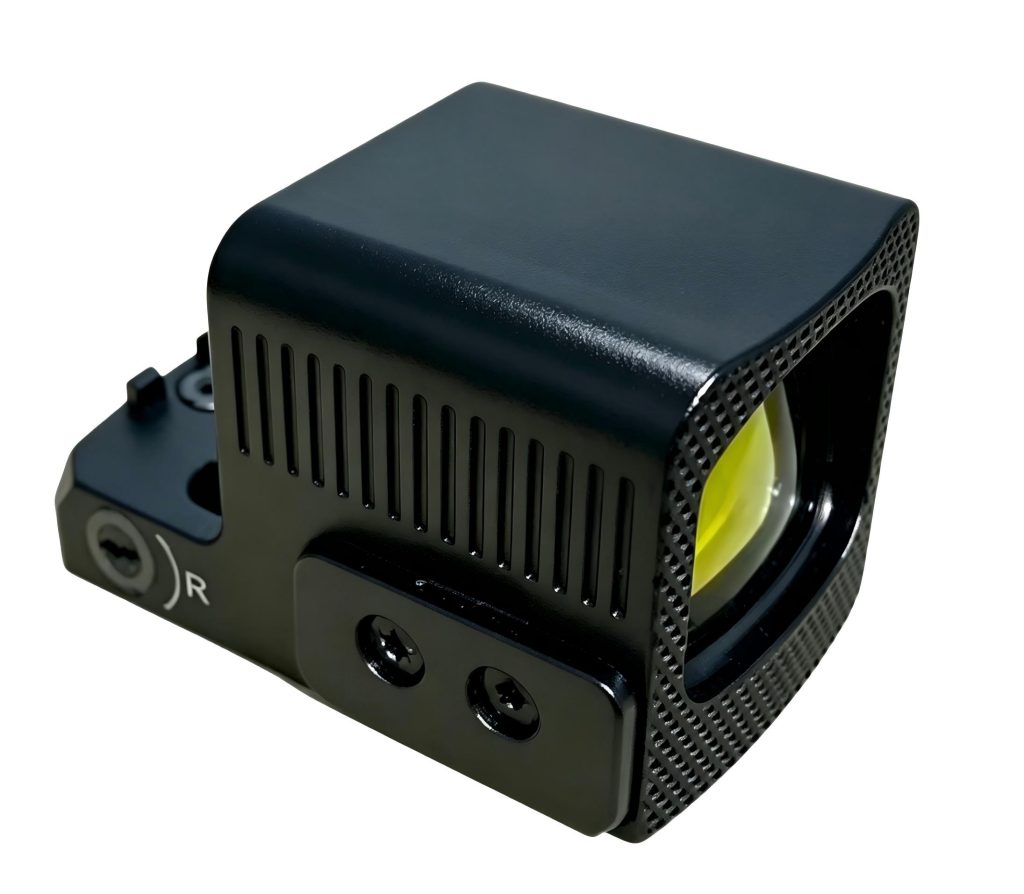
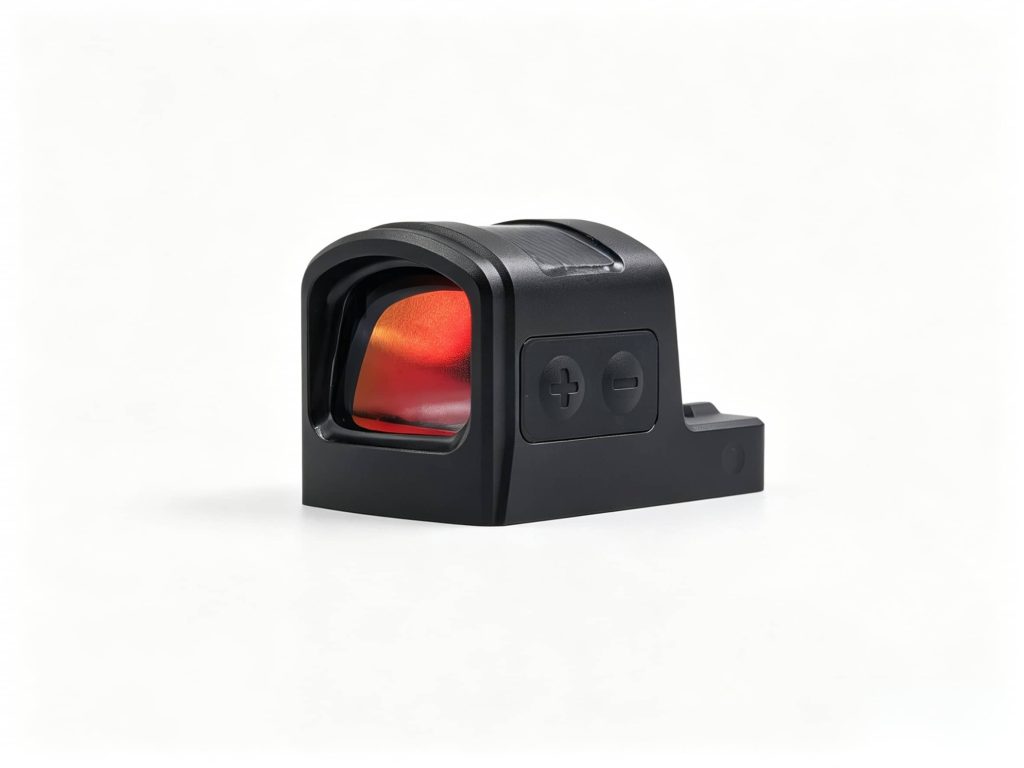
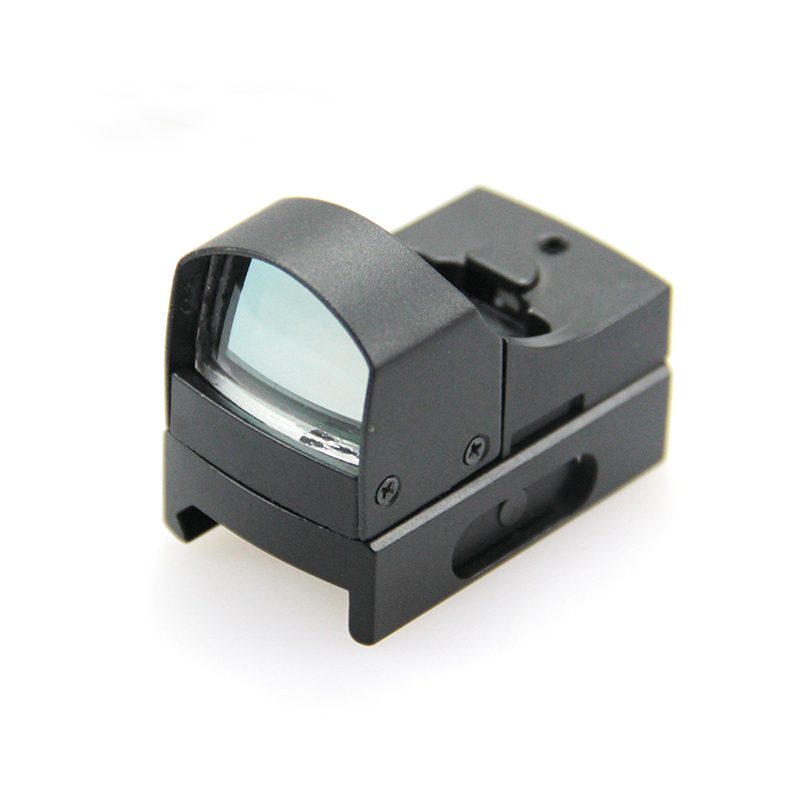
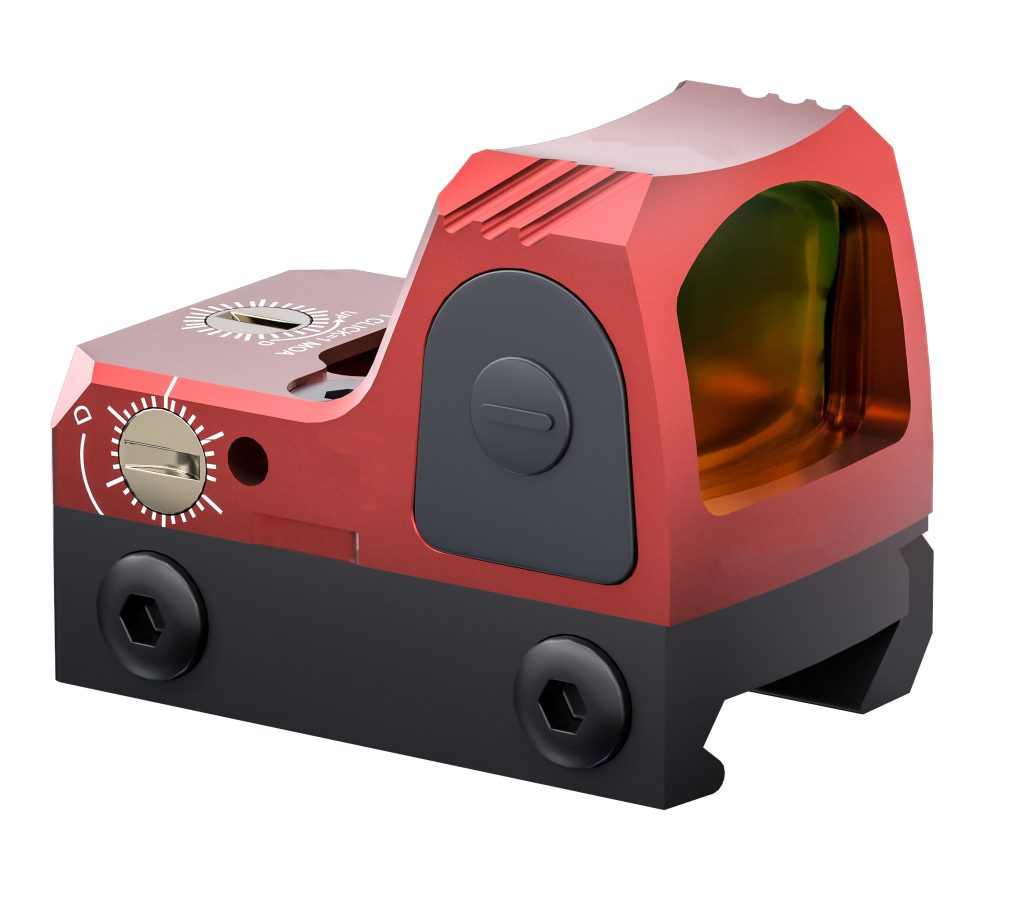
Choosing the right Red Dot Sight is one of the most important decisions for shooters who regularly operate in outdoor environments. Sun glare, rain, dust, recoil, and unpredictable weather can all dramatically affect aiming performance. This is why many buyers compare two major categories—Open Red Dot Sight and Enclosed Red Dot Sight—yet still struggle to determine which design truly suits their outdoor applications.
At Foreseen Optics, we work closely with hunters, tactical units, competitive shooters, and outdoor training centers worldwide. We see firsthand how equipment selection impacts real-world performance. Here we provide a detailed comparison of red dot sight open vs closed designs, helping you understand the technologies, strengths, limitations, and best applications for each. By the end, you’ll know exactly which type aligns with your outdoor shooting needs.
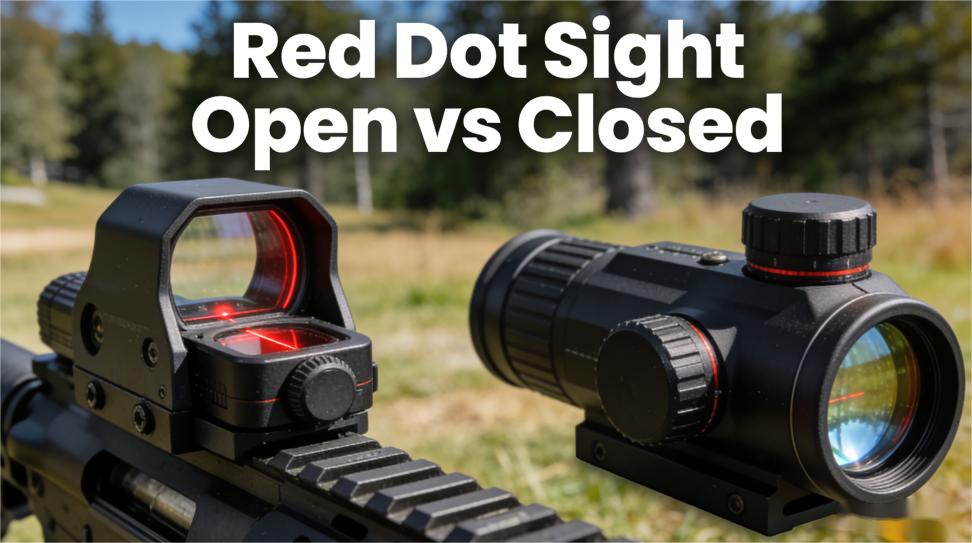
What Are Open and Enclosed Red Dot Sights?
Before comparing performance, it’s essential to understand how each design works. Both use an LED emitter to project a dot onto coated lenses, but their structures differ significantly, and structure directly influences outdoor durability.
Open Red Dot Sight (Open Emitter)
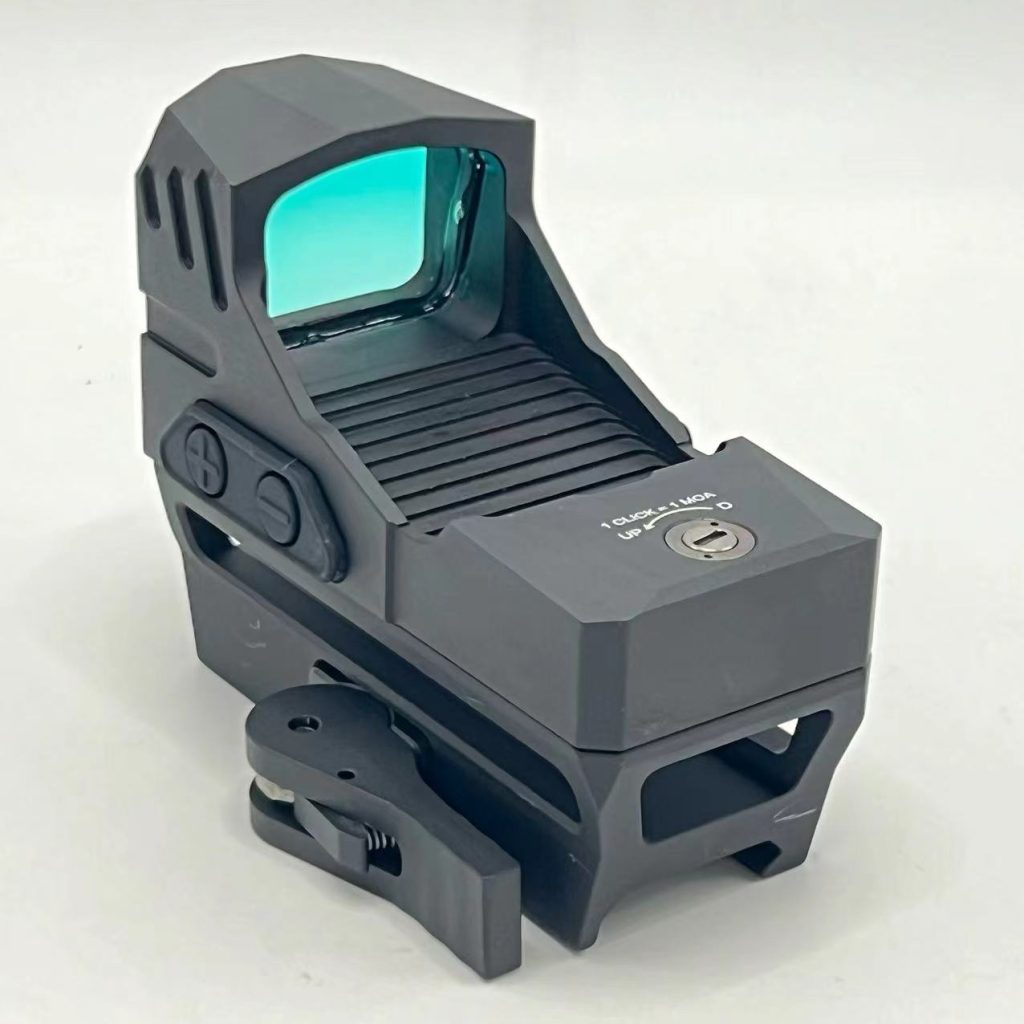
An Open Red Dot Sight has an exposed LED emitter and a single viewing window. This lightweight and minimalistic structure is commonly used in pistol shooting, competitions, and fast-acquisition scenarios.
Key Characteristics:
- Open frame with a reflective glass window
- Wide field of view (FOV)
- Fast target acquisition
- Lightweight and compact
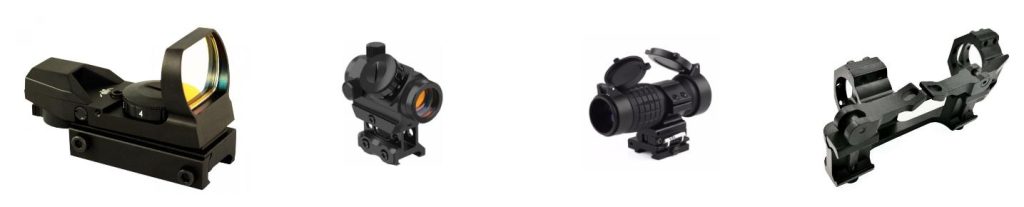
Foreseen Optics’ open designs—such as the XIX1408OR Lightweight Open Emitter Pistol Red Dot and XIX1342OR High-Precision Reflex Red Dot—represent this category.
However, because the emitter is exposed, outdoor elements such as rain, mud, fog, or snow can temporarily obstruct the dot projection. This is the main factor limiting open sights in extreme outdoor environments.
Enclosed Red Dot Sight (Closed Emitter / Tube Red Dot Sight)
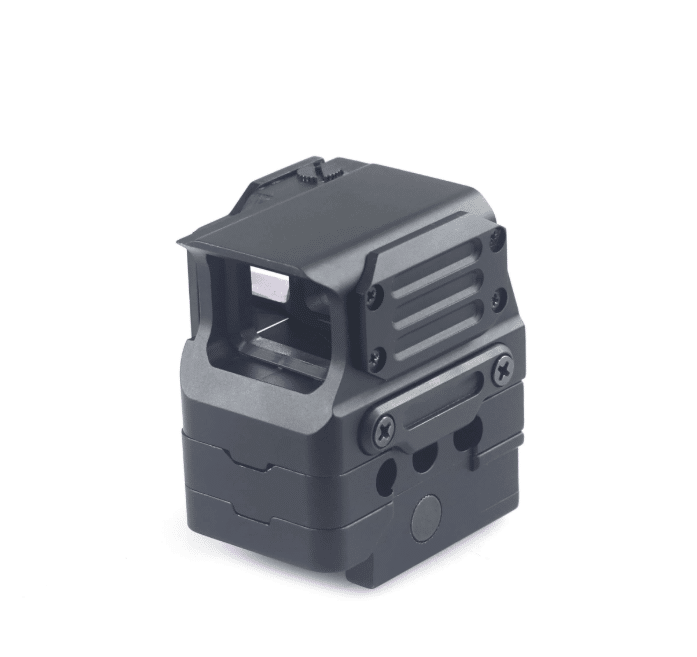
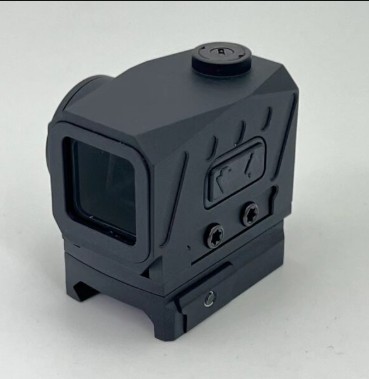
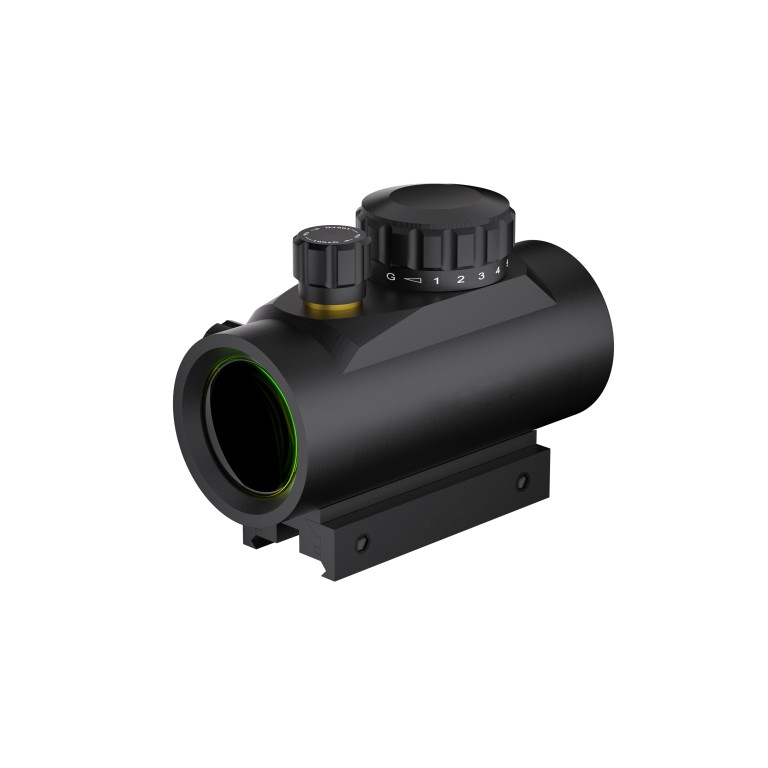
An Enclosed Red Dot Sight seals the LED emitter inside a protective housing—either a tube or a fully enclosed structure. This ensures the reticle remains clear regardless of weather or terrain.
Key Characteristics:
- Fully sealed emitter
- Superior durability
- Better resistance to rain, dust, and debris
- Stable performance for rifles, shotguns, and duty weapons
Examples from Foreseen Optics include the CHX1223TR Closed Emitter Pistol Red Dot, XIX1502TR Tube Red Dot Sight, and the XIX1403TR Closed Emitter Shotgun Red Dot, all engineered for rugged outdoor use.
Because the emitter is protected, enclosed sights are often the preferred choice for hunters, law enforcement, and long-range outdoor training.
Key Differences: Open vs. Enclosed Red Dot Sights for Outdoor Use
To give buyers a clear comparison, here is a structured breakdown of the core performance differences that matter specifically for outdoor shooting.
1. Durability & Weather Resistance
Outdoor environments introduce obstacles such as rain, moisture, dirt, and sudden temperature shifts. The performance gap between open and enclosed designs becomes obvious here.
| Feature | Open Red Dot Sight | Enclosed Red Dot Sight |
| Rain / Snow Protection | Low | Excellent |
| Dust & Sand Resistance | Low | High |
| Shock / Recoil Absorption | Medium | High |
| Extreme Weather Stability | Medium | Excellent |
| Outdoor Reliability Score | ★★★☆☆ | ★★★★★ |
If outdoor durability is your top priority—especially in hunting, tactical, or extreme-weather scenarios—Enclosed Red Dot Sights offer significantly better protection and performance.
2. Optical Performance in Sunlight
Outdoor sunlight can cause glare that affects sight clarity. Open sights often expose more glass surface to light, while tube-style enclosed sights naturally reduce glare.
Open Sights:
- Larger window, more exposed angles
- More susceptible to sunlight reflections
- Clearer situational awareness
Enclosed Sights:
- Tube-like structure reduces glare
- Better contrast when aiming in bright backgrounds
- More consistent dot clarity outdoors
3. Target Acquisition Speed
Open red dots shine in fast-paced shooting.
Open Sights:
- Minimal housing → wider field of view
- Extremely fast dot acquisition
- Ideal for pistols and dynamic shooting
Enclosed Sights:
- Slightly narrower view due to housing
- Dot acquisition is slightly slower but more precise
For speed-intensive outdoor activities such as competitive shooting, Open Red Dot Sights offer superior FOV and speed.
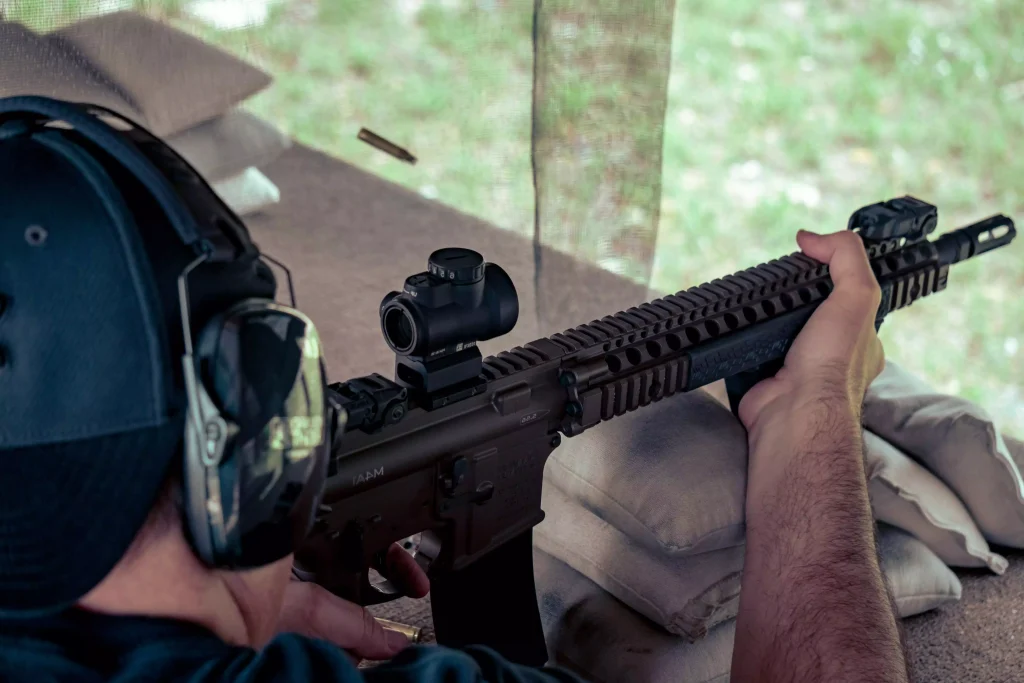
4. Maintenance & Cleaning
Outdoor shooting introduces mud, moisture, fingerprints, and debris. Maintenance requirements vary dramatically:
Open Sight Maintenance:
- Requires frequent cleaning
- Debris can block the emitter
- Sensitive to raindrops on the glass
Enclosed Sight Maintenance:
- Less cleaning needed
- Emitter protected inside the housing
- Reliable in bad weather
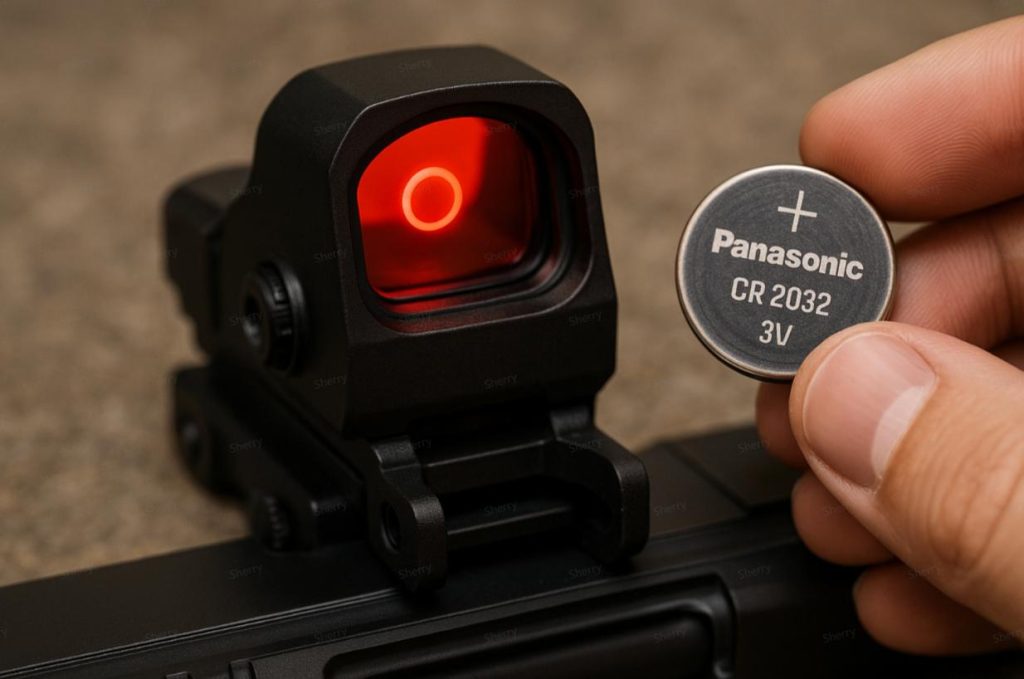
5. Battery Life & Performance Stability
Because enclosed sights protect their internals, they often achieve more stable power efficiency.
Open sights and closed sights both can reach long battery lifespans, but closed emitter designs experience fewer interruptions from environmental interference, especially in cold or humid outdoor conditions.
Which Design is Better for Outdoor Use? (Application-Based Recommendations)
Instead of giving a single winner, it is more practical to match each design with the user’s outdoor scenario. Here is how Foreseen Optics usually advises customers.
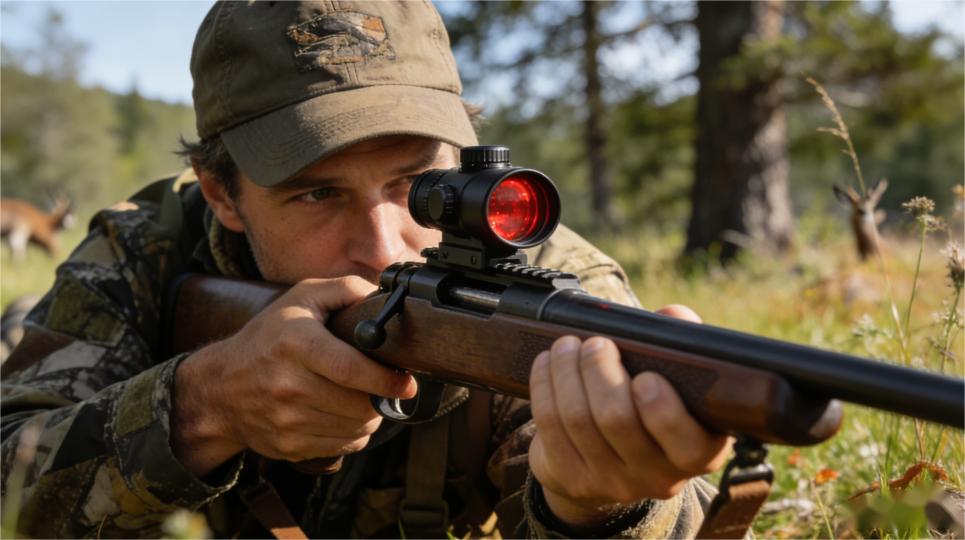
For Hunting
- Weather can change unpredictably
- Rifles face strong recoil and terrain-related impacts
➡ Enclosed Red Dot Sight recommended
The rugged structure of models like the XIX1502TR ensures consistent performance in rain, fog, or forest environments.
For Tactical Training & Duty Use
- Must withstand rain, dust, and hard impact
- Reliability always prioritized over weight
➡ Enclosed Red Dot Sight strongly recommended
Closed emitter designs maintain reticle visibility during fast transitions and unexpected environmental exposure.
For Competitive Outdoor Shooting
- Quick target acquisition is key
- Wide FOV helps maintain speed
➡ Open Red Dot Sight recommended
Models such as the XIX1408OR or XIX1342OR are ideal for speed shooting or range training.
For Recreational & General Outdoor Use
- Both types work depending on personal preference
- Open for speed and light weight
- Enclosed for durability and reliability
How to Choose the Right Red Dot Sight as a Buyer
Choosing the right red dot sight isn’t the same for every buyer. A recreational shooter, a hunter, or a law-enforcement officer will evaluate features differently from a distributor, retailer, or OEM/ODM partner sourcing products in bulk. Here, we break down the decision-making process for two key audiences—individual consumers and wholesale buyers—to ensure every buyer finds the design that best fits their needs.
As an individual consumer, how should I choose?
When selecting a Open Red Dot Sight or Enclosed Red Dot Sight, consumers should consider practical, real-world usage first. Here are the primary evaluation points:
✔ 1. Your Primary Shooting Environment
Outdoor shooters should start with where they expect to use the sight most:
- Rainy, humid, or dusty regions → Enclosed sights provide better protection.
- Sunny open ranges → Open sights offer faster target acquisition.
- Forests, wetland, snow → Enclosed sights ensure uninterrupted reticle clarity.
Tip: If weather varies frequently, enclosed designs deliver more consistency.
✔ 2. Your Firearm Platform
Match the sight to the firearm for optimal performance:
- Pistols: Open sights offer lighter weight and faster dot pickup.
- Rifles / Carbines: Enclosed sights withstand recoil and rough handling.
- Shotguns / Crossbows: Enclosed or large-window open models ensure visibility and durability.
✔ 3. Balance Weight vs. Protection
- Open sights: Best for ultralight builds or fast competitive runs.
- Enclosed sights: Slightly heavier but built for extreme outdoor conditions.
✔ 4. Desired Features and Comfort
Consumers should evaluate:
- Reticle options (single or multiple patterns)
- Battery life and brightness settings
- Shake-awake or auto-off features
- Optical clarity and lens coatings
- Mounting compatibility (RMR, picatinny, etc.)
A pattern emerges:
- If speed, weight, and simplicity matter → choose Open.
- If durability, weather resistance, and reliability matter → choose Enclosed.
This mindset helps consumers make confident, scenario-based decisions.
As a Wholesale Buyer or Distributor, how should I choose?
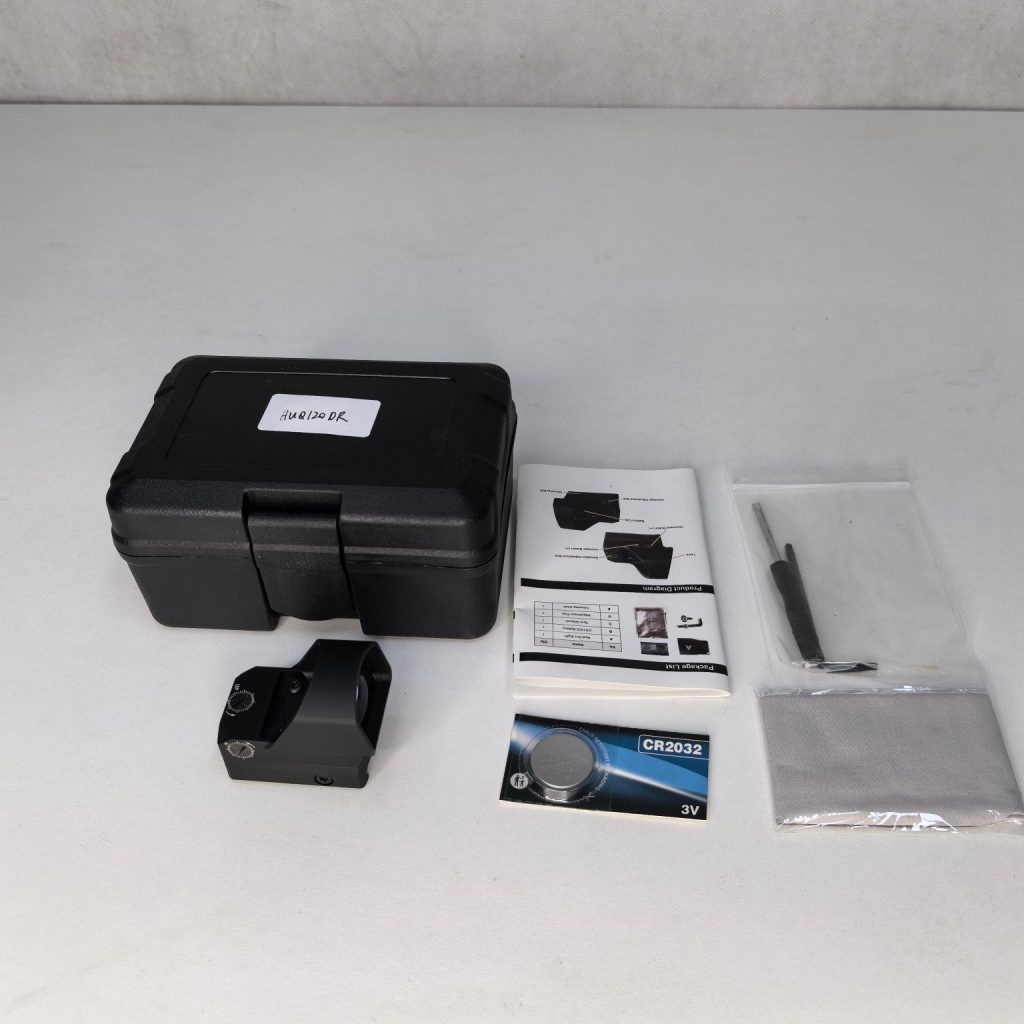
Wholesale purchasers—such as dealers, distributors, tactical gear resellers, and OEM/ODM partners—must prioritize long-term profitability, product category planning, and customer demand trends. Their selection criteria go beyond performance alone.
✔ 1. Understand Your Target Market Segment
Different buyer groups prefer different designs:
- Law enforcement & military markets → Enclosed sights
- Hunting retail channels → Enclosed and tube-style sights
- Competitive shooting communities → Open reflex sights
- Entry-level consumer markets → Affordable open sights
By aligning inventory with end-user behavior, wholesalers maximize sell-through rates.
✔ 2. Build a Balanced Product Portfolio
A strong assortment usually includes:
- 1–2 rugged closed emitter models
- 1 lightweight open pistol model
- 1 large-window shotgun/crossbow open model
- 1 tube red dot sight for rifle customers
This ensures broader market coverage and reduces stock risk.
✔ 3. Consider Durability, Warranty, and After-Sales Needs
Wholesale buyers need products that minimize return rates.
Key questions include:
- Is the structure robust enough for outdoor use?
- Does the sight maintain zero under heavy recoil?
- Does the manufacturer offer stable warranty support?
Foreseen Optics focuses heavily on reinforcing housings, shock resistance, and QC testing—critical for B2B customers.
✔ 4. Predict Demand Based on Seasonal Trends
- Hunting seasons: Enclosed and tube red dots sell faster.
- Holiday seasons: Entry-level open sights gain traction.
- Training season (spring/summer): Lightweight pistol open sights dominate.
Reliable seasonal planning helps wholesalers maintain healthy inventory cycles.
✔ 5. Evaluate Customization and OEM/ODM Potential
For buyers looking to build their own brand:
- Check if the supplier supports custom Red Dot Sight configurations (reticle patterns, MOA options, housing design, colors, laser engravings).
- Evaluate production capability and stability.
- Confirm consistency across batches.
Foreseen Optics specializes in OEM/ODM manufacturing, making it easy for wholesalers to develop private-label or exclusive outdoor sight products.
Final Words
Both Open Red Dot Sights and Enclosed Red Dot Sights have unique strengths. For outdoor shooting, the decision comes down to environment, firearm type, and performance expectations.
If your priority is maximum durability and all-weather reliability, choose an Enclosed Red Dot Sight.
If you need speed, wide field of view, and lightweight design, an Open Red Dot Sight may be the better fit.
At Foreseen Optics, we manufacture both categories with strict quality control, high-transmittance optics, rugged housings, and customization options for OEM/ODM partners. No matter which design you choose, our engineering and production capabilities ensure professional-grade performance for any outdoor shooting application.
If you need tailored recommendations or custom Red Dot Sight solutions, our team is ready to assist. Contact us now.