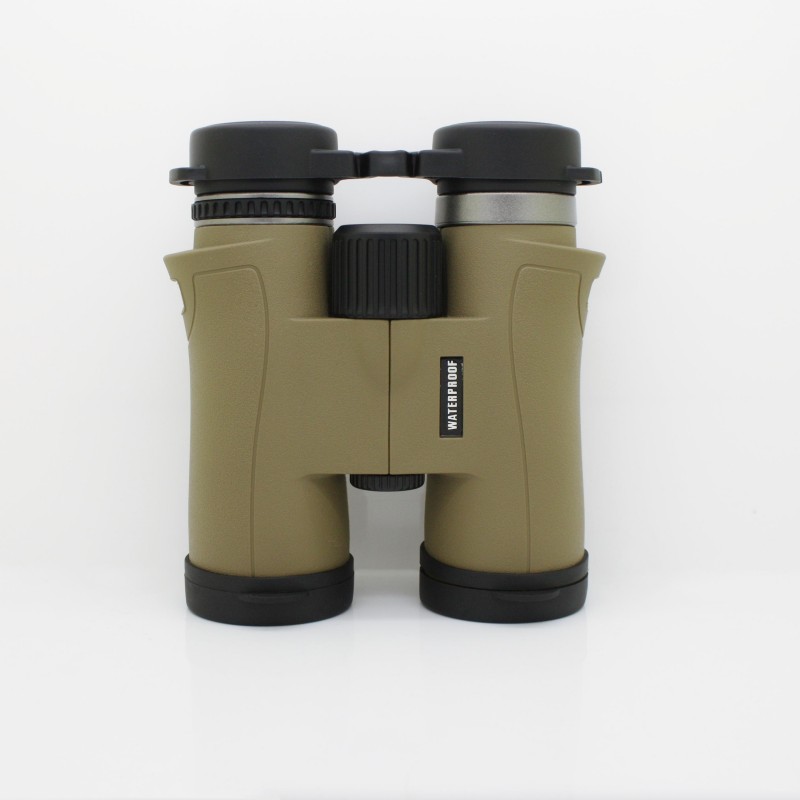
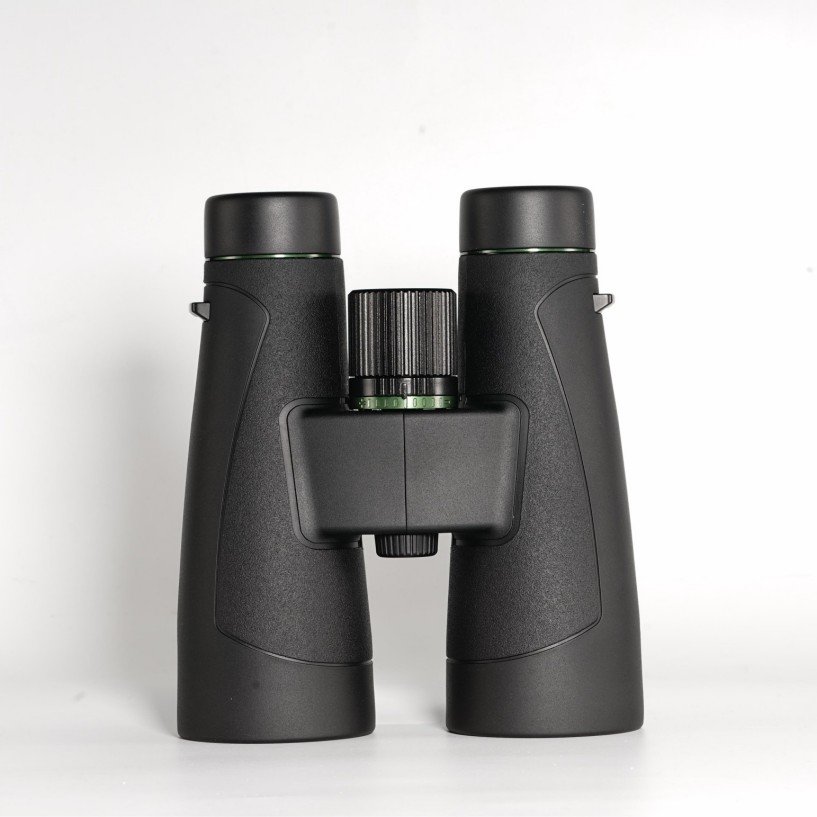
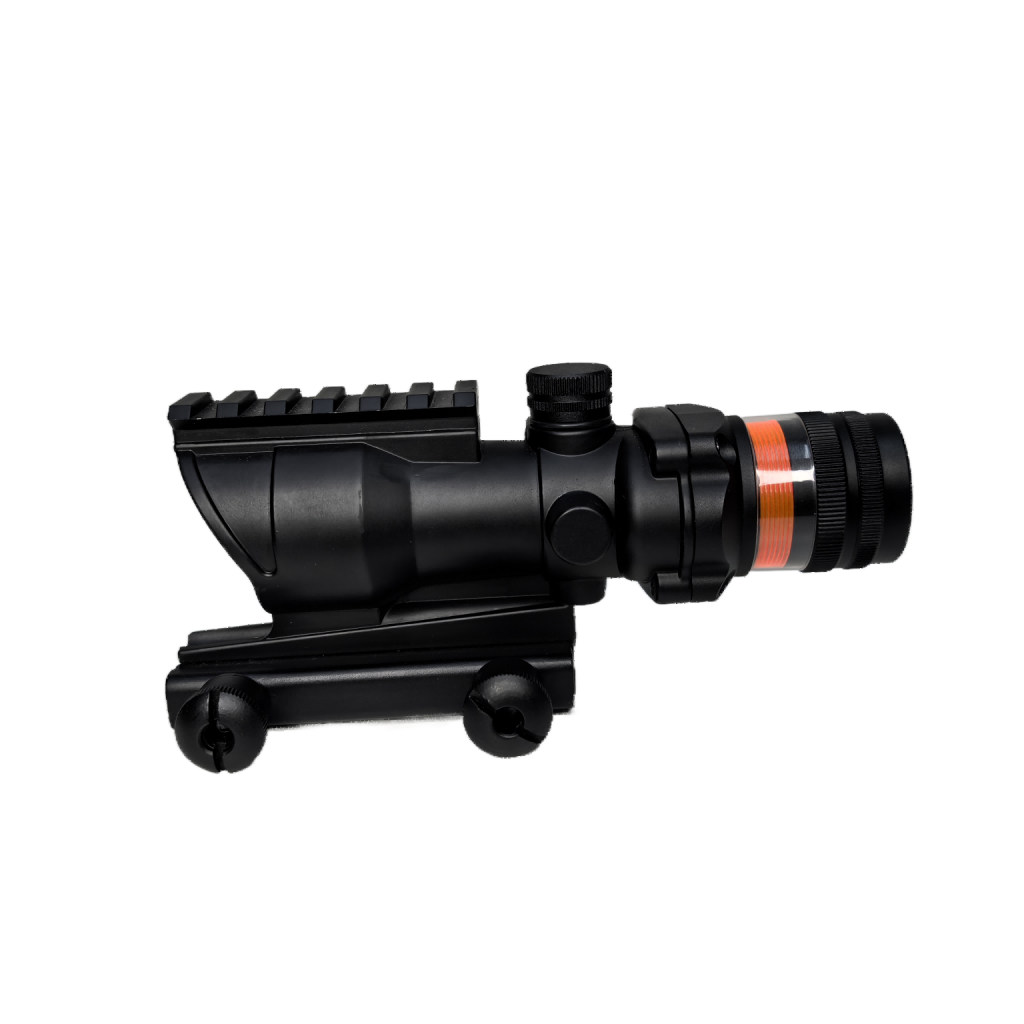
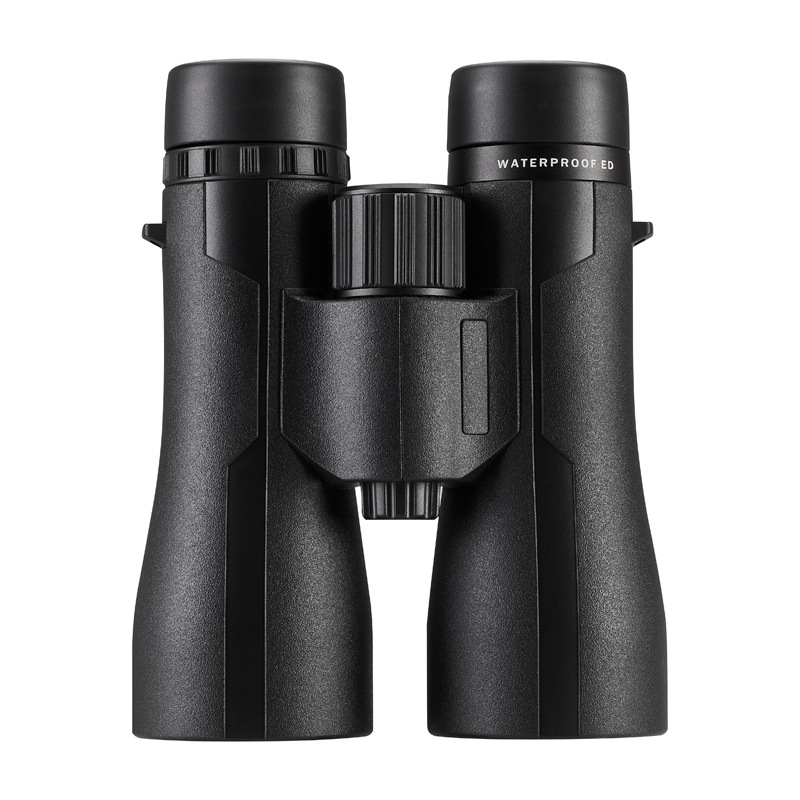
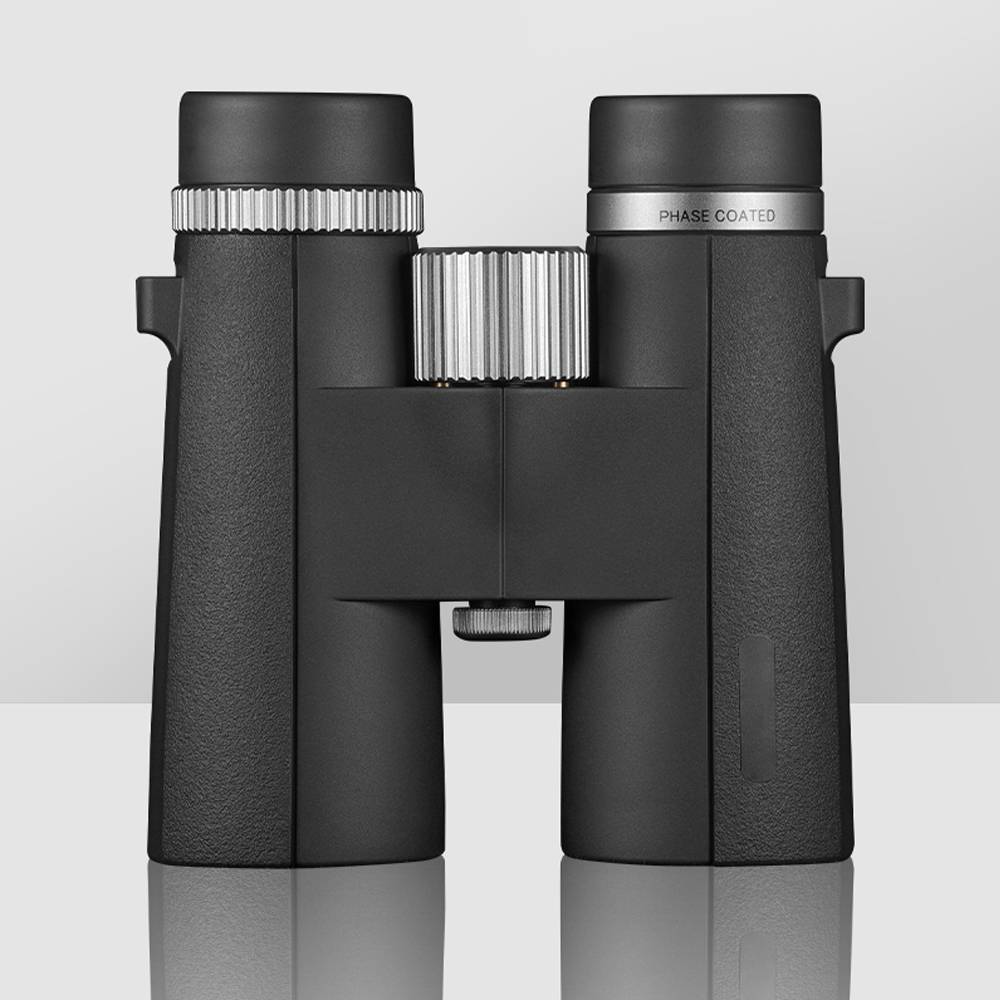
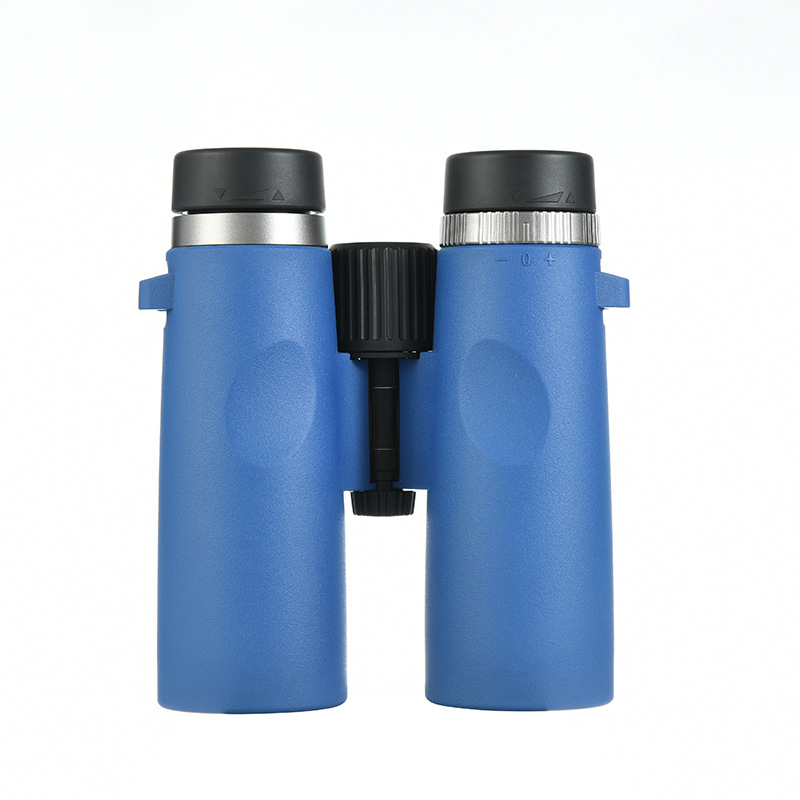
This article is written for brand customers (OEM / ODM partners). It highlights FORESEEN OPTICS’ experience and engineering capabilities in binocular structural design and system trade-offs, and also helps consumers understand why binoculars have so many different designs and specifications, so they can make better buying decisions.
Before structural design: determine the application scenario first
Before any binocular enters structural design, the first step is not to choose the optical design or draw the layout, but to be clear who will use it and in what situation.
Different situations have very different needs for size, weight, brightness, and design complexity:
- Light hiking / Travel / Everyday carry: Focus on small size and light weight, so it can fit in a backpack or even a jeans pocket.
- Birdwatching / Nature observation: Focus on brightness, color accuracy, clarity, and comfort for long ues; larger size is acceptable.
- Concerts / Sports events: Focus on easy carrying and quick use; extreme low-light performance is less important. Field of view should cover the stage, and some models may support smartphone photography.
- Hunting: Core requirements for harsh conditions are waterproof and shockproof. Size and weight should make it easy to hold, and low-light clarity is important. Some models can include rangefinding for optimal search and measurement performance.
- Marine / Military: Must meet military standards first. Optical quality is the top priority, size and weight can be less strict.
👉 Determining the application scenario is essentially answering an engineering question:
“Given a target cost, should this binocular prioritize size or optical performance?”
This choice will affect all later structural decisions, including prism type, objective lens size, and bridge design.

Optical design comes first, but it also sets the “weight limit” for the structure
Before designing the structure, the optical plan must be decided first.
It’s important to note: a more complex optical system is not just about cost—it also sets the limits for size and weight.
Higher image quality usually means:
- More lenses
- More complex lens curves and materials
- Stricter assembly, alignment, and fastening structures
- Increased cost due to all of the above
Optical glass is basically silica with some added elements, and its density is similar to natural stone (fluorite, sapphire, etc. are not included here, though their density is also similar).
👉 This means:
Every step up in optical performance reduces the freedom in structure design for size and weight.
Therefore, during product planning, we usually evaluate optical complexity and target size as a linked system, rather than making decisions in isolation.
(We will cover optical design in more detail in another article.)
Three key structural factors that determine binocular size
1. Prism Structure: the first factor that shapes the basic design
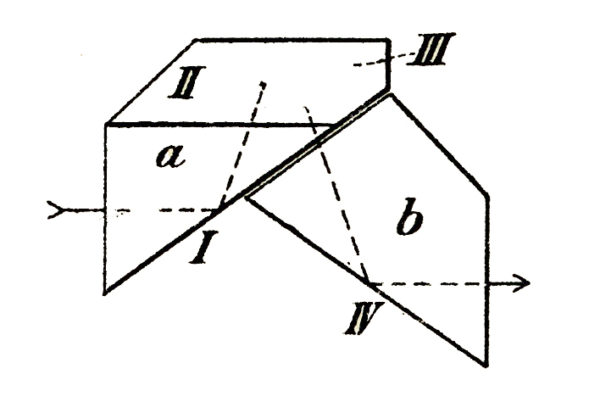
The prism structure almost completely determines a binocular’s overall shape, size, and design approach. To tell if it’s a roof prism or porro prism, simply check if the eyepiece and objective lens centers are on the same aixs.
(1) Porro Prism
Features:
- Light path folds sideways
- Objective lens and eyepiece are not on the same line
Structural Impact:
- Overall body is wider
- Needs more internal space, but the structure is simple and easy to assemble
Engineering Focus:
- Optical performance comes before size
- Cost is controllable and design is mature
The Porro prism is a classic design and is still widely used in entry-level and cost-effective binoculars. Because of its natural optical advantages, it is also commonly used in military and marine binoculars.
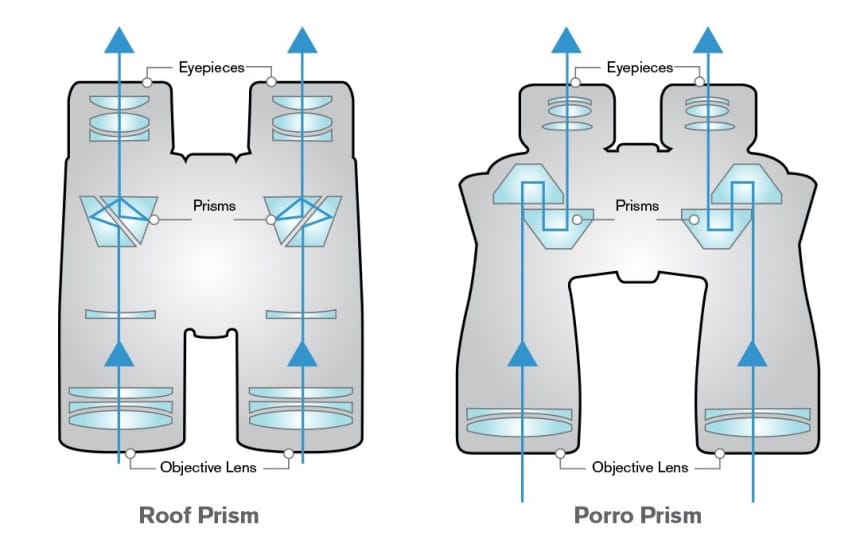
(2) Roof Prism
Features:
- Straight light path
- Objective lens and eyepiece are on the same line
Structural Impact:
- Slim and compact shape
- Better for small and lightweight designs
Engineering Focus:
- Size and portability come first
- Higher demands on manufacturing accuracy and coatings
In modern lightweight and compact binoculars, the roof prism is the most common choice. Most hunting and birdwatching binoculars use this design.
(3) Abbe / Abbe-Koenig (Less Common)
Features:
- Total internal reflection light path
- Very high brightness efficiency
Structural Impact:
- Much longer barrel length
Use Cases:
- Mainly for high-end and low-light use
- Not focused on extreme compact size; suitable for users who want top optical performance with a smooth, straight body design
(4) Reverse Porro
Features:
- Objective lenses are closer together than the eyepieces
Structural Impact:
- More compact than a traditional Porro design
- Lower cost than a roof prism design
The Reverse Porro design is often used in small, portable binoculars. It is a good balance between size and cost. However, because the objective lenses are closer together, the overall size cannot be very large.
At FORESEEN OPTICS, our Reverse Porro binoculars can reach a 30 mm objective size, but at this point their size is already very close to a 30 mm roof prism binocular. The main advantage is achieving better optical performance at a lower cost.
Objective Lens Size & Focal Length: The Physical Basis for Length and Width
The objective lens size and focal length directly determine the binocular’s physical dimensions.
Larger objective diameter:
- Bigger physical size
- Thicker barrels
- Weight increases quickly
Longer focal length:
- Longer light path
- Higher demands on prism folding
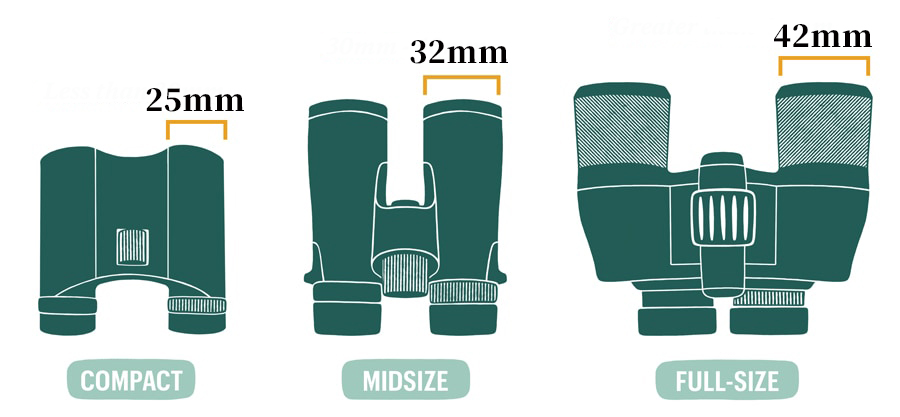
Common size guidelines:
- 42 mm: Full-size, brightness prioritized, largest volume
- 30–32 mm: Medium size, balance between performance and portability
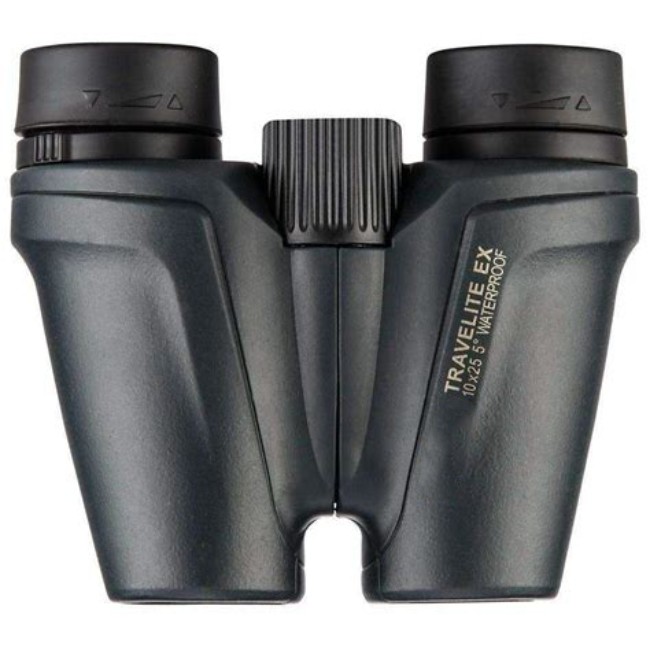
- 21–25 mm: Pocket-size, portability prioritized
For easy-to-carry binoculars, 25 mm is a key engineering threshold.
Barrel Connection Method: Determines How Much the Size Can Be Compressed
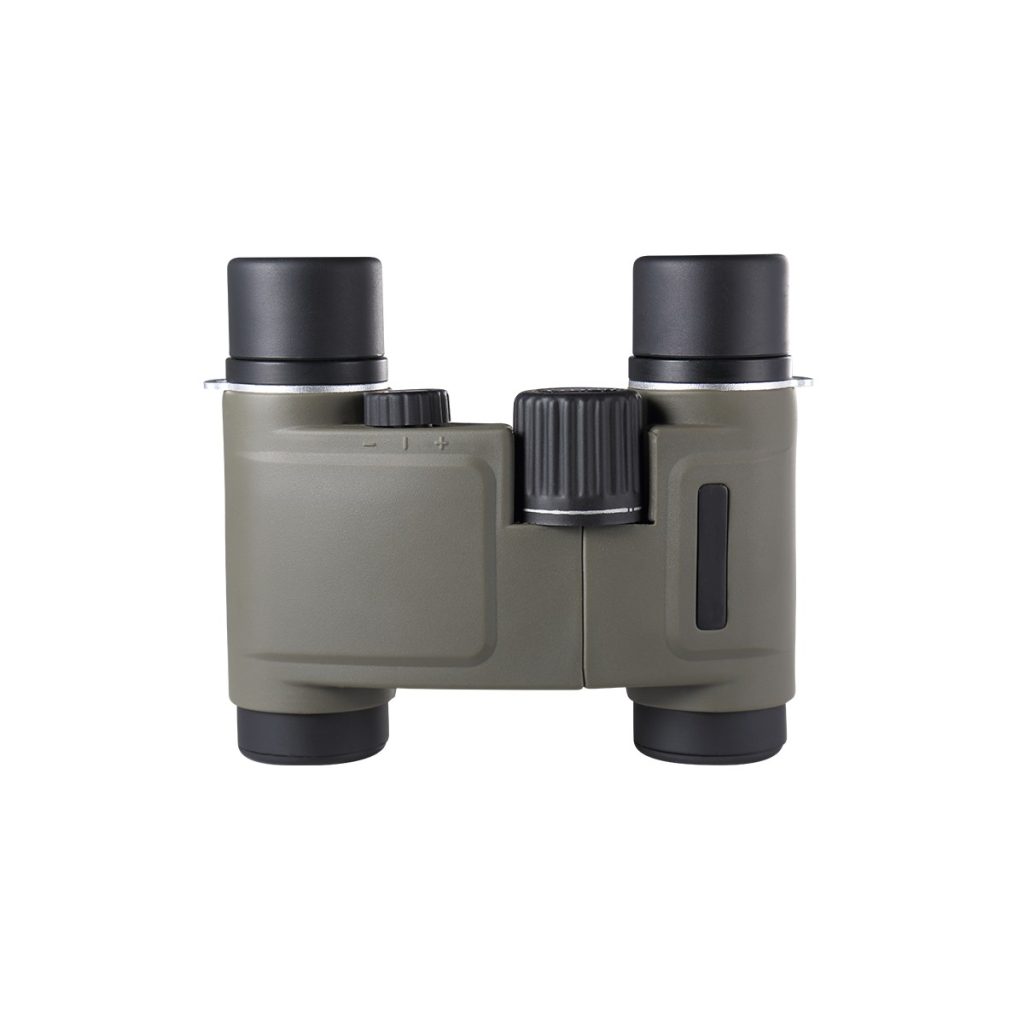
(1) Single-Hinge Design
- Stable structure
- Easy to adjust
- Limited size reduction when folded
- An offset-axis single-hinge design can reduce the folded size more effectively.
This design was first introduced by Zeiss, and FORESEEN OPTICS already has mature products using this structure.
(2) Double-Hinge Design
- Can greatly reduce size when folded
- Key structure for pocket-size binoculars
- Takes a few more steps to adjust
- Needs higher precision in parts and assembly; low-end versions may have uneven hinge tension or misaligned optical axes
(3) Hollow / Open Bridge Design
- Mainly used to make the binocular lighter and easier to hold, but may reduce the focusing range, affecting close-up viewing.
- Not designed to reduce folded size
- Usually for 25 mm and larger, most often 42 mm; requires very good alignment at the top and bottom to keep the optical axes stable
What Makes the “Best Backpack/Pocket Binocular”?
Considering the usage scenario, optical feasibility, and ability to reduce size, we suggest:
Roof prism + 25 mm objectives + double-hinge bridge
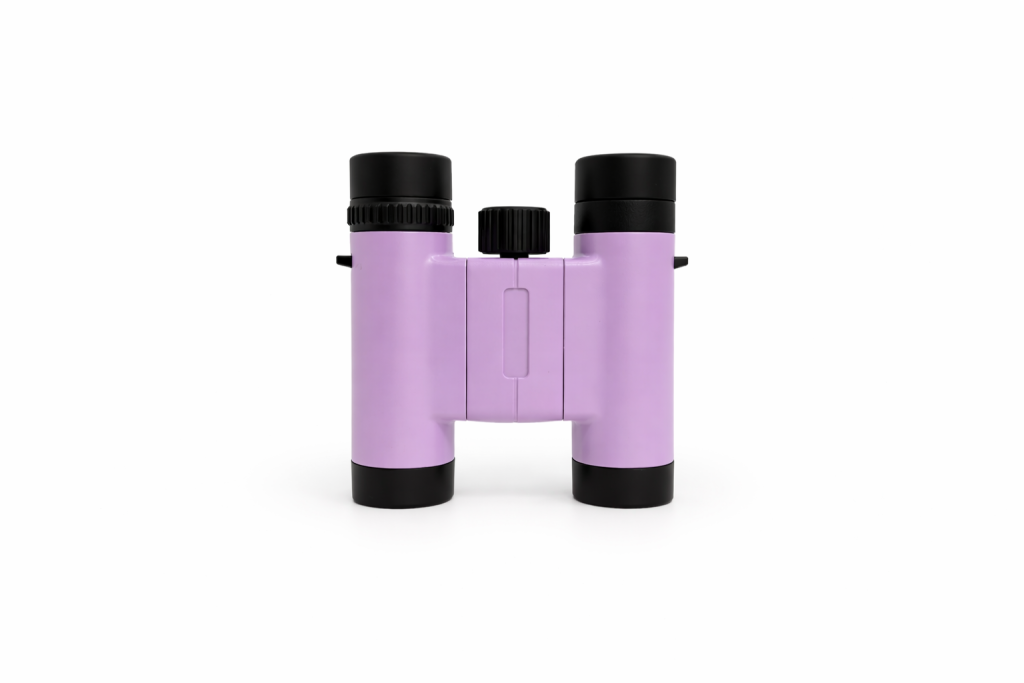
This is currently the best size for light hiking and everyday carry. Of course, basic optical quality must be ensured, and overall production cost should not fall below $30.
It achieves a good engineering balance:
- Small enough: Fits easily in a backpack or jacket pocket
- Light enough: Easy to carry for a long time
- Clear enough: Good for daytime outdoor use
Suggested Options Based on 30 Years of Design and Manufacturing Experience
1. For Higher Brightness and Better Clarity
- Option A: Roof prism + 32 mm objective
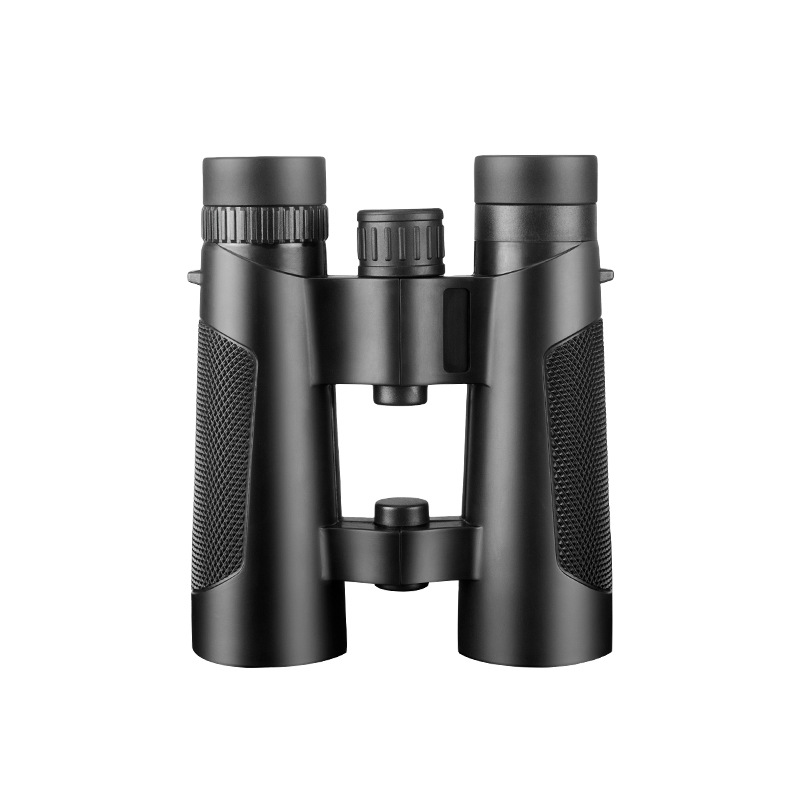
Can use hollow single-hinge or other light materials. Usually, 32 mm can’t use a double-hinge design, because two 32 mm lenses plus the housing make the folded size not very compact. Also, when opened, the interpupillary distance can’t go over 80 mm, which may not fit some adults.
- Option B: 25 mm / 30 mm Reverse Porro Prism
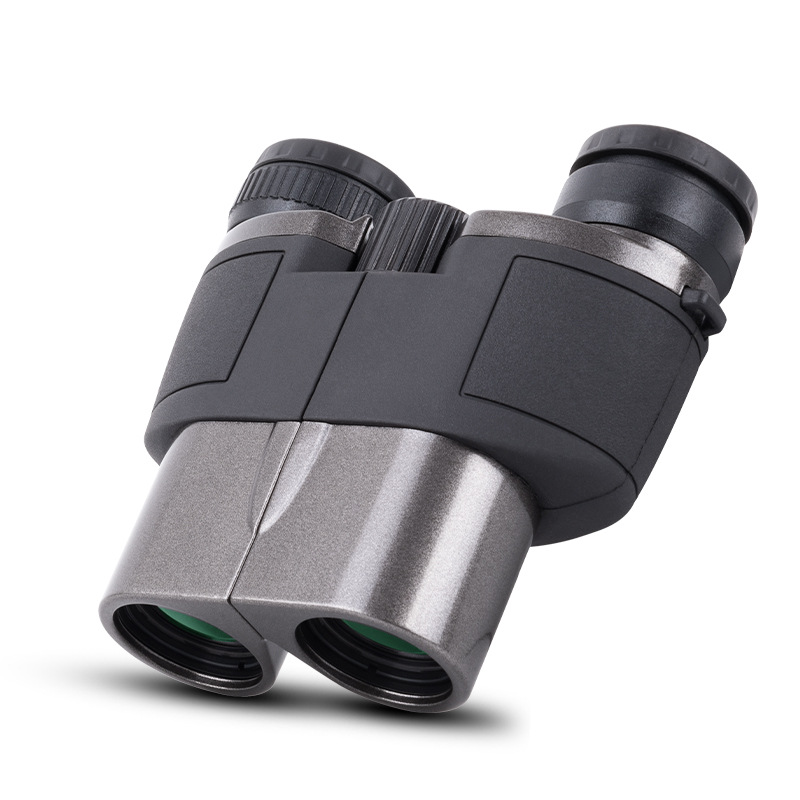
With a slightly larger size, it significantly improves brightness and viewing comfort. This is actually the solution used by well-known Japanese brands like Nikon.
2. For Even Smaller Size
- 21 / 22 mm Double-Hinge Binoculars
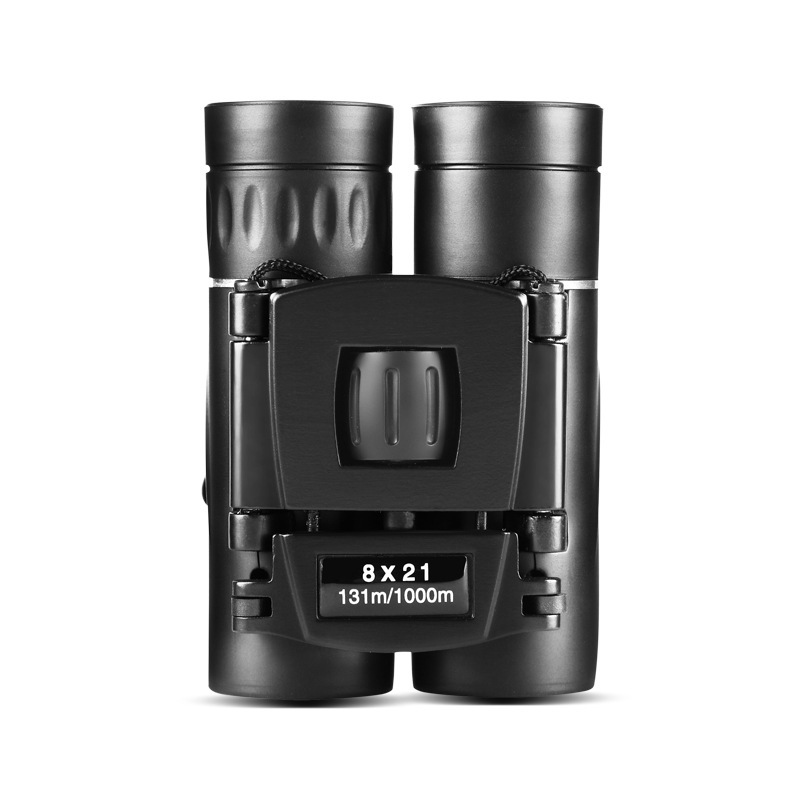
- Or 25 mm Monocular Option
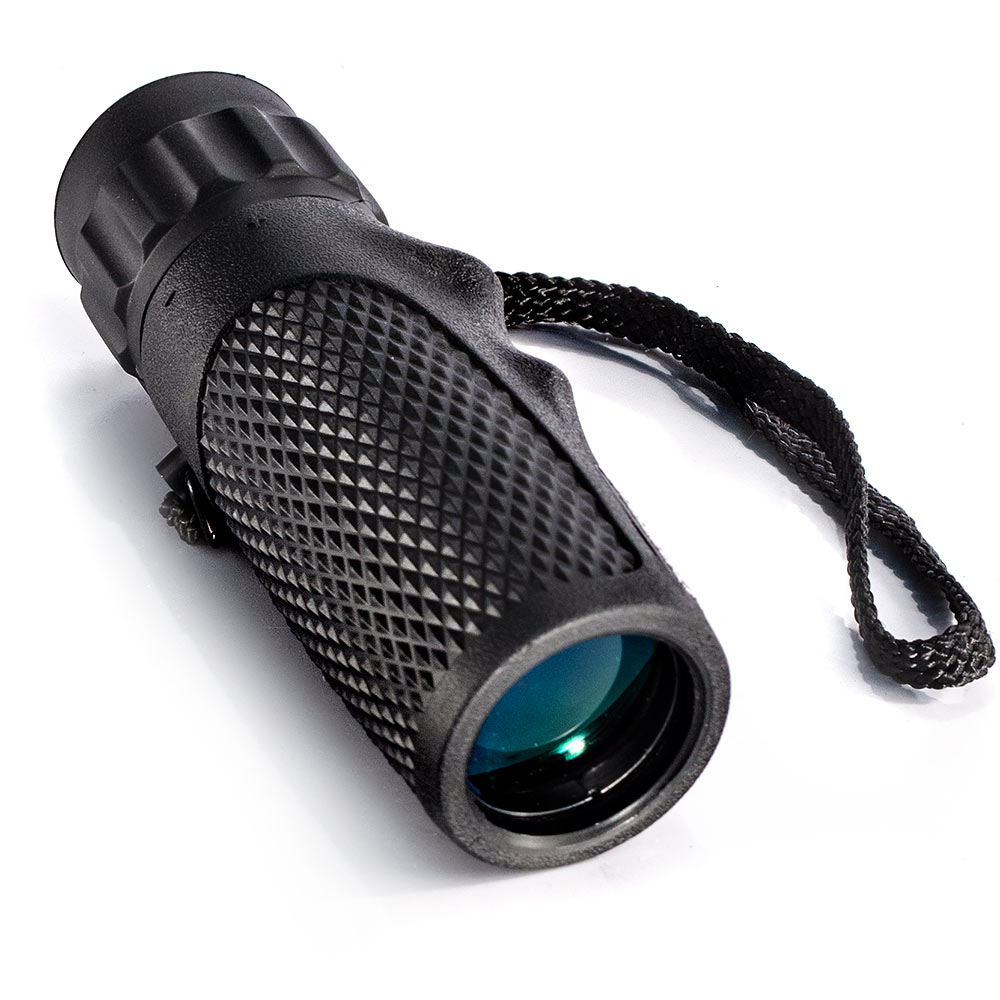
Suitable for ultra-light or urban carry use. It should be noted that to get acceptable optical performance in this option, the optics must be very high quality, and production costs usually exceed $50. If you want even better performance, costs can go over $100. So, for short-term use—like finding a route or spotting something specific—the monocular option is also a good choice.
3. For the Lowest-Cost Entry-Level Option
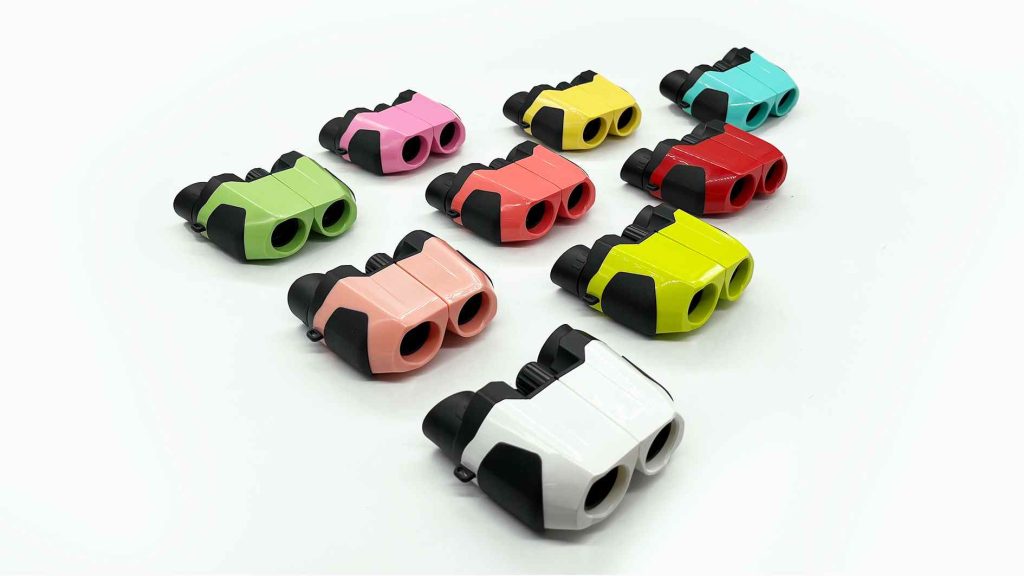
Classic Porro prism, the absolute mainstream in the Japanese and Korean markets. Sold in large numbers every cherry blossom season, with acceptable optics. The binoculars can be rounded, cute, and come in many colors.
Simple double-hinge bridge with two parts: a upper bridge for support and a lower bridge for adjusting the objectives. Low cost and easy to assemble, suitable for light use in non-harsh environments.
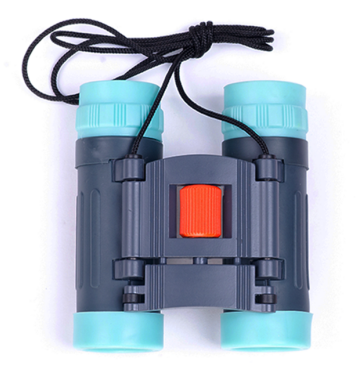
Both designs are mature and stable, and have been bestsellers since FORESEEN OPTICS was founded in the early 1990s.
With low-cost custom looks, they can still improve brand recognition, making them ideal for entry-level and OEM projects. Currently, FORESEEN OPTICS products made for Walmart and other retail chains use this simple double-hinge bridge design.