Roof Prism vs Porro Prism: The 30‑Second Answer
If you only remember one thing: roof‑prism binoculars are the compact, weather‑sealed workhorses; Porro‑prism binoculars are often the best optical value per dollar, with a more “3D” view and fewer coating dependencies—at the cost of bulk.
Pick roof prisms if you care most about:
- Slim, straight‑barrel ergonomics that pack easily and sit well on a chest harness
- Modern internal focusing and stronger sealing against rain, dust, and temperature swings
- A premium build where phase‑coating + dielectric mirror coatings are clearly specified
Pick Porro prisms if you care most about:
- Maximum image quality for the money (especially in mid‑price models)
- Natural depth perception and a relaxed “window‑like” view
- Simple optics that can be excellent even without exotic prism coatings
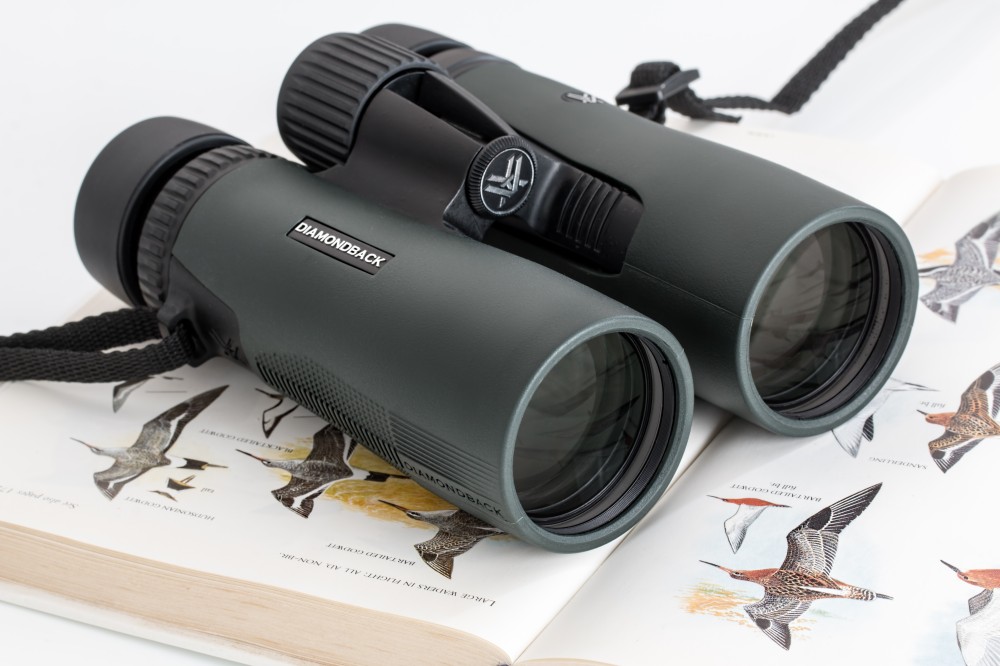
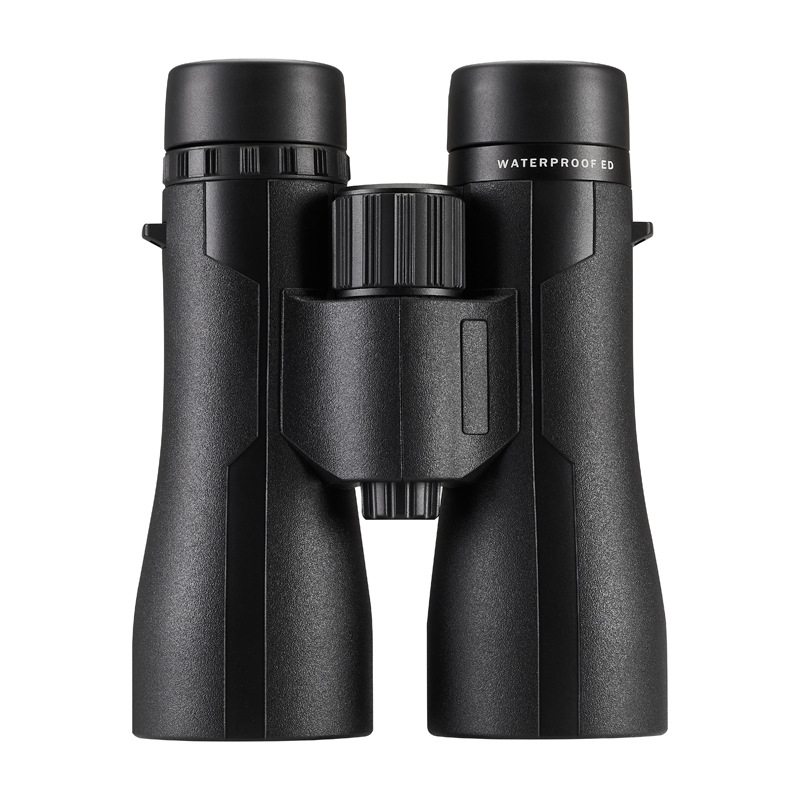
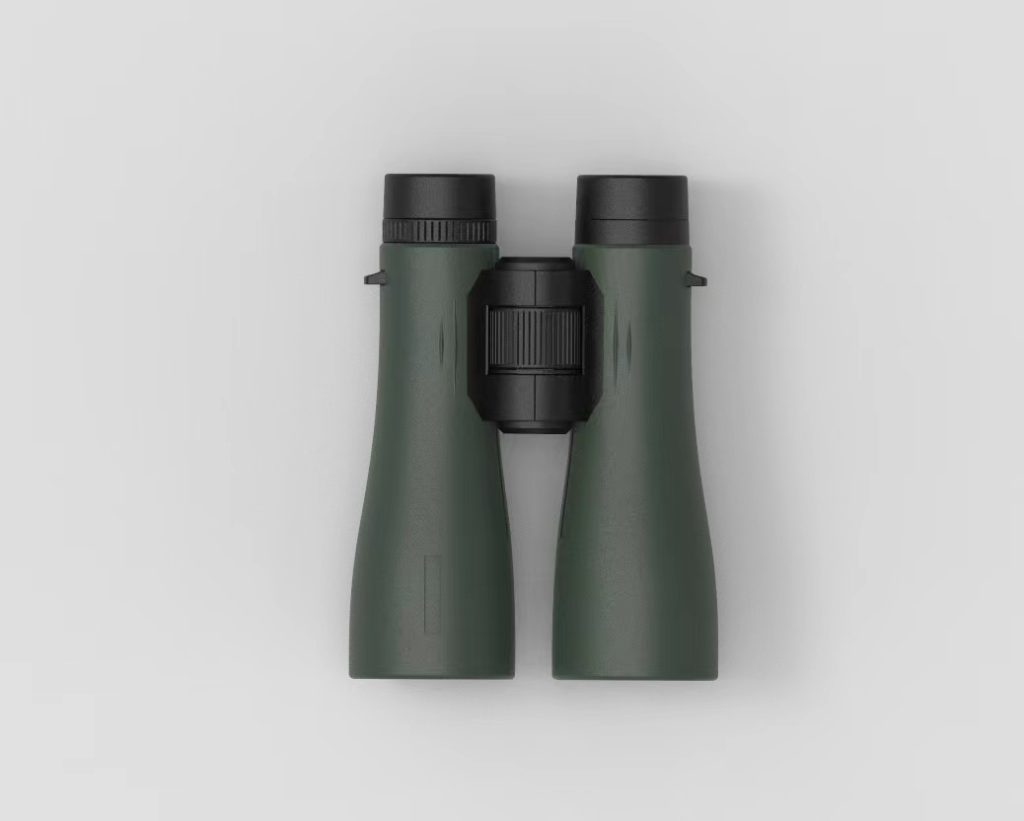
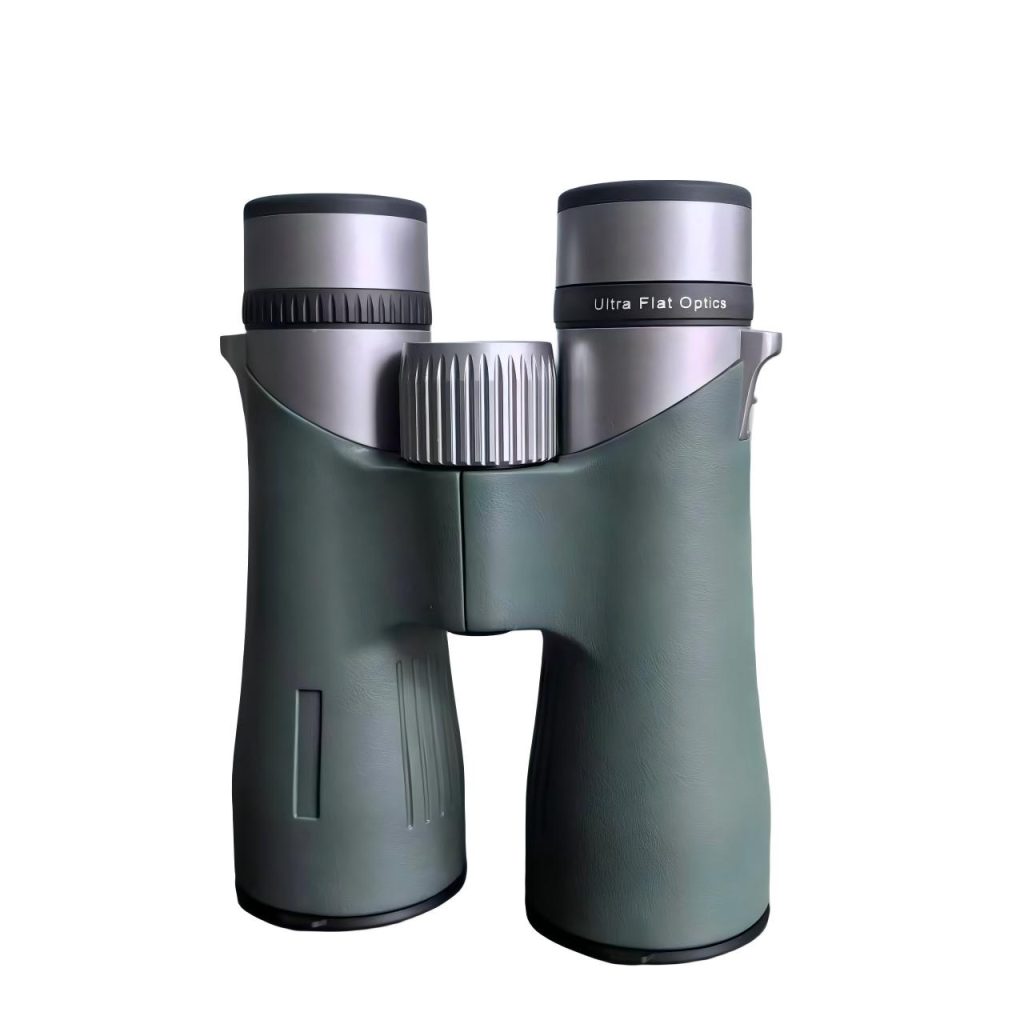
Roof‑prism binoculars usually have straight barrels and a narrow profile.
What a Prism System Actually Does
Binoculars are basically two small telescopes. The prism assembly inside each barrel does three jobs:
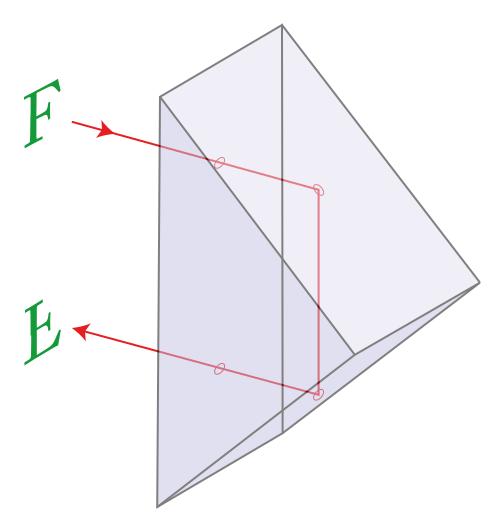
- It flips the image upright (a simple lens system forms an upside‑down image).
- It folds the optical path, making the binocular shorter than an equivalent straight telescope.
- It influences alignment tolerance, sealing design, and how much the manufacturer must rely on coatings.
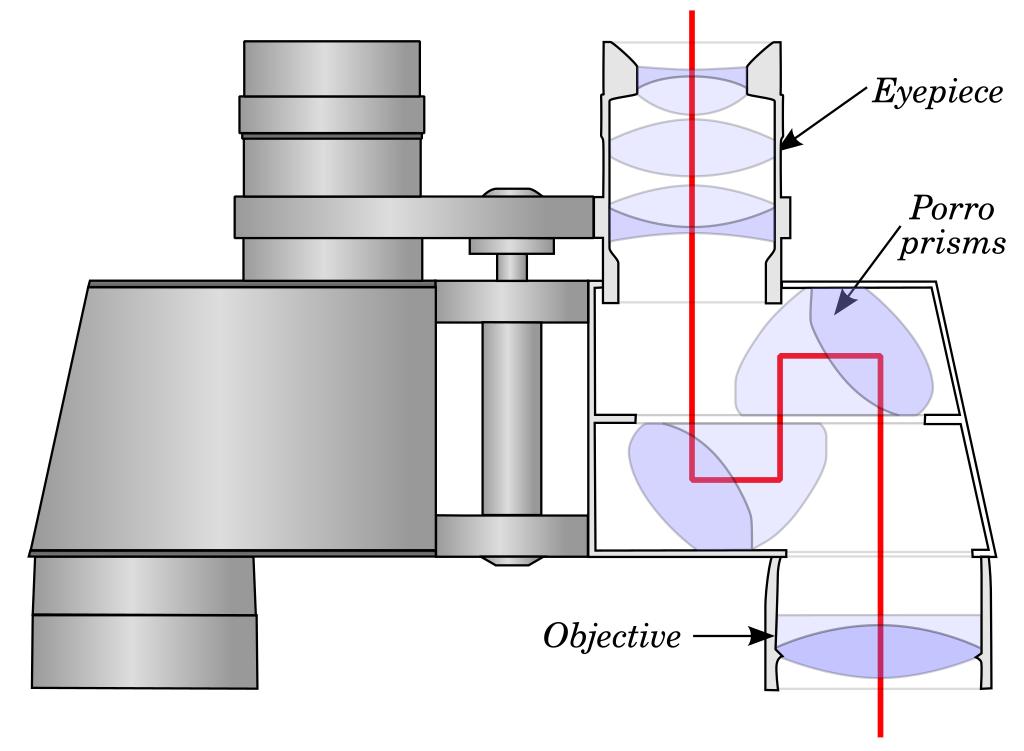
Simplified interior layout of a Porro‑style binocular: lenses + prism cluster + eyepiece.
Porro Prism Binoculars: Where They Still Win
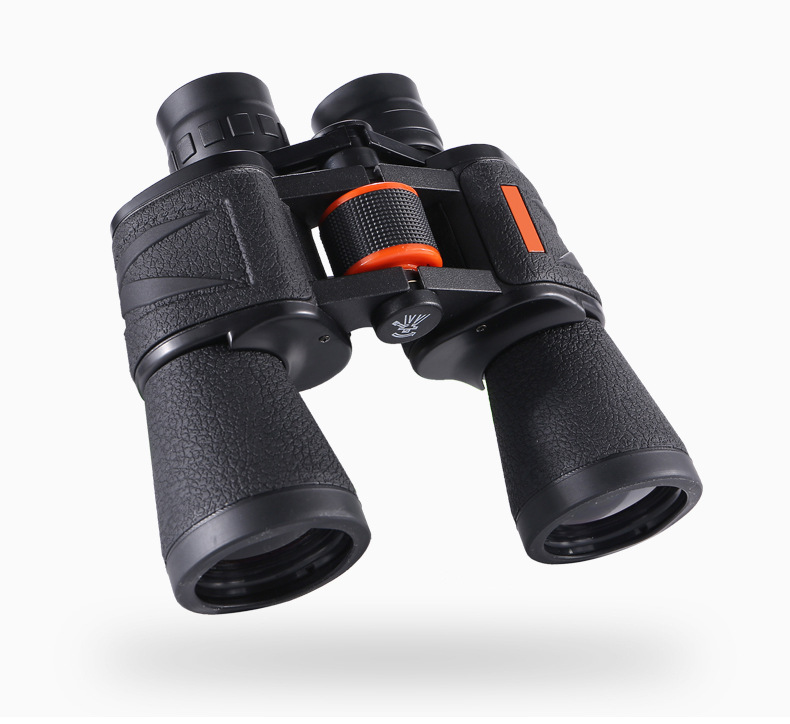
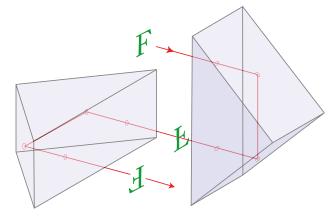
In a classic Porro design, the prisms sit in a zig‑zag arrangement. That geometry pushes the objective lenses farther apart than the eyepieces, which is why Porro binoculars have the familiar “offset” look.
What that buys you in the real world:
- A stronger sense of depth (stereo effect) because the objectives are wider‑spaced.
- Excellent light efficiency without relying on mirror coatings inside the prism (many reflections are total internal reflection).
- Great value: many mid‑price Porros can look as sharp and bright as more expensive roofs.
Classic Porro vs Reverse Porro
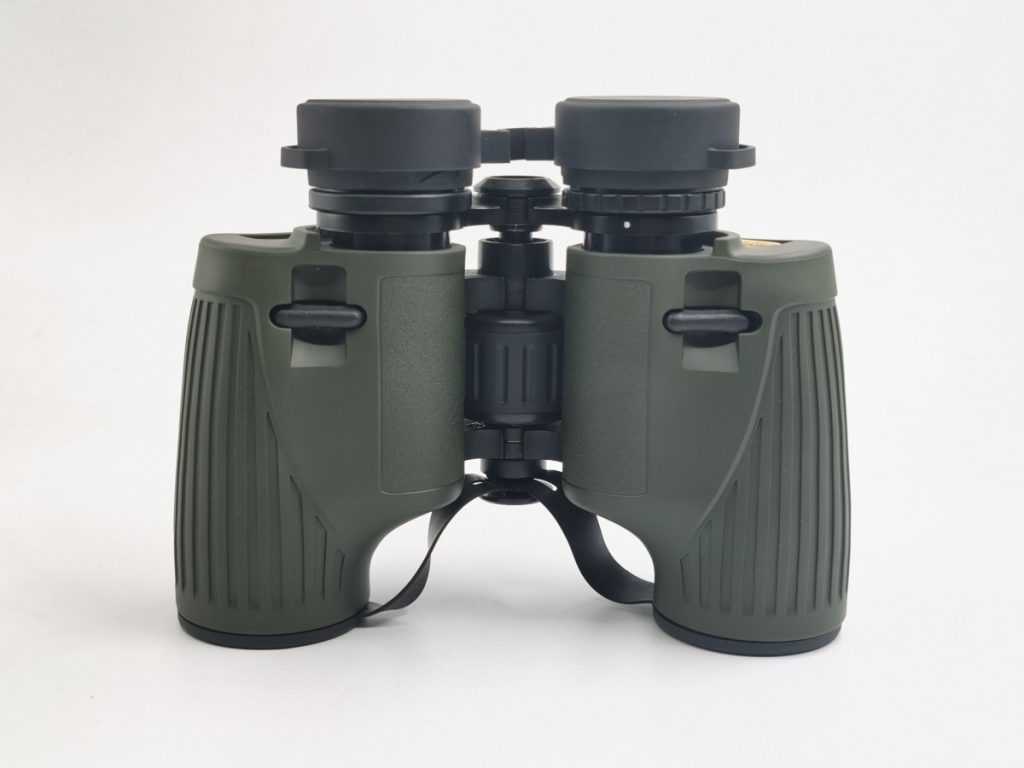
Classic Porro binoculars are the bigger, traditional shape. Reverse‑Porro designs flip that idea—making compact binoculars where the objective end is narrower than the eyepiece end. They’re common in entry‑level compacts and kids’ binoculars.
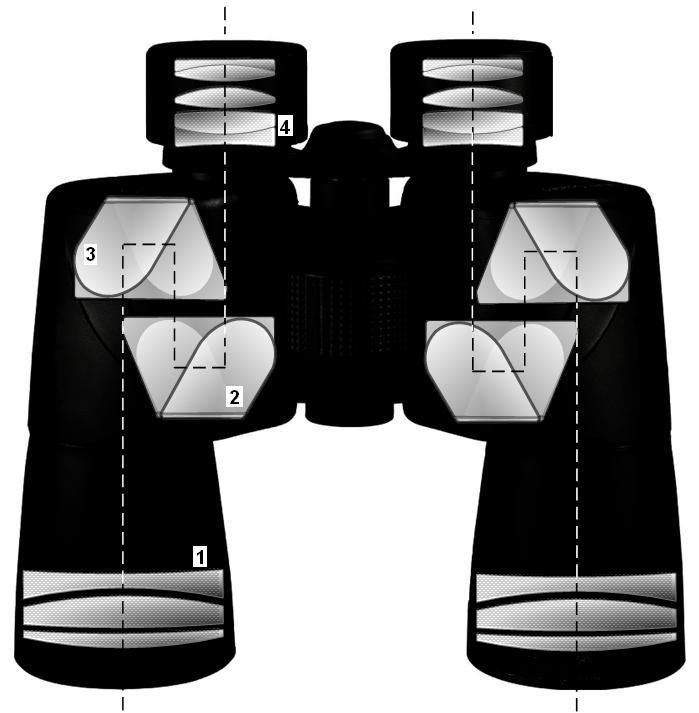
Porro‑prism binocular geometry: the objectives sit wider than the eyepieces.
Roof Prism Binoculars: Strengths, Weak Spots, Best Uses
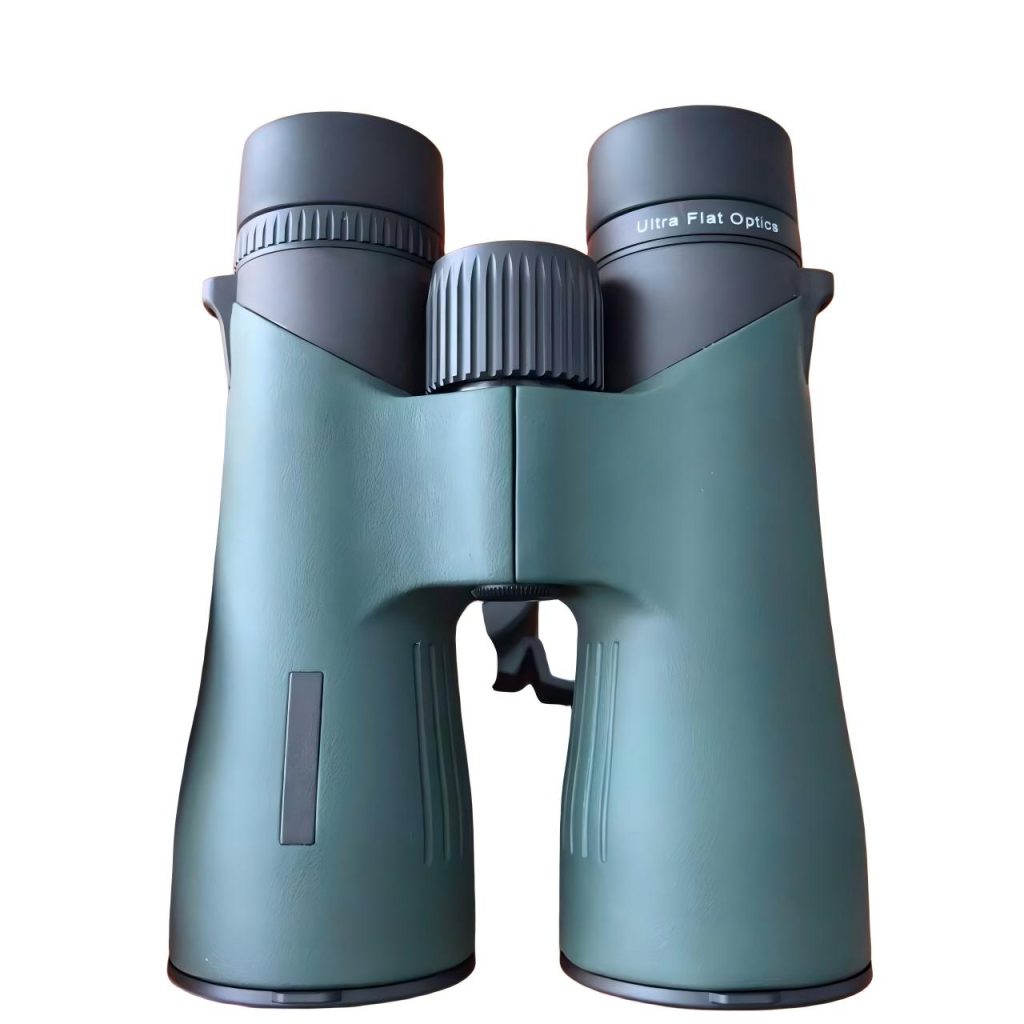
Roof‑prism binoculars place the prisms in line with the optical axis. That’s why roof binoculars tend to look like two straight tubes. The design plays nicely with internal focusing and tight sealing, which is one reason most modern hunting, birding, and marine binoculars in the mid‑to‑premium tiers are roof prisms.
Schmidt‑Pechan vs Abbe‑König Roof Prisms
Most roof‑prism binoculars use one of two roof prism families:
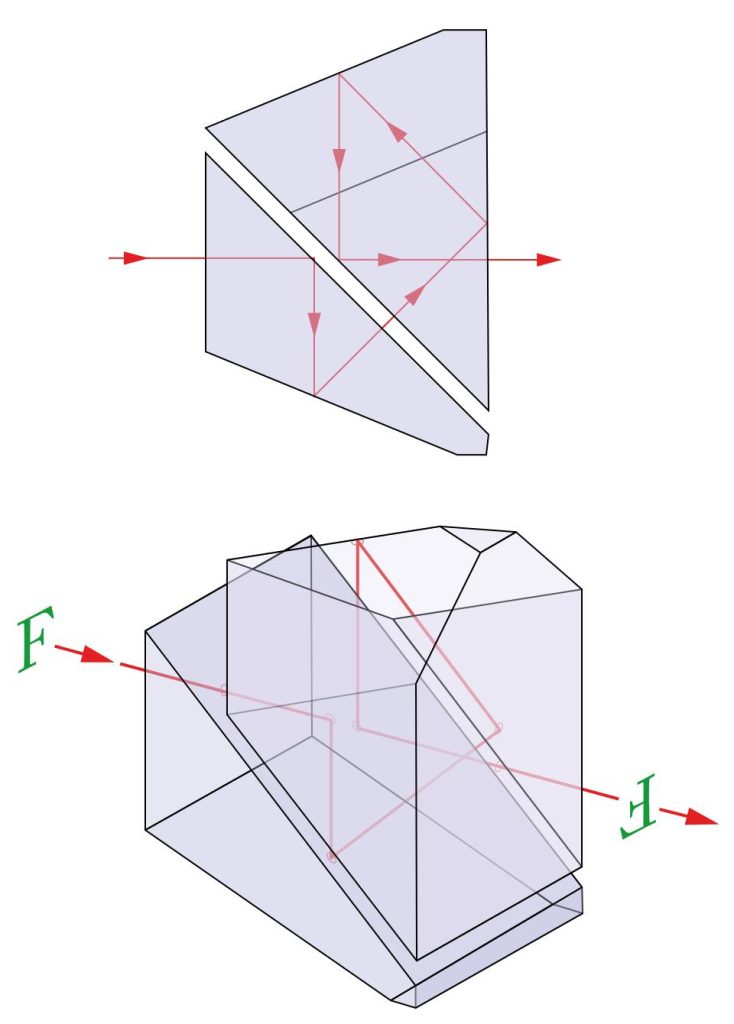
- Schmidt‑Pechan: compact and common in everyday 8×42 / 10×42 sizes. It typically needs a mirror coating on one surface.
- Abbe‑König: longer design that can be very efficient, often used when maximum brightness is the goal.
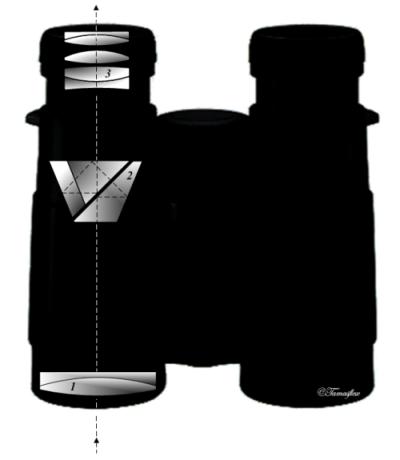
Compact roof‑prism layout (Schmidt‑Pechan) illustrated inside a roof binocular silhouette.
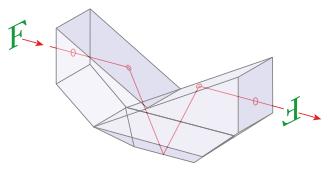
Why Phase‑Correction Coatings Matter
Roof prisms have a unique challenge: light reflecting from the two roof faces can recombine slightly out of phase. Without phase correction, that can reduce perceived contrast and fine detail. On modern roof‑prism binoculars, a phase‑correction coating is the quiet ‘make‑or‑break’ spec—especially in the mid‑price range.
What to look for on spec sheets: terms like “phase‑corrected,” “PC,” “P‑coated,” or “phase coating.” If the manufacturer doesn’t clearly say it, assume it’s missing or minimal.
Image Quality: Brightness, Contrast, and Low‑Light Reality
A common myth is that Porro is always brighter and roof is always dimmer. The truth is more nuanced: premium roofs with modern dielectric mirror coatings and excellent anti‑reflection coatings can be extremely bright—but Porros often achieve a bright, contrasty image more easily at a lower price point.
A simple way to think about it:
- Entry‑level to mid‑range: Porro often wins on view quality per dollar.
- Premium tier: either design can be superb; coatings, glass, and quality control dominate the outcome.
- Dawn/dusk and astronomy: objective size and exit pupil usually matter more than prism type.
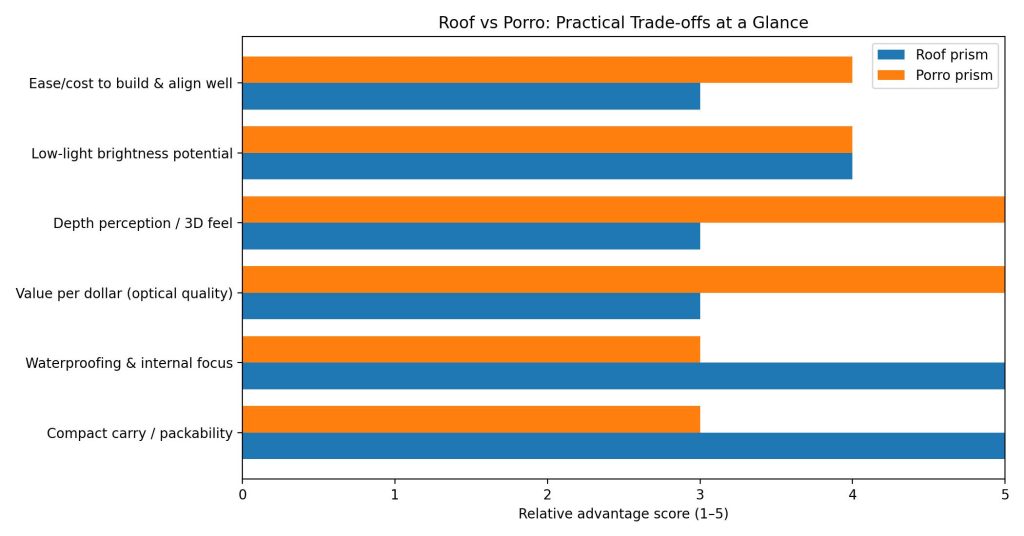
A quick scoring snapshot. Real performance depends on the specific model, coatings, and quality control.
Durability & Weatherproofing
If you routinely hunt in freezing rain, glass from a boat, or travel through dust and humidity, sealing matters as much as optics. Roof binoculars frequently use internal focusing, which keeps moving parts inside the sealed body. That makes it easier to build a reliably waterproof, nitrogen/argon‑purged binocular.
Porro binoculars can be waterproof too, but the design often places more mechanical complexity outside the sealed chassis. When you see a Porro claiming serious waterproof ratings, it’s worth checking the brand’s reputation and warranty support.
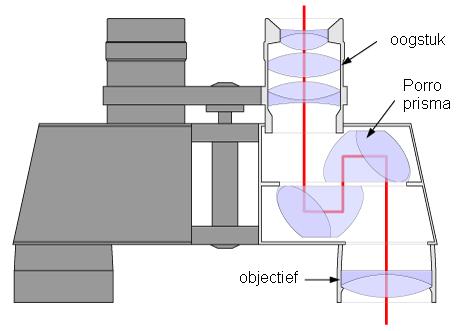
Parts overview and light path (diagram). Use it to understand where focusing and sealing systems live.
Roof vs Porro: Side‑by‑Side Comparison
| Category | Roof Prism (typical) | Porro Prism (typical) |
| Shape & carry | Slim, straight barrels; packs easily | Wider body; bulkier in a pack |
| Weather sealing | Often excellent; internal focus is common | Can be good, but varies more by model |
| Optical value per dollar | Good, but quality depends heavily on coatings and QC | Often excellent at the same price point |
| Depth perception | Good, but usually less ‘3D’ than Porro | Strong 3D effect from wider objective spacing |
| Coating dependencies | Phase coating + mirror coatings matter a lot | Fewer prism‑coating dependencies |
| Typical best uses | Birding, hunting, marine, travel, all‑weather work | Budget birding, astronomy, casual nature viewing |
Which One Should You Buy? Scenario‑Based Picks
Use these as rules of thumb, then confirm with specs and ergonomics:
Birding & wildlife
- Roof prism if you hike long distances, travel often, or need dependable sealing (8×42 and 10×42 are common picks).
- Porro prism if you want the best view on a tighter budget and don’t mind extra bulk.
Deer hunting at dawn/dusk
- Prioritize exit pupil and coatings: 8×42, 8×56, and 10×50 are popular low‑light formats.
- Roof prisms dominate premium hunting lines, but a good 8×56 Porro can be a low‑light standout for the money.
Marine & boating
- Roof prism is usually the safer pick because sealing, internal focus, and rugged armor matter more than compactness alone.
- If you choose Porro, confirm waterproof rating, purge gas, and warranty reputation.
Astronomy & stargazing
- Porro is extremely popular because large‑objective models (10×50, 15×70, etc.) deliver strong performance at reasonable cost.
- Roof prisms can be excellent too, but you’ll often pay more for the same aperture and optical quality.
Travel, concerts, city use
- Roof prisms win on size and ‘grab‑and‑go’ convenience.
- If you wear glasses, check eye relief and adjustable eyecups—those matter more than prism style.
Buyer Checklist: 12 Things That Matter More Than the Prism
- Coatings: fully multi‑coated lenses; for roofs, phase‑correction and dielectric mirror coatings are major positives.
- Glass & aberration control: ED glass helps, but overall optical design matters.
- Exit pupil: objective ÷ magnification (bigger helps in low light).
- Eye relief: important for eyeglass wearers (often 15 mm+ is comfortable).
- Field of view: wider often feels easier and more immersive, especially for birding.
- Close focus: important for backyard birds, butterflies, and kids’ nature use.
- Focus feel: speed and smoothness; avoid gritty focusers.
- Diopter design: locking diopters reduce accidental shifts.
- Interpupillary distance (IPD): critical for kids and small‑face users.
- Weight & balance: what feels light in hand may feel heavy after an hour on a strap.
- Waterproofing & purge gas: look for clear ratings or reliable brand claims.
- Warranty & service: the best binocular is the one you can get fixed.
FAQ
Q: Are roof prism binoculars better than Porro prism binoculars?
A: Not automatically. Roof prisms are usually more compact and easier to seal. Porros often deliver better image quality per dollar. In the premium tier, both can be excellent.
Q: Do roof prisms always need phase correction?
A: If you care about contrast and fine detail, phase correction is a key quality feature for roof‑prism binoculars. Many good roofs advertise it clearly.
Q: Why are some hunting binoculars Abbe‑König roof prisms?
A: Abbe‑König prisms can be very efficient and are sometimes chosen when maximum brightness is the design goal, even if the binocular ends up longer.
Q: Are Porro prisms brighter in low light?
A: Often in budget and mid‑range models, yes, because they can be efficient without specialized prism mirror coatings. But a premium roof with dielectric coatings can also be extremely bright.
Q: Which prism type is best for kids?
A: Fit comes first: low weight, small IPD range, simple focus, and forgiving eye placement. Many kid‑friendly compacts are reverse‑Porro designs, but either prism type can work if the ergonomics fit.
Q: How can I tell which prism type a binocular is?
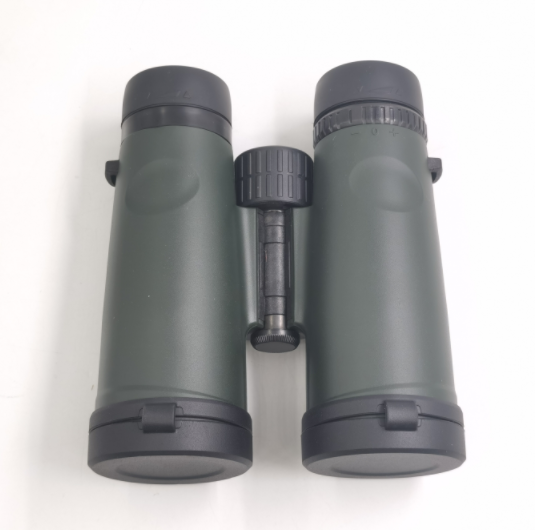
A: Roof prisms look like two straight tubes. Classic Porros have offset barrels with wider objective ends. Reverse‑Porros are compact and often have a narrower objective end than the eyepiece end.