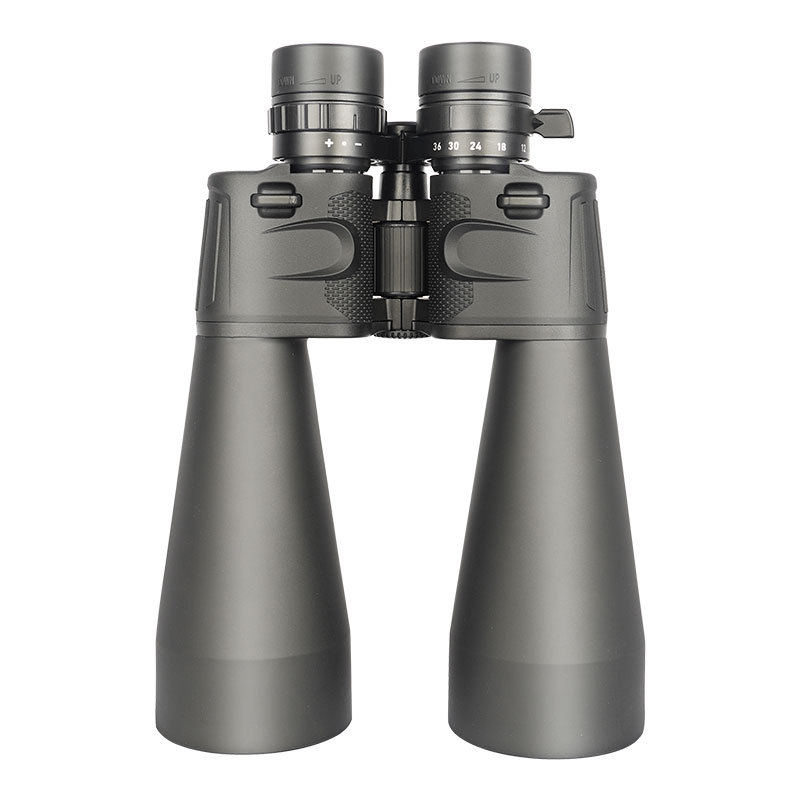
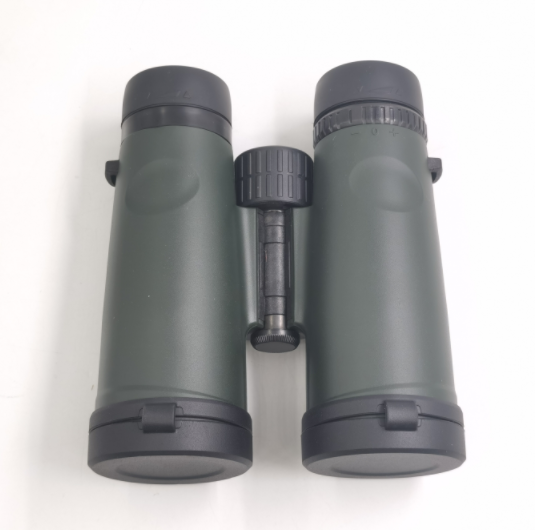
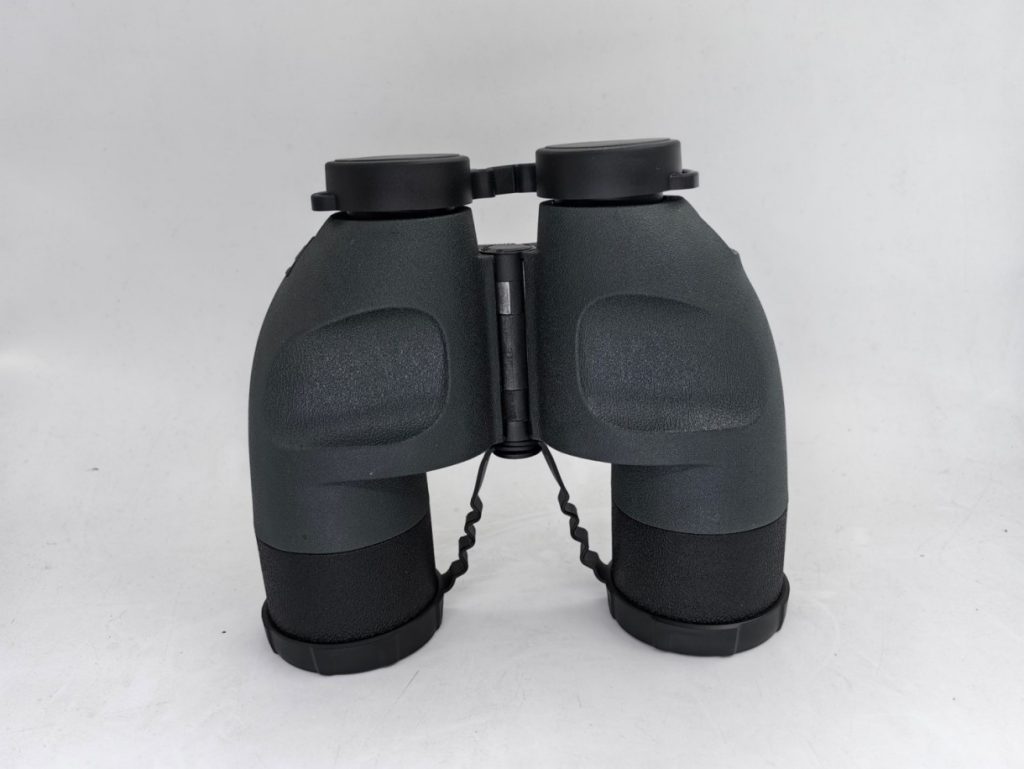
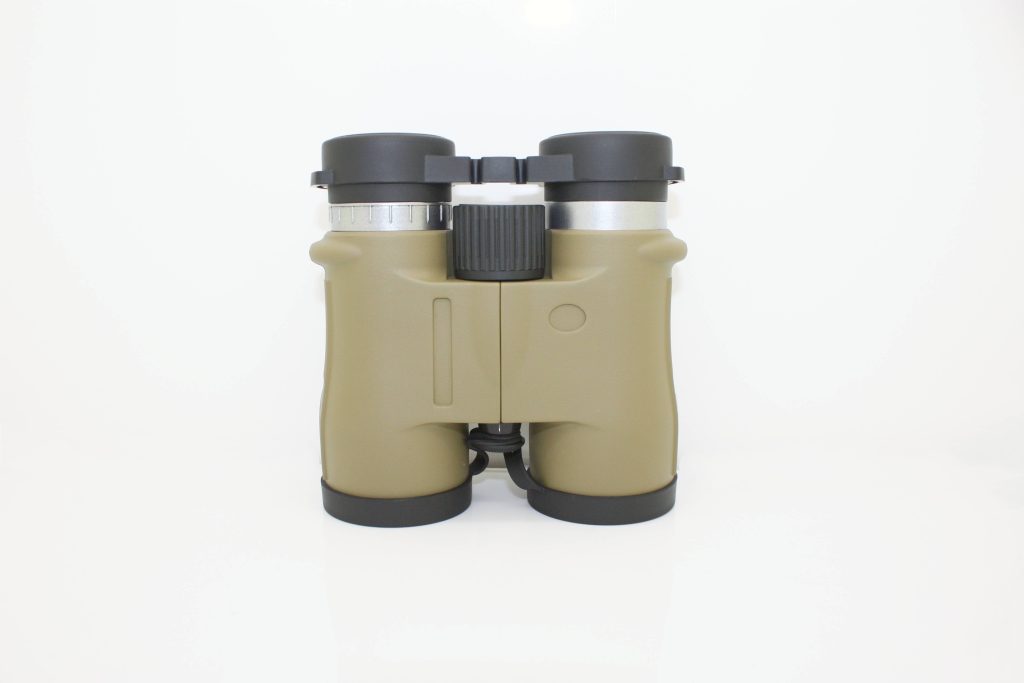
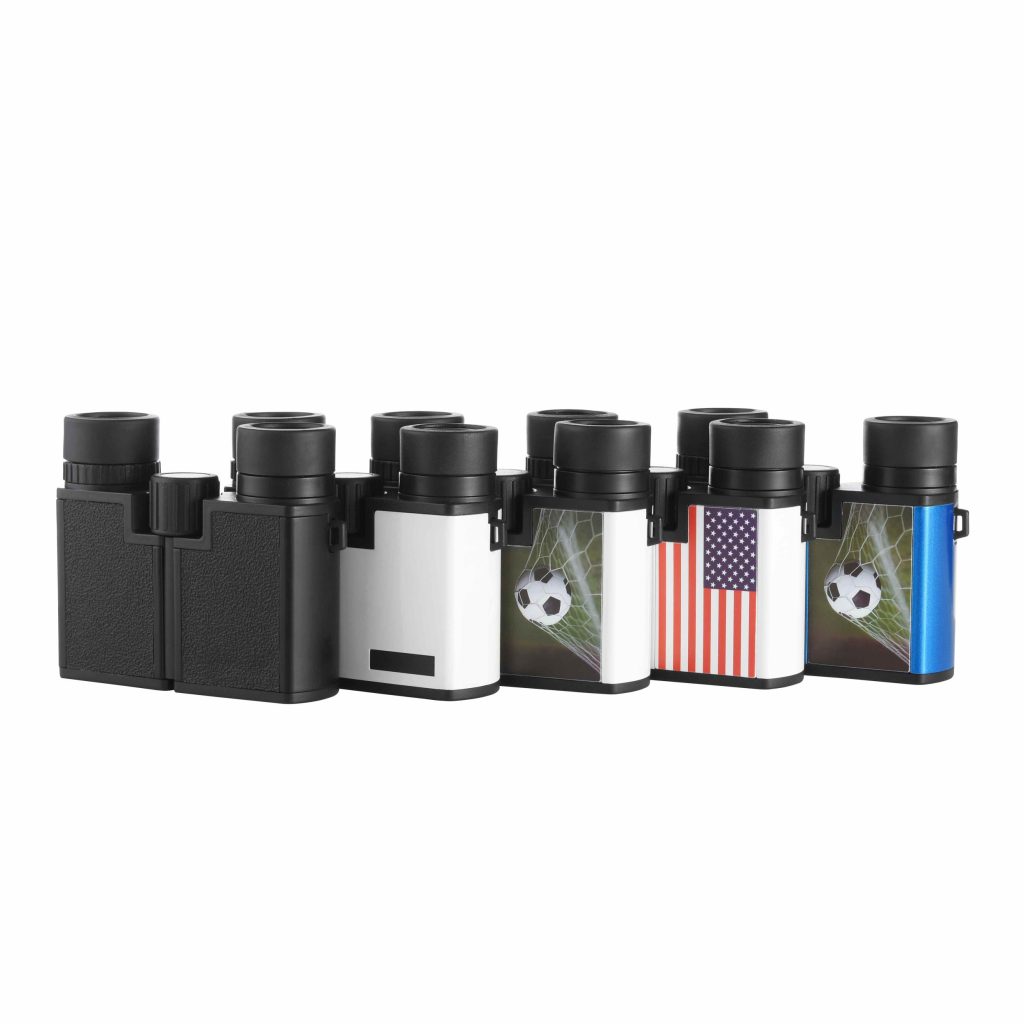
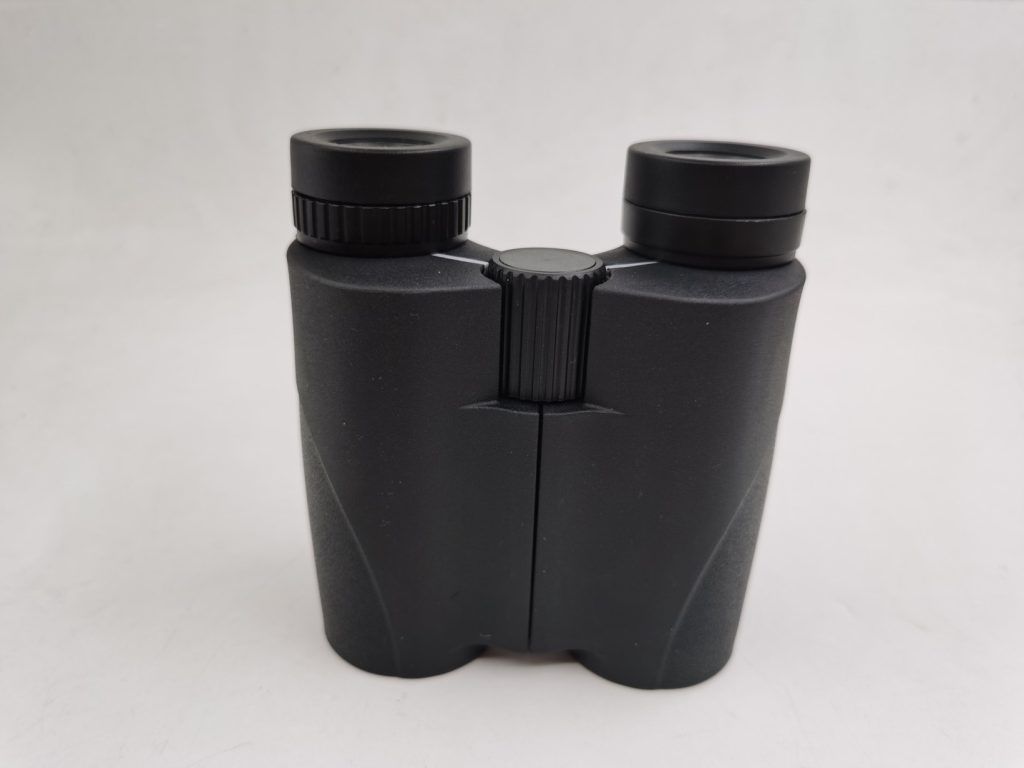
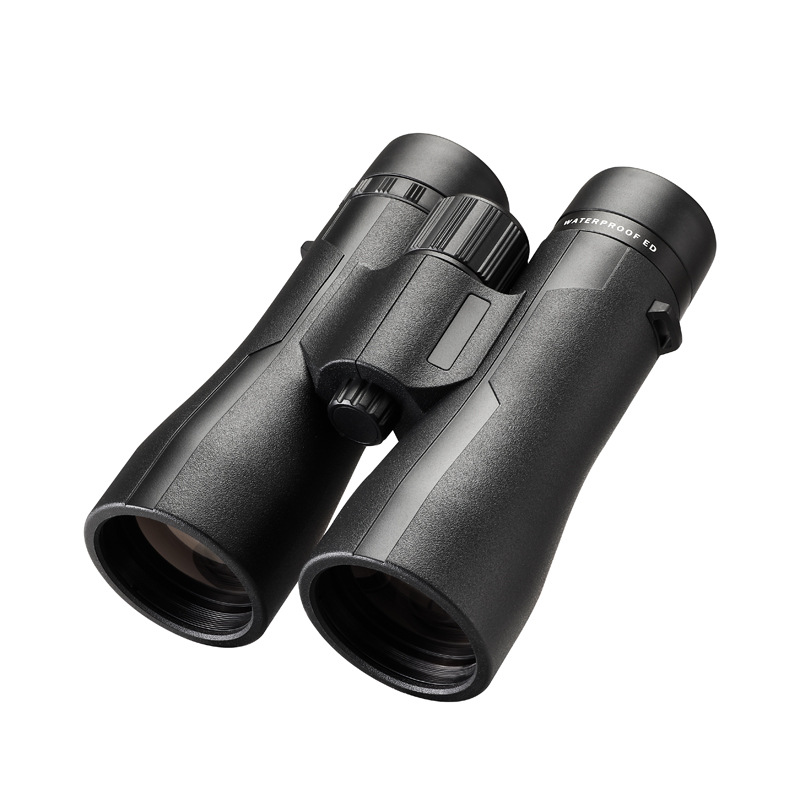
A parent-tested, field-friendly guide to buying binoculars kids actually use (and don’t rage-quit).
Kids’ binoculars work best when the fit is right: light weight, easy focus, and an IPD range that actually matches a child’s face.
Why kids’ binoculars are their own category
Most “kid binoculars” buying guides get stuck on magnification (or price) and miss the stuff that decides whether a child uses them for ten minutes or ten weekends. The truth: comfort, durability, and fit matter more than raw power. In 2026, the best options split into two camps:
• purpose-built binoculars made for small hands
• compact, real optics that happen to fit older kids (and won’t feel like toys).
This guide covers both, plus the details many articles skip—interpupillary distance (IPD), strap safety, close focus, and what “waterproof” actually means in the real world.
Quick picks (if you just want the shortlist)
| Model | Best for | Magnification | Weight feel | Waterproof | Why it wins |
| GeoSafari Jr. Kidnoculars Extreme | Ages 4–7 (first binocular) | 3x | Very light | Splash‑resistant | Focus‑free eyepieces + tough build |
| Vortex Bantam 6.5×32 | Ages 7–12 (serious use) | 6.5x | Light for a real bino | Yes | Wide view + kid-sized IPD range |
| OM SYSTEM 8×25 WP II | Ages 9+ (travel/sports) | 8x | Pocketable | Yes | Compact, waterproof, easy to toss in a daypack |
| Nikon PROSTAFF P3 8×42 | Teens / family shared | 8x | Full-size | Yes | Bright 42mm objectives; comfortable for long viewing |
| Celestron Nature DX 8×32 | Ages 10+ (birding starter) | 8x | Mid-size | Yes | Strong value for birding + good close focus |
| Opticron Adventurer T WP 8×42 | Budget family backup | 8x | Porro (stable) | Yes | Easy, stable image at a friendly price |
What most guides forget (and what to check first)
1) Interpupillary distance (IPD): the hidden deal-breaker
IPD is the distance between your child’s pupils. If the binoculars can’t adjust narrow enough, your kid will see double and assume binoculars are “broken.”
Quick home test: have your child look at a distant object, then measure the distance between the centers of their pupils. Many young kids need an IPD in the low‑50mm range; many adult binoculars simply don’t close that far.
2) Magnification isn’t the goal—steady viewing is
For kids, 3x–7x is usually the sweet spot. Higher power magnifies hand shake, narrows the field of view, and makes “finding” the bird feel like a frustrating game of hide-and-seek. If you want them to enjoy it, prioritize a wide view and easy eye placement.
3) Focus style: focus‑free vs. center focus
Focus free binoculars (common for ages 4–7) trade ultimate sharpness for speed: kids can just raise them and look. Center focus models are sharper and more versatile, but younger kids may need coaching. If your child keeps twisting the knob and losing the subject, focus‑free is often the right first step.
4) Strap safety and durability
For younger kids, look for a breakaway strap or a short, snug strap (or use a simple harness). Rubber armor matters more than you think: it saves optics during the inevitable drops and bumps.
5) Waterproof and fogproof: what the words should mean
“Water resistant” is fine for backyard play. If you’re hiking, camping, or doing coastal trips, aim for waterproof + nitrogen purged (fogproof). Kids move binoculars from warm car to cold air fast—fogging is common if the optics aren’t sealed.
The best binoculars for kids in 2026
1) GeoSafari Jr. Kidnoculars Extreme (best first binoculars for ages 4–7)
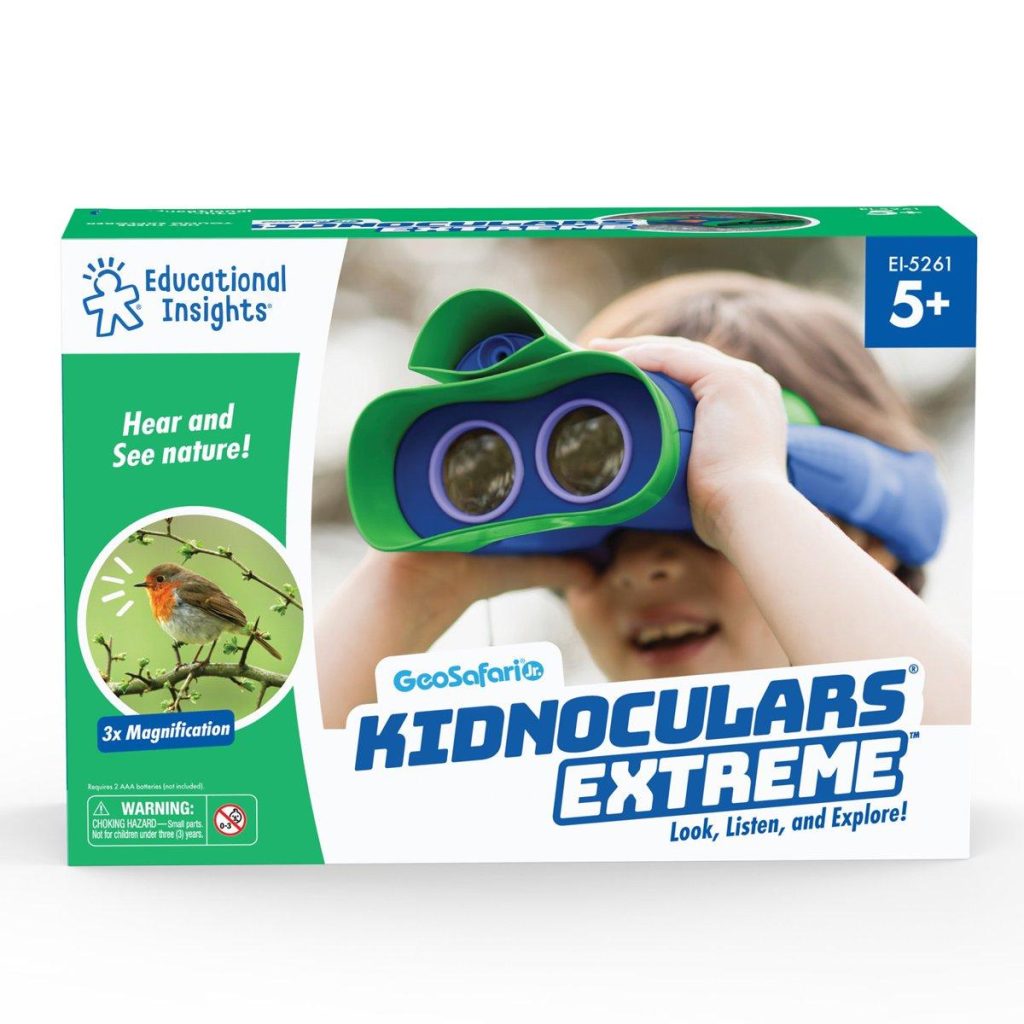
If you’re buying binoculars for a child who still loses gloves within ten minutes of leaving the house, start here.Foreseen binoculars are built like a toy (in a good way) but still deliver a real “wow, I can see it!” moment. The big win is usability: focus‑free eyepieces, oversized eye cups, and a shape that actually fits small hands.
Why it’s a great match
- Focus‑free viewing: less fiddling, more looking.
- Kid-friendly handling and chunky grip for small hands.
- Rugged rubberized body that handles drops and backyard chaos.
Watch-outs
- 3x magnification is intentionally modest—great for learning, not for distant bird ID.
- Optical sharpness won’t match full glass binoculars; that’s the trade for simplicity.
2) Vortex Bantam 6.5×32 (best ‘real binoculars’ sized for kids)
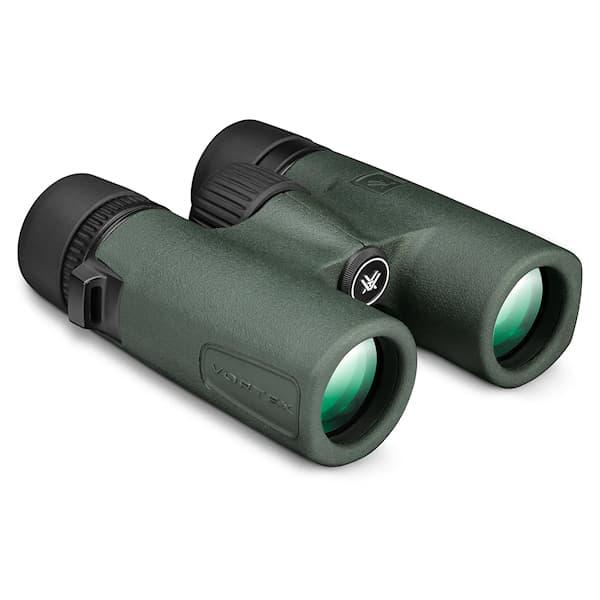
The Bantam is the rare youth binocular that feels like a serious tool without punishing small hands. 6.5x is a smart power choice for kids: steady enough to hold, strong enough to feel ‘real,’ and paired with a wide field of view that makes tracking movement easier.
Why it’s a great match
- Kid-friendly fit: designed for narrower IPD ranges than many adult binoculars.
- Durable, weather-ready build (great for camping and scouting).
- Easy target acquisition thanks to a wide view at lower magnification.
Watch-outs
- Pricier than toy-grade options—but it can last into the teen years.
- First-time users may need a short lesson on focus and diopter.
3) OM SYSTEM 8×25 WP II (best compact travel binoculars for older kids)
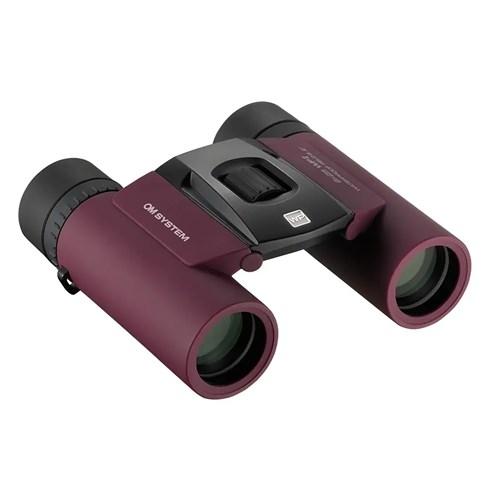
If the use case is stadiums, sightseeing, or “throw it in the backpack,” a compact waterproof 8×25 makes a lot of sense. The 25mm objectives won’t be as bright at dusk as bigger lenses, but for daytime sports and travel, the portability is the feature.
Why it’s a great match
- Small enough that kids will actually carry it.
- Waterproof design for beach trips, boats, and unpredictable weather.
- A good ‘shared family bino’ option: adults won’t hate using it.
Watch-outs
- 8x magnification is less forgiving of shake—best for ages ~9+.
- Small exit pupil means dimmer views in low light.
4) Nikon PROSTAFF P3 8×42 (best for teens and family sharing)
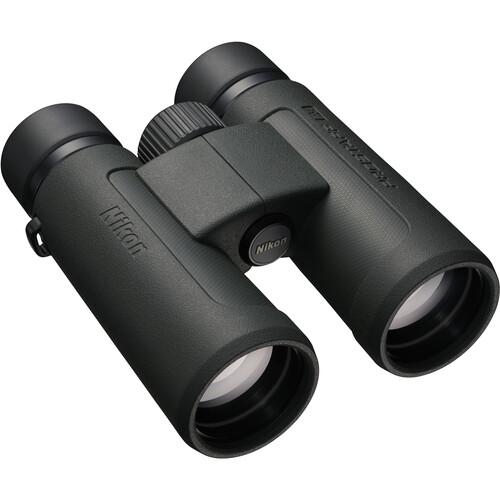
For older kids (or families buying one binocular everyone can use), an 8×42 is the classic “do everything” format—bright, comfortable, and easy to keep to your eyes for long sessions. The PROSTAFF line is known for offering a solid blend of usability and durability at a sensible price.
Why it’s a great match
- Bright 42mm objectives help at dawn/dusk and under tree cover.
- Comfortable eye placement and a stable 8x image.
- A practical upgrade that can last years.
Watch-outs
- May not adjust narrow enough for the youngest faces—check IPD.
- Heavier than kid-specific options.
5) Celestron Nature DX 8×32 (best value starter for birding)
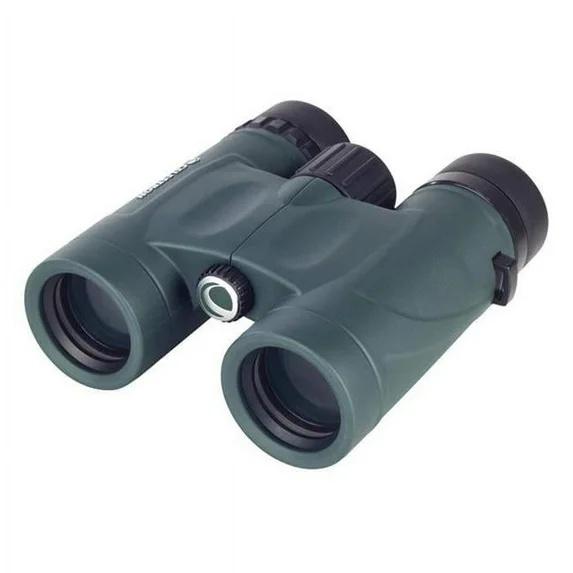
The Nature DX series is a common entry point into birding because it offers a useful spec mix: 8x magnification, a manageable 32mm objective, and (typically) strong close focus for backyard insects and feeder birds. For kids who are genuinely curious about nature, close-focus ability keeps the ‘wow factor’ high.
Why it’s a great match
- Good balance of brightness and size (easier than full-size 8×42 for many kids).
- Often strong close focus for butterflies, flowers, and feeder activity.
- A common ‘first real birding bino’ recommendation.
Watch-outs
- Still adult-style sizing—IPD may be too wide for smaller faces.
- Like any 8x, it rewards a steadier hold; ages ~10+ usually do best.
6) Opticron Adventurer T WP 8×42 (best budget ‘family backup’)
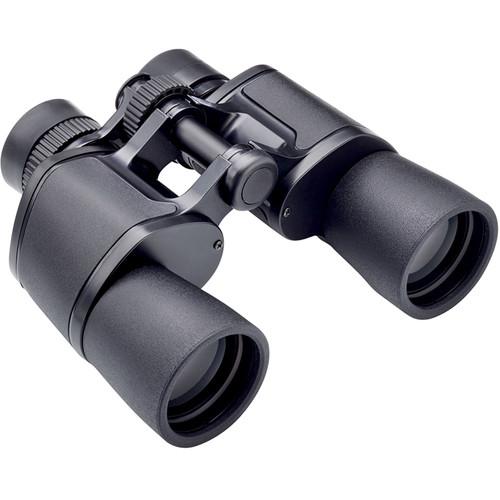
This is the kind of binocular that earns its keep in a family gear bin: affordable enough that you won’t panic if it gets scuffed, but capable enough for hikes, trips, and casual wildlife watching. The porro-prism design tends to feel naturally stable in the hands, which can help kids graduating to full-size optics.
Why it’s a great match
- Stable viewing feel (porro designs can be forgiving).
- Waterproof build at a friendly price point.
- Great ‘second pair’ for a sibling or guest.
Watch-outs
- Bulkier than compact roofs; not a pocket option.
- As with other 8x42s, check that it adjusts narrow enough for your child.
How to teach kids to use binoculars (30-second ‘success’ script)
The fastest way to prevent frustration is to set them up for an instant win:
- Start on a big, stationary target (a street sign, tree trunk, or billboard).
- Have them point at the target first (binoculars still down).
- Bring the binoculars up to their eyes without moving the pointing finger.
- Adjust IPD until the two circles merge into one clean circle.
- Only then use the focus knob (if the binocular has one).
Tips for choosing and care binoculars for kids
Must-have shots for each binocular
- Front-on product shot on a neutral background (avoid aggressive wide-angle distortion).
- In-hand scale photo (adult hand and child hand if possible).
- IPD range demonstration: binocular set to its narrowest position so parents can judge fit.
- Eyecups and eye relief: show eyecups fully down and fully up (especially important for glasses wearers).
- Accessories laid out: strap/harness, case, lens caps, cleaning cloth.
- Real-world use shot: child viewing a bird feeder or sports field (avoid fake ‘astronomy with 8x’ scenes).
Common mistakes to avoid
- Using a wide-angle phone lens too close (makes the binocular look bigger than it is).
- Photos that hide the eyecups or IPD hinge (fit matters most for kids).
- Stock images that don’t match the exact model or color.
- Over-editing brightness/contrast until coatings look like colored mirrors.
Care tips that save binoculars (and your patience)
- Create a simple ‘binocular parking spot’ at home (hook by the door or a labeled bin).
- Teach ‘caps on when walking’ to reduce scratched lenses.
- Blow dust off first, then wipe—don’t grind grit into the coatings.
- After sand/salt exposure: rinse exterior with fresh water only for truly waterproof models, then dry.
For any binoculars, please feel free to contact us.