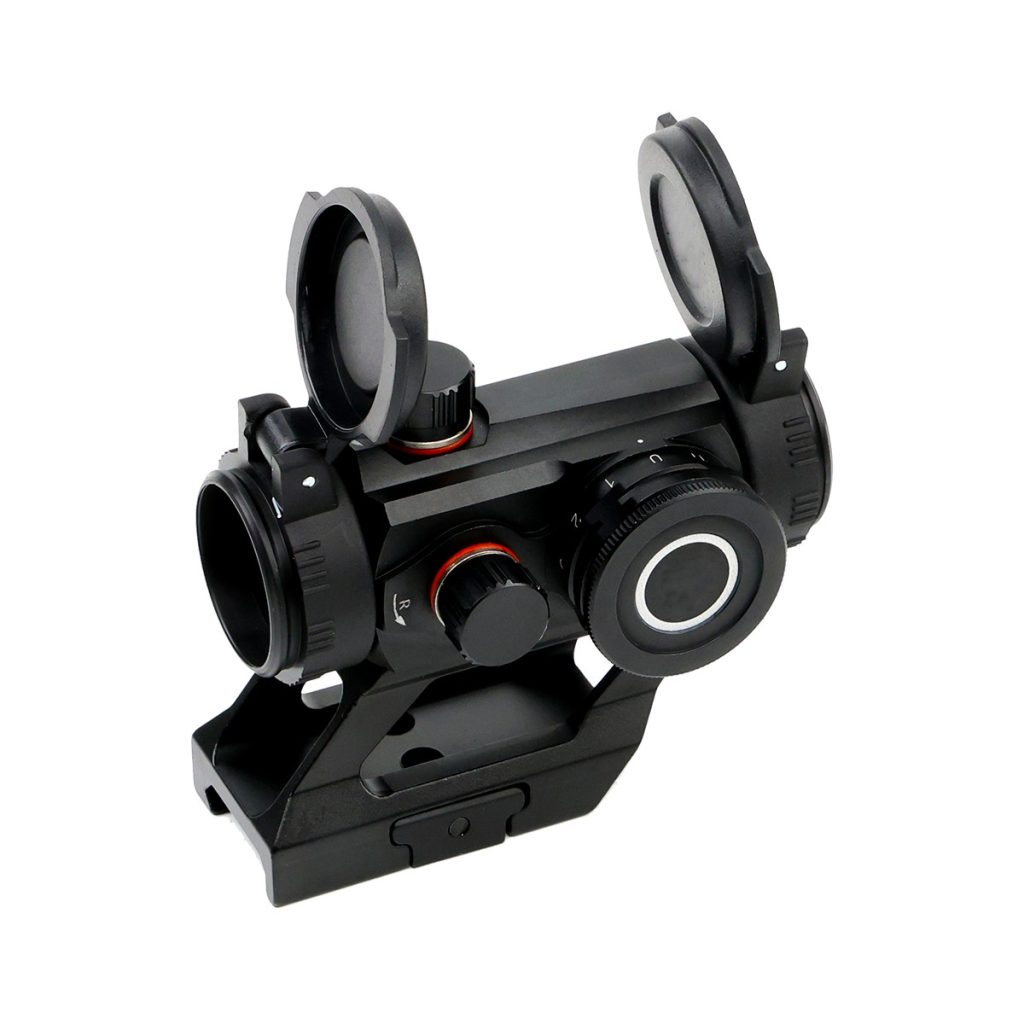
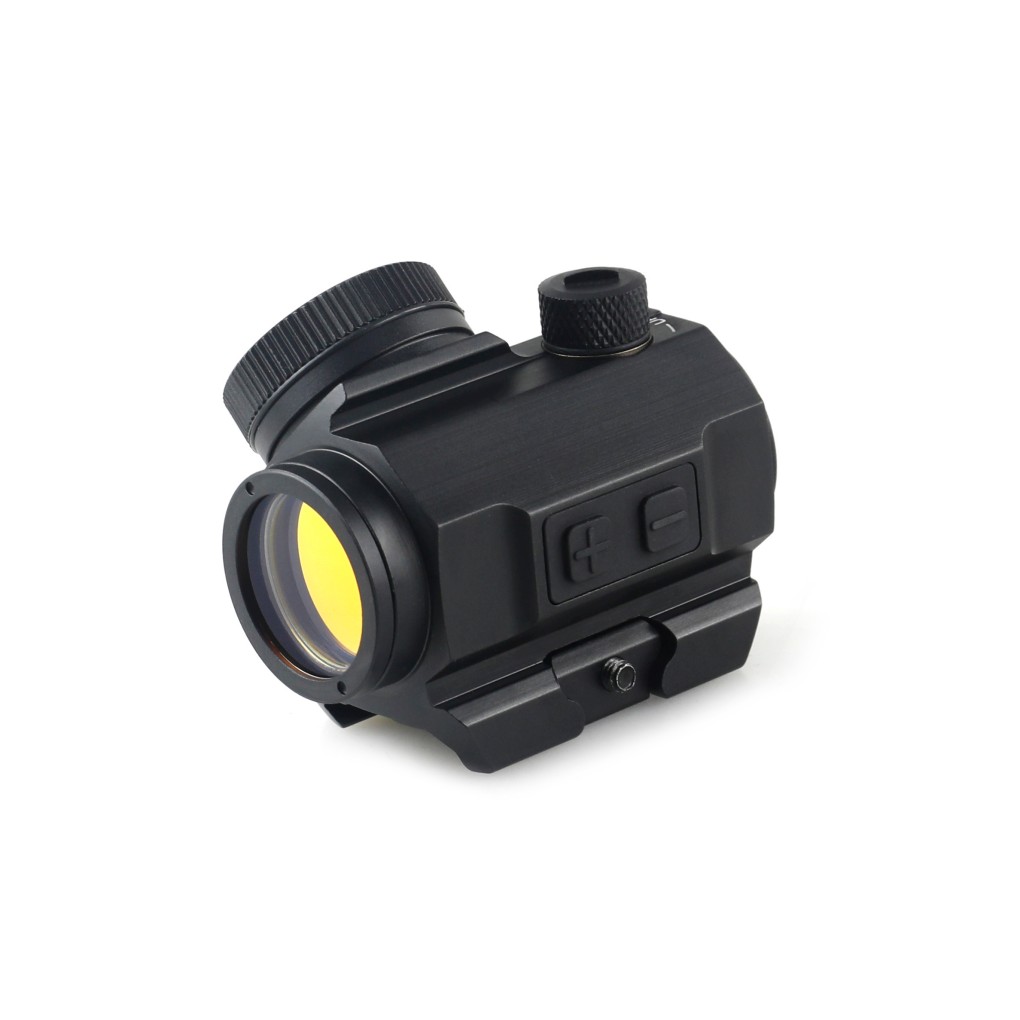
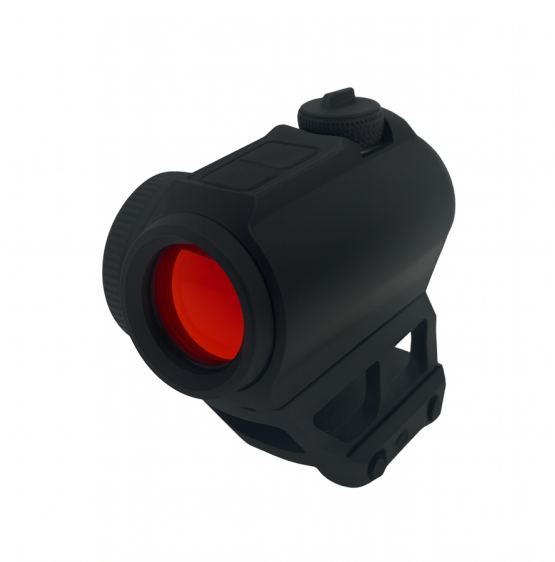
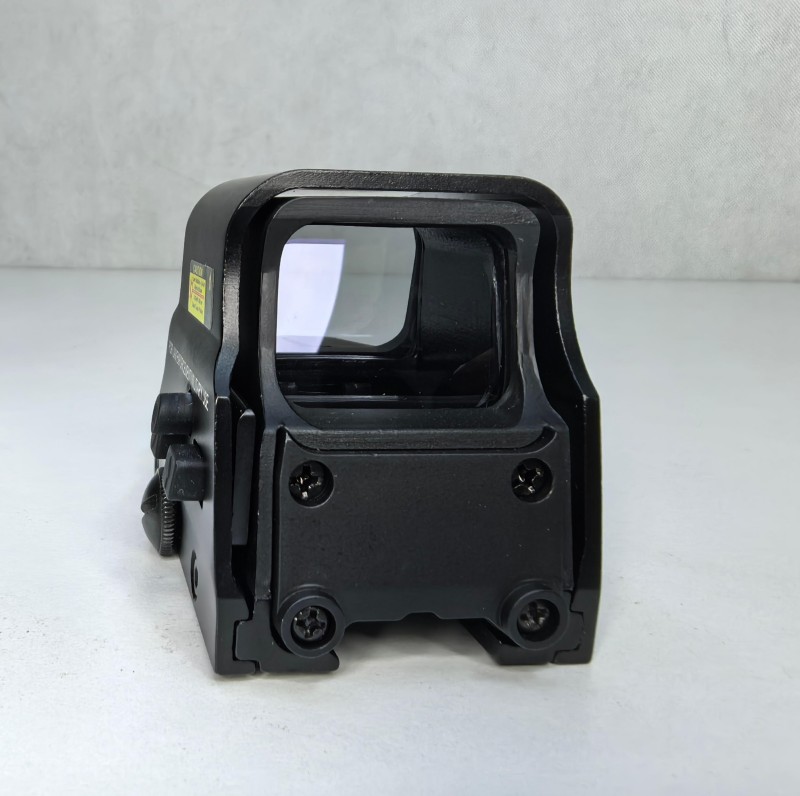
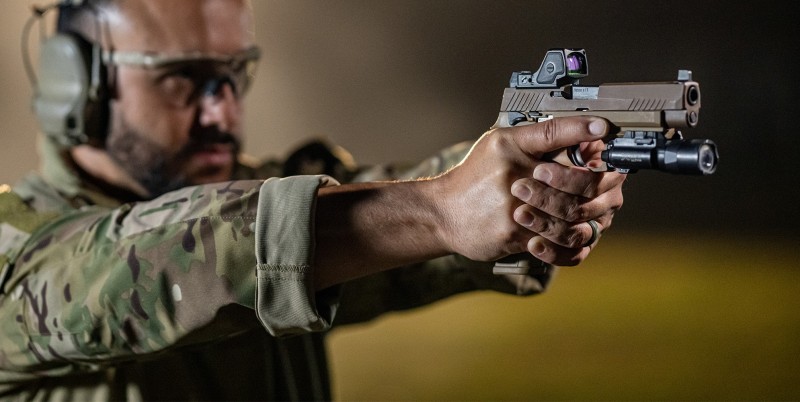
In close-quarters combat (CQC), every fraction of a second matters. Engagement distances are often within 0–25 meters, sometimes even closer. In these conditions, shooters rarely have the time to align traditional iron sights perfectly.
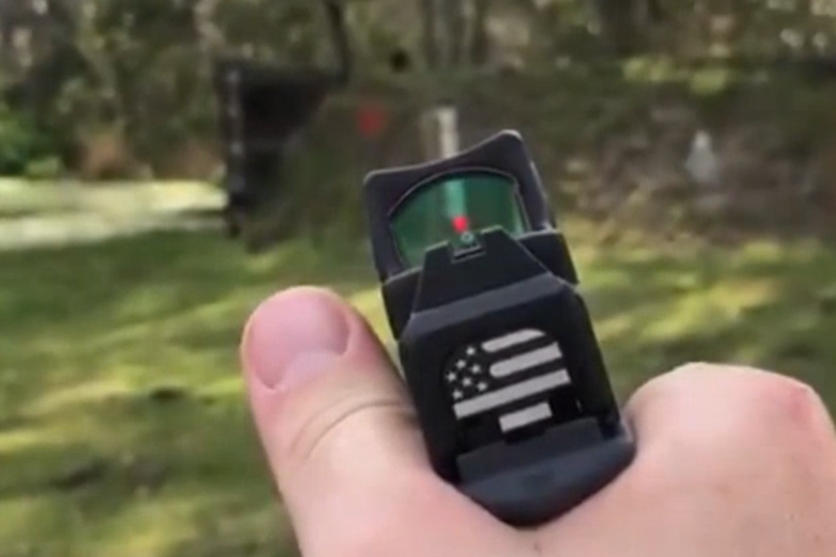
That’s where a pistol red dot sight becomes valuable. A well-designed optic allows shooters to keep both eyes open, maintain better situational awareness, and acquire targets faster. Instead of aligning front and rear sights, the shooter simply places the red dot on the target.
Over the past few years, red dots have become increasingly common on:
- tactical pistols
- law-enforcement sidearms
- defensive and duty weapons
However, not every red dot is suitable for high-stress, short-distance environments. Choosing the wrong optic can slow down target acquisition or even compromise reliability.
Before we look at the key features, it’s worth addressing a few common mistakes buyers make when selecting a CQC optic.
Common Mistakes When Choosing a CQC Optic
Many buyers focus on specifications that matter more for precision shooting than close-range engagement.
Typical mistakes include:
- Prioritizing ultra-small dot sizes: A 2 MOA dot may be excellent for long-range accuracy, but it can be slower to pick up in fast-paced situations.
- Ignoring window size: A small viewing window limits your field of view and can make it harder to track moving targets.
- Overlooking durability: In tactical environments, optics must withstand recoil, impact, and harsh weather.
- Choosing incompatible mounting systems: Not all red dots fit modern optics-ready pistols without adapters.
Understanding these pitfalls helps buyers focus on the features that actually improve performance in CQC scenarios.
Key Features to Look for in a CQC Red Dot Sight
When selecting a red dot sight for close-quarters combat, several design features directly affect speed, reliability, and usability.
Below are seven aspects that experienced users and professional buyers typically evaluate.
Large Window Size for Faster Target Acquisition
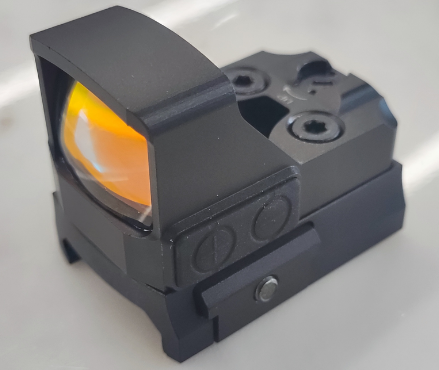
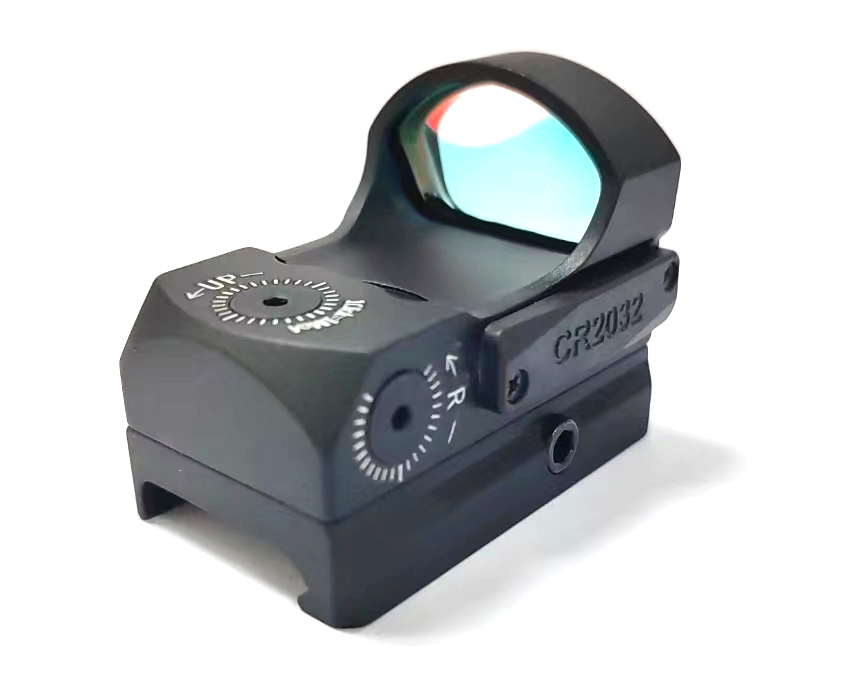
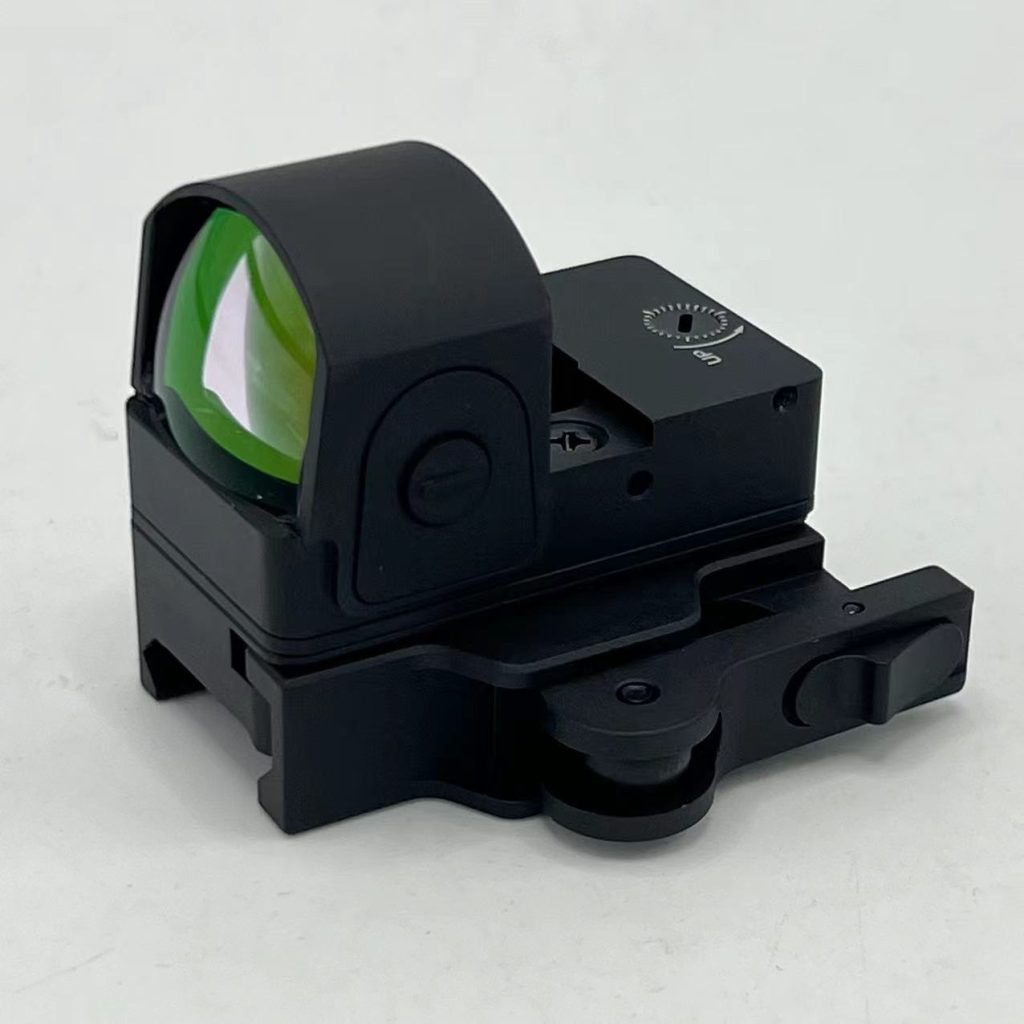
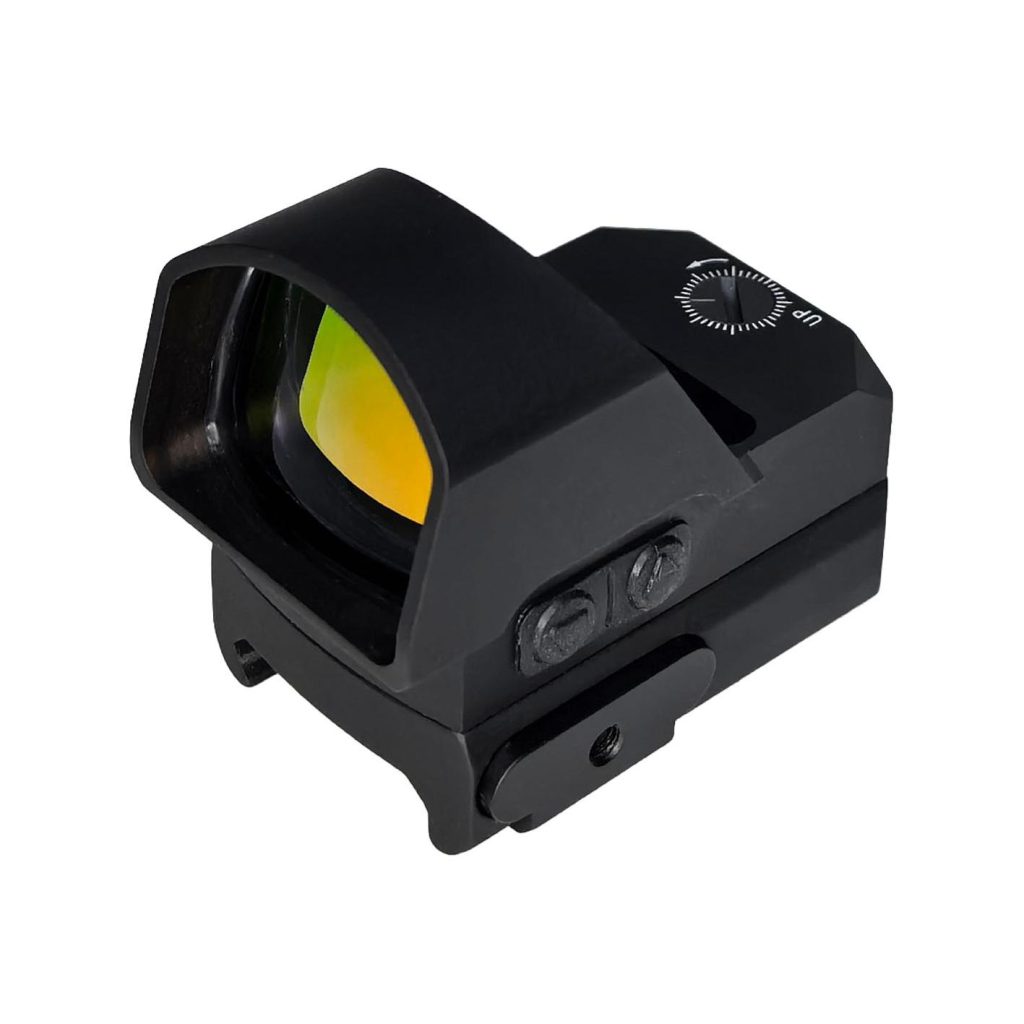
One of the most noticeable differences between pistol optics is the window size.
A larger viewing window provides several advantages in CQC:
| Feature | Benefit |
| Larger lens area | Easier to find the dot quickly |
| Wider field of view | Better awareness of surroundings |
| Less visual obstruction | Faster target transitions |
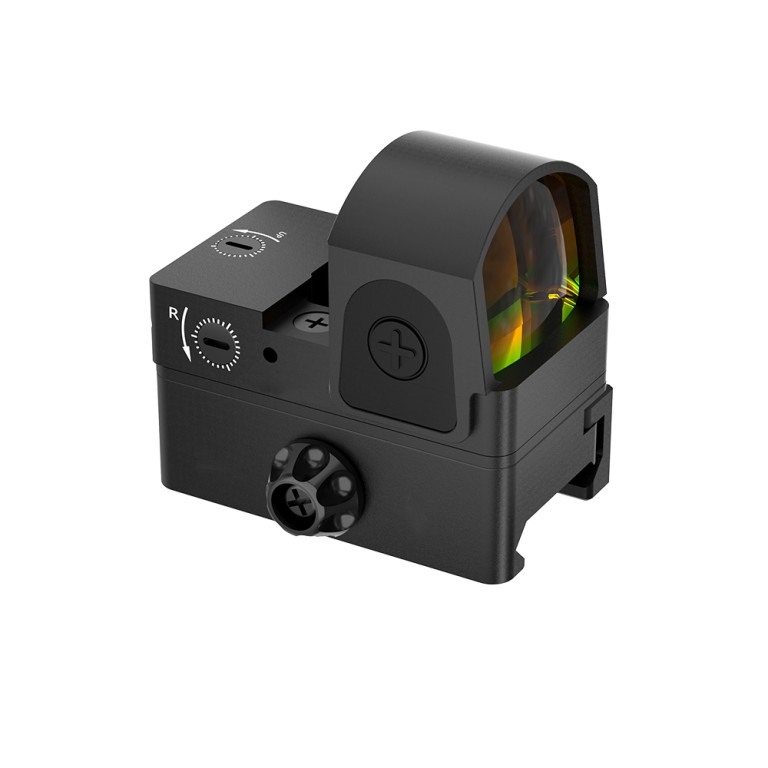
When shooters present the pistol under stress, the dot does not always appear perfectly centered. A large window helps the shooter locate the reticle faster, especially during dynamic movement.
This is why large-window pistol red dots have become increasingly popular in tactical setups.
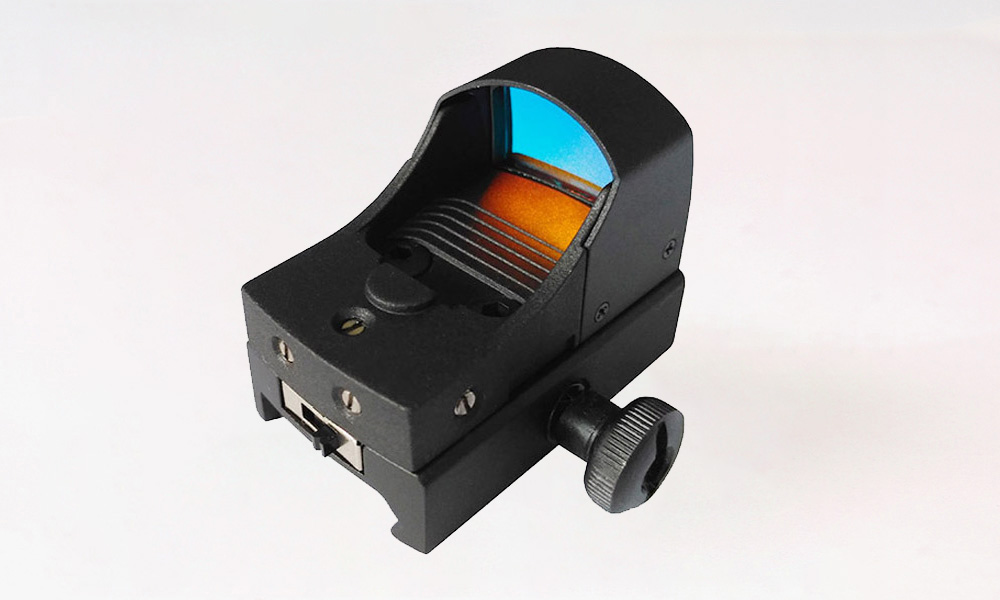
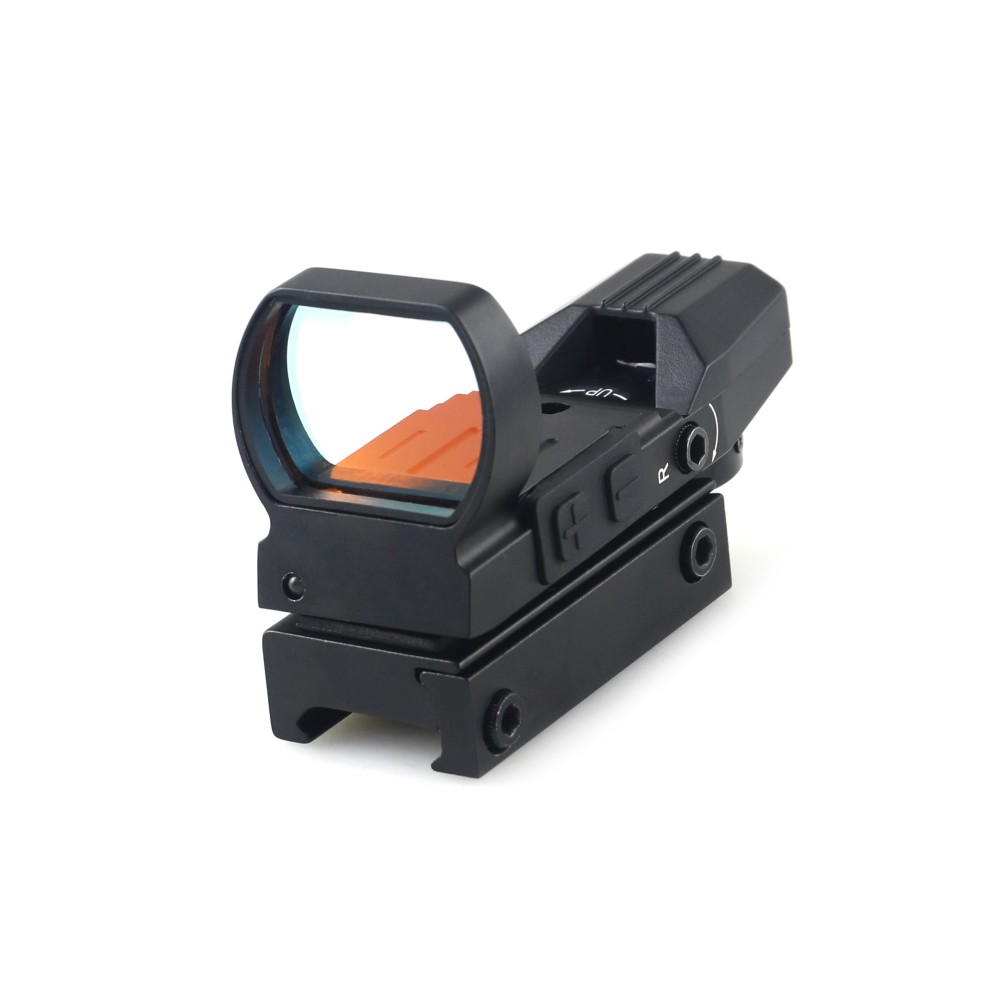
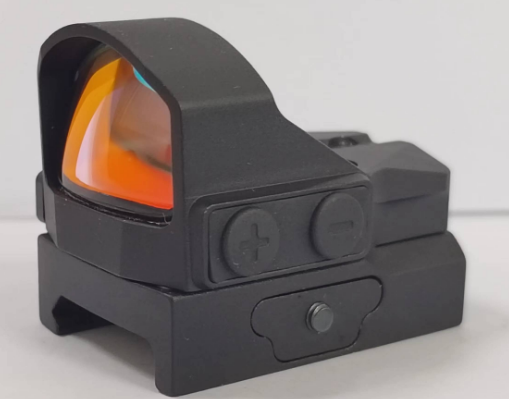
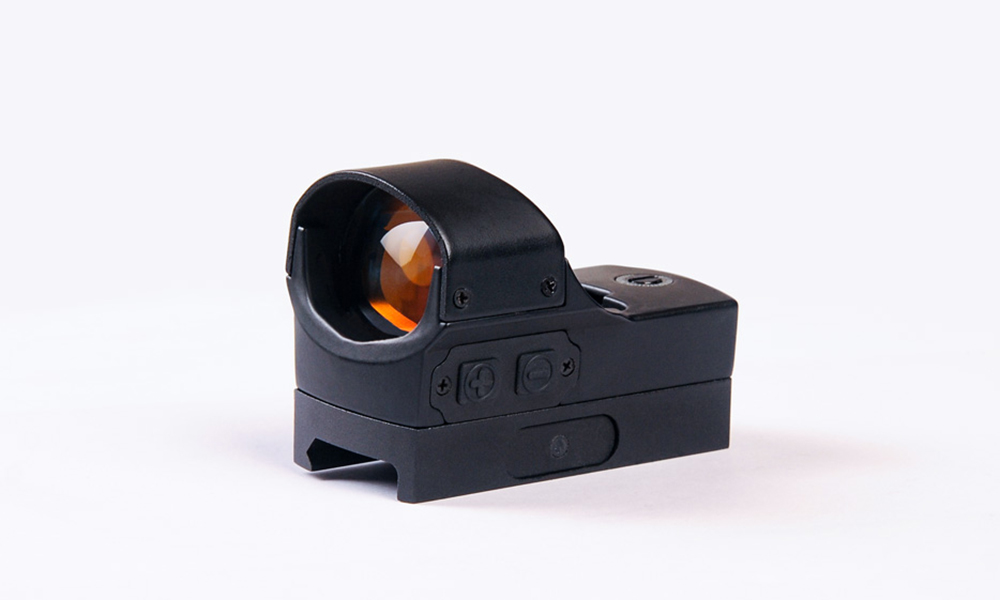
Example products can be seen in Foreseen Optics’ large window models.


Dot Size: Bigger Isn’t Always Bad in CQC
Dot size is usually measured in MOA (Minute of Angle).
For pistol red dots, common sizes include:
| Dot Size | Typical Use |
| 2 MOA | precision shooting |
| 3–4 MOA | balanced use |
| 5–6 MOA | fast acquisition |
In close-quarters environments, precision beyond a few centimeters rarely determines the outcome. What matters more is how quickly the shooter can see the dot.
A slightly larger dot often allows faster alignment and quicker engagement.
Many tactical users therefore prefer 3–6 MOA reticles for defensive or duty pistols.
The goal is simple: the dot should be instantly visible without distracting the shooter.
Brightness and Low-Light Performance
CQC encounters frequently occur in indoor environments, dim lighting, or rapidly changing light conditions.
A reliable red dot should offer:
- multiple brightness levels
- clear visibility in daylight
- low settings for indoor environments
- optional night-vision compatibility
| Brightness Feature | Why It Matters |
| High brightness | visible in strong daylight |
| Low brightness | prevents glare indoors |
| NV compatibility | supports professional tactical gear |
A well-designed optic ensures the dot remains visible without overwhelming the target image.
Durability: Optics Must Survive Hard Use
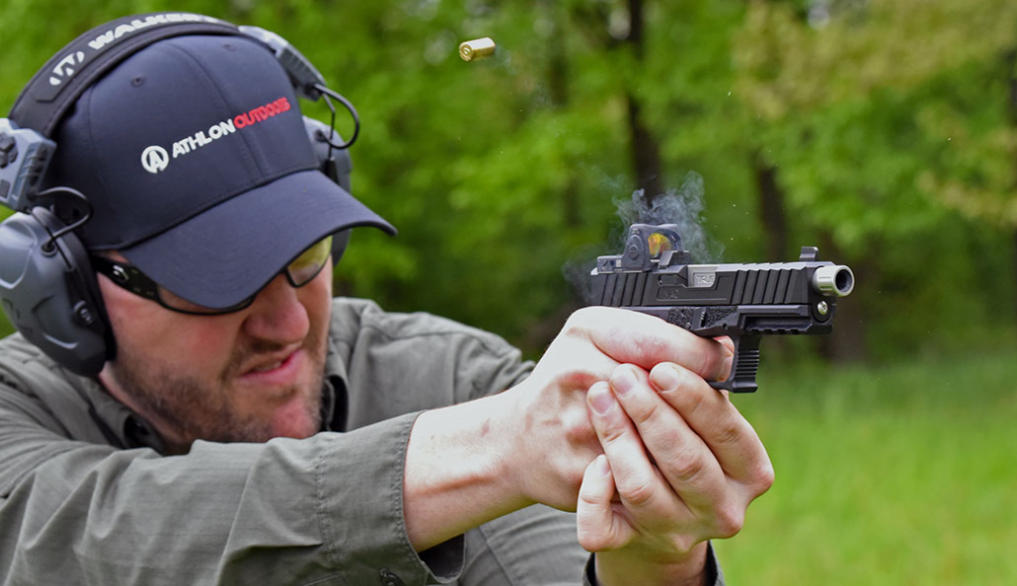
Unlike range optics, CQC optics must handle real-world abuse.
Pistol slides generate significant recoil, and optics may experience:
- repeated slide impacts
- accidental drops
- harsh weather conditions
Therefore, durability becomes a critical purchasing factor.
Typical construction features include:
| Specification | Purpose |
| Aluminum housing | structural strength |
| Hard anodized finish | corrosion resistance |
| Shock resistance | withstand pistol recoil |
| Waterproof rating | operation in rain or humidity |
Professional buyers often expect optics that can reliably handle thousands of firing cycles without losing zero.
Instant Activation Features (Shake Awake)
In defensive or tactical situations, there is no time to turn on the optic manually.
Many modern pistol red dots now feature motion-activated illumination, commonly known as Shake Awake.
This system works by:
- automatically turning the optic on when movement is detected
- entering sleep mode when idle
- conserving battery life
Benefits include:
- instant readiness
- reduced battery consumption
- fewer steps during weapon deployment
For duty pistols, this feature has quickly become a standard expectation rather than a luxury.
Battery Life and Easy Battery Replacement
Battery performance is another practical consideration.
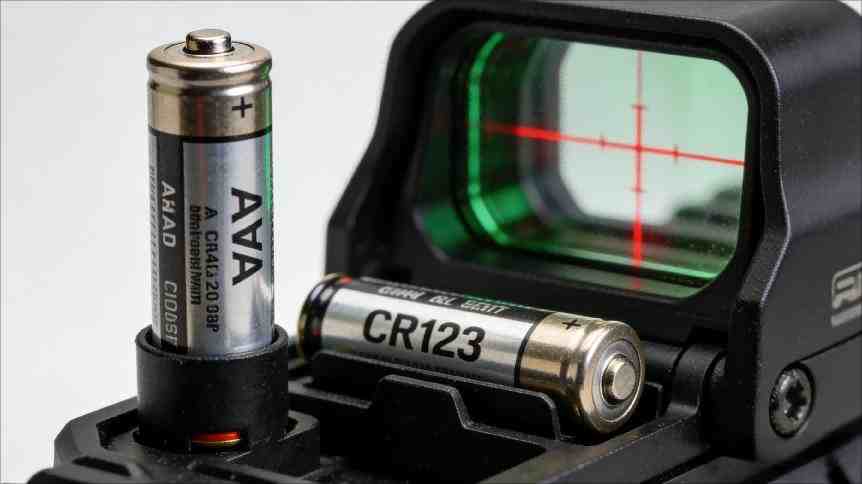
A typical modern pistol optic should offer tens of thousands of hours of battery life under standard brightness settings.
Common configurations include:
| Battery Type | Advantage |
| CR2032 | widely available |
| CR1632 | compact size |
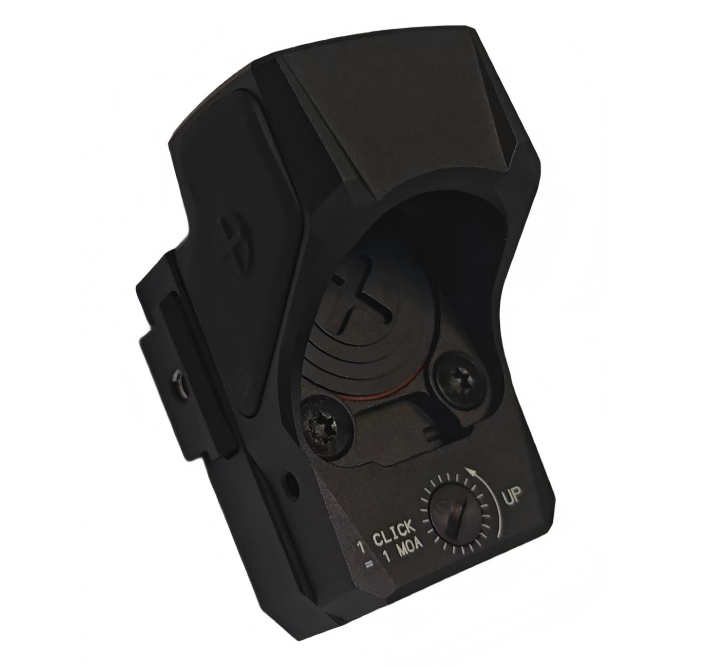
Another design improvement is top-mounted battery compartments, which allow users to replace batteries without removing the optic from the slide.
This prevents the need to re-zero the sight after maintenance.
Mounting Compatibility with Modern Pistols
Many modern pistols now come optics-ready, but compatibility still matters.
Popular mounting footprints include:
- RMR footprint
- RMSc footprint
- Docter footprint
A compatible footprint allows the optic to mount directly onto the slide, reducing the need for adapter plates.
This improves:
- mounting stability
- overall durability
- installation convenience
For buyers selecting optics for multiple pistol platforms, choosing a widely compatible footprint is often the safest option.
Open vs Enclosed Red Dot for CQC
Another topic gaining attention in recent years is the difference between open-emitter and closed-emitter red dot sights.
Each design has advantages depending on the application.
| Type | Advantages | Considerations |
| Open emitter | lighter, compact, affordable | lens exposed to debris |
| Closed emitter | sealed design, more protected | slightly heavier |
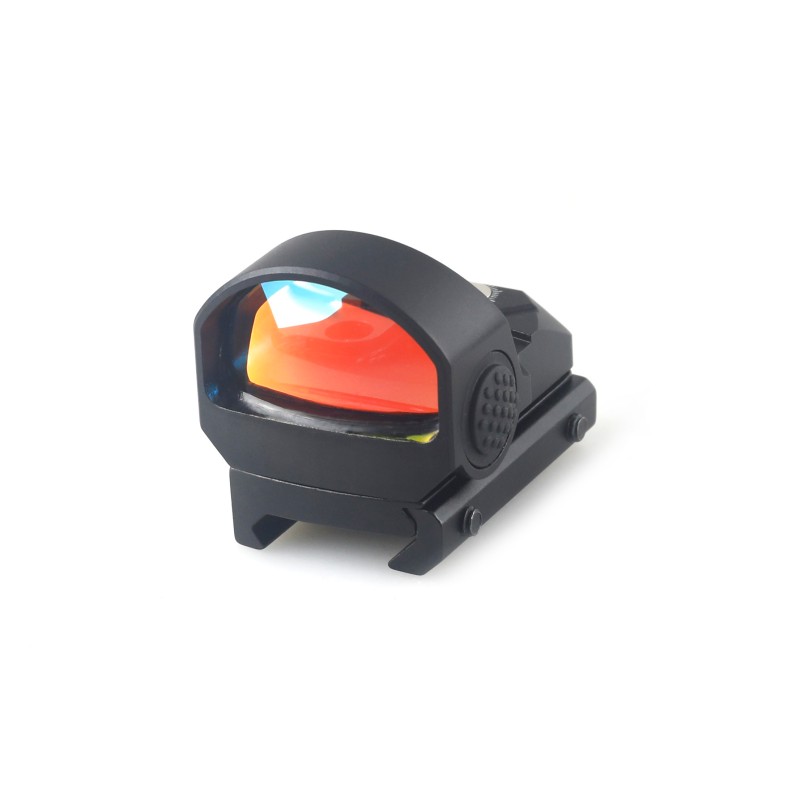
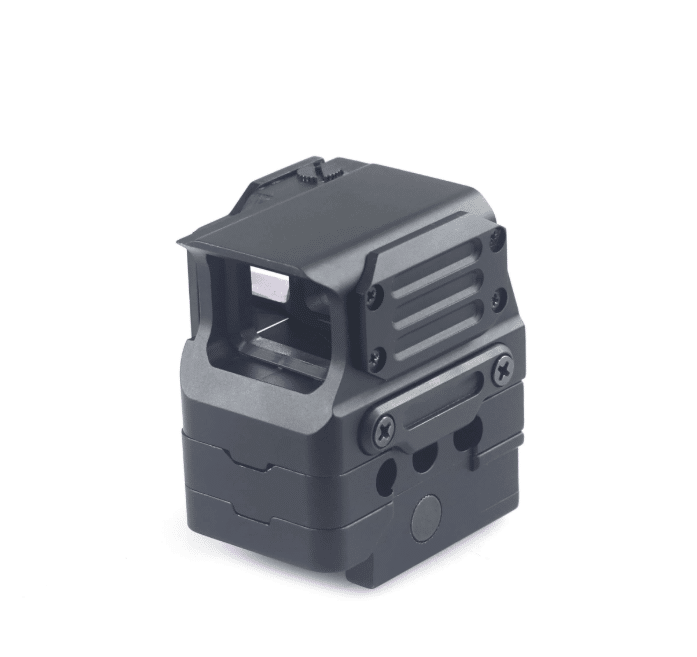
Open-emitter designs are still widely used because they are compact and lightweight, making them suitable for everyday carry pistols.
Closed-emitter optics, however, have become increasingly popular among professional users and tactical teams. Their sealed design protects the emitter from rain, dust, and debris, improving reliability in harsh environments.
Ultimately, the choice depends on the operating environment and user preference.
Training Still Matters More Than Equipment
Even the most advanced red dot sight cannot replace consistent training and familiarity with the platform.
For shooters transitioning from iron sights, there is often a learning curve. Proper presentation of the pistol and consistent grip are essential to finding the dot quickly.
That said, selecting the right optic can significantly improve:
- target acquisition speed
- shooting confidence
- situational awareness
At Foreseen Optics, we focus on developing reliable, practical pistol red dot sights designed for real-world use. From compact open-emitter models to rugged enclosed optics, the goal is always the same: clear optics, dependable performance, and compatibility with modern handgun platforms.
If you’re exploring options for duty pistols, tactical applications, or OEM sourcing, it may be worth reviewing the available configurations and features in more detail. Feel free to contact us for your needs.