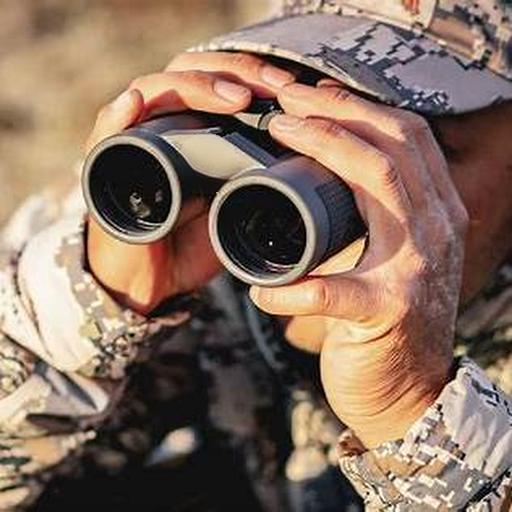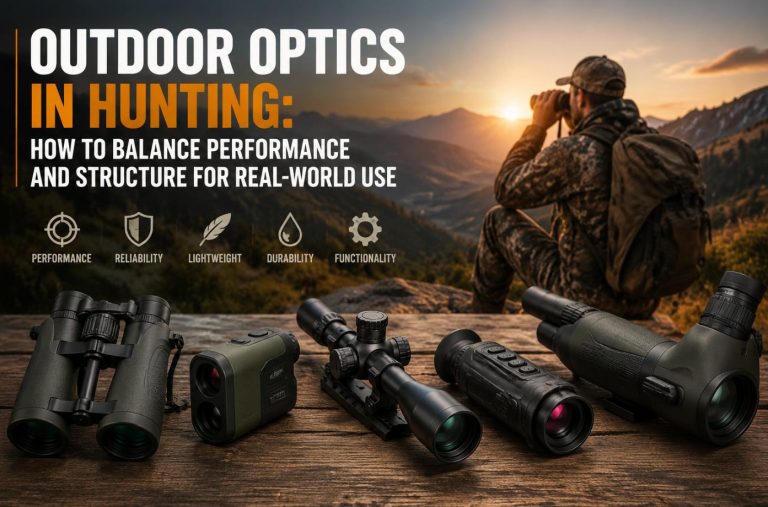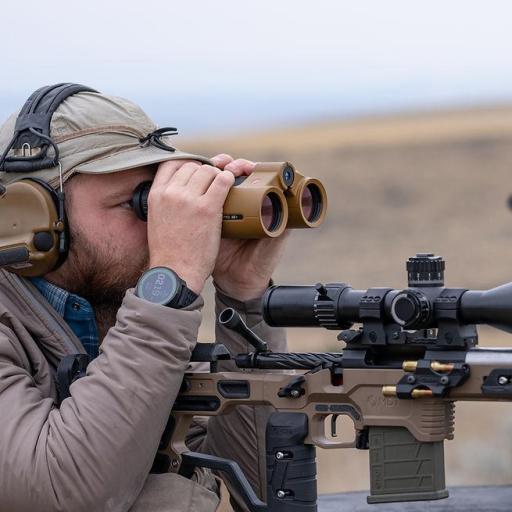
Hunter with binoculars

How to Source High-Performance Hunting Binoculars from Trusted Chinese Manufacturers

Why this guide exists China is one of the world’s deepest supply bases for sports optics, and it can absolutely produce hunting binoculars that feel premium in the hand and hold up in the field. The catch is that “premium” is rarely decided by a single spec line like ED glass or fully multi-coated lenses….

Porro designs are often cost-effective for bright comfortable low‑light views—another way to support forgiving formats

Why Add 7×42 and 8×50 Binoculars? The Logic Behind 42mm and 50mm Series

Classic binocular form factor—series planning starts with real use cases, not just numbers on the box. The Quick Answer: Why 7×42 and 8×50 Exist Most binocular lines are built around a handful of ‘anchor’ SKUs: 8×42 and 10×42 for the 42 mm family, and 10×50 (sometimes 12×50) for the 50 mm family. Those are proven…

Roof Prism vs Porro Prism Binoculars: What You Should Know

Roof Prism vs Porro Prism Binoculars: What You Should Know

Roof Prism vs Porro Prism: The 30‑Second Answer If you only remember one thing: roof‑prism binoculars are the compact, weather‑sealed workhorses; Porro‑prism binoculars are often the best optical value per dollar, with a more “3D” view and fewer coating dependencies—at the cost of bulk. Pick roof prisms if you care most about: Pick Porro prisms if you…

Low Light Deer Hunting

Best Low Light Deer Hunting Binoculars for Dawn and Dusk 2026

A 2026 buyer’s guide built around real field constraints (not marketing math) If you hunt whitetails in timber or mule deer on shaded slopes, you already know the truth: dawn and dusk don’t just make things darker – they make everything harder to read. Antler points blend into brush. Backlit edges flare. You’re glassing through…

Roof Prism or Porro Prism

Roof Prism or Porro Prism — Which Binocular Design Should I Choose?

This article is written for brand customers (OEM / ODM partners). It highlights FORESEEN OPTICS’ experience and engineering capabilities in binocular structural design and system trade-offs, and also helps consumers understand why binoculars have so many different designs and specifications, so they can make better buying decisions. Before structural design: determine the application scenario first…

Binoculars designed for kids

The Best Binoculars for Kids in 2026

A parent-tested, field-friendly guide to buying binoculars kids actually use (and don’t rage-quit). Kids’ binoculars work best when the fit is right: light weight, easy focus, and an IPD range that actually matches a child’s face. Why kids’ binoculars are their own category Most “kid binoculars” buying guides get stuck on magnification (or price) and…

How to Choose Binoculars? FORESEEN’s Suggestions

How to Choose Binoculars? FORESEEN’s Suggestions

Core Logic for Choosing Binoculars: Start from the Use Case The essence of choosing binoculars is to match “specifications” to “use scenarios”. Once you define the primary application, the numbers printed on the housing (such as 8×42 or 10×25) become much easier to interpret and most choices naturally fall into place. Common use cases and…

Amazon US Binoculars Market Report: Analyzing the Top 100 Bestselling Products and Strategic Opportunities

Amazon US Binoculars Market Report: Analyzing the Top 100 Bestselling Products and Strategic Opportunities

Market Overview This report was compiled by FORESEEN OPTICS based on a combination of official data from Amazon US and non-sensitive sales data shared by our Amazon partners. Our goal is to provide: We welcome more customers and partners to discuss this report with us in depth and continue to improve it together. An analysis of…

Hunter holding a Nikon binocular

Why Do We Add the 7×42 and 8×50 Binoculars in the 42 mm and 50 mm Caliber Series?

In the traditional roof prism binoculars market, the usual specifications for 42 mm and 50 mm include: 8×42, 10×42, 12×42 and 10×50, 12×50, 15×50, etc. These combinations have maintained a stable market perception over the years. However, during our R&D, we re-examined the relationship between magnification, aperture, and actual user experience, and based on this,…

Thermal-Optics-military-grade-810x467

Battlefield “Black Tech”: Advanced Materials and Coating Technologies in Military-Grade Optics

“Vision” could well be described as the most critical military function. It achieves this via systems of military scopes integrated with distant viewers, night-vision, and even thermal imagers. Military optics systems project images of the real world and in contrast with civilian systems, offer a more reliable and accurate fusion of images of the area of…

End of content

End of content