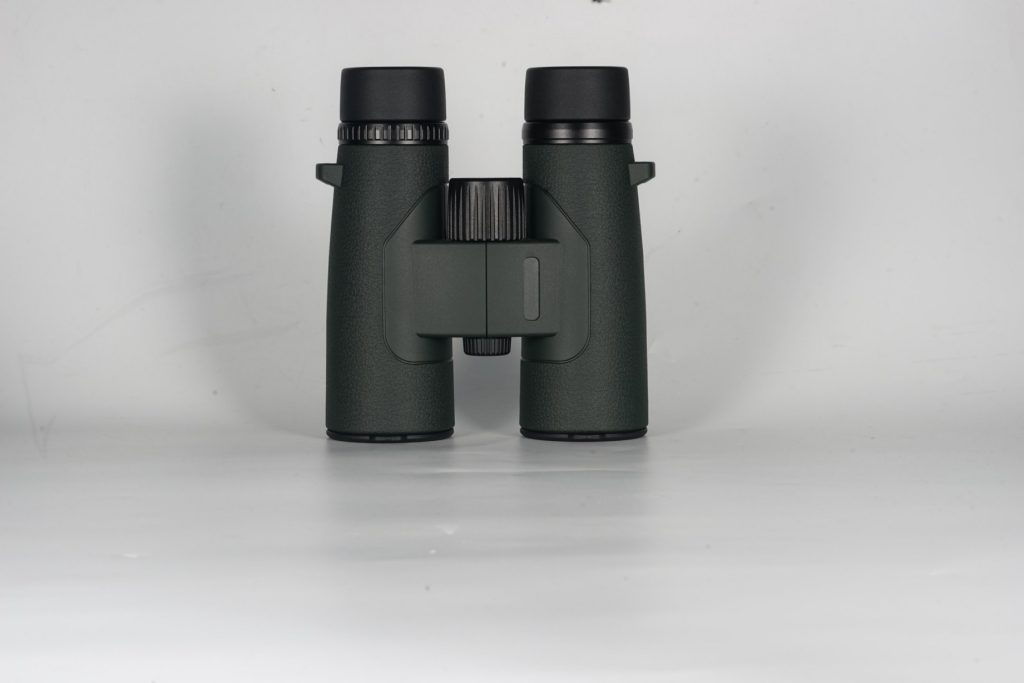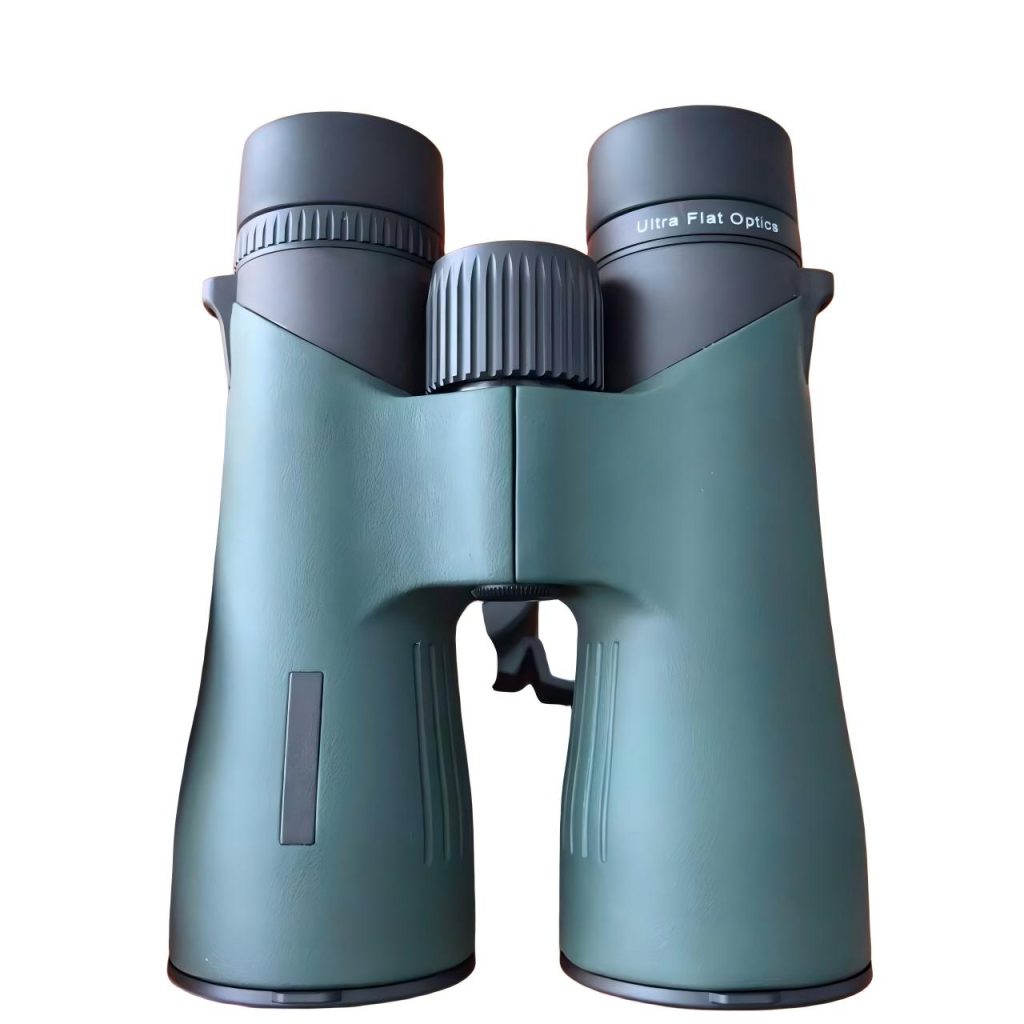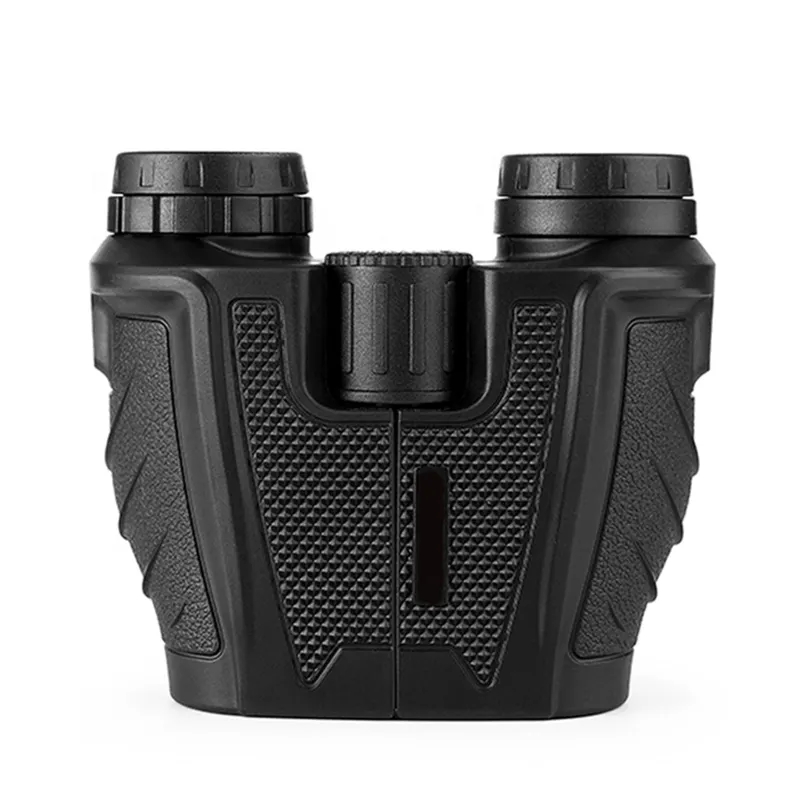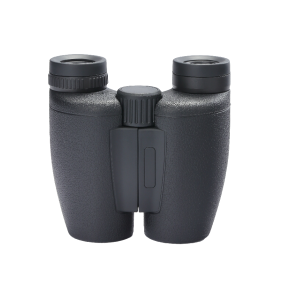
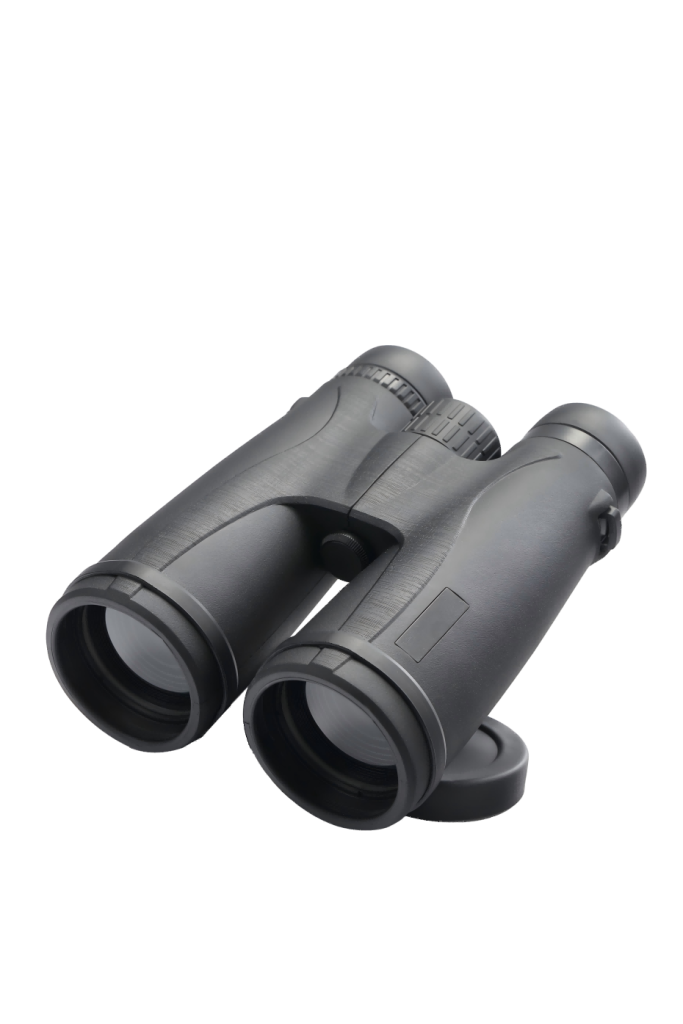
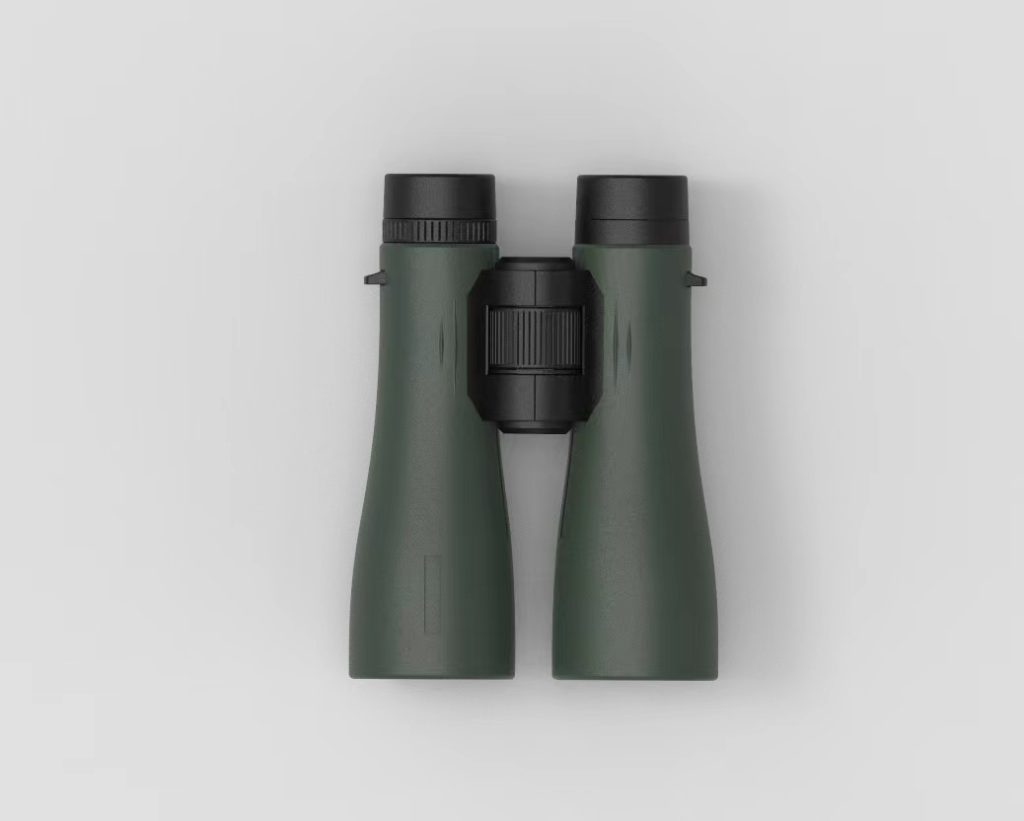
Classic binocular form factor—series planning starts with real use cases, not just numbers on the box.
The Quick Answer: Why 7×42 and 8×50 Exist
Most binocular lines are built around a handful of ‘anchor’ SKUs: 8×42 and 10×42 for the 42 mm family, and 10×50 (sometimes 12×50) for the 50 mm family. Those are proven sellers. But a lineup that only offers the anchors leaves two real-world gaps: a steadier, more forgiving woods glass in the 42 mm range, and a brightness step-up in the 50 mm range that doesn’t drag you into the weight and cost of 56 mm models.
That’s exactly where 7×42 and 8×50 come in. They’re not ‘niche for the sake of being different’—they’re problem-solvers that make a size ladder feel complete.
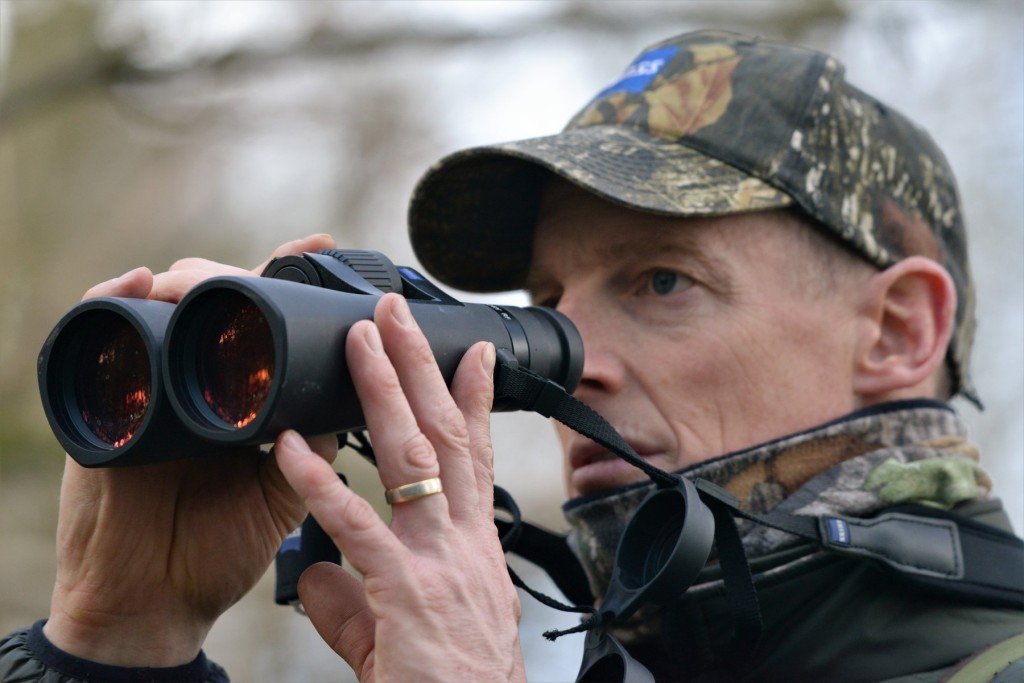
In tight cover and fast light changes, steadiness and ease of view often beat raw magnification.
What “42 mm Series” and “50 mm Series” Really Mean
When brands say “42 mm series” or “50 mm series,” they’re talking about objective diameter—the front lens size. The objective lens sets the foundation for how much light can enter the system, and it strongly influences the chassis size, weight, and the optical compromises designers can (or can’t) avoid.
In practice, a series isn’t just a list of numbers. It’s a promise: similar ergonomics, similar build level, and predictable performance trade-offs across magnifications. Adding a new format only makes sense if it strengthens that promise.
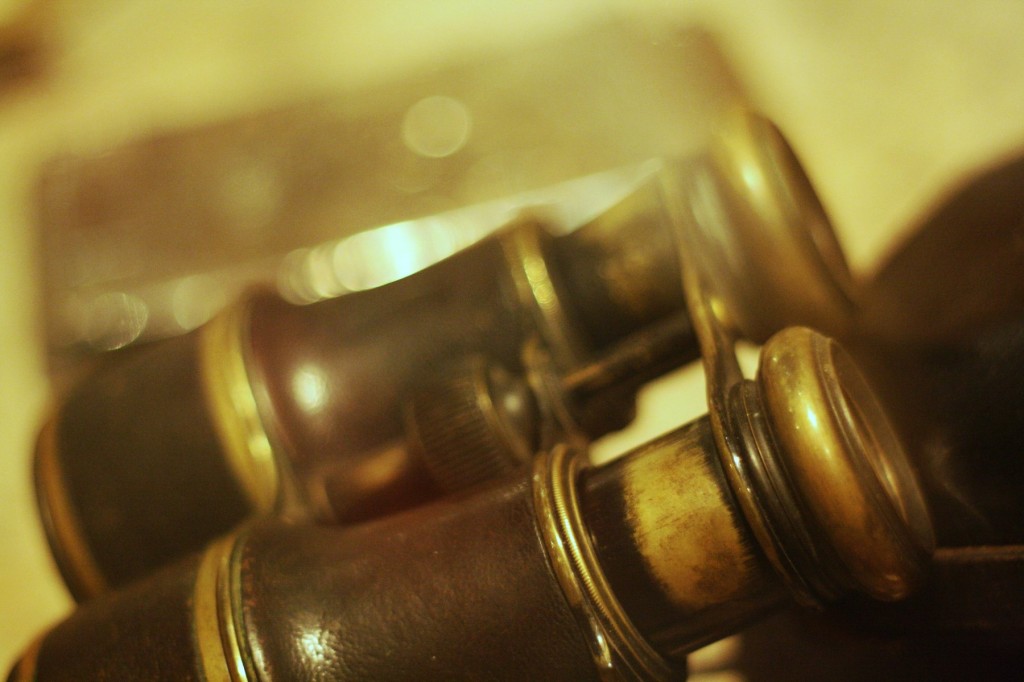
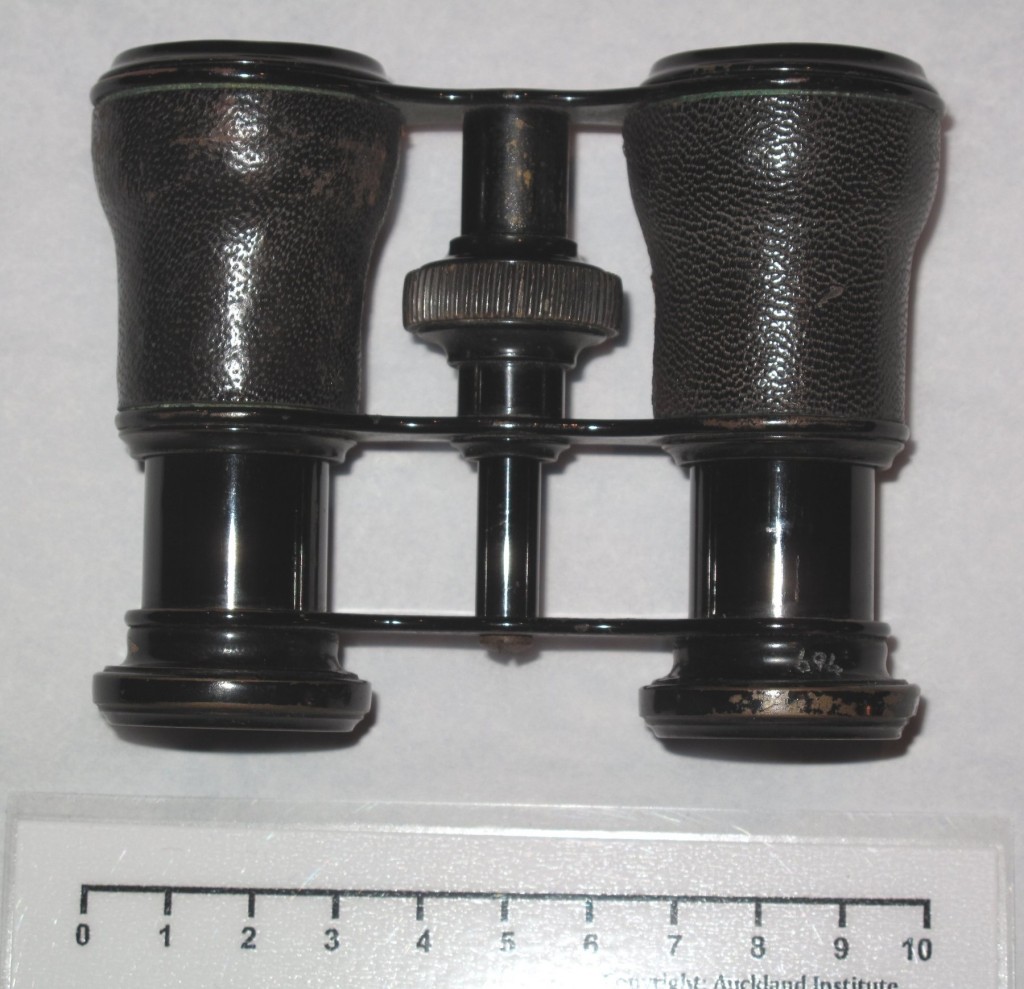
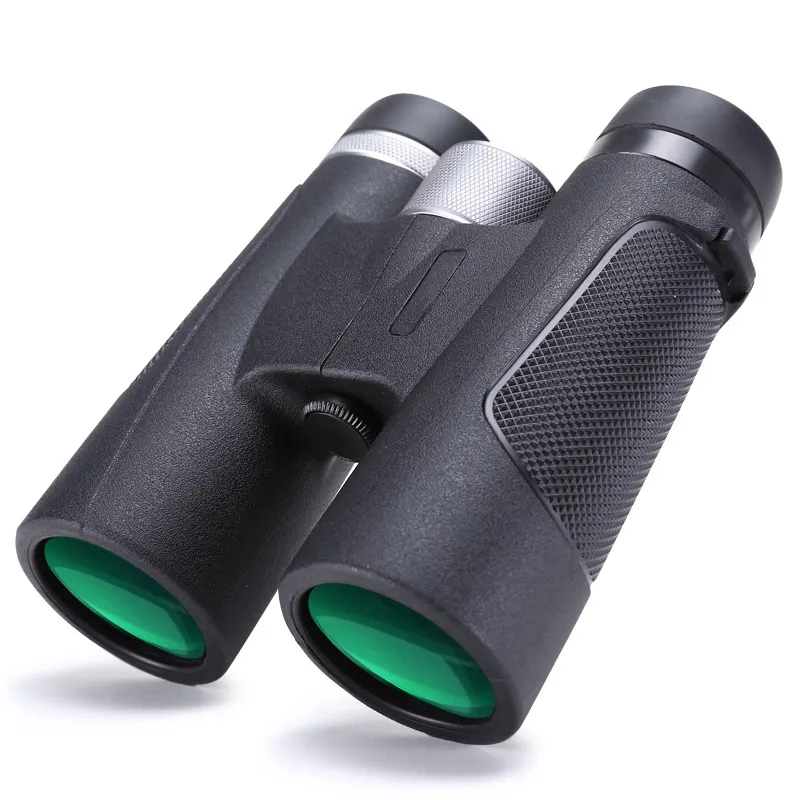
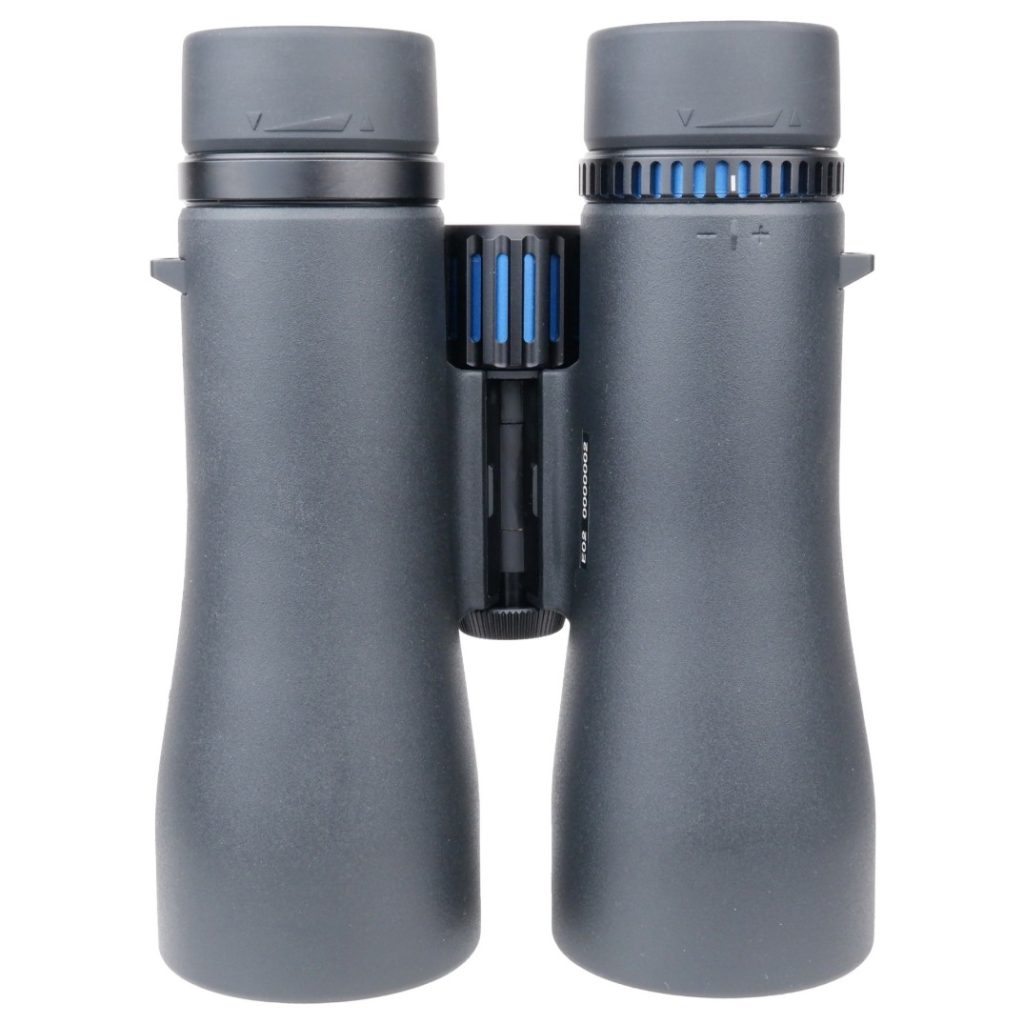
A reminder that binocular ‘families’ are as much about form factor and handling as they are about optics.
The Math That Drives Low‑Light Performance
Two simple metrics explain most of the ‘why’ behind 7×42 and 8×50: exit pupil and twilight factor.
Exit pupil (mm) = objective diameter ÷ magnification.
A larger exit pupil generally makes a binocular feel brighter and more forgiving—especially at dawn and dusk—because it delivers a wider beam of light to your eye and makes eye placement easier.
Twilight factor = √(magnification × objective diameter).
Twilight factor is not a perfect real-world predictor, but it’s a useful shorthand for ‘how much detail you can potentially resolve in dim light,’ assuming optics and coatings are comparable.
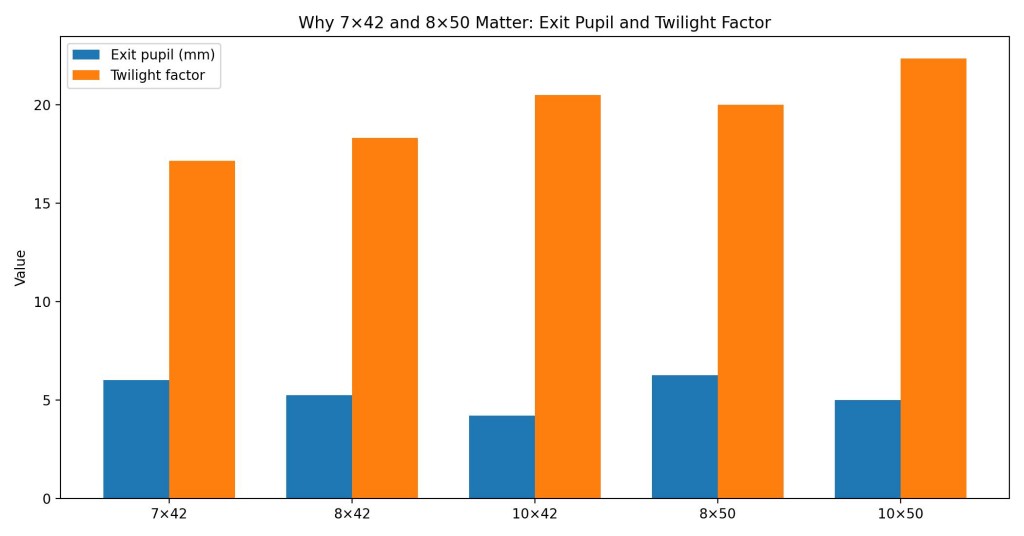
Exit pupil and twilight factor across popular hunting/all‑around formats.
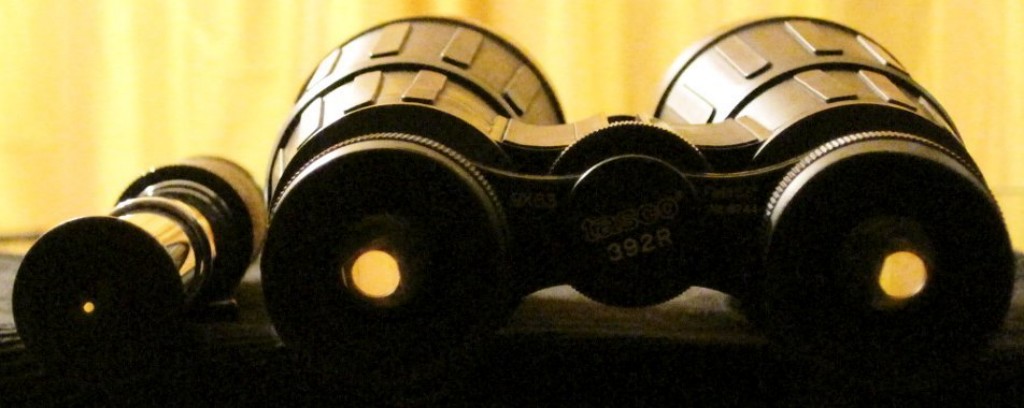
Exit pupil in the real world: those bright discs are literally the light beam your eye receives.
7×42: The ‘Woods Glass’ That Feels Effortless
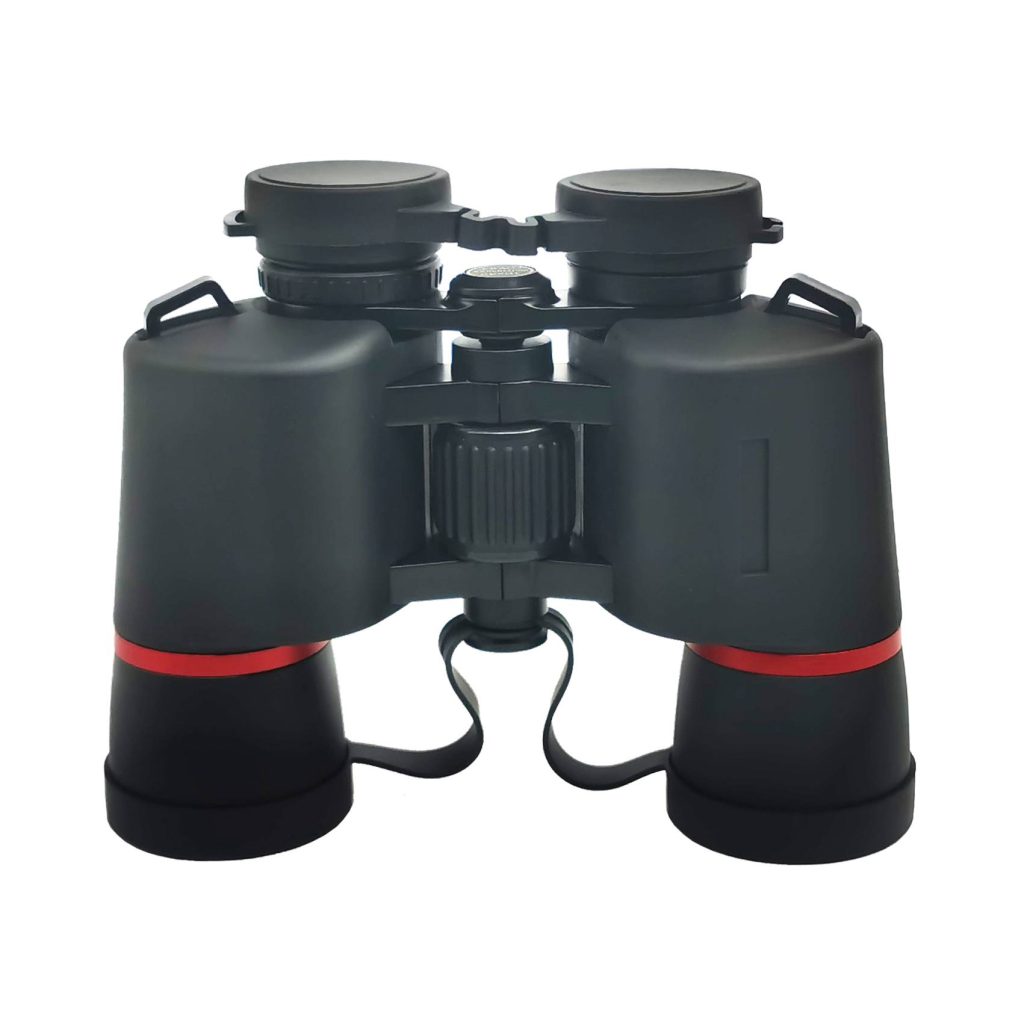
A 7×42 produces a 6.0 mm exit pupil (42 ÷ 7). That number matters because it’s big enough to feel relaxed in low light, and it’s forgiving when you’re glassing quickly—standing, kneeling, or leaning against a tree.
The other advantage is steadiness. All else equal, 7× is simply easier to hold still than 8× or 10×. In the field, that means more usable detail, not less—because a steady image lets your brain actually read what the optics are showing you.
Where 7×42 Beats 8×42 in Real Hunting
- Thick timber, still-hunting, and quick target acquisition: the view settles faster and stays calmer.
- Long sessions behind the glass: less eye fatigue, less ‘micro‑shake’ when you’re tired or cold.
- More forgiving eye box: easier for new users, and easier when you’re wearing a brimmed cap, face mask, or heavy clothing.
So why isn’t 7×42 the default? Because 8×42 is the market’s ‘do‑everything’ number, and many users prefer a little more reach for open terrain. But offering 7×42 alongside 8×42 and 10×42 gives customers a clear, scenario-based choice rather than a forced compromise.
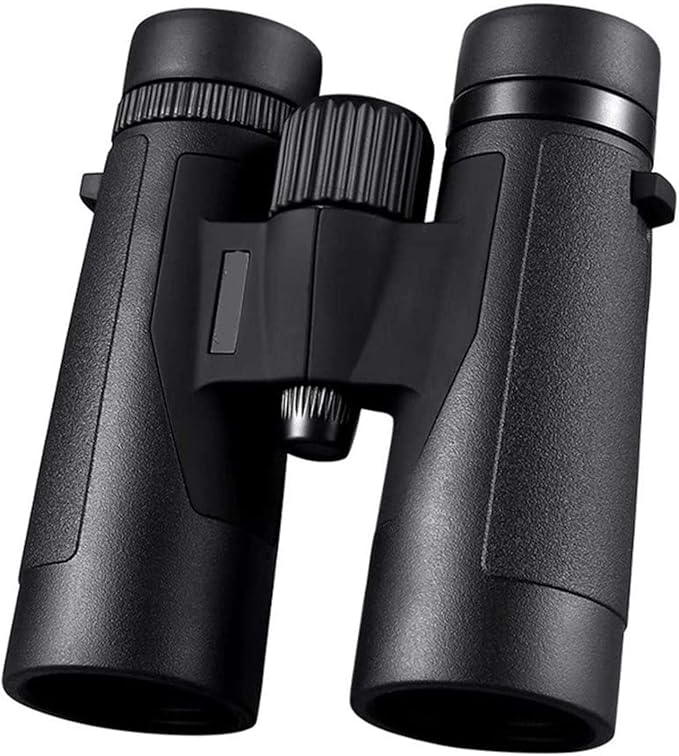
8×50: Brightness Upgrade Without the Bulk of 8×56
An 8×50 delivers a 6.25 mm exit pupil (50 ÷ 8). Compared with an 8×42 (5.25 mm), that’s a meaningful jump in brightness feel and eye-placement forgiveness. It also increases objective area substantially: 50 mm gathers about 42% more light than 42 mm on paper (because area scales with diameter squared).
The reason 8×50 is attractive for a series is that it gives you a ‘twilight step’ that many hunters will actually carry—while 8×56, though excellent, can push weight, cost, and size into a more specialized category.
8×50 vs 10×50: Which Makes More Sense?
In a 50 mm family, 10×50 is the classic ‘reach + light’ compromise. But 8×50 earns a place when your story is stability and low-light comfort.
- Choose 8×50 when: you prioritize a calm view, wide scanning, and relaxed low-light performance.
- Choose 10×50 when: you routinely need more detail at distance and you’re steady enough to use 10× effectively.
- If you sell both: position 8×50 as the dusk/woods scanner and 10×50 as the open-country spotter.
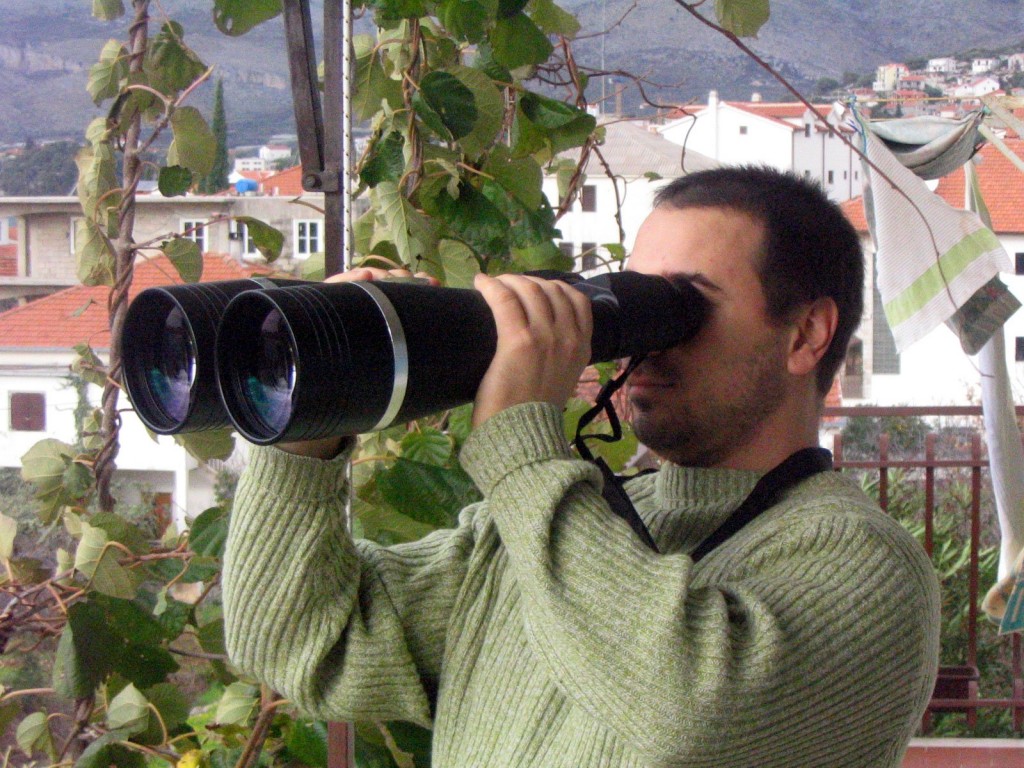
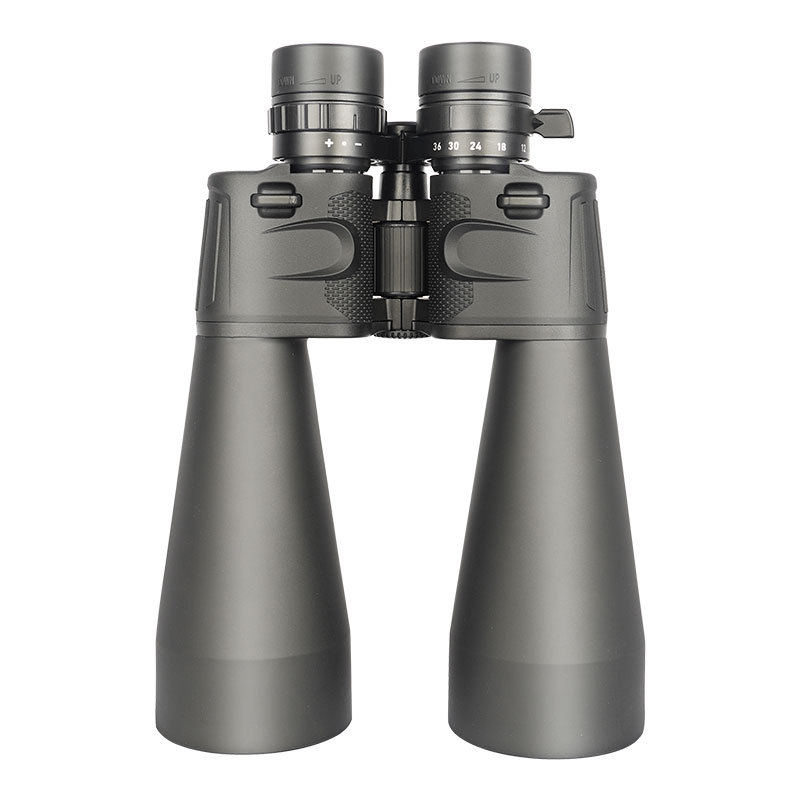
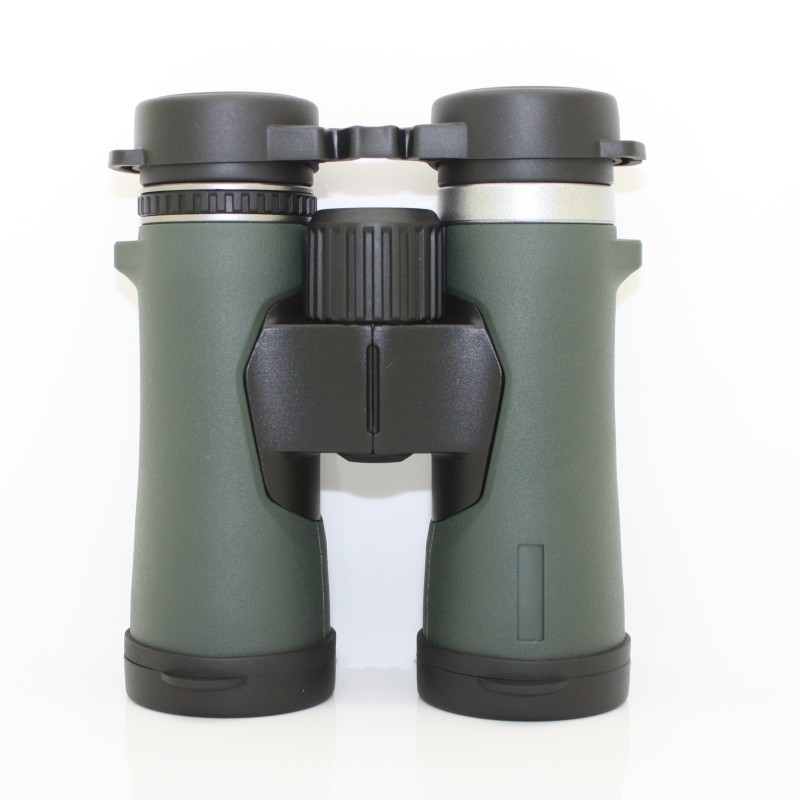
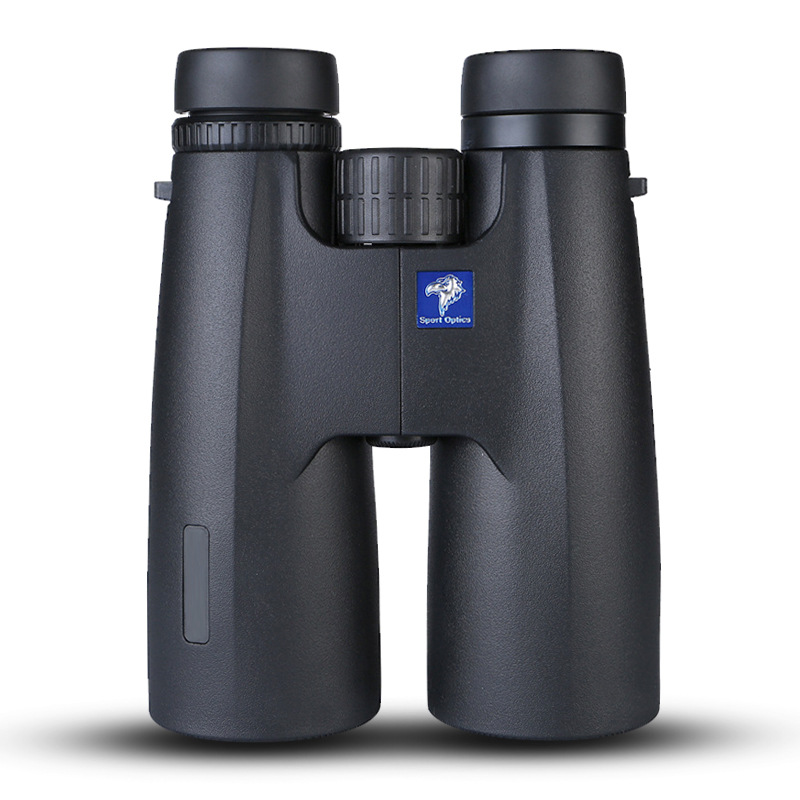
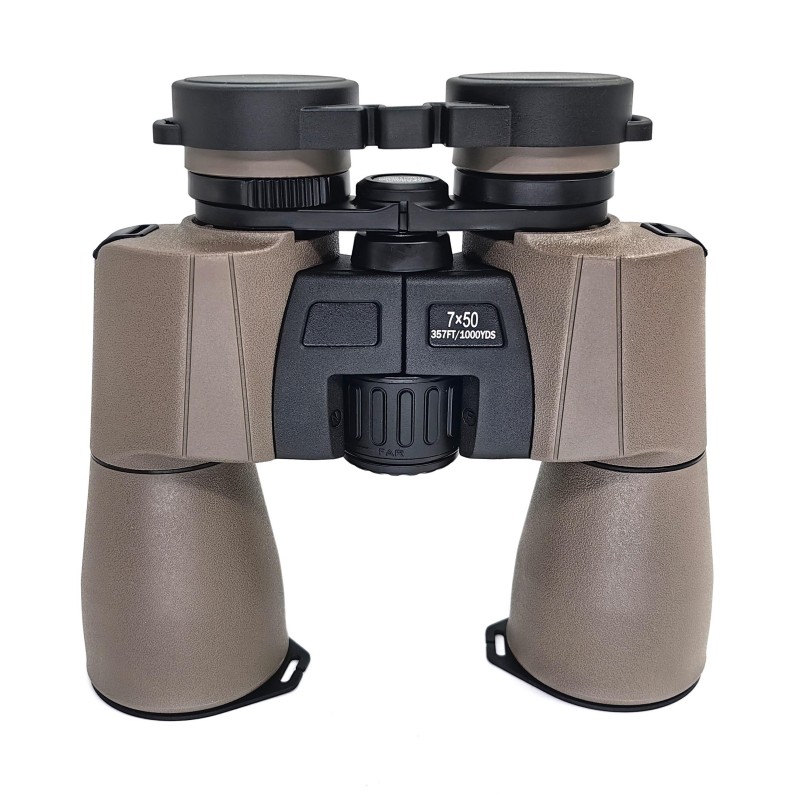
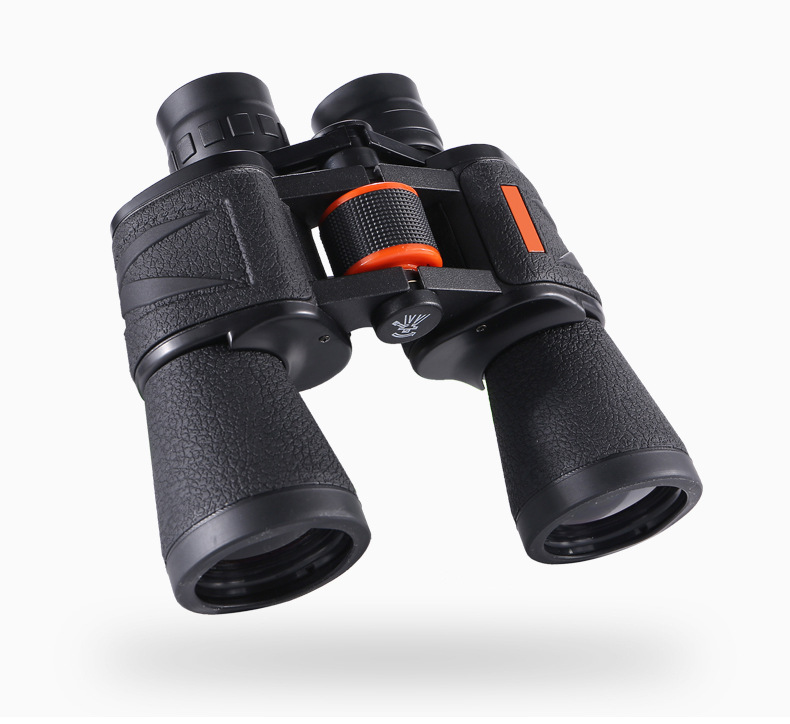
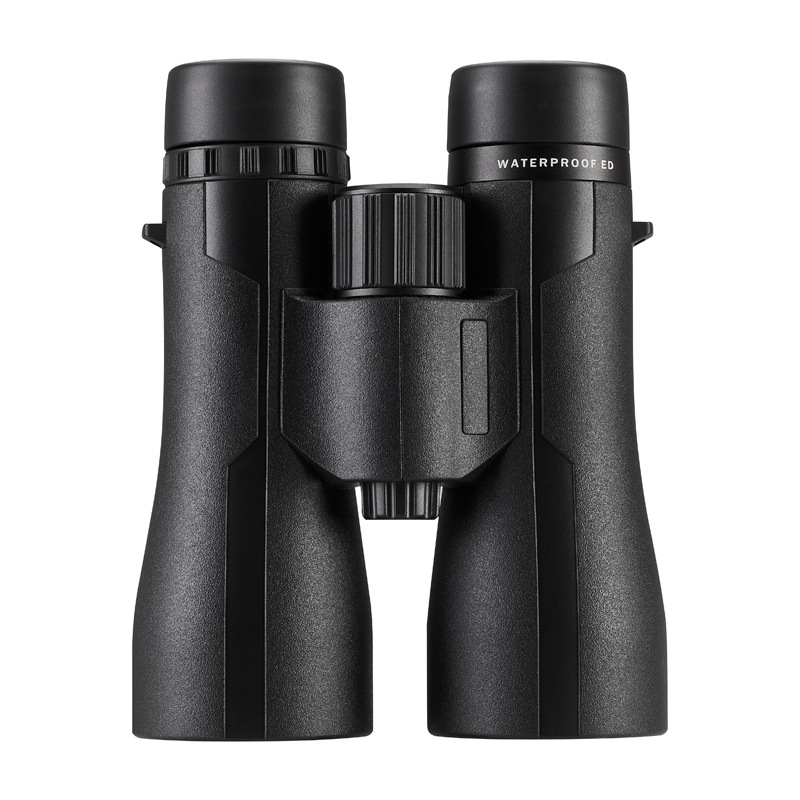
Large objectives can be spectacular, but series planning is about what users will actually carry every day.
How to Build a Clean, Sellable Size Ladder
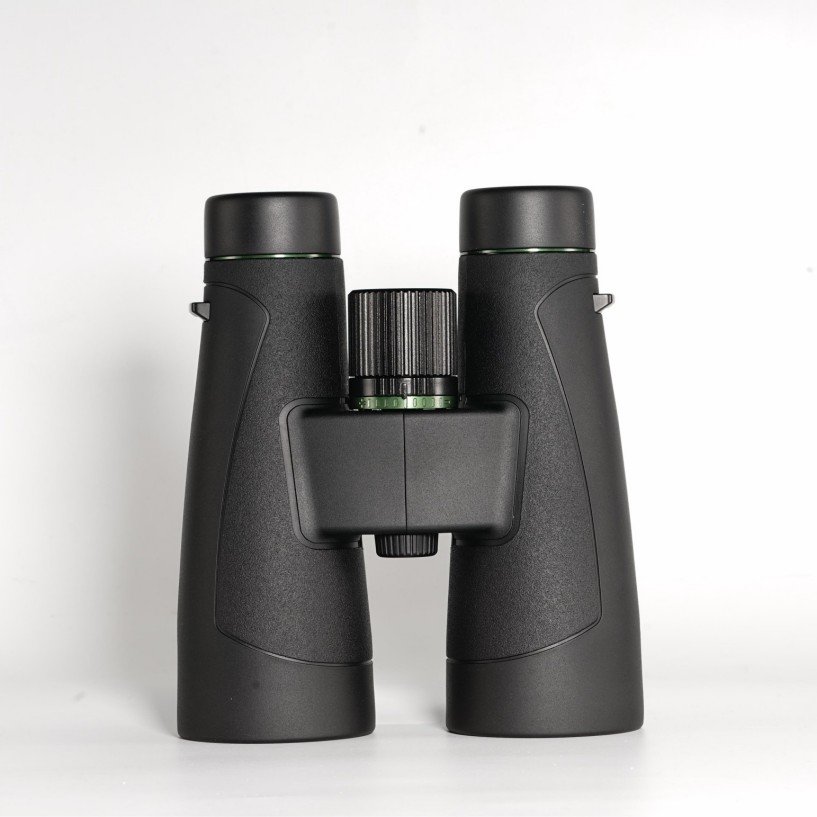
From a product-line perspective, 7×42 and 8×50 work best when they’re not treated as ‘random extras,’ but as deliberate steps in a ladder. Here’s a simple, customer-friendly structure that tends to convert well in retail and DTC copy.
| Family | Anchor SKUs | Add‑on SKUs | Positioning story |
| 42 mm | 8×42, 10×42 | 7×42 | 7×42 = steady woods + forgiving low light; 8×42 = do‑all; 10×42 = reach |
| 50 mm | 10×50 | 8×50 (optional 12×50) | 8×50 = twilight comfort; 10×50 = detail at distance; 12×50 = tripod‑friendly reach |
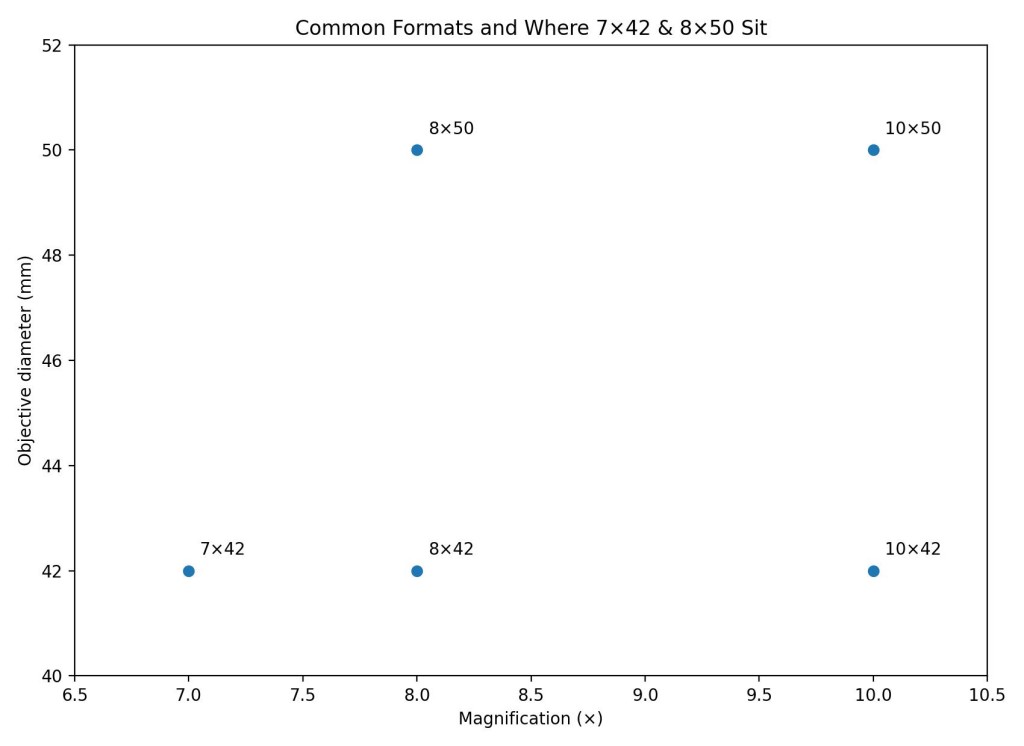
Format map—7×42 and 8×50 sit in ‘comfort’ positions where real users notice the difference.
Specs That Matter More Than Magnification
If you’re adding 7×42 and 8×50 to a series, the product needs to earn its place with more than a new number on the hinge. These are the specs and build details that actually decide whether the binocular feels premium—or just different.
- Lens coatings: fully multi‑coated optics are table stakes; good coatings protect contrast in backlit woods and hazy dusk.
- Prism coatings (for roof models): phase correction and dielectric mirror coatings are key for contrast and transmission.
- Eye relief + eyecups: forgiving eye box is part of the 7×42/8×50 story—don’t undercut it with short eye relief.
- Field of view: a wide, clean field is a major reason people love 7× formats.
- Focus system and feel: fast enough for moving game, but not twitchy; consistent torque in cold weather matters.
- Sealing: waterproofing and nitrogen/argon purging should match the series promise, especially for hunting lines.
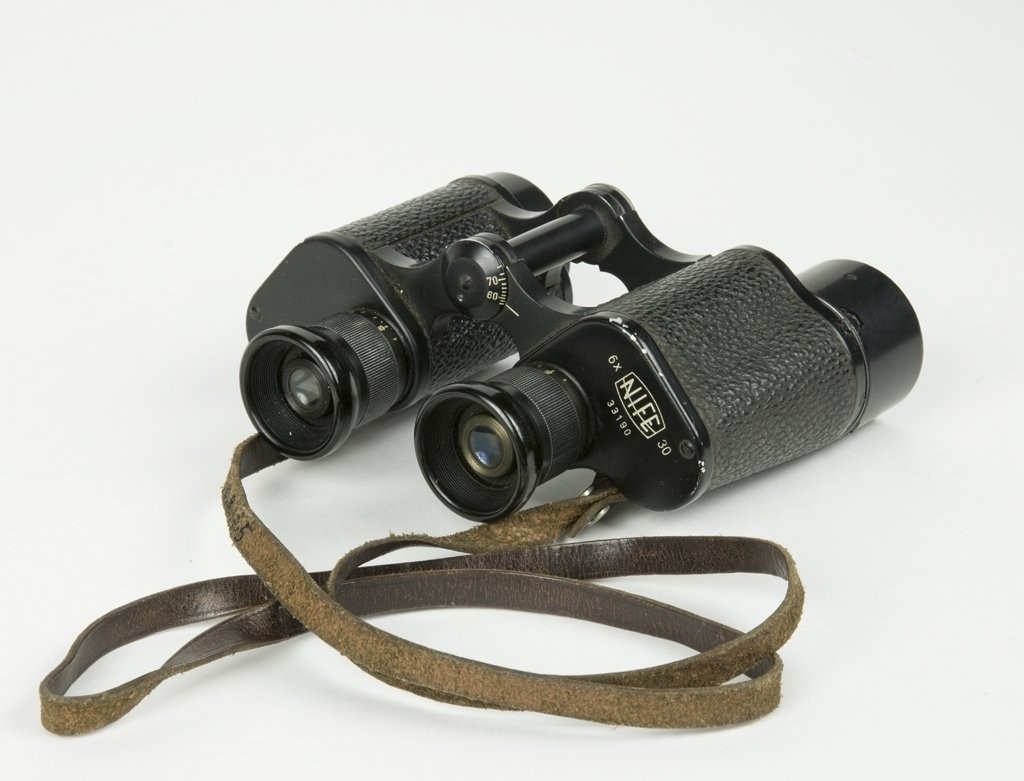
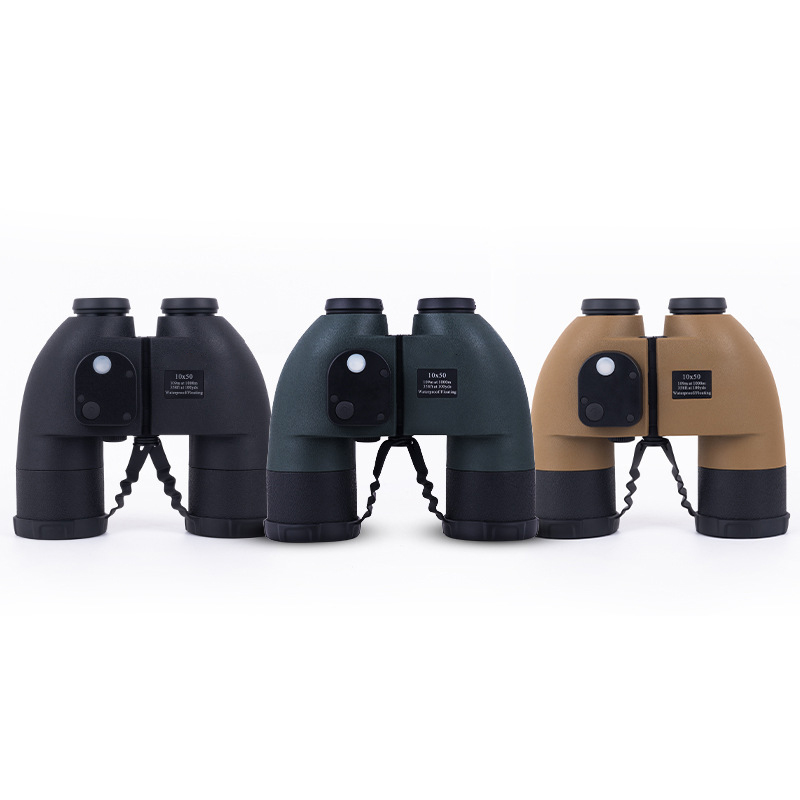
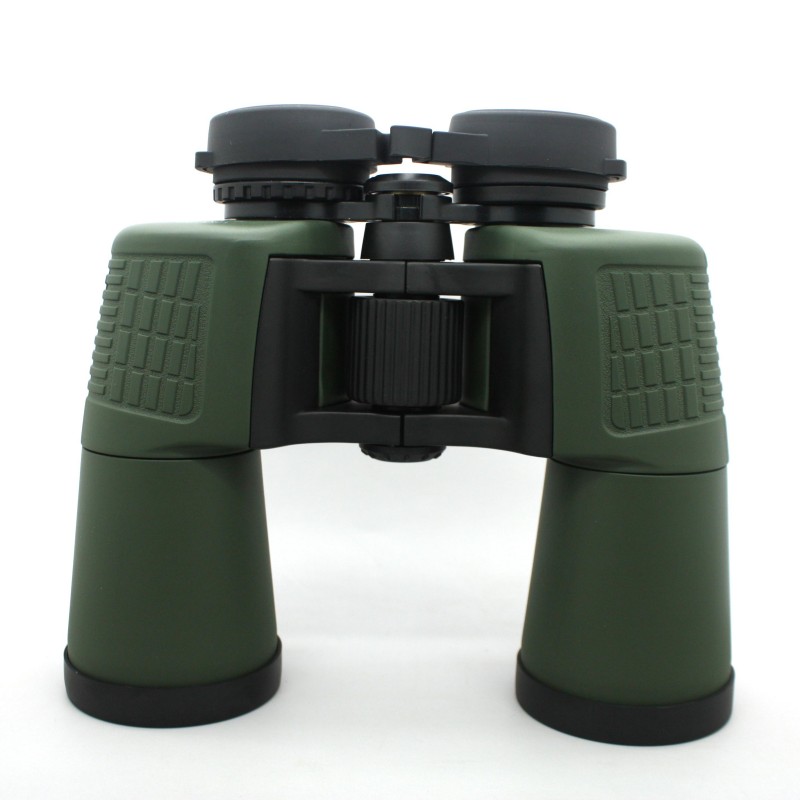
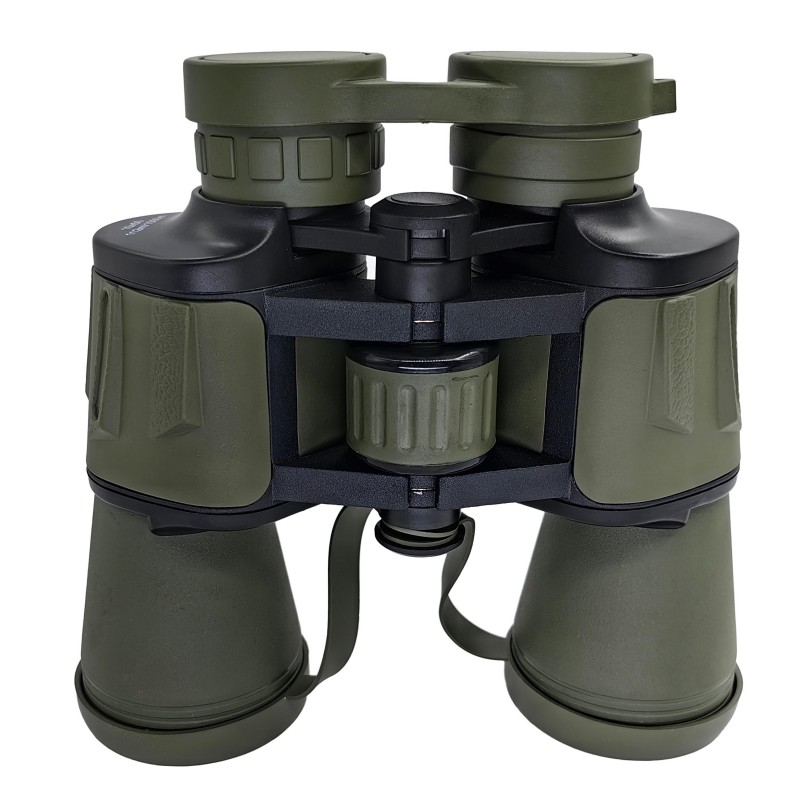
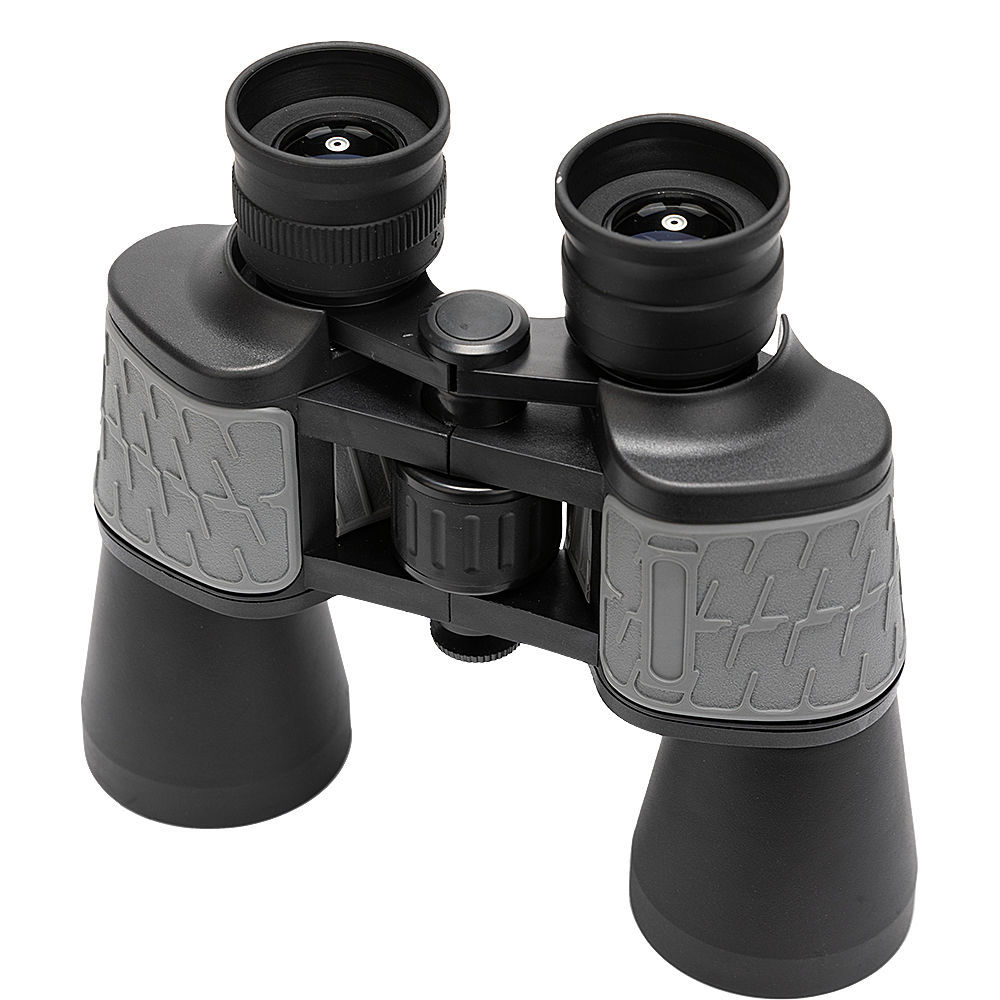
Porro designs are often cost-effective for bright, comfortable low‑light views—another way to support ‘forgiving’ formats.
A Note for OEM / B2B Buyers: Make the Story Match the Hardware
7×42 and 8×50 sell best when the marketing story is specific—and the product supports that story. If you position 7×42 as the relaxed woods glass, then eye relief, field of view, and focus feel need to be excellent. If you position 8×50 as the twilight upgrade, then transmission, glare control, and stray‑light baffling have to be strong.
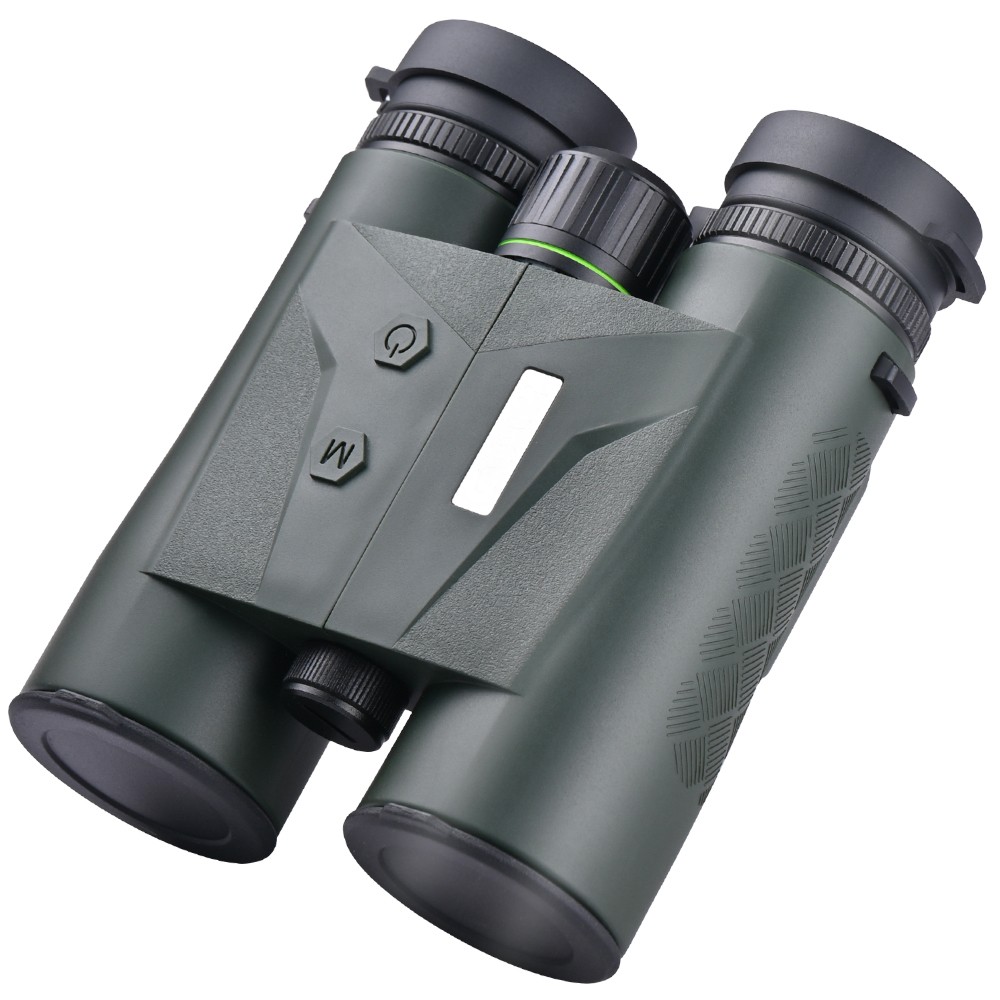
In practice, it helps to treat these SKUs as ‘hero variants’ within a family: give them the best coatings you can justify, include a harness or quality strap, and package them with real-use language (dawn/dusk, timber, scanning, comfort).
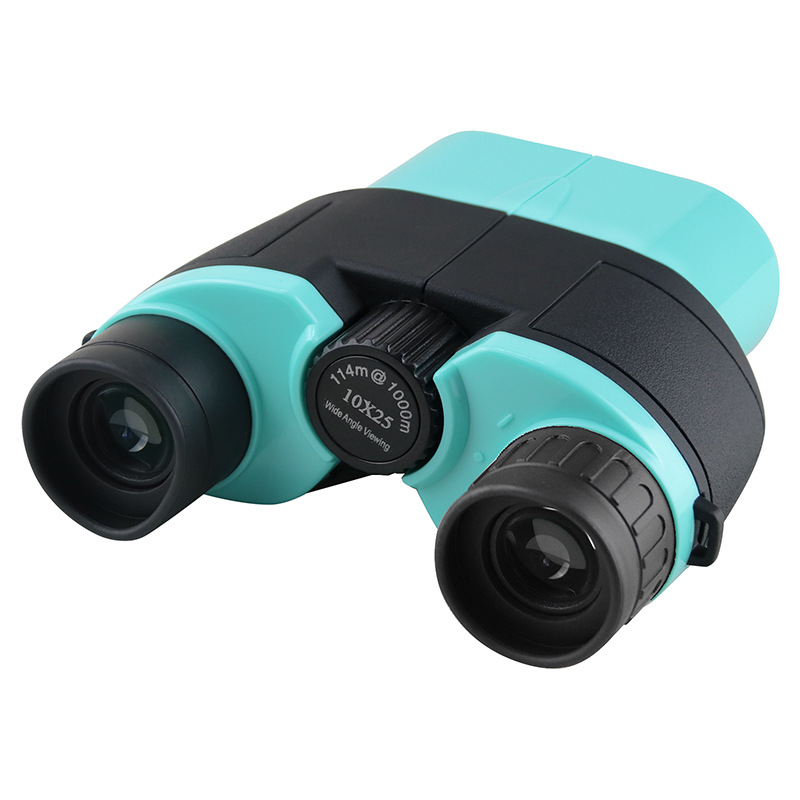
Not every user buys binoculars for hunting—series logic still benefits from clear, scenario-based positioning.
FAQ
Q: Is 7×42 better than 8×42 for hunting?
A: In thick cover and low light, many hunters find 7×42 easier and steadier to use, with a more forgiving view. In open terrain, 8×42 can feel more versatile because of the extra reach.
Q: Why choose 8×50 instead of 8×56?
A: 8×50 delivers a real low‑light bump over 8×42 while usually staying lighter and more packable than 8×56. For many users, it’s the ‘bright enough’ step that still gets carried daily.
Q: Does 8×50 really gather much more light than 8×42?
A: On paper, yes: a 50 mm objective has about 42% more area than a 42 mm objective. In the field, the visible gain depends on coatings, prism quality, and stray‑light control, but many people do notice the difference at dawn and dusk.
Q: What’s the exit pupil of 7×42 and 8×50?
A: 7×42 = 6.0 mm; 8×50 = 6.25 mm. Larger exit pupils generally feel brighter and make eye placement easier, especially in dim light.
Q: Should a 50 mm series include both 8×50 and 10×50?
A: If your customers hunt at dawn/dusk and also glass open country, offering both can make sense: 8×50 as the calm twilight scanner and 10×50 as the detail-oriented distance option.
Q: What matters more than prism type for these formats?
A: Coatings, eye relief, glare control, and overall quality control. A well-built roof or Porro can be excellent; a poorly coated binocular in any prism design will disappoint in low light.