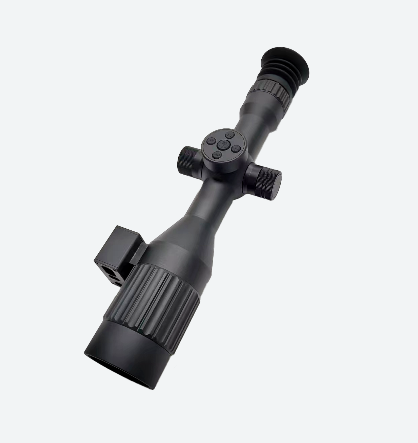
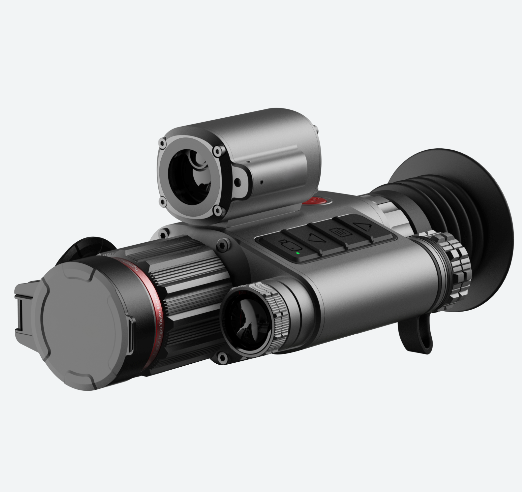
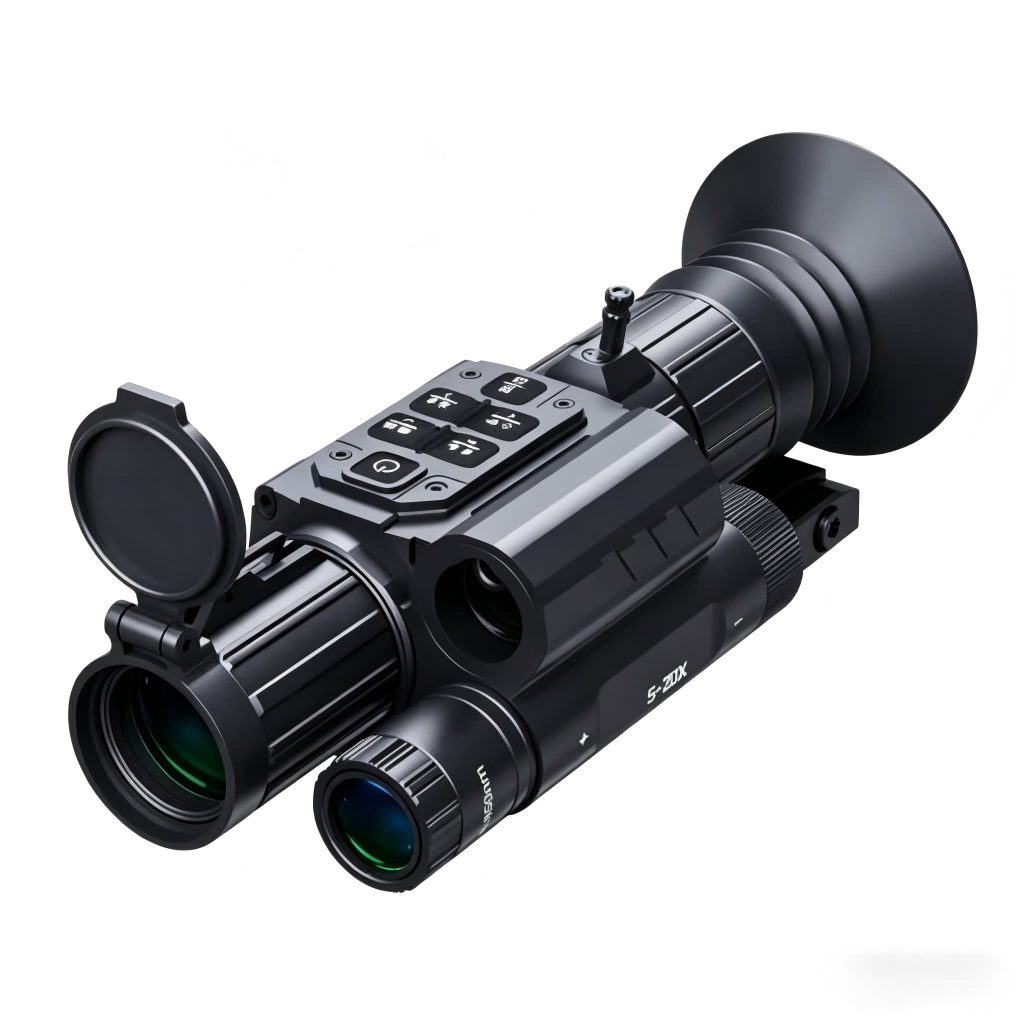
Night hunting has always been one of the most challenging and unpredictable ways of hunting. Whether your target is wild boars that destroy farmland, coyotes that threaten livestock, or other nocturnal predators, visibility is your biggest limit. Darkness, shadows, fog and natural obstacles make it extremely difficult to identify and track prey – even for experienced hunters.
Traditional night vision devices can be helpful, but they rely on ambient light or infrared illuminators, which may expose the hunter’s position or perform poorly in dense forests or foggy environments. For this reason, nowadays more and more hunters are beginning to use thermal imaging rifle scopes. It enables you to detect prey in complete darkness, sparse bushes and bad weather conditions, thus gaining a real tactical advantage in night hunting. If you want a higher hunting success rate, safer operation and stronger confidence in the field, then a thermal imaging scope is one of your most powerful tools.
What Is a Thermal Imaging Rifle Scope?
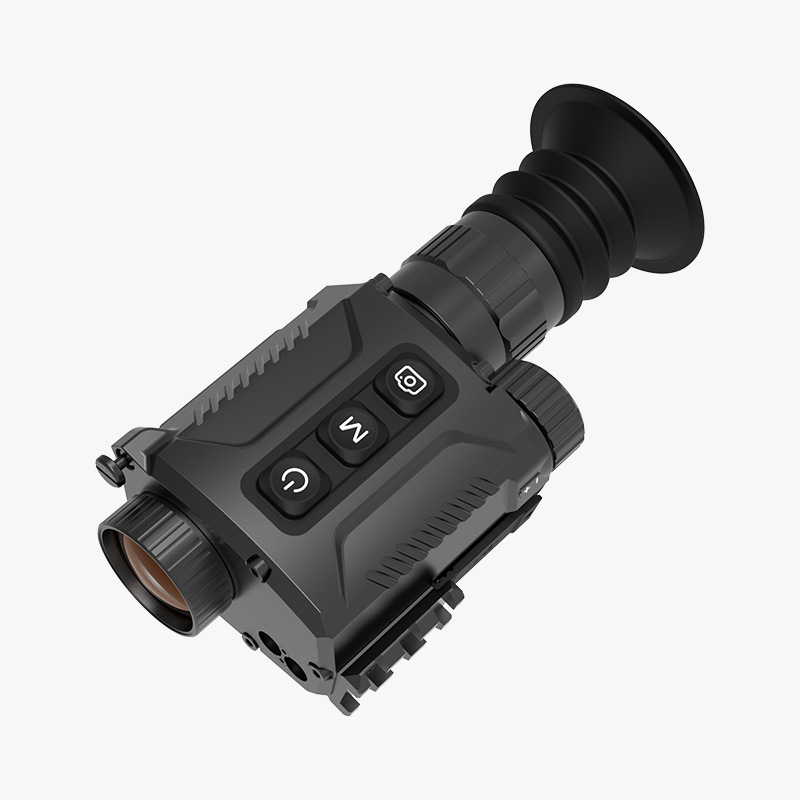
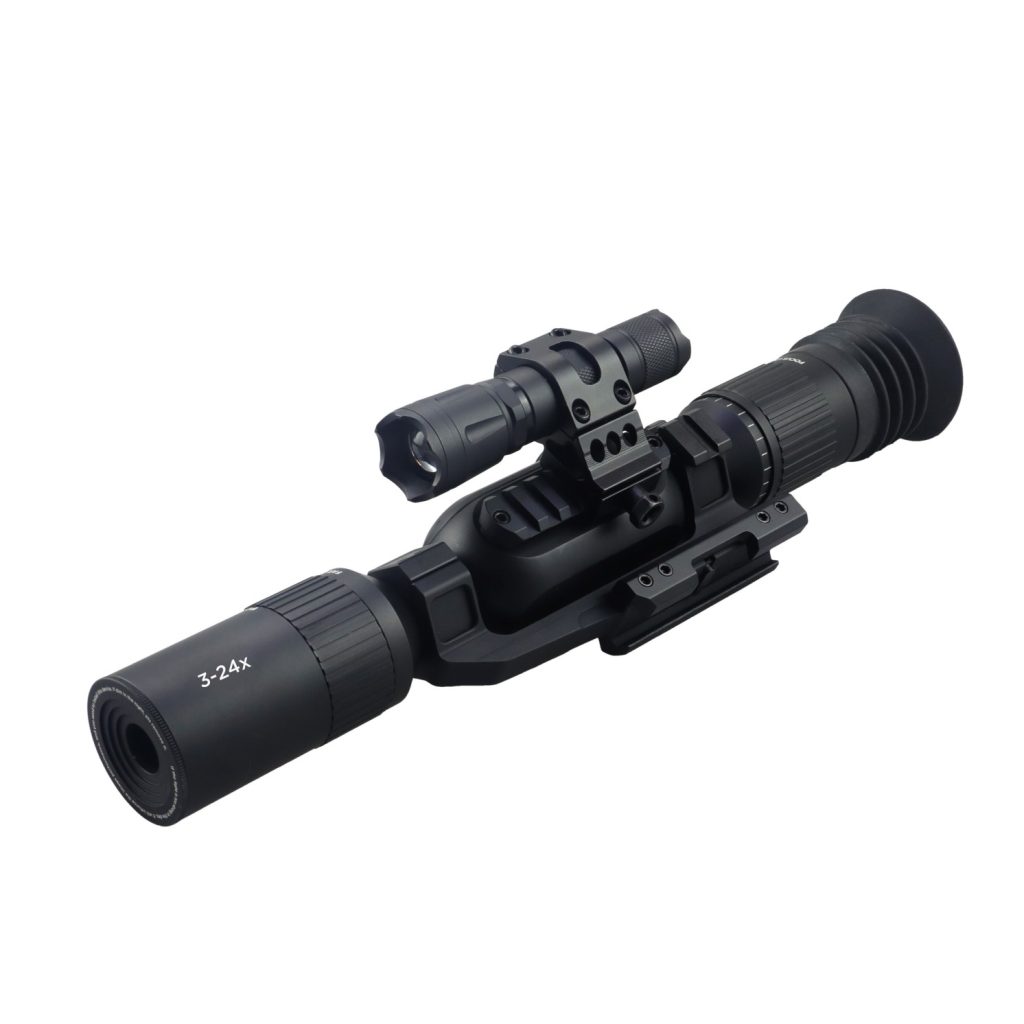
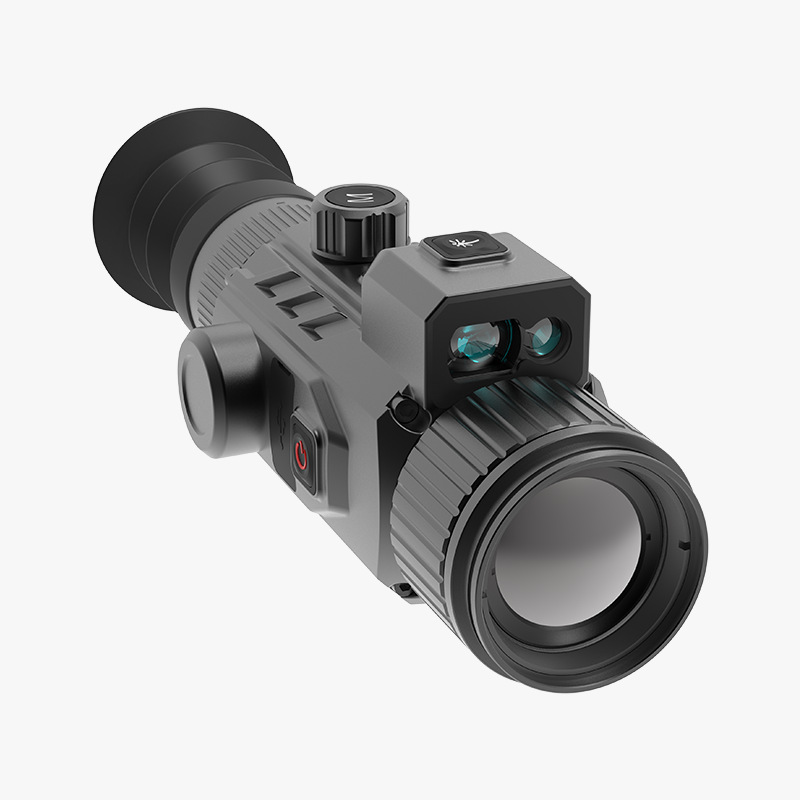
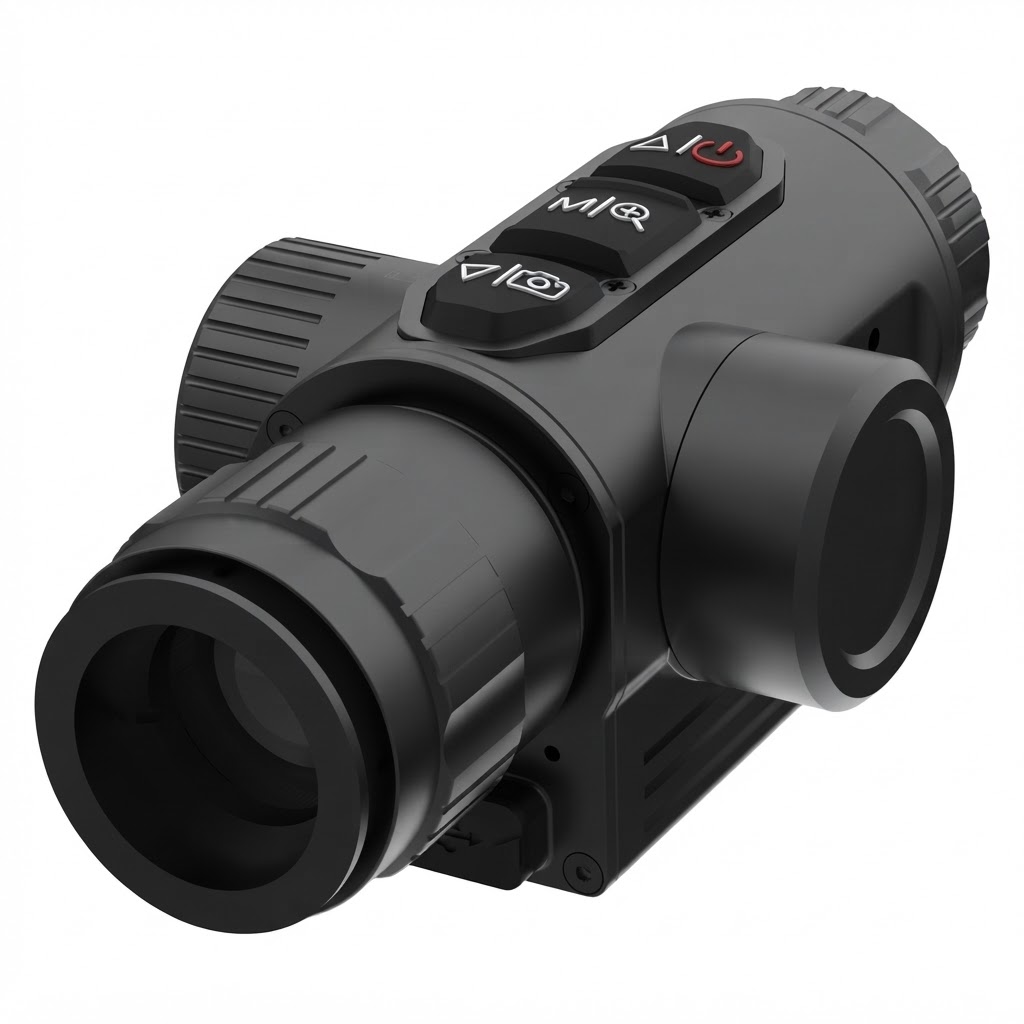
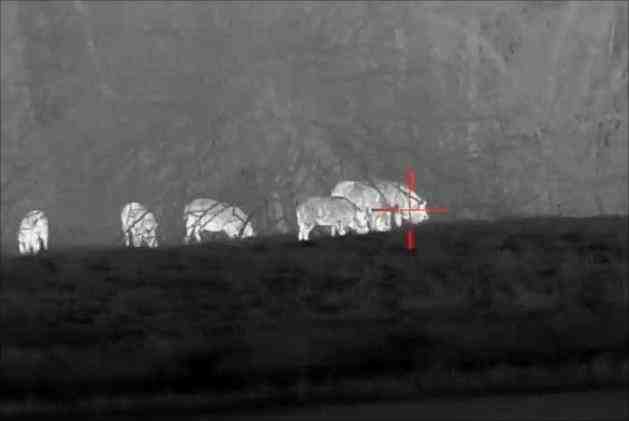
A thermal imaging rifle sight is an optical device that uses heat rather than visible light for detection. All objects – including animals, vegetation and even the ground – emit infrared radiation. Thermal imaging scopes can capture these thermal signals and convert them into visible images that show temperature differences.
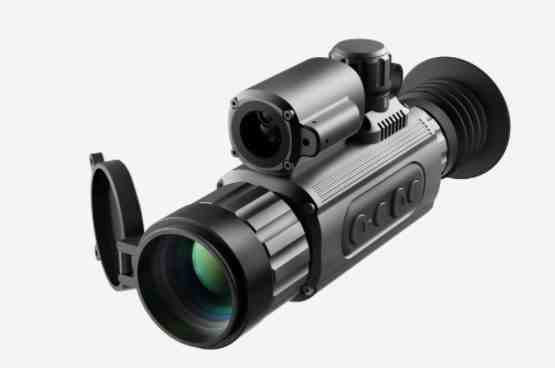
Its main working principle is:
- Infrared detection – Thermal sensors detect minute temperature differences in the environment.
- Signal processing – The microprocessor of the sight converts these infrared signals into digital data.
- Thermal imaging – The processor generates thermal images and displays the heat area as a bright or dark area based on the selected color scheme.
- Real-time visualization – Even in complete darkness, thick fog, smoke or partial vegetation obstruction, hunters can still clearly see animals.
Because thermal imaging does not require moonlight or infrared illuminators, it can provide unparalleled visibility even in the dark – making it an ideal choice for night hunting, as animals usually move quickly and are hard to spot at night.
Top 5 Benefits of Using Thermal Rifle Scopes in Night Hunting
Hunters choose thermal imaging scopes not only for convenience, but also because they can greatly change the possibility of night hunting. The following are its main advantages:
Detects Animals in Complete Darkness
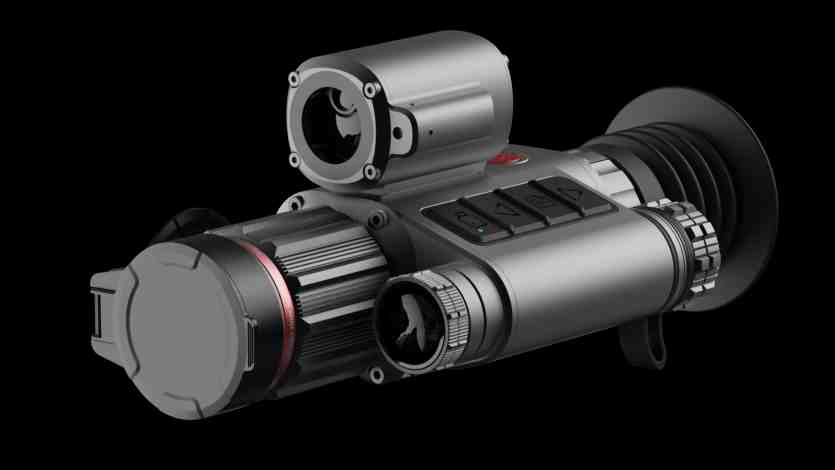
Unlike night vision scopes, thermal imaging scopes do not require any light source. Whether under moonlight or in the pitch-dark night, it can achieve the same image quality. For wild boars, coyotes, foxes and other predators that are mainly active at night, this advantage alone is enough to change the hunting landscape.
Visible Through Brush, Grass, Fog, and Smoke
Thermal imaging technology can penetrate light obstacles to identify thermal signals. Even if animals hide behind grass, branches or bushes, they can still be clearly shown. Fog and smoke usually reduce traditional visibility, but have little impact on thermal imaging detection.
This is particularly important in thick woodlands or overgrown farmlands.
Extremely Effective for Spotting Moving Targets
Thermal imaging scopes can instantly highlight moving targets. A running wild boar or a cautious coyote stands out conspicuously against the cold backdrop. Even small animals like raccoons or foxes can be detected from a distance.
For night hunters, whether they can detect the movement of their prey is often the key to success or failure.
Helps Reduce Misidentification and Increases Safety
In night hunting, accurately identifying prey is of vital importance. Mistaking livestock, pets or other non-target animals for targets may lead to dangerous situations. Thermal imaging technology can clearly outline the body shape and movement trajectory of prey, thereby enhancing target recognition ability and making hunting safer and more reliable.
Enhances Overall Success Rates
Thermal imaging technology makes it easier to scout, track and attack targets. Whether you are in hiding, driving a vehicle or walking in the fields, thermal imaging scopes can enable you to spot your prey before they spot you, thus gaining a clear advantage.
Key Features to Look for in a Thermal Imaging Rifle Scope
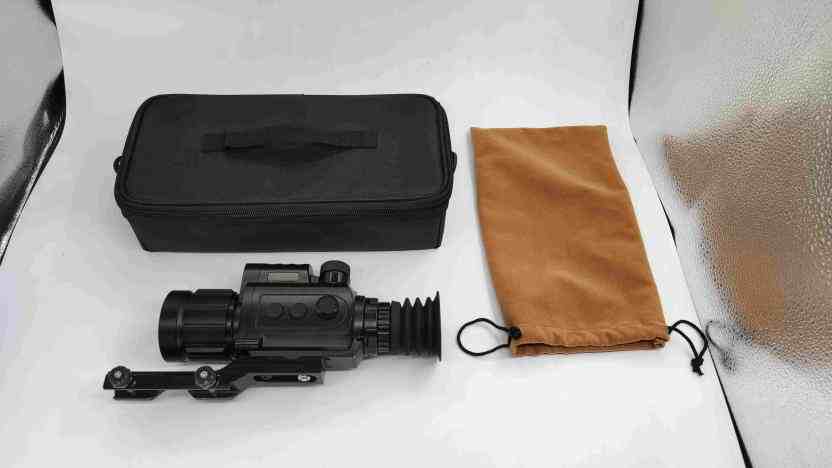
Not all thermal scopes are created equal. When choosing one, consider these essential features that directly impact performance:
Thermal Sensor Resolution
The resolution of the sensor determines image clarity. Common options include:
- 256×192 – Budget entry-level
- 384×288 – Balanced performance
- 640×512 – High-end clarity, great for long distances
Higher resolution = more detail = easier identification.
NETD Sensitivity (mK Value)
NETD measures the scope’s ability to detect subtle temperature differences.
- <25 mK = excellent sensitivity (premium scopes)
- <35 mK = good performance (mid-range scopes)
A lower NETD means better clarity in foggy or humid conditions.
Detection and Recognition Range
Thermal scopes list two ranges:
- Detection range – how far a heat source can be seen
- Recognition range – how far you can identify what it is
For hog and coyote hunting, aim for at least:
- 1,200–2,000 m detection
- 400–800 m recognition
Refresh Rate (Hz)
A higher refresh rate helps track fast-moving animals.
- 30Hz – standard
- 50–60Hz – smoother motion, best for predator hunting
Lens Size & Field of View (FOV)
- Large lens (50mm/60mm) → farther detection
- Wide FOV → better for wooded areas or close-range hog hunting
Your environment determines which is more important.
Reticle Options & Color Palettes
Useful modes include:
- White Hot / Black Hot – most common
- Highlight / Target Mode – outlines animals clearly
- Red Hot / Fusion – enhances target contrast
Reticle choices matter for precise shot placement.
Battery Life

Night hunts can last hours, so look for:
- 6–10 hours continuous operation
- Removable batteries or external power support
How Hunters Use Thermal Scopes in Different Night Hunting Situations
Thermal rifle scopes are effective across multiple night hunting environments. Here’s how they perform in real-world scenarios.
Hog Hunting
Wild hogs often travel in groups and move quickly after dark. Thermal scopes allow hunters to:
- Detect entire sounders from long distances
- Track hogs in tall grass
- Identify boars vs sows
- Safely take follow-up shots during a drive or flush
Thermal imaging has become the #1 upgrade for hog hunters in the U.S.
Coyote and Predator Control
Coyotes, foxes, and bobcats are cautious and extremely active at night. Thermal scopes help hunters:
- Spot predators hundreds of yards away
- Track movement across open fields
- Identify predators vs livestock
- Reduce crop and livestock losses
For predator hunting, the long-range detection of thermal optics is unmatched.
Farm and Ranch Pest Management
Farmers rely on thermal optics for controlling:
- Raccoons
- Foxes
- Stray dogs
- Rodents around barns or feed areas
Thermal scopes make nighttime farm protection safer and more efficient.
Wooded or Brushy Environments
In dense woodland, thermal scopes excel because they:
- Highlight heat through light vegetation
- Reveal partially hidden animals
- Assist with short- to mid-range targeting
This is one area where night vision often struggles—making thermal the better option.
Legal Considerations for Using Thermal Scopes in Night Hunting
Thermal imaging rifle scopes are powerful tools, but regulations vary greatly from state to state or country to country.
Regulations Differ by Region
Some states allow the use of thermal imaging scopes for hunting throughout the year, especially when hunting wild boars or predatory animals (such as Texas and Florida). Other states restrict the use of thermal imaging equipment in specific seasons or for specific prey.
Always Check Local Laws Before Hunting
The relevant regulations may cover
- Species allowed to be hunted
- Night hunting time
- The use of artificial lighting
- Exemption from control of predatory animals
You can also get help by reading our article: Thermal Scopes for Hunting: A Comprehensive Guide to Legality and Purchasing.
But most importantly, please be sure to consult the local wildlife management department. Laws and regulations are constantly changing.
Considering Upgrading Your Night Hunting Setup?
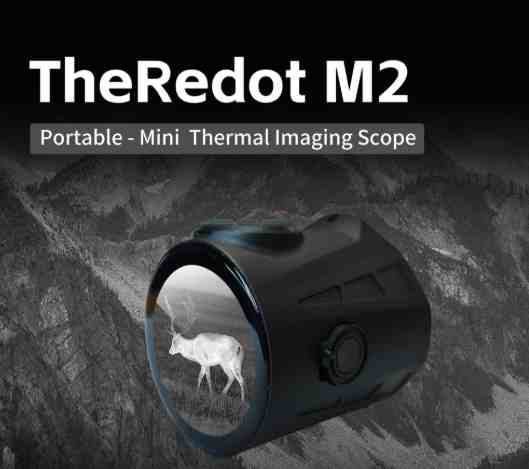
Overall, thermal imaging rifle scopes have completely transformed the world of night hunting. By detecting heat rather than relying on visible light, they enable hunters to see targets clearly in the dark, instantly spot moving targets, and move safely in complex environments. Whether you are a wild boar hunter, a predator hunter, or a farmer protecting livestock, thermal imaging rifle scopes can offer unparalleled clarity, accuracy and battlefield awareness.
If you are considering upgrading your night hunting gear, FORESEEN OPTICS offers high-performance thermal imaging solutions specifically designed for hunters, security teams and outdoor professionals. From advanced thermal imaging scopes to reliable night vision technology, the products they offer are all designed with clarity, durability and outstanding combat performance as their core concepts.