Travel binoculars are a game of trade-offs: the smaller you go, the more you gain in portability—but the more you must manage low‑light comfort, stability, and usable field of view. This guide explains what really changes when you move between 25 mm, 32 mm, and 42 mm objectives, and how to choose the right class for your trip.

What you’ll learn (and how to use this article)
- How 25 mm / 32 mm / 42 mm objective classes translate into real travel outcomes: packability, brightness comfort, steadiness, and usable field of view.
- A practical selection logic you can apply in under 60 seconds.
- A checklist of specs that matter for travelers (especially eyeglass wearers).
- What to test in-hand before you commit (focus, eyecups, diopter, hinge).
At a glance: the three travel classes
Think of 25 mm, 32 mm, and 42 mm as three different “travel personalities.” The best choice depends on how you actually move: pocket carry vs daypack vs dedicated optics carry.
| Objective class | Best for | Typical feel | Watch-outs |
| 25 mm (compact) | Cities, museums, casual wildlife, daytime viewing, “always with me.” | Smallest, fastest to pack; easiest to carry all day. | Low‑light comfort drops first; eye relief and eyecup design vary a lot. |
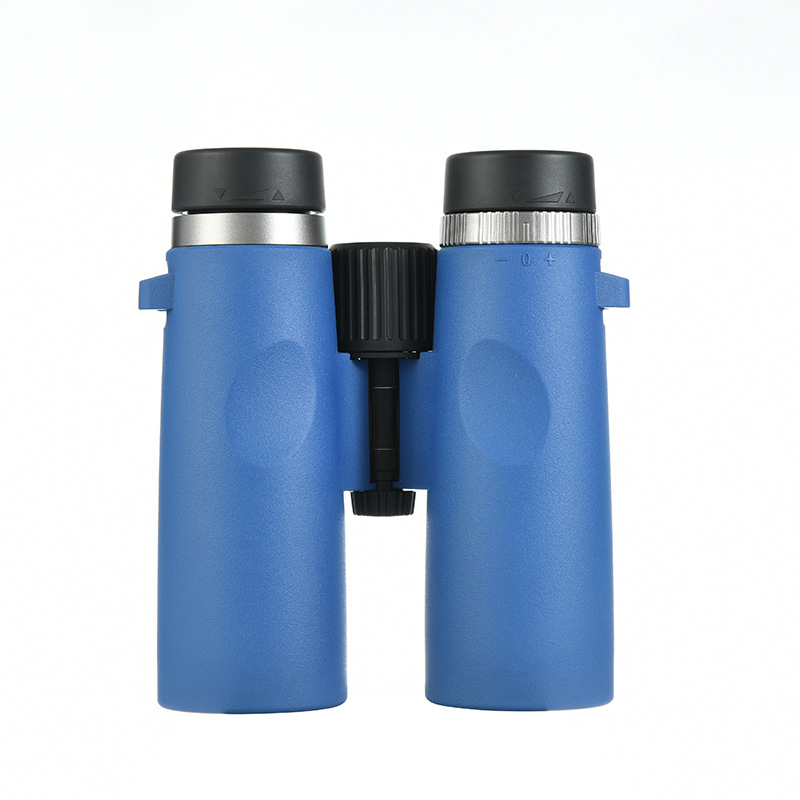
| 32 mm (mid-size) | All‑round travel: daytime + dusk, nature walks, light birding, cruises. | Best balance of brightness comfort vs size; easier to hold steady than 25 mm. | Still not a true low‑light tool; pay attention to field of view and edge performance. |
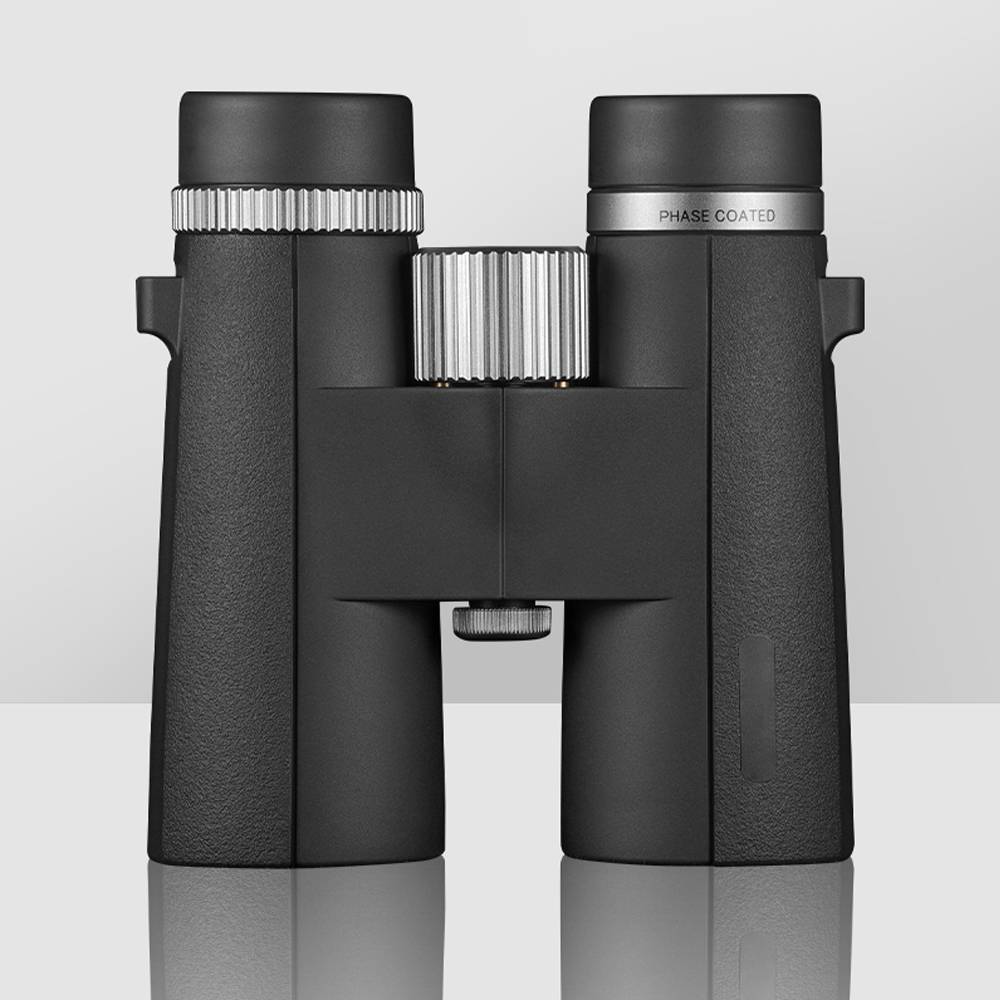
| 42 mm (full-size) | Safari, coastal/wet trips, dawn/dusk, long sessions, tripod‑optional use. | Most comfortable in dim light; typically the most robust build. | Bulk and weight; neck fatigue; takes real bag space and often invites a harness. |
Start with your travel mission profile
Before you compare glass, decide how your binoculars will actually be carried and used. Travel is unpredictable, but your constraints are not.
Pocket carry vs bag carry
- Pocket carry means 25 mm almost wins by default.
- Daypack carry opens the door to 32 mm (often the sweet spot).
- Dedicated carry (harness/case) is where 42 mm earns its keep.
How much low light is real on your itinerary?
- “Low light” on spec sheets often means twilight, forest shade, indoor arenas, or overcast coastal days.
- If your trip has dawn wildlife, dusk cityscapes, or long shaded trails, 32 mm or 42 mm is more forgiving.
Glasses or no glasses
- If you wear glasses, effective eye relief and eyecup design decide whether you can see the full field.
- Treat eye relief as a pass/fail spec for travel comfort (many compacts are tight).
Stability: your hands are the tripod
- Higher magnification and smaller bodies are harder to hold steady.
- For most travelers, 8× is easier than 10×.
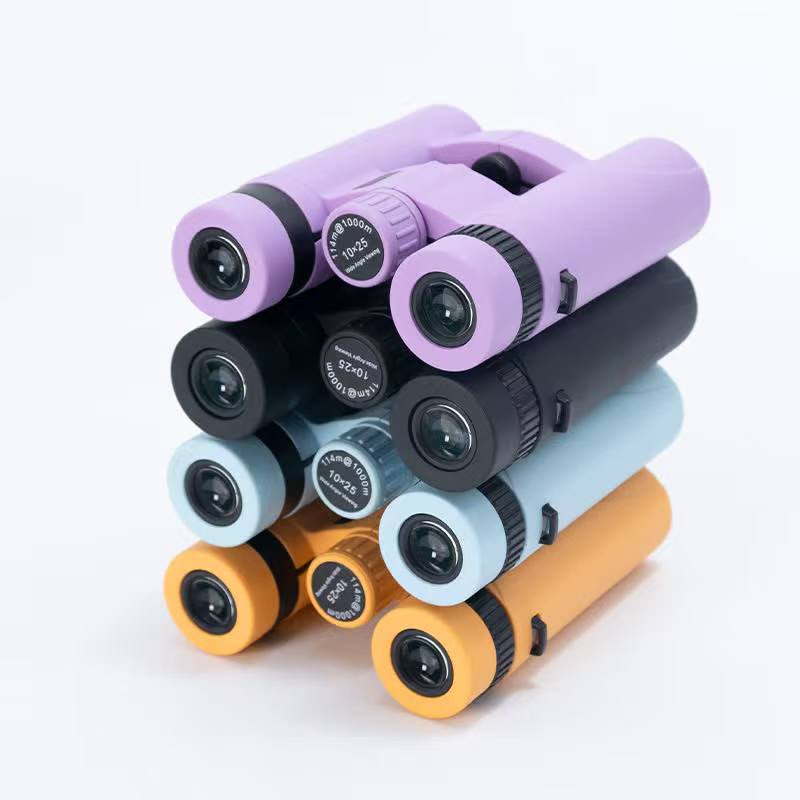
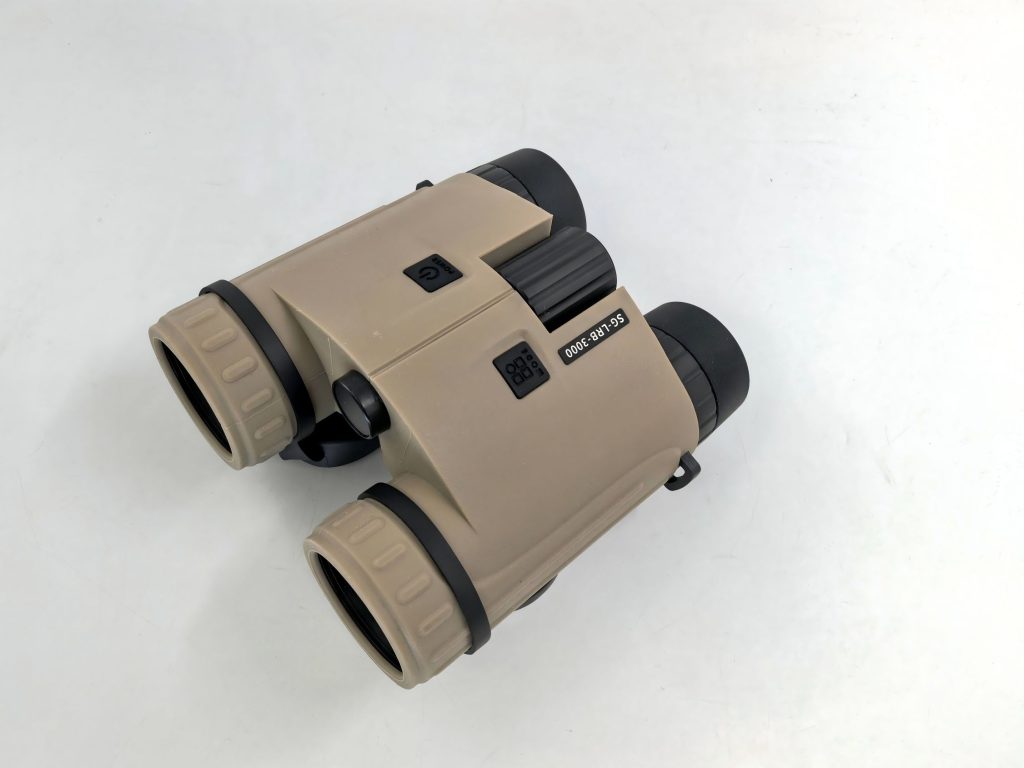
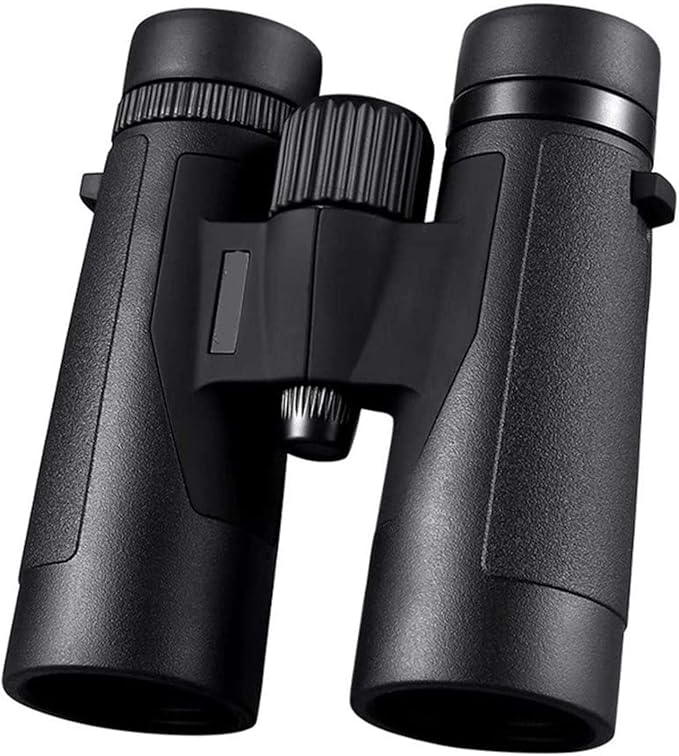
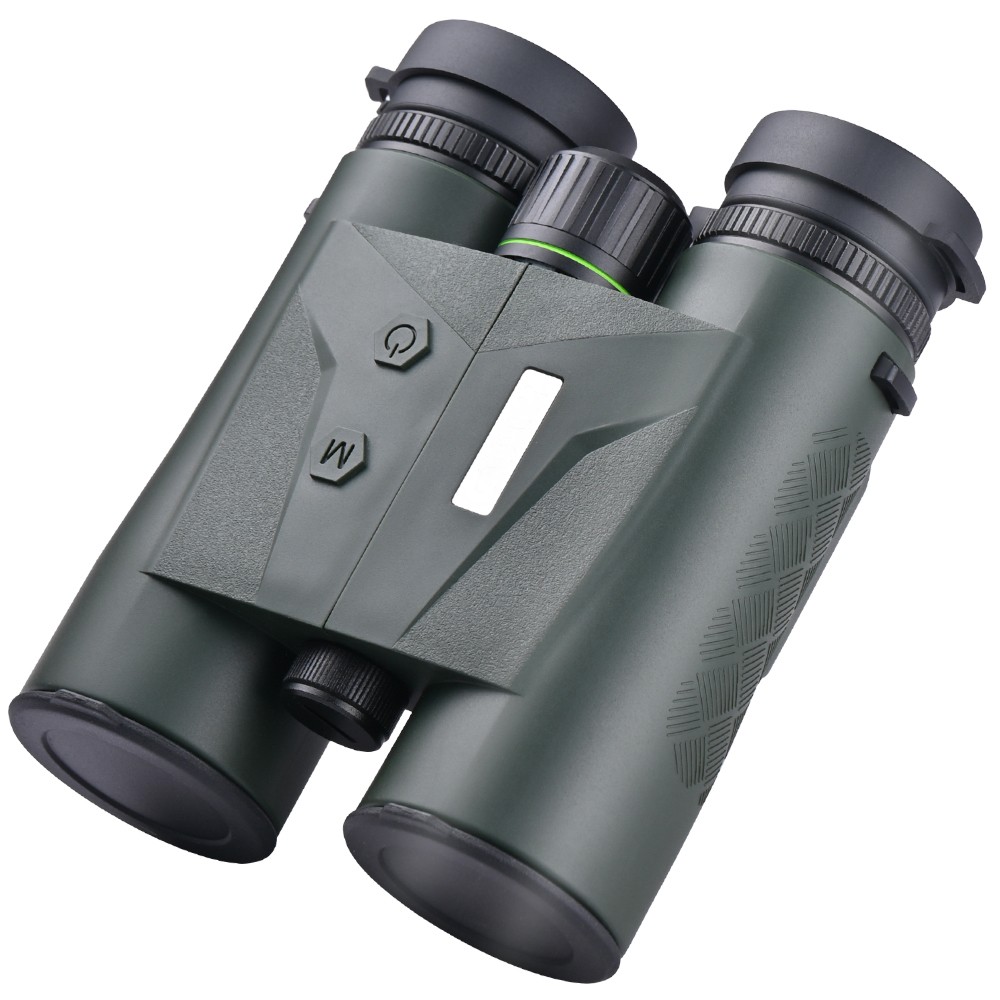
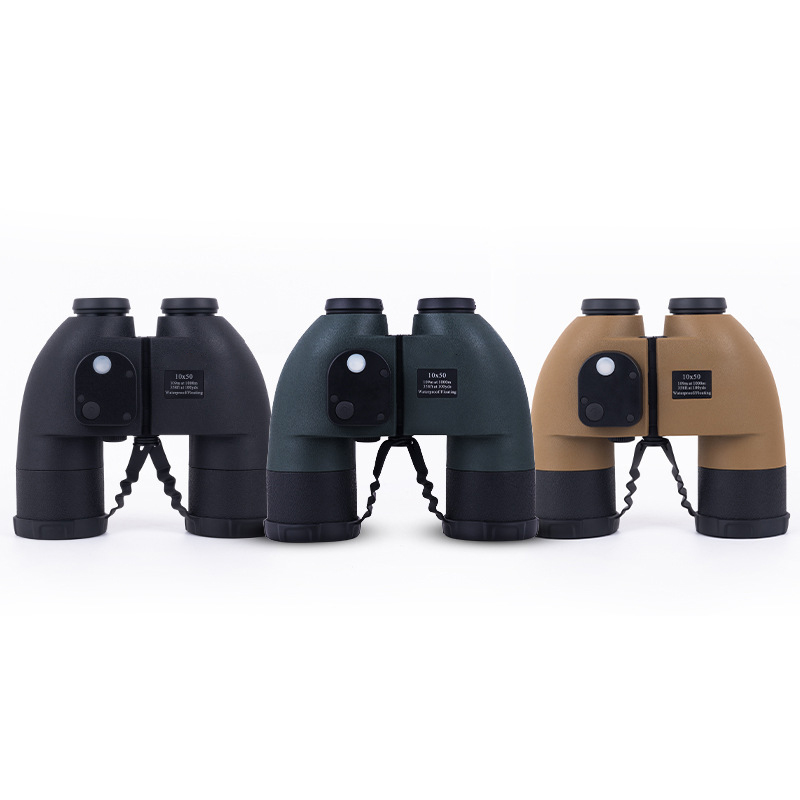
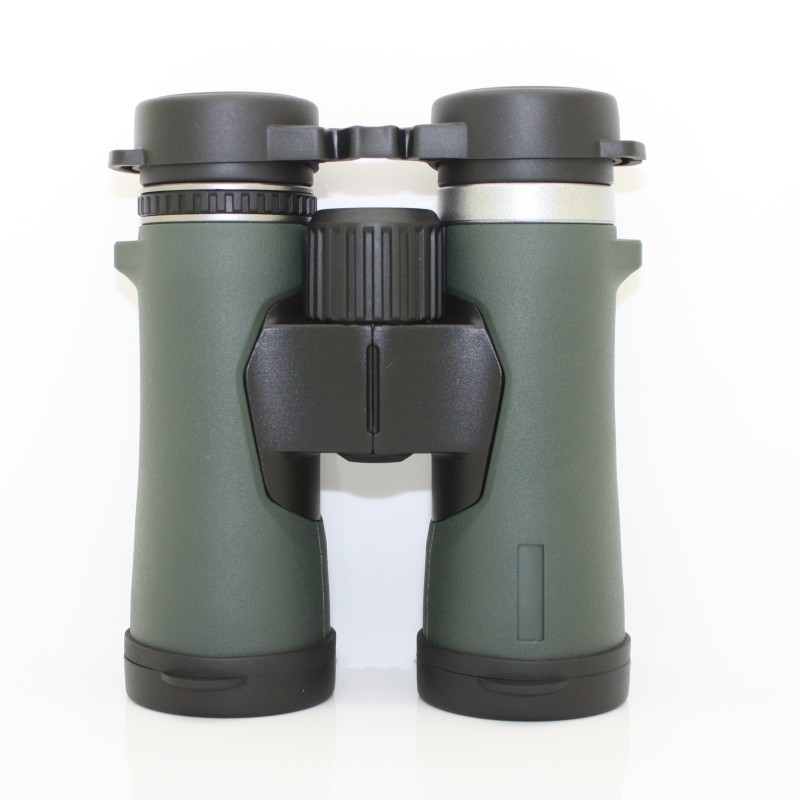
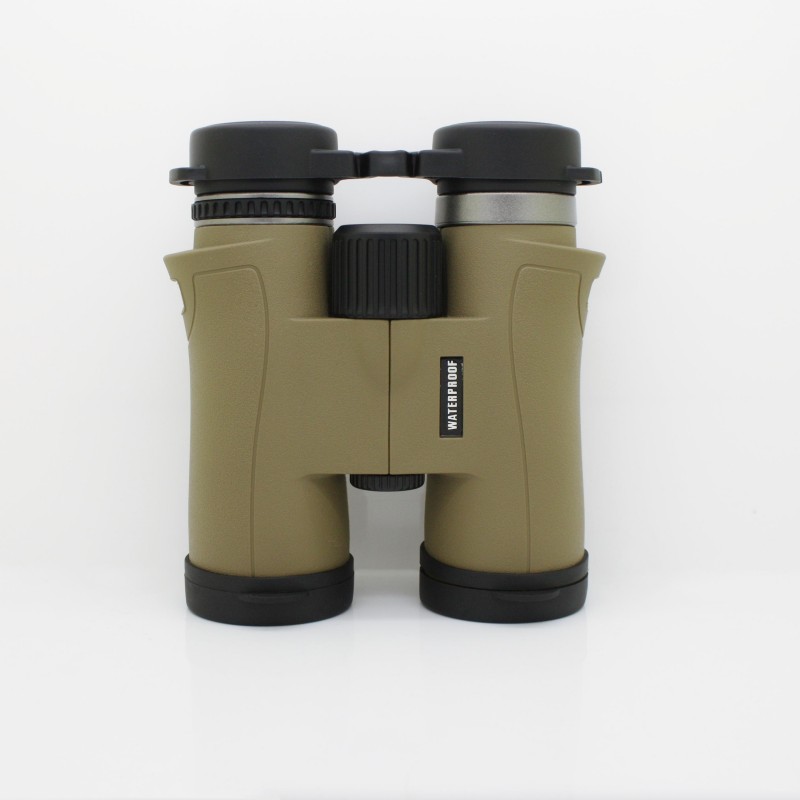
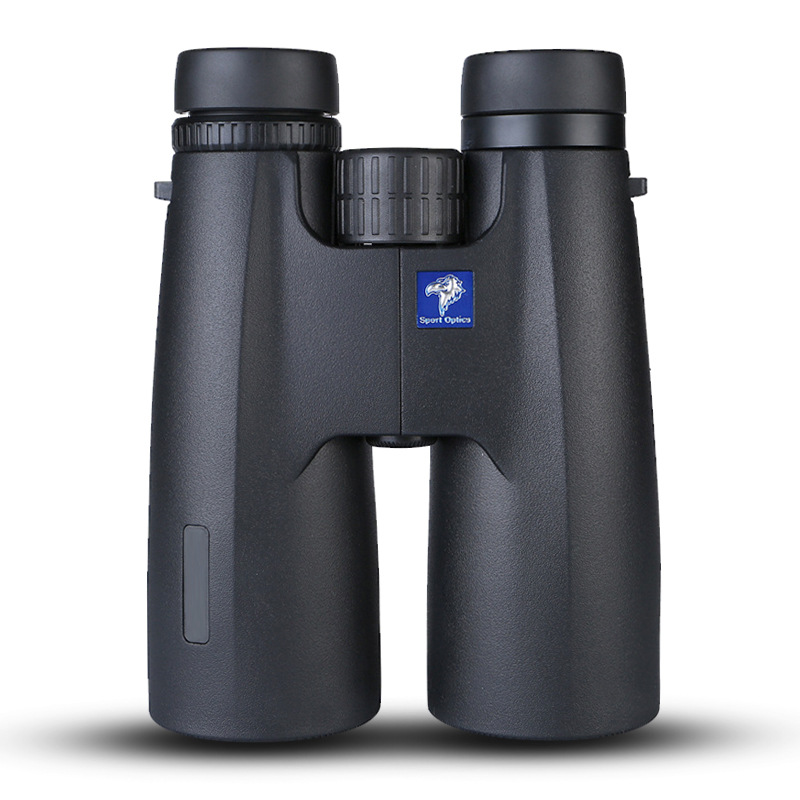
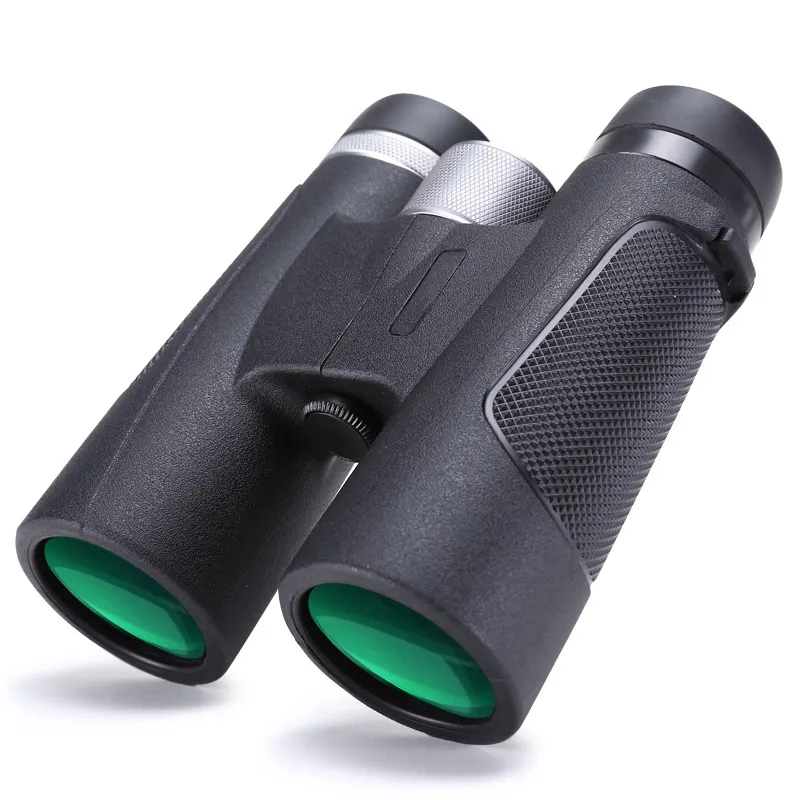
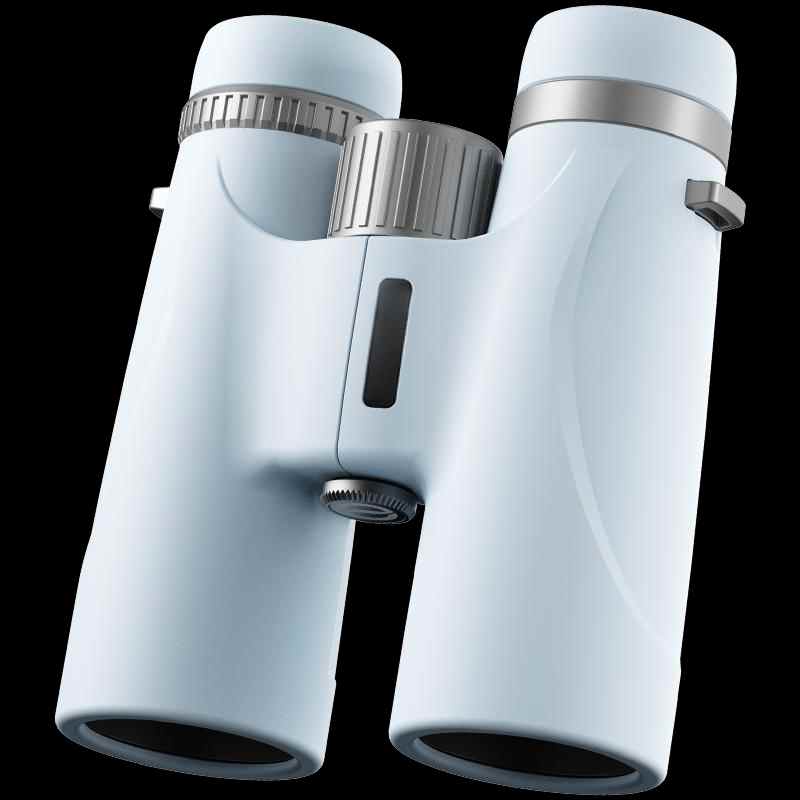
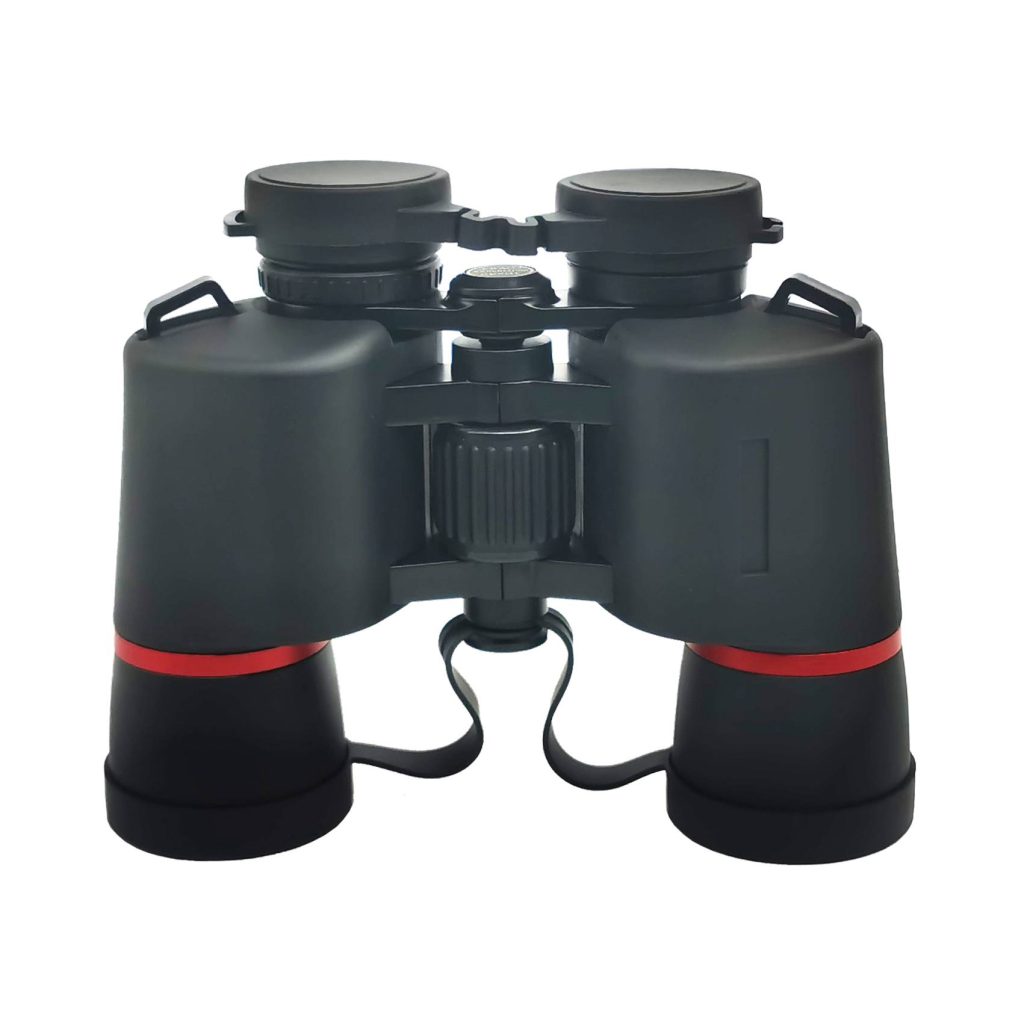
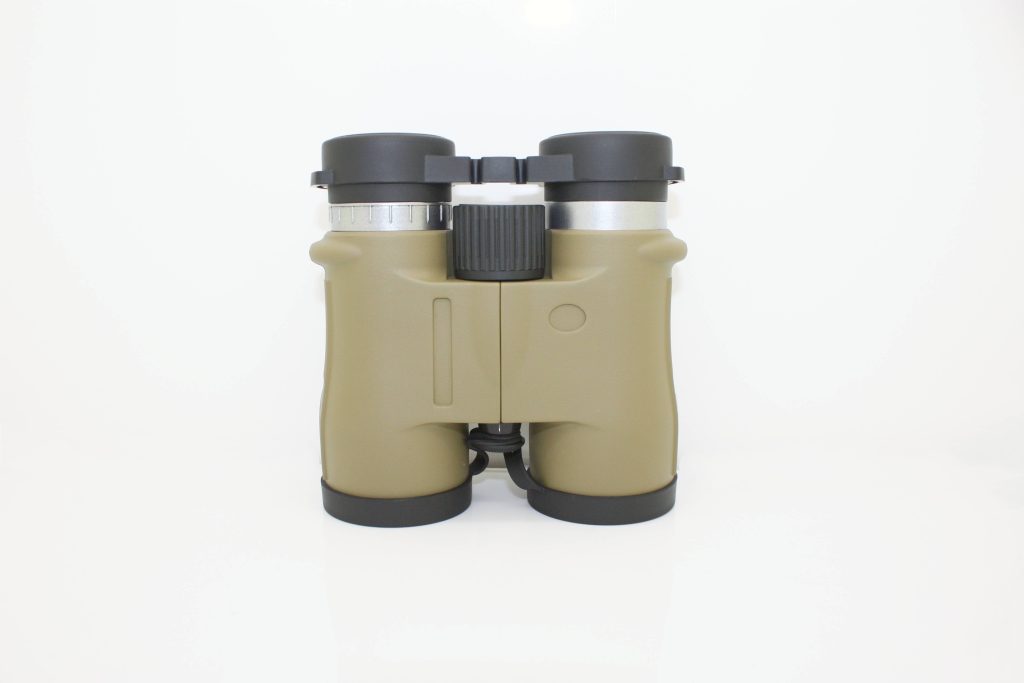
Representative form factors (25 / 32 / 42 mm classes)
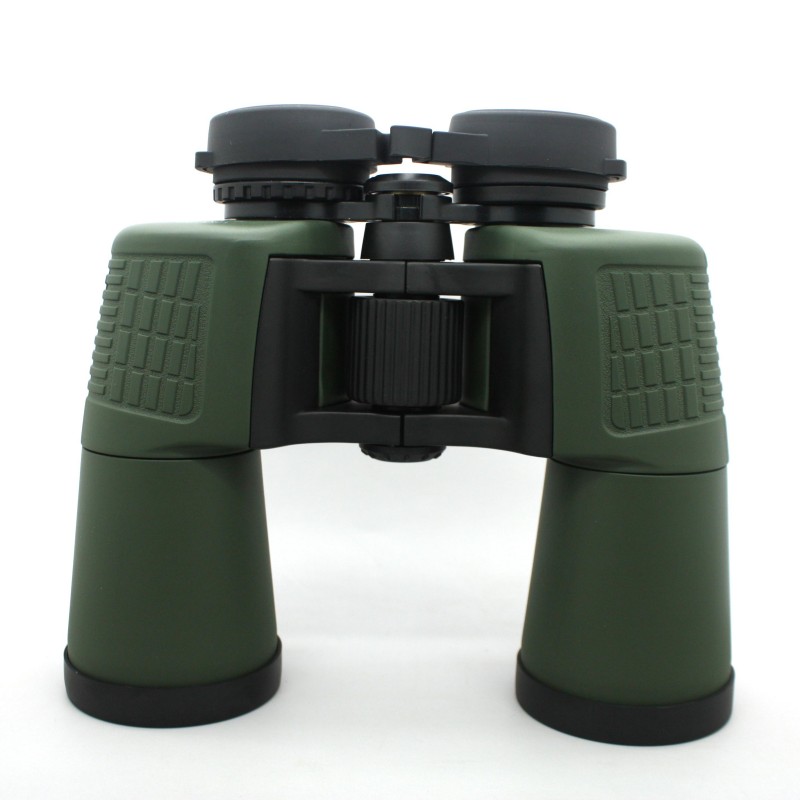
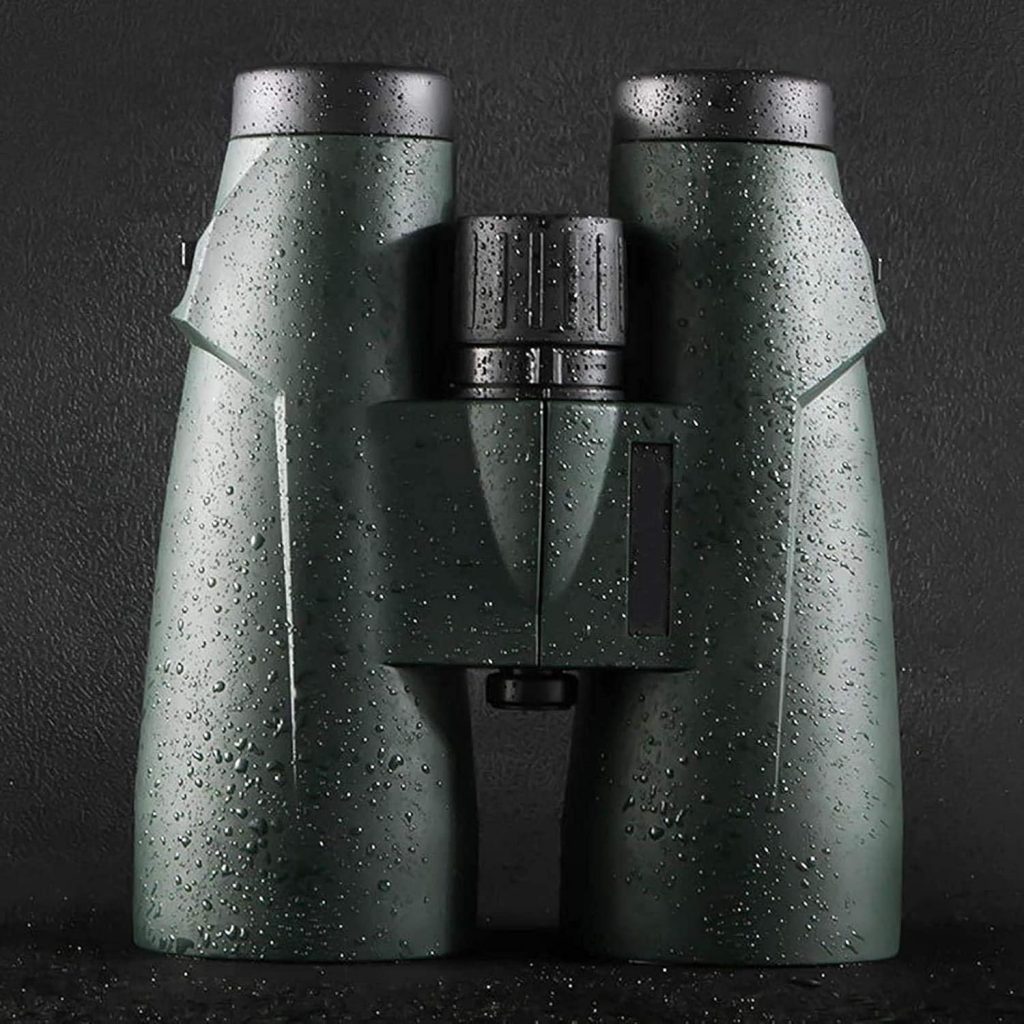
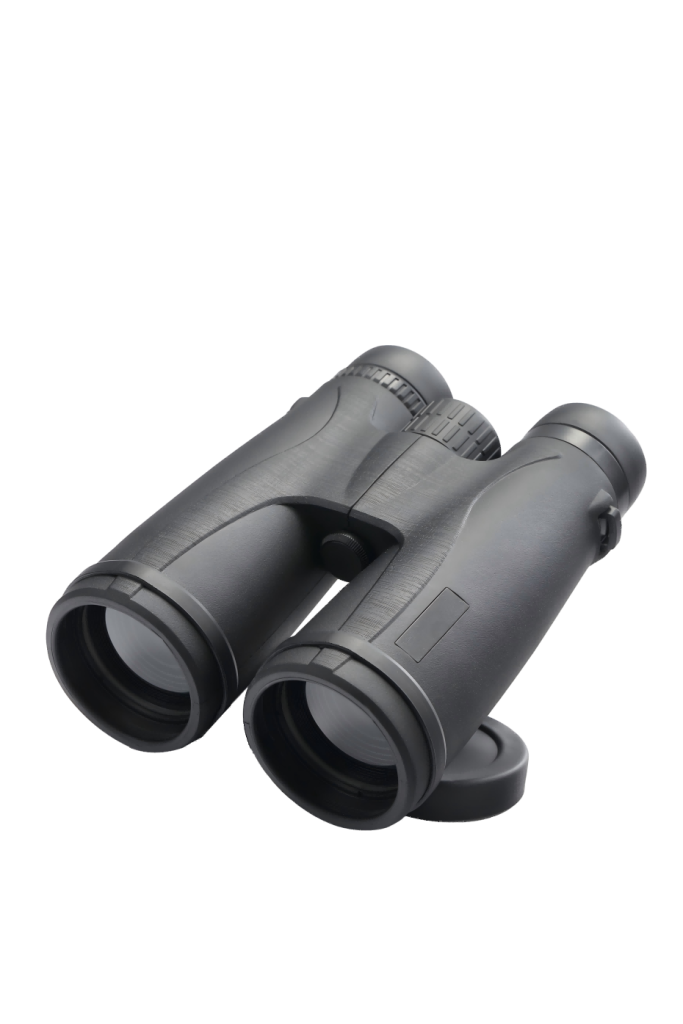
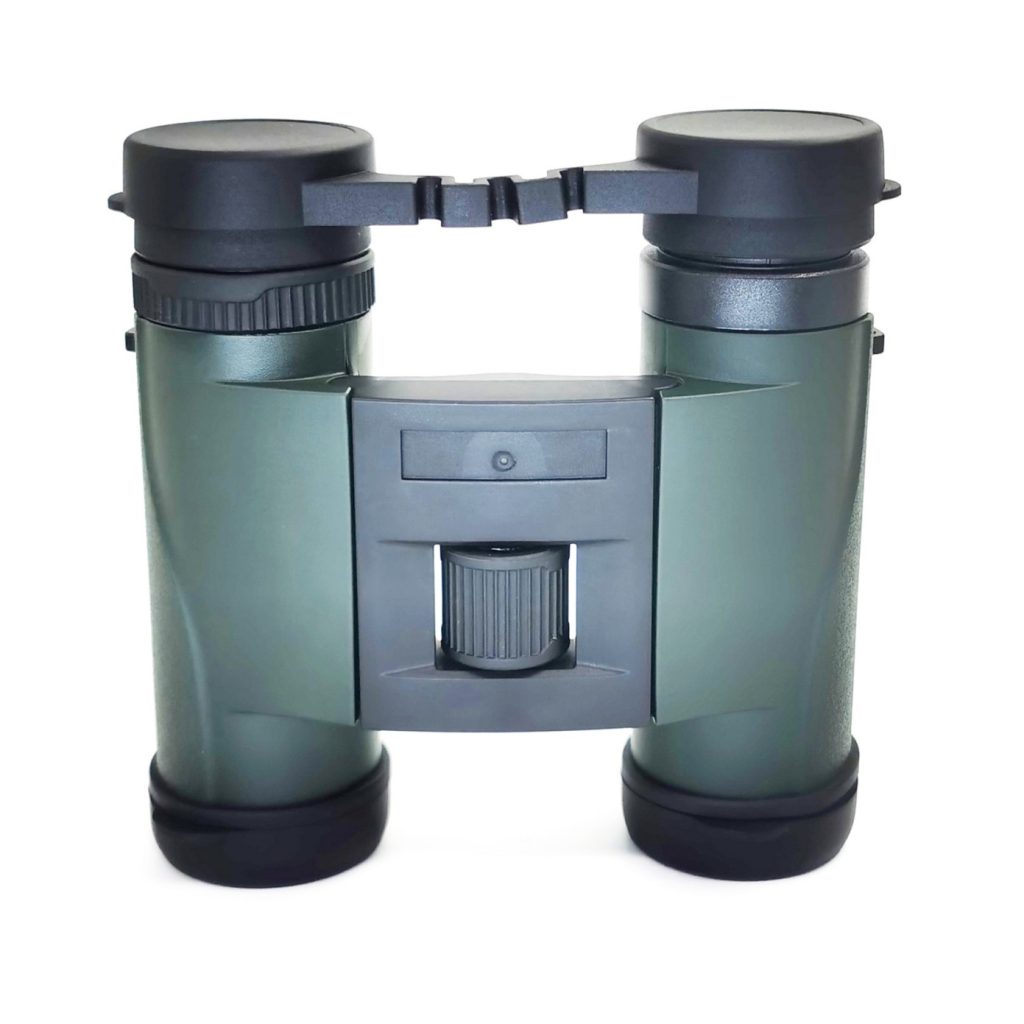
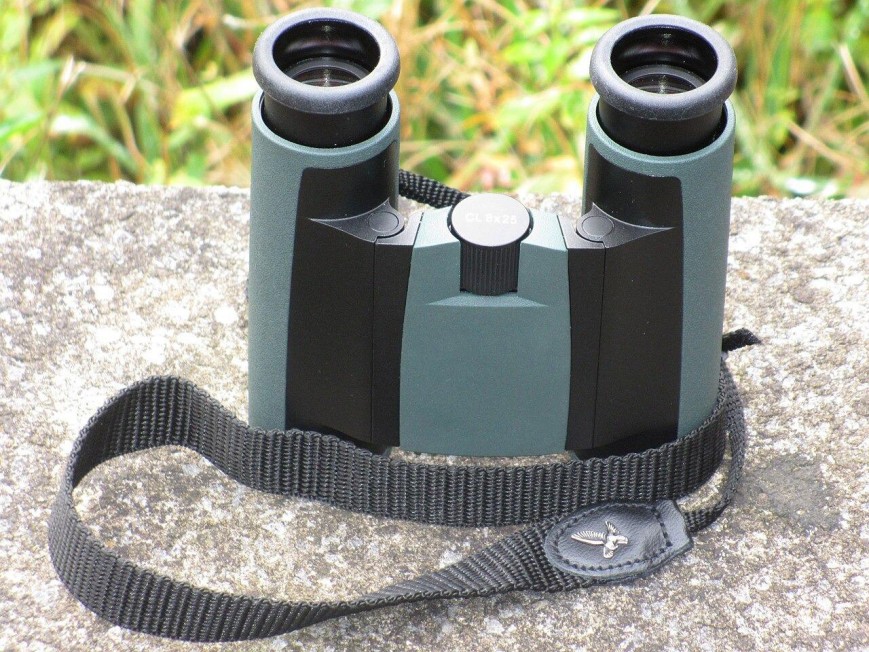
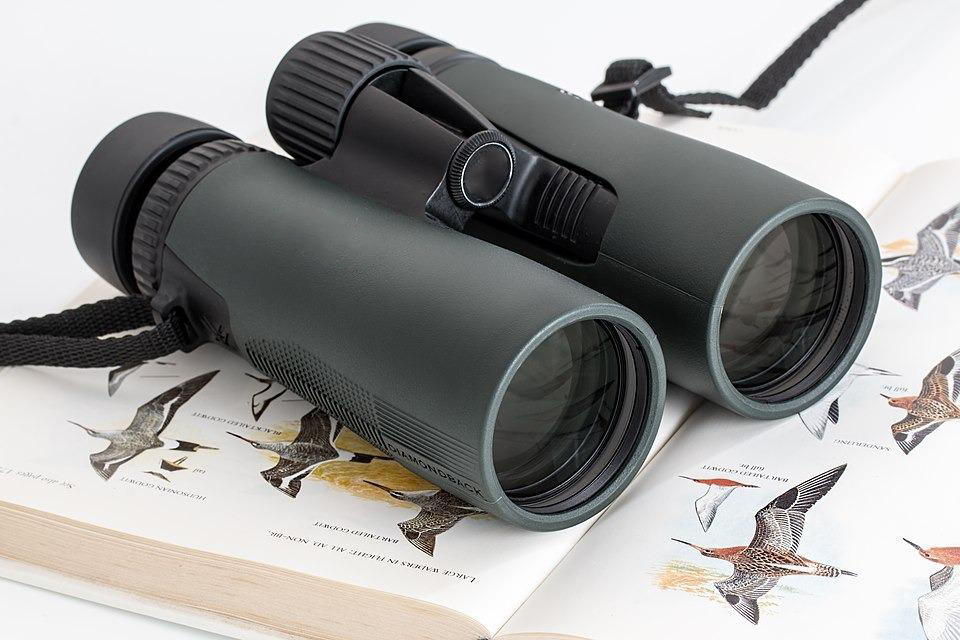
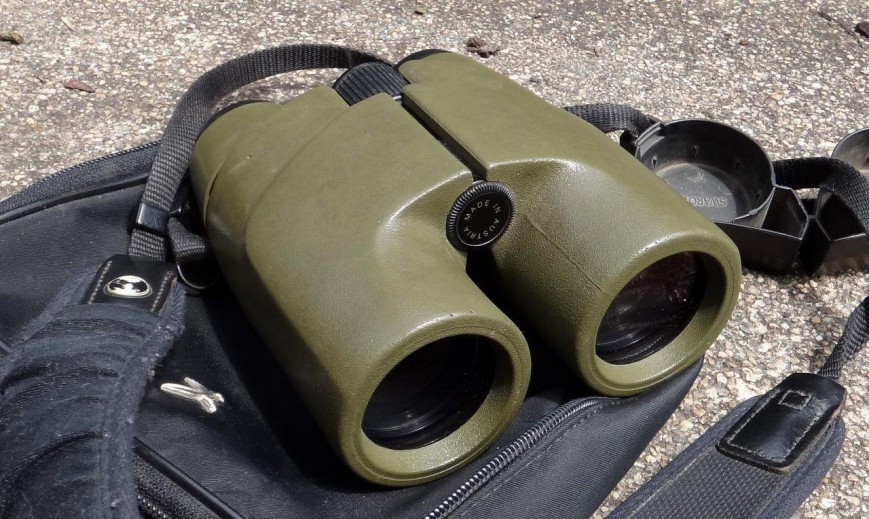
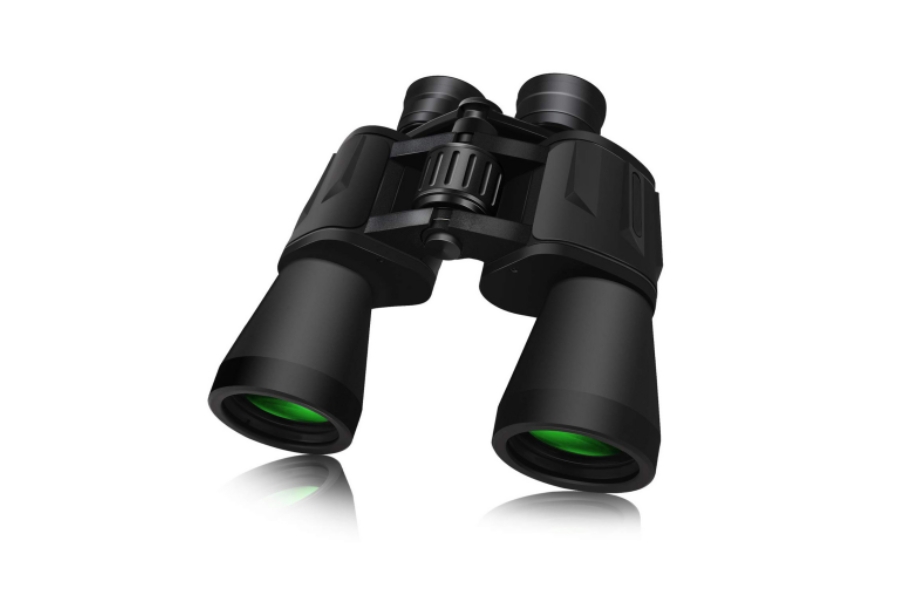
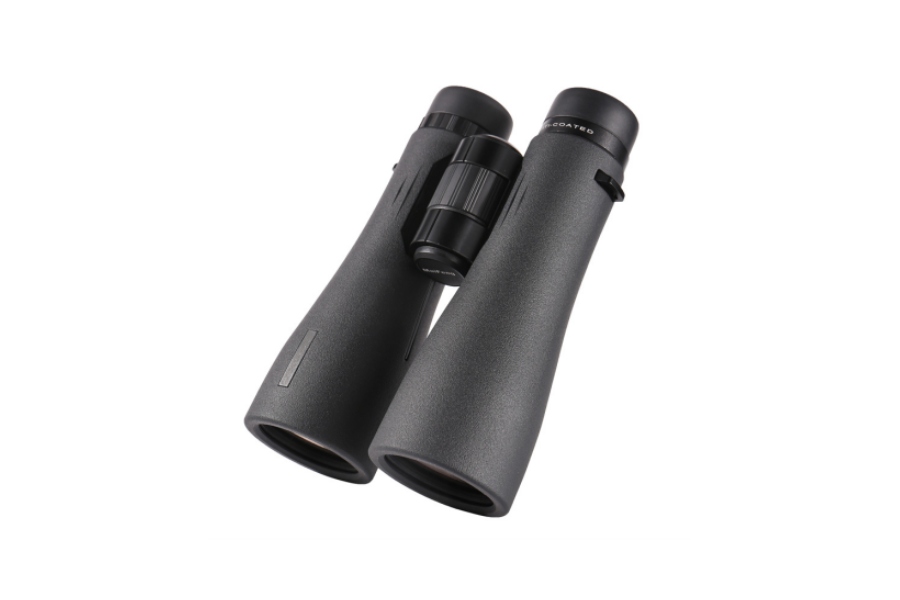
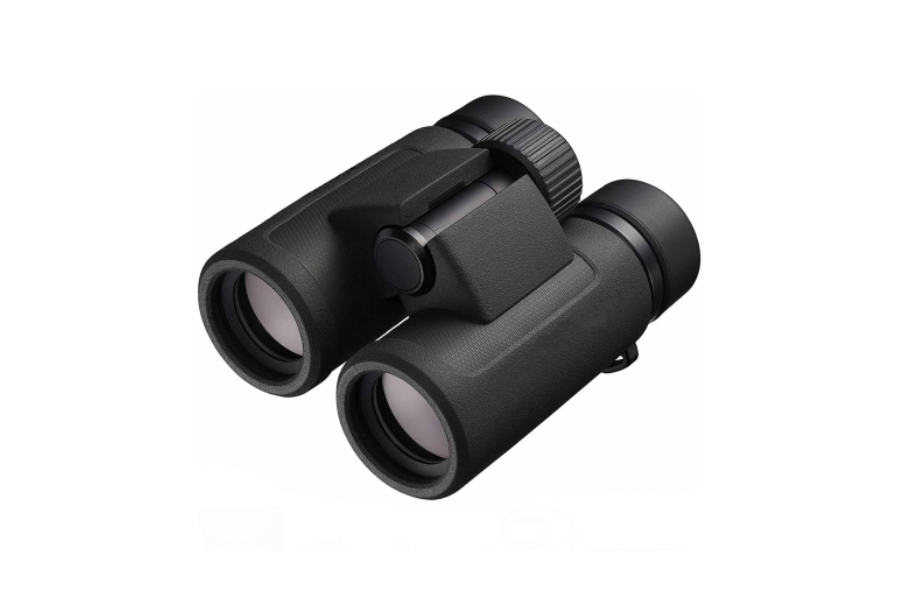
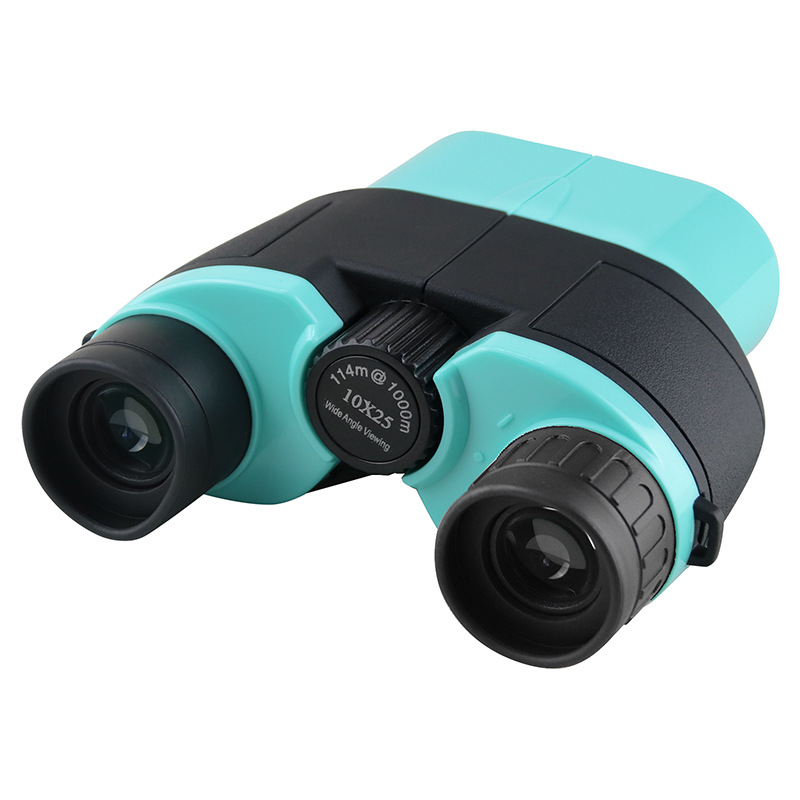
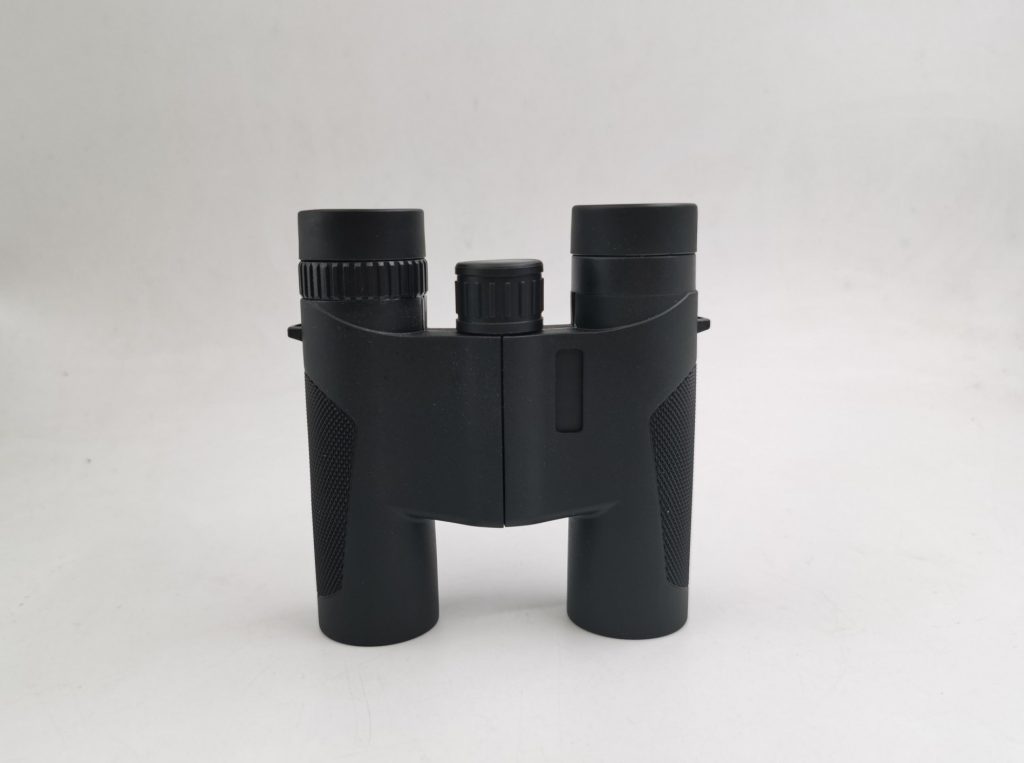
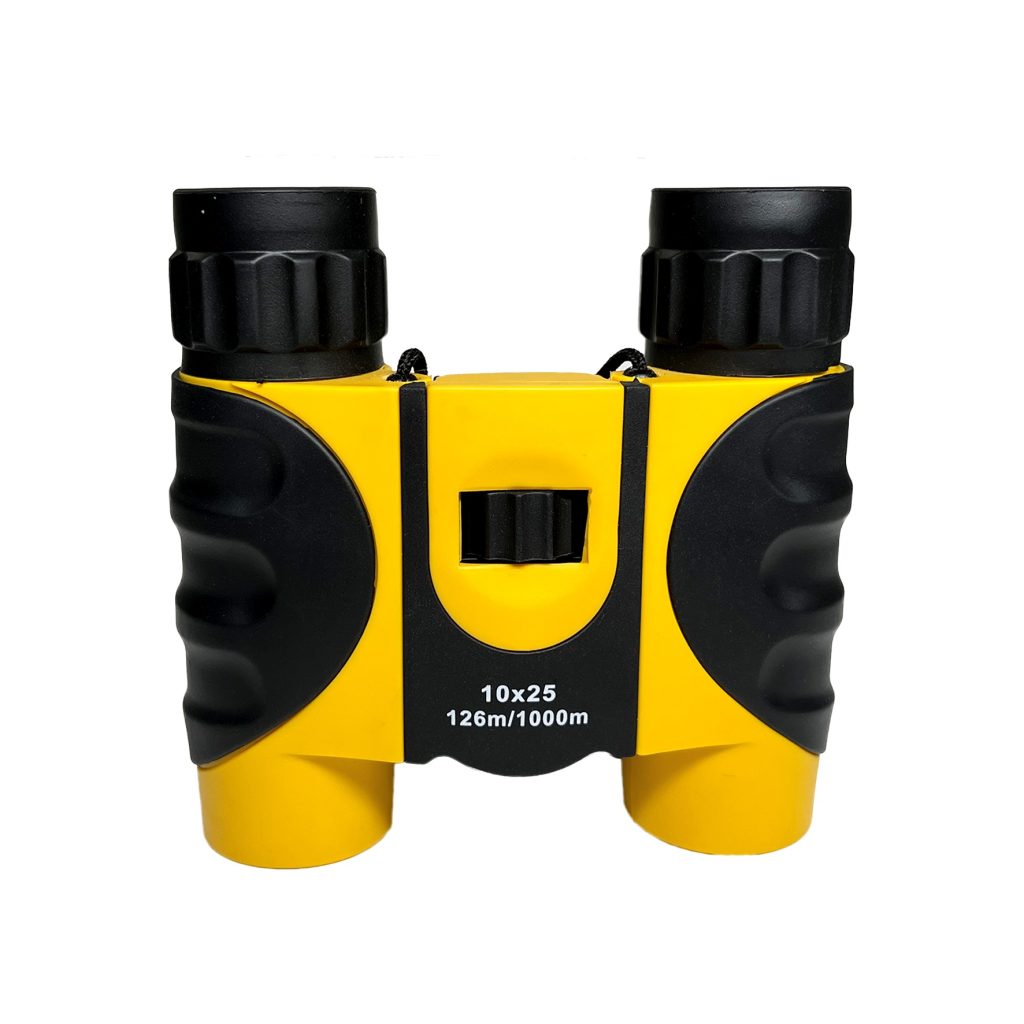
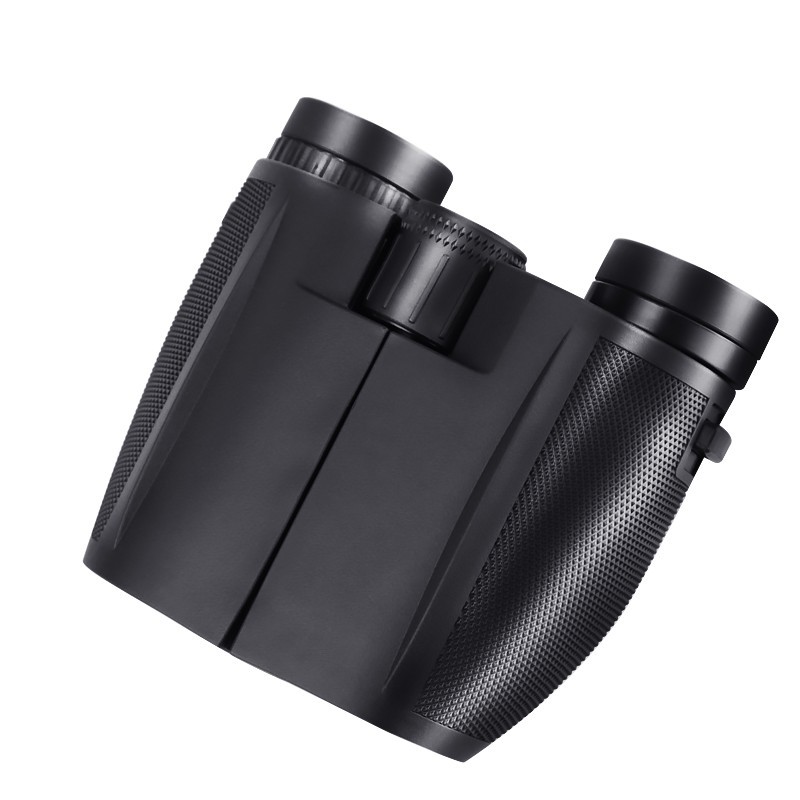
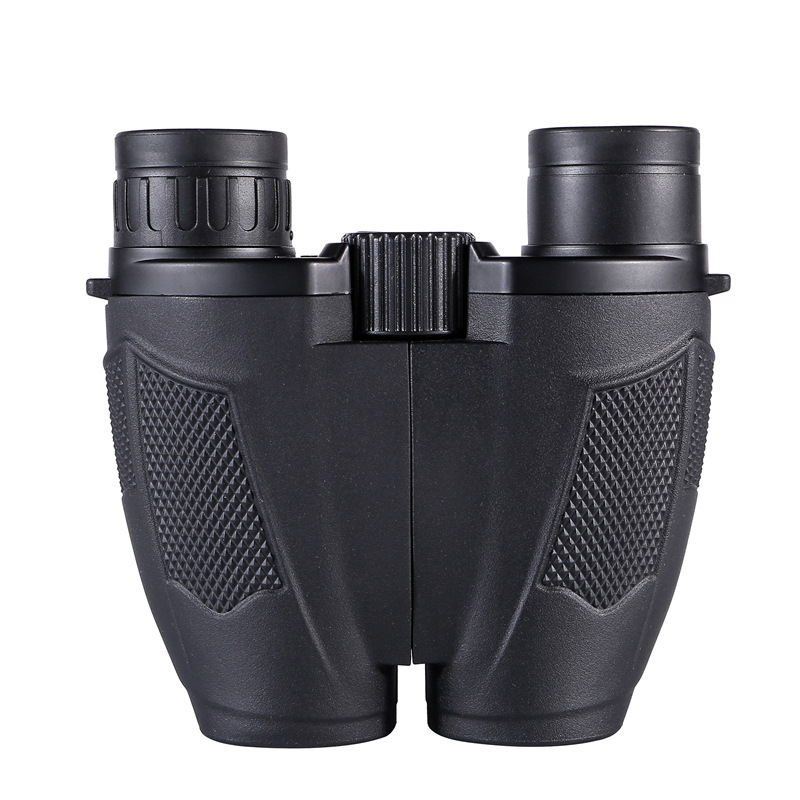
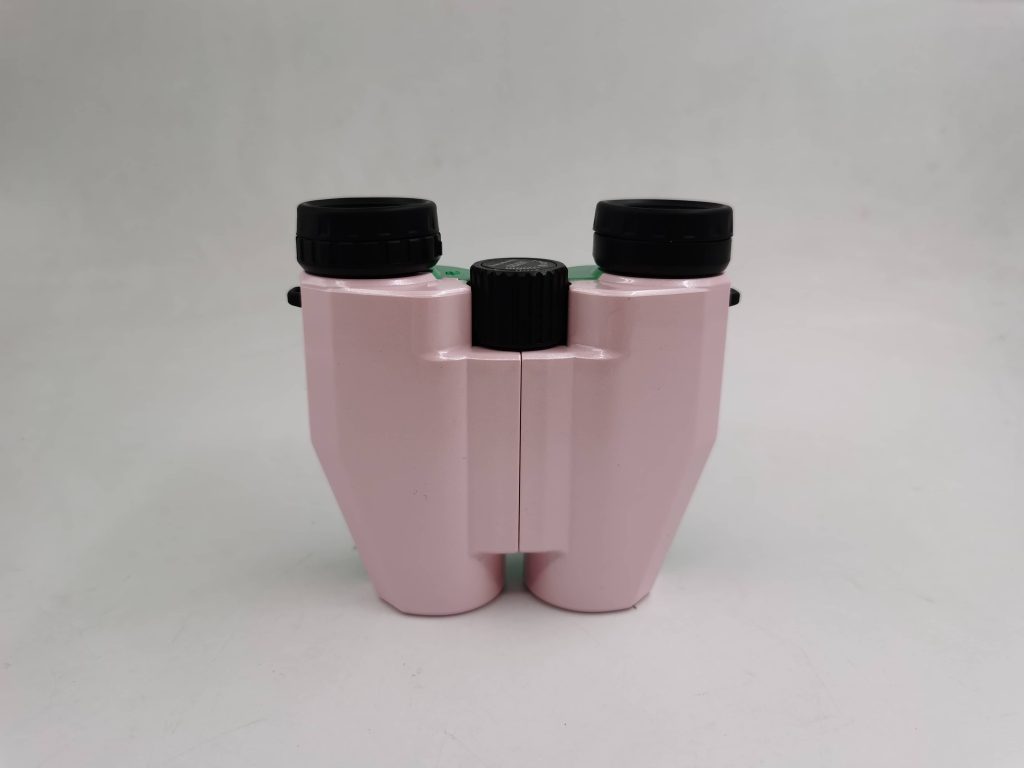
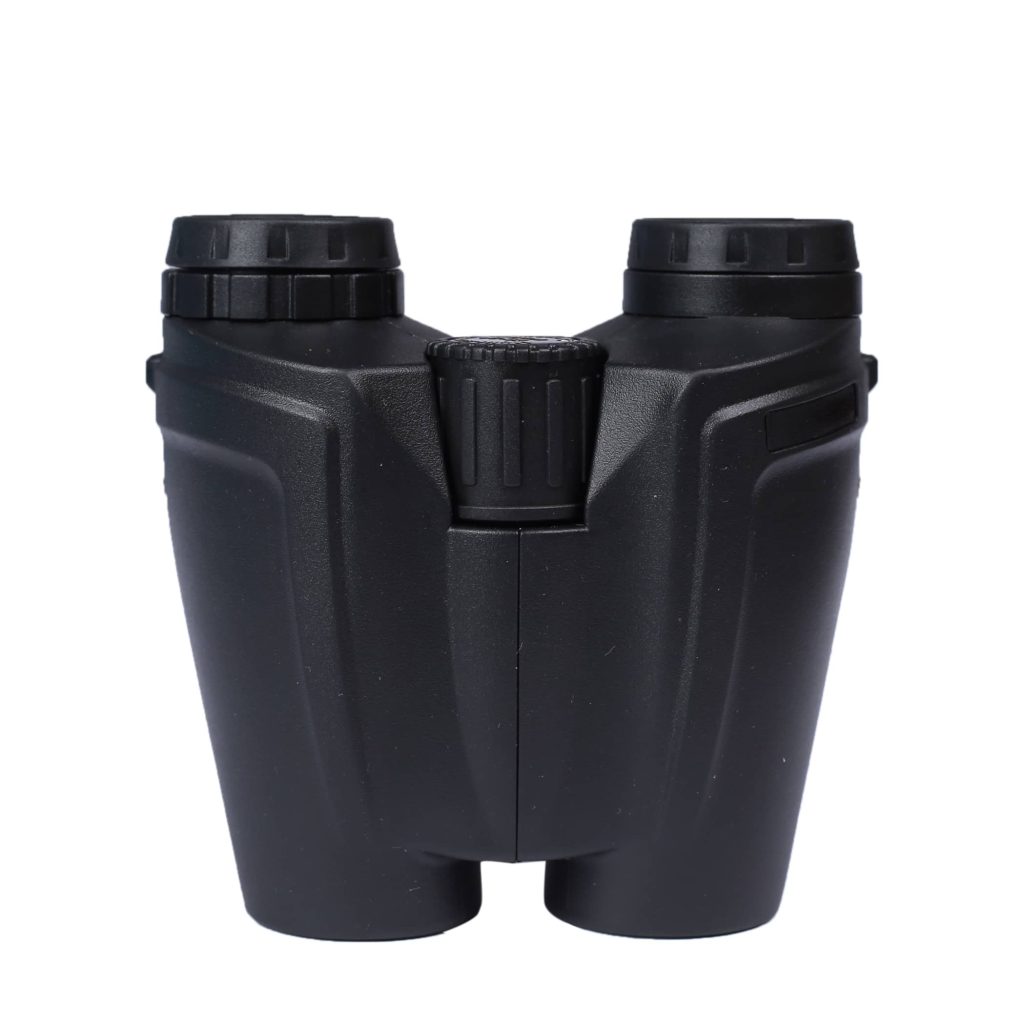
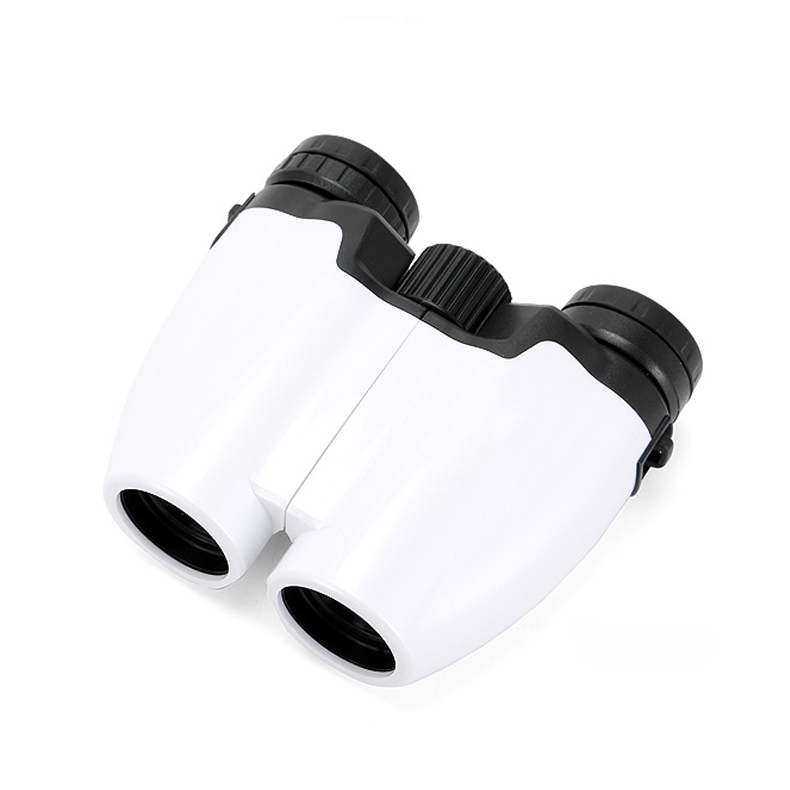
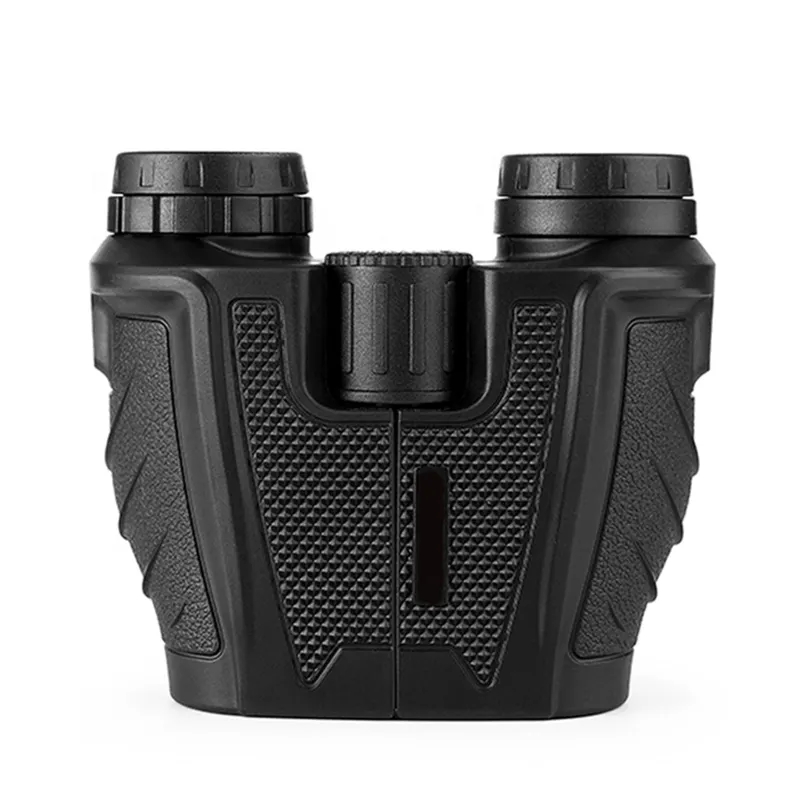
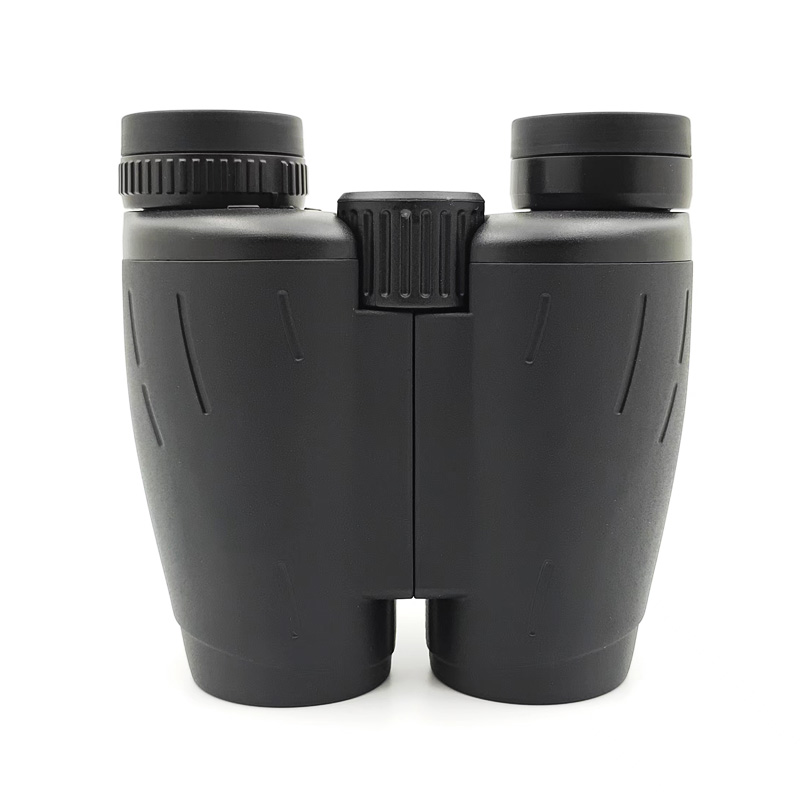
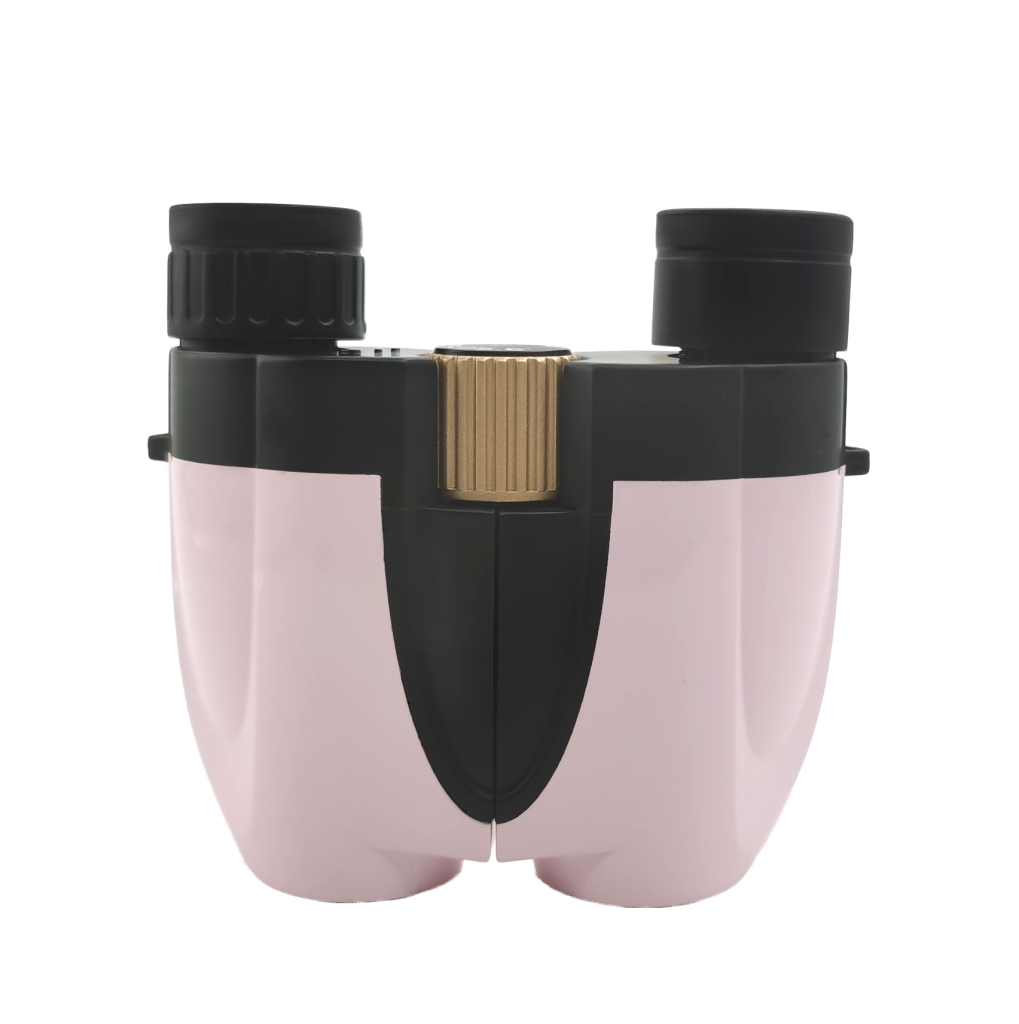
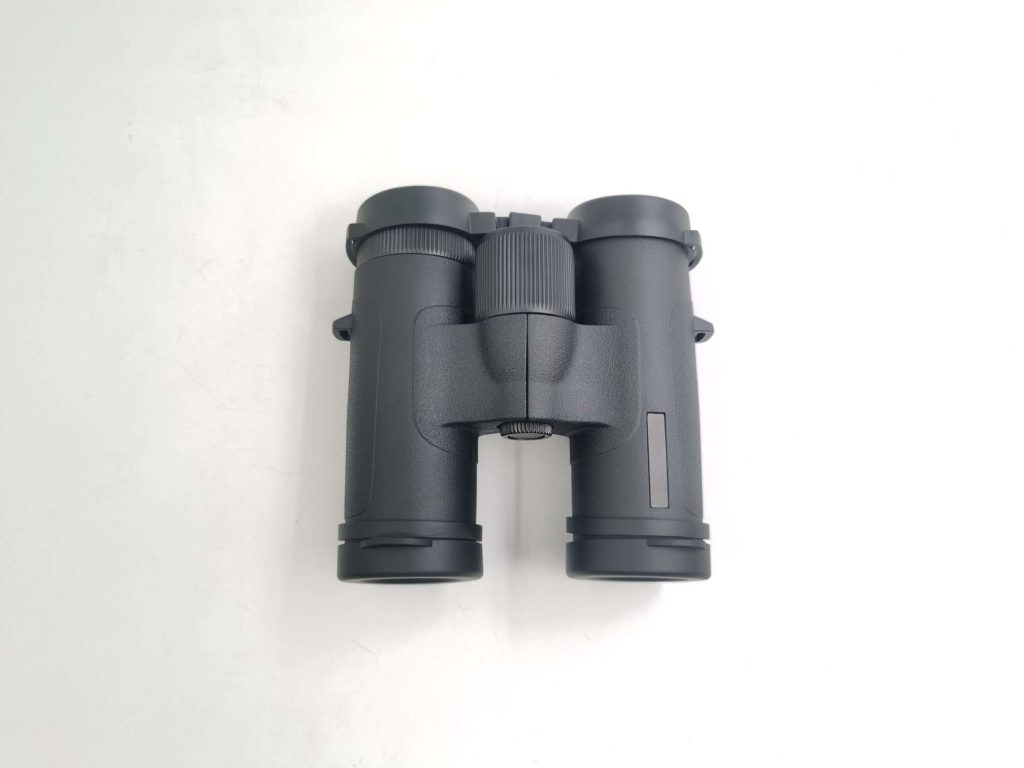
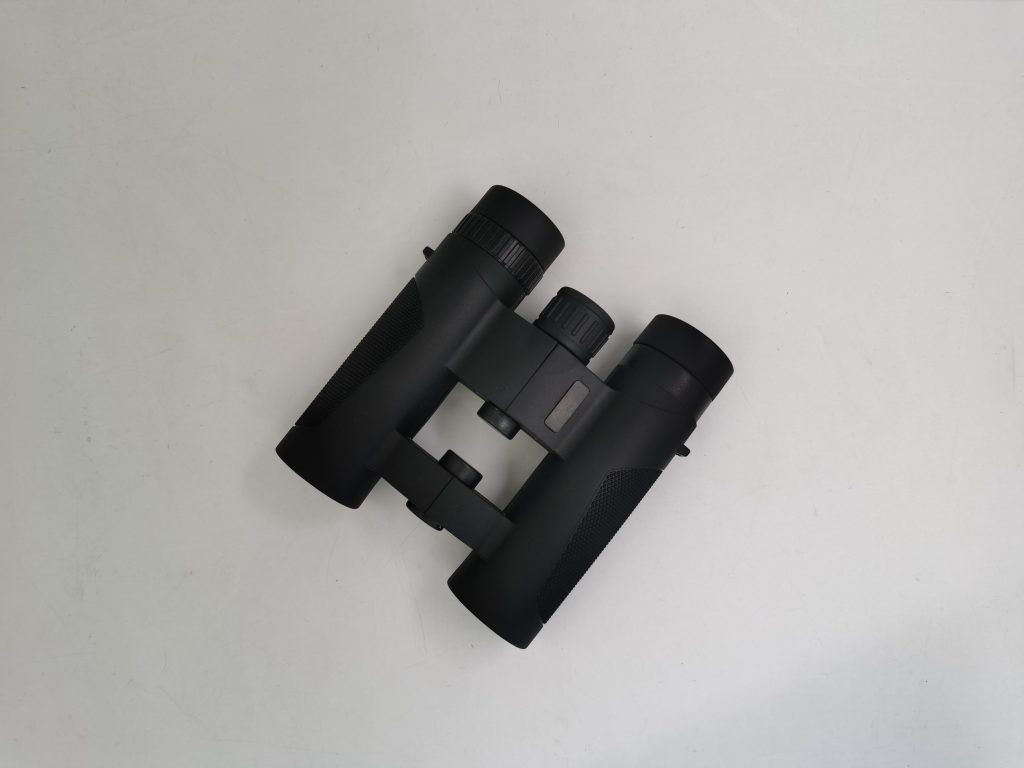
Below are representative examples of how these classes tend to look and pack. Your exact dimensions will vary by prism design, hinge layout, and focus mechanism—but the size ladder is real.
 25 mm-class compact
 32 mm-class travel all‑rounders
 42 mm-class full-size
What really changes when you move from 25 → 32 → 42
Objective diameter doesn’t just affect “brightness.” It changes how forgiving the binocular feels—how easy it is to keep a full, bright image while you walk, turn your head, or wear glasses.
Exit pupil: the comfort number you can calculate in your head
A simple rule of thumb: exit pupil ≈ objective diameter ÷ magnification. Larger exit pupils are more forgiving to eye placement and feel calmer in dim conditions.
- 8×25: exit pupil ≈ 3.1 mm
- 8×32: exit pupil ≈ 4.0 mm
- 8×42: exit pupil ≈ 5.2 mm
- 10×25: exit pupil ≈ 2.5 mm
- 10×42: exit pupil ≈ 4.2 mm
For travel, this matters because you rarely observe from a perfect stance. The smaller the exit pupil, the more likely you’ll see black crescents (vignetting) when your eye alignment slips.
Field of view: not just “wide”, but usable when you’re moving
Travel viewing is dynamic. You pan across skylines, track birds, and search moving subjects. A wide field of view (FOV) helps—but only if the edge remains usable and your eye relief lets you see the whole circle.
Focus on these two checks:
- Can you see the full circular field comfortably (especially with glasses)?
- When you pan, does the edge stay readable, or does it smear/flare so badly that you stop using it?
Stability and “hand–feel”: size can make an 8× feel sharper
A larger chassis is often easier to stabilize. Many users experience that a good 8×32 feels sharper in practice than an 8×25, even at the same magnification, because it’s easier to hold steady and maintain eye position.
Under-the-hood choices that change travel experience
Two binoculars can share the same magnification and objective size, yet feel completely different on the road. These design choices explain why.
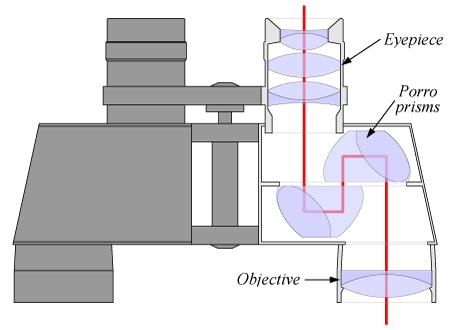
Prism architecture: roof vs Porro vs reverse Porro
- Roof prisms usually win on slim packing and one‑hand carry, which is why most travel binoculars are roof designs.
- Porro and reverse‑Porro designs can deliver strong 3D perception and value, but often trade slimness for width.
- For travel, prioritize the body that fits your carry method first—then compare optics.
Hinge layout: single hinge vs double-hinge “pocket fold”
- Many 25 mm compacts use a double hinge to fold smaller—great for pockets.
- Mid-size 32 mm models often use a single hinge or open‑bridge design for stability and better grip.
- If you share binoculars (family travel), check the interpupillary distance (IPD) range—some compacts don’t fit everyone.
Eyecups + eye relief: the real gatekeeper for eyeglass wearers
If you wear glasses, ignore “theoretical eye relief” marketing and focus on real usability: twist‑up eyecups that stop firmly, don’t wobble, and allow you to see the full field without pressing your frames into the cups.
- Aim for long effective eye relief (often ≥15 mm is a practical threshold).
- Look for eyecups with multiple positive stops, not mushy friction.
- Check for kidney‑beaning (blackouts) at your preferred eyecup height.
Focus system and speed: travel is lots of distance changes
City to skyline, zoo to rooftop, boat to coastline—travel forces constant refocusing. A smooth, predictable focus wheel matters more than you think.
- Check for backlash (dead play) when reversing direction.
- Make sure focus is smooth across the entire range—no tight spots.
- If the diopter ring drifts easily, your ‘sharpness’ will feel inconsistent day to day.
The 60–second travel selection logic
Use this quick logic when choosing between 25 / 32 / 42 classes:
Step 1: Decide your carry method.
- Pocket / crossbody mini bag → start at 25 mm.
- Daypack / sling bag → start at 32 mm.
- Dedicated optics carry or vehicle‑based viewing → 42 mm is in play.
Step 2: Lock magnification.
- Most travel: 8× (steadier, wider, more forgiving).
- Open landscapes / wildlife at distance: 10× (only if you can hold steady).
Step 3: If you wear glasses, filter by eye relief and eyecups first.
- If you can’t see the full field comfortably, everything else is wasted.
Step 4: Compare FOV + edge usability.
- Pick the widest field that stays usable for you (with your eyewear and posture).
Step 5: Run the ‘real travel’ mechanical check.
- Focus wheel feel, diopter stability, hinge tension, and overall robustness.
When each class is the right answer
Choose 25 mm if:
- You want binoculars that you actually carry every day of the trip.
- Your viewing is mostly daytime and short sessions (city viewpoints, casual wildlife).
- You value minimal bulk over dusk performance.
Choose 32 mm if:
- You want one binocular that covers almost everything travel throws at you.
- You’ll do nature walks, light birding, or coastal viewing where light can be soft and contrasty.
- You want a noticeably more forgiving view than a compact, without going full-size.
Choose 42 mm if:
- Your trip includes dawn/dusk wildlife, shaded forests, or long viewing sessions.
- You prioritize comfort and robustness over packability.
- You’re okay dedicating real space (and weight budget) to optics.
The travel-specific checklist (what to verify in person)
- Eye relief + eyecup stops (with your glasses, if applicable).
- Full field visibility: can you see the entire circle without strain?
- Focus feel: smooth, predictable, minimal backlash.
- Diopter: holds position, ideally lockable or stiff enough not to drift.
- Close focus: useful for museums, exhibits, and near subjects.
- Weather sealing: rain, sea spray, and temperature swings are common in travel.
- Strap/case ergonomics: a bad strap can make even a great binocular feel heavy.
Conclusion: Pick the class you’ll actually carry
For most trips, the best binocular is the one that stays with you when the moment happens. If you prioritize pocketability, 25 mm is unbeatable. If you want one do‑it‑all travel binocular, 32 mm is often the most balanced choice. If your itinerary is truly low‑light or wildlife‑heavy, 42 mm delivers the most relaxed and capable view—at the cost of space and weight.